How to Choose Commercial Real Estate Photography for Your Property Type
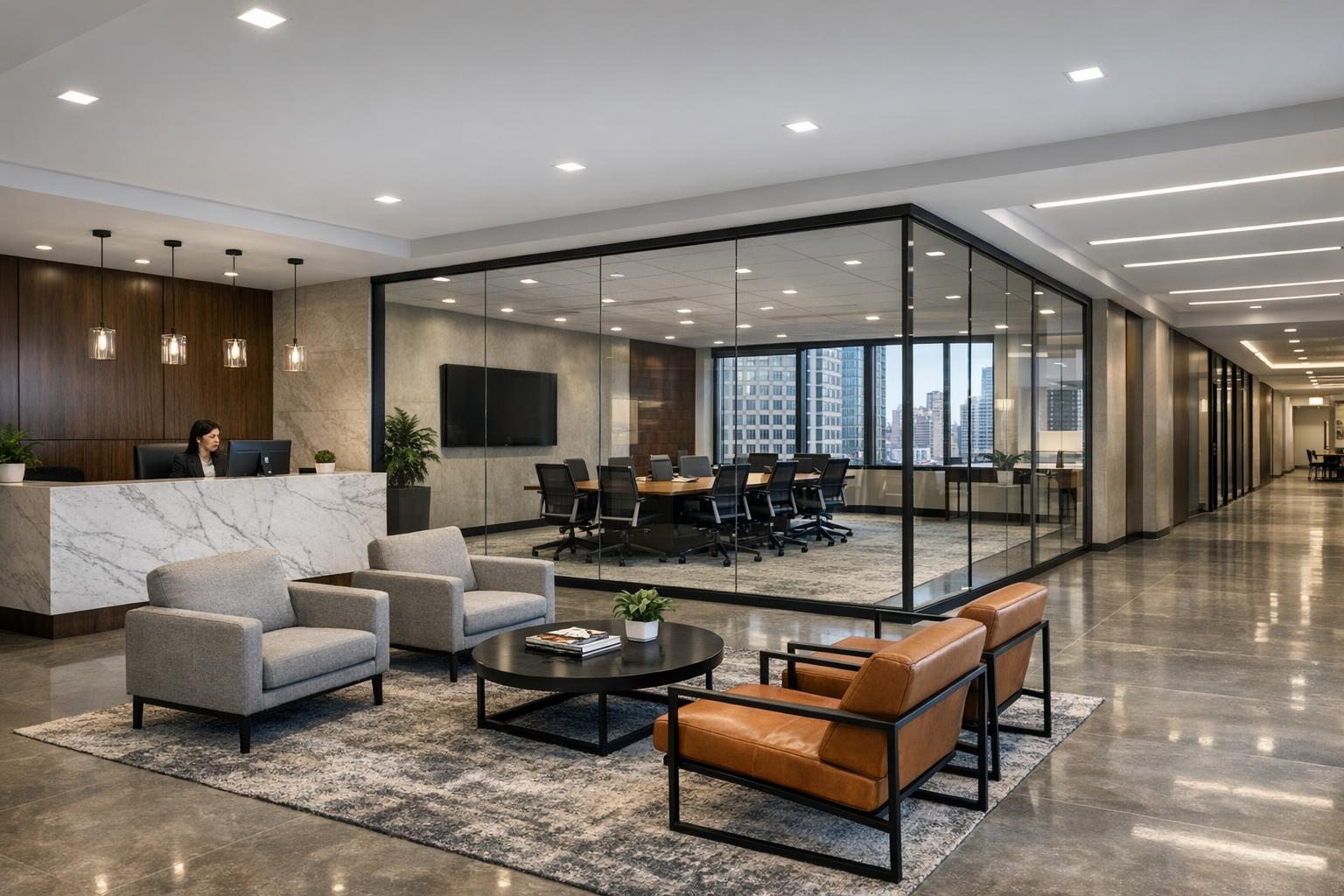
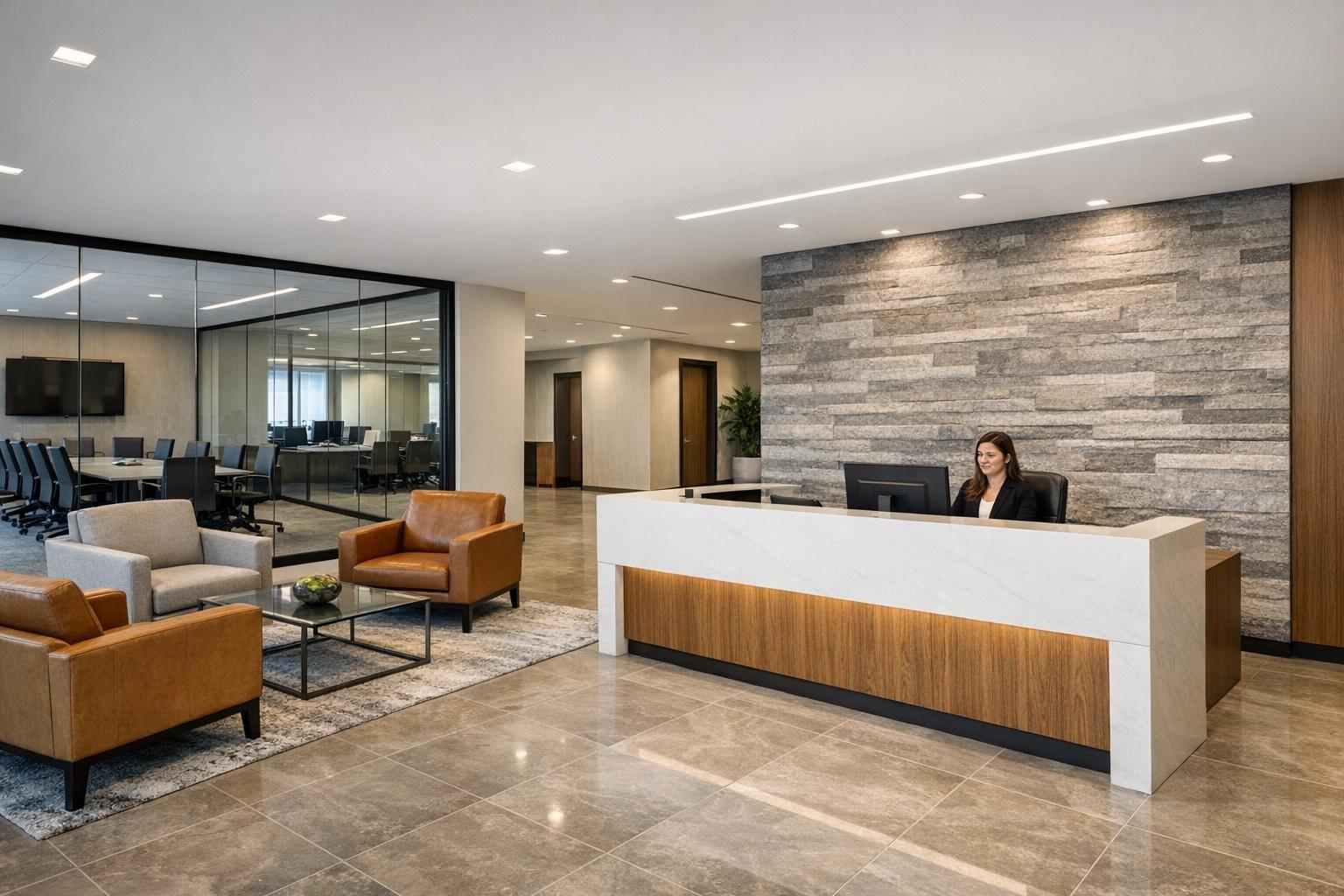
A modern commercial real estate office features a sleek reception area with seating and glass-enclosed conference rooms.
How to Choose Commercial Real Estate Photography for Your Property Type
Commercial real estate photography shapes the first impression for anyone considering a property—whether that’s a tenant, buyer, investor, customer, or business partner. RealtaSnap has seen how different categories of commercial space each require a tailored approach to visual marketing. Getting that approach right involves more than capturing a room with a wide-angle lens. It’s about anticipating the questions a prospect is likely to ask, and building a photo package that gives clear, practical answers at a glance.
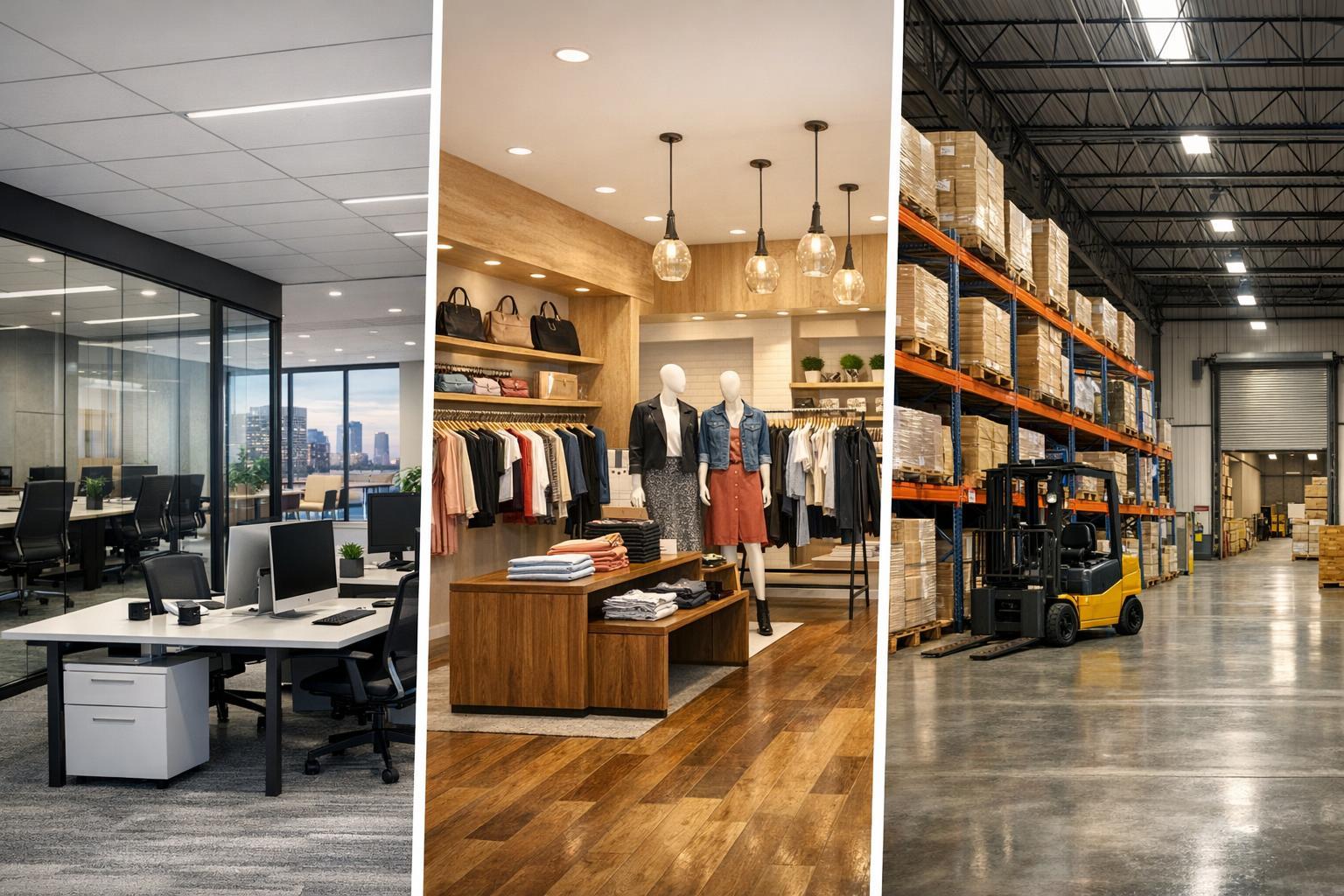
In a market as varied as New York City and New Jersey, there’s no such thing as a “generic” commercial listing. Every asset—whether it’s an office, a restaurant, a retail storefront, a warehouse, or a development site—deserves a photographic strategy designed around its function, features, and where it fits into the streetscape. Here’s how experienced professionals break down the process.
Begin with the Property’s Marketing Mission
Effective commercial property photography always starts with a clear marketing purpose. Are you leasing a move-in-ready office suite? Launching a new street-level retail location? Making a warehouse available for distribution? Introducing a mixed-use building to the neighborhood? The answers determine what to show, how to sequence the images, and whether to supplement still photography with other visual media.
The approach for a quiet office building is different from a warehouse optimized for logistics or a retail space that lives and dies by visibility. For each, useful visuals will focus on some or all of these features:
- Overall square footage and ceiling height
- Room-to-room flow or work area layout
- Window placement, daylight access, and exterior views
- Architectural details and finishes
- Accessibility—lobbies, elevators, loading docks, or direct sidewalk entries
- Exterior signage opportunities and street presence
- Parking, outdoor zones, or proximity to transit
- The surrounding block, business district, or public environment
The trick is to align this coverage with what your audience actually cares about. For example, a polished lobby photo might matter in an office listing, but the equivalent shot for a warehouse won’t answer questions about cargo doors or racking space. Restaurant operators may care less about conference rooms and more about bar layouts, kitchen infrastructure, or foot traffic near the front entrance. The best plans are tuned to the listing’s real-world function.
Different Properties, Different Photography Plans
Not all commercial spaces are created (or marketed) equally. Here’s a quick guide to what matters for the most common property types:
Office Space: Function Meets Finish
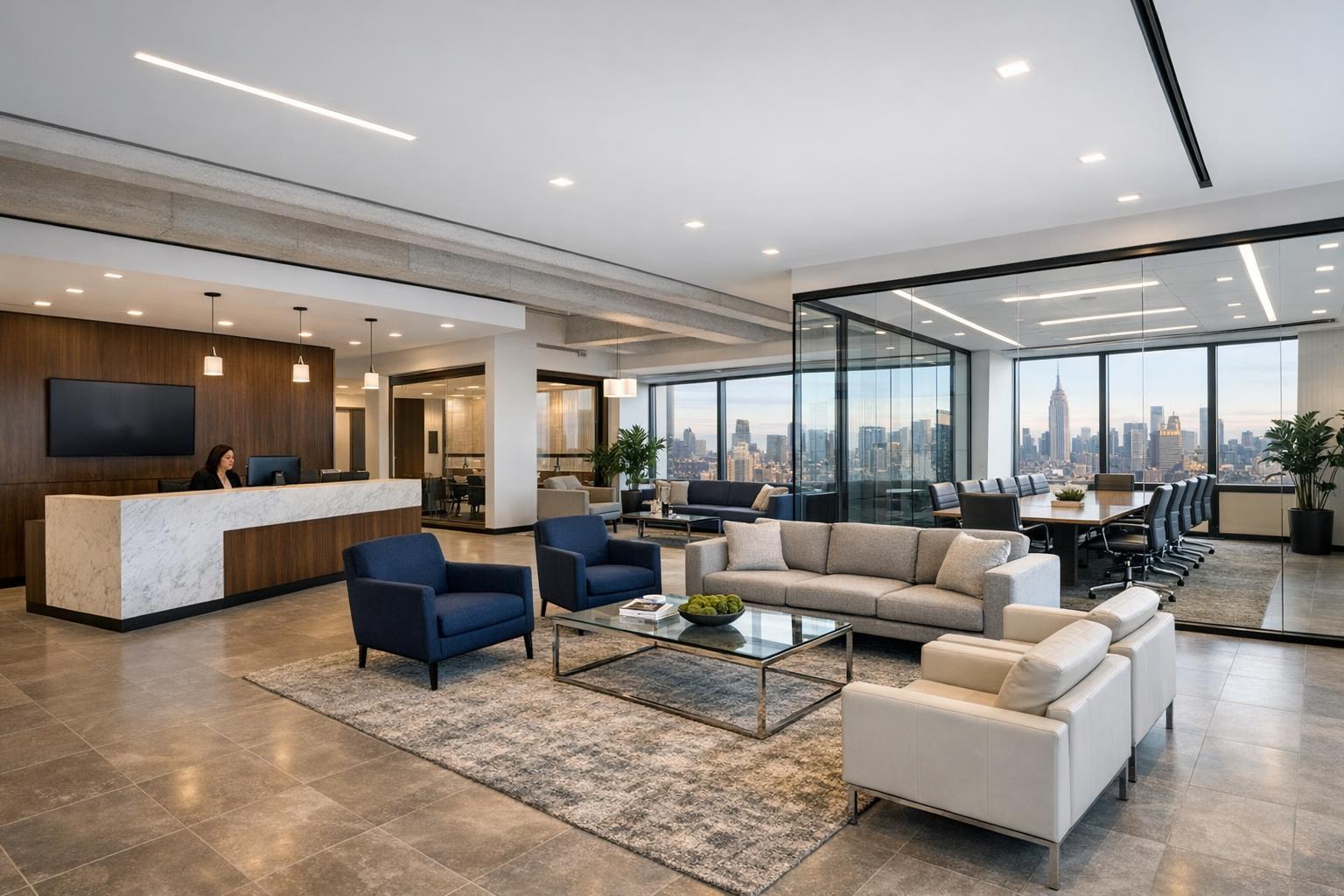
With offices, decision-makers want the big picture—layout, usability, and how the space supports productivity. Furnished suites typically deserve a walkthrough: show the sequence from exterior to lobby, then the path from reception to open work areas, executive offices, and any shared amenities. For vacant offices, highlight daylight, views, ceiling heights, and custom finishes.
It’s critical to balance the interior brightness with exterior window views. Overexposed windows can erase the setting, while poorly lit interiors make clever layouts or branding details hard to appreciate. RealtaSnap prioritizes accurate color, clean lines, and balanced exposures so that both the interior flow and exterior context remain visible in the final images.
Retail and Restaurant Space: Visibility Is Everything
Retail and restaurant photography is about capturing street-level appeal and the customer experience. Strong photos lead with exterior visibility: show faces, entrances, storefront glass, potential signage zones, and the relationship to the sidewalk. Compositions that explain how customers enter, circulate, and discover the sales floor or dining space are key.
Inside, wide—but not distorted—angles reveal layout and potential. For restaurants, it’s useful to include the kitchen, storage, and operational zones (when accessible), not just the seating area or bar. Agents should coordinate access so photos reflect the best arrangement, free from clutter or preparation debris.
Industrial, Warehouse, and Flex Spaces: Show Physical Specs
Industrial and flex spaces require a more operational approach. Rather than just dramatic wide shots, show what a tenant actually needs: loading docks, drive-in doors, clear warehouse floor span, ceiling heights, visible mechanicals, and circulation for people or vehicles. Exterior shots help clarify access from the street and yard layouts.
Aerial images can provide valuable context for larger sites, especially in suburban or industrial corridors. These views can show the property’s boundaries, parking capacity, and relationships with neighboring structures—a critical factor for larger logistics, light manufacturing, or distribution centers.
Mixed-Use Buildings: Make Every Use Legible
By nature, mixed-use projects are versatile—sometimes blending retail, residential, office, or hospitality spaces in one address. The photography plan should clarify for the viewer what portion of the building is offered, what is shared amenity, and what is simply part of the neighborhood.
For instance, if only commercial units are on offer in a condo tower, photos should lead with storefronts, entrances, and the direct connection to the street. For mixed-use developments seeking broader attention, combine architecture, public amenities, and aerial views that explain the development’s footprint in the urban landscape.
Development and Construction Projects: Show Progress with Clarity
For active development sites or buildings under construction, accuracy is essential. Don’t oversell what isn’t there—images should clearly document the current state of work, accessible zones, and any model units or marketing-ready finishes. If the project includes amenities or landscaped areas, those should be included honestly. Future renderings or aspirational visuals have their place but should never override a factual, site-captured record.
When Additional Media Adds Context
Still photography anchors commercial listings, but in some scenarios, other media can clarify or enhance what photos alone can’t show:
- Floor plans: Useful for complex, multi-room suites, irregular layouts, or medical and office spaces where workflow and circulation matter. Floor plans always require a full on-site capture—they’re not produced remotely from PDFs.
- Video tours: Effective when movement through the space, changes in elevation, or the transition from public to private areas matters to prospects. Videos are recorded on location, planned around intentional paths (not slideshows of stills).
- 3D virtual tours: Best for larger office suites, flexible multi-use spaces, or when stakeholders are out-of-market and need a digital exploration tool. Matterport and similar 3D tours must be scanned on site; they are not rendered from static images or architectural plans.
- Aerial (drone) photography: Helpful for illustrating property scale, parking, surrounding neighborhoods, transit access (like proximity to highways or subways), or unique architectural features. In the NYC metro, drone work is site-dependent. Airspace, weather, safety, local regulations, and pilot discretion all affect availability, so not every location can be guaranteed suitable for drone capture. Roof access on city properties can improve feasibility but isn’t an absolute solution.
Logistics and Preparation—Especially in NYC
In New York City and similar dense markets, property access, building policies, and logistics affect every aspect of real estate photography. Bookings for commercial spaces frequently involve layers of approval—security, building management, elevator reservations, or limited availability windows.
A few operational reminders:
- Confirm who manages access to every major area: building entrances, offices, rooftops, loading docks, amenities.
- Identify security requirements, COI needs, or visitor registrations in advance.
- Coordinate building and freight elevator schedules around the shoot.
- For active stores or offices, schedule around peak hours to minimize disruption and distractions.
- Clarify whether staff, tenants, or cleaning crews will be on site—and adjust timing accordingly.
- Pre-arrange for the removal or repositioning of unnecessary furniture, clutter, or branding that could draw attention away from permanent features.
- Prepare access to windows, lighting controls, or outdoor spaces when those elements are central to the listing.
In especially tight or lower-level spaces—a classic NYC problem—photography needs careful planning. Excessively wide shots can mislead, while cluttered scenes can distract. RealtaSnap prioritizes accurate proportions and clean visual lines to help viewers evaluate the space for what it is.
A Practical Checklist: Questions to Cover Before You Hire
Not every commercial real estate photographer brings the same level of preparation or property-specific understanding. Before you book, it’s worth asking:
- What is the main marketing use for this imagery: leasing, sale, investment, or documentation?
- Which physical features and functional areas are most important to show?
- Will the images explain both the interiors and the exterior environment?
- How will the photo flow support the property’s presentation across listings, offering memoranda, or digital campaigns?
- Are floor plans, video, 3D tours, or aerial media necessary for this specific asset?
- What coordination (access, security, scheduling) needs to happen for a smooth shoot?
- Are there restrictions—building policies, airspace, safety—that could affect any aspect of media capture?
A clear, property-specific brief improves results and avoids the common pitfall of attractive images that overlook what real prospects truly need to know.
Great Commercial Property Media Encourages the Next Step
Professional commercial property photography should never leave the audience guessing. The best listing packages supply prospective tenants, buyers, or investors with clear, visual evidence—what’s offered, how it functions, and what makes its location relevant.
RealtaSnap provides commercial real estate photography and supporting visuals for NYC, New Jersey, and select surrounding areas. You can learn more about available services or conveniently schedule a property shoot online at www.RealtaSnap.com. If you’re preparing a property for market, we’re always happy to answer questions or help clarify what type of visual coverage would best support your campaign.
FAQ
Question: How many images does a commercial listing usually require?
Answer: The optimal number depends on the property’s size, complexity, and marketing objective. Smaller units may require only focused exterior and key interior shots; larger properties need more comprehensive coverage to show layout, access, and unique features. Prioritize the images that answer practical questions for your target audience—quantity should support clarity, not overwhelm.
Question: Is it better to photograph a vacant commercial space empty, or use virtual staging?
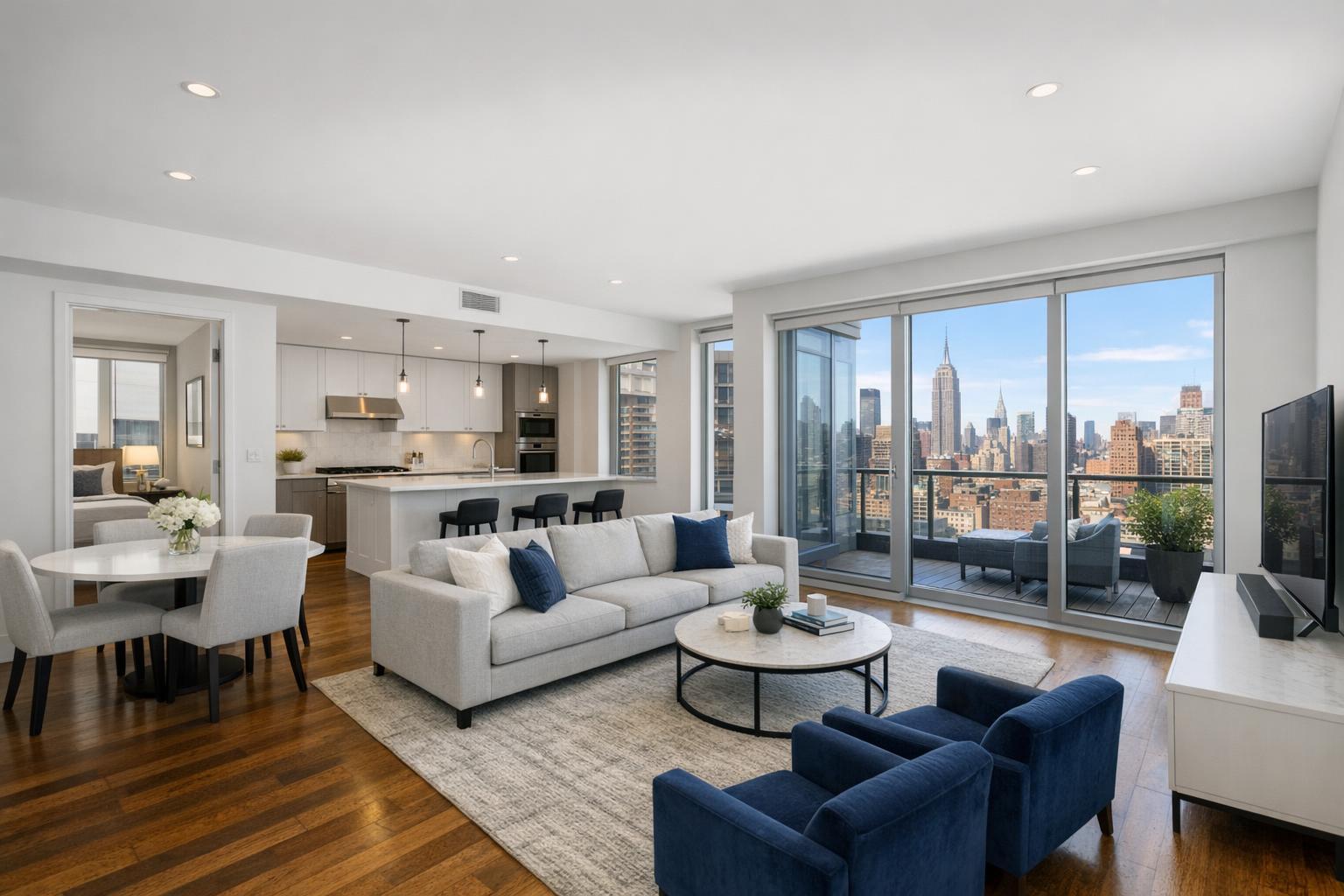
Answer: Vacant spaces are often easy for viewers to assess for size, light, and basic layout. Virtual staging can help show one style of usage in a clean, empty space, providing furnished context. If existing furniture remains, it should be removed before shooting, or clutter removal should be handled prior to virtual staging.
Question: What limits whether drone photography is available for my property?
Answer: Drone media depends on several real-world factors: airspace regulations, weather, site access, safety, and pilot discretion. In dense urban areas, roof access can help but does not guarantee drone feasibility. Every potential flight is reviewed individually based on these criteria. If you’re considering aerial coverage, RealtaSnap can assess your property’s viability before booking.