How to Choose Commercial Real Estate Photography for Your Property
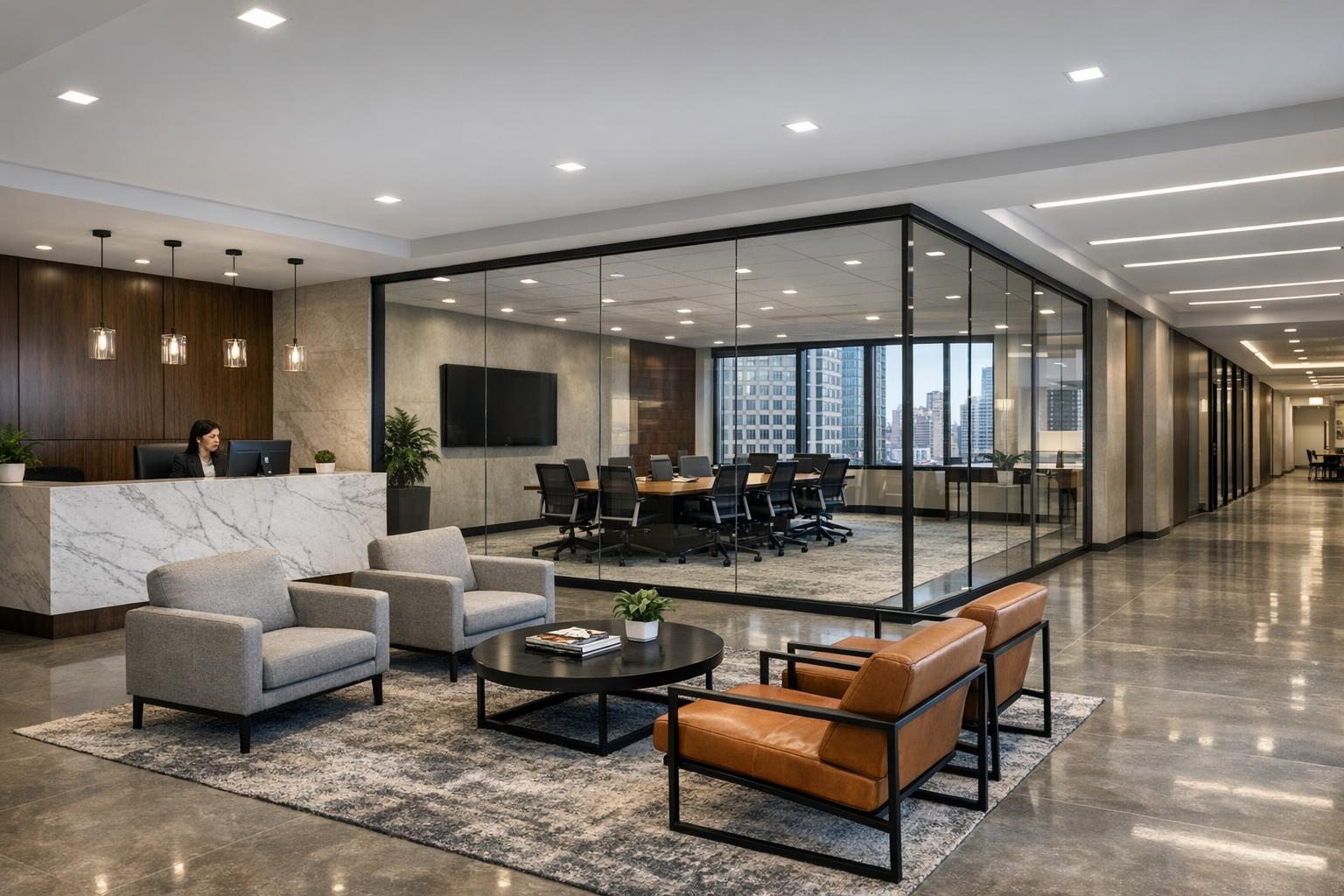
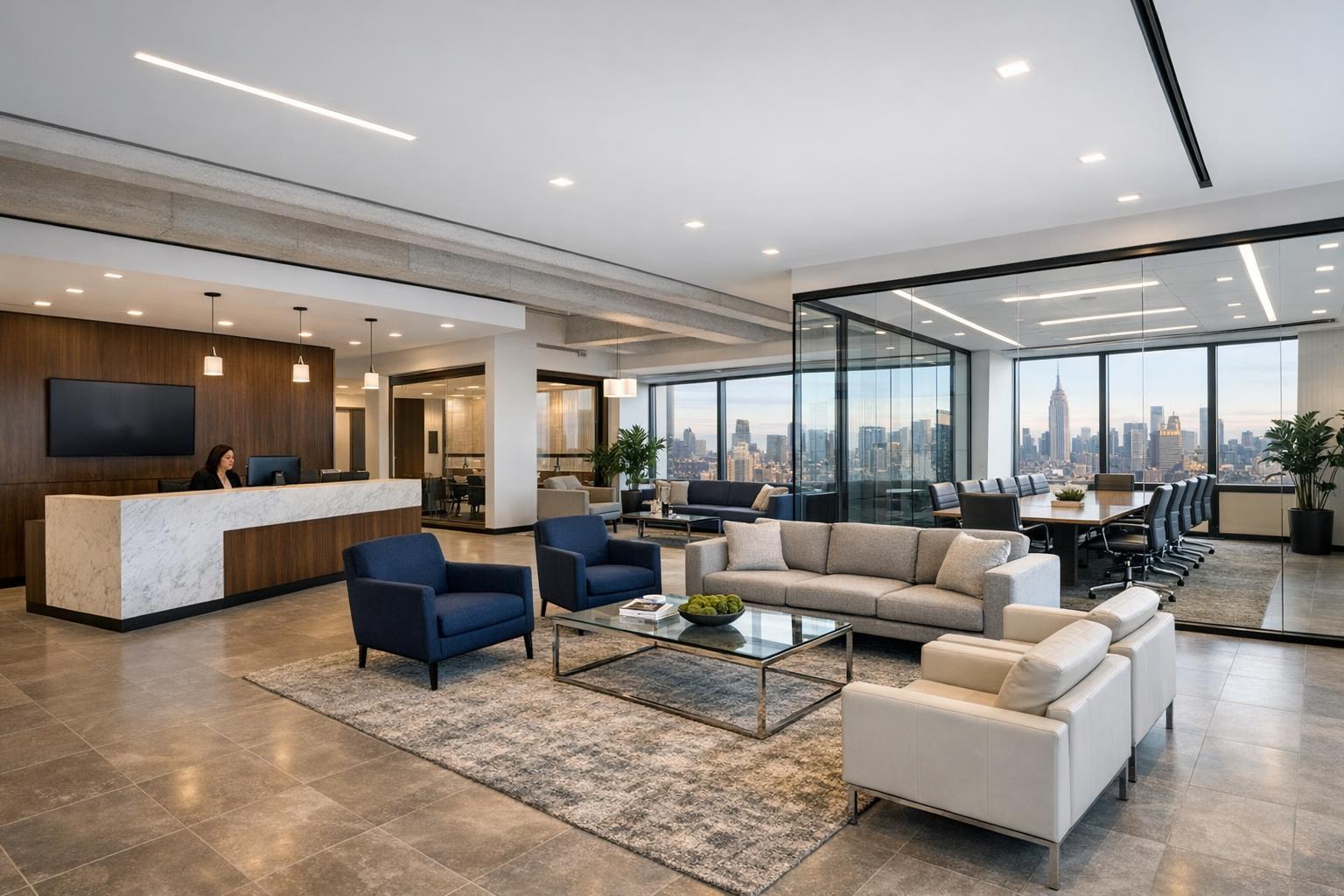
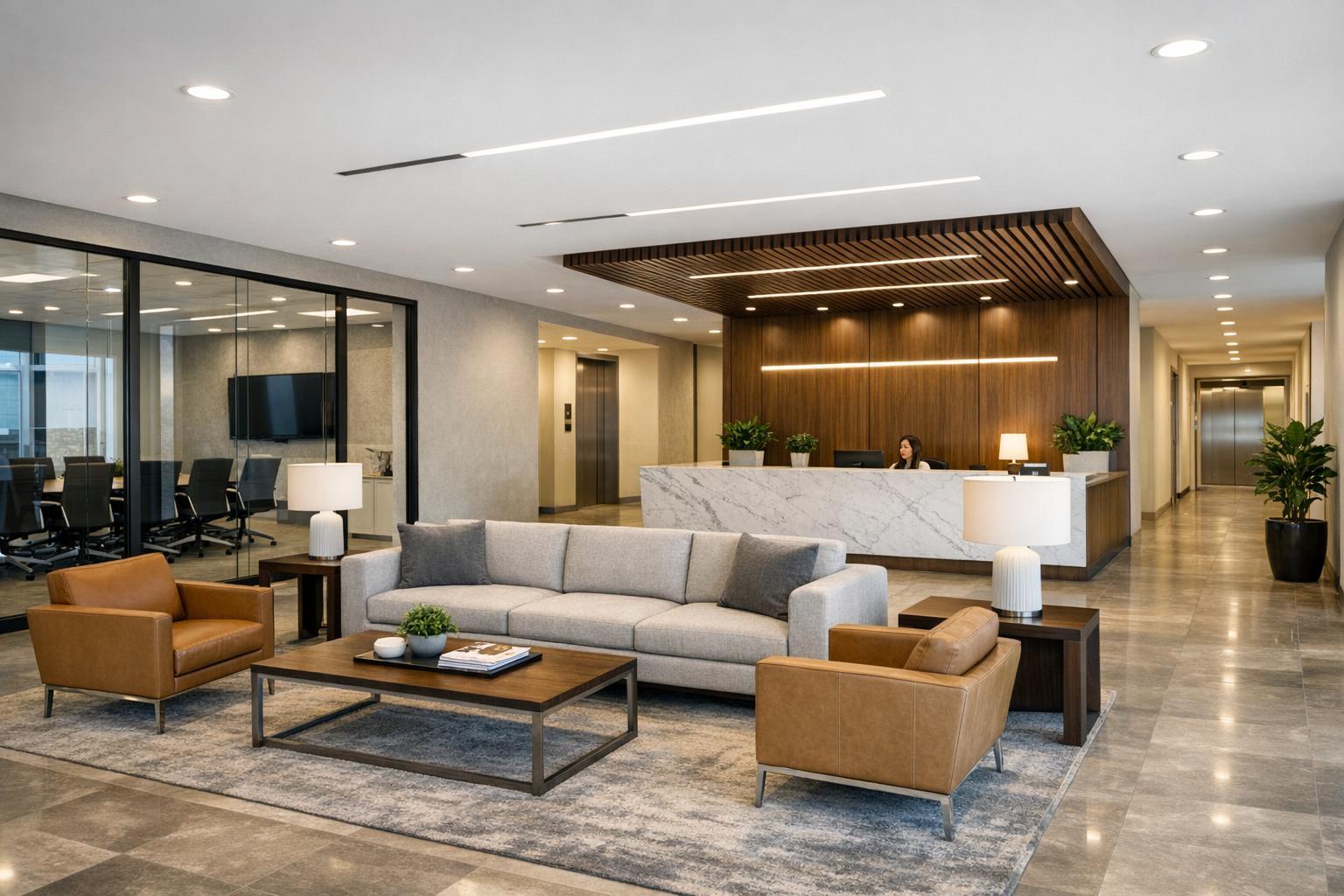
A spacious and modern office reception area is captured in high-quality commercial real estate photography, featuring sleek furniture, a marble reception desk, and a view into a conference room.
How to Choose Commercial Real Estate Photography for Your Property
Commercial real estate photography isn’t just about making a space look good—it's about communicating what a property actually offers, how it functions, and why it makes sense for a prospective tenant, buyer, or investor before they set foot inside. Those expectations—to inform and entice at the same time—can make selecting the right commercial property photography services a far more strategic process than most people anticipate.
In active markets like NYC and New Jersey, property media must cut through noise and answer business-critical questions. Here’s what experienced teams like RealtaSnap have learned about making commercial photography work for each assignment.
Defining the Business Goal
Before the first photo is snapped, it's smart to clarify the business purpose of your new imagery. Are you prepping a listing for a high-visibility leasing campaign, documenting a renovation for investors, or filling out visuals for an updated Google profile? Each scenario places distinct demands on the coverage.
Professionals often juggle several audiences: brokers need marketable, comprehensive visuals; property managers look for current images for campaigns; developers want progress updates; business owners seek polished, inviting online profiles. Communicating those priorities up front helps everyone avoid a common pitfall—receiving beautiful photos that don’t answer the right questions.
A quick brief should cover:
- The property type and what you’re marketing
- Core spaces, views, or features that are essential to document
- Where the images will be used: MLS, brochures, websites, presentations, social, investor packets, etc.
- Any operational activities, tenant presence, or special rules for building access
- Relevant coverage options—exteriors, aerials, twilight, video, floor plans, 3D virtual tours
Early planning makes sure the final product serves the intended objective, not just the photographer’s portfolio.
What Effective Commercial Imagery Communicates
Professional photography for commercial properties is part marketing, part documentation. A strong collection of images feels intentional and coherent, but always prioritizes clarity about the property’s layout and value.
Layout, Scale, and Circulation
Wide shots are rarely enough. Prospects want to see how they’ll move through the space: from street and entry to primary rooms and supporting areas. For example, an office shoot might logically flow through lobby, reception, open work zones, private offices, meeting rooms, support spaces, and out to any unique features or amenities.
Photography can’t entirely replace a floor plan, but it can illustrate connections, approximate proportions, and visually establish important elements—like ceiling height or aisle width—that buyers and tenants reference when comparing properties.
Light, Finishes, and Physical Condition
Lighting in commercial spaces can be challenging. Floor-to-ceiling windows, interior lighting systems, polished floors, and glass walls all affect exposure and color. An experienced photographer knows how to balance window views with indoor light, keep architectural lines straight, and present real colors and finishes as they appear in-person.
Heavy-handed editing or careless HDR can leave blown-out windows, flat colors, or unrealistically perfect surfaces. The point isn’t uniformity—it’s to represent what’s really there in a clear, professional way.
Property Context and Access
Commercial buyers care about more than just the rooms. They want to understand street presence for retail space, signage and access points for offices, parking and circulation for suburban and industrial sites, and site relationship for warehouses or larger complexes.
Local context changes the approach. An office building in Manhattan may need careful scheduling and composition to show lobby, entry, and context with high traffic and tight sightlines. Suburban New Jersey properties typically provide more room to show parking, outdoor features, and the relationship of the building to adjacent roads or lots.
Tailoring Photography to Each Property Type
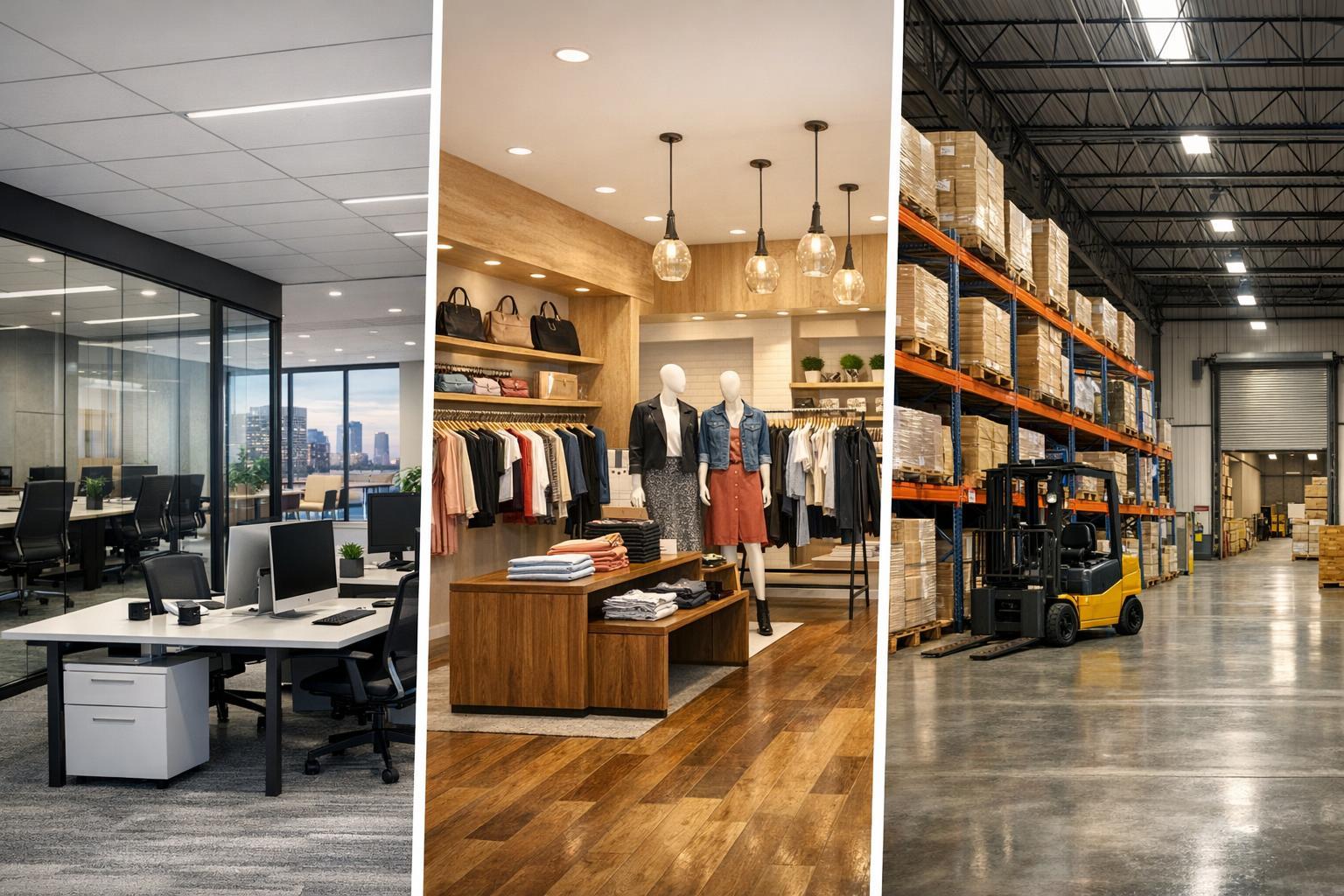
Not every commercial property requires the same checklist. Using a generic approach—especially one borrowed from residential shooting—often glosses over what matters for a commercial decision.
Office Listings
Office photography generally needs to cover functionality and atmosphere, such as:
- Building exterior, entry, lobby, elevator areas
- Reception and waiting spaces
- Main work areas—whether open or closed offices
- Meeting rooms, phone booths, break rooms, kitchens
- Window lines, daylight, available views
- Shared amenities (lounges, terraces, gyms, conference spaces)
Occupied spaces bring added complexity. If desks are still in use, consider scheduling when the property is least busy to reduce disruption and minimize personal items or confidential information appearing on screens.
Retail and Restaurant Sites
For retail, frontage and the customer journey are vital. Images should communicate storefront width, sign locations, window displays, flow between entrance and checkout, and specialty finishes or displays. Restaurants, showrooms, and hospitality venues add further emphasis on ambiance, cleanliness, and readiness for service.
Timing can matter greatly, especially for exteriors. Shadows, pedestrians, parking traffic, and sun direction dramatically affect how a location presents in photos.
Industrial, Warehouse, and Flex Space
Industrial media should feel direct and practical, showing operational strengths:
- Building and parking approach
- Loading dock types and truck access
- Warehouse floor, circulation, clear heights, racking space
- Office build-outs or employee support areas
- Exterior storage, gates, or truck courts if relevant
Clean floors and uncluttered loading zones communicate care and readiness, not just visual polish.
Mixed-Use and Development Projects
Mixed-use properties usually require layered coverage. Retail frontage, office spaces, residential amenities, and parking can all be critical, and the balance shifts depending on whether you’re marketing to tenants, investors, or buyers.
For development projects, coverage may shift as construction progresses: early documentation for investor decks, completed amenities for marketing, model units for showing, and full tours as spaces open.
Evaluating Portfolios: What Experience Looks Like in Practice
Not all portfolio galleries reflect skill with your exact property type. Go beyond “hero images.” Look for evidence the photographer can handle spaces like yours—making a warehouse legible, balancing challenging window exposures, or conveying both a commercial suite and its context within the building.
What to look for:
- Consistent, natural vertical and horizontal lines
- Window and interior exposures balanced for visual realism
- Logical visual sequences between rooms or between exterior and interior
- Finishes and lighting appearing natural; no heavy filters or color shifts
- Comprehensive coverage—relevant exteriors, amenities, and details
A good portfolio gives you confidence in judgment and understanding, beyond just catching your eye with dramatic photos.
Planning the Shoot for Real-World Conditions
Commercial photography is rarely a solo act. Tenants, employees, building management, and operational schedules all impact what’s possible on shoot day.
A little pre-production goes a long way:
- Assign clear roles for access: building entry, suite entry, elevator/lobby permissions, roof (if possible).
- Confirm hours when rooms will be available and what needs to be cleared away.
- Prepare by removing cables, boxes, clutter, and disposable items.
- Wipe down glass surfaces, reception desks, kitchen counters, floors, and showroom displays.
- Coordinate with tenants or staff to schedule during the least disruptive period whenever possible.
RealtaSnap’s photographers document what’s physically there at the time of capture. Edits (like retouching or clutter removal) are available as add-ons, but organization and readiness always improve the final result.
Supplementing Photography: When to Consider Additional Media
Photos are fundamental, but many commercial listings are supported by floor plans, video, Matterport 3D tours, or drone imagery.
- Floor plans are highly useful for offices, medical suites, and complex retail. Visual context for layouts, room sizes, and flow is immediate. For accuracy, floor plans require physical access and on-site capture.
- Video helps communicate movement, transitions, and arrival—especially for larger offices, amenity-rich buildings, and retail with a strong customer path. RealtaSnap captures video on-site; slideshow-style clips made from photos aren’t standard.
- 3D virtual tours let remote prospects explore interactively. They’re particularly valuable for furnished offices, suites, or model units where details and sightlines matter. These are created through on-site scanning, not from images.
- Drone imagery can clarify site context for large properties, campuses, warehouses, and distinctive buildings, conditions permitting. In urban NYC, airspace and safety rules apply; feasibility is reviewed case by case and is never guaranteed until evaluated on site.
Making the Selection: Smart Questions for Providers
Choosing the best commercial property photography services is more about fit than flashy promises. Productive conversations go beyond asking, “How many photos come in a package?”
Ask questions like:
- Have you worked with this property type before?
- Which areas do you recommend for coverage?
- How do you capture active locations without disrupting daily operations?
- What can we do to prepare the property most effectively before the shoot?
- Can you coordinate with building access or manage tenant restrictions?
- Are floor plans, 3D tours, video, or aerials available if we need them?
- How are edits requested and billed?
A good provider will help you right-size the scope for your asset, its intended audience, and the listing's purpose.
Working With RealtaSnap in NYC and New Jersey
For property owners, brokers, and asset managers in New York City and New Jersey, RealtaSnap offers on-site commercial photography with optional video, drone, floor plans, and virtual tours. Booking online is straightforward: enter the address, select your services, provide access instructions, and choose an available appointment slot.
You can see service details, prep tips, and booking options at RealtaSnap’s site. For in-depth preparation, see the photography prep guide or compare add-on services like drone, video, or 3D.
Professional commercial real estate photography supports better decision-making and marketing effectiveness. Define your visual needs, prepare your space, and work with a team that understands not just how to shoot, but why certain features matter. If you’re planning commercial media for a property in the NYC or New Jersey region, we’d be happy to help.
FAQ
Question: How many photos does my commercial property actually need?
Answer: The quantity depends on property size, layout complexity, and marketing purpose. Smaller retail suites may only require comprehensive exterior and sales floor coverage, while a multi-level office or industrial space may need more images to document access, circulation, key rooms, and operational areas without leaving gaps.
Question: Is it better to photograph a commercial property empty or occupied?
Answer: Properties can be photographed either way. An occupied space often feels more active and lived-in, but active desks, visible documents, and customer or employee presence require extra planning for timing and organization. Prepare rooms to be clean and free from distractions for best results.
Question: When should I consider adding drone photos or video to my commercial listing?
Answer: Aerial images are most useful for properties where the site context, parking, access, roofline, or surrounding area are key selling points. Drone work is subject to airspace and safety requirements, so feasibility is confirmed after reviewing property location. For many larger buildings, development sites, and distinctive architecture, drone visuals offer strong marketing value if conditions allow.