How to Choose an Architectural Photographer in NYC for Property Marketing
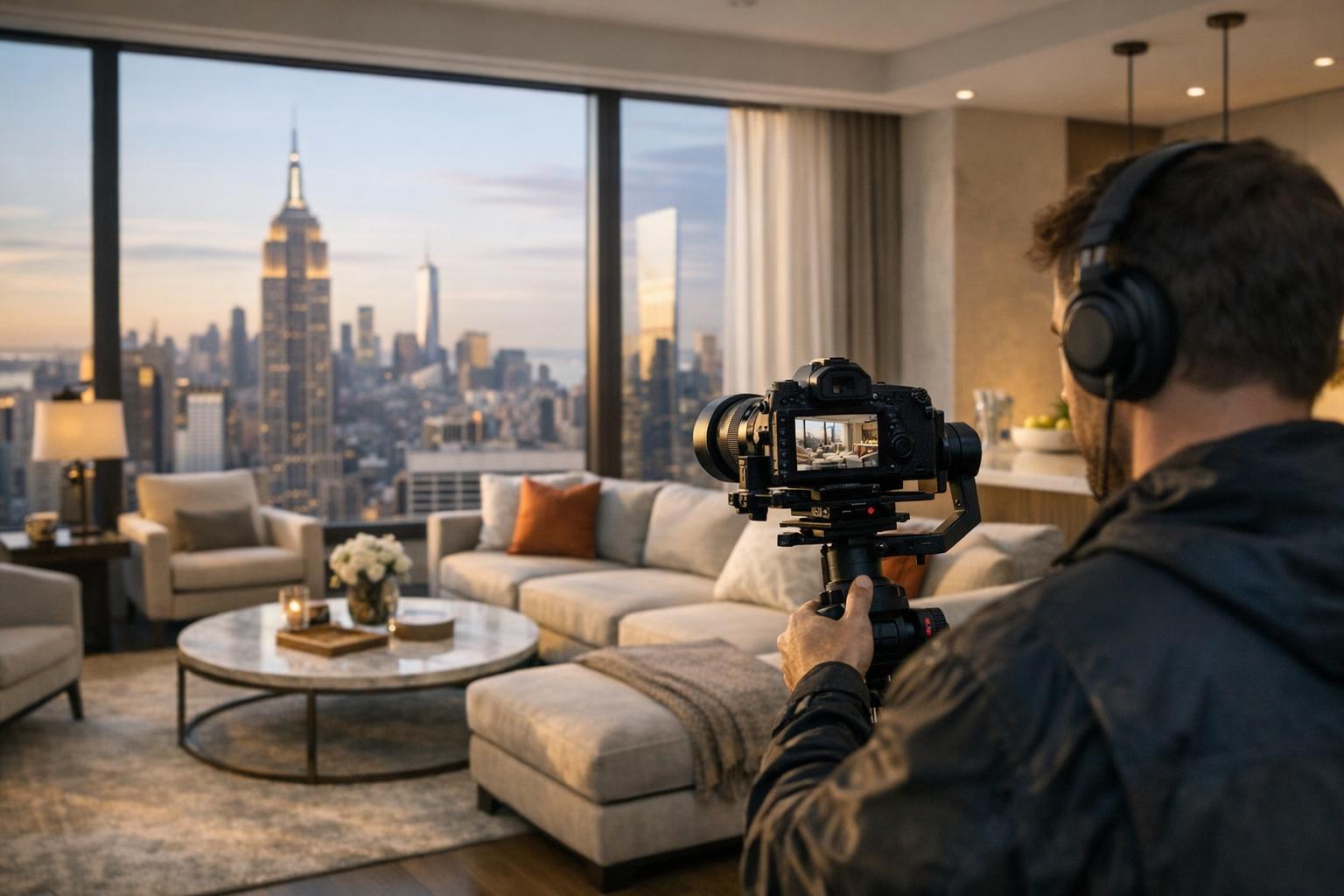
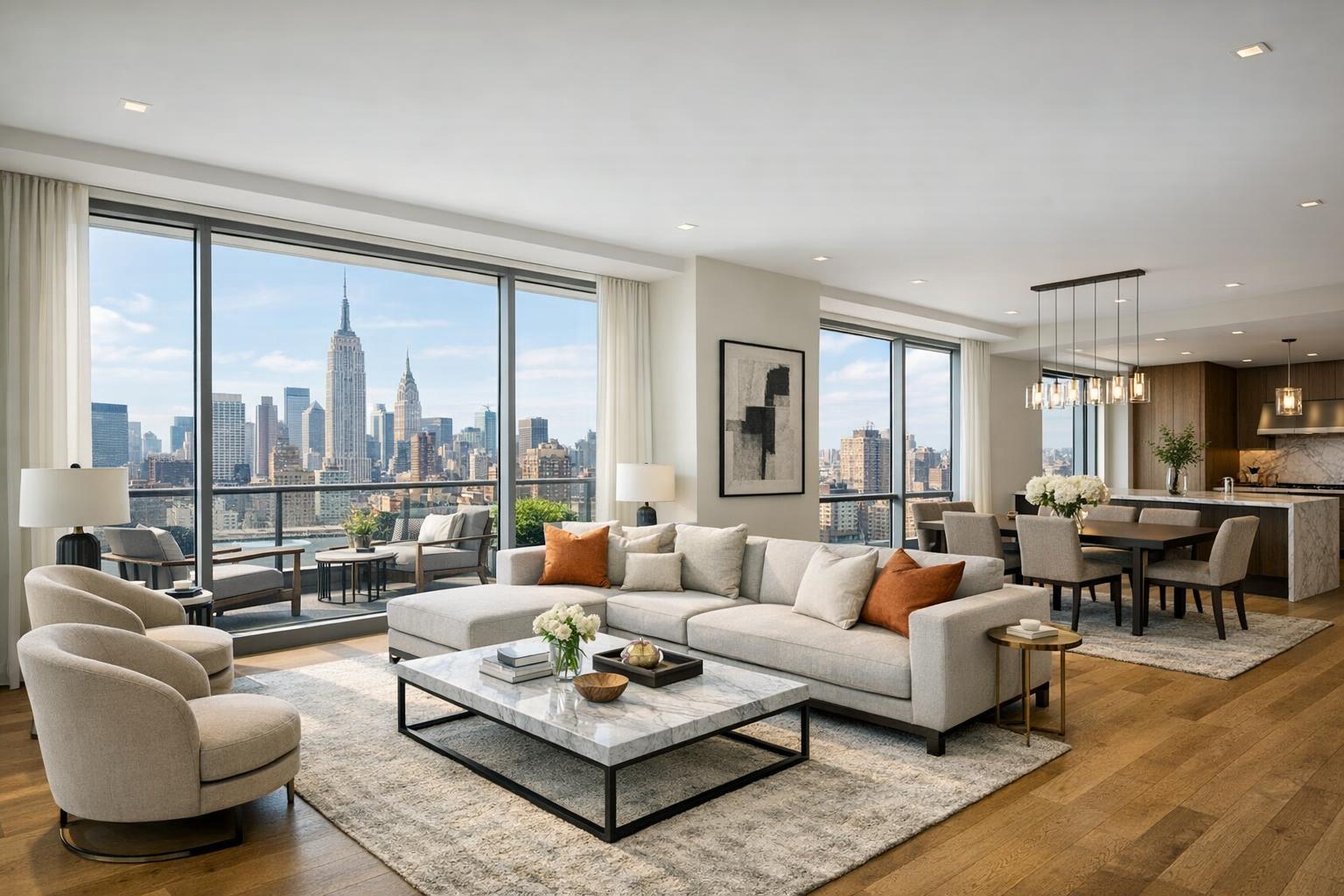
An architectural photographer captures a luxurious NYC living space with expansive windows offering a striking view of the city skyline.
How to Choose an Architectural Photographer in NYC for Property Marketing
An architectural photographer in NYC serves a specific and valuable role for those marketing real estate—especially when the properties themselves are designed to impress. Whether you’re representing a pre-war apartment on the Upper West Side, a high-design Brooklyn brownstone, a luxury condo, or a newly opened commercial or hospitality project, the right photography partner can help your listing stand out and set clear expectations for buyers, tenants, or guests.
The difference between routine real estate images and architectural photography isn’t just technical—it’s about intent, depth, and the story your visuals tell. Here’s what actually matters when selecting a photographer for sophisticated property marketing in NYC, New Jersey, and beyond.
Understanding the Real Distinction: Architectural vs. Listing Photography
Not all property photos are created equal. In practice, standard listing photography tends to focus on coverage and clarity—checklist images of the key rooms and main features, captured quickly and often used across hundreds of listings. This workflow can make sense for routine rentals or straightforward sales where efficiency trumps presentation.
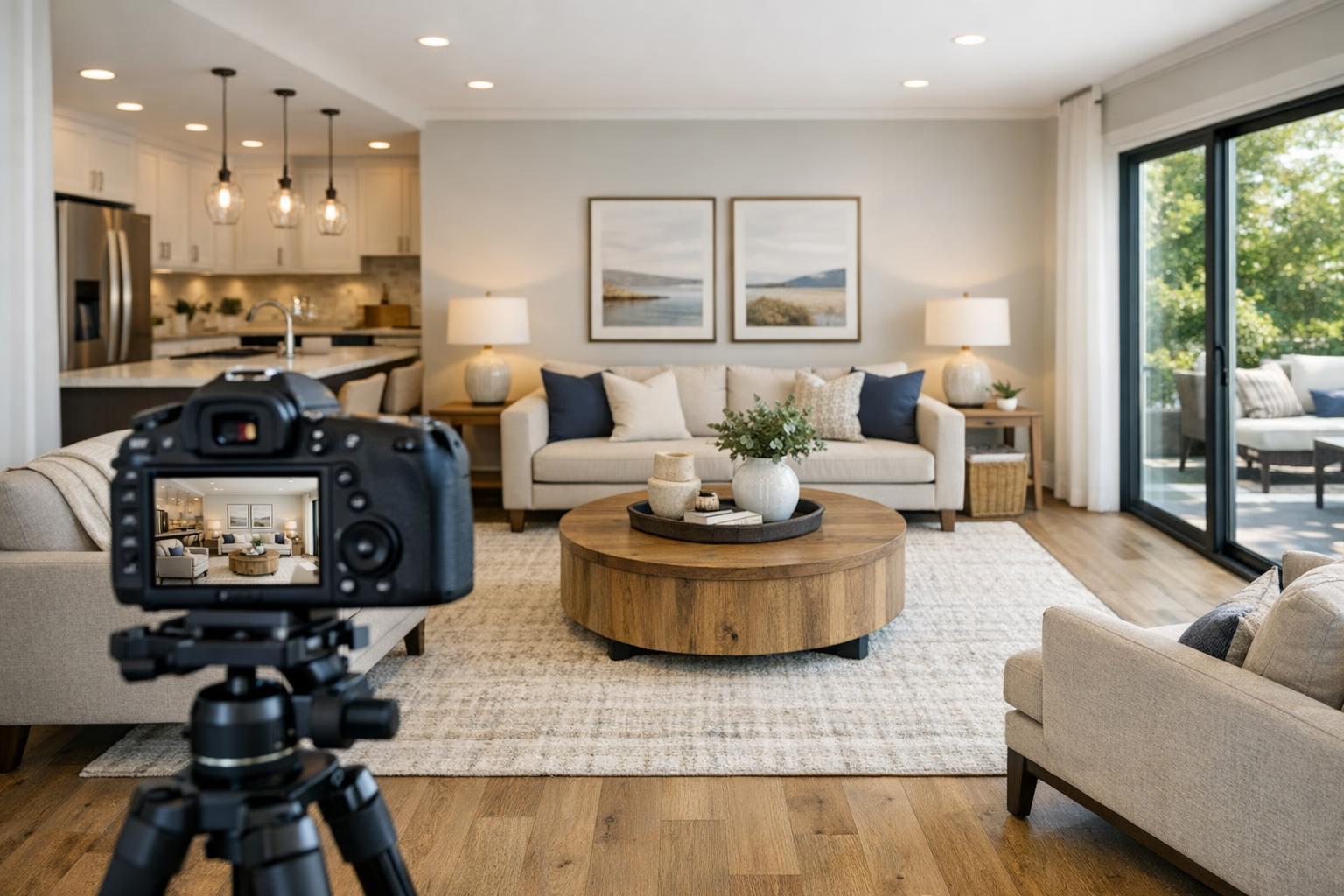
Architectural photography, by contrast, is built on an intentional approach:
- Compositions are planned to show how rooms relate to one another and the property as a whole.
- Camera placement is chosen to reflect the true sense of scale, balance, and proportion, not just to fit everything in.
- Vertical lines are kept straight; perspectives mirror what a viewer experiences while moving through the space.
- Lighting is managed to retain natural window views, highlight finishes, and avoid the washed-out look often found in overexposed shots.
- Material details—original moldings, custom millwork, stone, modern fixtures, or unique hardware—are captured and presented in a way that feels natural.
In short, architectural coverage aims to respect the design and create a gallery where each photo supports a deeper understanding of space and context.
Clarify the Assignment: What Do You Need This Photography To Do?
Before interviewing photographers, step back and define the intended use of your images. The most effective property marketing is built around clarity of purpose.
Some properties need highly curated images for digital listings, building websites, pitch decks, or branded marketing. For new developments or investment projects, visual consistency across multiple residences and amenity spaces becomes critical. When marketing commercial or hospitality properties, you might prioritize how a space functions—office layouts, storefront presence, guest accommodations, or amenity flow—rather than just curb appeal.
It helps to outline up front:
- Where will the photos be published? (MLS, development websites, press, social, leasing packages, print collateral)
- Which details are most important to capture? (Views, layout, design features, exteriors, branding details)
- Do you need broad coverage, detail-focused images, staged vignettes, or a mix?
Providing this clarity allows your photographer to plan for the right kind of coverage and recommend the scope that fits your goals.
When Architectural Photography is Worth the Investment
Faster, standard listing photography is appropriate in many cases—especially for straightforward apartments, rentals, or resale units where time and cost efficiency matter most. But for certain property types and marketing goals, committing to a more architectural approach is well worth the effort:
Design-Driven Residential Listings
Pre-war apartments, brownstones, renovated lofts, luxury condos, and high-end homes often have architectural or design details that get lost with checklist-style shooting. Whether it’s original wainscoting, distinctive window arrangements, a statement kitchen, or custom lighting, intentional images reveal what sets the property apart.
A wide shot may serve to show scale, but a carefully chosen detail photo might illustrate craftsmanship or the blend between old and new. Together, these approaches help communicate value in a way that text descriptions can rarely achieve.
New Developments and Model Units
For new projects, images carry the marketing heavy lifting. Developers, agents, and design teams rely on consistent visuals—unit after unit, amenity after amenity, exterior through to lobby. Consistency of white balance, perspective, exposure, and composition helps keep the branding clear across all digital and print applications.
Offices, Retail, and Commercial Spaces
Commercial real estate photography is about more than showing square footage. A broker or property manager needs to present how a space actually functions—reception, collaboration areas, client-facing suites, or key infrastructure. Photographers experienced with these property types know how to highlight circulation, signage, storefronts, and the relationship between the property and its urban or suburban environment.
Hospitality, Short-Term Rentals, and Unique Listings
Guest-facing spaces (hotels, venues, short-term rentals, boutique properties) rely on images that are both honest and inviting. The right visual sequence builds confidence for guests, showing them what to expect upon arrival. Small details—lighting, window exposure, accent pieces—are approached to make spaces feel welcoming without overselling.
What To Look For in a Professional Portfolio
When evaluating a candidate’s gallery, don’t stop at their most dramatic or stylized images. Take a critical look at the consistency across full property galleries:
- Are small secondary spaces (hallways, bathrooms, work nooks) given careful treatment, or are they obviously rushed?
- Do windows retain real outdoor views, or are they blown out?
- Do vertical lines remain straight, or is there distortion?
- Do materials read accurately from photo to photo, or does color vary across rooms?
- Does the sequence provide a logical narrative of the property, walking you through as someone would in person?
- Has the photographer handled comparable property types—occupied versus empty, commercial versus residential, high-rise versus townhouse?
If you’re representing a commercial, hospitality, or niche residential property, ask to see examples closest in size, condition, and category to your listing.
Editing: Finishing the Image, Not Rewriting Reality
Professional property photography requires a careful editing hand. Mixed lighting, reflective surfaces, large windows, and complex layouts all require post-production know-how. At RealtaSnap, editing is handled to maintain accurate exposure, clean up minor distractions or lens distortion, and keep image color consistent throughout a gallery.
However, images should always reflect what exists at the property. Permanent fixtures, layouts, and architectural reality aren’t digitally overhauled. Virtual staging is available when you need to help buyers picture an empty room furnished, but best results come when it’s applied only to cleared, unfurnished spaces. If a room contains existing furniture or excess clutter, clutter removal is required before virtual staging can be delivered.
Logistics Matter: NYC and New Jersey Realities
Coordinating a property shoot in Manhattan (or in the denser parts of Brooklyn, Queens, or Jersey City) isn’t like shooting a single-family home with a driveway and yard. Navigating building access, elevator use, service entrances, reservation requirements, concierges, parking, and street-level activity are all familiar challenges.
For smooth execution, experienced NYC and NJ photographers will typically clarify:
- Building access protocols (insurance, vendor registration, check-in)
- Service elevator reservations and time windows for access
- Policies for photography in common areas
- Cleaning, staging, and readiness before the appointment
- Who will provide access if the agent or property contact is unavailable
- Priority spaces to capture, including required views, exteriors, or amenities
When planning for exterior images, daylight, building orientation, shadows, and street traffic all factor into timing. Early communication about these needs—rather than expecting the best shot at any hour—can help produce better results.
Creating a Shot List—But Letting the Photographer Work
A detailed shot list is useful to set priorities but shouldn’t become a rigid script that ignores the practical opportunities (and challenges) revealed on site. The most impactful galleries are built on a mix of essential coverage—exteriors, major rooms, kitchen, bathrooms, design details—and a few well-planned bonus shots that support the property’s unique selling points.
When preparing your list, note:
- Which images are must-haves?
- What details or features define the property’s value?
- Are there secondary images that can be skipped if time or access shifts?
Giving your photographer the clarity of intention makes the collaboration more efficient and often leads to better coverage.
Preparing Occupied Properties for Photography
Spaces that are actively lived in or in use—occupied homes, offices, retail, or hospitality rooms—require a different level of coordination. Staging, decluttering, and even planning occupant or staff schedules can have a significant impact on the final images. Proactive preparation means more time focused on capturing clean, compelling images, rather than last-minute tidying.
For occupied spaces, consider:
- Clearing surfaces and hiding personal items, clutter, and excess décor
- Coordinating pet and resident schedules if applicable
- Preparing staff in commercial and hospitality environments for the timing and flow of the shoot
- Ensuring all areas to be photographed are accessible and presentable
Thoughtful preparation is often the difference between “good enough” and truly market-ready media.
Project Scope, Deliverables, and Scheduling
No two listings are identical, and neither are their media needs. It’s worth confirming in advance:
- Expected number of deliverable images
- Rooms or spaces to be covered
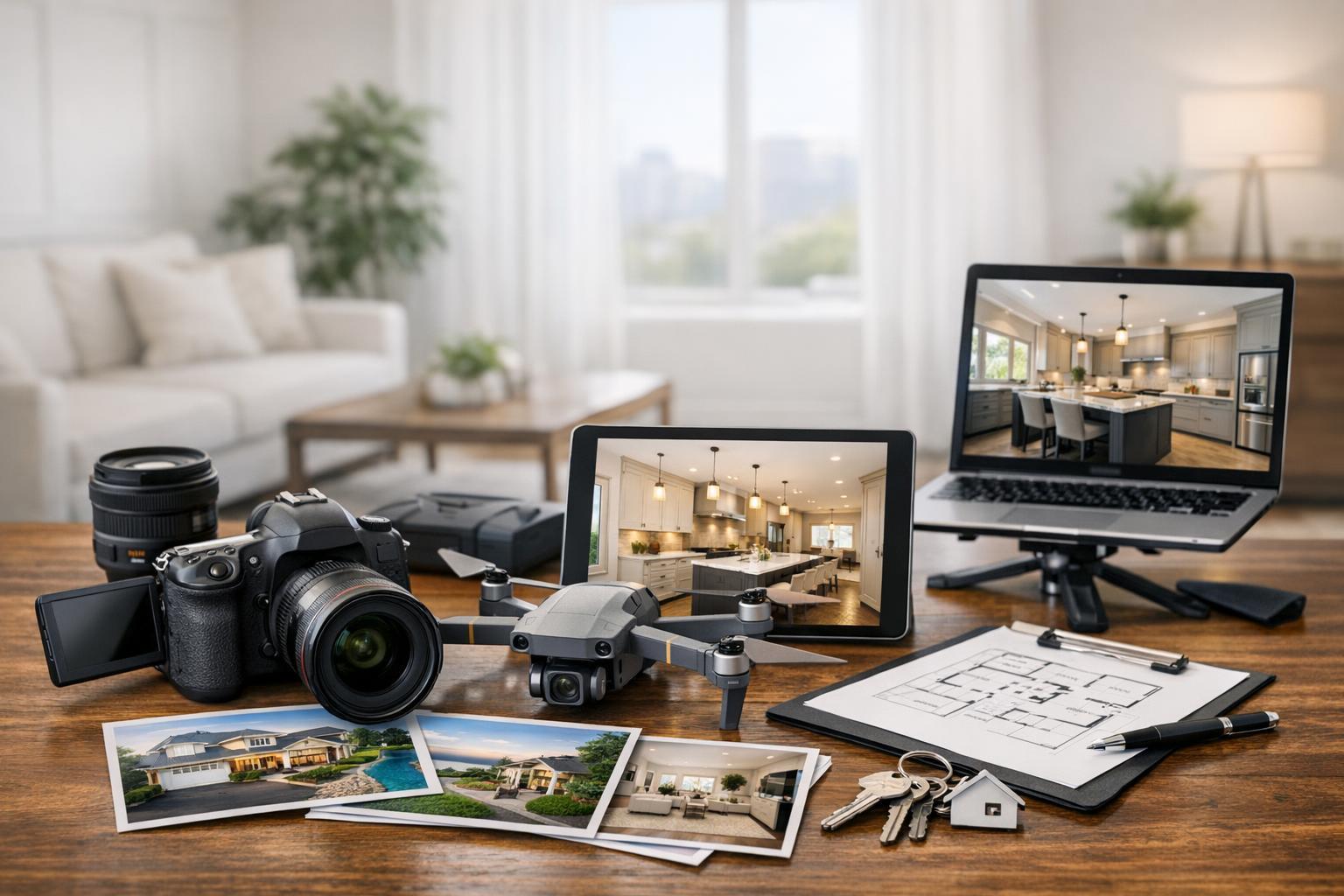
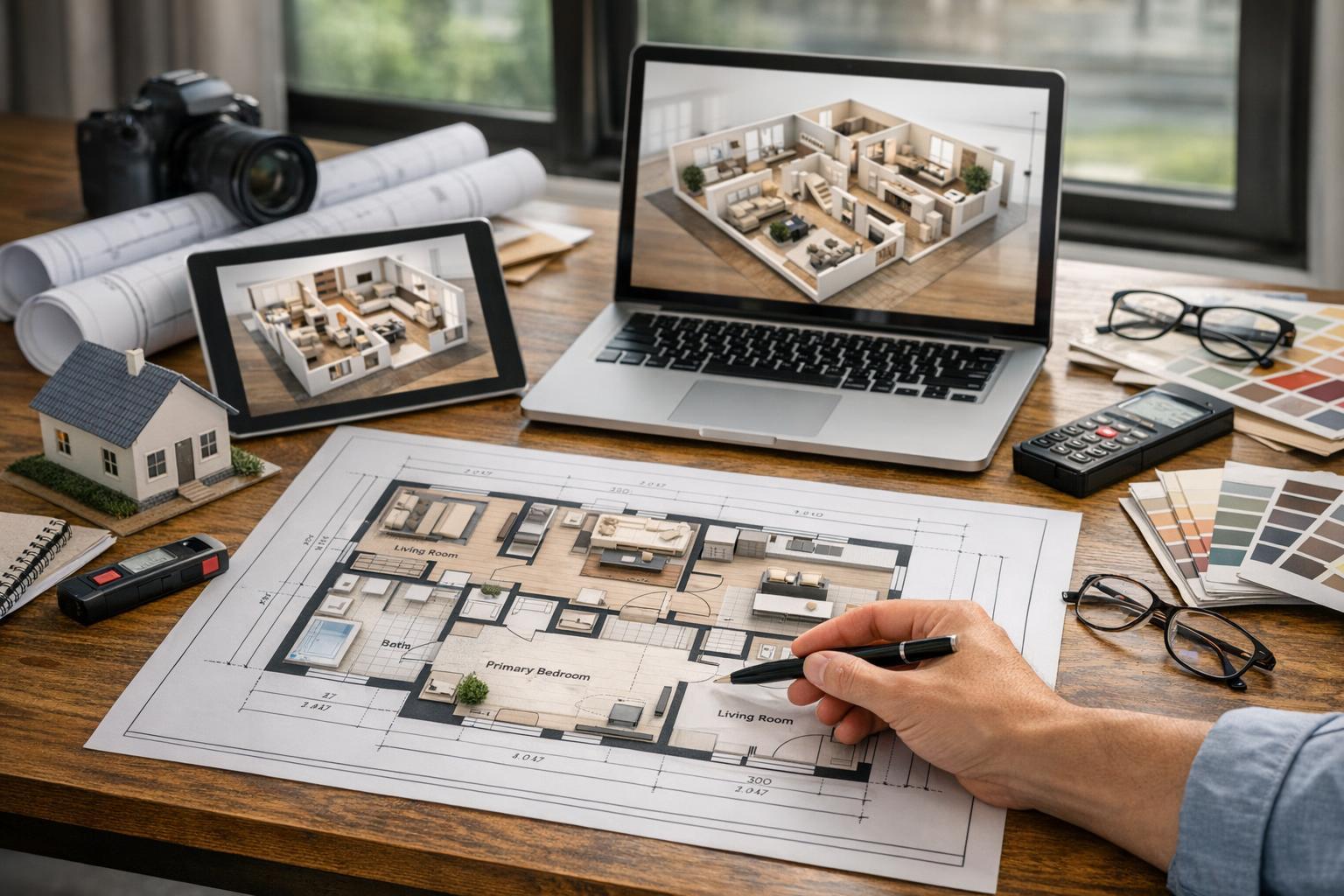
- Special requests like floor plans, 3D tours, or video, if relevant
- Any required alternate crops or optional media assets for social, branding, or print
For more complex properties or those with tight turnaround needs, discuss delivery timing early—even before locking in a shoot date. Clear expectations on both sides prevent surprises and support smoother launches.
RealtaSnap’s Approach
At RealtaSnap, we focus on creating accurate, clean, and professionally edited property images for agents, brokers, developers, and property managers throughout NYC, New Jersey, and nearby markets. We capture properties as they physically exist, use intentional compositions to reflect scale and flow, and communicate with clients about priorities, preparation, and logistics for a reliable experience.
If you’re looking for coverage tailored to your space—whether it’s a high-design residence, commercial suite, or hospitality property—you can learn more or book a property shoot directly through our online platform.
Choosing a photographer is about experience, reliability, and the ability to translate real places into compelling imagery that supports your marketing. For additional tips on project preparation, visit our photography prep guide, or to get started with your own shoot, see how to book a session.
For more information or to begin planning, explore www.RealtaSnap.com.
FAQ
Question: How do I know if a photographer is experienced with architectural property photography, and not just listing photos?
Answer: Look for consistency and intention in their portfolio. Architectural property photography features straight lines, accurate colors, controlled window exposure, and compositions that help viewers understand the layout and features. Ask to see full project galleries, not just highlight images, and make sure they’ve photographed properties similar to yours in size, category, and occupancy.
Question: Can I get floor plans or 3D tours from my listing photos or building PDFs?
Answer: No—accurate floor plans and 3D tours require on-site capture. Listing photos and PDFs don’t provide the spatial data or measurements needed. RealtaSnap creates floor plans and 3D content through an in-person scan at your property.
Question: What are the most important steps to prepare my listing for architectural photography?
Answer: Start by clearing visible clutter, hiding personal or confidential items, and removing unnecessary objects from counters, furniture, and floors. Open window coverings if you want the natural light included. If rooms are occupied, plan so occupants, pets, or staff won’t be in the camera’s view. For vacant listings, ensure the property is clean and ready on arrival—especially if you’re considering virtual staging or additional media assets. For more guidance, see our photography prep guide.