How to Choose an Architectural Photographer in NYC for Property Marketing
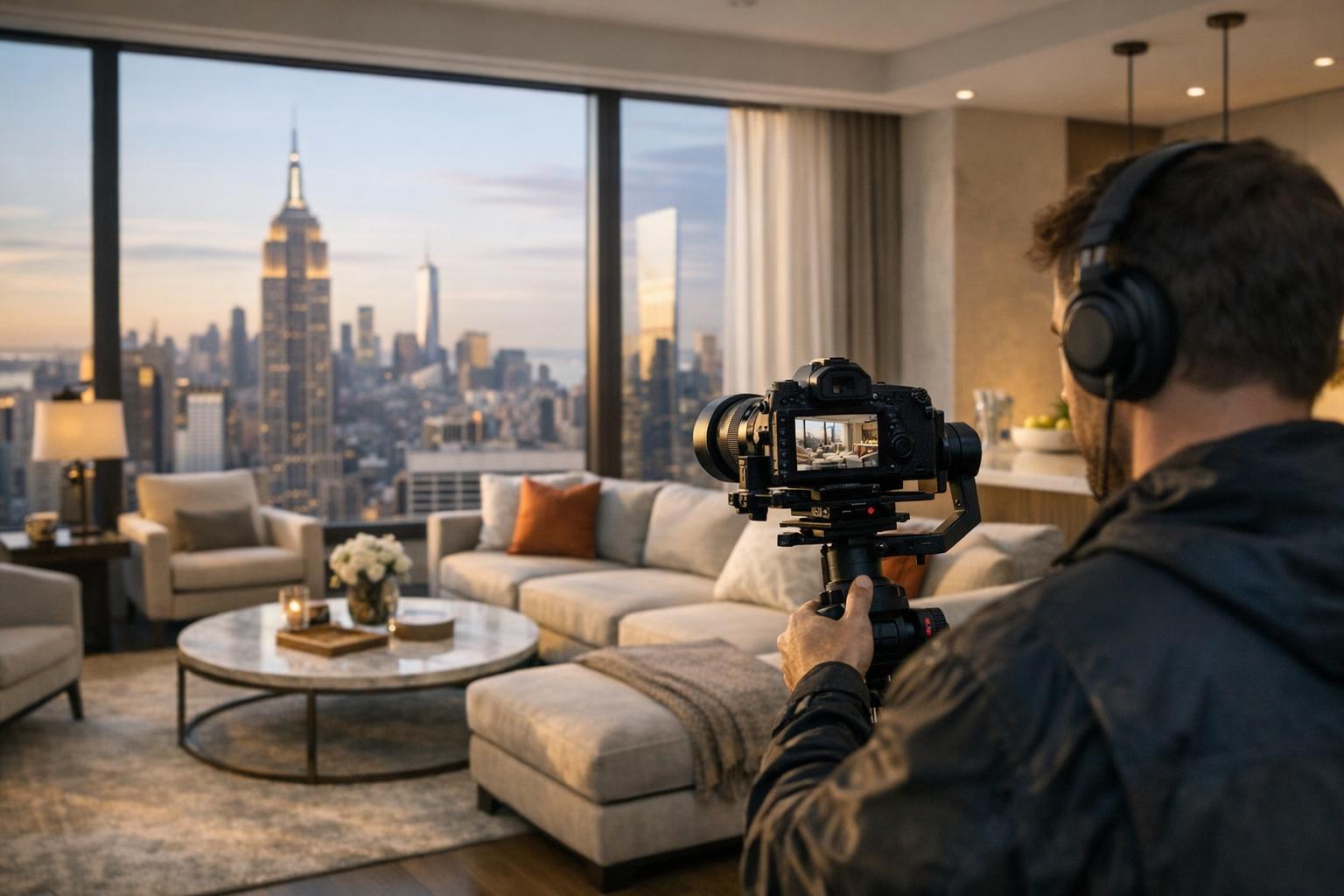
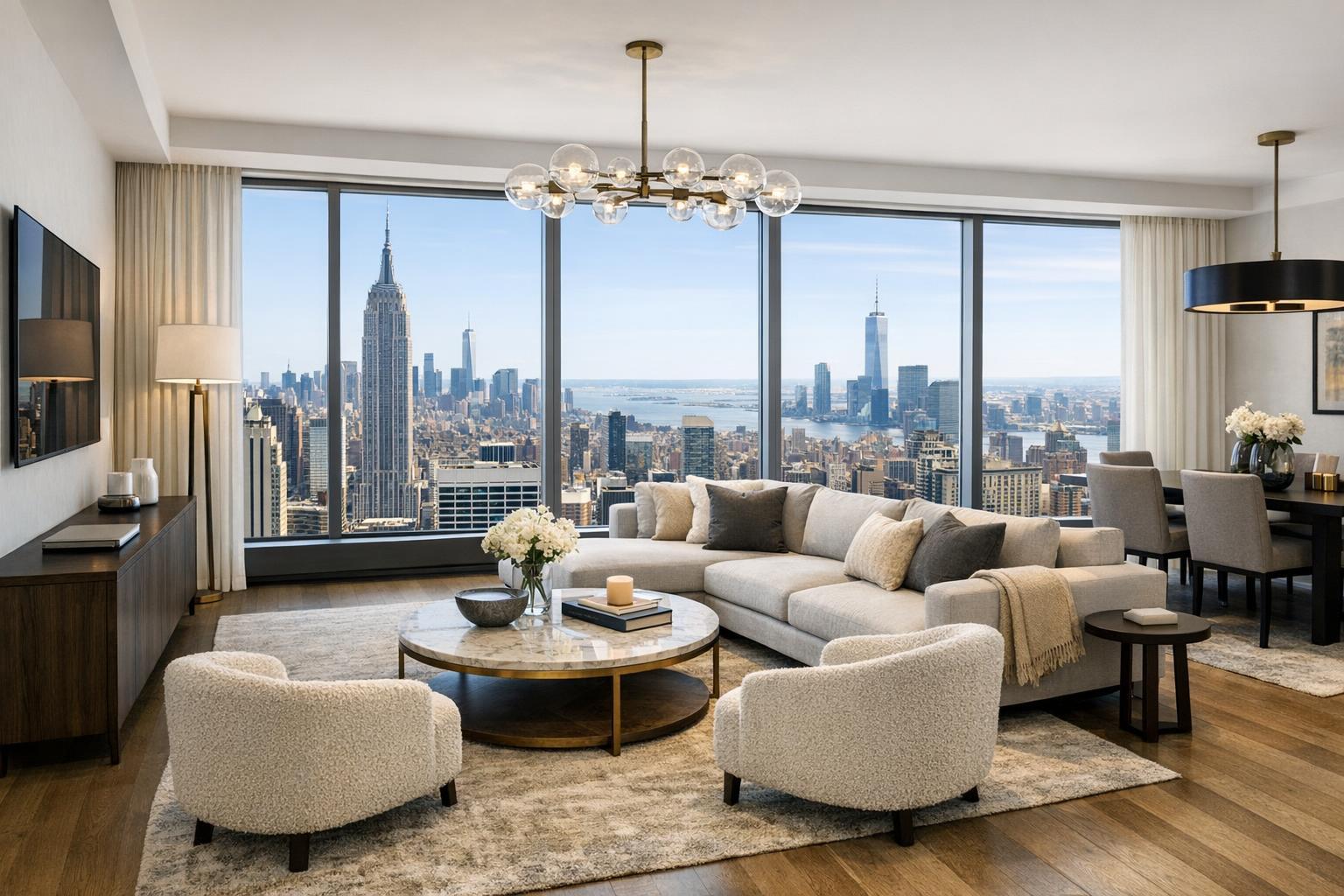
An impressive NYC living room showcases luxurious interior design with panoramic views of the skyline, captured by an architectural photographer.
How to Choose an Architectural Photographer in NYC for Property Marketing
An architectural photographer NYC search almost always starts with a practical question: Which professional can capture your space so it looks both inviting and accurate—without distorting reality or glossing over important details? If you’re a broker, developer, architect, property manager, or on a commercial real estate team, the answer involves looking well beyond someone’s Instagram feed or the first name that shows up on a search.
Photographs play a different role depending on the property and marketing goal. In New York City, you might need images to help lease an office suite in Midtown, launch a luxury condo in Manhattan, introduce a Brooklyn brownstone to buyers, or refresh a retail listing. Every assignment brings a unique audience, a separate visual standard, and its own set of expectations. The photographer you hire should understand the difference—and have the technical discipline to deliver work that fits your strategy.
Architectural Photography Versus Listing Photography: Why the Difference Matters
Most real estate professionals know that listing photography is about giving online viewers a clean, comprehensive look at a property’s size, flow, and features. This matters for both residential and commercial work—virtually every listing platform, website, or marketing flyer uses this approach. But “architectural photography” is a notch more specialized.
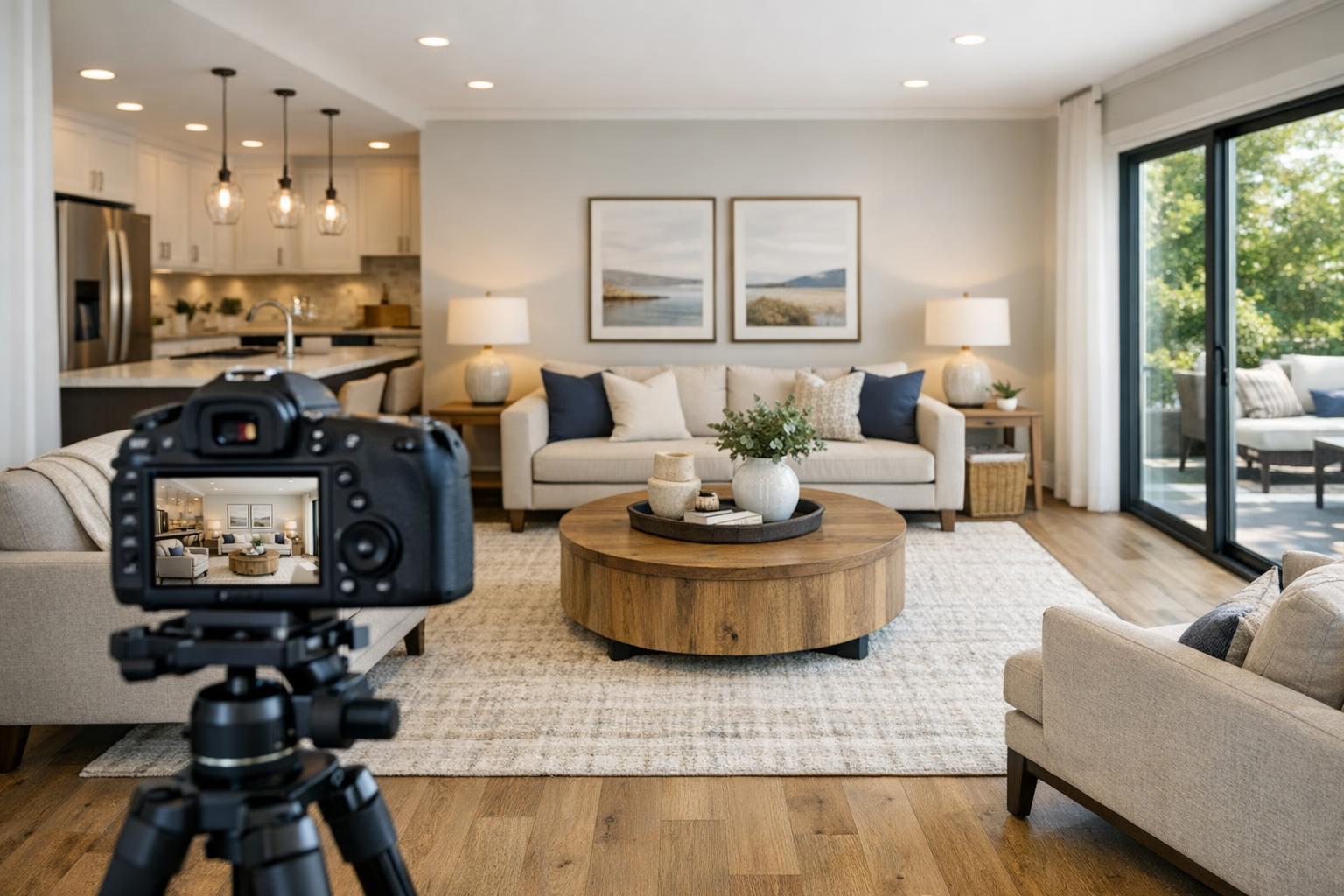
With architectural photography, images are built around the intent and the craft of the space. That means careful attention to:
- Straight, vertical lines that avoid unnatural lens distortion
- Balanced room proportions—accentuating space without misrepresentation
- Thoughtful compositions that clarify how rooms connect
- Controlled exposure to keep window views, materials, and shadows visible
- Highlights on finishes, millwork, and lighting details
- Exteriors that place the building in its authentic context, not just as a floating facade
A strong listing shoot often incorporates some of these architectural principles. But architectural photography is more intentional: the images might spend extra time showcasing a custom stair, a unique window detail, or a pattern of light in a pre-war loft. In NYC, this means you might treat a newly renovated brownstone differently from a repetitive high-rise rental or a boutique hotel lobby. The right photographer adapts accordingly.
Start With Purpose: Define How Images Will Be Used
Before you start comparing portfolios, get specific about where your images will appear and what they need to achieve. Are you marketing a residential co-op, chronicling a designer’s new project, building a commercial portfolio, or prepping a development launch? This clarity allows a photographer to tailor both the shoot plan and the deliverables.
Here’s how the intended use often shapes the approach:
- Residential and leasing marketing: Prioritizes broad, accessible coverage (think kitchens, living areas, bedrooms, baths, and signature views)—all efficiently laid out for online browsing.
- Design documentation and projects: A more deliberate look at craftsmanship and architectural choices. For architects and developers, materials, built-ins, and key design features may warrant dedicated compositions.
- Websites and broader brand marketing: May require a blend of wide room views, tight details, and exterior “sense of place” images to support multiple campaign platforms, from digital banners to printed brochures.
The most deliberate NYC property photographers ask about usage up front, so the results fit the intended campaign—not a boilerplate shot list.
Evaluating a Photographer’s Portfolio: Look for Control and Context
Browsing through a photographer’s highlight reel tells you only so much. Instead, look for completed projects that resemble your own listing or marketing need. A great image of a Tribeca kitchen won’t solve your problem if you’re trying to market a multi-floor commercial office, a high-gloss condo, or a retail renovation.
Here are signs of technical skill and visual understanding to watch for:
- Verticals are vertical: Doors, walls, and windows don’t “lean in” unless there’s an intentional design reason.
- Room proportions make sense: Very wide lenses can be tempting, but they shouldn’t stretch a room to the edges of believability.
- Compositions are clean: The arrangement draws attention to the space, not to clutter or distracting decor.
- Window views and surfaces are balanced: You can see outside without blowing out the sky, but interiors don’t disappear into shadow.
- Colors and materials are realistic: In Manhattan and Brooklyn, finishes are distinctive—wood grains, marble veins, tile work. They should photograph true to life.
- Exteriors fit their surroundings: Especially in NYC, context counts. Does a retail storefront show up in its neighborhood? Is a brownstone facade placed within its stoop and street, or floating in isolation?
NYC and NJ properties present a huge range of architectural quirks—from deep pre-war windows to all-glass high-rises. A consistent portfolio should show adaptability, not a single Instagram-ready look repeated everywhere.
How Professionals Handle Light, Geometry, and Editing
What separates a seasoned NYC property photographer from a hobbyist isn’t just the camera—it’s the approach on site and in post-production. Real-world property work involves:
- Dealing with big, bright windows against relatively dim interiors
- Working through tight corners, narrow entryways, and small kitchen setups
- Capturing texture in wood, tile, and stone that’s shaped by both natural and artificial light
- Navigating reflective surfaces like polished counters or glass walls
- Adapting to mixed lighting (from sunlight, lamps, and office fixtures) in busy spaces
- Shooting exteriors when sunlight isn’t cooperating, or neighbors/buildings cast midday shade
Professional workflows rely on selecting good camera positions, controlling perspective, and balancing natural with supplemental lighting when necessary. Editing is critical for resolving issues like color consistency, correcting lens effects, and keeping lines straight—but solid composition on site will always produce more credible results than heavy-handed retouching later.
Notably, RealtaSnap captures properties as they physically exist; structural changes or renovations aren’t fabricated digitally. This reality makes preparation on shoot day even more important.
Flexible Photo Coverage Built Around the Property
While some projects demand a fixed photo count, true architectural photography is best when the scope adapts to the property. An efficient listing may only need eight images of a compact studio, while a historic townhouse or full-floor penthouse could merit extensive layered coverage: facades, entries, staircases, feature walls, amenity spaces, and more.
For commercial and mixed-use spaces—lobbies, offices, hospitality, and retail—photography should address spaces vital to leasing or brand identity, not just tick off standard rooms. Preparing a shot list or priority features for your photographer ensures that nothing essential is missed, especially if the property has a unique feature, tenant buildout, or a view that adds real value.
Preparation Affects the Results
Staging and preparation have a direct impact on the quality and speed of any photography session. In NYC and across New Jersey, this means dealing with real-world challenges: cluttered countertops, open mail, varied window treatments, burned-out bulbs, and shared amenity access. Preparing an occupied or partially-occupied property is just as vital for commercial as it is for residential work.
Practical prep steps include:
- Confirming building and amenity access, check-in and elevator procedures
- Ensuring all needed rooms and areas are photo-ready
- Cleaning glass, mirrors, and reflective surfaces
- Replacing burned-out or mismatched lightbulbs
- Removing move-in/move-out clutter, maintenance materials, and personal effects when appropriate
- Providing a contact on-site for access and questions
For property managers and agents in dense urban settings, simple preparation steps can mean the difference between a fast, successful shoot and one that’s delayed or visually compromised.
Get more preparation tips in our photo prep guide.
Clarify Image Licensing and Usage Up Front
Usage rights are often misunderstood—particularly when images will be used in multiple campaigns or by different parties. For a routine residential listing, distribution across MLS, basic marketing, and platforms may be straightforward. But for developers, architects, and brand launches, images often appear well beyond one listing: websites, brochures, social, PR, and more.
Points to clarify before contracting include:
- Who receives copies and access to download?
- Are images used solely for this campaign, or as enduring brand assets?
- Are multiple parties (broker, architect, owner, designer) sharing usage?
- Will there be photo credits, publication embargoes, or other requirements?
- Can the photographer use images in their own portfolio?
Clarity in advance avoids confusion and ensures everyone gets what they need. RealtaSnap can answer usage questions at the time of booking and works to provide a clear, single point of contact for each shoot.
Does Your Project Need More Than Still Photos?
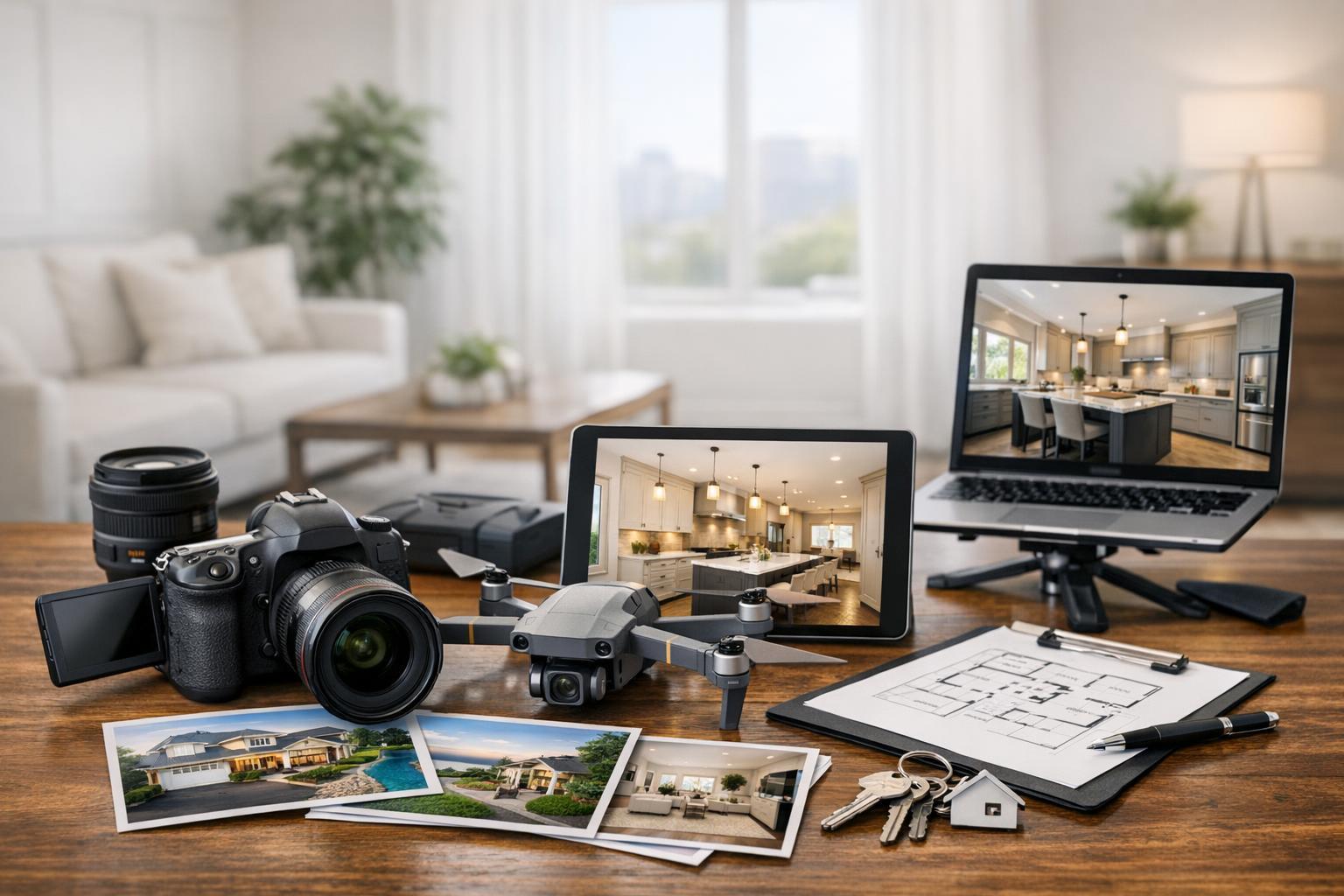
Photography remains the backbone of most listing and marketing efforts, but NYC and NJ clients are increasingly asking about video, floor plans, 3D tours, and drone imagery. Each format is best reserved for situations where it adds genuine value.
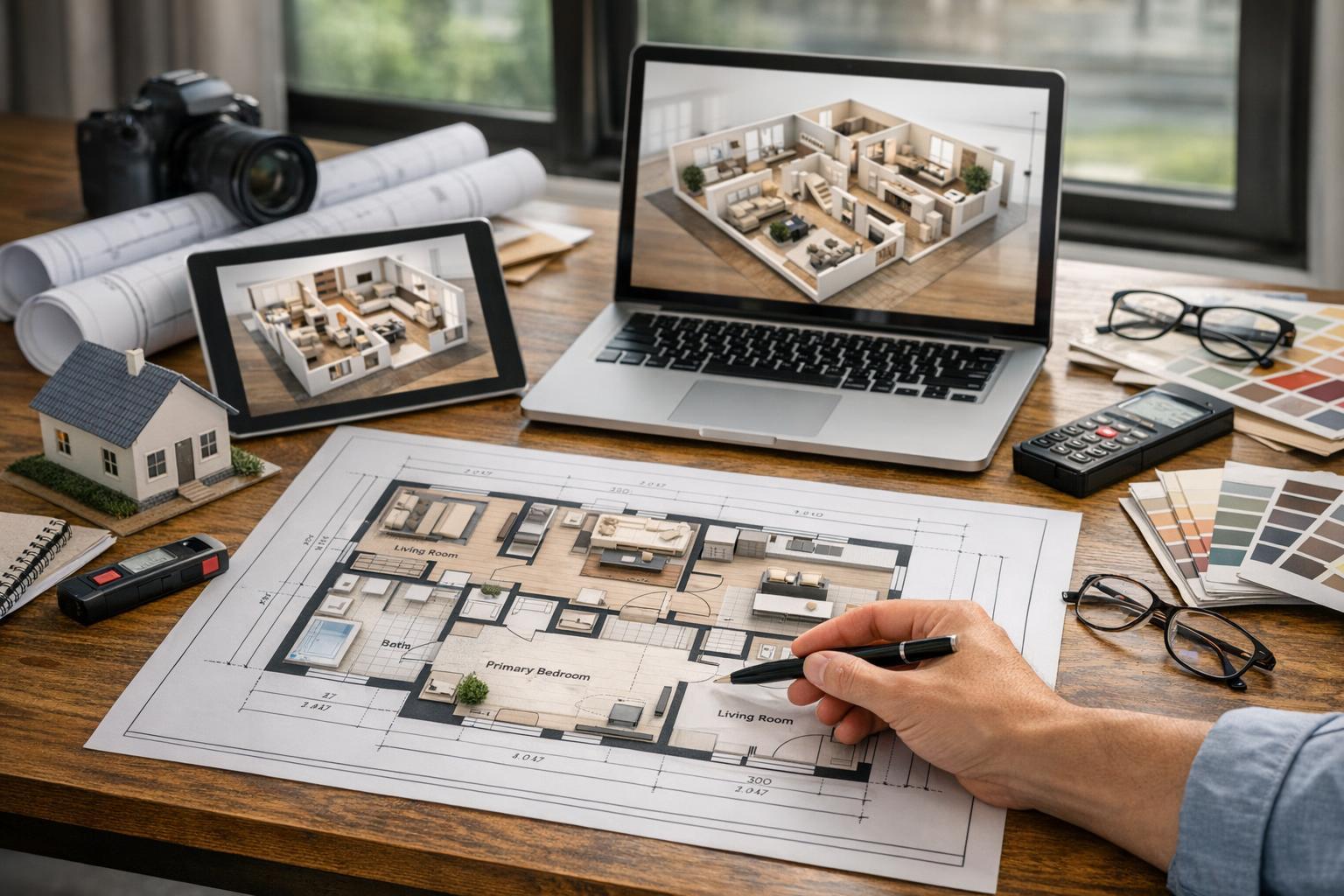
- Floor plans help explain spatial relationships in complex properties—brownstones, offices, condos with unusual layouts.
- 3D tours offer interactive exploration for remote clients or large, multi-level spaces; less critical for simple layouts.
- Video can support branded campaigns by conveying movement (think a walk through a lobby or office, or the sequence from entry to living space).
- Drone media may be worthwhile for buildings with private rooftops or outdoor amenities, provided airspace and weather conditions are suitable.
For additional options, see our services for NYC property media.
Key Questions to Ask Before You Book
Whether you’re exploring new photographers or evaluating long-term partners, don’t hesitate to ask:
- Have you photographed properties like this before?
- Can you share complete project samples?
- How do you address window exposure, tight rooms, and mixed lighting?
- What should I do to prepare before the session?
- How are images delivered, and what’s the expected turnaround?
- How is usage licensed, and are multiple users allowed?
- Are add-on services (floor plans, video, drone) available for this project?
- Can you coordinate with building staff or management as needed?
A credible photographer will always answer these directly and transparently. If you’re considering RealtaSnap, our booking team is happy to respond to any of the above—no pressure required.
Choosing Clarity Over Tricks
At the end of the day, the best NYC property photography is rooted in accuracy and presentation—not visual tricks or heavy-handed editing. Brokers and professionals value compelling images that tell the truth about space, proportions, layout, and location. Clear, consistent photography supports successful showings, leasing campaigns, and marketing launches across both New York City and New Jersey.
If you’re ready for thoughtfully executed architectural or commercial real estate photography, or just want more information about what’s possible for your next project, visit www.RealtaSnap.com. Our NYC and NJ team can guide you through booking, preparation, and delivery every step of the way.
FAQ
Question: How does architectural photography differ from standard real estate listing photography?
Answer: Architectural photography puts additional emphasis on design, composition, and accuracy—capturing clean verticals, correct proportions, textures, and spatial relationships. Listing photography is usually broader and faster, aimed at marketing a property efficiently online. Many NYC listings benefit from a blend, but if you need images for design portfolios, branding, or editorial uses, architectural experience is especially important.
Question: How should I prepare my property in NYC or New Jersey for a professional photo shoot?
Answer: Focus on decluttering, cleaning surfaces, removing visible personal items (where appropriate), making beds, and ensuring all lights are working. For commercial spaces, coordinate building access, prep common areas, and decide how staff or customers will be handled. The more prepared the property, the better the results and the smoother the session.
Question: Should I add a floor plan, video, or 3D tour to my project?
Answer: Use additional media when it solves a meaningful problem for the viewer. Floor plans are great for complex or multi-level properties, 3D tours are helpful for remote or out-of-town prospects, and video can add movement for specific marketing goals. For straightforward listings with clear layouts, professional photography is often enough. For larger or more unique properties, a mix of media can provide broader context.