How to Choose an Architectural Photographer in NYC for Property Marketing
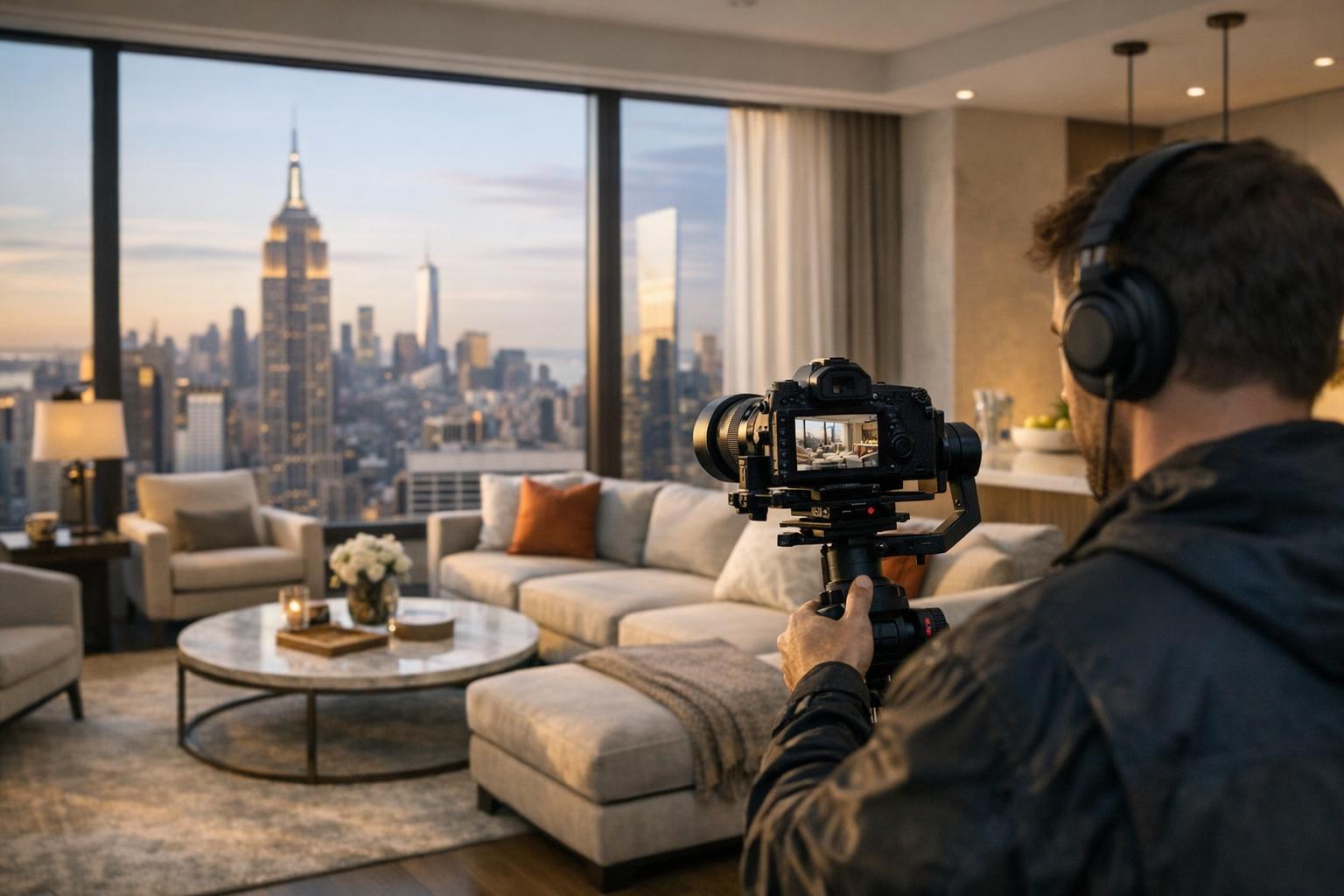
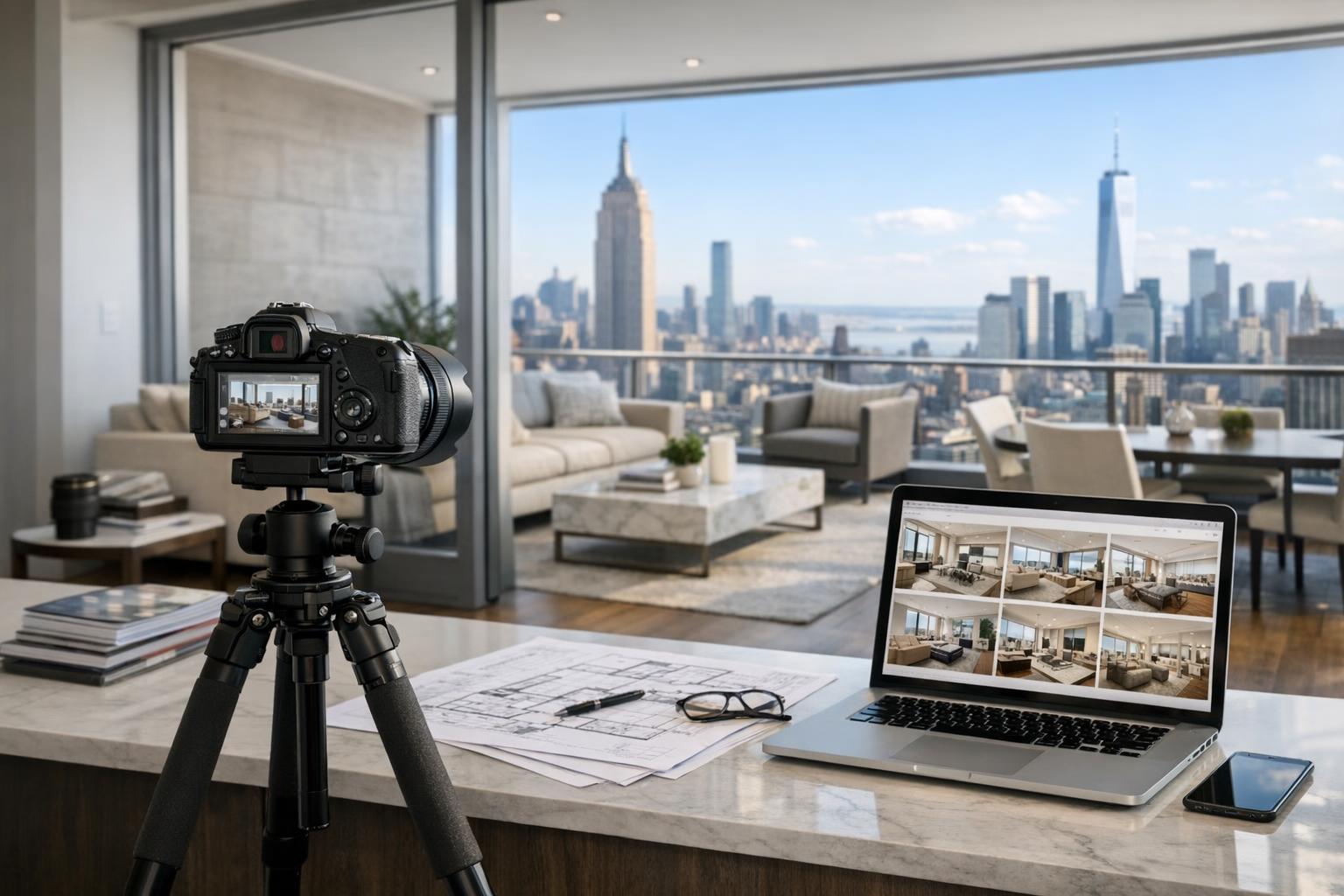
An architectural photographer in NYC sets up a camera and laptop in a sleek apartment with stunning city views in the background.
How to Choose an Architectural Photographer in NYC for Property Marketing
An architectural photographer in NYC plays a far more nuanced role than simply capturing bright, attractive rooms. The right professional translates real, physical spaces—no matter how compact or unconventional—into clear, honest images that support property listings, development campaigns, and design portfolios. That difference matters tremendously in New York City, where limited daylight, narrow layouts, unique details, and dense surroundings are the everyday reality.
In this field guide, we’ll share hard-earned observations on what actually separates a thoughtful, architectural approach from routine interior photos—and how to make the right decision when hiring for your next listing, new development, or commercial project.
Architectural Images: Beyond Basic Interiors
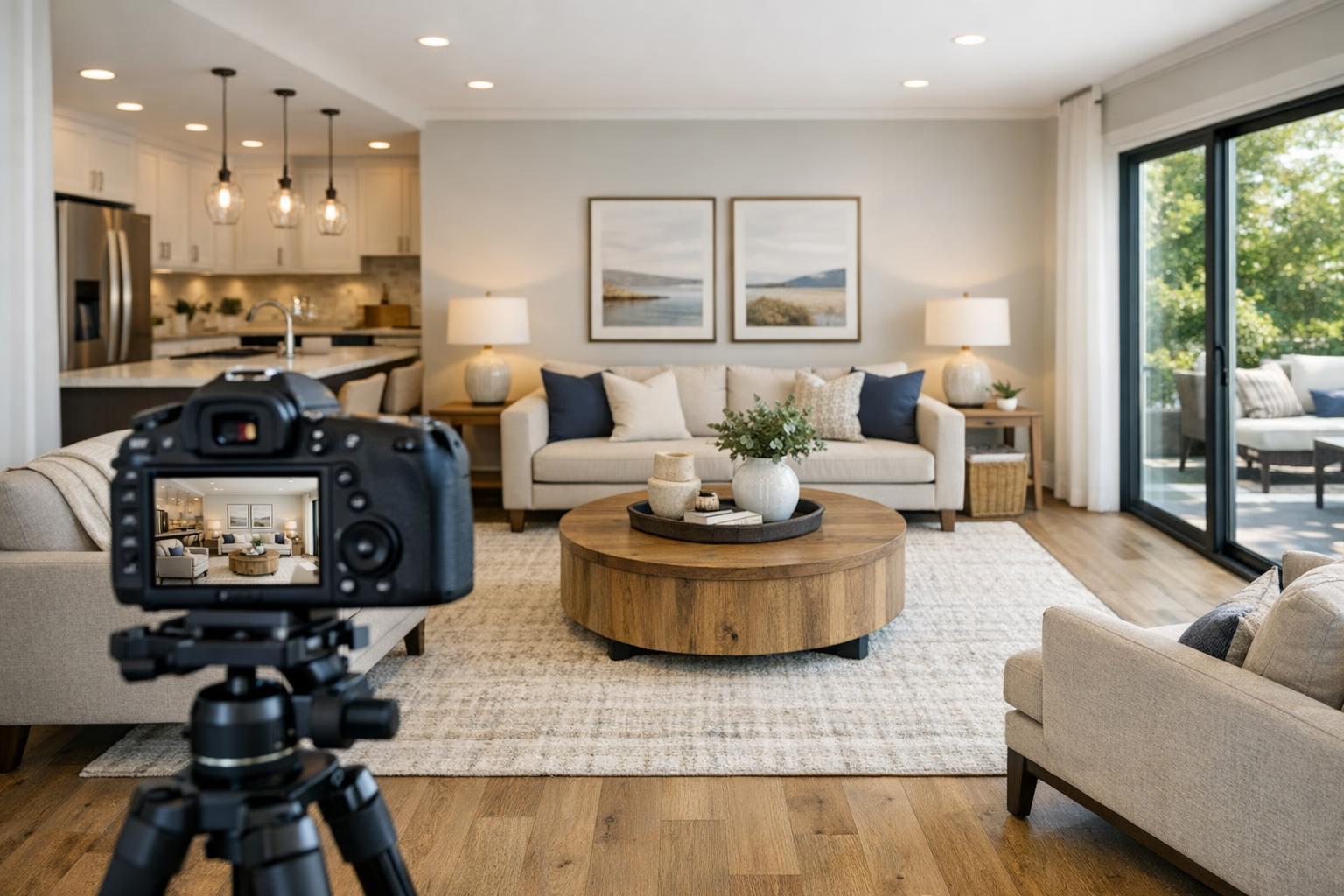
The main reason to choose an architectural specialist isn’t just aesthetics. While appealing images are important, architectural photography takes purpose-driven steps to communicate layout, character, and visual context. The work should help the viewer understand scale, flow, finishes, and where a room sits relative to everything else—not merely make a space look larger or brighter.
We often see properties in Manhattan, Brooklyn, New Jersey, and beyond where the best coverage balances:
- Inviting polish: Clean images that invite a viewer in.
- Clear documentation: Images that tell the property’s real story by representing size, material, and features honestly.
Routine photos may document what’s there. Architectural coverage strives to answer: What makes this property worth seeing?
NYC and NJ Realities: Why Experience Matters
Every local property type comes with its own photographic challenges. Manhattan apartments can be surprisingly small with tricky lighting and tightly grouped rooms. Brooklyn brownstones demand attention to historic detailing and flow across multiple narrow levels. New developments and commercial spaces need visual consistency, controlled exposure, and a way to communicate both beauty and functionality to many kinds of viewers.
A capable architectural photographer adapts their approach for each scenario:
- Apartments: Prioritizing useful angles that make limited space feel logical, not inflated.
- Brownstones/Historic homes: Highlighting original details alongside renovations without distorting the sense of space.
- Model units/new developments: Keeping lines straight, colors consistent, and features clearly visible across a range of similarly styled rooms.
- Offices and retail: Showing not just existence, but how a space actually functions—circulation, daylight, work areas, frontage, and access points.
What Sets True Architectural Photography Apart
Choices behind the camera and in post-production have a real impact on how viewers experience a property online. Some key operational practices separate specialist coverage from standard interior work:
- Straight verticals: In NYC, details like tall windows, cabinets, and columns should appear vertical and true to life. Camera height, lens choice, and perspective correction all matter. Wide-angle shots are helpful, but shouldn’t distort the natural lines of the space.
- Balanced window exposures: Managing the interplay between interior light and exterior views is critical—especially in high-rises, shaded brownstones, or offices with reflective glass. The goal is to preserve detail both inside and out, presenting white walls as they are (not blue, gray, or yellow) and representing surfaces like wood, stone, and metal accurately.
- Material and detail emphasis: Unique finishes, millwork, tile, brick, or steel often deserve close-up coverage—provided these vignettes supplement, rather than replace, useful room views.
- Visual flow: Image sets should move logically through the property, helping viewers picture how spaces connect. Especially critical in small units or multi-level homes.
Reviewing a Portfolio with a Critical Eye
When considering NYC architectural photography services for your project, don’t just look for striking hero shots. We recommend reviewing:
- Consistent composition and balance—rooms should feel intentional, never cluttered or disjointed.
- Controlled perspective—vertical lines are straight, and angles make sense for the space size.
- Nuanced lighting—challenging windows and corners are handled without harsh hot spots or washed-out color.
- Editing clarity—colors look real, not overly enhanced; details are sharp, and skies/views look plausible.
- Range—apartments, townhouses, commercial, new developments all appear in the portfolio as appropriate to your own property type.
- Logical progression—the gallery leads viewers naturally through the property.
- Exterior work—dense surroundings, sidewalks, and landscaping are framed thoughtfully.
If possible, ask to see full property galleries. A few spectacular shots may not demonstrate whether a photographer can maintain quality across bedrooms, bathrooms, kitchens, corridors, and exteriors.
How Far in Advance Should You Prepare?
One operational insight we communicate to clients: Property readiness has a direct effect on image quality. The photographer can control light and camera, but only so much can be done with furnishings, clutter, or temporary distractions. Before the shoot:
- Clear horizontal surfaces (counters, tables, desks, vanities)
- Tuck away visible cords and small items
- Open blinds or shades when the view is an asset
- Straighten linens, furniture, and window treatments
- Make sure all lights are operable and generally color-matched
- Move cars, deliveries, or garbage if planning exterior images
- Confirm access procedures, elevators, or building rules beforehand
For virtual staging, make sure rooms are empty or that physical removal/editing of existing furniture is planned—virtual furnishings layered over real furniture always look unnatural.
For a deeper preparation guide, you can review RealtaSnap’s prep recommendations.
Matching the Photo Plan to the Marketing Goal
Another distinction that matters: How will the images actually be used? A successful architectural shoot isn’t generic. Instead, it considers listing platforms, website needs, print brochures, social media formats, or investor decks. For example:
- Listings: Focus on main rooms, important features, and context that help buyers or renters make decisions.
- Leasing campaigns: Expand coverage to amenities, lobby, rooftop, and shared spaces.
- Commercial real estate marketing: Emphasize functionality—entrances, collaborative areas, natural light, and street presence.
- Portfolios or documentation: Allow extra time for careful feature images, symmetry, and design sequencing.
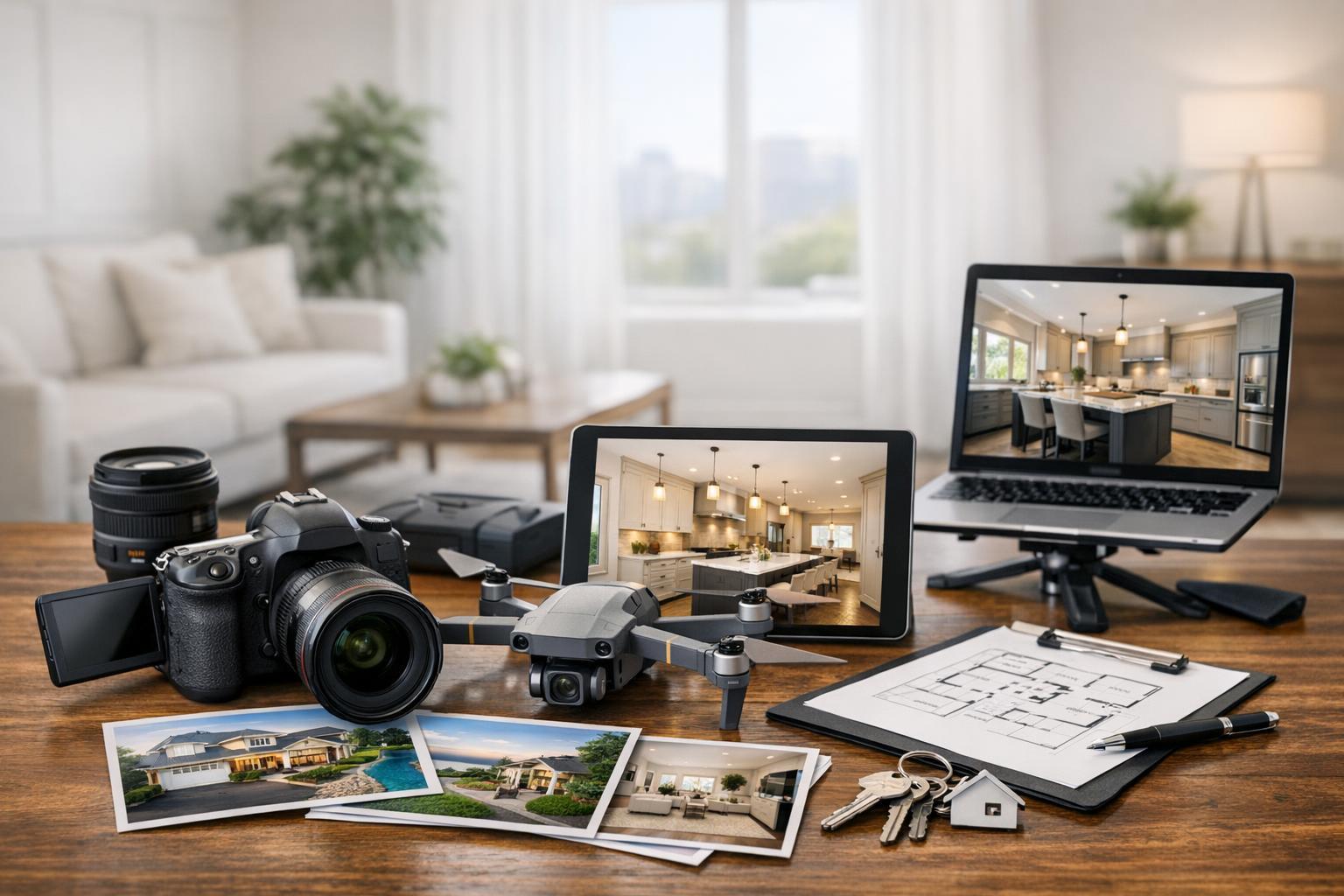
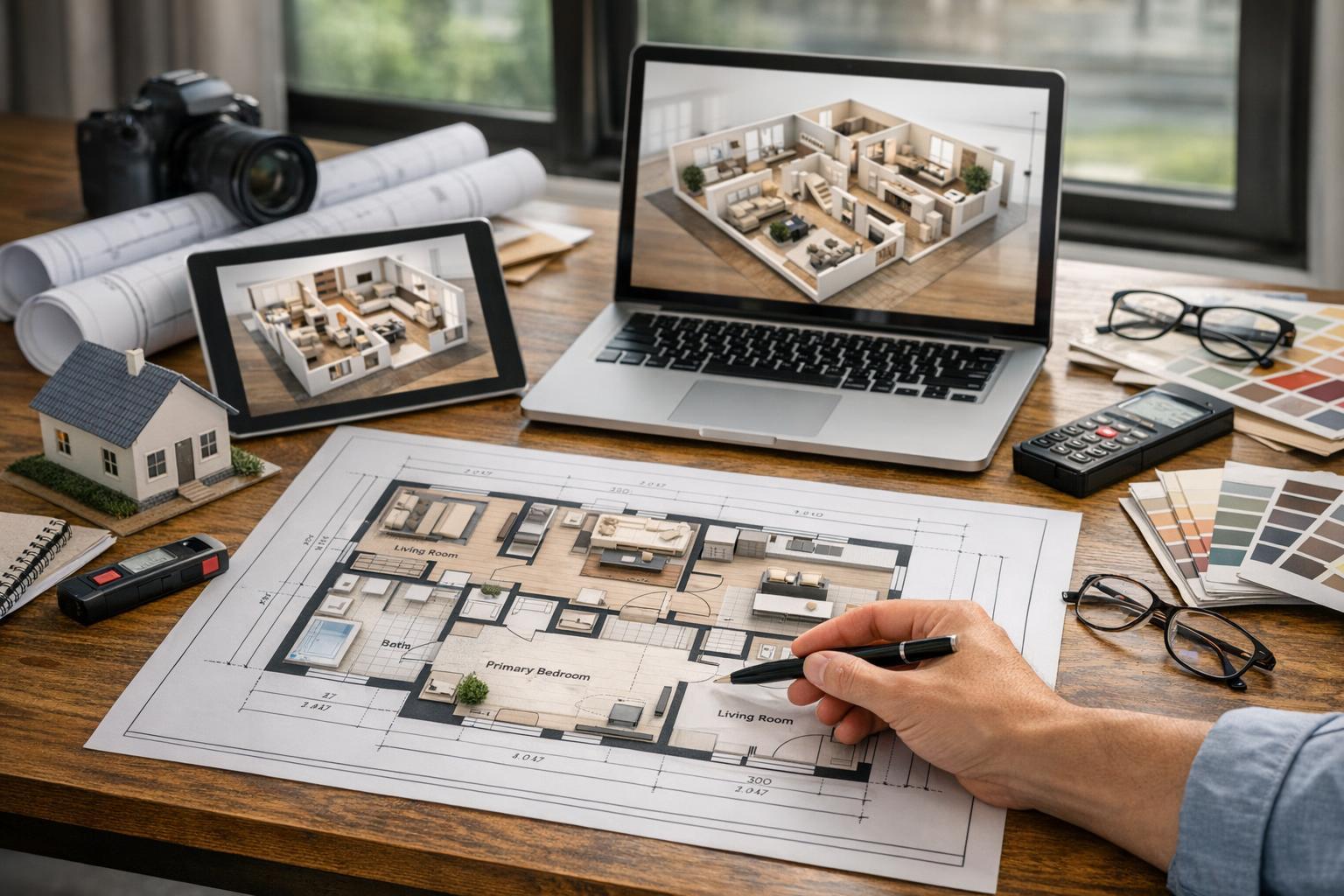
If additional services such as floor plans or 3D tours are needed, coordinate these at the scheduling stage—onsite capture is required for both.
Questions Worth Asking Before Hiring a Photographer
A brief, focused conversation upfront can prevent confusion:
- Can you share full galleries from properties like mine?
- How do you handle challenging window exposures or mixed lighting?
- What’s the ideal number of photos for this property type?
- Can we discuss a photo plan based on where the images will be used?
- What needs to be ready ahead of time—access, staging, or decluttering?
- Are floor plans, 3D tours, or video available if needed?
- What’s included in basic editing, and which corrections are billed separately?
A professional team should answer these directly and recommend an approach that fits your specific needs—without trying to upsell unnecessary services.
A Practical Choice for NYC and New Jersey Listings
RealtaSnap provides listing-focused photography in New York City, New Jersey, and select surrounding areas. Our operation is structured to support everything from tight Manhattan apartments to expansive New Jersey homes, historic Brooklyn houses, retail spaces, and office suites.
Clients can book online by entering the property address, selecting services, specifying access instructions, scheduling a time, and noting any special requests. View our service options and book directly.
Photo packages range from focused 10-image sets to broader 50-image coverage—each tailored by property size and marketing goal. When needed, floor plans and 3D tours are scheduled for capture during the same visit, streamlining your workflow.
If you’re considering professional photography for your next listing or project, our experience extends across market types—including residential, commercial, and new development contexts.
Final Thought: Choose Images That Make Spaces Understandable
Ultimately, the right architectural photographer brings technical reliability and an editorial eye. Strong, clear images aren’t about making every room seem huge or perfectly staged—they help people understand the property as it truly exists, while presenting its unique appeal.
If you’re looking for professional, property-focused photo coverage that adapts to NYC and New Jersey realities, RealtaSnap is here to help.
FAQ
Question: What’s the main difference between architectural and regular real estate photography?
Answer: Standard real estate photography aims to present a property well for listing platforms. Architectural photography goes deeper, emphasizing composition, perspective, vertical lines, lighting control, and careful documentation of materials and features. This difference is especially important for design-forward, historic, or commercial spaces.
Question: How many photos should I choose for an NYC property?
Answer: The ideal photo count depends on the property’s layout and marketing needs. Smaller apartments usually need 10-20 thoughtfully chosen images that cover key rooms, kitchen, bath, and views. Townhouses, larger condos, and commercial locations often benefit from broader coverage (sometimes up to 50 images) to show multiple levels or unique areas. The photo plan should fit the intended use rather than a predetermined number.
Question: Should I also add a floor plan or 3D tour?
Answer: If you want to help viewers understand spatial relationships and layout, floor plans and 3D tours offer added value alongside photography. Both require on-site capture (not remote creation from photos or PDFs), so it’s best to arrange them with the initial shoot. This can streamline access and keep your listing launch on track.