How to Choose an Architectural Photographer in NYC for a Property Project
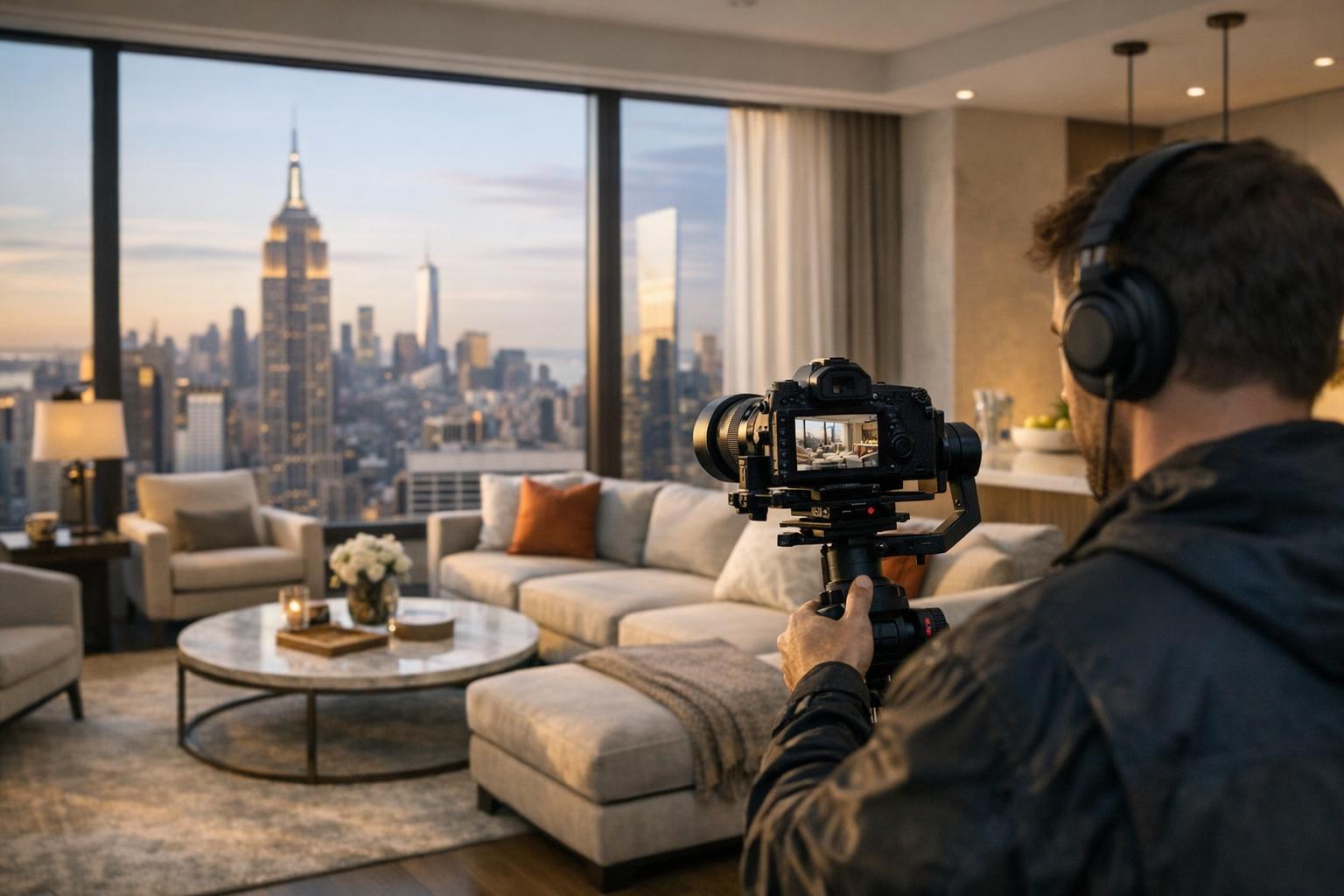
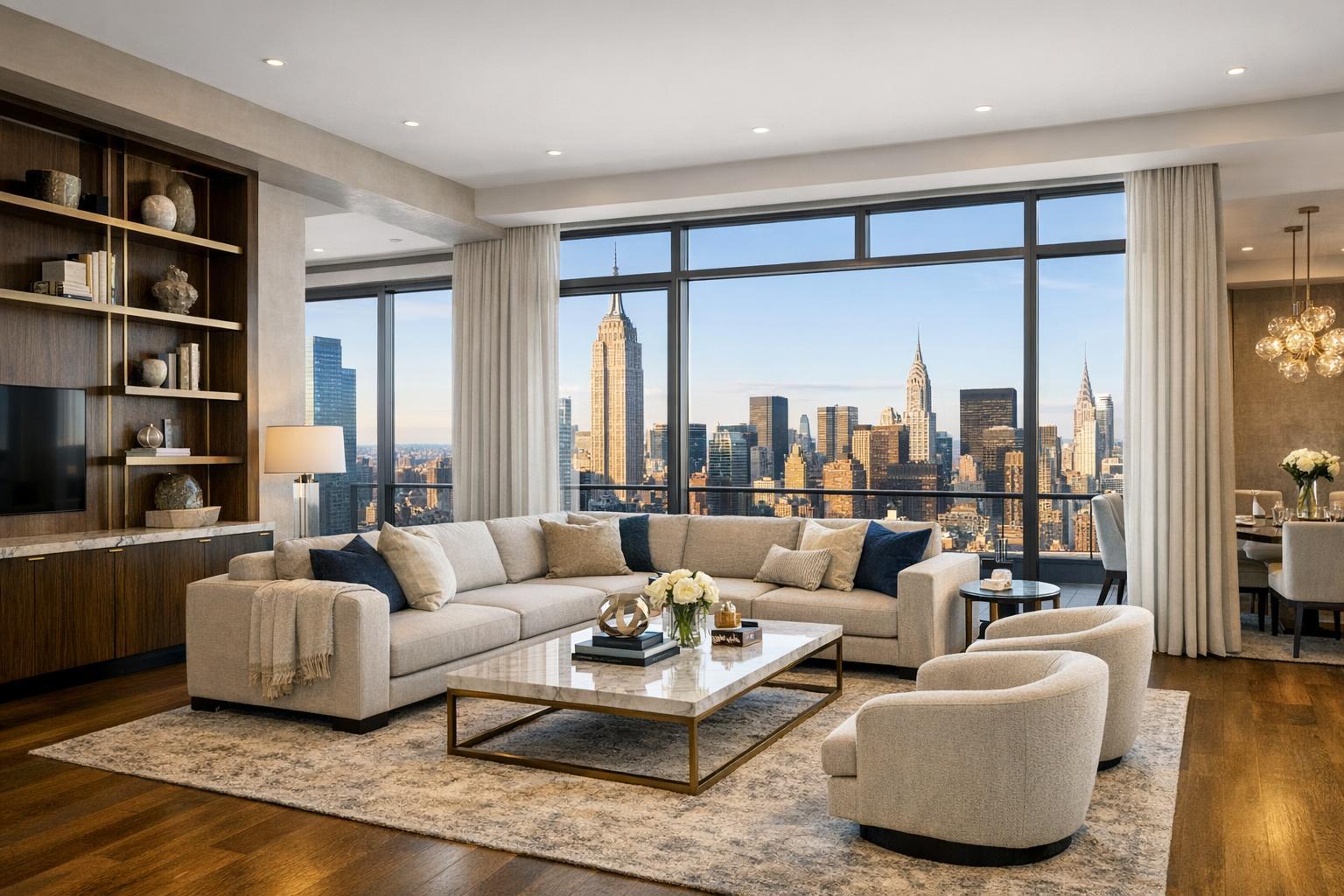
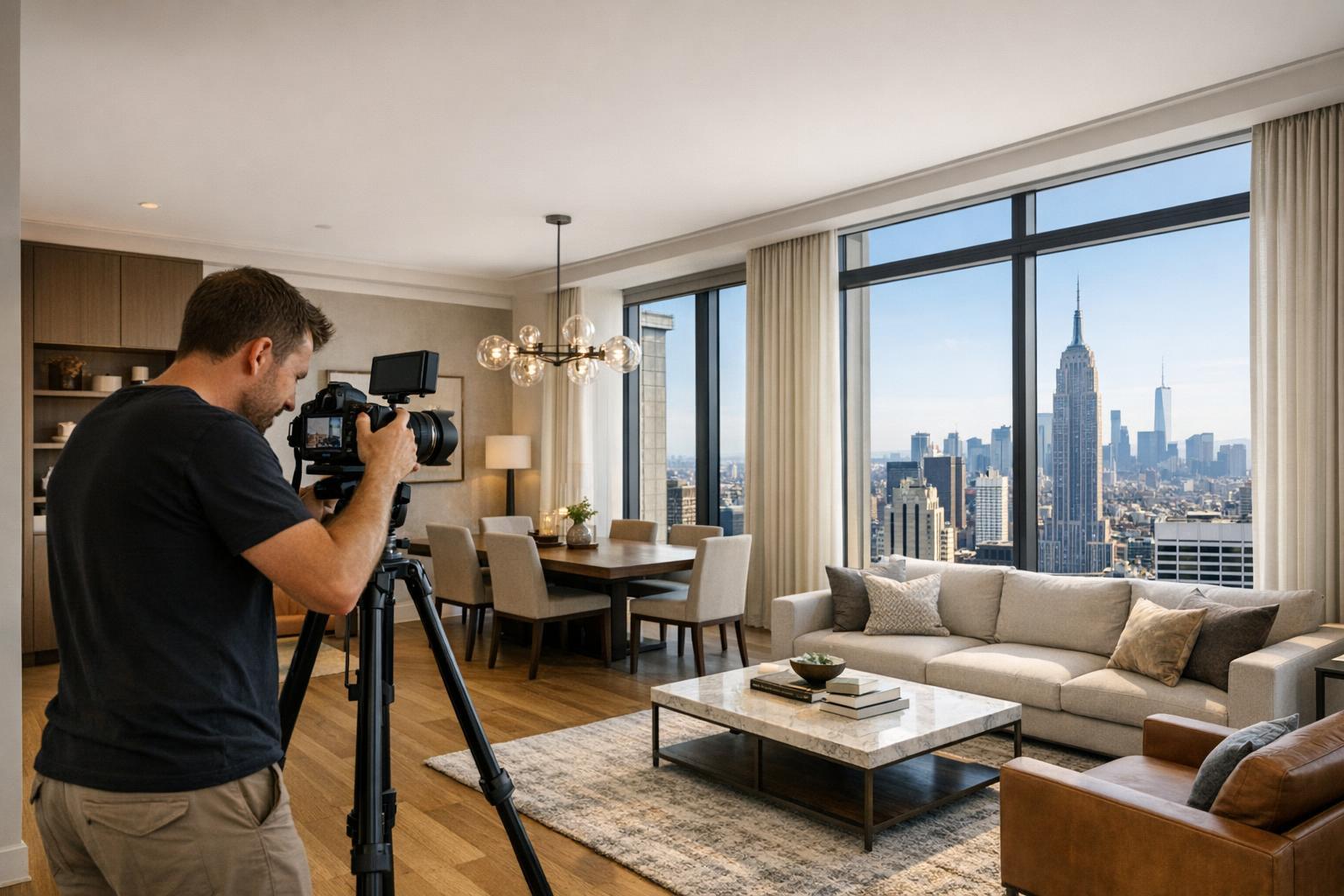
An architectural photographer in NYC captures a luxurious apartment interior with a stunning view of the city skyline, including the Empire State Building.
How to Choose an Architectural Photographer in NYC for a Property Project
Selecting the right architectural photographer in NYC is a nuanced decision for anyone presenting a high-end listing, launching a development, marketing a commercial property, or building a design portfolio in and around New York City. Projects in Manhattan, Brooklyn, and New Jersey often require more than just photos that are bright and wide; they need imagery that reflects the true spirit, scale, and details of the property—images that work for the audience and the realities of the local market.
A property can look dramatically different through the eyes of an architectural specialist versus basic real estate photography. If you’re searching for someone to handle your project with intention, clarity, and accuracy, here’s how to evaluate your options, draw distinctions between photographic approaches, and make the process smoother for everyone involved.
Architectural vs. Routine Property Photography: What’s the Real Difference?
Not all property photography is created equal, even though some techniques overlap. The standard real estate shoot is usually structured for efficiency: capture every major room, highlight core features, and produce a serviceable visual walkthrough to support a listing. While that can be sufficient for a quick-turn rental or basic listing, it rarely does justice to sophisticated architecture, renovated brownstones, or spaces designed with intent.
An architectural approach takes it several steps further. Professionals in this space pay close attention to:
- Selecting camera angles that reveal spatial relationships and the flow between rooms
- Maintaining straight verticals, avoiding exaggerated perspectives or sloping lines
- Managing interior lighting alongside natural light or city views, ensuring windows aren’t glaring white boxes or silhouettes
- Highlighting textural details—think original millwork in a Brooklyn townhouse, unique stonework, or bespoke cabinetry
- Composing each shot to avoid visual chaos, especially where negative space brings a sense of calm
- Layering wide room views with intentional detail images for variety and storytelling
For properties with a thoughtful design story, high-value finishes, or audiences that expect more than a quick glance—an architectural eye brings accuracy and meaning to the finished work.
Start by Defining Where Your Images Will Be Used
The first and perhaps most overlooked step is to clarify the purpose of your images before you book. Whether you’re an agent, developer, manager, architect, or design professional, explain how and where the visuals need to work. This guides shot selection, style, and the final deliverables.
Photos may be needed for:
- Digital listing platforms and MLS
- Project or brokerage websites
- Printed sales collateral and offering plans
- Portfolios for architecture, interior design, or construction
- Commercial leasing packages for office or retail
- Editorial submissions and PR campaigns
- Social media profiles and email marketing
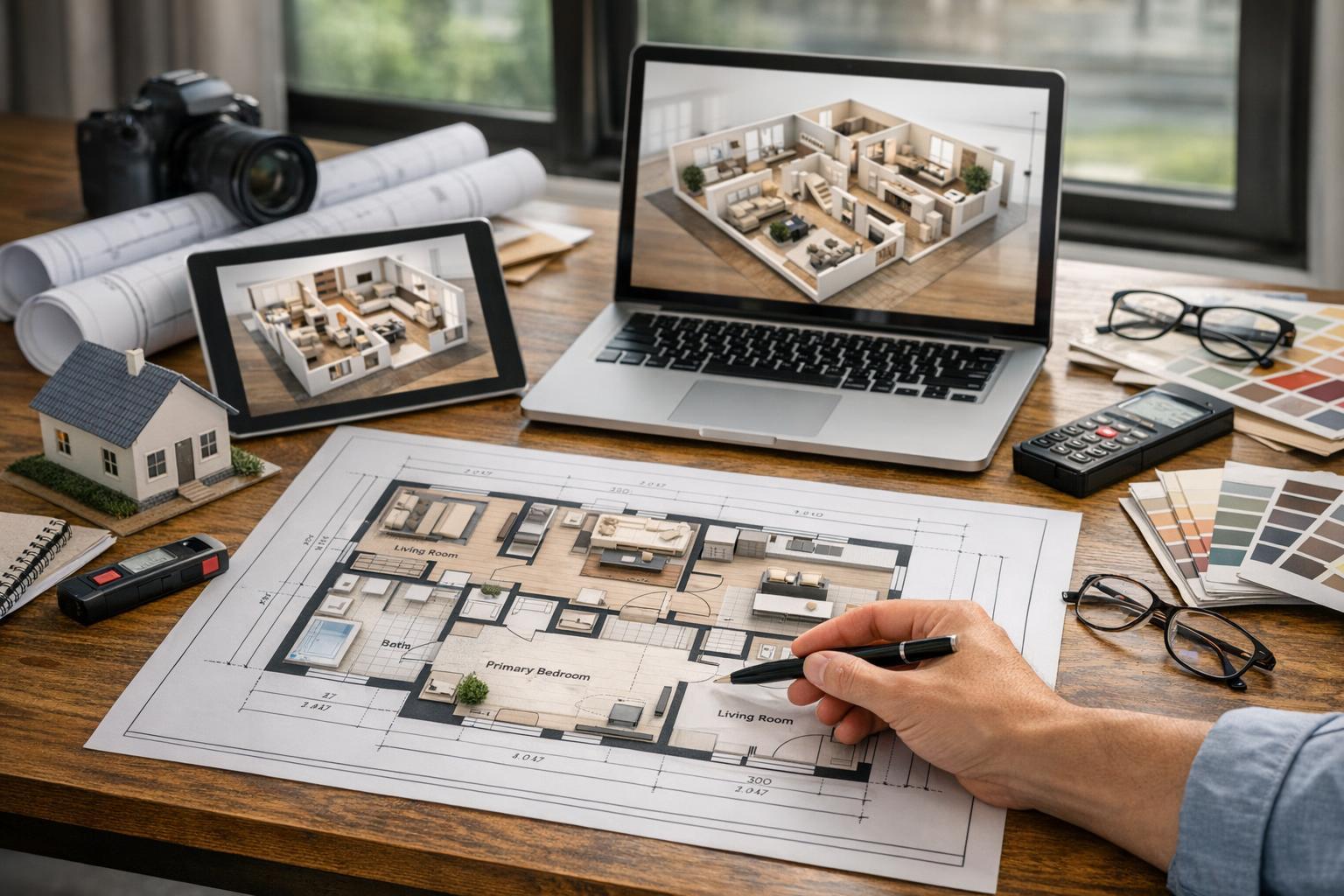
A good listing image should answer functional questions at a glance (Does the dining area connect to the living space? What is the view from the kitchen?), while a portfolio image might zero in on custom features or unique spatial moments. Share your goals with your photographer—this impacts everything from the number of images captured, to the timing of the shoot, to whether additional media such as floor plans or Matterport 3D virtual tours are helpful for your audience.
Reviewing Portfolios: Look for Consistency and Technical Strength
When you’re comparing NYC architectural photography services, don’t be distracted by a couple of dramatic “hero” shots. Review the full portfolio for clear evidence that the photographer can deliver at a high level—consistently, and across different property types and lighting scenarios.
Pay attention to:
- Whether vertical lines (door frames, columns, window edges) remain visually correct
- If wide angles are used thoughtfully—spaces should feel true to scale, not stretched or misleadingly open
- Window management: do bright window views retain exterior detail instead of harsh white light, and are shadowy areas equally readable?
- Are colors natural and consistent throughout the set?
- Can the photographer handle both grand spaces and tight rooms or nooks?
- Are reflective surfaces, mirrors, and mixed lighting sources treated cleanly in the image?
Sloppy post-processing (over-brightened, overly saturated, warped walls) can quickly erode trust and put off sophisticated clients. Be deliberate as you evaluate; for commercial real estate photography in NYC, look for an ability to capture professional, readable images in challenging environments such as open plan offices, retail faces, or glass-wrapped towers.
Field-Tested Strategies for Complex NYC and NJ Properties
Projects around New York City and Northern New Jersey come with their own set of practical considerations:
- Compact apartments: Carefully chosen camera height and position help explain flow without exaggerating size. A tight kitchen or bath can read as open but honest with precise composition.
- Classic brownstones: These properties often feature layered rooms, stair halls, and rich details. A high-caliber photographer will document progression from parlor to garden level and highlight both original details and renovated spaces.
- Commercial spaces: It’s important to show not just the interiors, but circulation, entrances, and context—how a retail or hospitality property fits and functions in its urban setting.
- Exterior challenges: Urban density means exterior shots may be affected by shadows, scaffolding, traffic, or neighboring structures. Some issues can be managed with timing; some require post-production or discussion of what’s realistically possible on shoot day.
Photo projects in New Jersey frequently include larger single-family homes, multi-level layouts, or expansive grounds—not just tight urban footprints. Coverage might include additional exterior images, yard details, or multiple floors with a focus on accurate spatial explanation.
How Photographers Plan and Communicate
A smooth, professional photo shoot rarely happens by accident. Communication before shoot day is critical. Expect a thorough photographer to ask detailed questions, such as:
- Which rooms and features are priorities for you and your team?
- Are there standout finishes, details, or sightlines that should be emphasized?
- What’s the occupancy status—is the space furnished, vacant, or undergoing work?
- Will daylight, dusk, or evening best suit the key images?
- Are there building requirements, elevator reservations, or access instructions to coordinate?
- Who will handle on-site access and final pre-approval of the space?
- Is the shoot focused on a full listing set, marketing highlights, portfolio material, or a combination?
- Do you need images tailored to a particular aspect ratio or platform?
Clients are encouraged to provide a brief outline—address, contacts, room list, special requirements—to avoid missed shots or last-minute confusion. Good architectural photographers will usually adjust their workflow if floor plans, video, or drone photography will complement standard photos for a marquee project.
Property Preparation: What Actually Helps the Photographer Succeed
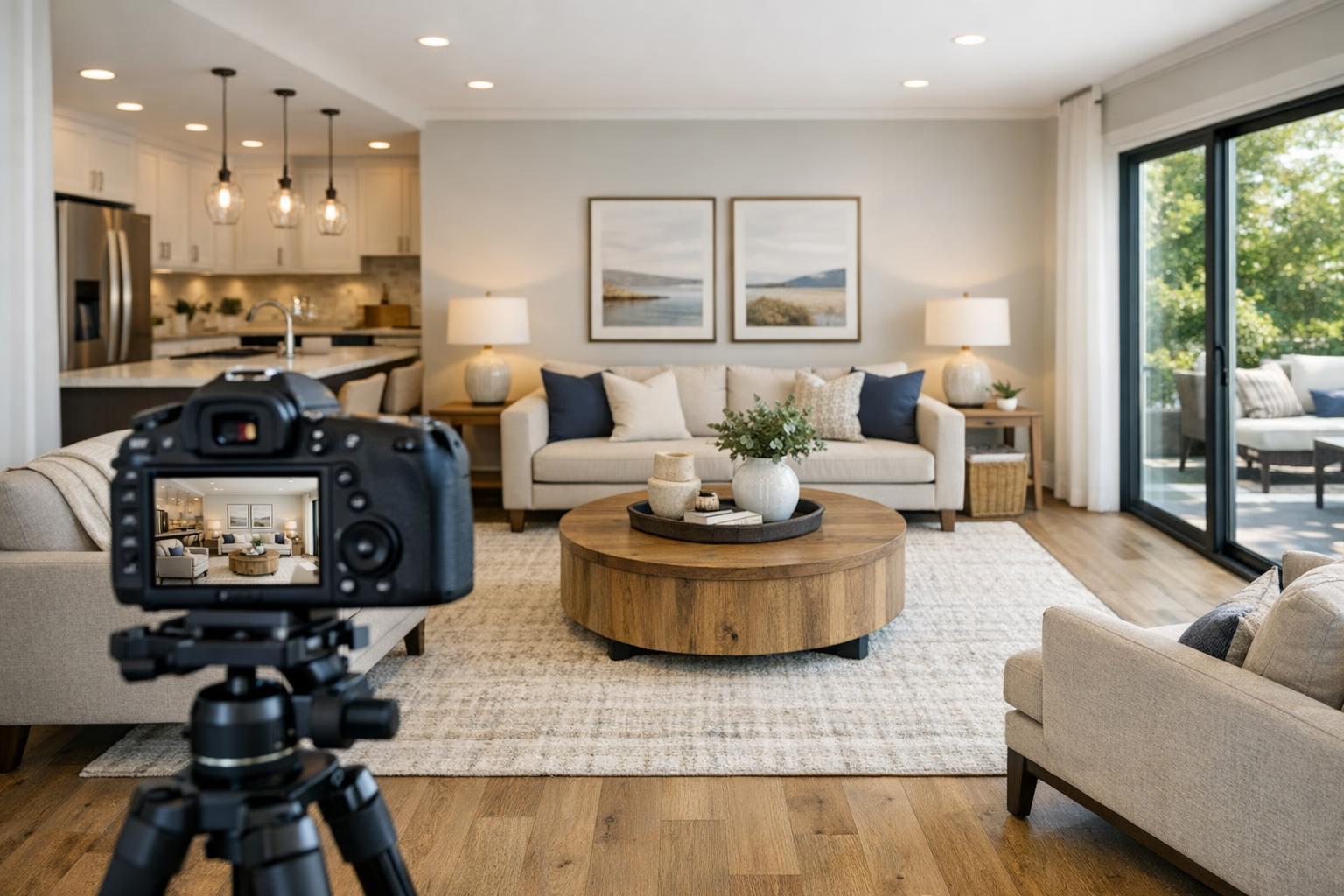
No amount of editing can replace a property that’s been prepped thoroughly. The goal is not to hide authenticity or stage an unrealistic lifestyle, but to minimize distractions that pull attention from the design or layout. For both residential and commercial photography, property prep often means:
- Clearing surfaces of unnecessary personal items, electronics, and paperwork
- Removing visible cords, bins, pet items, and small storage items
- Ensuring beds are made, pillows are straightened, and towels/fabrics look clean
- Switching off screens and devices
- Confirming all light fixtures are working and bulbs match in color tone
- Cleaning glass, mirrors, appliances, and reflective surfaces
- Opening or angling blinds to emphasize natural light or key views
- Arranging furniture to keep pathways and sightlines clear
For larger projects or vacant spaces, virtual staging may be an option, particularly for marketing new development units or model apartments. Physical clutter should be removed before any further staging or digital enhancement. See RealtaSnap’s preparation recommendations.
NYC and NJ Logistics: Why Good Access Planning Matters
Building access and logistics can make or break a photo day in New York or New Jersey. Some buildings require advance elevator reservations, insurance documentation, or have limited delivery windows. Others restrict photography in common areas or amenities. Work out these rules ahead of time and supply any necessary permissions or instructions. For commercial projects, coordinate photo timing with construction schedules, deliveries, or operational windows.
Aerial/done work is subject to various FAA regulations, local airspace restrictions, weather, and safe access to roof or outdoor areas. Not every project will allow for drone capture; consult professionals ahead of time for feasibility.
Matching Project Scope to the Actual Property
One of the most important questions to ask before booking is, “What story does this property need to tell?” A smaller urban apartment might justify the same or more careful shot planning as a larger suburban house, depending on its complexity and design details. Work with your photographer to determine if you need:
- Complete room-by-room coverage for a listing
- Highlight-driven set for a marketing campaign or brochure
- Detail shots to complement broader portfolio images
- Floor plans or interactive tours for layout comprehension
- Hero images for press or editorial use
In all cases, images should reflect what exists at the address—not a hypothetical or proposed layout.
Choosing a Capable Partner
Beyond technical quality, a strong architectural photographer brings a sense of process, reliability, and transparent communication. You should be comfortable asking for:
- The style and type of coverage that best serves your case
- Preparation steps in advance of the shoot
- Guidance on access, logistics, and any building rules
- Clarity on what will be captured live and what may require post-production
- Options for additional deliverables or edits as needed
RealtaSnap supports clients throughout NYC, New Jersey, and select surrounding regions with experience-driven, well-organized photography and related visual services. For properties where accuracy, consistency, and visual judgment matter, a coordinated and clear production process is part of the value. To explore more about our approach, visit RealtaSnap’s real estate photography services.
Bringing Out the Unique Character of Your NYC or NJ Property
A skilled architectural photographer doesn’t make every space look the same; they read what’s special, whether it’s pre-war ceiling molding, a skyline-facing window, or a seamless flow from kitchen to terrace. By understanding usage intent, clarifying your needs, preparing thoughtfully, and locking in logistics, you’re much more likely to wind up with images that both please and serve their purpose.
If you have an upcoming project in NYC or New Jersey, or want to discuss a specific property’s visual needs, you can learn more at www.RealtaSnap.com.
FAQ
Question: What’s the main distinction between architectural and typical real estate photography?
Answer: Architectural photography focuses on design, light, materials, and spatial flow, often with more deliberate composition and technical care. Standard real estate photography is usually broader, documenting primary rooms and layouts as efficiently as possible. Many projects benefit from elements of both, especially in competitive or design-driven markets.
Question: How should I prepare a New York apartment or commercial space for architectural photos?
Answer: Remove personal effects, declutter surfaces, tidy up beds and fabrics, clear walkways, and set lighting for consistency. For commercial spaces, tidy up papers, turn off monitors, and coordinate photography for times with low foot traffic when possible. This helps the imagery focus on space and design instead of distractions.
Question: Can a floor plan or virtual tour be created without a physical site visit?
Answer: An accurate floor plan or interactive tour requires on-site measurement or scanning. While photos and provided floor plans can be useful references, RealtaSnap and other professionals need access to the physical space for precise results.