How to Choose a Real Estate Videographer for Your NYC Listing
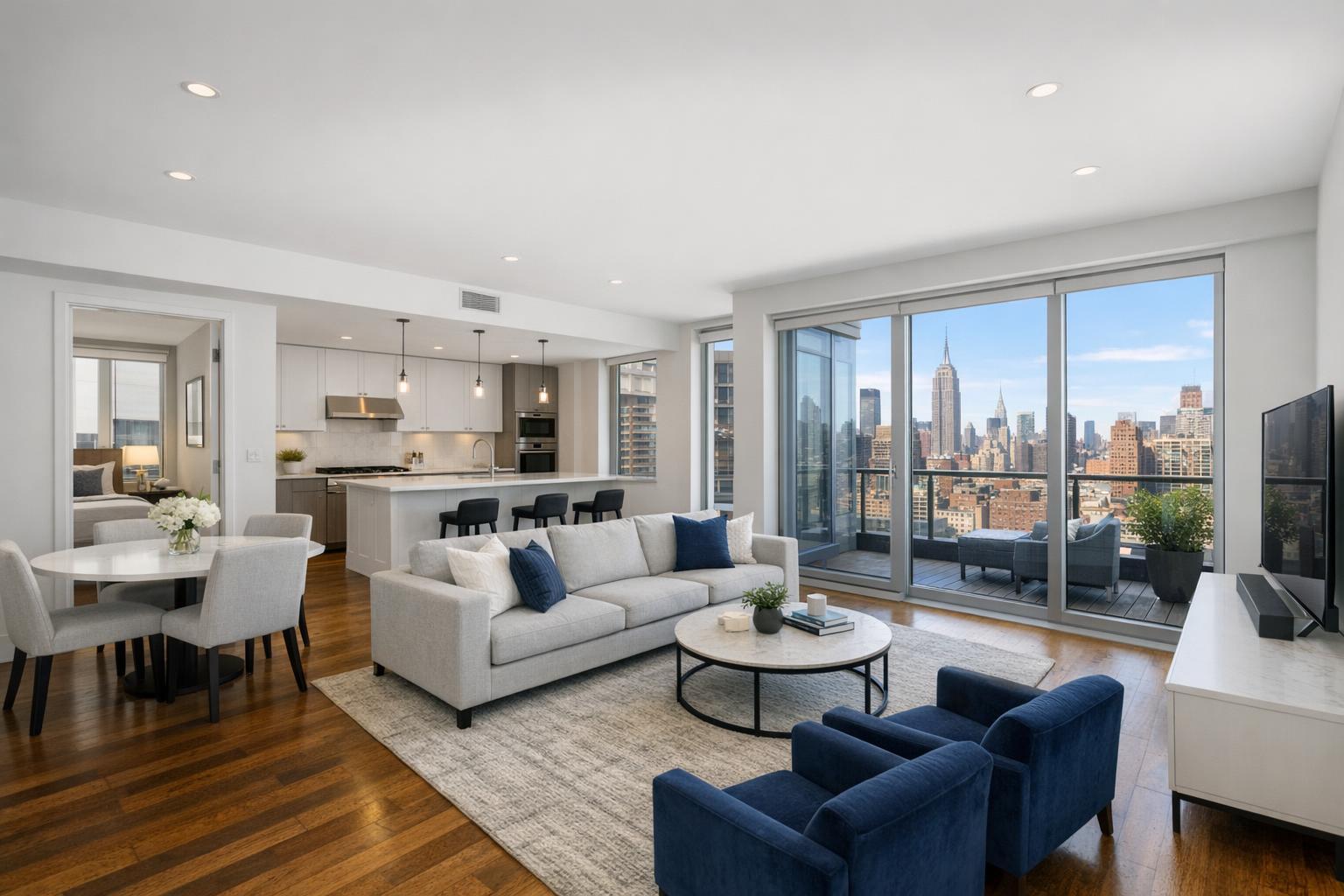
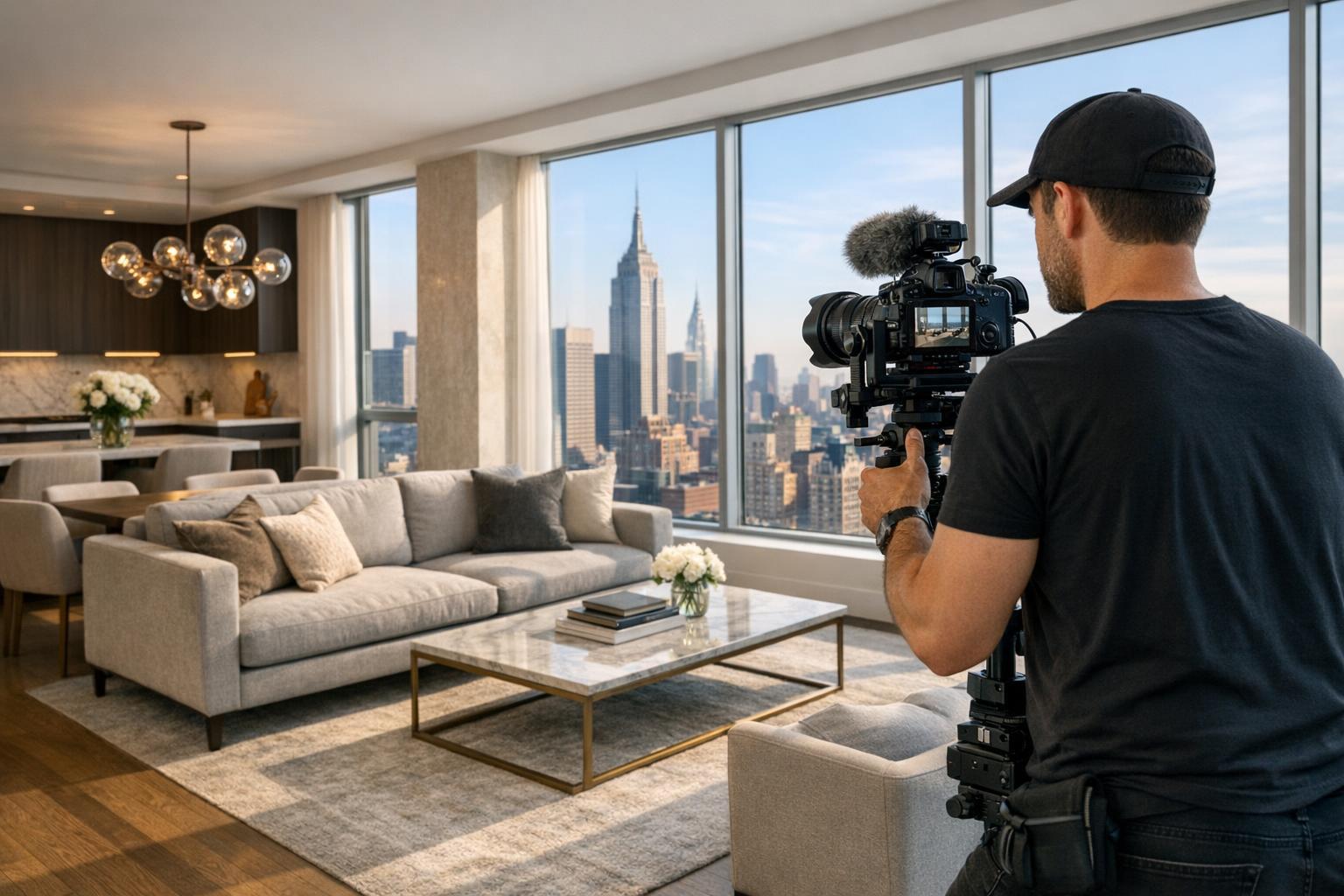
A real estate videographer films a luxurious apartment with a stunning cityscape view through large windows.
How to Choose a Real Estate Videographer for Your NYC Listing
Choosing a real estate videographer is one of the most important early steps in presenting any New York City or New Jersey property to potential buyers. The right video goes beyond showcasing static spaces—it gives viewers a living sense of how a property flows, how natural light shifts throughout the day, and what it feels like to transition from one room to the next. If you’re an agent, broker, or owner preparing for a new listing, understanding what separates a compelling real estate video tour from a generic slideshow is central to making an informed, practical choice.
Starting With the Why: Pinpointing the Role of Video
Not every property needs a high-gloss video. But the best real estate video tours solve problems that photos alone can’t address. Think about what your video should communicate. Does the layout of a large apartment confuse buyers when shown as disconnected stills? Is there a garden, terrace, or amenity space that changes the property’s appeal? Video shines when movement, flow, or atmosphere are part of the selling story.
Consider these common scenarios where professionally produced property video proves valuable:
- Multi-level apartments, homes with unique circulation, or listings with both indoor and outdoor living areas
- Larger city spaces where the transitions between public, private, and view-focused rooms matter
- Distinctive properties: sun-filled lofts, historic brownstones, newly built residences, or listings with striking architectural details
- Modern buildings or amenity-driven developments with lobbies, roof decks, gyms, or social spaces as active selling points
For compact Manhattan or Brooklyn apartments where space is tight, a carefully edited tour can clarify the sequence from entry to kitchen, main living area, and bedroom—even if the total square footage is limited. The lesson: decide what you want the audience to understand after watching. Identifying this in advance helps you match the production style and scope to the listing’s needs.
What Video Can Do That Slideshows Can’t
A professional real estate video tour and a photo slideshow aren’t remotely the same thing—even though both may be labeled “video” on listing platforms. Slideshows, built from still photos, are easy to share but lack the sense of movement and continuous space that helps buyers mentally navigate a property.
Live video, when produced intentionally, can:
- Move smoothly through rooms, giving viewers an uninterrupted visual path
- Follow a logical route that mirrors how someone would physically tour the home
- Hold wide, steady shots before cutting in for details, so scale and layout remain clear
- Manage exposure to preserve glimpses of city views, gardens, or city skylines as the camera passes bright windows
- Keep vertical lines true and architectural features proportional, avoiding misleading perspectives
- Use editing and music to set a believable tone and pace without overshadowing the property itself
Simply put, great real estate video is guided by what helps buyers. Shooting every single closet, hallway, or utility space often backfires—making the final edit feel slow or fragmented instead of focused and deliberate.
Judging Real Estate Video Tours: It’s About Movement, Not Just Looks
A polished thumbnail might catch your eye, but the difference between average and professional video always becomes clear after hitting play. When reviewing portfolios from any property video professional, watch full videos from start to finish and ask:
- Is the camera work smooth and intentional, or does it jump between spaces without a clear sense of direction?
- Do transitions follow a sequence that makes sense for someone exploring the property for the first time?
- Is there enough time on screen for each area to register, or does the pace feel hurried or superficial?
Purposeful production creates video that feels calm and measured. Steady shots, considered wide angles, logical spatial sequences, and a cohesive edit are all signs you’re seeing the work of a dedicated real estate videographer—not a generalist or a service relying on photo slideshows.
Be wary of videos filled with distracting movement, jarring speed changes, extreme effects, or blown-out windows that hide exterior views. Consistent visual quality—even when moving from room to room—is a mark of true expertise and post-production care.
Planning a Route: How a Videographer Approaches a NYC or NJ Property
In dense urban markets like NYC (or in larger New Jersey homes), workflow and logistics are as important as camera gear. Real estate videographers who specialize in property media typically carry out a walk-through to decide:
- The strongest opening view (façade, entry, key room)
- The most natural way to move through the primary spaces, including both public and private rooms
- Where to dwell on important features—think panoramic living areas, terraces, or unique amenities
- Which rooms or details can be shown quickly (or omitted) without confusing viewers
For example, a Brooklyn brownstone might begin at the front door and progress from parlor to kitchen, then upstairs to bedrooms, ending at a roof deck or garden. In a Manhattan condo, a logical sequence might enter through the main hall, showcase open living with window views, and only then transition to bedrooms and baths. The filmed route doesn’t need to mimic an in-person showing exactly, but it should always feel believable and easy to follow.
Navigating NYC Logistics and Access
New York City listings add a layer of complexity not usually found in suburban settings. High-rise buildings, doormen, key-fob elevators, and restricted common areas are part of everyday real estate work here. Important operational details to clarify ahead of time:
- Lobby entry protocols and whether your videographer needs to sign in
- If amenities, roof decks, gym spaces, or lounges require advance permission for filming
- Elevator reservations or building scheduling rules
- Any time-of-day or noise restrictions that could impact shoot timing
- Who the point of contact should be for onsite coordination
A media team familiar with city logistics will ask for these details before booking, making the capture session more efficient and less stressful for everyone involved. If including neighborhood footage (useful for some listings), discuss in advance what streetscapes, parks, or transit visuals genuinely add context versus what can feel generic or out of place.
Editing, Branding, and Music: Key Questions Before the Shoot
The post-production process is where property footage is shaped into a marketing-ready asset. Not every provider handles branding, graphics, and sound the same way, so ask prospective videographers:
- Are logo and contact info integrated discreetly but clearly?
- Is custom branding or animation possible if your listing or brokerage needs a specific look?
- Will the video feature music, and can you review or guide the selection?
- Are agent or owner interviews available to add narrative context?
- How many rounds of edits are included?
- Can you get vertical cuts for social platforms or request full-resolution raw footage if needed?
For most New York area listings, effective branding should enhance, not overpower, the viewing experience. Music can help set the mood, but it shouldn’t drown out interviews or turn a refined presentation into a generic commercial.
Choosing the Right Level of Production
Not all listings require the same investment or depth of coverage. A concise, one-minute walkthrough with standard graphics often suits smaller condominiums, starter homes, or straightforward spaces. More expansive properties—think brownstones, penthouses, or amenity-packed developments—can benefit from a longer, more cinematic cut, custom branding, and inclusion of interviews or extensive amenity footage.
RealtaSnap, for example, offers a tiered structure that lets agents and owners match the production approach to the property’s story:
- Standard Video: 1-minute edit, standard branding, perfect for efficient overviews.
- Premium Video: 1.5-minute edit, custom motion graphics, includes building and neighborhood elements where accessible.
- Premium Plus Interview: Longer final edit with audio-driven agent or owner narrative, recommended for luxury or highly distinctive listings.
Pricing and booking details can be found on the RealtaSnap real estate videography page, where you can see available options and select a time that works for your upcoming shoot.
Preparing a Home for Video
Unlike still photography, video reveals subtle issues that might go unnoticed in a well-edited photo set. If you’re preparing a property for a video tour, consider:
- Removing small items from surfaces: kitchen counters, bathroom vanities, coffee tables
- Ensuring open shades where privacy allows, to brighten interiors and preserve window views
- Turning on all appropriate lights, and replacing burned-out bulbs
- Straightening rugs, arranging furniture, and making beds
- Removing excess clutter or personal items from walkways and focal areas
- Confirming in advance which rooms, amenities, and outdoor spaces will be filmed
A decluttered, well-lit, and accessible space enables the videographer to focus on composition and smooth movement. It also means less retouching and a final cut that presents the property as it truly functions.
A Clear Video Story Will Always Be Worth More Than Extra Effects
Great real estate video is about clarity, not distraction. Whether filming a compact Jersey City condo, a sprawling Montclair two-family, or a classic Brooklyn brownstone, the video should help buyers experience the property in a realistic, thoughtfully paced way. The production style should support the listing’s character—bright and lively for sun-drenched lofts, more measured for dramatic or historic interiors.
If you want to learn more about RealtaSnap’s approach to video and current service options, you can explore real estate video services for NYC and NJ or start a booking at www.RealtaSnap.com.
FAQ
Question: How long should a real estate video tour be for a listing?
Answer: The right video length depends on property size and marketing needs. One-minute edits typically work well for standard listings, while larger or feature-rich homes may benefit from longer videos—especially if amenities, building details, or interviews are included. The goal is clarity without dragging out the edit.
Question: Can I request a vertical version of my real estate video for social media?
Answer: Yes, vertical and square-format cuts are often available so you can optimize for Instagram Reels, TikTok, or Facebook Stories. RealtaSnap offers social-ready alt cuts or custom trailers as add-ons, trimmed from your listing’s main video.
Question: What’s the difference between an on-site video tour and a slideshow made from listing photos?
Answer: An on-site real estate video tour uses actual video footage to walk viewers through the property, showing layout and movement. Slideshows present only static images, missing out on the flow and atmosphere of a real walk-through. RealtaSnap captures all listing videos on site, never converting photo slides into video.