How to Choose a Real Estate Videographer for Your Next Listing
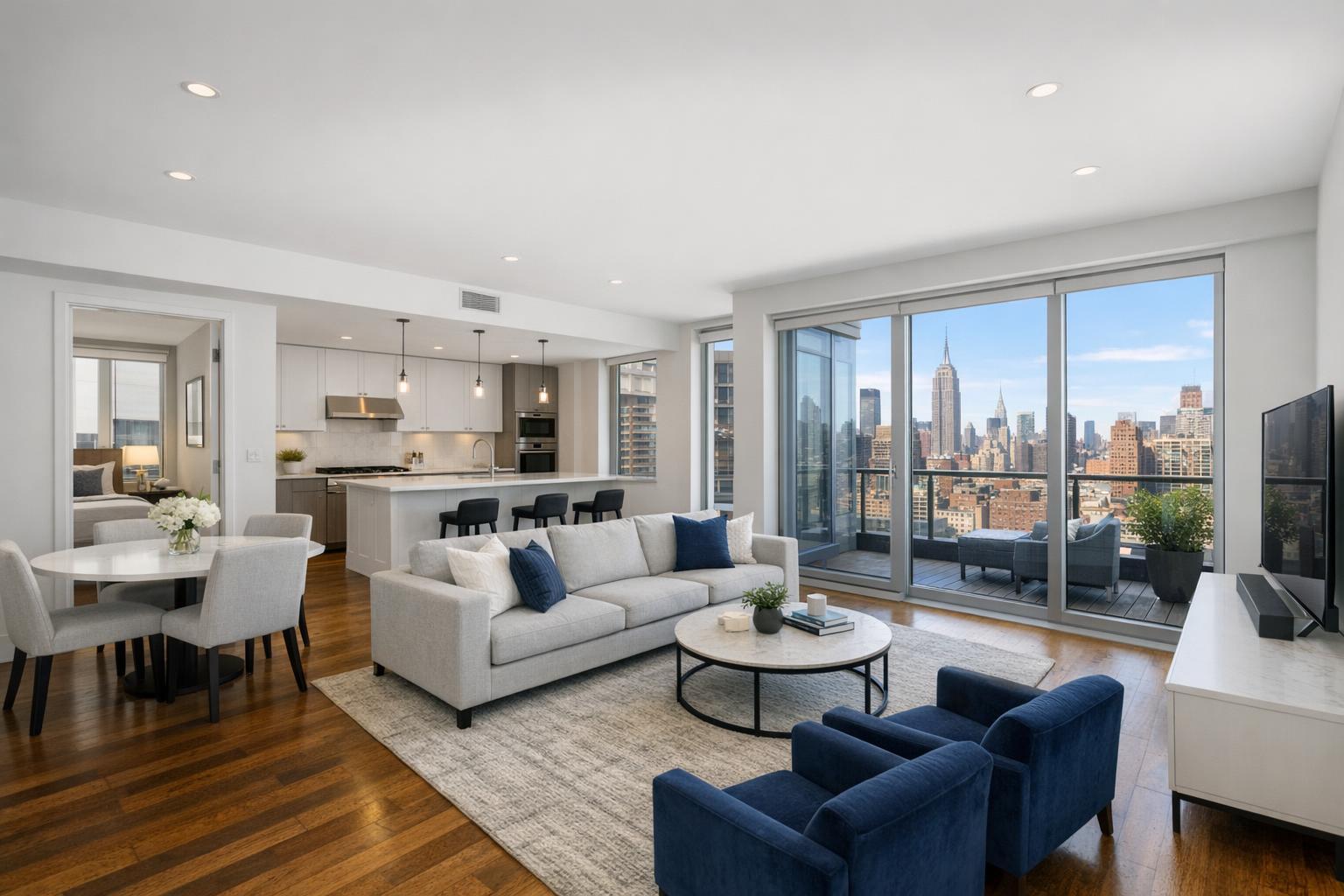
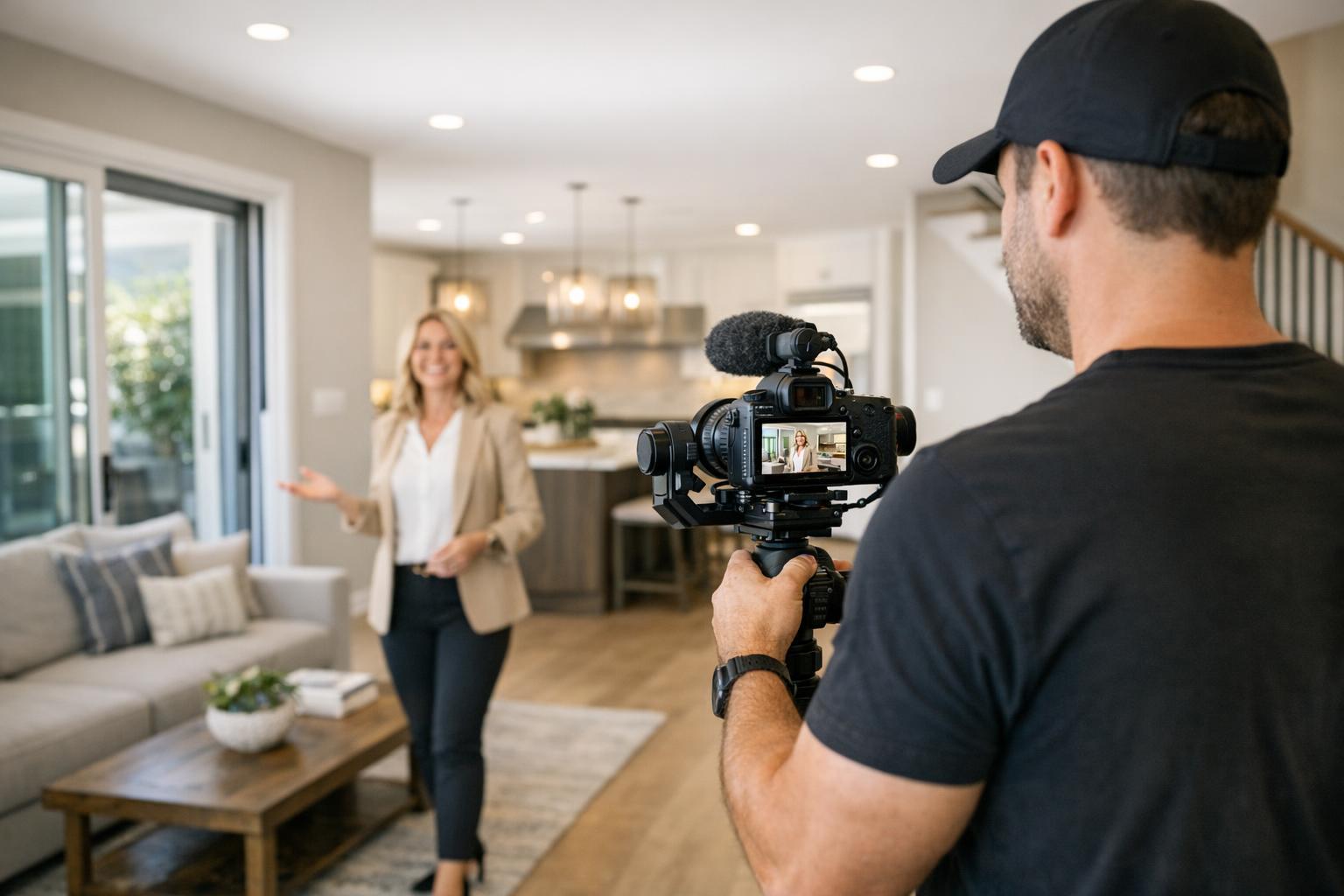
A real estate videographer captures footage of a smiling woman presenting a modern living space.
How to Choose a Real Estate Videographer for Your Next Listing
A real estate videographer isn’t just someone who presses record—they’re a partner in translating the space you represent into a visual experience. When you’re deciding how to market a property in New York City or New Jersey, video can bridge the gap between a set of polished photos and the true sense of the home’s flow, light, and personality. For agents, brokers, and property marketers focused on standing out in crowded markets, understanding what separates an intentional, property-specific real estate video tour from a hasty walkthrough is a practical advantage.
Below, we share our professional insight on how to evaluate videography providers, what to expect from an effective listing video production, and what actually makes a difference before you book.
Let the Property Dictate the Approach
The most effective listing video isn’t produced from a standard template. Every property has a story, and not all stories are best told the same way. Before you start comparing highlight reels, step back and consider what the property itself should communicate. Video comes into its own when a listing needs to show something photography simply can’t:
- The natural relationship between living areas, bedrooms, and outdoor space
- Flow that’s best revealed by seeing it in motion
- Dramatic ceilings, sightlines, or stairs you can only appreciate by moving through them
- An outdoor connection, like a terrace or backyard that affects how the living space feels
- Context—amenities, roof decks, or surroundings that add to the lifestyle you’re marketing
For example, compact Manhattan apartments may benefit from careful pacing and camera angles that clarify where one space ends and another begins. A Brooklyn brownstone’s verticality begs for a visual journey from parlor to garden. Jersey City condos often need video to show the transition from interiors to those sought-after waterfront views. And larger New Jersey homes give enough room for a video narrative to link the kitchen, family area, yard, and grounds.
The key is recognizing that a meaningful video should follow the logic of the home itself, not a rigid “kitchen-living-room-bedroom” sequence.
Insist on On-Site, Property-Driven Capture
It sounds basic, but it’s crucial: a real estate video tour should be shot at the actual property, for that listing. Beware of providers whose work mostly consists of slideshows made from photos, or videos that feel like generic templates. These approaches miss the fine details that come from physically walking through a space.
When evaluating a videographer, ask clear, practical questions:
- Will the video be filmed specifically for this listing?
- How will the videographer plan the camera’s route?
- Can features like views, terraces, or amenities be specifically included?
- Is it possible to request alternate edits or receive raw footage if necessary?
At RealtaSnap, we capture all real estate video on site, using the property’s existing layout, natural light, and unique features as our foundation. This ensures buyers and renters see an accurate representation—no digital guesswork or misleading composites. If you need different versions for listing pages or social media, it’s best to clarify that at the start.
What to Watch For: Camera Movement and Visual Clarity
Intentional camera movement is the cornerstone of a quality real estate video tour. Movement should serve the video—not overshadow it. That means smooth transitions into rooms, controlled walkthroughs down hallways, and pans that help the viewer understand how the space connects.
Red flags include:
- Rushed, uneven movement that feels dizzying
- Overuse of spinning or dramatic effects that distract from the property itself
- Long stretches with little context or new information
- Editing that loses the logic of how rooms actually connect
A well-executed video will make it easy for viewers to track the property’s spatial relationships—something especially valuable in spaces with unconventional layouts, long hallways, or multiple levels (as is often found throughout NYC brownstones and larger New Jersey homes). We encourage reviewing full-length examples instead of relying solely on highlight snippets intended for social feeds.
Pacing, Structure, and Editing: Building a Cohesive Tour
While a property video doesn’t require a Hollywood-level storyline, it should still feel deliberate and easy to follow. The structure may start by establishing an exterior, shift inward to highlight standout features, and finish by circling back to meaningful outdoor views or design details. Strong editing makes movement feel natural. Pay attention to:
- Whether rooms are shown clearly and long enough for viewers to orient themselves
- How music and cuts work with the video’s flow (rather than fighting for attention)
- Whether each edit feels tailored to the property or could work for any generic listing
- Seeing accurate colors and natural daylight—especially important for rooms with complex lighting or prominent views
Fast-cut edits may suit an urban condo’s short social clip. More measured pacing is usually a better fit for classic townhouses or expansive single-family homes where buyers care about a sense of calm and flow.
Light: The Unsung Hero of Listing Video
Video sees light differently than still photography. In varied NYC and New Jersey properties, it’s common to encounter a mix of bright windows, shaded alcoves, and lighting fixtures of all sorts. Experienced videographers know how to avoid “flat” video caused by blown-out windows or shadowy interiors.
As a property professional, you can help by making sure all lights work, opening or adjusting shades where views matter, and noting any room-specific quirks ahead of time. Not only does this create a more appealing tour, it preserves important details—like making sure a city skyline isn’t lost to overexposure, or a unique kitchen finish isn’t dulled by poor lighting.
Practical Property Preparation: Think Beyond Still Photos
Staging for video takes an extra step beyond photography prep. Since the camera will physically “move” through the space, it’s important to minimize anything that could become an unintended focus. Cords, pet items, open closets, and countertop clutter might escape notice in a photo but become obvious distractions in motion.
Some straightforward ways to prep for a smooth shoot include:
- Clearing travel paths and entryways
- Removing items from countertops, nightstands, and bathroom vanities
- Tidying bedding, curtains, and towels
- Turning off TVs and computer screens
- Moving vehicles out of driveways (for exterior shots)
- Arranging for pets and people to be out of primary spaces during capture
Properties don’t have to appear sterile—just organized enough to keep the viewer’s attention on the features that matter.
Know Where and How the Final Video Will Be Used
Not every video edit fits every platform. A three-minute property tour for a listing page will differ from the shorter, square-cropped clips used for social marketing. It’s worth clarifying in advance where you plan to post the video:
- Listing websites
- Brokerage homepages
- Email campaigns
- Instagram, Facebook, or TikTok
- Brand or agent profiles
- Paid advertising or open house promos
Ask the videographer what formats are included as standard and what requires an additional order. Also, clarify the turnaround time for delivery, as video typically requires more editing than photography and should be coordinated with your listing launch.
Video, Photos, and Floor Plans: Each Have a Job
Each media type is strongest when serving its particular purpose. Photos help potential buyers or renters focus on styled moments and architectural features. Floor plans let viewers make sense of layout and scale. Video brings it all together with movement, flow, and context—bridging the distance between digital preview and in-person visit.
Bundling media is common, and effective:
- Photos spotlight every room’s best angle
- Videos illustrate spatial connections and walkability
- Floor plans ground the narrative in dimensions and relationships
- Aerial media (where feasible) give an overview of the exterior, surroundings, and setting
If you need a mix of services, make sure each is captured on site and tailored for your property type. For example, professional real estate videography in NYC is often approached differently than suburban home videos due to practical space, lighting, and scheduling realities.
Preparation and Communication Make the Difference
A smooth videography experience begins with clear, organized communication. At RealtaSnap, the booking process is designed to gather important details up front—address, entry instructions, access notes, features to highlight, and any restrictions on shared spaces or amenities. Online scheduling is easy at www.RealtaSnap.com/schedule, and you can always leave property-specific notes for the team to review ahead of time.
Providing building access information and noting special selling points ensures the on-site crew can focus on making the video specific to your listing rather than making guesses on the day of the shoot.
Final Thoughts: What Makes an Effective Real Estate Video Tour?
Selecting a real estate videographer isn’t just about being impressed by a sizzle reel. It’s about ensuring the video accurately expresses a specific property—its flow, layout, atmosphere, and details—so buyers or renters feel prepared to take the next step.
Look for providers who:
- Capture their videos on-site, not by recycling photos or templates
- Demonstrate a clear, logical movement through the property
- Adjust their pacing and editing style to fit different spaces
- Account for real-world lighting, staging, and preparation
- Communicate expectations clearly regarding edits, formats, and turnaround
If you’re seeking a partner to create listing video (or coordinated media including photos, 3D tours, and floor plans) in NYC, New Jersey, or nearby markets, you can find booking information and more at www.RealtaSnap.com.
FAQ
Question: How can I tell if a real estate video sample is truly useful for listings?
Answer: The most helpful samples show the entire tour with smooth transitions, accurate room-to-room flow, and natural lighting. Look for videos filmed at the property, not slideshows from photos. Pay attention to how clearly the home’s connections are depicted from entry to main rooms and any standout features.
Question: Do I need to order photography, video, and a floor plan for every property?
Answer: Each type of media supports a different need. Photography provides detailed looks at features, video demonstrates movement and spatial relationships, and floor plans clarify layout. For many listings, using all three gives buyers or renters a more complete sense of the property before visiting in person.
Question: Can a videographer create a property video if I only have photos?
Answer: A true listing video requires on-site capture. Slideshows made from photos don’t offer the same guided experience. RealtaSnap films all listing videos at the actual property, capturing footage designed for the final tour rather than building from existing still shots.