How to Choose a Real Estate Videographer for Your Next Listing
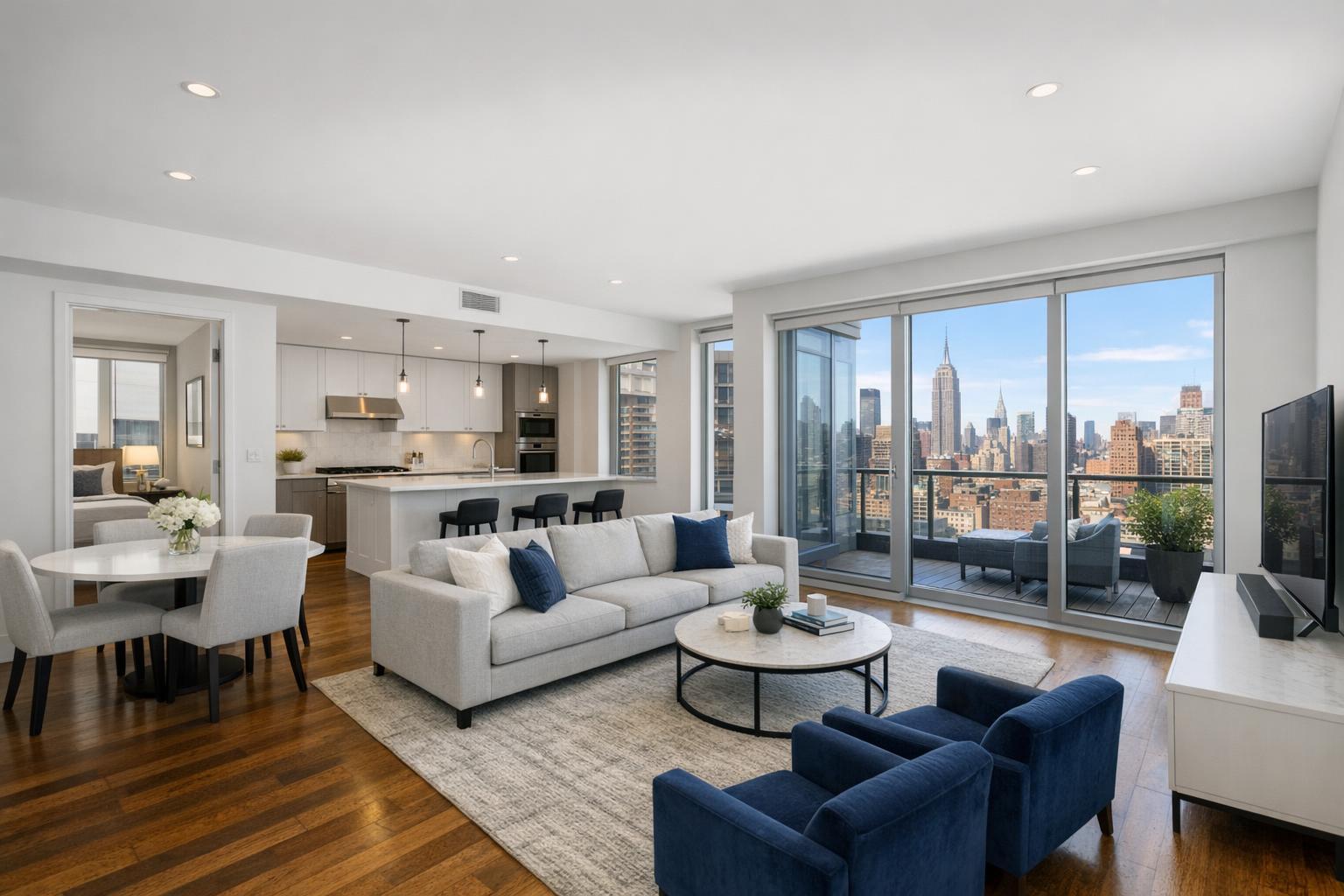
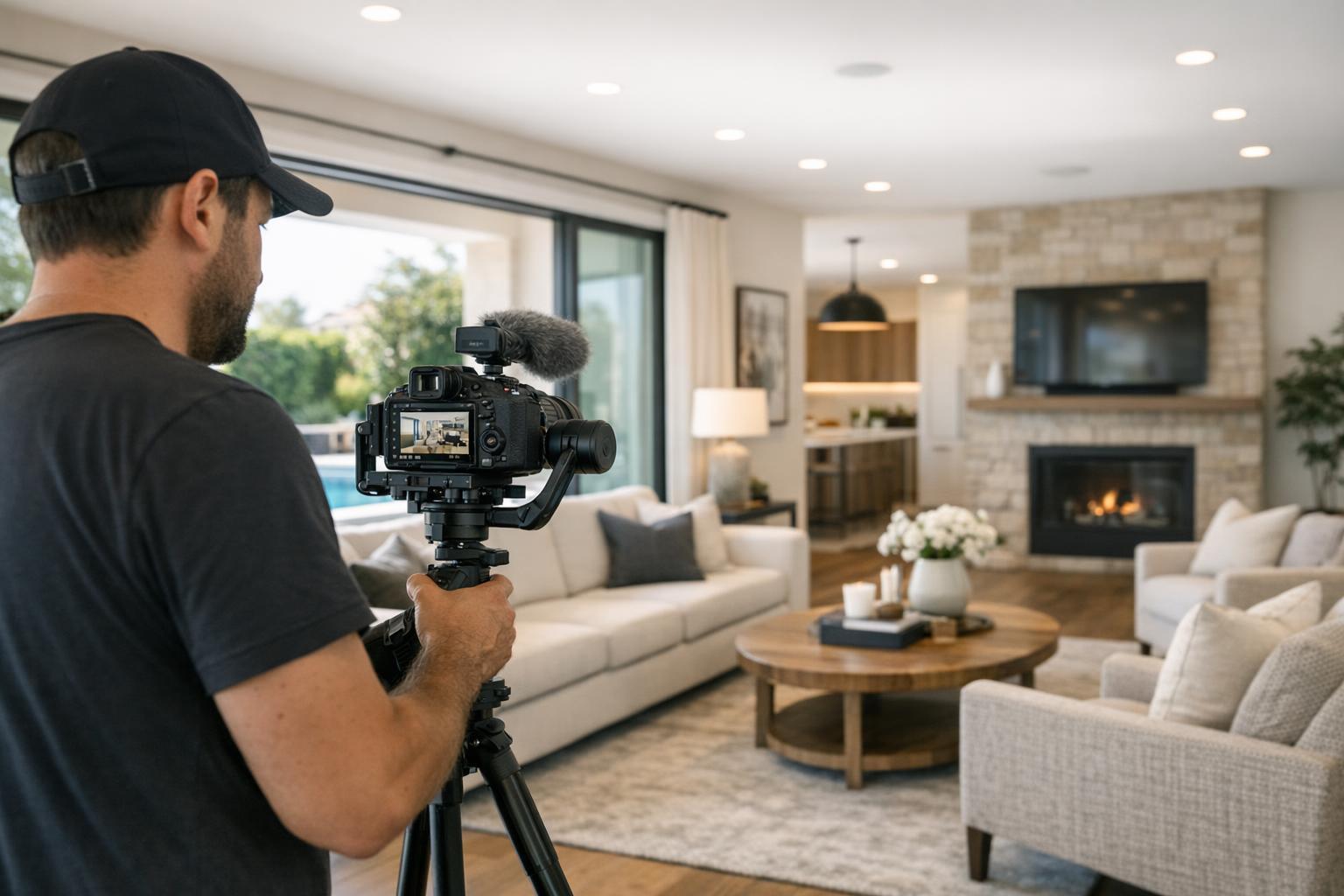
A real estate videographer films a stylish, modern living room with a cozy fireplace and large windows.
How to Choose a Real Estate Videographer for Your Next Listing
Selecting a real estate videographer is a practical decision that shapes how your listing is perceived—on websites, social channels, and in the minds of buyers and renters. While professional photos capture details and individual spaces, a well-made video tour brings a property to life, allowing viewers to understand natural flow, scale, and the unique atmosphere of a home or building. In competitive markets like New York City and New Jersey, where everything from compact apartments to sprawling suburban homes comes with high expectations, the right listing video can make a real difference in your marketing strategy.
What Real Estate Video Communicates That Photos Don’t
A photo can freeze a single moment, but a real estate video tour invites potential clients to move through the property. Well-executed video isn’t about stringing together beautiful rooms—it’s about showing how those rooms connect, how daylight shifts throughout the space, and how special features and amenities actually feel.
Property video is especially helpful when you need to show:
- Circulation and Layout: The way spaces connect is often lost in a set of photos, especially in New York apartments or multi-level homes. Video can clarify how a living area flows into a kitchen, or how a spiral staircase creates a vertical journey in a brownstone.
- Scale and Proportion: Open floor plans, soaring ceilings, and large gathering spaces are easier to appreciate in video, which provides depth and motion.
- Natural Light: Room orientation, multiple exposures, skylights, and transitions from indoor to outdoor spaces are more apparent on film.
- Architectural Details: Subtle finishes, moldings, built-ins, and material textures come through in movement and controlled focus.
- Amenities and Context: In buildings with doorman service, gyms, lounges, or rooftops, video can tell a broader story, showing common spaces and unique building features that add value.
- Exterior and Neighborhood: Especially important for larger homes, aerial or ground-level exterior footage captures lot size, landscaping, water features, and proximity to nearby streets or parkland.
The most effective approach is property-specific. A studio will benefit from a concise walkthrough, while a house with multiple levels or exceptional amenities might call for longer, more immersive coverage.
Reviewing Portfolios with a Critical Eye
Not every attractive video clip reveals professional expertise. As you evaluate potential videographers, look for signs of intentionality, technical skill, and narrative clarity.
- Purposeful Camera Movement: Movement should guide the viewer, not turn the property into a showcase for flashy techniques. Steady, smooth shots that flow logically from space to space (for example, gliding through a foyer into a living area, or ascending a staircase) give a sense of exploration. Excessive spinning, abrupt transitions, or rapid pans may feel impressive in a demo reel but often disorient potential buyers.
- Logical Visual Sequence: The video should establish a clear and sensible sequence, beginning with an exterior or entry, moving through major living spaces, highlighting key features (like kitchens or suites), and finishing with outdoor or amenity spaces. This “storytelling” approach provides context instead of simply presenting a list of rooms.
- True-to-Life Interiors: Windows should reveal views, not blow out to white. Architectural lines should be straight, and the color and mood of each room should accurately represent what a buyer will see on a showing. Heavy filters and extreme color grading often detract more than they help. Look for work that balances polished editing with authentic presentation.
- Appropriate Editing Style: Video pacing, music, graphics, and text should fit both the property and your brand. Fast-paced, social media-style edits might suit a rental or an agent’s Instagram campaign, while a slower, more cinematic approach makes sense for high-end listings or design-driven homes. The editing should support, not overshadow, the property.
Understanding How the Footage Gets Made
A key factor that’s sometimes overlooked: Is the listing video filmed on site with the actual property as the subject, or is it a slideshow assembled from existing photos? Only the first option delivers the true benefits of video. A walkthrough filmed on location allows the videographer to adapt to changing light, capture important features, and bring out the unique flow of the property. At RealtaSnap, every property video is made on site, which ensures each piece reflects the actual listing and not just a collection of still images.
Before booking any real estate videographer, consider asking:
- Will you film the property in person?
- Which specific areas will be covered?
- Can you include amenities, exterior views, or street context where relevant?
- How do you handle occupied spaces or personal belongings?
- Can you address important selling points if highlighted in advance?
A short briefing (even a quick call) about the home’s unique selling features can help prioritize what should be filmed most carefully.
Linking Video Format to Listing Goals
Not every property needs the most elaborate production, but every property deserves video that’s tailored to its unique strengths.
Standard Video:
Works well for apartments, condos, rentals, and straightforward homes where the priority is clarity and professionalism. At RealtaSnap, standard property videos distill the essentials into about a minute, including brand graphics and agent contact.
Premium Video:
Best for listings with amenities or for buildings where the experience extends beyond the front door. Extras like lobbies, rooftop decks, landscaped outdoor spaces, or local neighborhood shots give buyers a broader sense of what it’s like to live there. RealtaSnap’s premium option covers these details, providing a more immersive experience.
Interview-Led Video:
Some properties benefit from personal context—a designer explaining renovation choices, an agent highlighting what makes the unit stand out, or a homeowner discussing how different rooms come to life through the seasons. This approach is most useful when the speaker adds depth, avoids jargon, and focuses on two or three memorable features. RealtaSnap offers property videos with agent or owner audio, which can help guide the narrative in a way that static visuals cannot.
Local Workflows: NYC and New Jersey Nuances
Producing real estate video in New York and New Jersey brings unique logistical considerations:
- NYC Listings:
Entry access, elevator use, and permission for filming in lobbies or amenity spaces should be arranged ahead of time. Some buildings require insurance certificates or reservations for common areas. Advance coordination means the shoot can move efficiently, respecting both building staff and resident privacy. - Brooklyn Brownstones & Townhouses:
Multiple floors, shifting daylight, and distinctive layouts mean it’s often best to plan the sequence in advance—capturing the brightest rooms first and moving methodically floor by floor. - New Jersey Properties:
Larger homes may require more exterior filming and, conditions permitting, drone footage for aerial perspective. Drone work depends on weather, safety, airspace rules, and pilot discretion. When exterior context or aerials matter, it’s wise to share the property address early so feasibility can be determined.
Branding, Audio Options, and Social Media Cuts
Listing videos can support your broader marketing by including:
- Your logo and contact info
- Custom branding or graphics (if needed)
- Options for interview-led voiceover or on-camera audio
- Cuts in horizontal (wide), vertical, or square format for different platforms
- Short trailer clips or preview versions for Instagram, TikTok, and more
RealtaSnap provides social media cuts and customized branding options as add-ons, making it easier to tailor content for both listing pages and quick social previews. It’s best to discuss expectations at the start, especially if you want alternate formats or branded graphics included from the outset.
Setting Expectations for Scheduling and Delivery
Ask about projected turnaround times, what’s included with your delivery (number of edited files, formats), and what revisions or add-ons are possible. A quick video is only helpful if it’s ready to use and accurately shows the property. For a smooth production:
- Prepare the property before the shoot—clean, declutter, arrange furniture thoughtfully, and make sure all spaces are accessible.
- For interview videos, have a short outline of main talking points, but avoid reading from a script.
- Clarify in advance which areas require extra attention and whether any specific features should be highlighted or omitted.
Making Your Choice
In the end, select a real estate videographer whose approach lines up with your property’s needs, brand identity, and practical requirements. Don’t just compare price—compare what’s actually being delivered: the scope of site coverage, video length, branding, post-production, and scheduling process.
If you’re looking for a partner familiar with the NYC and New Jersey property landscape, RealtaSnap offers on-site production with several video options, including agent-led tours and premium branding features. You can always learn more or book a shoot directly at www.RealtaSnap.com.
FAQ
Question: How long should a real estate video tour be?
Answer: The right length depends on property size and listing purpose. A concise video is usually best for apartments or rentals, while homes with expansive layouts, amenities, or interview segments may need a bit more time to tell the full story. Each scene should have a clear purpose, not simply fill space.
Question: Is it necessary for an agent to appear on camera?
Answer: An agent-led introduction can provide valuable context, especially if you want to highlight specific design choices or unique selling points. However, not every property requires it. Many listings are best served by a visually focused video supported by music and branding alone.
Question: Can I use listing photos to create a video tour?
Answer: While it’s possible to make a slideshow from photos, this does not replicate the movement, flow, or true visual sequence of a property filmed on site. RealtaSnap’s property videos are always captured directly at the location, ensuring the finished piece truly reflects the space.