How to Choose a Real Estate Photography Company in NYC
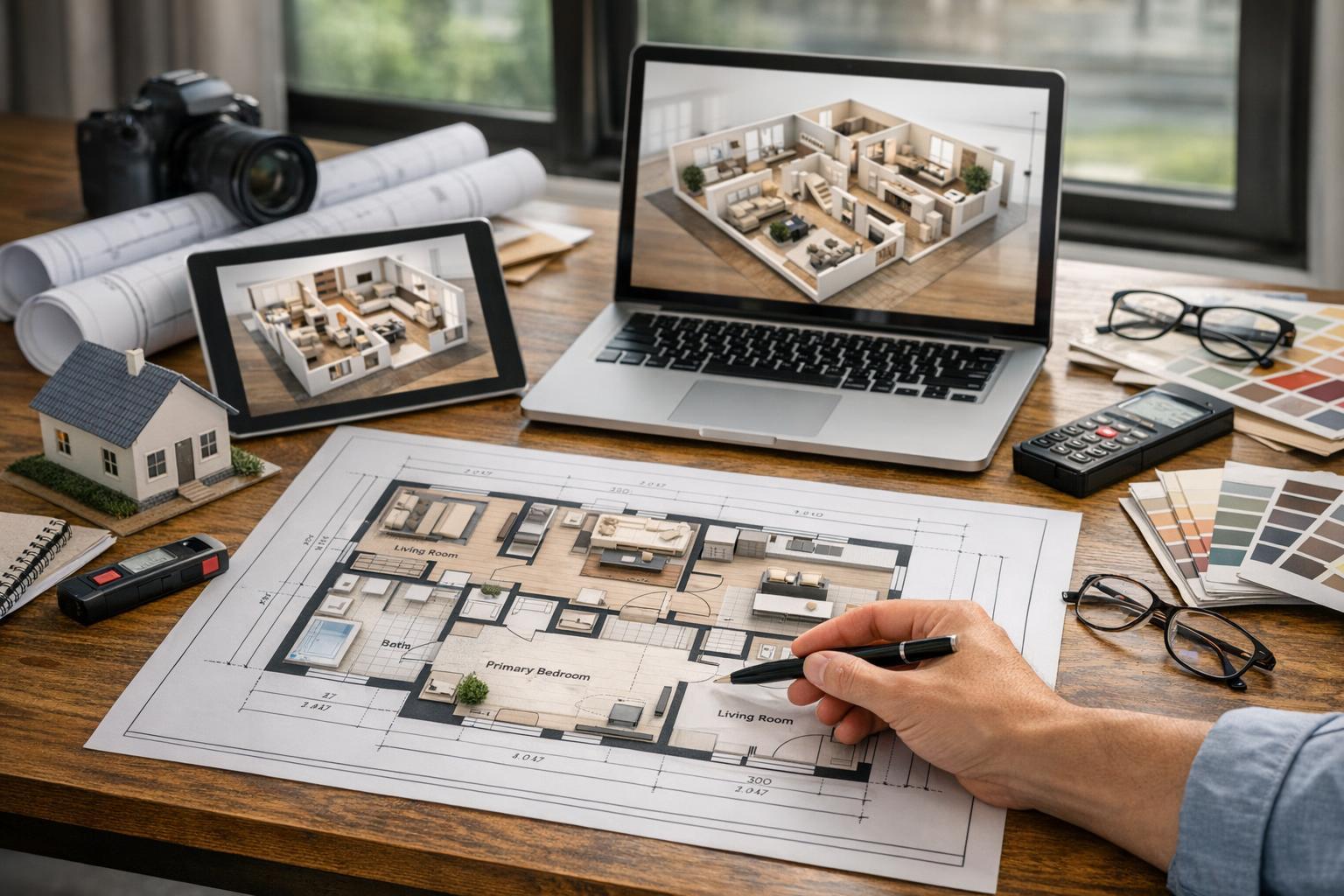
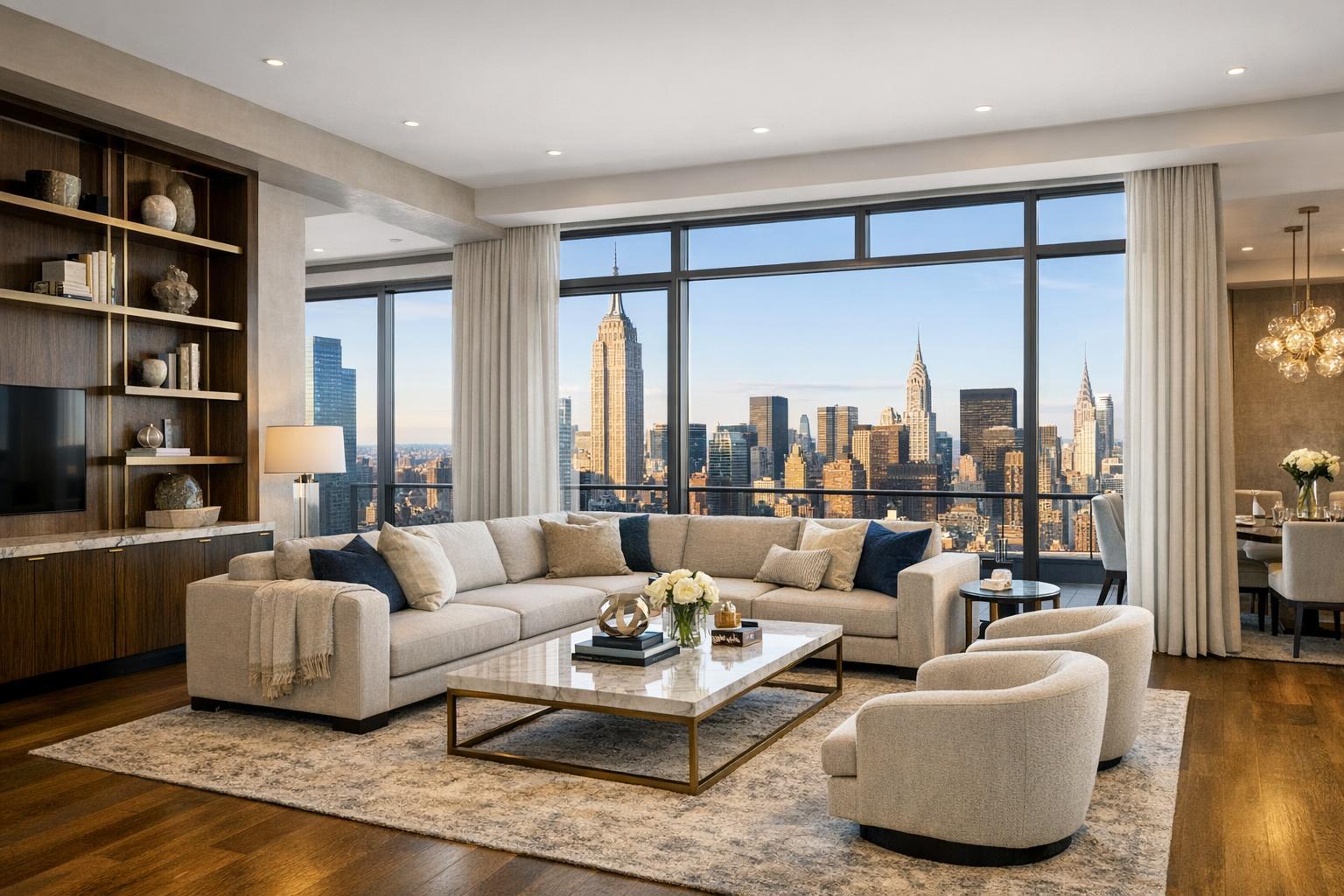
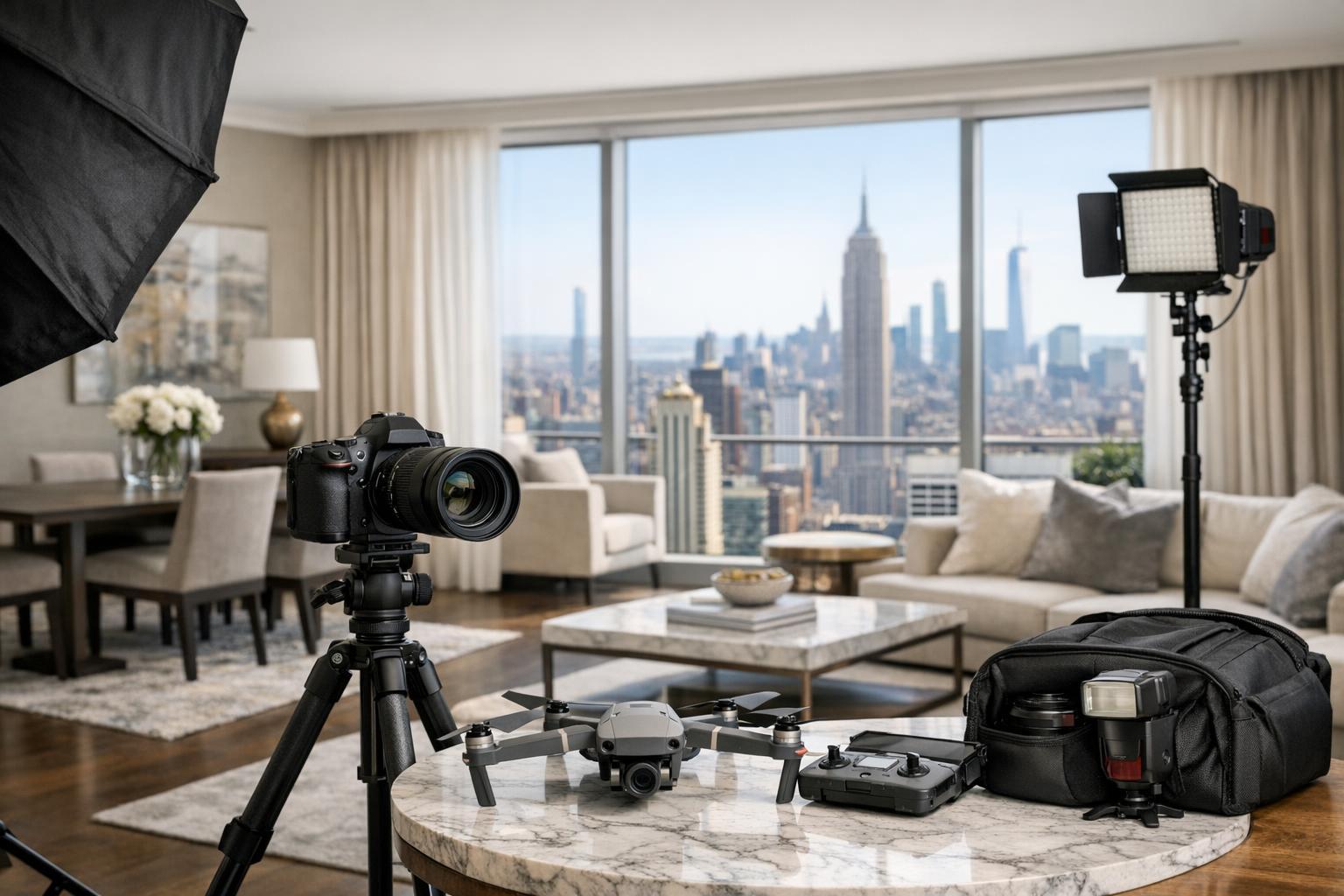
Real estate photography company NYC captures a luxurious apartment interior with professional camera equipment and a stunning cityscape view.
How to Choose a Real Estate Photography Company in NYC
Selecting a real estate photography company NYC professionals can depend on is a decision that shapes how any listing is perceived from day one. For agents, brokers, property managers, and owners across New York City, New Jersey, and the surrounding area, the process involves much more than finding a portfolio with a handful of attractive images. What really matters is partnering with a company that understands New York’s property landscape, handles operational challenges smoothly, and consistently delivers images that are both compelling and accurate.
Here’s what experienced listing teams watch for when evaluating NYC property photography providers—and why those details can make or break a seamless listing launch.
Look for Experience that Matches Your Property—Not Just Pretty Pictures
It’s easy to be drawn in by dramatic hero images on a media company’s website, but real estate photography services NYC agents trust are built on depth, not just highlights. When you’re reviewing a provider’s portfolio, focus on variety. Do they show an understanding of different NYC property types, from compact rentals to high-rise condos and historic brownstones?
A skilled photographer knows how to treat distinct spaces:
- A narrow co-op may need careful planning to feel both true-to-scale and inviting.
- Lofts with their open layouts and large windows can be at the mercy of shifting natural light.
- Brownstones demand attention to both architectural detail and multi-level layout.
- Commercial listings, garden apartments, or tenant-occupied rentals all bring their own quirks.
What’s critical is not making every home look the same, but demonstrating the ability to present a property honestly and attractively. This comes across in work that handles window exposures sensibly, preserves room proportions, keeps vertical lines straight, and connects spaces visually. Consistency—and accuracy—should carry through every shoot.
Evaluate Consistency Across Galleries, Not Just the Portfolio’s “Best-Of”
Most photography providers can deliver a handful of standout images under ideal conditions. The real test is how they handle the full range of rooms in a property, especially in less-than-ideal situations. When possible, ask to see full galleries from comparable listings or properties with practical shooting challenges—think small bedrooms, mixed lighting, occupied living spaces, or oddly shaped baths.
Look for:
- Steady editing across bright and dark rooms
- Natural-looking colors and skin tones
- Sensible perspectives—no extreme wide angles on small spaces
- Straight lines, especially near windows, doors, and cabinetry
- Thoughtful transitions between rooms that help viewers understand the layout
For brokers and teams with multiple listings, uniform post-production can help create a recognizable identity. For portfolio managers or owners, it helps maintain expectations across different assets.
Make Sure Logistics Are Part of the Service—Not an Afterthought
In New York and surrounding dense markets, logistics can be the difference between a smooth shoot and a day of delays. Building rules, tenant schedules, doorman instructions, elevator reservations, parking, and tight booking windows often define what’s possible.
A responsive NYC property photography provider should seek out all the operational details before confirming a shoot. Useful questions to expect:
- Can you provide access instructions, doorman alerts, or elevator policies in advance?
- Who will be the on-site contact?
- Does the building require additional paperwork (like a certificate of insurance)?
- Are you photographing a tenant-occupied, owner-occupied, vacant, or staged space?
- Are there restriction windows, amenity spaces, or rooftop shots that need to be coordinated?
- Will preparation steps (decluttering, cleaning, light bulb replacements) be handled ahead of time?
Occupied listings present particular challenges. It’s possible to photograph an apartment as-is, but agreeing on what will (and won’t) be present is crucial. No editing suite can fully “fix” extensive clutter, blocked windows, packed countertops, or furniture crowds—photos will simply reflect what’s there. A quick check-in before the appointment about what to put away makes the final gallery more useful for everyone.
Understand How a Provider Approaches Difficult or Unusual Spaces
Small rooms, challenging layouts, and properties with pronounced views or limited light are everyday concerns in New York. The best real estate photography company NYC clients rely on doesn’t use a one-size-fits-all formula. Instead, they adjust camera positioning, composition, and exposure for each room.
Some operational tips from experienced media teams:
- In tight kitchens or baths, selective angles clarify flow without distorting reality.
- For long rooms, shooting towards natural “connection points” (like doorway or sightlines to other spaces) helps viewers grasp the real layout.
- Window exposures are managed to preserve outside views as much as possible—without plunging the interior into darkness.
- Pre-war details, modern finishes, and unique built-ins all require customized attention and, sometimes, “less-is-more” styling.
If your property features skyline views, garden exposures, or faces north with less light, ask to see examples of similar spaces. Transparency from your provider on what can be achieved—and what can’t—is a sign of experience.
Editing Style and Delivery Workflow: Always Get Clear Before Booking
Capturing the property is only half the job. The editing and delivery process determines how quickly you can get a listing online and make changes if necessary. Every NYC property photography provider brings a slightly different approach—from rapid, automated turnarounds to more deliberate, checked edits.
Before confirming a shoot, ask:
- What is the standard editing style and what’s included as “basic” post-production?
- How are complex window exposures, color accuracy, and vertical corrections managed?
- How is your gallery delivered and organized?
- What’s the standard photo turnaround (for RealtaSnap, this is frequently within 24 hours)?
- Who can you contact with edit or delivery questions?
- How are extra requests billed or handled (object removal, retouching, additional images)?
Efficient, honest communication up front beats vague promises of “quick delivery.” It’s equally important to clarify that professional edits won’t digitally alter a property’s permanent features. At RealtaSnap, we photograph what’s physically there and offer select editing or virtual staging add-ons. Larger requests—such as removing major elements or representing unfinished renovations—require discussion before the booking.
Choose Services That Suit the Listing—Not Just What’s Trending
While sharp photography is the backbone of listing media, other services—video, 3D tours, floor plans, drone, virtual staging—are valuable when they address real marketing needs. Don’t feel obligated to add every possible product for every property.
- Video and Movement: Great for homes with distinctive flow, outdoor space, or features that are hard to communicate in stills. With RealtaSnap, video is always shot on-site—not created from photos—so planning is key for movement and property highlights.
- Floor Plans: Useful for multi-level homes, unique layouts, or properties where photos alone may confuse viewers. Floor plans are captured on-site; for potential combinations (like adjacent units), both must be accessible.
- 3D Tours: Best for listings with remote prospects, rental units, or layouts that benefit from virtual navigation. These always require a physical scan at the property.
- Drone Media: Offers a bird’s-eye context for detached houses, roof decks, or nearby amenities. In Manhattan and much of NYC, feasibility depends on airspace, weather, access, and safety—proceeding case by case.
- Virtual Staging: Works when a room is fully empty. If there’s existing furniture, it must be removed either physically or digitally before staging is applied.
Ask yourself: will this service help show something photos alone can’t? If so, it’s likely a meaningful add-on. If not, focused photography may be sufficient.
For an outline of RealtaSnap’s individual and bundled service options, or to see how we structure media packages for NYC and New Jersey listings, visit our real estate photography services page.
What Sets a Reliable Property Media Partner Apart
Beyond pricing, look for transparency and communication. The right provider will be clear about:
- Available service packages and options
- What has to be captured on-site
- Information needed before scheduling
- Typical turnaround times and any real constraints
- Special requests—how to make them and how they’ll be handled
For NYC and NJ listings, RealtaSnap offers an online booking approach that lets you select the property address, access notes, order details, preferred date and time, and communicate any special requirements—all in one place. See options and submit your booking at www.RealtaSnap.com.
Bringing It All Together
Choosing the right real estate photography company in NYC is about much more than hiring someone with a camera. It means selecting a provider who can handle all the details—from logistics and access, to consistency of image quality, to service transparency and local property expertise. Taking the time to clarify expectations, confirm operational needs, and choose the right mix of services leads to smoother listings—and less stress as you go live.
If you’re preparing to launch a new listing and want a media partner familiar with the realities of NYC, New Jersey, and the surrounding area, see how RealtaSnap keeps the process practical, clear, and professional at www.RealtaSnap.com.
FAQ
Question: How soon should I book real estate photography for NYC or NJ listings?
Answer: It’s typically easiest to book at least 24 hours in advance so there’s time to coordinate with tenants, building staff, or doormen if needed. For properties with special access—such as elevator reservations or certificate of insurance requirements—it’s best to get those details sorted before booking a shoot.
Question: What if the apartment or property is still occupied?
Answer: Properties can be photographed while occupied, but room preparation makes a big difference. Clearing personal items, opening window treatments, and checking that lights work all improve the result. If rooms are heavily furnished, discuss the situation ahead of time so the shoot and any potential edits are feasible.
Question: Do I need to order every media add-on for my listing?
Answer: Not at all. While professional photography is standard, options like video, 3D tours, floor plans, or virtual staging make sense when they clarify something photos alone can’t show. Choose the services that help communicate the most about your particular listing and marketing plan.