How to Choose a Real Estate Photographer in NYC for Your Next Listing
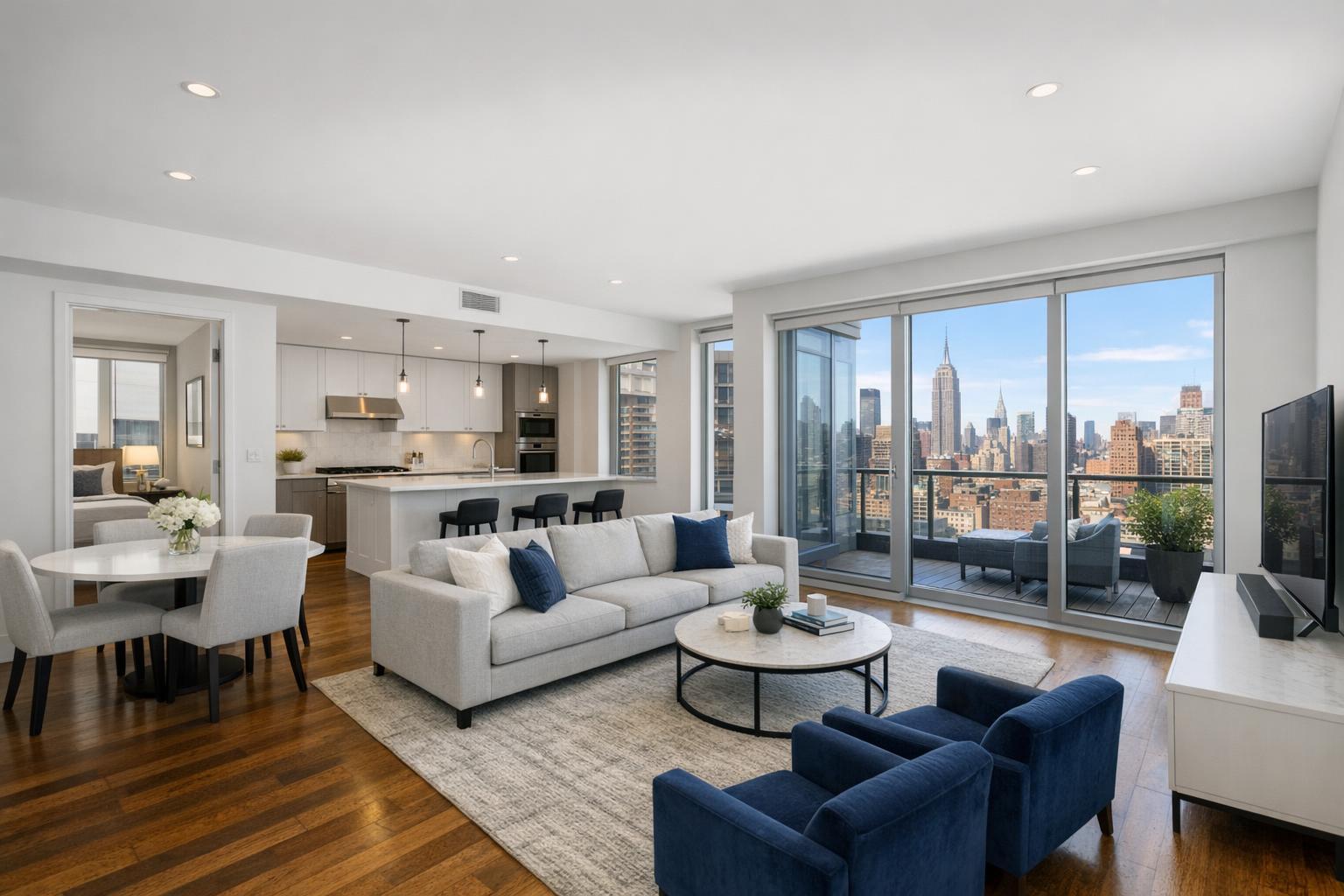
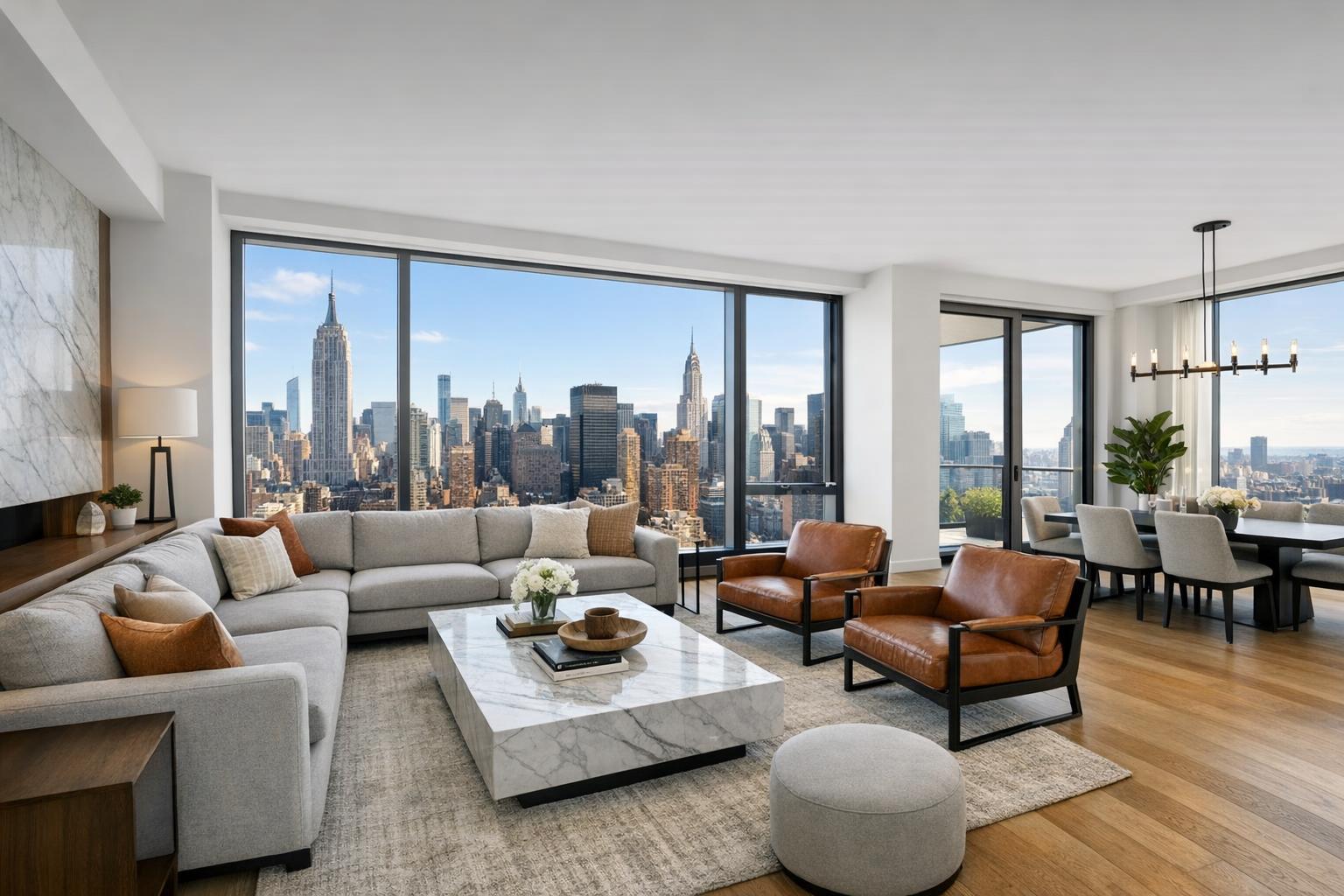
Capturing a luxurious Manhattan living room with panoramic views of the city skyline, a real estate photographer in NYC showcases a spacious and elegantly furnished interior.
How to Choose a Real Estate Photographer in NYC for Your Next Listing
A real estate photographer NYC agents, property managers, and owners can trust should offer more than a set of bright, wide shots. In a city with as much diversity of space as New York—from compact studio apartments and pre-war co-ops to Brooklyn brownstones and commercial lofts—the way a property is photographed makes a real difference. The right visual approach can mean the difference between a listing that feels awkward and overwhelming and one that feels organized and inviting to potential buyers or tenants.
What exactly sets apart a professional NYC property photographer? The answer comes down to transparency, operational skill, local awareness, and a consistent standard of presentation. Here’s what matters most, based on experience handling listing media for a wide variety of urban and suburban properties.
Consistency Begins With Portfolio Review
When reviewing real estate photography services in NYC, the first step is always the photographer’s portfolio. But it’s not just about finding three or four dramatic shots. What you really want to see is consistency across many different property types: does the photographer adapt to the layout, light, and style of each listing, yet maintain a clean and believable visual standard?
This is especially important in New York, where listings range from small, irregular apartments to larger townhouses or mixed-use commercial buildings. Pay close attention to the following when evaluating a portfolio:
- Are vertical lines in doorways, cabinets, and windows kept straight?
- Do the images show realistic color and balance, even when rooms have mixed natural and artificial light?
- Are windows thoughtfully handled—do they blow out (turn solid white) or turn unnaturally dark?
- Do the galleries present a logical flow from room to room?
- Are the images clear of unnecessary clutter and staged with intent?
- Does the editing style feel natural, without filters that distract from the space?
- Is there a useful balance of wide shots (for layout) and close-ups (for features)?
A strong portfolio reveals not just talent, but reliability. Seeing how a photographer handles both a Manhattan walk-up and a Brooklyn brownstone, or an open downtown loft and a classic co-op, gives you confidence that your property will be presented accurately and attractively, no matter its quirks.
Handling NYC Light and Window Views
Urban lighting creates unique challenges for real estate photography. In New York, you’ll often encounter small rooms with strong sunlight from only one side, shadowed interior hallways, or striking city views competing with indoor exposures. A professional approach blends technical ability with practical decision-making: sometimes a window view is the main selling feature, while in another room, it’s just a source of light. Knowing the difference is part of the skill set.
Professional photographers typically use multi-exposure (HDR) capture and selective editing to give both interior spaces and exterior views a natural presentation. What matters is that the final photos feel true to the space—no blown-out windows, no unnatural color shifts, and no artificial “flat” look from excessive processing.
Ask to see examples featuring a mix of exposures: daylight rooms, dimmer interiors, kitchens, bathrooms, and challenging window conditions. This allows you to see that the photography stays clear and balanced, even when the lighting is less than optimal.
Accuracy in Room Proportions
Wide-angle lenses are essential for presenting NYC properties, where space is often at a premium. But there is a fine line between making a room feel inviting and misrepresenting its true proportions. Overly stretched or distorted images may momentarily grab attention but can result in confusion (and disappointment) when buyers visit in person.
Look for examples where rooms feel open but not exaggerated. A good photographer uses careful angles, appropriate lens choices, and software corrections to portray layout, flow, and usable area without misrepresenting wall lengths, ceiling heights, or furniture size. This applies across all property types, whether you’re working with a tight Manhattan apartment, a generous Brooklyn brownstone, a classic condo, or a commercial office floor.
Operationally, this means careful camera placement and knowing when to capture additional detail shots rather than relying solely on wide views. If you’re interviewing a photographer, it’s worth asking how they adapt for small rooms, window-heavy spaces, or properties with unusual geometry—not just whether they can “make it look bigger,” but how they’ll help viewers understand the space realistically.
Editing Style: Subtle, Clean, and Listing-Focused
The editing approach is a reflection of both professionalism and respect for the listing. Real estate photography should highlight what exists—not embellish the property with misleading colors, filters, or digitally erased flaws. For most listings, the best results come from images that are clear, bright, and market-ready without looking artificial.
Quality editing addresses:
- Color accuracy
- Consistent white balance
- Balanced light between interiors and exteriors
- Correction of minor distractions (when appropriate and agreed upon)
- Straight lines and accurate room geometry
Before finalizing an order, clarify which edits are included, how requests for additional editing are handled, and which features are presented as they exist versus being digitally altered. This will help manage expectations and avoid surprises post-shoot.
Communication, Workflow, and Scheduling
In NYC, logistics are part of the job: buildings have unique entry instructions, doormen, elevator schedules, tenant access, and sometimes strict timing windows. Clear communication before and during the shoot keeps everything on track and ensures that key features get priority.
When you’re hiring real estate photography services in NYC, take a moment to discuss:
- How to provide access instructions and contact information
- Service options and typical photo quantities for the property
- What pre-shoot preparations are expected (cleaning, staging, lights)
- How to specify must-have features or spaces in advance
- Options for add-ons such as video, floor plans, 3D tours, or virtual staging
- Media delivery timelines and process for special requests
At RealtaSnap, our standard workflow lets clients book directly online by entering the property address, selecting services, and providing notes or access instructions via our scheduling page. You can see available times in real-time and book an appointment that fits your schedule.
Matching Add-Ons to Property Needs
Not every listing benefits from the same suite of media. While photography is the foundation, some properties—and some marketing goals—call for additional services. Here’s how we encourage agents, brokers, and owners to think about options:
- Floor plans help when layout, room relationships, or extensive square footage matter to buyers or tenants. They require on-site measurements and active capture and aren’t created from PDFs or old drawings. Learn more about our floor plan services.
- Video can show movement, flow, and atmosphere—useful in homes where how you move through the space or the ambiance changes throughout the property. Video is always shot on-site rather than assembled from stills. See details at our video overview.
- 3D virtual tours work well for listings with remote viewers, complex layouts, or property managers who need to provide immersive exploration online. These tours involve on-site scanning; we do not produce them from photos or architectural plans. See Matterport tours.
- Drone photography or video can help show exterior context, roof access, or amenities with land and views—when airspace, weather, and safety allow. Feasibility is always evaluated case by case. Review drone options here.
- AI virtual staging helps empty rooms look move-in ready. All staging requires the room to be vacant; existing furniture or clutter must be removed before virtual staging can be applied.
For straightforward listings—especially compact apartments where the layout is easy to understand—photography alone may be sufficient. For properties where readers need help visualizing the space, floor plans, tours, or video may be practical add-ons.
Preparing the Property for Listing Photography
Professional photography is most effective when the property is ready for capture. While editing can address small distractions, the camera records what’s there—making pre-shoot organization worth the effort. Before your photo appointment, consider:
- Clearing kitchen and bathroom counters
- Removing personal items, pet supplies, and cords where possible
- Making beds and smoothing out pillows or throws
- Opening blinds or curtains for better light and views
- Turning on all lights and replacing burnt-out bulbs
- Moving vehicles out of driveway or garage shots
- Securing pets and confirming access to every room
- Informing tenants, sellers, building staff, or property managers about the scheduled time
- Highlighting any features requiring special attention, like unique views or custom millwork
Preparation does not have to be overwhelming—just enough to let the property speak for itself.
NYC and New Jersey: Local Context, Local Knowledge
Across both New York City and neighboring parts of New Jersey, different property types call for different approaches. Compact Manhattan walk-ups, luxury condos in Jersey City, historic Brooklyn brownstones, single-family homes in Westchester or Hudson County, and commercial spaces all need tailored visual coverage and careful editing to express their real strengths.
A knowledgeable NYC property photographer keeps these differences in mind, adapts workflow as needed, and helps clients anticipate the right mix of photo quantity, add-ons, and visual strategy.
Choosing a Local Media Partner
Ultimately, the right real estate photographer delivers consistency, operational reliability, clean presentation, and practical insight. Agents, property managers, and owners should expect honest service standards, efficient booking and scheduling, real-world advice, and flexible media options matched to the unique features of each listing.
For New York City and New Jersey properties, RealtaSnap offers HDR photography, video, floor plans, Matterport tours, drone services, and AI virtual staging—each booked directly online and executed with property-specific attention. Learn more about our services at www.RealtaSnap.com.
If you’re ready to book or want to see available appointment times, head to www.RealtaSnap.com/schedule.
FAQ
Question: How many listing photos do I need for a NYC property?
Answer: The quantity depends on property size, layout, and which features matter most. A small studio or one-bedroom often needs fewer images than a multi-story townhouse or large commercial property. Plan to cover main living areas, bedrooms, kitchen, bathrooms, key details, and any relevant amenities.
Question: Can you create a floor plan or virtual tour without visiting the property?
Answer: No. Floor plans and 3D virtual tours always require on-site capture and measurement. We do not generate them from PDFs, old plans, or existing listing photos. This ensures accuracy and a real representation of the current space.
Question: What should I do to prepare the property for real estate photography?
Answer: Declutter counters and surfaces, tidy up beds and living areas, turn on all lights, open blinds where appropriate, remove personal items, and highlight any special features in advance. Preparation helps focus the photo gallery on the property itself, rather than temporary distractions. For more details, you can review our real estate photography prep guide.