How to Choose a Real Estate Photographer in NYC for Your Next Listing
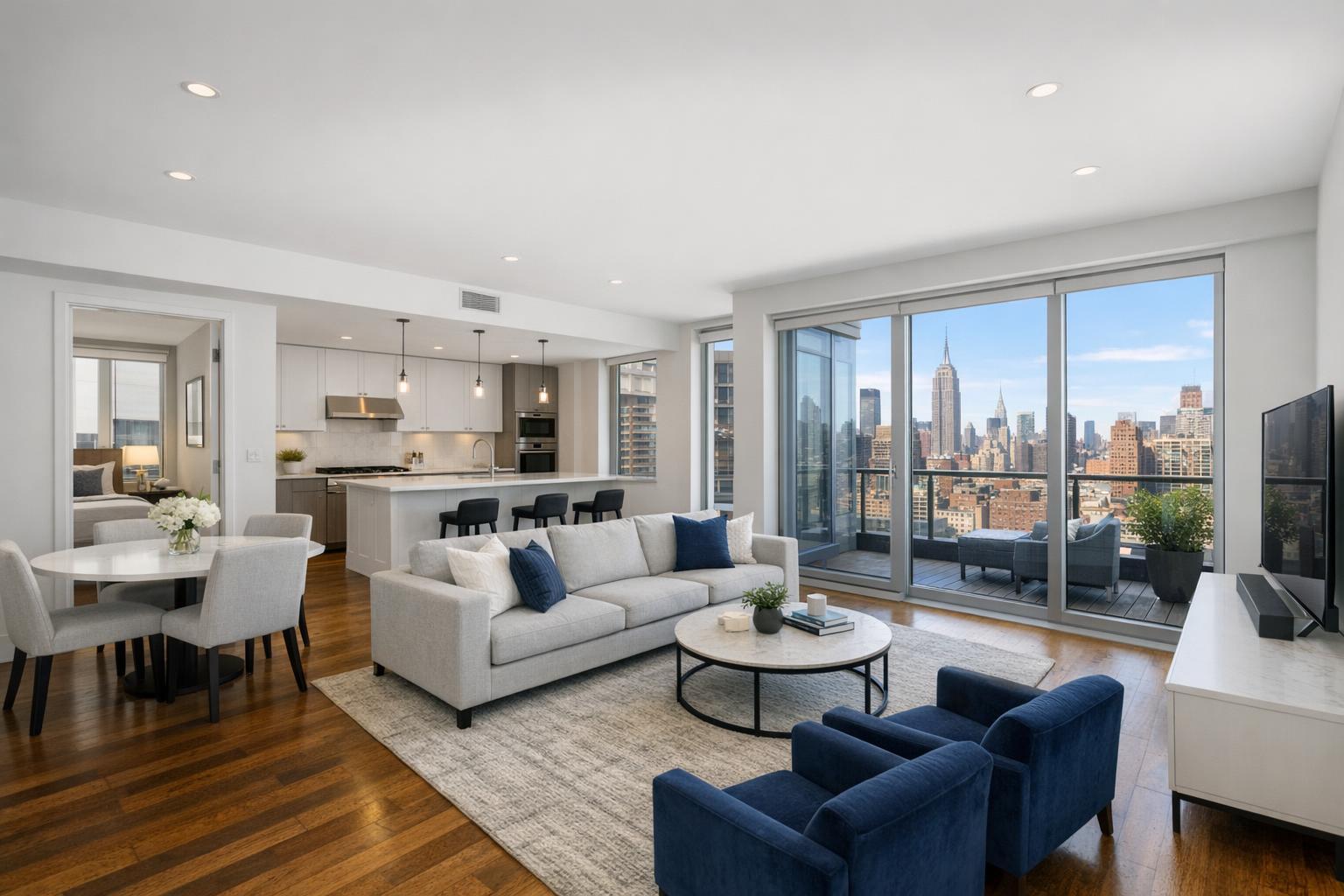
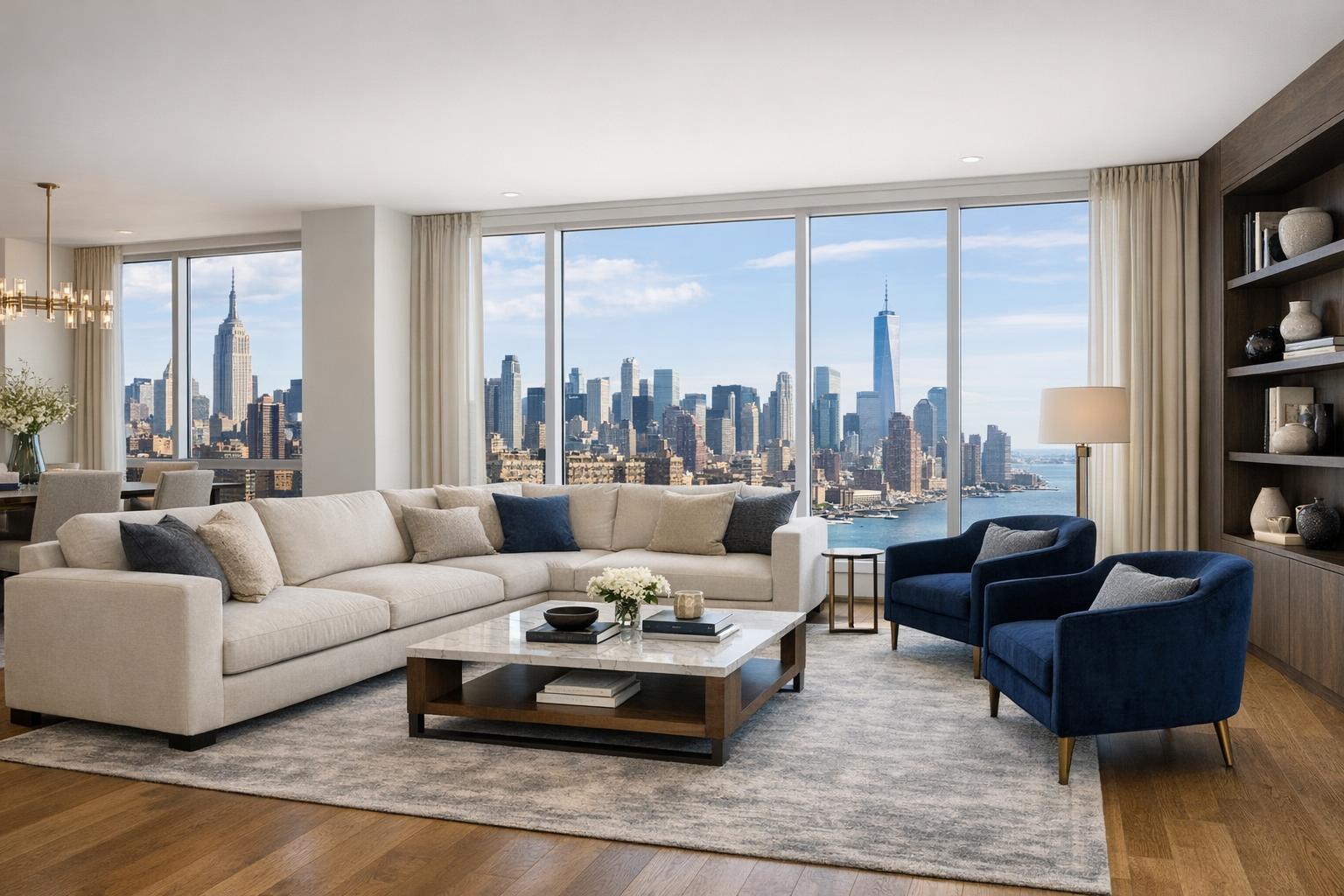
A stunning NYC skyline serves as the backdrop for a luxurious living room captured by a real estate photographer.
How to Choose a Real Estate Photographer in NYC for Your Next Listing
A real estate photographer in NYC is more than just someone who can produce a handful of attractive images for your listing. In the New York City market, agents, owners, and managers need a media partner who can deliver consistent, property-focused photography while navigating the unique logistical realities of city properties—tight spaces, mixed lighting, and layered building access included. The way your property is photographed can determine not only how it stands out online, but also how straightforward the listing process feels for both you and your team.
Whether the listing is a compact studio in Manhattan, a classic Brooklyn brownstone, a co-op in Queens, or a larger residence just beyond the river, the details and demands of property presentation vary from one project to the next. Let’s walk through what truly matters when selecting an NYC listing photographer—and how to think beyond the highlight reel.
Consistency Over a Portfolio’s Greatest Hits
Most photographers have a few portfolio standouts, but what’s more valuable for your listing is a demonstration of consistency across different property types and situations. It’s worth looking beyond just sunlit, empty rooms and checking for:
- Natural-looking room proportions, not visual stretches or warping.
- Straight, clean architectural lines—think doorframes and cabinetry.
- Clear detail in both window views and interior spaces.
- Editing that helps a room look bright and clean without tipping into artificial or cartoonish color.
- A visual flow that helps viewers understand how rooms relate.
- Careful attention to smaller, occupied, or more challenging spaces; not just easy, open rooms.
- Sensible coverage of kitchens, baths, amenities, and unique features.
NYC listings don’t always have the luxury of large, empty floor plans or consistent light. What sets experienced real estate photographers apart is the ability to deliver credible, market-ready imagery, even with mixed conditions and limited angles.
Planning for NYC Properties: More Than Just Showing Up
The New York area offers a variety of spaces, and working within city buildings means every property can throw a new curveball. From navigating security desks to managing tight elevator windows or specific building rules, a capable NYC photographer prepares for more than just the shoot itself.
The Realities of Compact Rooms
In many apartments and pre-war homes, a matter of inches can change the way a space reads in photos. The best shooters know how to position themselves for composition—balancing a realistic sense of space with the need to highlight circulation, storage, and natural light. A skillful approach avoids “stretching” a room so much that a potential buyer doesn’t recognize it upon arrival. What you want is a set of images that feels both inviting and honest.
Mixed and Tricky Lighting
City apartments and brownstones see every variety of light: direct sun, colored reflections from neighboring buildings, in-ceiling LEDs, ambient lighting from hallways, and more. Balancing bright window exposures with interior detail is an art that requires both in-camera skill and thoughtful HDR editing. Experienced professionals will manage this balance in the field, then fine-tune it in post so the final gallery feels clean and accurate.
Views as Context, Not Distraction
A terrace, a south-facing window, or a peek at a classic city street can be a huge value add, but it’s best captured as it relates to the living space—how a dining area opens to a balcony, or how a master bedroom features a skyline view. Images of outdoor or amenity spaces often require separate access and coordination, so it’s smart to discuss those details at booking.
Editing Practices That Build Confidence
Editing is where inconsistencies can creep in. You want a photographer whose post-production process is focused on presentational clarity—not on making spaces look unreal.
Solid editing practices include:
- Balancing window exposures with interiors—preserving both.
- Correcting for mixed light and white balance.
- Straightening architectural lines and correcting lens distortion.
- Removing minor distractions or digital clutter (when appropriately ordered).
- Delivering a gallery that looks polished but not “over-processed.”
Steer clear of any provider whose images are routinely oversaturated, artificially bright, or visually misleading. A buyer or prospective tenant should feel that the photos match what they see at the showing, not that the space was digitally recreated.
Knowing Property Types: Apartments, Brownstones, Houses, and More
Experience counts, but what really matters is relevant experience. A photographer who routinely works in NYC and the surrounding region will be familiar with these property types:
- Apartments and Condos: Require planning for access, scheduling, smaller spaces, and amenities. Coverage should help viewers intuitively navigate the unit through images alone.
- Brownstones and Townhouses: Benefit from a focus on vertical flow (stairs, multiple floors), architectural details, and outdoor connections. Showing how rooms interact and flow together is key.
- Larger Homes and Suburban Properties: Often need expanded coverage—more rooms, exterior angles, gardens, or unique features. For yard, waterfront, and aerial context, separate planning and permissions may be required, especially for drone work.
A floor plan can be indispensable for complex or multi-level layouts, but creating one requires physical access for on-site capture.
Communication Matters as Much as the Photos
Even the best photography process can be derailed by unclear scheduling, access issues, or avoidable day-of surprises. Before you book, take a moment to assess how the photographer communicates and what you’ll need to provide for a smooth session:
- Detailed access instructions (unit number, any check-in requirements, who provides entry)
- Amenity access planning (lobbies, gyms, roof decks)
- Elevator reservation or certificate needs in certain buildings
- Pet, clutter, or work-from-home situations to address pre-shoot
With NYC properties in particular, details like these save significant time and hassle on the day of the shoot. A prepared photographer—working with a well-coordinated point of contact—more often means a stress-free experience for all involved parties.
Matching Deliverables to Listing Strategy
Photography is the core of most listings, but some situations call for more—or less. Here’s how professionals decide what to provide:
- Photography alone is often appropriate for straightforward apartments or condos with intuitive layouts and minimal complications.
- Adding a Floor Plan makes sense for complex, multi-level, or especially compact properties. In NYC, viewers may want reassurance about storage, movement, or a unique arrangement. Floor plans should always be captured on site, not built from PDFs or existing listing photos.
- Video works for properties with remarkable movement or ambiance (e.g., transitions between living and dining, entry sequences, or terraces). Listing videos are always captured on site by RealtaSnap, not created from still photos.
- 3D Tours (such as Matterport) can be a powerful tool for buyers or renters reviewing a property remotely or trying to understand a difficult layout.
- Aerial Media depends on the property and local feasibility. In dense urban areas, drone work is case by case and depends upon airspace, access, weather, and pilot discretion.
You can always review RealtaSnap’s specific photography services for NYC listings, floor plan options, or our virtual tour capabilities to see what fits your property best.
Setting Up for a Smooth Shoot: Practical Tips
- Confirm all access procedures before scheduling—especially for doorman buildings.
- Ensure personal items, pet supplies, and work materials are tidied up or removed from sight in occupied spaces.
- Reserve elevators if necessary and communicate any particular timing needs (e.g., must shoot within certain hours).
- Identify which amenities, balconies, or exterior spaces should be included in the shoot and confirm building approval if needed.
- Let the photographer know about any quirks (for example, certain lights that don’t work or access issues with roof spaces).
Getting these details right means fewer surprises, a quicker visit, and better results for the listing.
Selecting the Right NYC Real Estate Photography Partner
Choosing a real estate photography partner in NYC is about fit—both with your property’s requirements and your working style. Reliability, clarity, and the ability to deliver clean, market-ready media should outweigh a one-off “wow” image. Look for a provider whose body of work reflects local experience, an eye for composition, and real fluency with building logistics.
RealtaSnap specializes in on-site HDR real estate photography and related media for NYC, New Jersey, and select regional markets. Our approach relies on accurate property capture, hands-on communication, and service packages tailored to what each individual listing actually demands. If you’re ready to book, our online calendar is available for direct scheduling—just enter the property address, select your services, and choose an available time.
For more information, visit www.RealtaSnap.com.
FAQ
Question: How many images should I order for my NYC apartment listing?
Answer: The right number depends on the layout, square footage, and unique features of your property. A studio usually needs fewer images than a multi-bedroom unit with a terrace, updated kitchen, or multiple exposures. Make sure you capture every meaningful space without filling your gallery with overly similar angles.
Question: What’s different about photographing an occupied apartment compared to a vacant one?
Answer: Occupied units usually require more preparation—unseen clutter, pet items, work desks, or personal belongings often impact how spaces photograph. Coordinate directly with the residents or property manager to set clear expectations and allow time for tidying or minimal staging before the appointment. For AI virtual staging, rooms should be empty; if not, clutter removal must typically be ordered first.
Question: Can I get a floor plan from my old listing photos or a PDF document?
Answer: Accurate floor plans require on-site measurement and capture. Existing images or marketing PDFs may serve as reference points, but they can’t replace physically scanning the property to create a reliable, up-to-date layout. Floor plan services must be scheduled as part of the site visit.