How to Choose a Real Estate Photographer in NJ for Your Next Listing
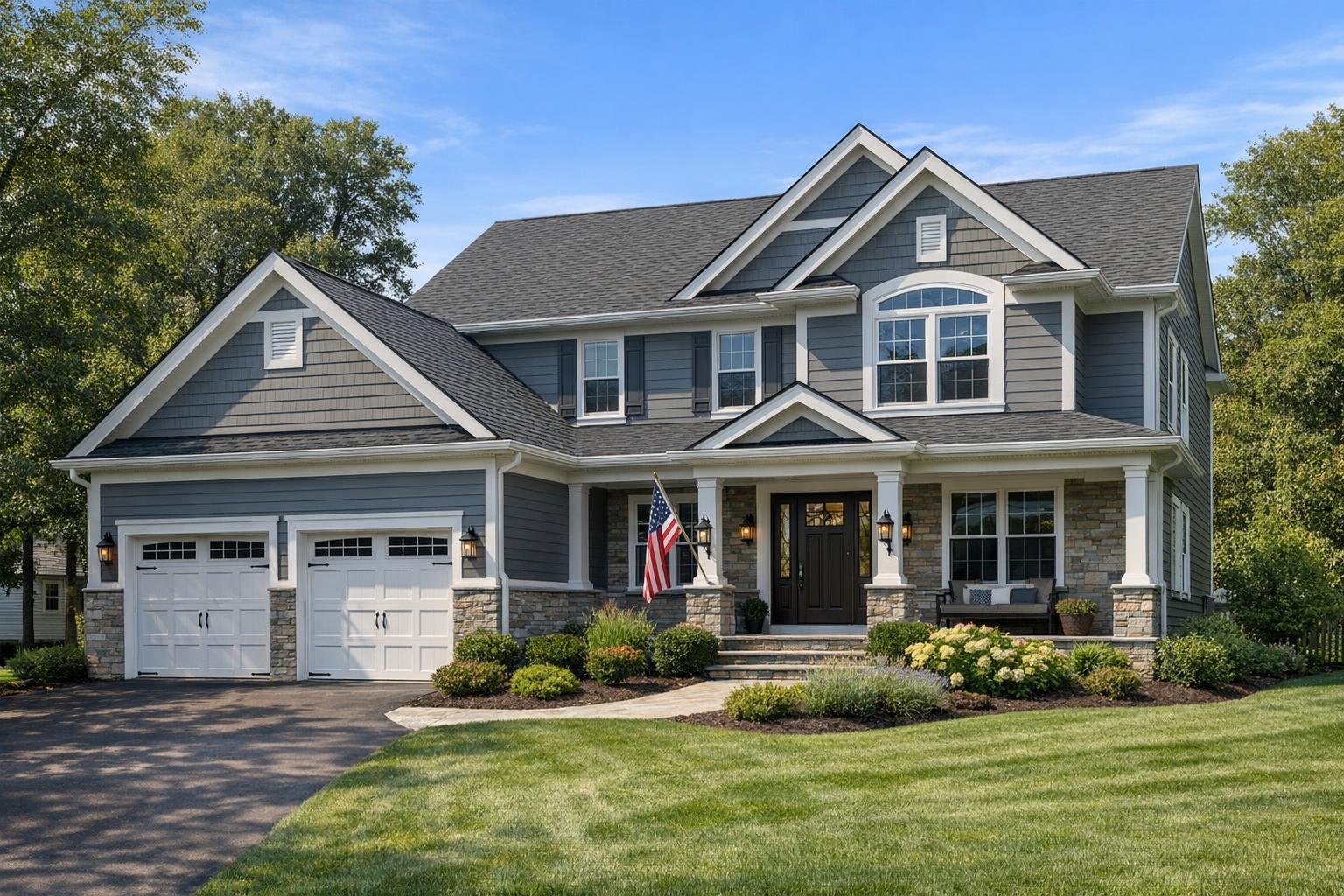
Captured by a real estate photographer in NJ, a beautiful gray two-story home with a manicured lawn and a U.S. flag proudly displayed on the porch.
How to Choose a Real Estate Photographer in NJ for Your Next Listing
A real estate photographer in NJ isn’t just there to make a room look bright—they’re an essential partner in presenting your property accurately, attractively, and in a way that communicates its true potential. The right visuals do more than appeal to someone scrolling a listing; they provide clarity, help viewers understand the space before ever stepping foot inside, and give agents, owners, and managers confidence in their marketing.
If you’re tasked with hiring a real estate photographer in New Jersey, the factors to weigh go far beyond a handful of dramatic portfolio images. Here’s what actually matters when making your choice—and some insights from our experience working across condos, single-family homes, shore properties, and commercial listings throughout NYC and NJ.
Move Past the “Highlight Reel”: What to Really Look for in a Portfolio
Many photographers highlight a few luxury kitchens or wide-angle living rooms at the top of their galleries. While those shots are visually impressive, they’re only the beginning.
For property marketing, dig deeper:
- Ask to see a variety of recent listings, not just their most glamorous work.
- Check how they handle small spaces, window views, darker interiors, and tricky angles.
- Notice their consistency across kitchens, bedrooms, bathrooms, and basements.
- Look for both vacant and furnished properties, and exterior shots in various lighting.
A good real estate photographer creates inviting images—but doesn’t mislead. Overly wide lenses can stretch small rooms until the proportions feel false. Heavy editing can distort colors, making finishes seem off. Instead, images should be visually appealing, but still leave viewers with a dependable sense of a property’s size, flow, and light.
What stands out from a professional is not just one impressive photo, but a dependable level of quality and accuracy, room after room and property after property.
What Sets High-Quality Real Estate Photography Apart
Professional real estate photography is equal parts technical skill and creative vision. A finished gallery should make the listing easy to understand, not just aesthetically pleasing. Here are the elements that actually make a difference:
- Balanced Exposure, True-to-Life Color: Interior photography is notoriously challenging thanks to bright windows and artificial lighting. The best images handle highlights and shadows in a way that preserves outside views without leaving interiors dark or washed out. White walls should look white, not blue or yellow—and wood should stay warm but not orange.
- Controlled Architectural Lines: Every viewer can subconsciously sense when walls, doors, or cabinets lean or bulge. In property photography, straight vertical lines are important, especially for room overviews and exterior shots. Good composition avoids extreme angles that exaggerate room size or misrepresent the layout.
- Clear Storytelling Sequence: A gallery isn’t just about documenting every corner. The order should make sense—exterior and entry to establish the property, living spaces for flow, kitchen and dining to show connection, then bedrooms, bathrooms, and amenities. This logical sequence helps buyers, renters, or tenants visualize how they’d move through the home.
Tailor Image Coverage to the Property
No two listings are exactly alike, especially in a market as diverse as New Jersey.
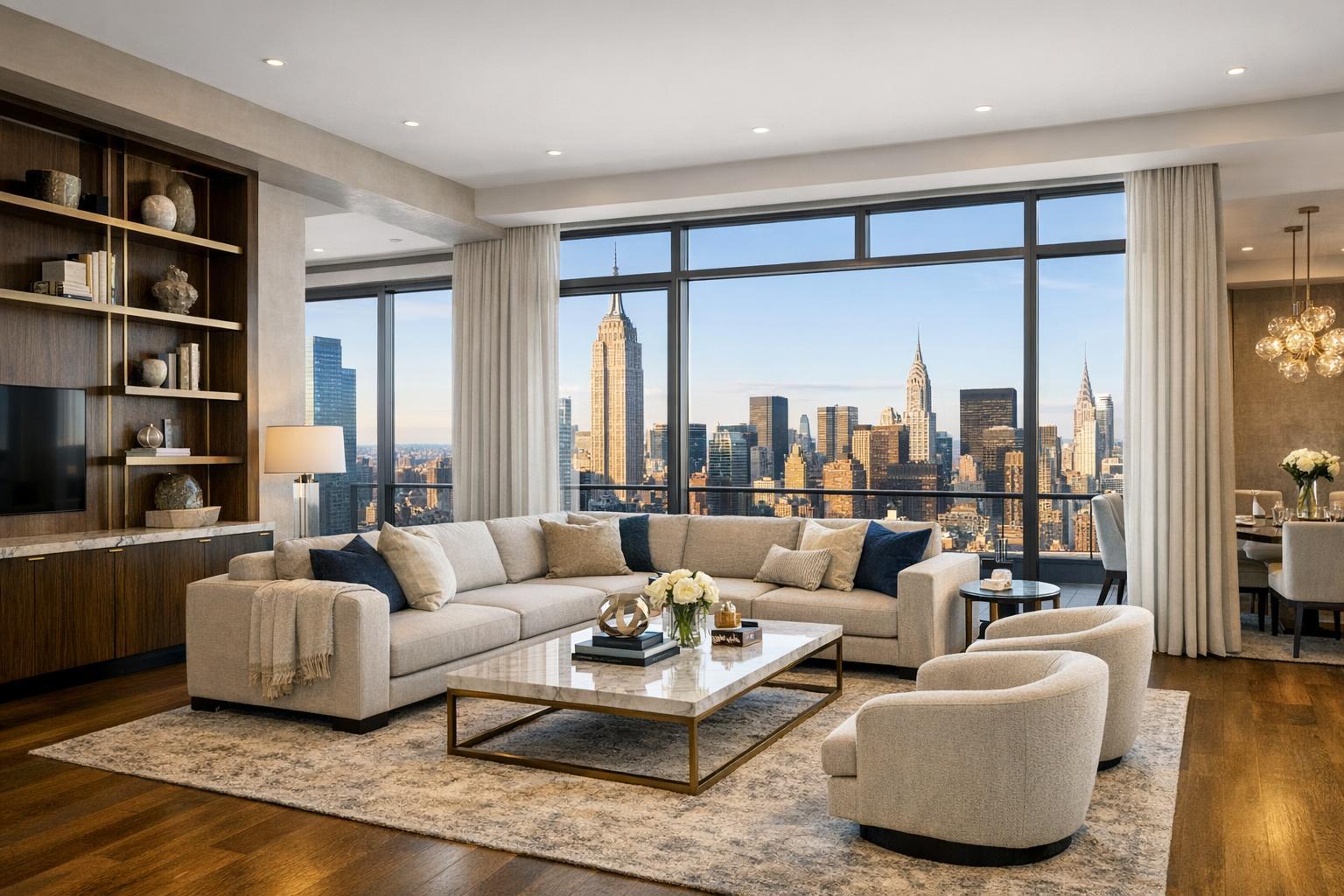
- Condos in Hoboken or Jersey City: These spaces demand careful, honest composition. Small footprints or unusual layouts are common, and building amenities (like the lobby, gym, or roof deck) can add value. Always check building policy for amenity photography and clarify whether access is available.
- North Jersey Suburban Homes: These often call for a broader range of coverage, including finished basements, patios, larger yards, and garage spaces. The timing of the shoot—think trimmed landscaping, cleared driveways, and organized outdoor furniture—can make a marked difference in exterior images.
- Shore and Waterfront Properties: Outdoor features and setting become central. Balconies, decks, proximity to water, and docks may define the appeal. For many, professional drone photography is helpful, but not always possible. Flight depends on airspace, weather, safety, and access. A responsible photographer will set expectations based on real constraints rather than promising every aerial shot in advance.
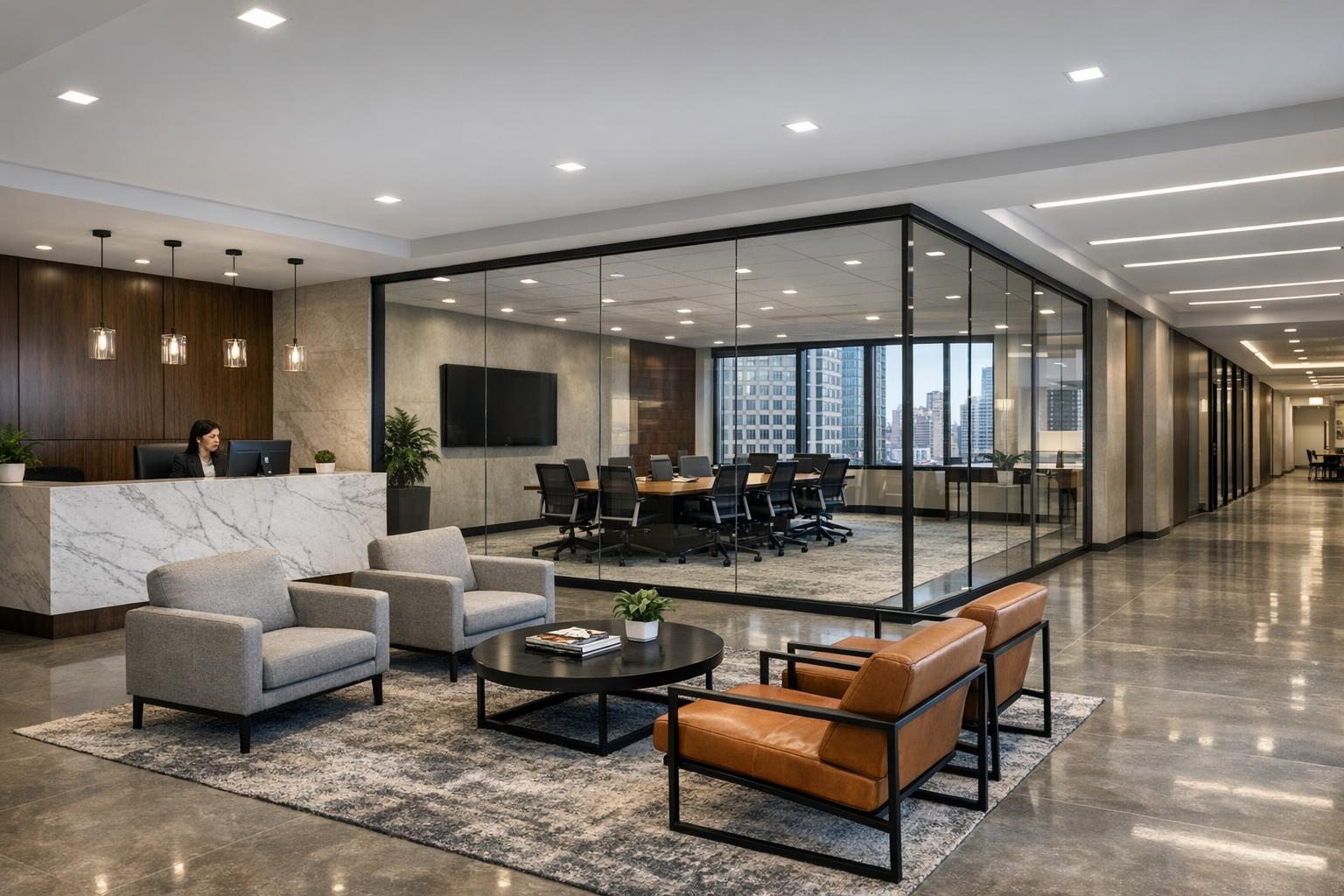
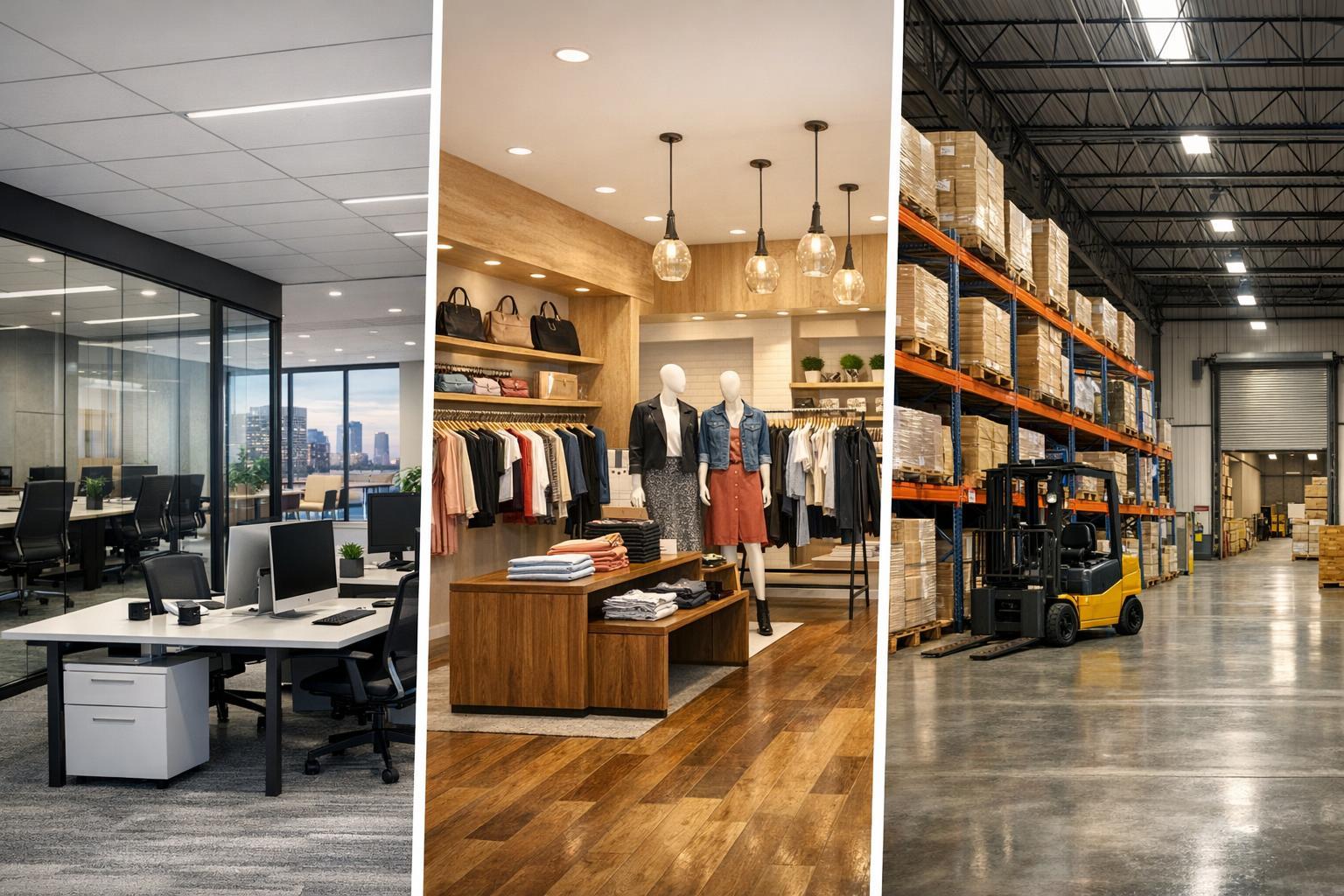
- Commercial Spaces: The target market for a retail space, office, or mixed-use listing can be very different than for residential homes. A well-planned shoot will focus on the areas that matter to business users, whether that’s clear signage, storefront access, workspace flow, or conference room size. Be clear about your goals—this helps the photographer narrow the shot list and focus on what drives decisions.
Communicate and Prepare: Why Process Matters
The path from booking to delivery matters just as much as the end result. Clear communication before a shoot can prevent common problems and streamline the day-of workflow.
Key questions to go over with your photographer:
- What needs to be cleaned, de-cluttered, or staged in advance?
- How long will the shoot actually take?
- Who will provide access, and when?
- Which areas are “must-shoot” for this listing?
- How are special requests handled?
- When and how will final media be delivered?
- Can photo, video, floor plan, or other media be scheduled together?
The prep doesn’t have to feel overwhelming. For photography, clients often ask for a ready-to-use checklist:
- Clear kitchen surfaces, remove small appliances and paperwork
- Hide personal photos, pet items, laundry, visible cords
- Make beds, fluff pillows, tidy up furniture
- Switch on all lights, replace burned-out bulbs
- Open blinds or curtains for pleasant views
- Move cars and bins away from curb views
For virtual staging, remember: it works best in clean, empty rooms. If there’s furniture, it should be physically removed or a de-clutter service ordered before digital staging is applied.
When to Add (or Skip) Floor Plans, Video, Tours, or Aerial Media
The standard property package starts with photography because buyers and renters expect stills as the baseline. But a handful of scenarios make add-ons worth considering:
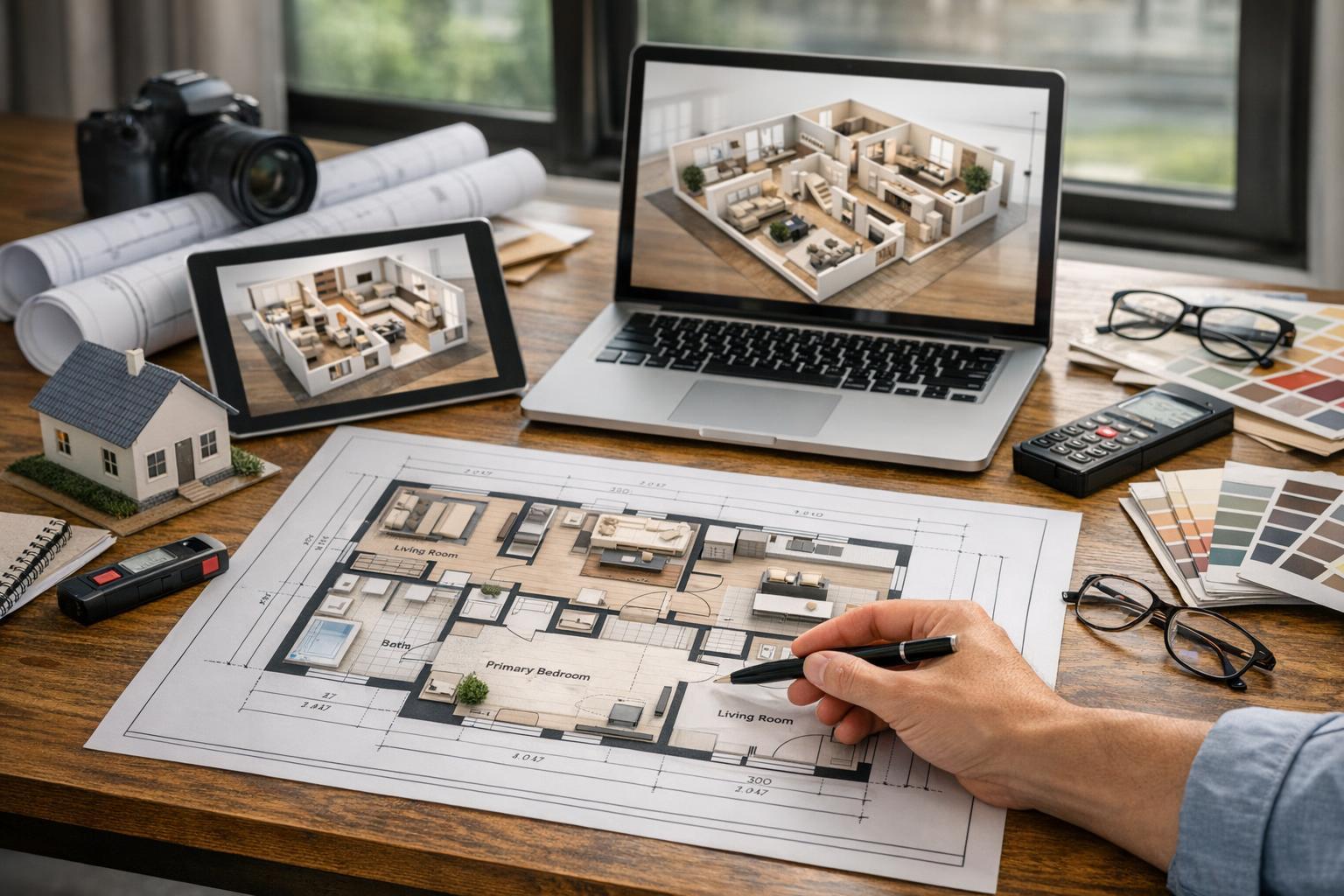
- Floor Plans: Especially helpful in multi-level homes or unusual layouts. They clarify room relationships and overall flow in ways that pictures alone cannot. Always requires on-site capture.
- Listing Video: If the property features dramatic transitions, spacious movement, or exceptional outdoor connections, a well-planned video can provide an immersive sense of entering and moving through the space. Authentic video is captured on-site, not just as a photo slideshow.
- 3D Virtual Tours: Useful for larger or distant properties, or when buyers may want to “walk through” remotely. This requires an on-site scan and can't be generated from still images.
- Drone Photography and Video: Best for large lots, waterfront homes, or commercial properties needing context. Not all properties are eligible for drone operations due to airspace, weather, and safety.
Smooth Booking and Reliable Delivery—What to Expect with RealtaSnap
A professional real estate photographer should make scheduling and delivery as seamless as possible. Clarity about booking, timing, and payment saves everyone time.
At RealtaSnap, service is statewide in New Jersey with integrated online booking. Schedule standard shoots at least 24 hours in advance—if a time is available on the online calendar, you can book it. The system walks you through service selection, property notes, and checkout in one step. Payment is handled at booking, and you can add all necessary details, including special access instructions.
For more on preparation, check the RealtaSnap prep guide. If you want to see options for New Jersey photo shoots and supporting services, visit the NJ photography page.
Work With Partners Who Simplify the Listing Process
The best partner for real estate photography in NJ brings more than a camera—they bring dependability, practical workflow, and honest presentation. Look for teams who deliver consistent color and exposure, keep lines and proportions accurate, communicate every step, and guide you through simple booking and preparation.
Your choice in property media depends on the listing. Some need only a standard photo set, while others benefit from floor plans, immersive video, or targeted aerials. Every property’s story is different.
If you have a New Jersey listing coming up, and want clear, dependable visual media suited to the property, we’d be happy to help. Explore more or schedule online at www.RealtaSnap.com.
FAQ
Question: How far in advance do I need to book a real estate photographer in New Jersey?
Answer: You should schedule as early as your listing timeline allows, especially if there are access limitations or you plan to order multiple media services. With RealtaSnap, you can book online with at least 24 hours’ notice. If a slot is open on the booking calendar, it’s available.
Question: Is it worth adding a floor plan to my listing?
Answer: Floor plans can be especially helpful for properties where layout and flow are key selling points—such as multi-level homes or condos with unusual configurations. They make it easier for buyers to understand room relationships and require on-site capture to ensure accuracy.
Question: Can I order virtual staging for a furnished or cluttered room?
Answer: Virtual staging works best in empty rooms. If the space is furnished, any existing items need to be removed or a clutter-removal service should be completed before virtual staging is applied. This helps ensure the staged images look natural and present the property accurately.