How to Choose a Real Estate Photographer in NJ for Your Next Listing
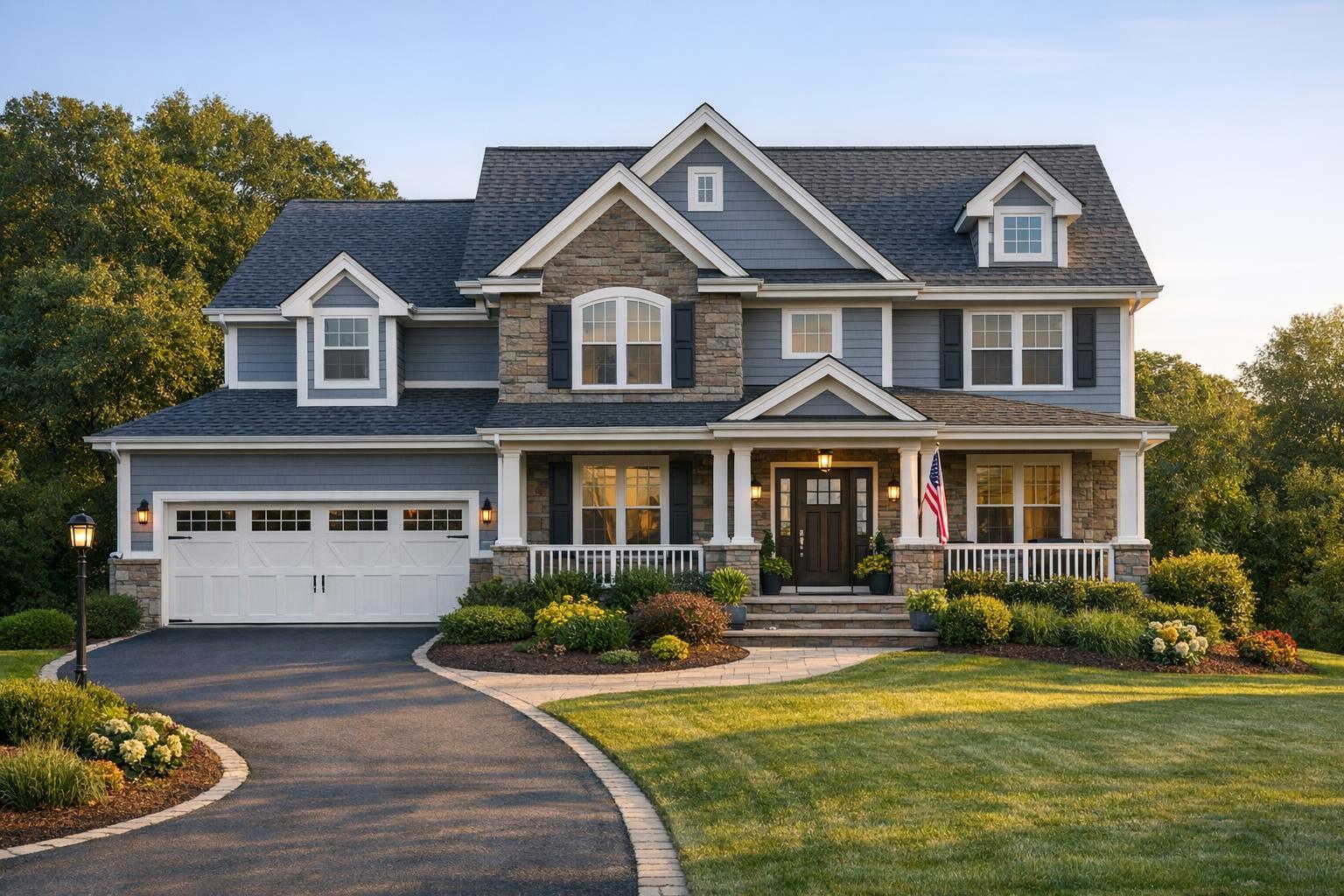
A well-maintained two-story suburban home with a neat front yard and an American flag by the porch is beautifully captured by a real estate photographer in NJ.
How to Choose a Real Estate Photographer in NJ for Your Next Listing
A real estate photographer in NJ plays a bigger role than simply capturing appealing images for your listing. For agents, brokers, and property owners, the goal is to help viewers truly understand the property before they ever book a showing. That means thinking beyond eye-catching highlight shots and focusing on media that’s genuinely informative, technically consistent, and tailored to your market—whether it’s a high-rise condo in Jersey City, a family home in North Jersey, a vacation property near the shore, or commercial space.
With years serving New Jersey and the broader NYC metro, RealtaSnap has learned that every successful real estate shoot comes down to a thoughtful blend of preparation, clear expectations, and deep familiarity with local property needs. Here’s how we approach choosing (and being) the right photographer for a listing, and what professionals should watch for along the way.
Start With the Listing, Not a One-Size-Fits-All Menu
One of the most common mistakes when vetting a New Jersey listing photographer is shopping from a generic service menu, instead of evaluating what fits your specific property. Every listing deserves professional “real estate photography services in NJ”—but the right solution should be determined by the property itself:
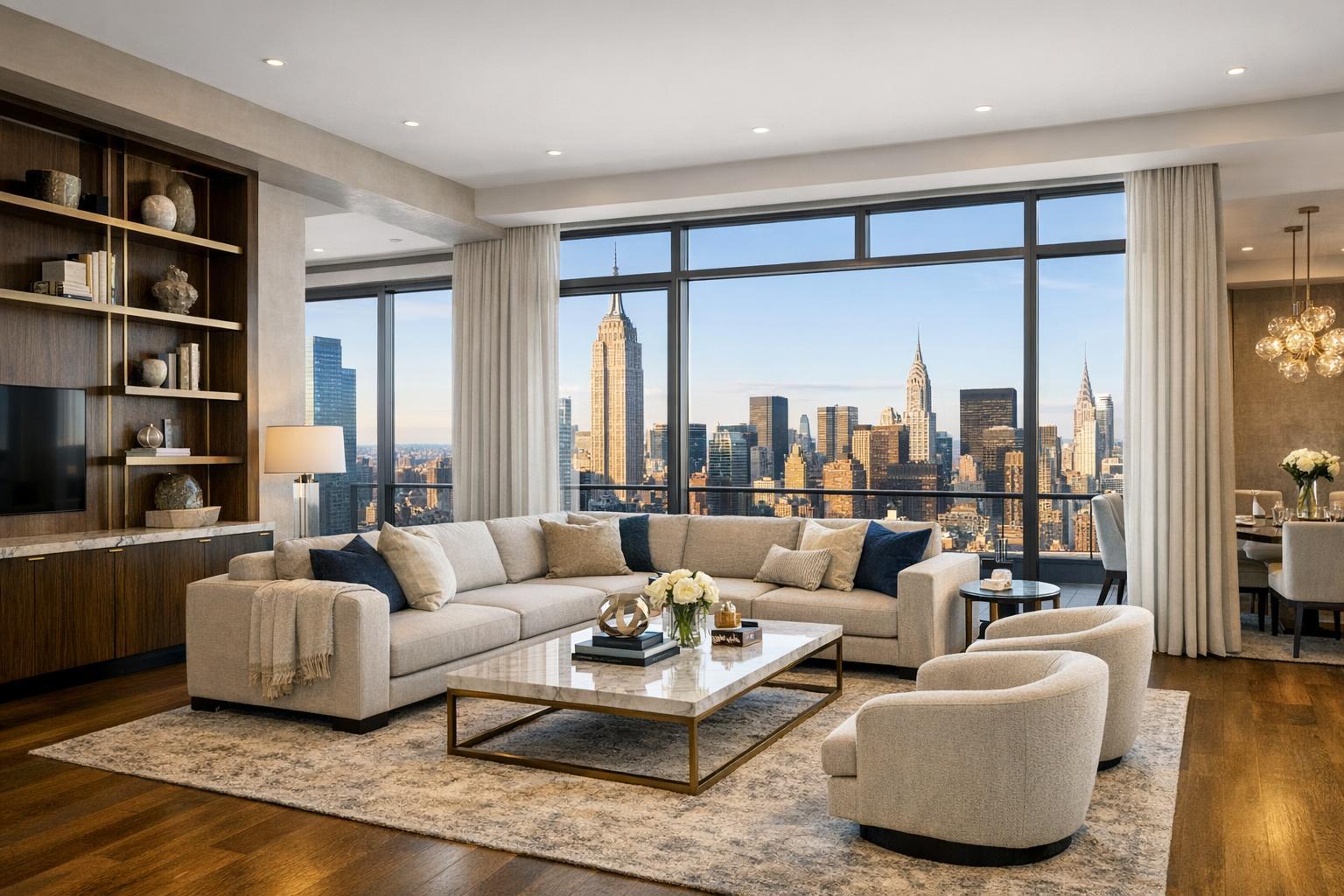
- Urban condos and apartments (Jersey City, Hoboken): Focus on interiors, natural light, open views, and overall unit character. Small square footage calls for composition that clarifies layout and flow.
- Suburban homes (Bergen, Essex, Morris, Somerset): A wider gallery, showing room-to-room connections, outdoor areas, and transitions from interior to exterior living space.
- Shore homes: Visuals emphasizing decks, water views, outdoor kitchens, pools, and how the house connects to the setting.
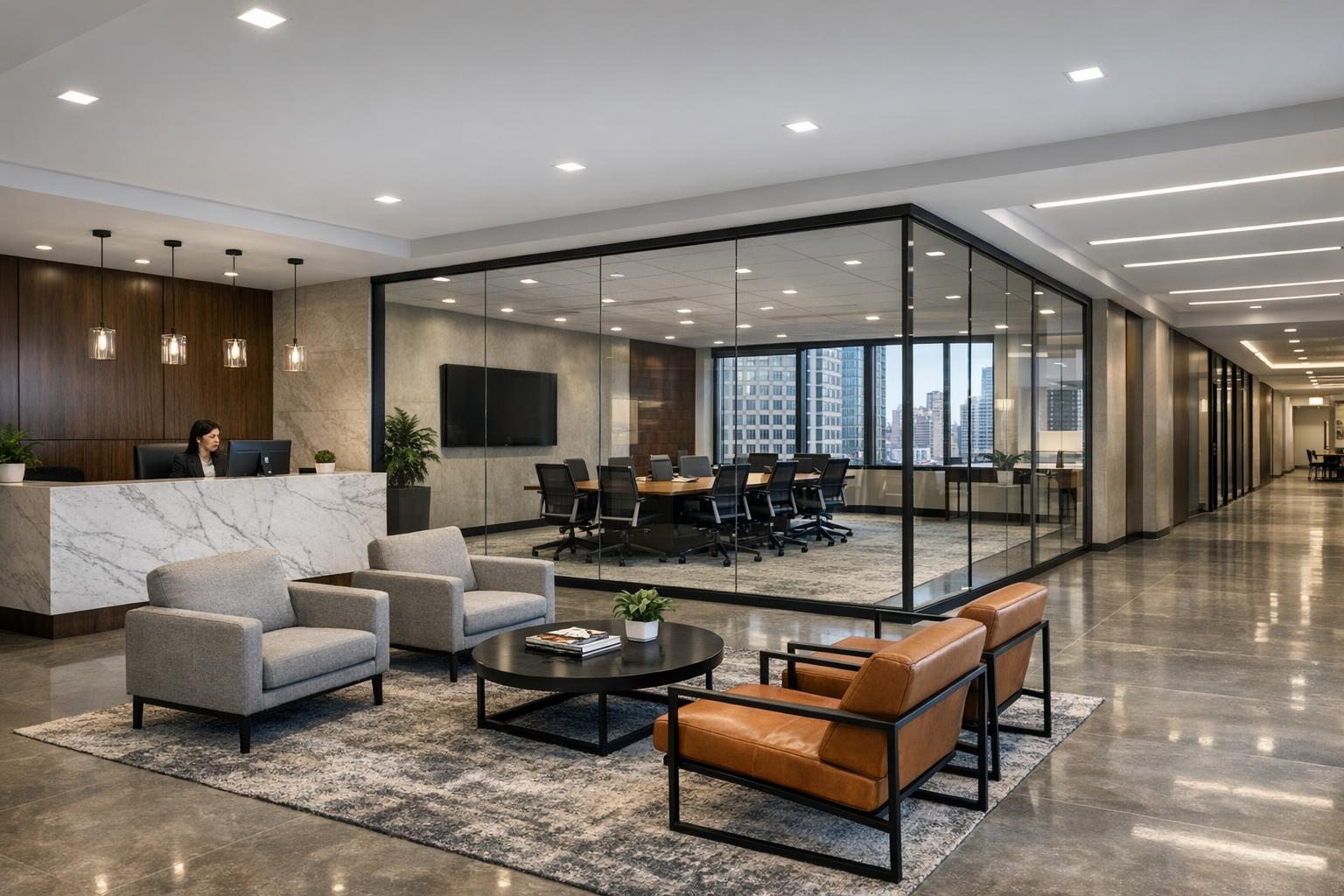
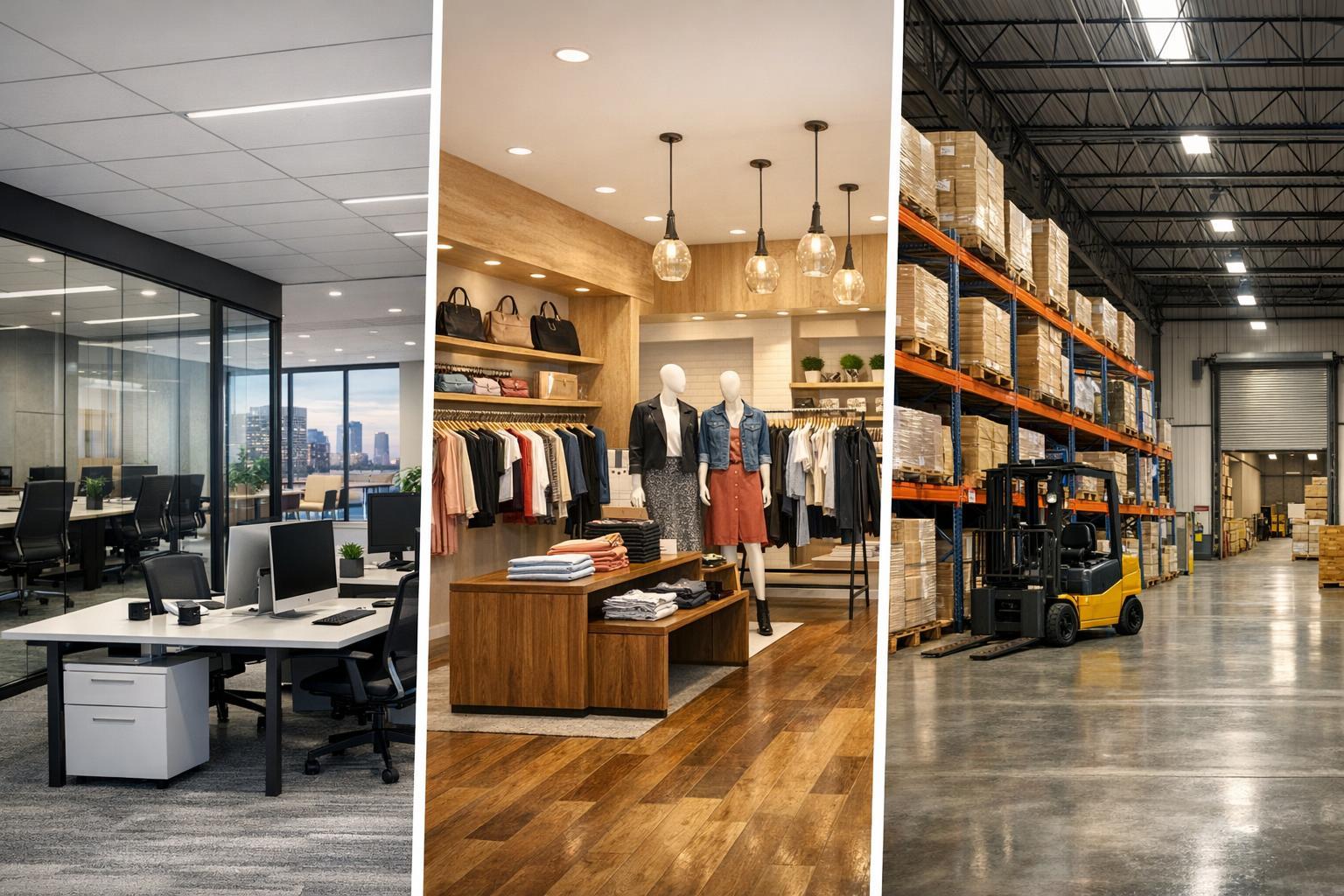
- Commercial listings: Priority to features such as entrances, signage, ceiling height, parking, loading access, and adaptable workspaces.
Before comparing providers, ask yourself:
- Which features will help a potential buyer or tenant make sense of the property?
- Are there rooms or areas that could be visually confusing without context?
- Does the exterior setting or neighborhood matter to your listing’s audience?
- Is the property occupied, furnished, or under construction?
- Will building access or schedules require coordination?
Answering these questions up front will help you clarify the right mix of images and media before price or package becomes the deciding factor.
Reading a Portfolio Like a Pro
Choosing a real estate photographer isn’t just about impressive samples; it’s about reliability and relevance to your type of listing.
What Clean, Connected Photography Really Looks Like
Great real estate media tells a visual story: viewers should be able to “walk through” the home and understand how different spaces relate. Look for portfolios that:
- Present room functions clearly from natural viewing angles
- Frame transitions—doors, hallways, stairs—so flow between areas makes sense
- Avoid excessive clutter, overly wide lenses, or tightly cropped “detail” shots that confuse rather than clarify
- Offer variety across a listing without unnecessary repetition
Anyone can capture a magazine-worthy kitchen. The more telling test: Can you follow a photo gallery from entry, through main living areas, bedrooms, amenities, and outdoor features, without losing track of the property’s real proportions and value?
Exposure, Windows, and the Challenge of Light
A common pain point in real estate photography is balancing bright windows with interior lighting. Inconsistent handling means either blown-out exteriors (“white rectangle syndrome”) or murky, underlit rooms. Professional results should show:
- Visible, inviting interiors—even with strong outdoor daylight
- Window views rendered with realistic balance where they matter
- Controlled light fixtures (no glowing hotspots)
- Accurate shadow detail and room depth
- Natural color across a series, rather than inconsistent blue, yellow, or green casts
It’s not about making a space look unrealistically perfect, but about giving buyers an honest sense of light, layout, and setting.
Architectural Lines, Color, and Perspective: No Gimmicks
Nothing undermines credibility like crooked walls, curved surfaces, or wide lenses turning modest bedrooms into “banquet halls.” Skilled pros correct distortion and keep verticals true, so architecture feels stable and honest.
Ask to see:
- Consistently straight verticals and level horizons
- Realistic room dimensions (wide angle, but not exaggerated)
- White walls that actually appear white—not tinted by editing mishaps or uneven color correction
A listing’s photos should inspire confidence and curiosity, not skepticism about what’s real.
Know How Accuracy Is Maintained (and What’s Off Limits)
Real estate photographers in NJ need to present properties accurately—showing spaces at their best, but without manipulating what’s physically there. Basic edits, like retouching or minor clutter removal, are common practice. But major changes—such as “removing” large items virtually or virtually “restaging” a furnished room—require upfront discussion and may not be possible for all spaces.
For example, RealtaSnap’s virtual staging is strictly for vacant or decluttered rooms. If a space is furnished, it needs to be cleared first, or you’ll need a clutter-removal edit before AI staging is feasible. Always clarify with your provider how far edits can go and which services require additional approval, so there are no surprises later.
Matching Media to Listing Needs
While professional photography forms the core of almost every listing, other services can provide targeted value—when they’re chosen for the right reasons.
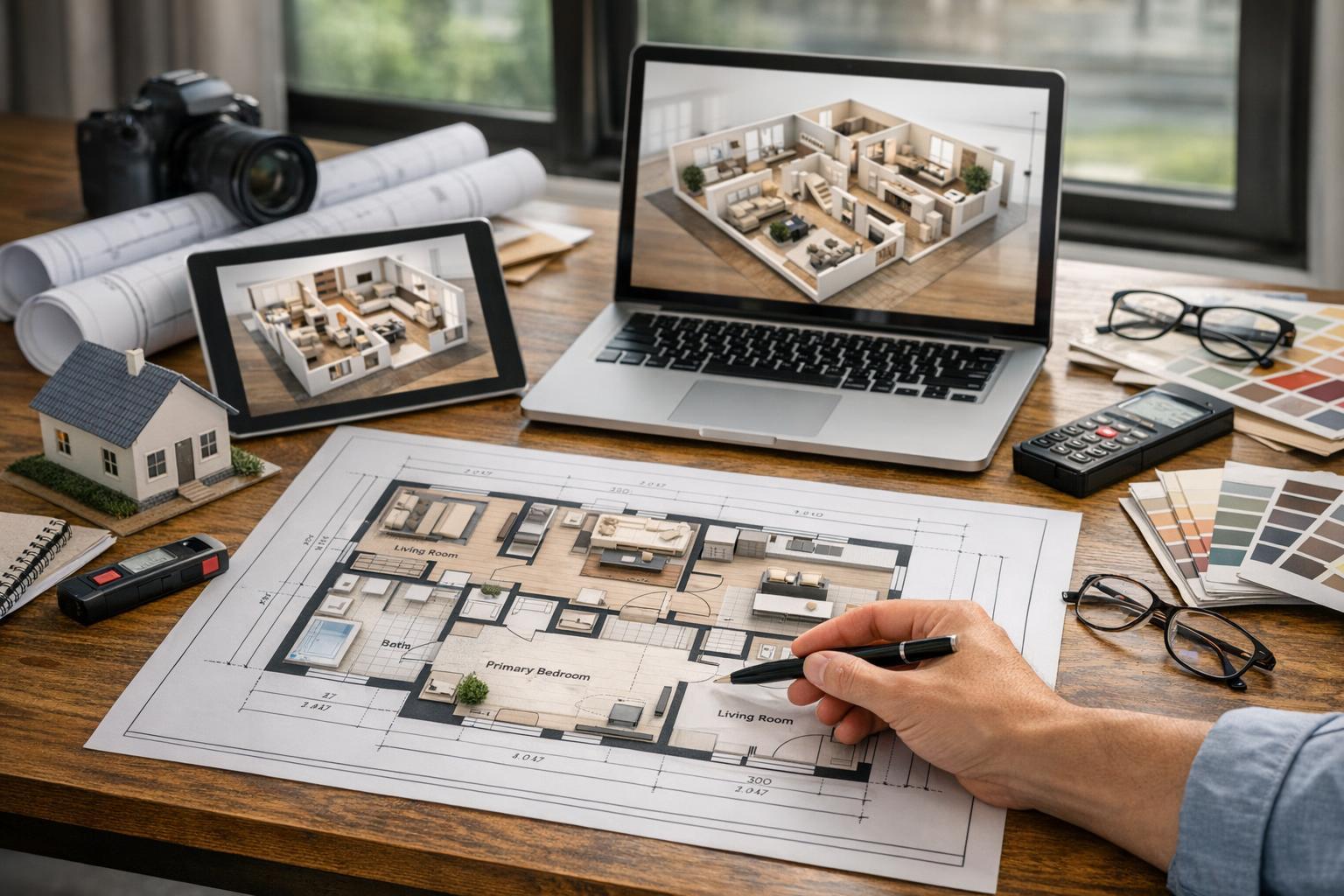
- Floor Plans: Particularly helpful in multi-level homes, spaces with unusual layouts, finished basements, or detached structures. Just remember, floor plans require on-site capture—not sketches, PDFs, or old listings.
- Video: Used to demonstrate room-to-room flow, daylight, and the atmosphere of larger or architecturally distinct spaces. Request full-length examples, not just short social clips, to see the videographer’s real approach.
- 3D Virtual Tours: Sometimes essential for listings catering to remote buyers, tenants, or decision-makers. These immersive tours require a full on-site scan, and providers should be clear about hosting, access, and what’s required.
- Drone Photography: Best for properties where aerial context is a major selling point (waterfront, large lots, commercial spaces). Drone flights in NJ are always subject to airspace, weather, and pilot judgment—not all sites will be eligible.
Think of each add-on as a way to answer a real question a buyer might have, not just a menu item to boost your package price.
For more on matching media to your property type, visit our real estate photography services for New Jersey.
Planning the Shoot: New Jersey Logistics You Can’t Ignore
Every region has its quirks. In New Jersey, access logistics can change dramatically depending on property type:
- Urban condos: Photographers often need pre-authorization, parking details, loading dock access, and extra time for security or elevator reservations.
- Suburban homes: Straightforward access, but often scheduled around families, pets, contractors, or renovation timing.
- Shore properties: May depend on seasonal occupancy, best exterior light, access to decks/patios, or weather.
- Commercial spaces: Tenants, employees, security, and limited operational hours can all impact what’s captured.
Help your photographer out by sharing the details in advance:
- Gate codes, lockboxes, alarms, parking requirements
- Tenant, pet, or contractor schedules
- Areas to shoot at a specific time, or avoid for privacy
- Any building rules or reservation needs
- Weather or daylight-dependent exterior features
- Whether the property is empty, staged, or about to be furnished
Proactive coordination here can keep your listing timeline intact and avoid last-minute rescheduling.
Clarity in Scheduling, Delivery, and Pricing
Comparison shopping is natural, but the cheapest quote is rarely the clearest. Always pin down:
- What’s actually included in the service or package
- Number of photos or deliverable media
- Turnaround times and file formats
- Travel fees, extended shooting time, or custom requests
- Policies for rescheduling, weather delays, or drone feasibility
- When and how payment is handled
At RealtaSnap, standard bookings are handled online—just enter the property address, select your services, view available appointment times, and confirm with at least 24 hours’ notice. Our calendar is kept up to date so you can choose a slot that works for you, without back-and-forth calls. Details and options are always visible at www.RealtaSnap.com.
Preparing the Property for Success
Even the most experienced photographer can’t capture an inviting image if a home is filled with distractions—overflowing countertops, tangled cords, closed blinds, or packed boxes. Professional real estate photography is about clarity, not perfection.
For best results, before your shoot:
- Turn on all lights and replace burnt bulbs
- Open blinds/curtains to desirable views
- Clear kitchen and bathroom surfaces, and remove clutter from fridges
- Hide pet gear, laundry, trash, and unnecessary cords
- Make beds and straighten throws or pillows
- Remove excess furniture from tight spaces
- Tidy up entryways, yards, decks, driveways, and sidewalks
- Secure pets, and note any access limitations in advance
Occupied homes should feel lived in, but never chaotic. The aim is to give potential buyers a clear look at the property’s best features.
More detailed prep tips can be found in our Real Estate Photography Prep Guide.
The Bottom Line for New Jersey Listings
Hiring a real estate photographer in NJ is about more than finding someone with a decent camera. It’s selecting a partner who’s attentive to local context, realistic about editing and access, and committed to presenting properties honestly and clearly. The right choice should leave you with media that helps your listing stand out for the right reasons: transparency, consistency, and visual relevance.
If you’re ready to schedule, you can see all options and set up your shoot right on our website at www.RealtaSnap.com.
FAQ
Question: How much advance notice do I need to schedule a shoot with a real estate photographer in NJ?
Answer: Booking with at least 24 hours’ notice is typical. At RealtaSnap, all standard appointments and service selections can be handled through the online calendar. If a time is available on the calendar, you can book it—no need to wait for confirmation.
Question: Should I always add a floor plan or 3D tour to my listing?
Answer: Not every property needs every add-on. Floor plans work best for spaces where layout is unique or hard to understand from photos alone. 3D tours are especially helpful if you’re reaching remote buyers or tenants who need to explore rooms virtually. Both require on-site capture, so order them if they’ll genuinely help your audience.
Question: Can virtual staging be applied to furnished rooms?
Answer: Virtual staging is meant for empty or completely decluttered spaces. If a room has existing furniture, it needs to be physically cleared—or you may need to add a clutter-removal edit before staging. This helps ensure the results look natural and believable for online viewers.