How to Choose a Real Estate Photographer in NJ for Your Next Listing
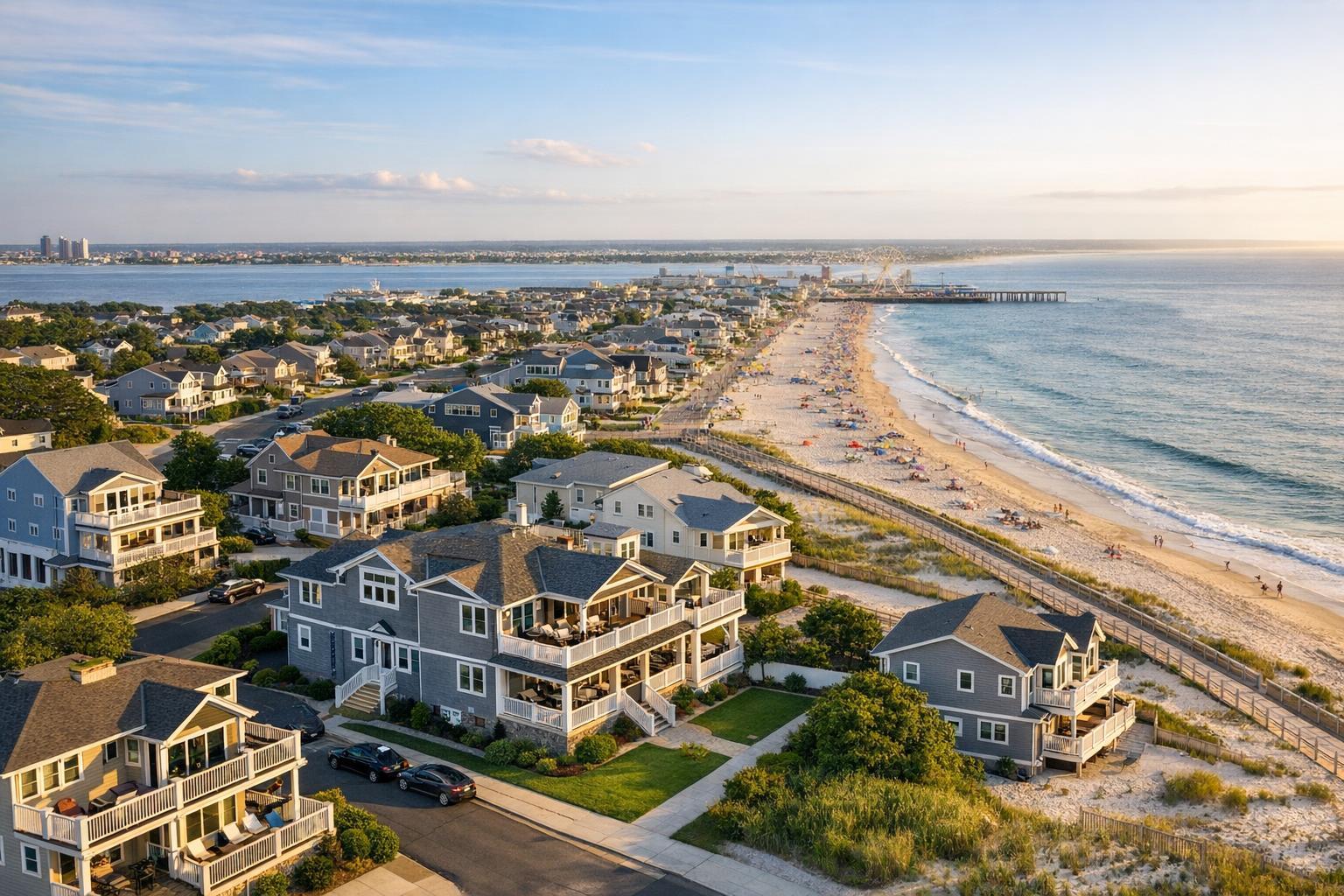
Captured by a real estate photographer in NJ, the image showcases charming coastal homes adjacent to a bustling beach.
How to Choose a Real Estate Photographer in NJ for Your Next Listing
Finding the right real estate photographer NJ really comes down to a series of practical decisions that will influence how your property is seen online—and how smoothly the entire listing process unfolds. There are plenty of options on the market, but not every provider brings the same level of attention, accuracy, or understanding to a New Jersey real estate shoot. What actually makes a professional stand out? It’s not just cost, or having the widest menu of add-ons. It’s about consistency, clear communication, and the ability to present each listing to the right audience in its best light.
Why the Portfolio Should Be Your Starting Point
When choosing a New Jersey listing photographer, it’s tempting to compare service menus and pricing tables first. While those details matter, an in-depth look at a photographer’s portfolio tells you much more about what you can expect.
Instead of judging by a few highlight images, review full galleries—or better yet, ask for complete shoots that match the kind of property you need photographed. Scan for:
- Consistency in color, light, and composition across diverse rooms
- Realistic representation of areas that are commonly difficult (kitchens, bathrooms, tight entryways, basements)
- Balanced window views that neither blow out bright exteriors nor leave interiors in shadow
- Exterior images that help prospective buyers or renters understand the home’s approach, lot, and neighborhood context
- Thoughtful framing, especially in condo or apartment units where space is at a premium
Take time to notice if the images clarify the layout of the property, show room-to-room relationships, and avoid over-edited or misleading perspectives. A reliable portfolio demonstrates skill in presenting all kinds of listings—compact city condos, large suburban homes, unique shore houses, and commercial properties alike. If you want a sense of what professional, listing-focused photography for NJ looks like, reviewing RealtaSnap’s real estate media services can provide a useful benchmark.
What Defines Professional Real Estate Photography?
You don’t have to be a technical expert to spot the markers of quality in real estate photography NJ. Several consistent features distinguish professional work:
- Even Lighting and Window Detail
Most properties have bright daylight flooding through windows next to comparatively darker interiors. Good photographers use techniques like HDR (high dynamic range) to balance these areas. When done skillfully, the result is natural—showing views outside the window without flattening the image or creating unwanted halos. - Controlled Perspective and Straight Lines
Walls and vertical architectural lines should look straight, not leaning or warped by a careless wide-angle lens. Small bedrooms and tight spaces benefit from careful camera positioning to avoid distortion. This is especially important in new developments, recently renovated homes, and condos with clean architectural lines. - Purposeful Composition
The photos should draw the viewer’s eye toward the room’s strongest features—such as a kitchen’s open flow or a living room’s connection to an outdoor terrace. Excluding distractions like clutter, visible cords, or awkwardly cropped doorways keeps the focus on the space itself. - Editing That Matches the Space
Each listing deserves editing that respects the actual color, condition, and atmosphere of the property. The goal shouldn’t be to create a “magazine” version, but to deliver images that are clear, inviting, and most importantly, accurate.
Local Context Matters—Not All NJ Listings Are the Same
New Jersey offers a surprisingly varied selection of properties, each requiring a different approach.
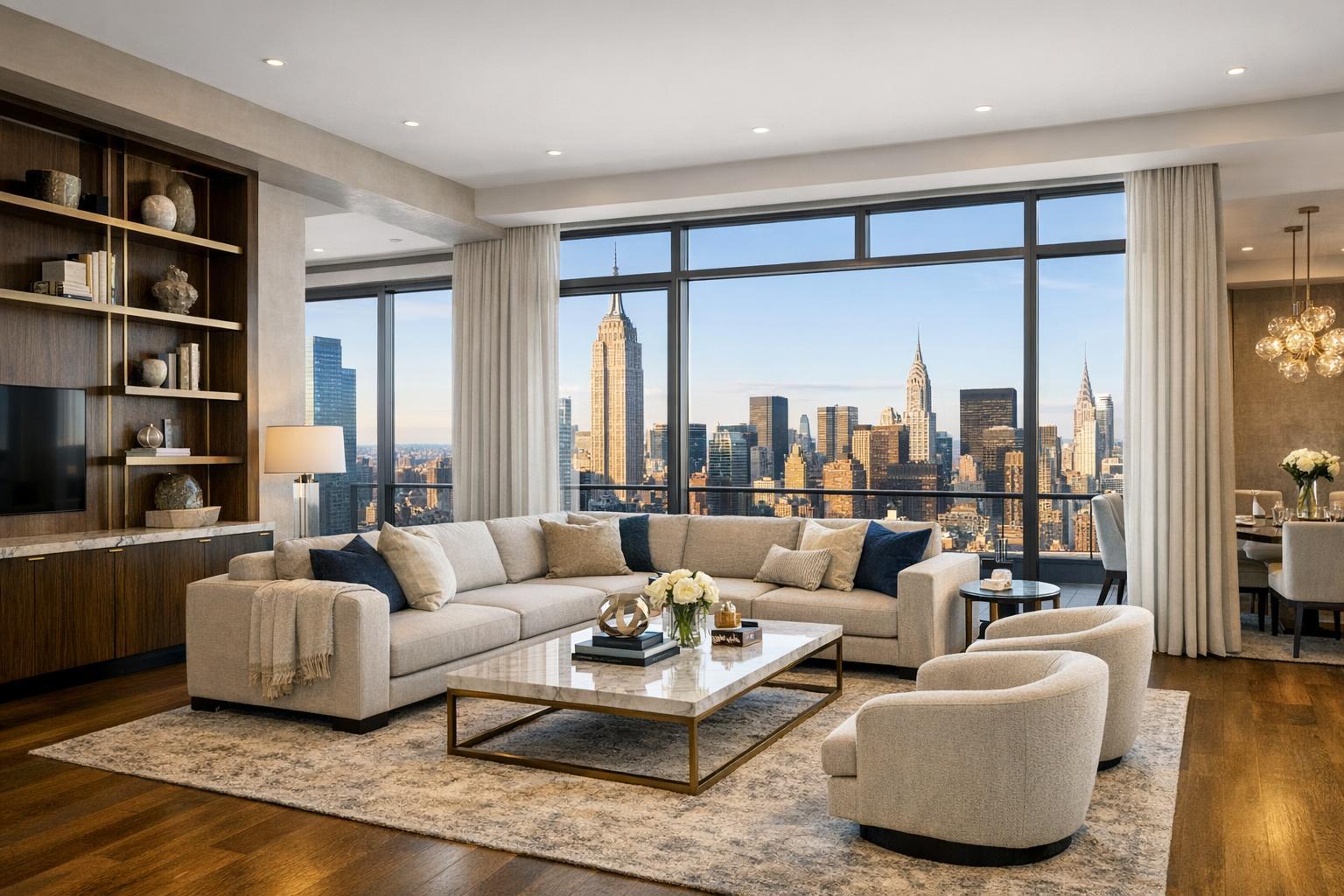
Condos in Hoboken or Jersey City:
These units often feature open-plan living but tighter bedrooms and compact storage. The right photographer knows how to capture space without exaggeration. Think about whether the unit has skyline views, amenities, or access logistics—clear communication ahead of the shoot is key, especially in elevator buildings.
Large North Jersey Homes:
More bedrooms, multiple living spaces, finished basements, and larger yards are common. Here, comprehensive coverage helps buyers visualize flow between rooms, understand the backyard, or see the context of special features like pools, decks, or garages.
Jersey Shore and Waterfront Properties:
Water views, natural light, decks, and proximity to beaches or local attractions come into play. Shoots may need to be timed for weather, sunlight, or even seasonal occupancy to showcase exteriors and amenities at their best. If you’re considering drone footage, make sure to discuss flight feasibility, safety, and regulations before booking.
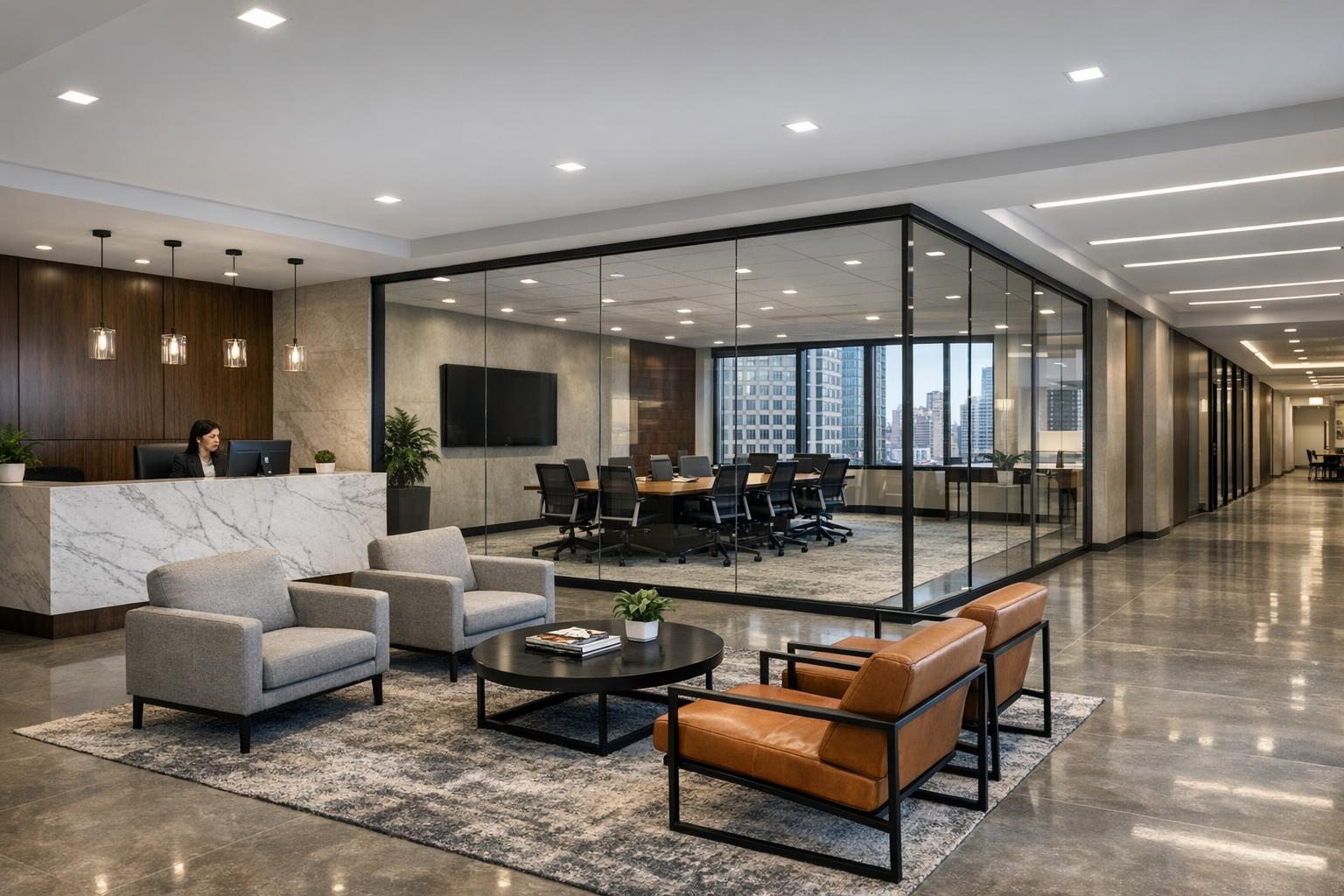
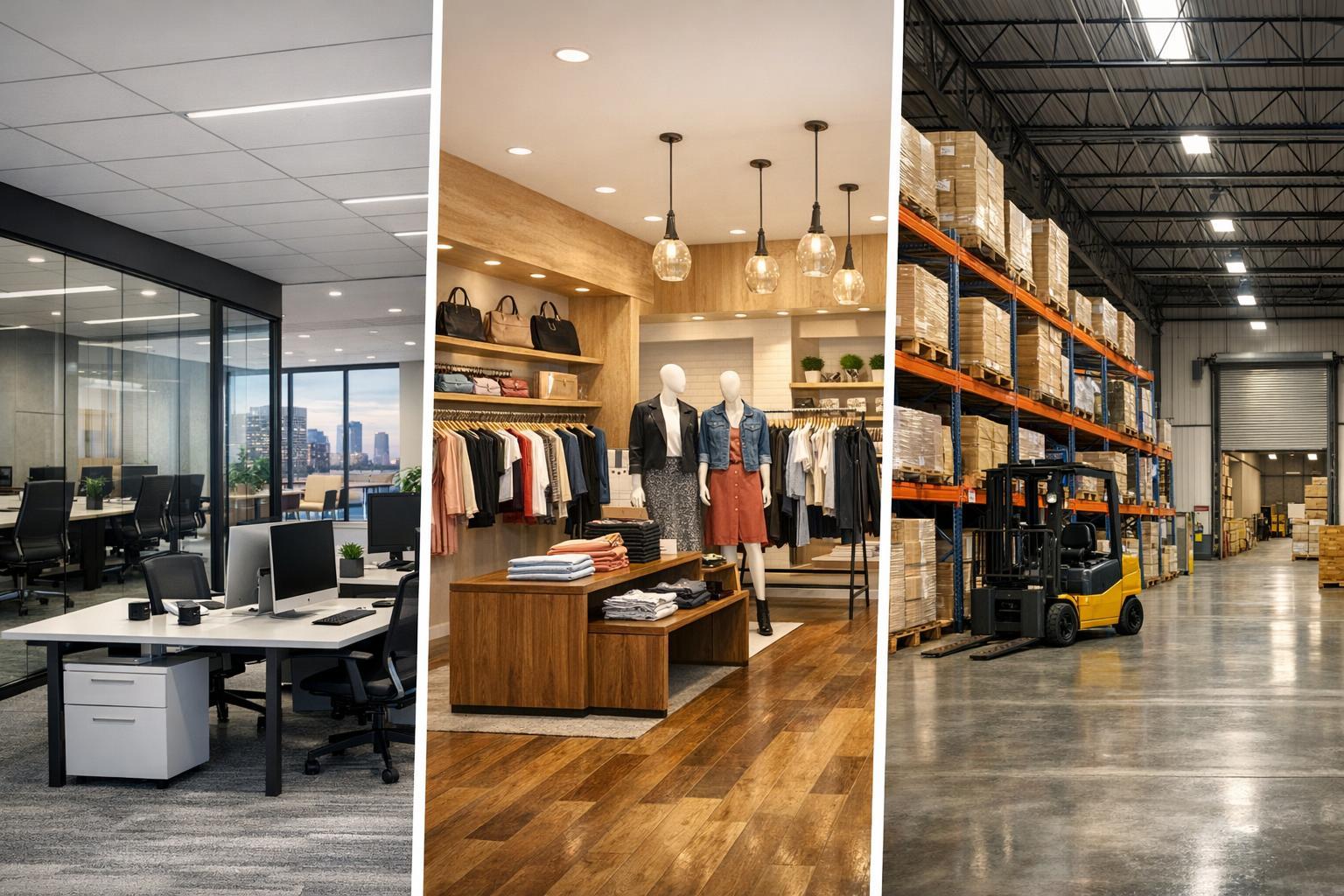
Commercial Spaces:
The priorities change for offices, retail storefronts, or mixed-use buildings. Showcasing street entrances, usable square footage, ceiling height, work areas, and loading access often takes precedence. Photos should help a prospect understand the property’s utility, not just its appearance.
Planning for a Smooth Production
Quality real estate photography begins even before the first photo is taken. Communication, scheduling, and a bit of preparation on the property can make a significant difference.
A few things to clarify before shoot day:
- Scope of the shoot—rooms, exteriors, amenities, and any priority areas
- Level of property preparation needed (decluttering, cleaning, light adjustments)
- Who will provide access (owner, tenant, agent, manager)
- Entry, parking, and any specific building rules
- Delivery timeline and process for receiving completed images and other media
Professional photographers work efficiently in both occupied and vacant homes, but even small adjustments—such as opening shades, turning on lights, or removing cars from the driveway—can improve the outcome. For occupied properties, a simple room-by-room prep checklist is often a practical way to keep things organized.
For deeper insights into preparing a property for media, RealtaSnap’s photography prep guide is a useful resource.
When Are Photos Enough—and When to Add Media?
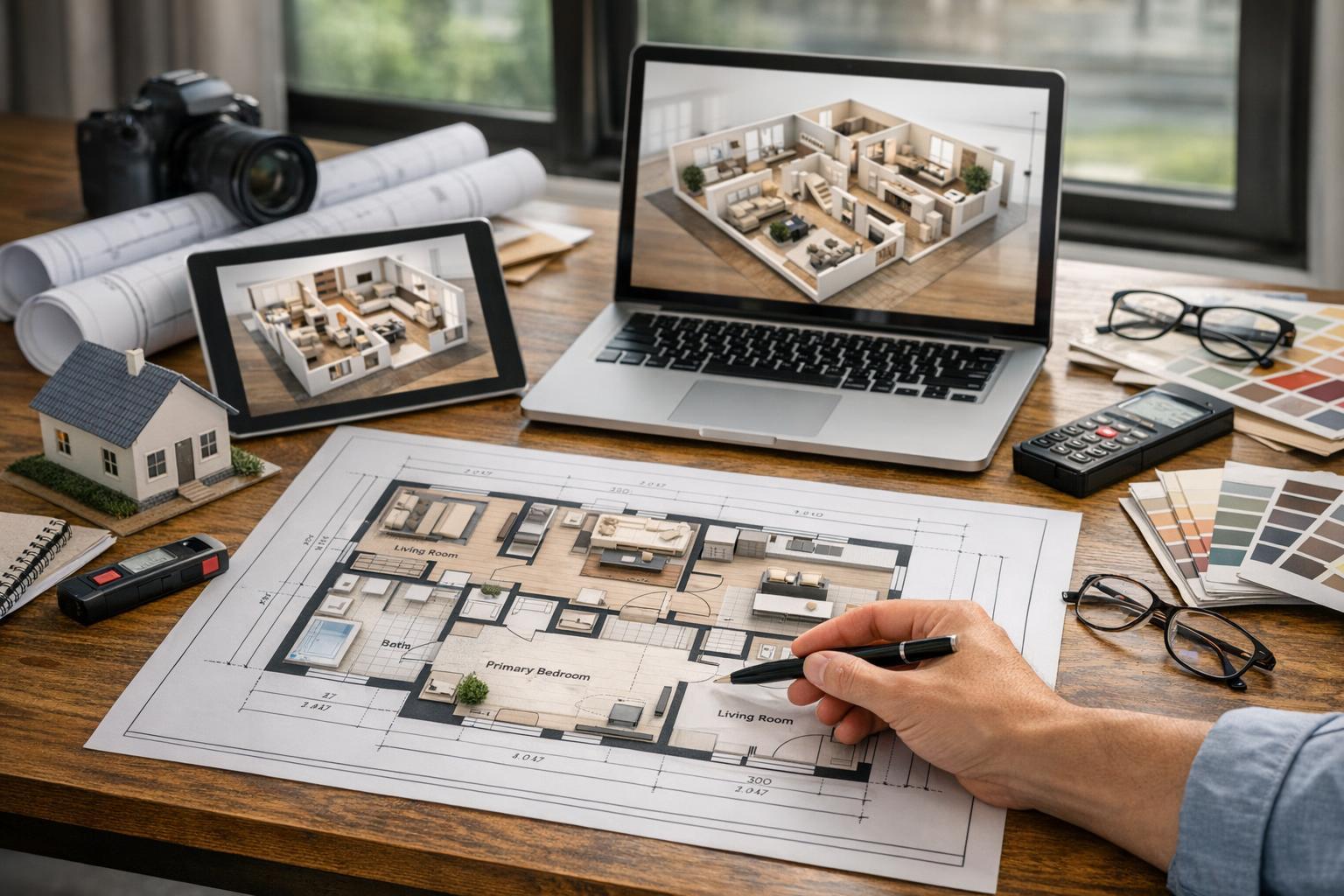
Strong photos form the backbone of most listings, but certain situations call for more. Floor plans, video, 3D tours, aerial drone coverage, and virtual staging can add clarity or context depending on the property’s type, size, layout, and potential audience.
Floor Plans:
Helpful for multi-level properties, unusual layouts, or when spatial relationships between rooms are hard to visualize from photos alone. These should always be produced from on-site measurements, not estimated from prior listing images.
Video:
Movement tells a story that still images can’t. Video is especially valuable for larger homes, unique flow patterns, or when you want to illustrate the transition between indoor and outdoor spaces. Listing video is captured on site and produced to show genuine flow, rather than assembled from stills.
3D Tours:
Interactive virtual tours let remote viewers explore each room on their own time. This is a strong choice for out-of-town buyers, complex rentals, furnished multi-room properties, or listings that draw interest from remote audiences. Like floor plans, these require on-site capture.
Drone Imagery:
Aerial shots give valuable context for properties with extensive land, unique settings, or water access—not always needed for dense neighborhoods or townhomes. Availability is always weather-, airspace-, and regulation-dependent, so discuss options in advance.
Virtual Staging:
Vacant rooms, whether new construction or unfurnished resales, can benefit from digital staging to show how the space might feel fully furnished. Realism is key, so ensure rooms are empty or cleared before digital furniture is added.
Comparing Service Providers: Beyond Price
It’s easy to focus narrowly on rates, but selecting a real estate photographer in NJ is about much more than finding the lowest cost. Listen for specific answers to these topics as you compare providers:
- Is the visual style and editing consistent across listings in the portfolio?
- Are architectural lines and perspectives accurate?
- Does the photographer show familiarity with property types and locations like yours?
- Is scheduling flexible and booking transparent? Book a shoot with RealtaSnap whenever you’re ready.
- Are deadlines, delivery, and any edit timelines made clear up front?
- Can the provider handle media beyond photos if needed, or recommend when to add video, floor plans, drone, or staging?
- Are logistical requirements, access, and building-specific protocols covered before the appointment?
- How easy is it to communicate priorities or special requests ahead of the shoot?
Providers who earn trust with reliable answers to these questions tend to keep the process on track and adapt capably if property requirements shift.
Choosing the Most Useful Media for Your Property
Not every listing requires the full suite of real estate marketing media. The real advantage of an experienced NJ listing photographer is the ability to recommend coverage that helps people understand the actual property—no more, no less. For straightforward city condos or simple suburban homes, polished photography may be all you need. For complex layouts or vacant spaces, consider the added value of floor plans, video, or virtual staging. If the exterior, lot, or geographic context is especially meaningful, aerial imagery can bring context to life—as long as conditions and regulations allow.
Above all, start by defining what the property truly needs, review recent photographic work, and make sure the photographer’s approach fits both the specifics of the home and the realities of your listing timeline.
For more information about listing-focused real estate photography and media coverage in New Jersey and NYC, or to discuss your next shoot, visit www.RealtaSnap.com.
FAQ
Question: How far ahead should I book a NJ real estate photographer?
Answer: Booking early gives you more flexibility for scheduling, property preparation, coordinating tenants if applicable, and planning any add-on media. If your listing has strict access policies or outdoor shots are critical, secure the photography appointment as soon as availability is confirmed so there’s time to coordinate every detail.
Question: Does every listing benefit from HDR photography?
Answer: HDR techniques are especially valuable for balancing interior and exterior lighting in rooms with strong window views or mixed lighting. Look for images that appear natural, with both interior details and outside scenes clearly visible. What matters is the final look, not just the use of HDR as a label.
Question: Can 3D tours or floor plans be created from old listing photos?
Answer: No. Accurate 3D tours and floor plans require in-person on-site capture. Existing listing photos can be useful for marketing, but they do not provide the spatial detail or measurements necessary for interactive tours or floor plan creation. Always plan for site access if you need these media for your listing.