How to Choose a Real Estate Photographer in NJ for Your Next Listing
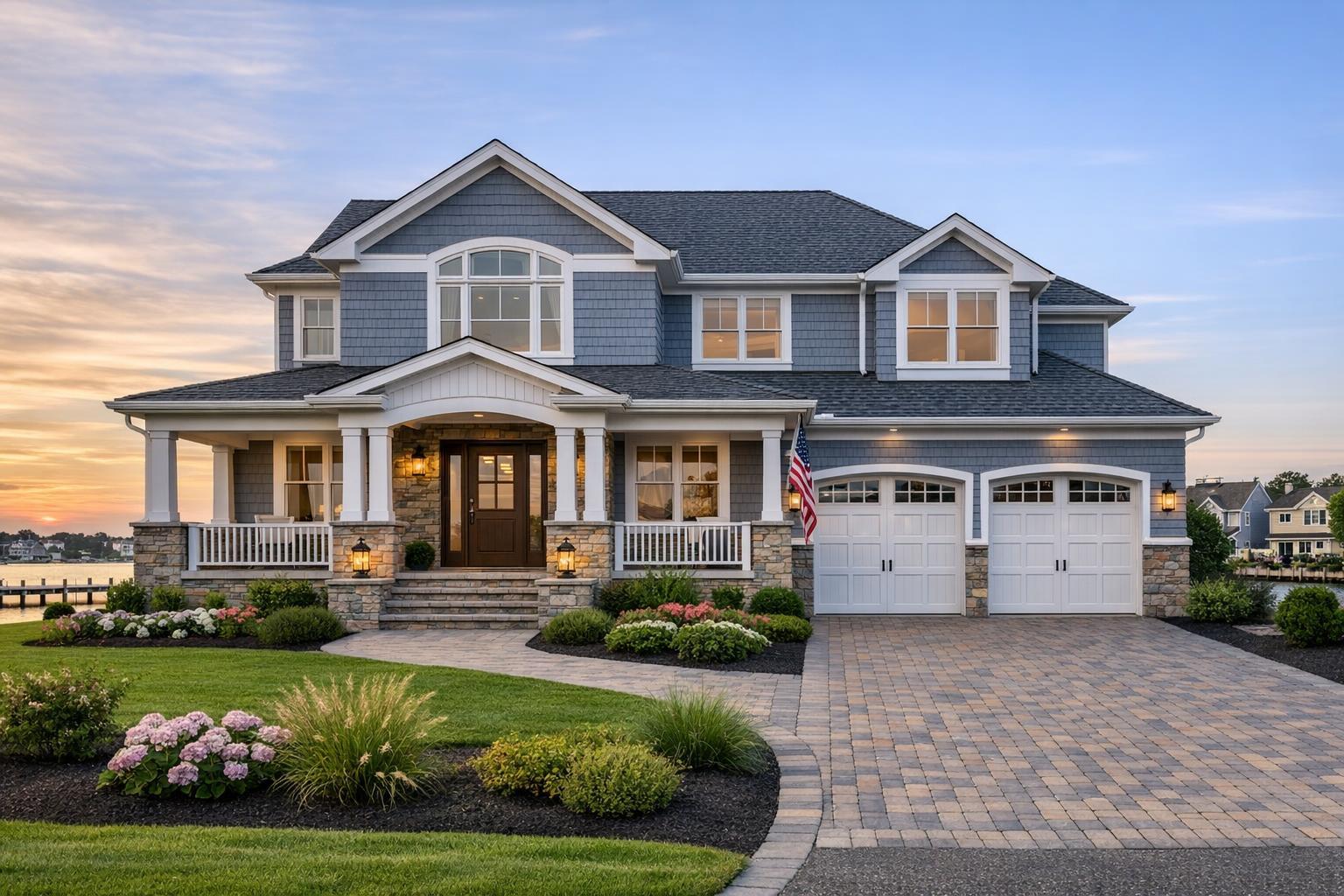
A beautifully captured image of a charming waterfront home at sunset highlights the expertise of a real estate photographer in NJ.
How to Choose a Real Estate Photographer in NJ for Your Next Listing
Selecting a real estate photographer NJ agents, brokers, property managers, and sellers trust is a practical decision that affects how every property is represented from the first moment a listing goes live. While many begin the search by browsing portfolios, the real value and reliability of a photographer is revealed in how they approach local properties, manage varying site conditions, communicate through the process, and deliver media shaped for the needs of each listing.
With New Jersey’s diverse property landscape—from the dense condos of Hoboken and Jersey City to suburban homes across Bergen County, and everything between—it’s rarely as simple as “finding a photographer with nice photos.” Below, we break down what actually matters when you’re booking your next shoot, drawing on our experience working in NJ and surrounding metropolitan markets.
Go Beyond Highlight Reels: Evaluating True Photography Quality
Every real estate photographer has a highlight reel. The challenge is to determine whether their skills and consistency match your actual listing needs. Here’s how experienced agents and teams look past curated portfolios:
- Review full listing sets, not just handpicked photos.
- Look for consistency across different spaces and property types.
- Check for bright but realistic interior lighting, straight architectural lines (especially on walls, cabinets, and exteriors), true-to-life color, and believable room proportions.
- Examine how transitions between rooms are communicated through images—do they help someone understand flow, or just show isolated angles?
- For exteriors, assess whether weather, time of day, landscaping, and context are considered, not just blue-sky days.
When you view a living room image, you should get a sense of its relative scale and how it connects to the rest of the home. A good kitchen photo balances countertop visibility, cabinetry detail, and practical layout—all without unnatural stretching or distracting edits. Strong exterior photos make entrances and architectural character clear at a glance.
If your upcoming listing is a compact North Jersey condo, ask for samples from similar settings. A portfolio with only large suburban homes might look beautiful but may not address the realities of shooting in tighter, multi-unit environments. Conversely, an experienced New Jersey listing photographer will have a versatile approach for older homes, brightly lit new construction, and everything in between.
Technical Control That Reflects the Space
You don’t need to know every photography term to recognize quality. What should stand out is that images feel clean, intentional, and representative, not overly processed.
Balancing Exposure and Window Detail
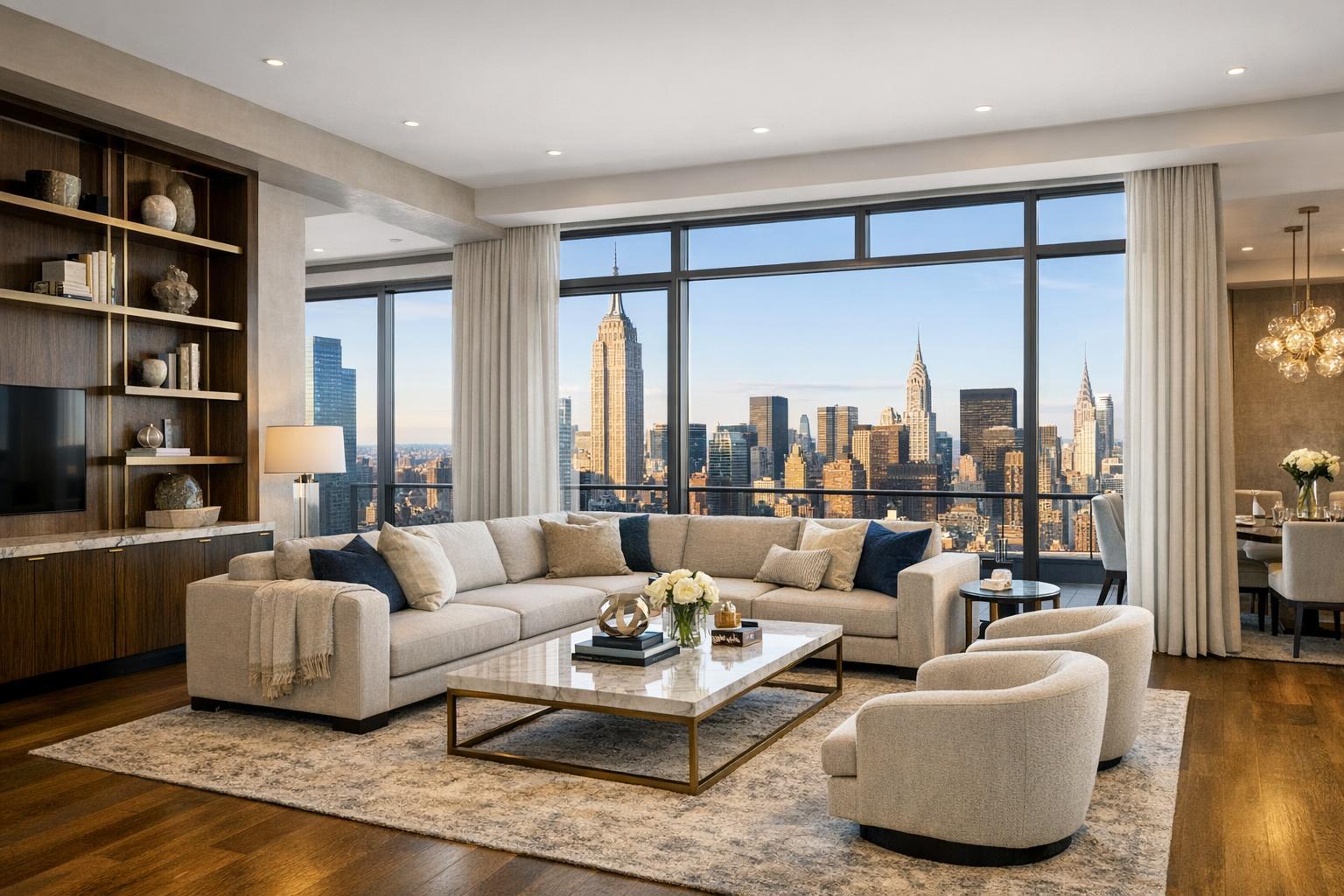
New Jersey homes, especially condos and townhomes, often combine natural daylight, overhead fixtures, and shadowed corners. A skilled photographer knows how to balance all these sources so that important window views are preserved where they add value and the interiors aren’t lost in darkness or flashy brightness.
Watch out for:
- Blown-out windows (white rectangles) when the view is a major feature.
- Deep, shadowed corners that hide important finishes.
- Obvious color shifts from mixed lighting (yellow, green, blue).
- Skies that look unnaturally saturated, pasted-in, or inconsistent.
The reality is, not every room needs visible exterior views. But if you’re listing a place with park, skyline, or waterfront exposure, your photographer should see the view as part of the property’s appeal.
Perspective and Architectural Lines
Wide lenses help capture more of a room—critical in compact spaces—but can create problems if used without care. Professional images maintain straight vertical lines and natural proportions, resisting the temptation to stretch small rooms into something they’re not. Good perspective correction is the difference between honest presentation and misleading photos.
Editing Style and Consistency
Editing should highlight the property, not distract from it. Look for cohesive style: consistent color balance, skies, and overall tone from room to room. When photos jump between cool and warm, or the yard is bright in one shot but dark in another, the impression is chaotic and disorganized.
A unified editing style builds trust, credibility, and makes a collection of images feel like they belong to the same property—a subtle but important advantage for agents and brokers building a recognizable brand.
Matching Photographer Experience to Property Type
Not all properties present the same opportunities or demands. The right north jersey real estate photographer will tailor their coverage, composition, and even equipment based on specific listing needs.
Condos and Townhomes
In dense North Jersey markets, listings may involve elevator access, lobby restrictions, parking challenges, shared amenities, and units with tight layouts. For these properties:
- Decide which common areas or amenities to include (lobby, gym, roof deck).
- Clarify how compact or creatively shaped rooms and hallways will be photographed.
- Plan for window views, especially when cityscape or water features matter.
- If building management has special rules, check that your photographer coordinates in advance.
- For multi-story units, consider whether a floor plan would clarify the layout, especially where room counts and flow are less obvious.
Thoughtful coverage, even for a small or modest condo, is often more about capturing useful spaces and features (storage, balconies, renovations) than simply taking the maximum number of images.
Suburban Single-Family Homes
Detached homes have their own rhythms. Beyond interiors, exterior coverage matters—a lot. Driveways, garages, front walks, backyards, decks, pools, and landscaping are all fair game.
- Identify standout spaces: upgraded basements, offices, backyard entertaining areas, or a new kitchen.
- Prep makes a difference: clear kitchen counters, move cars out of driveways, tidy outdoor furniture, and open blinds for best window views.
Most professionals can work around minor imperfections, but a prepared space almost always yields cleaner, more inviting photographs.
Waterfront and View-Driven Properties
With New Jersey’s shore towns, riverfronts, and lake-adjacent properties, exterior and view photography often define the listing. Know which rooms relate to the water, plan ideal times for outdoor shots, and ask about aerial media if the location supports it.
Drone imagery can illustrate a home’s relationship to the shoreline, lot, marina, or neighboring properties—but only when weather, airspace, and access allow. Drone scheduling and permission should be discussed before assuming it’s part of the package.
Rentals and Commercial Spaces
Rental properties benefit from straightforward, comprehensive images that highlight condition, features, and room count. For furnished rentals, access and tidiness are essential.
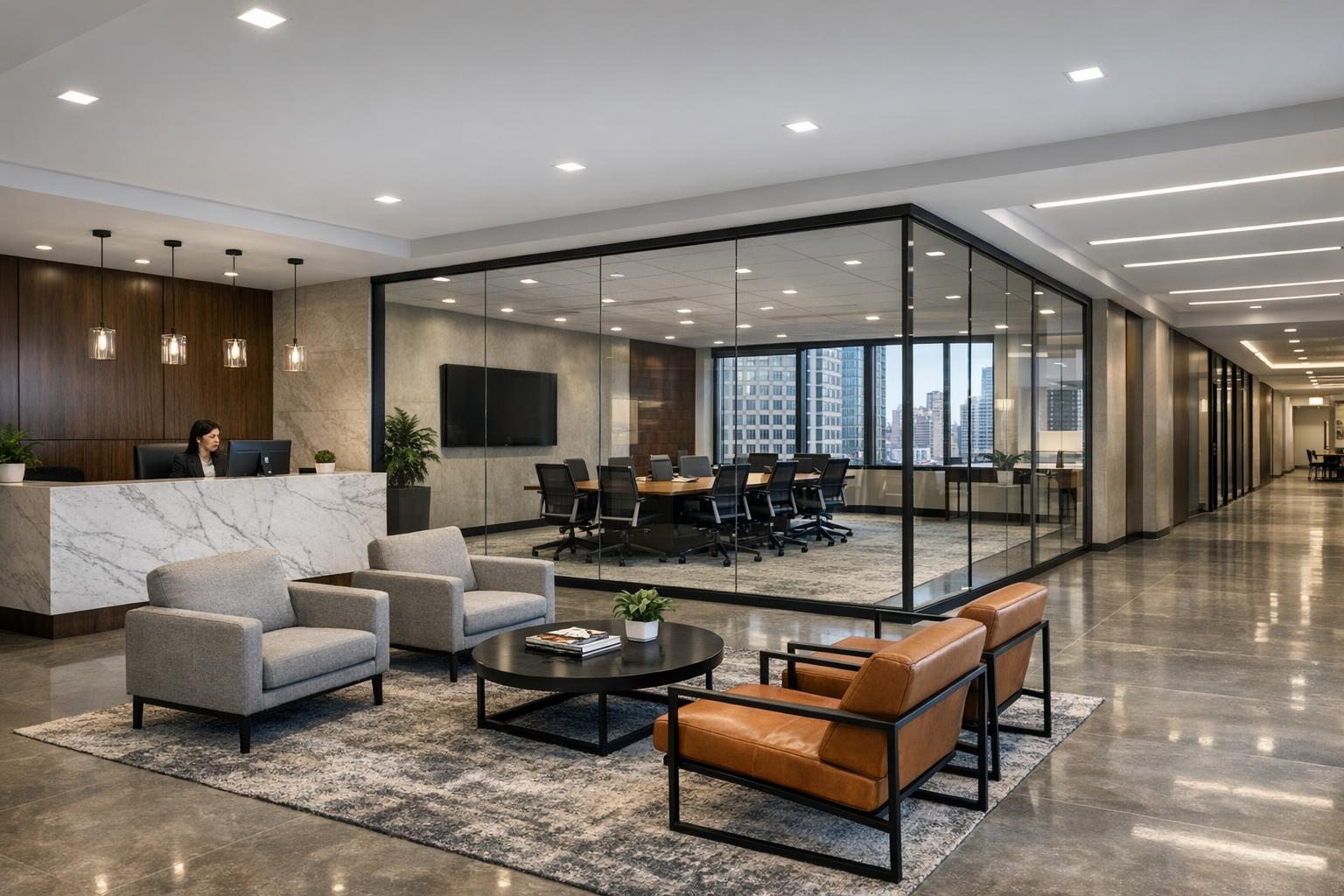
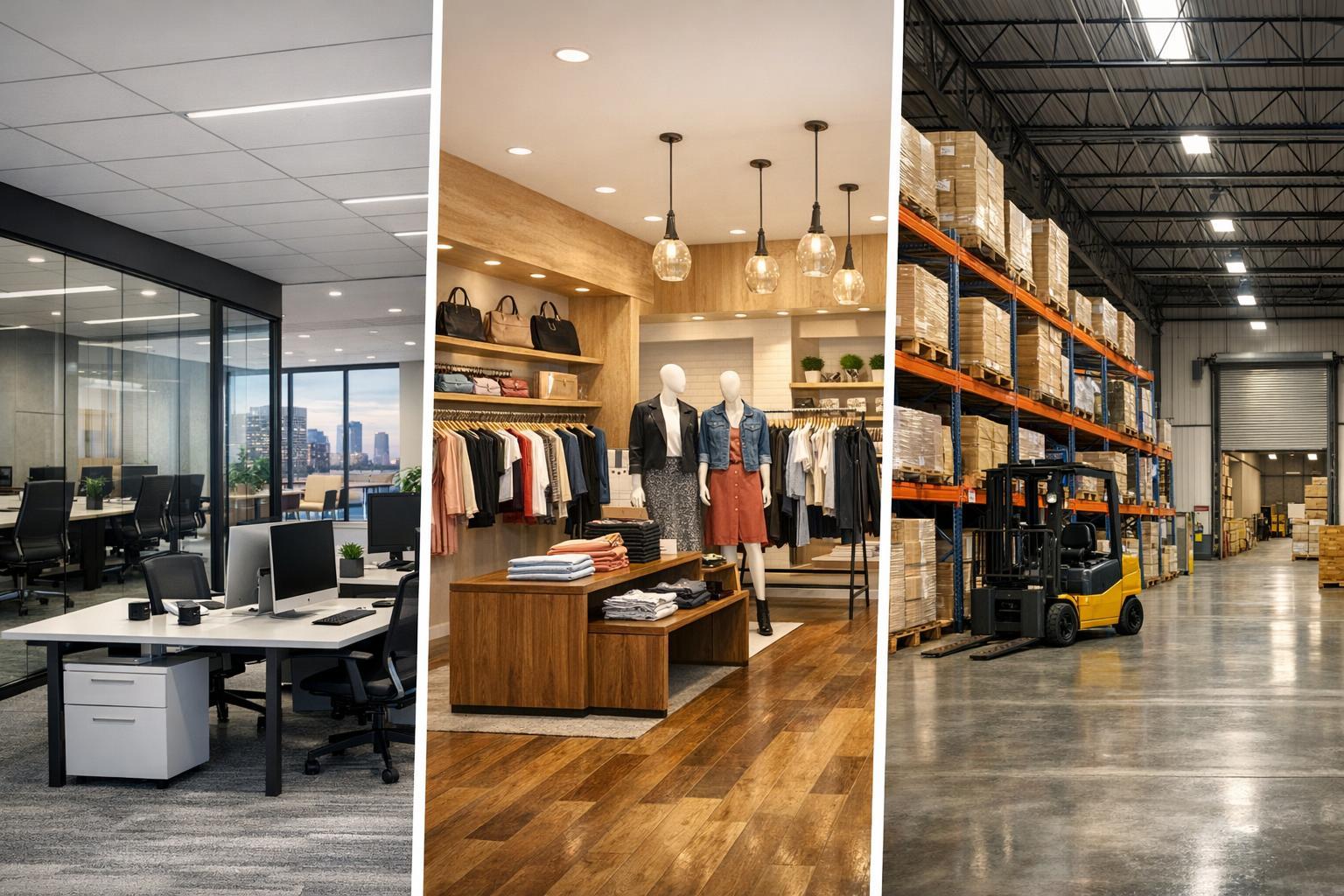
Commercial listings—retail, medical, warehouse, and office spaces—require an approach focused on layout, visibility, scale, and sometimes signage. Here, your provider should ask clarifying questions about intended use: leasing, sales, marketing, or investor packages.
Coordinating Logistics, Access, and Delivery
In New Jersey, working with a real estate media provider isn’t just about showing up with a camera. The most dependable experiences come from clear communication around the practical details of every shoot:
- How will the address, unit number, and any access instructions be shared?
- Are there any special building requirements (concierge, parking, keys)?
- Who (if anyone) will meet the photographer on site—owner, tenant, agent, or building staff?
- Is the property occupied? If so, make sure residents know the schedule ahead of time.
- Are special requests (amenities, neighborhood features, virtual staging) part of the brief?
Well-run shoots are built on reliable scheduling and realistic expectations: the property should be ready, access arranged, and key features prioritized before anyone arrives. For RealtaSnap, booking is streamlined through an online scheduling platform—entry is typically available with at least 24 hours' notice. See available times and learn more at www.RealtaSnap.com/schedule.
Beyond Standard Photography: When to Consider Additional Media
Professional photos are the foundation of most listings. In many cases—especially for standard apartments, rentals, or smaller homes—they’re all you’ll need. But there are situations where additional formats give buyers, renters, or clients a clearer view of what makes the property unique.
When might extra media be useful?
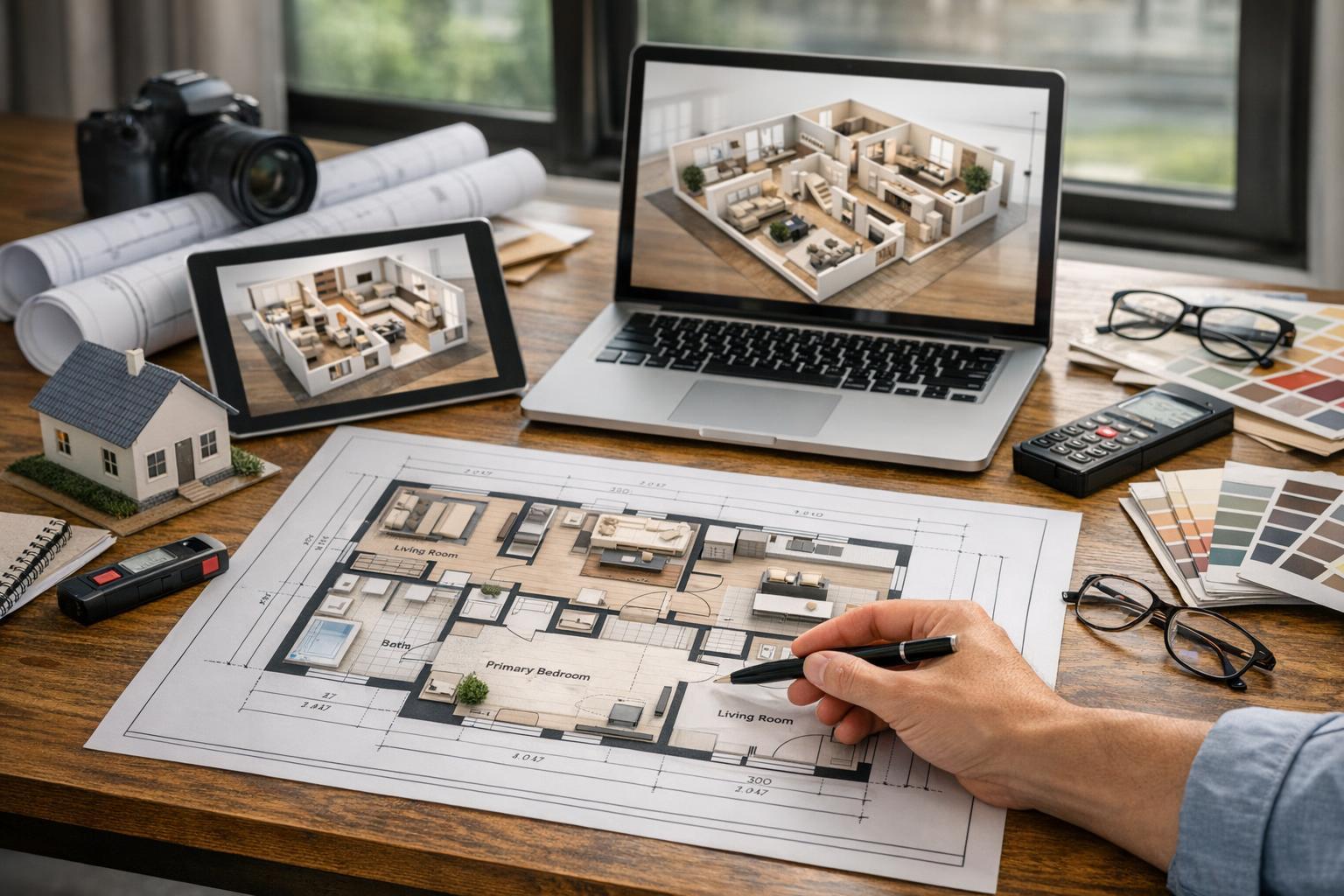
- Floor Plans: Great for clarifying multi-level layouts or helping viewers understand room placement and overall flow. Floor plans are created on site, requiring physical access—not just a PDF or scan.
- Listing Video: Captured on site, video can illustrate movement and transitions in a way that stills cannot, especially in homes with open layouts or strong indoor-outdoor flow.
- 3D Virtual Tours (e.g., Matterport, Zillow 3D): Perfect for buyers or renters who want to explore a property remotely, especially for complicated layouts or relocation situations.
- Virtual Staging: If your listing has empty rooms, digital staging can help prospective occupants imagine the space furnished. This works best in rooms that are already empty or thoroughly decluttered.
- Drone Media: Effective for large lots, waterfronts, or homes where aerial perspective will add real context. Feasibility is always ruled by airspace, weather, safety, and property access.
If you’re considering these services, clarify early what will be needed and what’s realistically possible for your property type.
Comparing Photographers: Looking at Scope Over Sticker Price
While price matters, the lowest quote rarely covers the details that make a big difference on a real-world listing. The best value comes from providers who:
- Include the right number of images and level of coverage for the property.
- Handle travel, access, and any unusual site conditions without surprises.
- Offer editing consistent with what’s shown on their website or portfolio.
- Can bundle complementary services (photo, floor plan, video, drone, staging) if needed.
- Make it easy to submit property notes, access instructions, or unique requests.
- Deliver finished media on a reliable timeline with clear communication.
For RealtaSnap’s rates, details, and options, review the latest packages at www.RealtaSnap.com/real-estate-photography-nj.
The Bottom Line for NJ Agents, Brokers, and Property Managers
Choosing the right real estate photographer isn’t just about flashy images or the lowest price—it’s about partnering with someone who can represent your property accurately, attractively, and with media that serves your market objectives. In New Jersey, where property types, logistics, and expectations can vary dramatically from one street to the next, professionalism is reflected in planning, technical skills, communication, and a flexible, solution-oriented approach.
If you’re ready to book, or want to explore which visual strategy matches your next listing, check available times and service options at www.RealtaSnap.com/schedule or visit www.RealtaSnap.com.
FAQ
Question: How far in advance should I schedule a real estate photographer in New Jersey?
Answer: Schedule once the property will be clean, accessible, and ready for capture. If you need to coordinate tenant access, building requirements, or hope to add drone or amenity coverage, giving at least several days’ notice makes everything easier. RealtaSnap’s calendar shows real-time availability with a minimum of 24 hours’ notice.
Question: What’s different about hiring a north jersey real estate photographer for condos and townhomes?
Answer: Condos and townhomes in North Jersey often require special planning—building access, elevator reservations, photographing amenities, and working with tight layouts. Experience with these property types helps ensure no feature is overlooked and practical logistics are handled up front.
Question: Can I order a floor plan or 3D tour based on old listing photos or existing blueprints?
Answer: Floor plans and 3D tours require on-site capture to accurately reflect the current property layout—they aren’t made from photos or floor plan PDFs. For RealtaSnap, a photographer needs physical access to every space that should be included in the final deliverable.