How to Choose a Real Estate Photographer in New Jersey
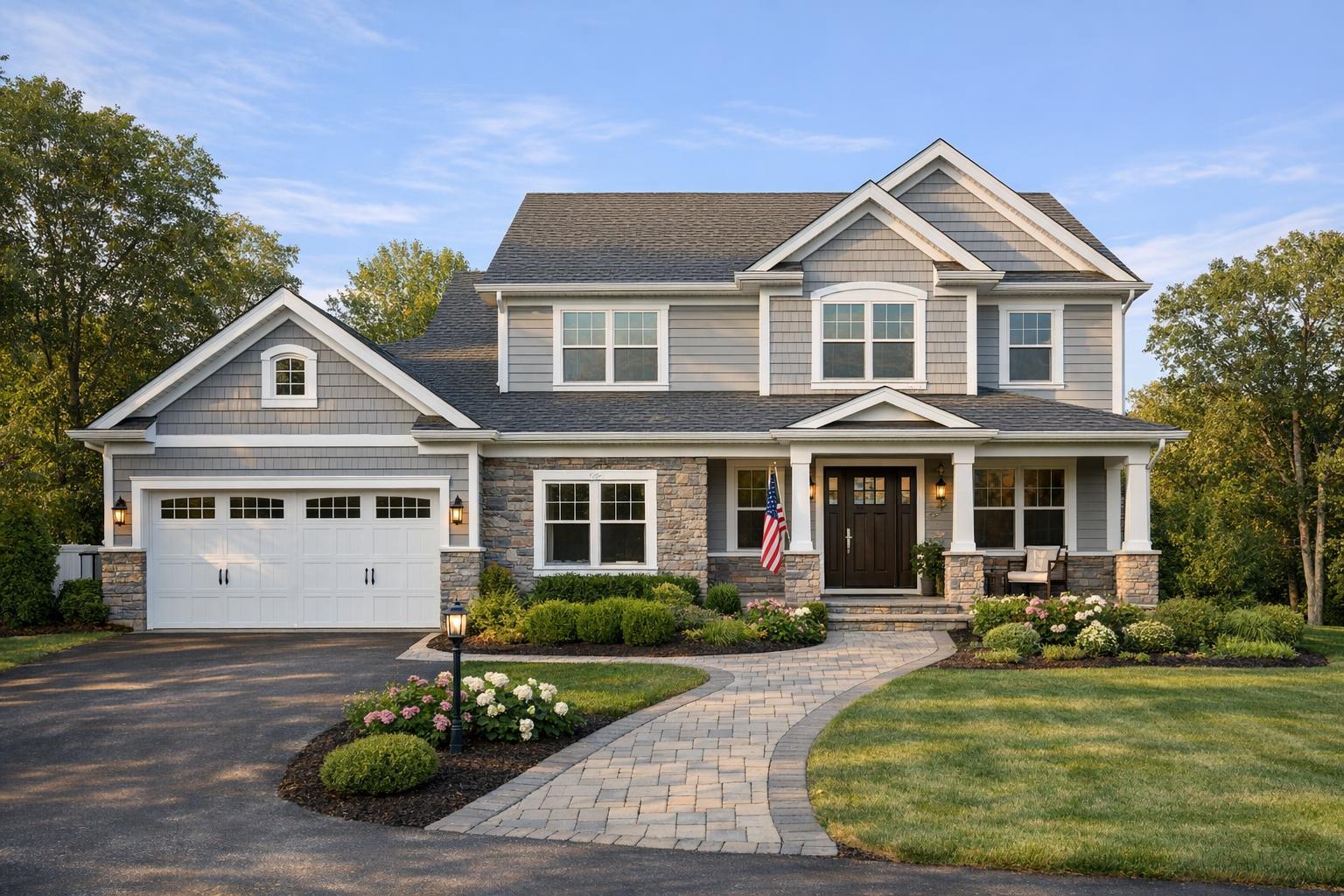
A real estate photographer in NJ captured a beautifully lit suburban home with a well-manicured lawn and inviting facade.
How to Choose a Real Estate Photographer in New Jersey
A real estate photographer NJ professionals can count on is more than a skilled image-maker—they’re part of the property marketing process in a market known for its variety, scheduling demands, and visual challenges. Whether you’re an agent, broker, property manager, or owner, the decision isn’t just about who has the flashiest gallery. It’s about finding someone who can accurately present your listing, adapt their style to the space and situation, and deliver consistently from booking to final edit.
New Jersey’s diversity of listings—compact condos in Hoboken, high-rises in Jersey City, spacious North Jersey homes, waterfront properties, or commercial spaces—means one approach never fits all. Here’s how professionals navigate the process, what to watch for, and why the right visual partner matters.
Looking Beyond the Gallery: What Consistency Tells You
Most real estate photographers have a few striking images in their portfolio. But the work that drives the transaction is dependable, listing-ready photography that holds up across the entire property—not just in the hero shots. When hiring in NJ, experienced agents and brokers typically ask to review complete photo sets, not just highlight reels.
What should you look for?
- Exposure matched room-to-room
- Uniform white balance
- Straight verticals and tidy architectural lines
- Brightness that feels natural, not exaggerated
- Window views handled reasonably (not always perfect, but not omitted)
- Framing that explains the space, not just makes it look bigger
- Clean, believable edits that aren’t distracting
A set of images tells the full story—how rooms relate, where light comes from, what features matter. A gorgeous living room shot is only helpful if the bedrooms, hallways, and exterior get the same practical treatment.
Composition and Perspective: The Subtle Skills of Property Photography
Great real estate photography is never only about decoration. It’s about accurately presenting the property and making spaces understandable at a glance. In New Jersey, condos often have tight dimensions where the wrong angle can mislead. Suburban properties might offer more space but require thoughtful sequencing.
Key practical considerations:
- The angle should make the space readable—showing how rooms connect, not just how big a sofa looks.
- Camera height matters. Shots taken too high or too low can distort perspective.
- Architectural lines—door frames, cabinets, window edges—should mostly be vertical unless the property’s structure says otherwise.
- Wide-angle lenses help but need restraint. Excessive stretching near the frame’s edge can give the wrong impression.
Photography that makes spaces look inviting, understandable, and proportionate gives viewers a true sense of the property—without overpromising on size or features.
Handling Window Exposure: Why It Matters
One common challenge across NJ listings—especially high-rises, homes with views, or properties near water—is managing window exposure. If the camera exposes only for the room, outdoor views become washed out. If it exposes for the window, interiors can look dim and uninviting.
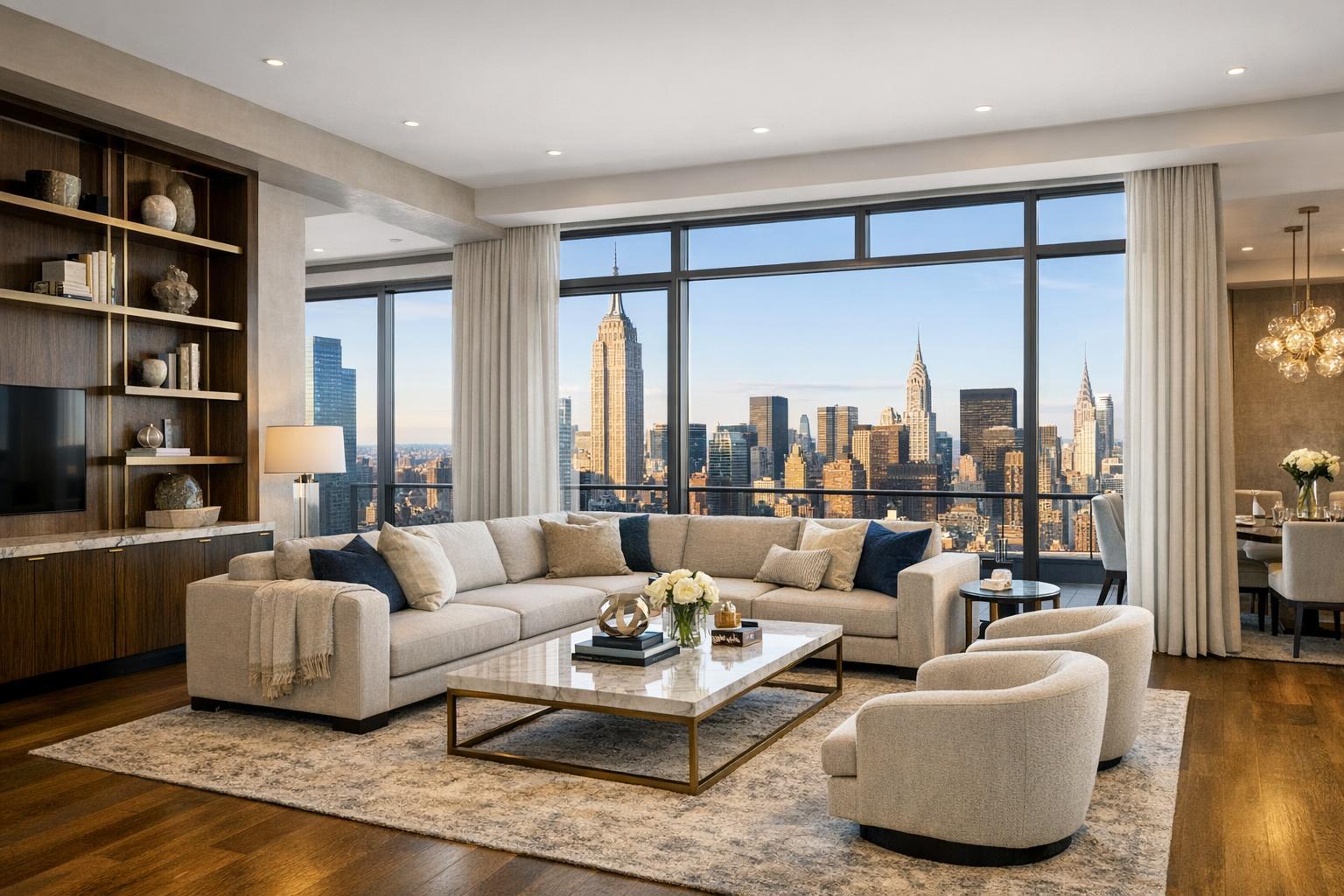
Balanced window and interior exposure lets buyers see both the space and its context, which can be a deciding factor for listings offering city, water, or landscape views. Not every window needs a perfect exterior, but when a view is central to the sale, make sure your photo partner shows examples of how they handle it.
Editing: Finding a Style That Suits Your Listing
Editing philosophy can dramatically change how a listing is perceived. Some photographers push for extreme brightness or artificial skies, while others stick to a subtle, natural finish. What matters is that the style feels appropriate for the listing and is coherent from start to finish.
Be cautious of:
- Skies that look painted or implausible
- Full blue tints in every window
- Lawns or interior surfaces with unnatural color
- Over-sharpened edges
- Photos so bright they lose depth
- Tinted white walls, or visible color casts
- Shadows erased so completely that rooms flatten out
Good editing should help buyers recognize what they’ll see in person, even while correcting practical issues like mixed lighting or minor distractions. It’s worth asking providers about standard and optional retouching, and what constitutes an additional service.
If you’re considering virtual staging for empty rooms or need objects removed, clarify the process. For example, RealtaSnap offers virtual staging for vacant spaces and can handle some clutter removal, but the process begins with what is physically present at the property.
Matching the Right Photographer to the Right Property
Not every real estate photographer specializes in all property types, but they should have operational knowledge of the kind of space you’re marketing. The approach for a downtown condo, a large family home, a commercial unit, or a waterfront property will not be identical.
Smaller Condos in Hoboken or Jersey City
Urban condos demand:
- Creative yet honest use of wide angles (without distorting reality)
- Careful lighting to balance small windows and big city views
- Coordination with doormen or management for access
- Familiarity working in lived-in spaces and capturing shared amenities
A strong set for a condo covers not only the rooms but also what makes the building appealing—lobbies, rooftops, gym spaces, and views when they are a selling point.
Larger Homes in North Jersey
Increasing square footage raises expectations for complete coverage. A large home should feel represented, not underwhelmed by a handful of images. Look for:
- Practical photo counts matched to the home’s size and features
- Consistent presentation from living room through bedrooms, bathrooms, lower levels, and exteriors
- Experience capturing multi-level connections, sometimes aided by floor plans
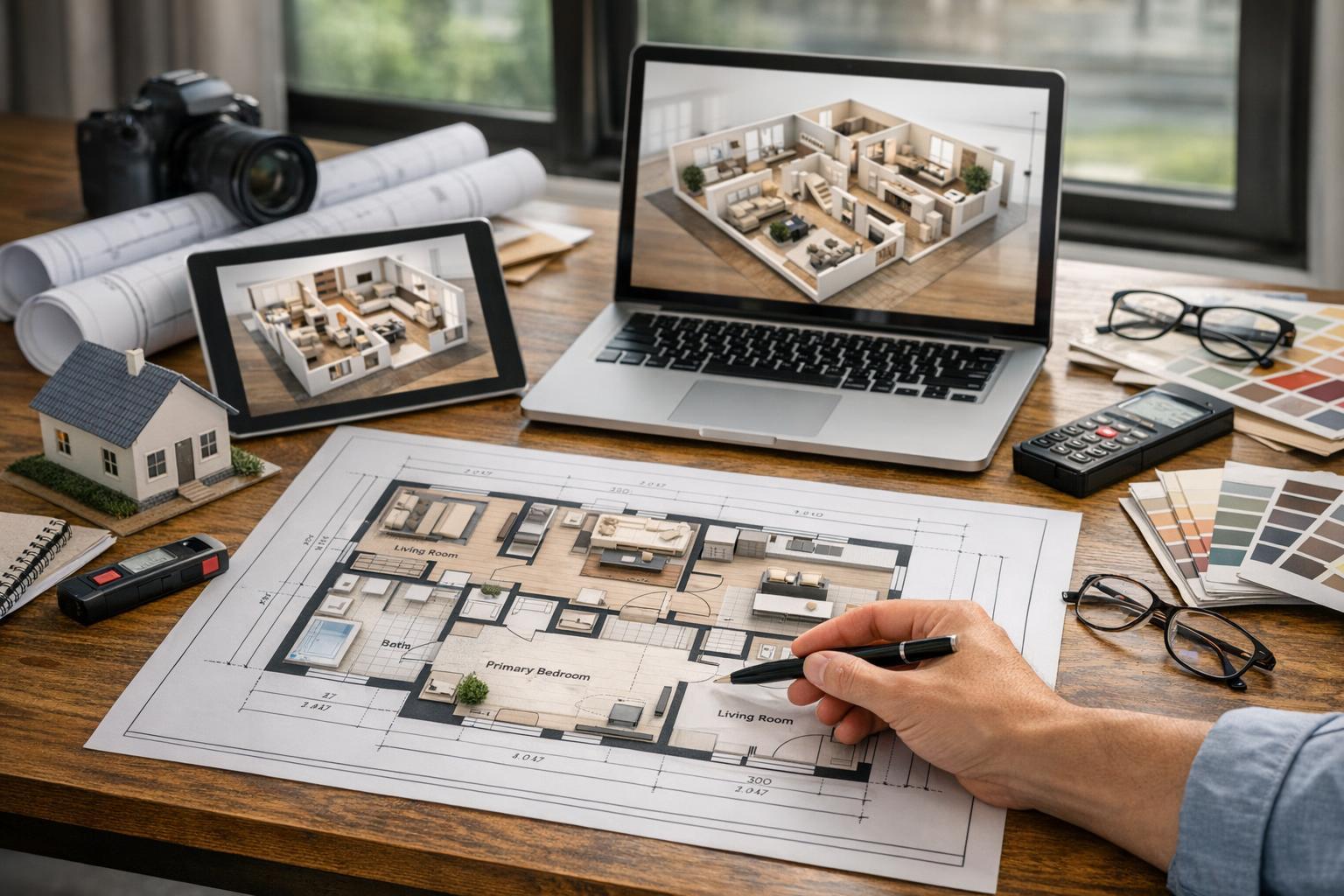
For properties with bedrooms or features spread across several floors, a floor plan can be a worthwhile addition to virtual or in-person tours. Note that creating these requires on-site access and measurement.
Waterfront and Outdoor-Oriented Listings
NJ’s shoreline and river-adjacent properties need both interior and exterior storytelling. Experienced photographers:
- Capture landscape/context as well as room interiors
- Use drone photography when it adds meaningful context or access allows
- Document features like water access, outdoor kitchens, decks, and views
Drone work isn’t guaranteed—flight permission depends on weather, airspace, property proximity, and pilot judgment. A professional photographer will assess what’s possible before making promises.
Commercial and Mixed-Use Spaces
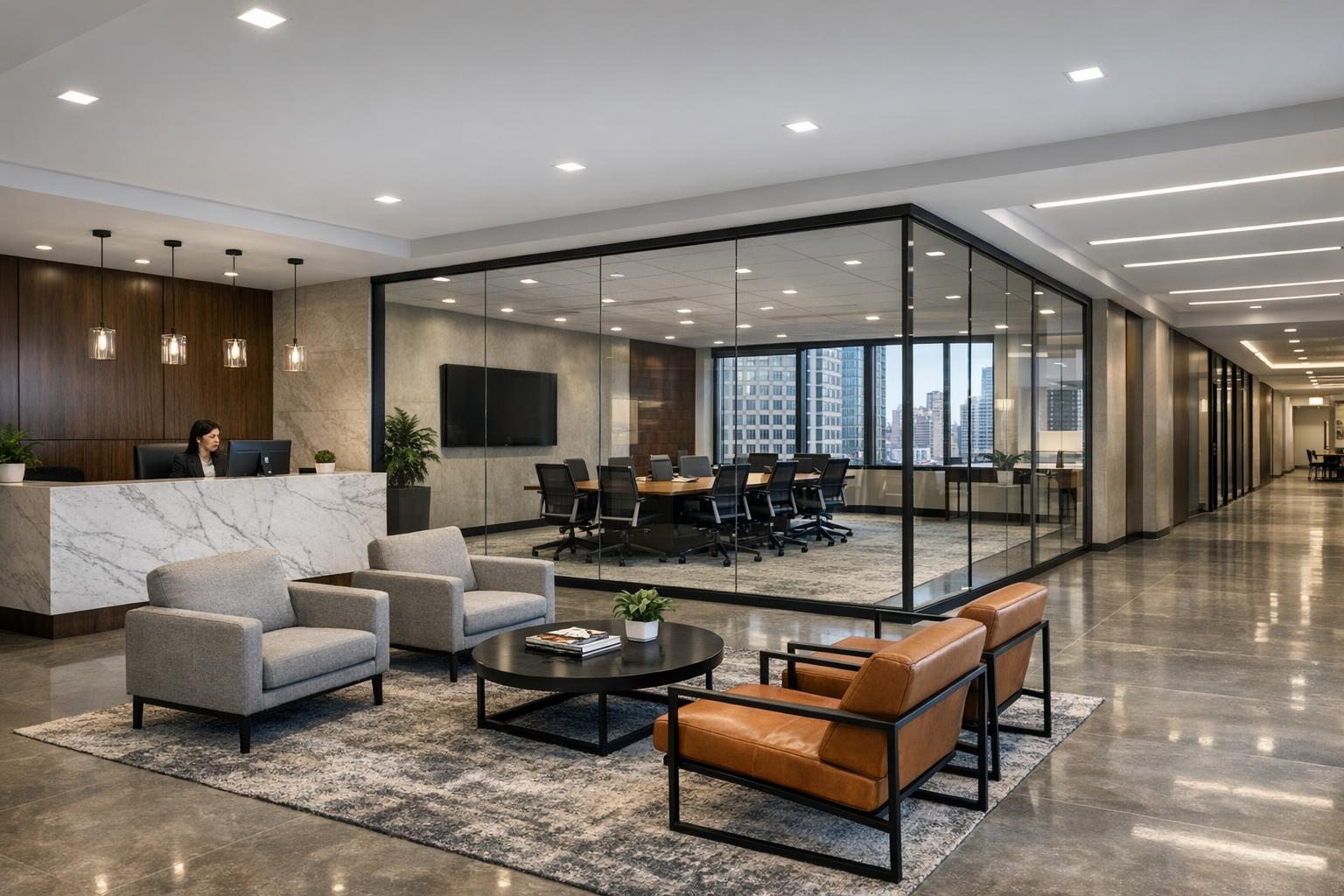
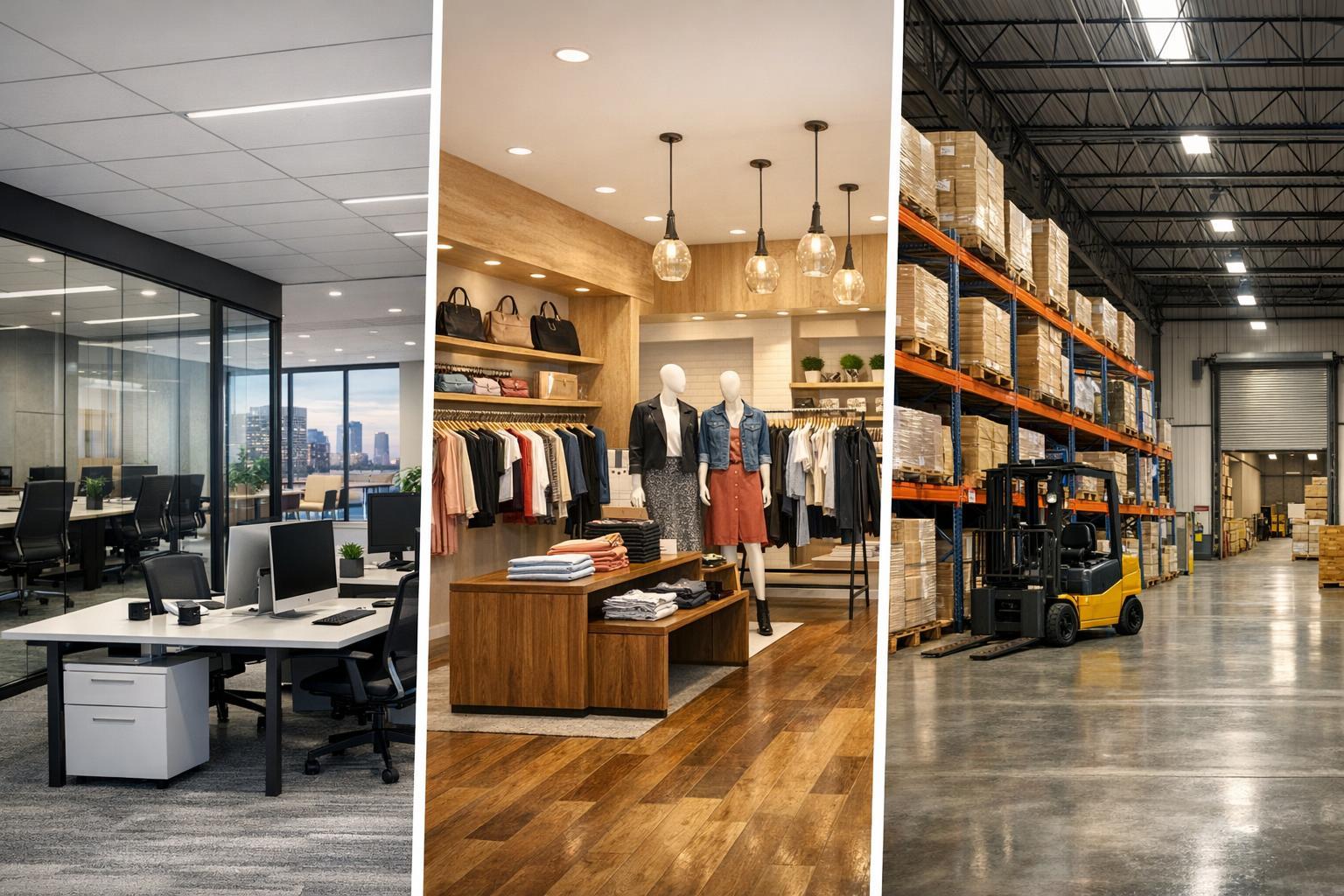
The needs shift for offices, retail, and multi-use properties. Coverage might target signage, layout, storage, or specific work areas. Make sure your photographer asks how the images will support leasing or sales—retail, office, and industrial listings may each require different approaches. It’s a good sign when providers take the time to clarify your goals in advance.
Workflow, Communication, and Coordination
Visual quality matters, but so do logistics. The experience of working with your NJ real estate photographer is shaped by how smoothly things run:
- Clear pre-shoot instructions (preparation, presence, and access)
- Understanding of building rules or parking requirements
- Transparent turnaround times and expectation setting
- Flexibility for weather or access constraints
- Precise handling of post-shoot edits or revision requests
For occupied homes, taking time to tidy, remove personal items, open blinds, replace burnt bulbs, and tidy up makes the difference between photos that showcase the space and shots that feel cluttered.
If you have a tight launch window, be up front before booking—good communication lets your photographer confirm if deadlines can be met and avoids last-minute surprises.
For more, see the RealtaSnap real estate photography prep guide.
Deciding When to Add More Than Photography
Photography is the backbone of most property marketing, but some listings benefit from additional media. The question is not which extras are trendy, but which support your goals for a specific property.
- Floor Plans: Best for clarifying layout in multi-level homes, unique floorplates, or larger properties. Always requires an on-site scan.
- Video: Useful when movement or spatial flow is a selling feature. Make sure to review actual video work, not slideshows cut from still images.
- 3D Tours: Good for complex layouts or remote buyers. Like floor plans, these need on-site scanning, not retrofitting from old photos.
- Virtual Staging: Helps vacant rooms feel inviting—if the space is already empty or properly cleared.
- Aerial: Adds context for large lots, waterfronts, or distinct settings, if on-site conditions and rules permit.
If you’re unsure what will help, a transparent provider like RealtaSnap can review property details and advise on optional services without pushing add-ons that won’t serve your particular listing.
Practical Questions to Ask Before You Book
Getting clarity upfront ensures the process works for your team and your listing:
- Can you show me full galleries from similar properties?
- How do you handle challenging lighting or window views?
- What’s your recommended photo count for this property, and why?
- What should the property look like before you arrive?
- What’s the standard turnaround for delivery?
- Can you coordinate photos with floor plans, 3D tours, video, or drone?
- What information do you need about access or building rules?
- How is drone or exterior work scheduled around weather?
- What’s included in standard editing, and when are there extra charges?
Photographers who explain their process and set clear expectations demonstrate professionalism before the camera even comes out.
Integrated Media for New Jersey Listings
For agents and property professionals who want a coordinated approach (especially when combining photography with video, floor plans, drone, or virtual staging), RealtaSnap offers all-in-one scheduling for NJ listings. This simplifies planning for properties that require more than still photos. Whether you’re preparing a compact Hoboken condo, a spacious Bergen County home, or a unique waterfront spot, you can select services that support the story you want to tell.
The best media coverage should always help an agent, owner, or manager show the property as it is—and make the entire process easier, not more complicated.
If you’re preparing for an upcoming NJ listing and want to review options or schedule photography, you can see available services at www.RealtaSnap.com/real-estate-photography-nj or start the process at www.RealtaSnap.com.
FAQ
Question: How early should I schedule a real estate photographer in New Jersey?
Answer: Schedule as soon as you know when the property will be ready, especially if you’ll need building access, coordination with tenants, or outdoor coverage that depends on weather. If you have a specific listing launch date, mention it up front so the provider can confirm turnaround.
Question: Is a floor plan necessary for every listing?
Answer: Not in every case. Floor plans are most helpful for properties with complex layouts, multiple levels, or when the relationship between rooms matters to buyers. For simple studios or straightforward layouts, photos alone may be sufficient.
Question: Can I add virtual staging even if the room isn’t empty?
Answer: Virtual staging is designed for vacant or fully decluttered rooms. If furniture or clutter remains, those should be removed before photography. Some providers offer clutter removal as an additional service—RealtaSnap can advise on the best way to prep a room for staging.