How to Choose a Real Estate Photographer for Your Next Listing
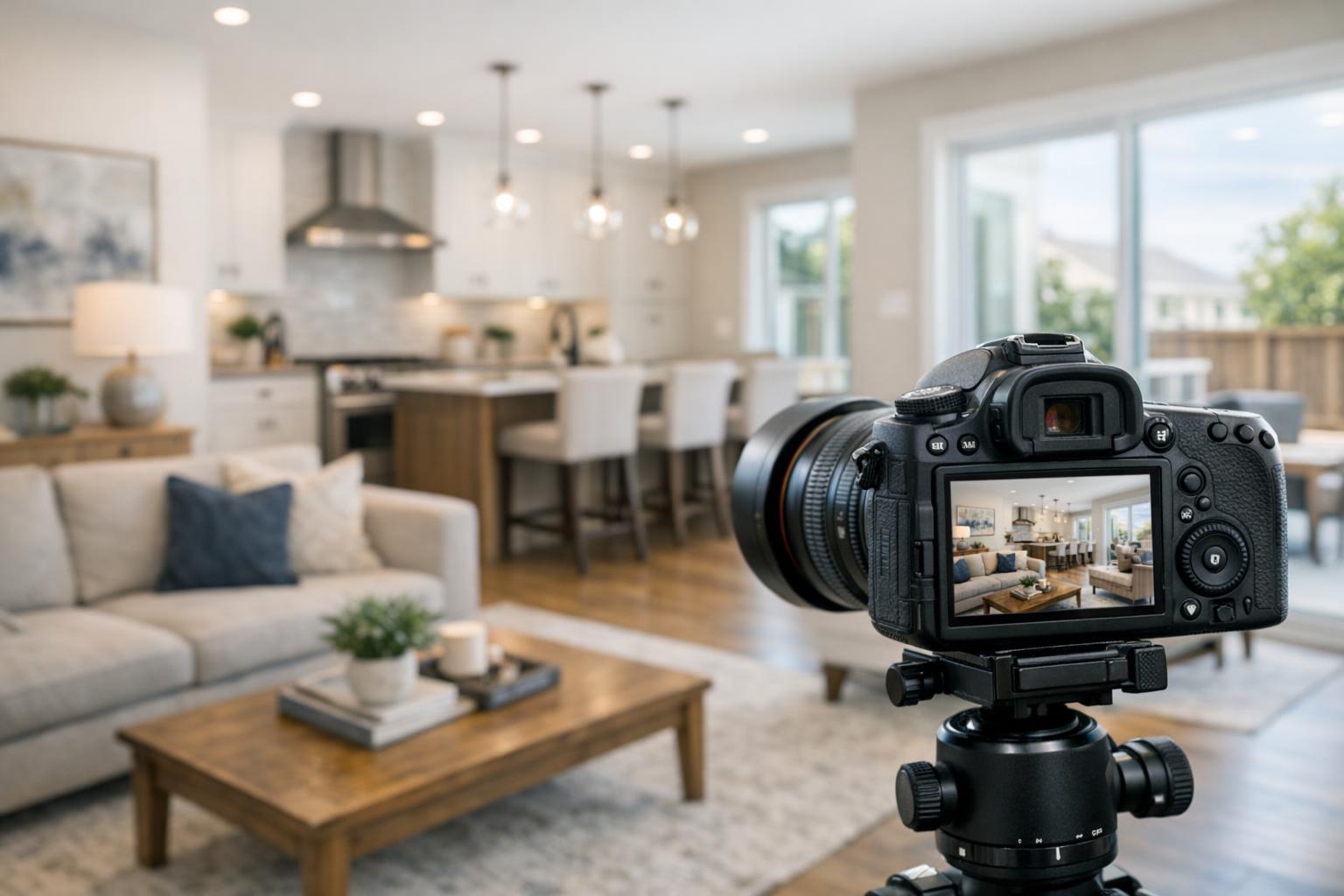
A real estate photographer captures the stylish interior of a modern living room and kitchen using a DSLR camera on a tripod.
How to Choose a Real Estate Photographer for Your Next Listing
A real estate photographer isn’t just the person who shows up with a camera. When you’re preparing to market a property in NYC, New Jersey, or the surrounding region, selecting the right photographer can directly influence how buyers view your listing, how easily your marketing team can work with the asset, and whether your visuals help or hinder the sales process. The search for real estate photography services should always start from the needs of your specific property—not a cookie-cutter media package.
Why the Property Itself Should Dictate Your Media Plan
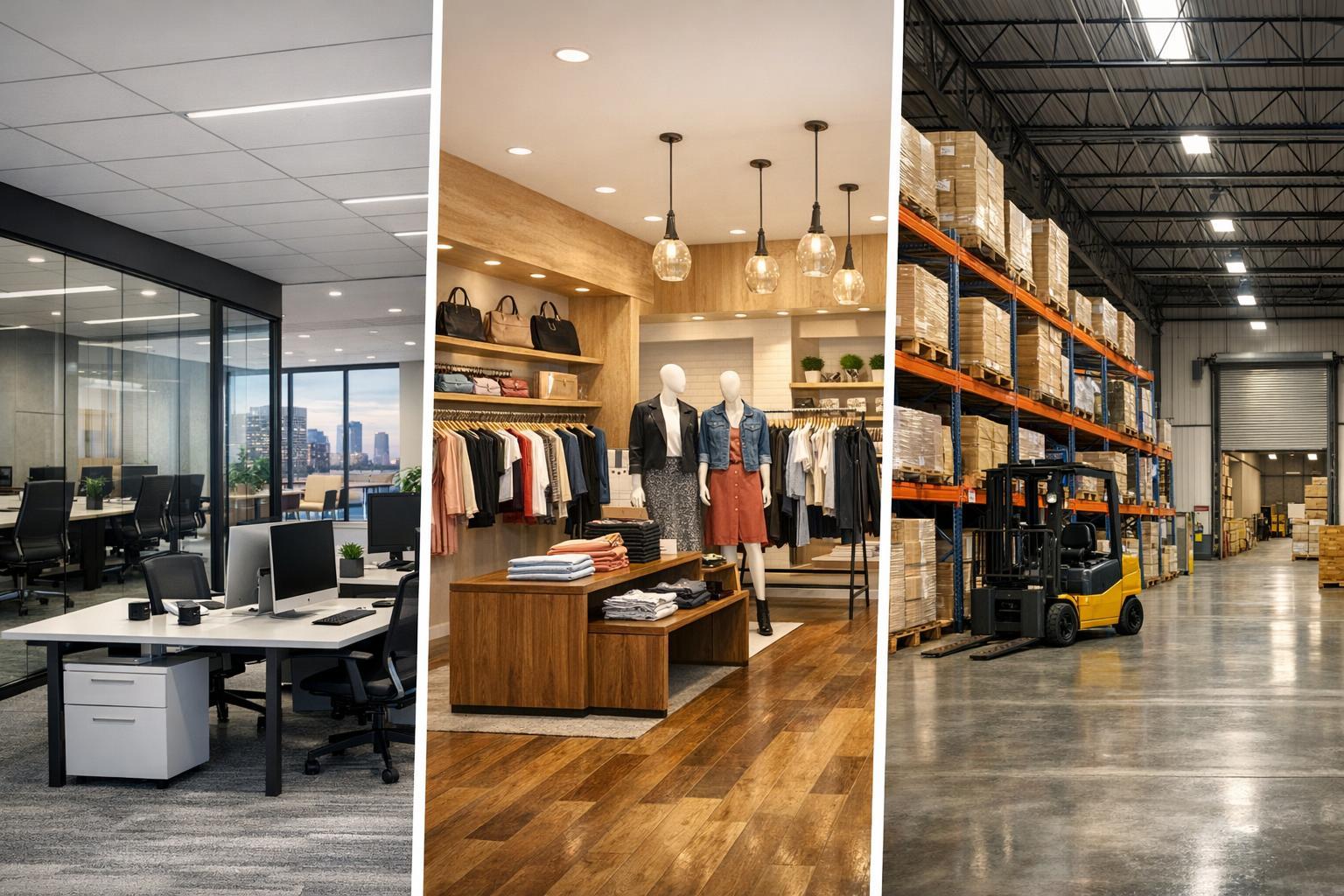
Every property is its own assignment. A Manhattan one-bedroom requires a very different approach than a Brooklyn brownstone or a New Jersey home with wide lot lines and impressive curb appeal. A real estate photographer who adapts their process to what's actually in front of the lens—rather than defaulting to a set shot list—will help the listing make sense to your buyers from the very first photo.
In compact NYC spaces, skillful composition and judicious use of wide angles can make all the difference. It’s about showing how rooms function and connect, keeping lines natural, and ensuring window views and ceiling heights are represented without causing distortion. For Brooklyn townhomes or larger New Jersey listings, media should balance scale and architectural features, so viewers can follow the flow from entryway to garden or from kitchen to outdoor area seamlessly.
Before you even reach out to a property photographer, jot down:
- The unique features that set your listing apart
- Potential visual challenges, like difficult lighting or awkward room shapes
- Exterior elements or amenities that deserve their moment
- Any building access, rules, or scheduling factors that might impact the shoot
Taking this approach will help you quickly filter out photographers pushing generic packages, focusing your search on those who ask smart, property-driven questions.
What to Look for Beyond Portfolio Highlights
Every photographer highlights their best shots online, but what really matters is consistency across entire listings. A skilled professional will deliver a coherent narrative—photos that build on each other, show logical room-to-room flow, and retain true-to-life color and scale throughout the entire selection.
A few practical markers of professional real estate photography:
- Balanced Exposure: Good listing images preserve window views when appropriate, keep interiors readable, and avoid extremes of shadow or over-brightening. Look for photos where both interior details and favorable views are clear and believable.
- Natural Color: The wall paint, flooring, and finishes should look the same in photos as they do in person. Wild color shifts, especially on walls or wood, are red flags for careless editing.
- Straight Verticals: Especially in homes with pronounced architecture or clean lines, doors and windows should not appear to tilt. Skillful photographers keep these lines correct both in capture and post-processing.
- Walkthrough Logic: You should be able to “move through” the home by browsing the gallery. Ask to see a full delivered set from a comparable listing to judge how well a photographer tells a visual story across multiple rooms and perspectives.
Hiring for Your Property Type—Urban, Suburban, or Unique
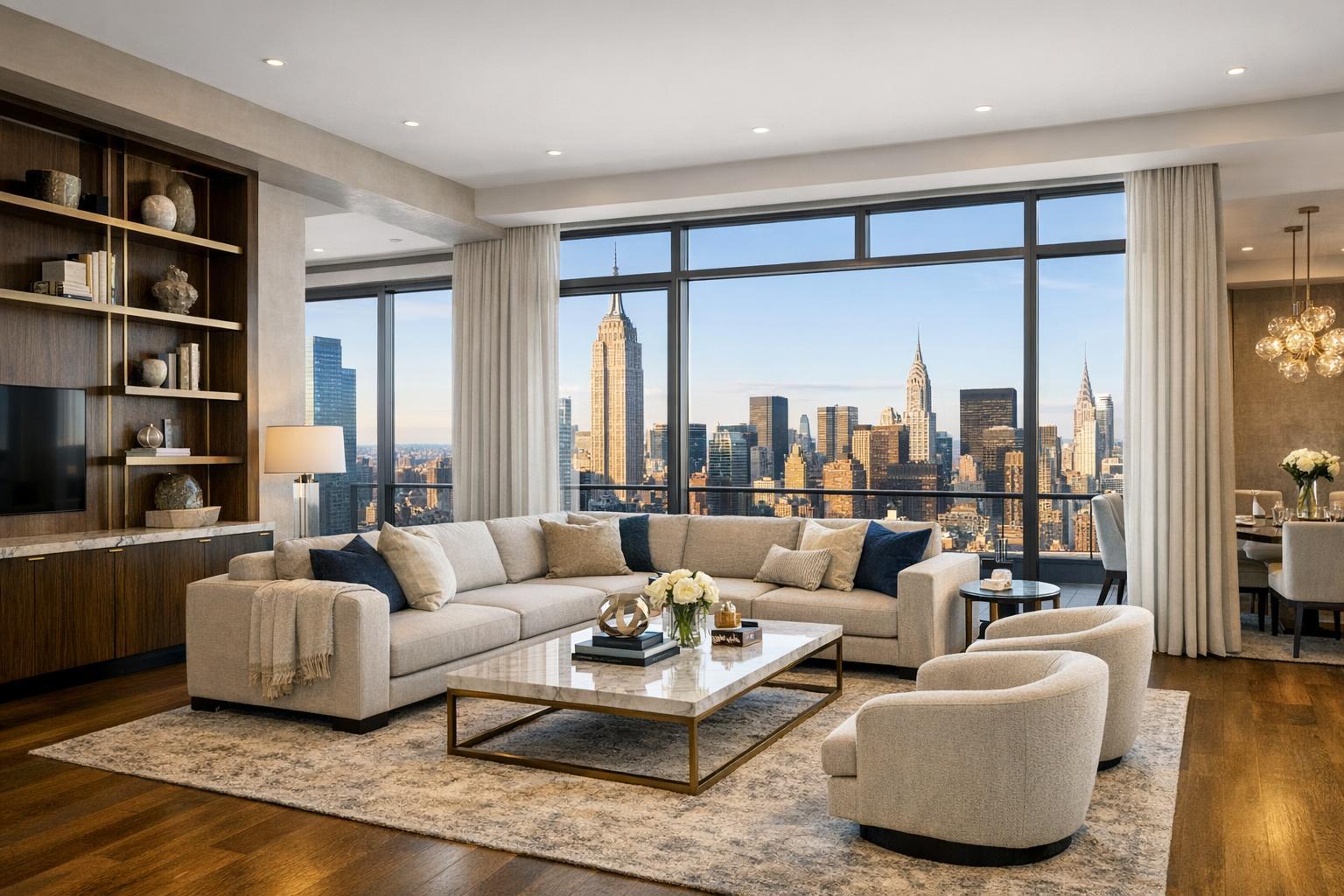
Experience across a range of property types is helpful, but more important is a photographer’s ability to explain how they will approach your particular listing. For New York apartments, capturing both original pre-war details and modern updates might matter. In luxury condos, focus shifts to light, open space, and skyline or park views. For New Jersey homes, it often means balancing grand exteriors, landscaping, and flexible interior spaces.
Questions to ask during vetting:
- What’s your process for shooting apartments, townhomes, or larger suburban homes?
- How do you address common challenges like dark rooms or strong window light?
- Can you share a full gallery from a similar property, not just highlight reels?
- How do you decide which areas get the most photographic emphasis?
- What, based on your experience, helps or hinders the shoot on arrival day?
Good professionals will answer specifically and may even ask clarifying questions about your goals, listing use, and access logistics.
Communication and Scheduling: The Underestimated Essentials
Clients often get wrapped up in image quality and overlook how important clear communication and process are to a smooth listing launch. In NYC, especially, just getting proper elevator access, lockbox codes, or amenity clearance sorted in advance can mean the difference between an efficient shoot and a delayed launch. Your photographer should lay out exactly what they need from you: gate codes, parking details, prep instructions, disclosure of occupied spaces, and what happens if access or readiness is an issue.
At RealtaSnap, standard real estate photography shoots can be booked online with 24 hours’ notice. The process asks for your property address, lets you specify any access or schedule requirements, and allows you to leave notes for your photographer at checkout. Anything you see available on the scheduling calendar is truly open and bookable. Book your shoot online here.
Operational insight: Always clarify when and how your edited files will be delivered, how media will be organized (by room, by sequence), and whether you’re able to request custom shots or re-edits if the marketing direction changes after the first draft.
Understanding Editing Boundaries in Professional Media
Editing is an invisible but crucial stage in the real estate photography process. It’s more than just boosting contrast or sharpening edges. Proper post-production brings clarity, controls distracting reflections, and keeps spaces feeling natural. But every company draws the line somewhere.
Ask directly:
- What is included in standard editing?
- What counts as an “extra” edit, like removing objects?
- How do you approach color correction and light balancing?
- What about digital changes to elements like floors or furniture—are they offered or recommended?
RealtaSnap, for example, edits for clarity and accuracy. What’s physically in the property is what’s photographed and delivered (unless virtual staging or clutter removal is separately ordered, and only for eligible empty rooms).
Choosing Complementary Media—Only When it Fits the Listing
Great listing photography forms the backbone of property marketing. But sometimes, complementary media makes sense for specific properties—not as an automatic upsell, but when it genuinely clarifies layout or sense of space for buyers.
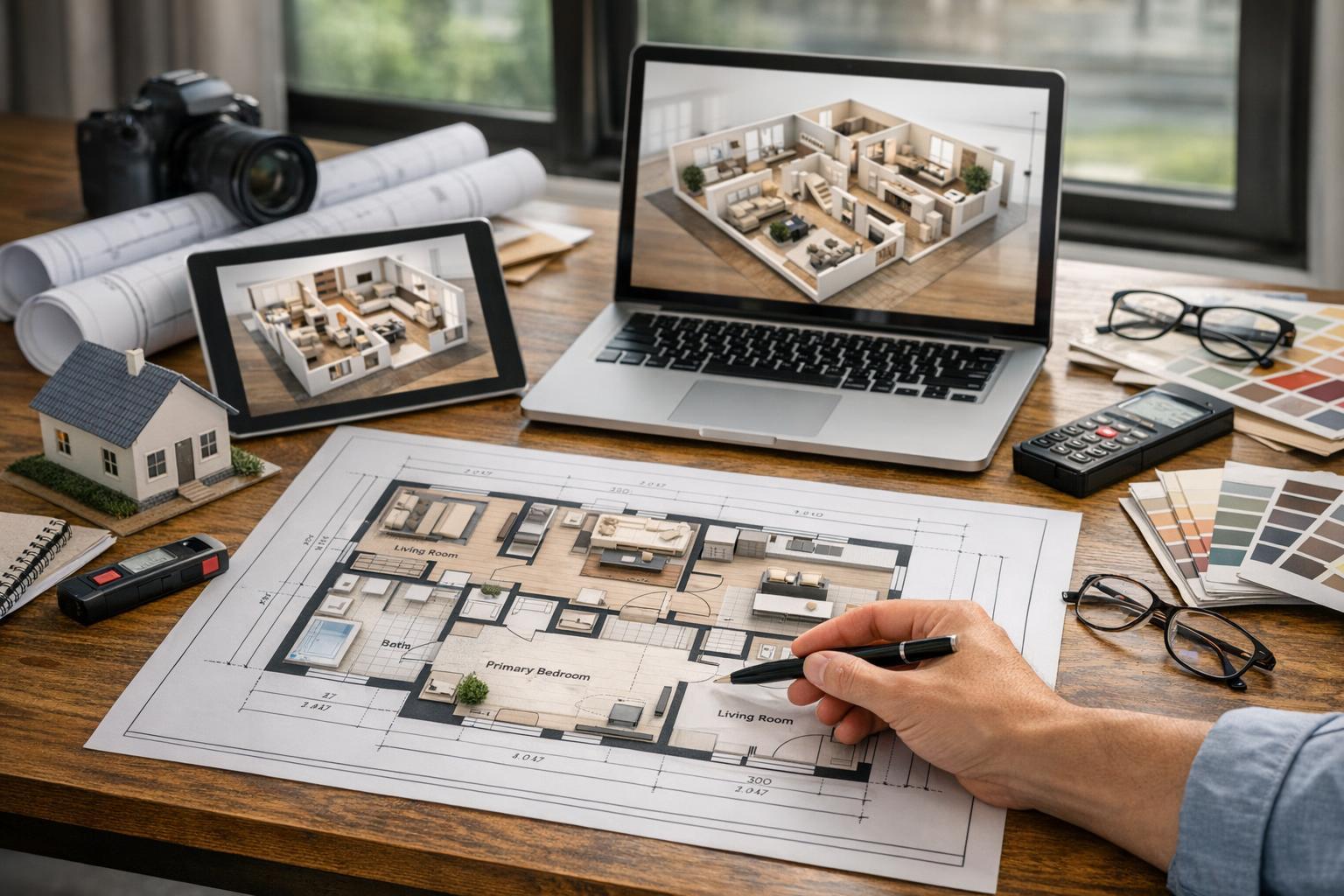
- Floor Plans: Especially valuable for homes with multiple levels, complex layouts, or flexible-use areas. These are captured on-site.
- Listing Video: Effective when a property’s movement or ambiance tells a story—think brownstones with garden transitions or single-level homes with seamless entry-to-exterior access. RealtaSnap captures video on location, not cobbled together from stills.
- 3D Virtual Tours: Useful for remote buyers, or for listings with confusing layouts. Like floor plans, these require on-site capture.
- Drone Media: Best reserved for when land, waterfront, roof, or view context matters. In NYC or similar dense markets, drone flights hinge on pilot discretion, weather, safety, airspace, and local regulations. Feasibility is always determined by address, not just request.
Selecting media add-ons is about making the property easier to understand—not ticking marketing boxes for every listing. Learn more about real estate media services here.
Comparing Services and Pricing—Transparency Beats the Lowest Bid
Service pricing does matter, but it’s relative to the quality, professionalism, and workflow efficiency you’re receiving. The true test of value comes from whether a provider can reliably cover the property, adjust to challenges, deliver on time, and communicate clearly.
Look for:
- Transparent breakdowns of what’s included in your package
- Options for truly useful add-ons (not just bundled fluff)
- Clear policies on delivery timeline, file access, and re-shoot exceptions
For example, RealtaSnap’s standard 20-photo real estate photography package is $189, and add-ons like video, floor plans, virtual staging, and drone media can all be requested directly during booking. Review pricing or schedule your shoot here.
Sending a Clear Brief Unlocks Better Results
Once you’ve confirmed your photographer, take an extra minute to send a short, factual brief: the listing address, any quirks about building access, major priorities (like a view or layout), spaces to emphasize, and known prep or scheduling challenges. This summary helps the photographer customize their coverage from the start.
A thorough brief might point out that a Manhattan apartment’s biggest value is its south-facing view, that a Brooklyn brownstone has artful garden access, or that a New Jersey colonial needs both pool and patio shown alongside main interiors. The more relevant context you provide, the more efficiently your photographer can work on location.
Ready to Book Real Estate Media That Makes Sense for Your Listing?
Choosing a real estate photographer is about more than finding pretty images—it’s about hiring a media partner who brings both technical and operational experience to the needs of your actual property. When you’re ready to streamline your listing launch, explore options and book a session at www.RealtaSnap.com.
FAQ
Question: How many photos do I really need to order for a listing?
Answer: That depends on the size and layout of the property. Smaller spaces need focused coverage on their main areas and features, while spacious homes require more images to illustrate every major room, exterior, and amenity—without going overboard on repetitive shots.
Question: What should I do before the photographer arrives?
Answer: Prep the property as listing-ready as possible. Turn on all lights, clear surfaces, tuck away personal items, and make sure priority rooms are fully accessible. A walk-through just prior to the appointment helps catch anything that might distract from the permanent features in the final photos. For a detailed prep checklist, visit the RealtaSnap Preparation Guide.
Question: Can every listing get drone photos or videos?
Answer: Not always. Drone work depends on airspace, safety, weather, building access, and flight regulations. In denser areas or close to airports, it may not be feasible or permitted. It’s important to discuss your property address in advance so feasibility can be confirmed on a case-by-case basis.