How to Choose a North Jersey Real Estate Photographer for Your Listing
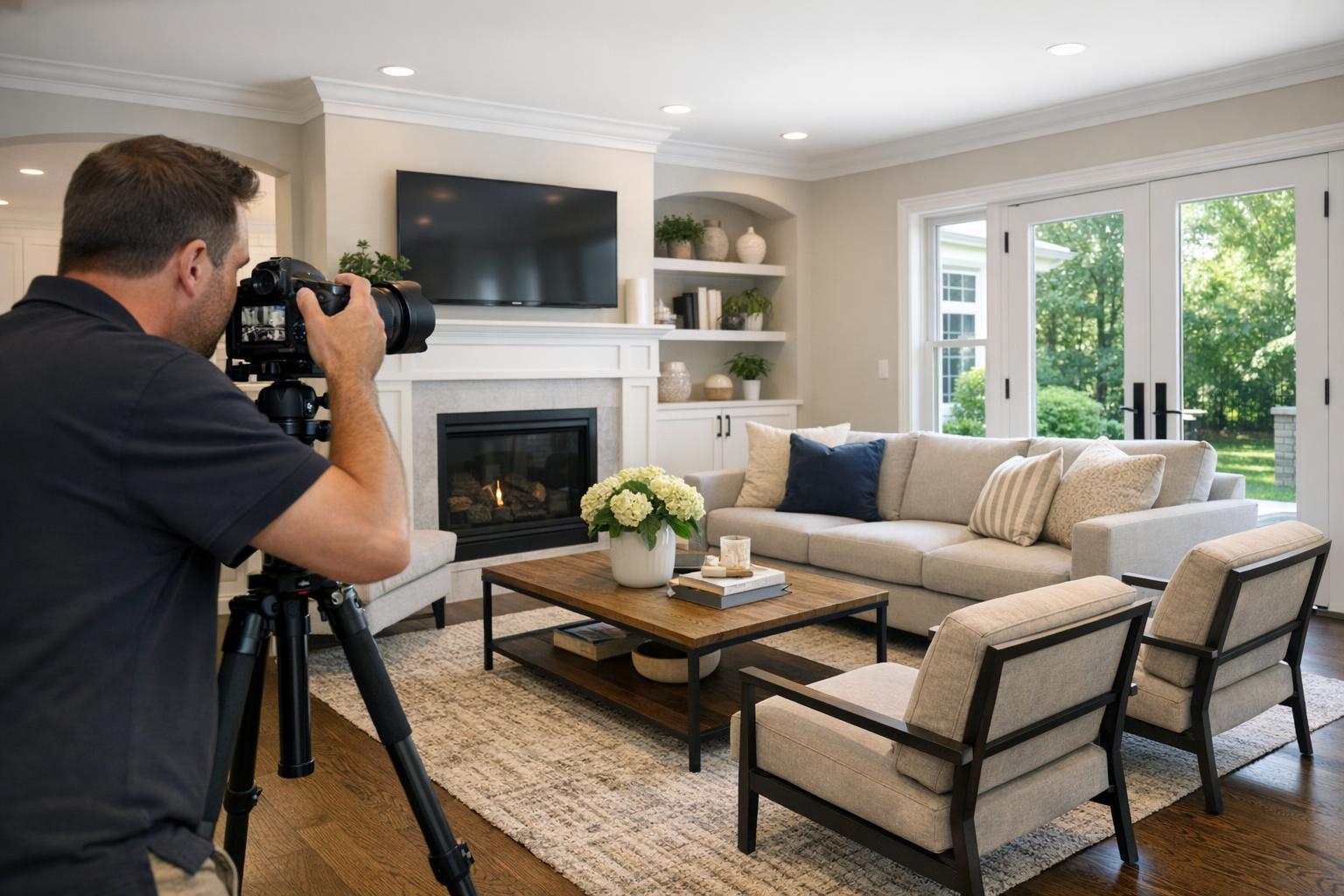
A North Jersey real estate photographer captures a stylish, sunlit living room with a fireplace and elegant decor.
How to Choose a North Jersey Real Estate Photographer for Your Listing
A north jersey real estate photographer isn’t just there to take nice photos—they’re a partner in helping you communicate what makes a property valuable, unique, or simply market-ready. For those working across North Jersey’s mix of residential and commercial spaces, the decision to hire a photographer involves much more than scrolling highlights or comparing prices. The way a property is captured, edited, and presented can play a major role in how it’s perceived, how easily it shows online, and how efficiently you move from listing to closing.
With years working on real estate media throughout New Jersey and the NYC area, our team at RealtaSnap has seen what actually sets reliable, professional media apart—not just in galleries, but in workflow, consistency, and how the process feels for busy agents and property owners. Here’s a practical look at making an informed choice if you’re sourcing listing photography in North Jersey.
Why Consistency Should Trump the “Highlight Reel”
Nearly any photographer can pull together a handful of great images for a website, but the real test is whether their quality and clarity run through every room, every property type, and every lighting challenge. North Jersey listings are famously diverse—a high-rise condo in Jersey City may need care with window exposure and tight spaces, while a Montclair Victorian or a Bergen County new build will expect seamless coverage from curb to backyard and everywhere in between.
The best way to judge consistency is by reviewing full property galleries when available. Look for:
- Clean, believable images in both small and large rooms
- Balanced color, even in spaces with mixed lighting or lots of windows
- Properly aligned architectural lines (verticals should look straight)
- No excessive distortion—rooms should feel believable, not stretched
- Logical room-to-room progression
Pay attention to how the photographer handles less-than-ideal conditions: dark bedrooms, occupied homes with personal items, or large empty commercial spaces that might otherwise look cold or flat. For North Jersey professionals, every property deserves a consistently market-ready visual standard, whether it’s a Hoboken rental or a multi-level family home.
Natural Editing and Accurate Representation
Professional real estate photography relies on editing, but the editing should support the reality—not mask it. Good editing manages window brightness, tackles mixed light, and ensures color accuracy, all while preserving what’s actually there. Overly stylized photos, or those with exaggerated proportions, don’t serve agents or buyers well, and can lead to confusion at showings.
Key things to look for in a photographer’s editing approach:
- Windows show outdoor views, but interior spaces aren’t left unnaturally dark
- Walls, floors, and ceilings are rendered in believable, accurate colors
- No obvious stretching or warping of rooms or furniture
- Details are visible, but not every room is pushed to the same brightness level
Wide-angle lenses can be helpful communicating space, but the result should still feel authentic. If a room appears dramatically larger in the photo than in person, buyers (and your fellow agents) may be in for an unwelcome surprise.
Don’t hesitate to ask prospective photographers how they handle tricky exposures or perspective correction. A real estate photographer NJ professionals trust should be able to articulate their approach—without jargon—so you know what to expect.
Match the Photographer to the Property and Market
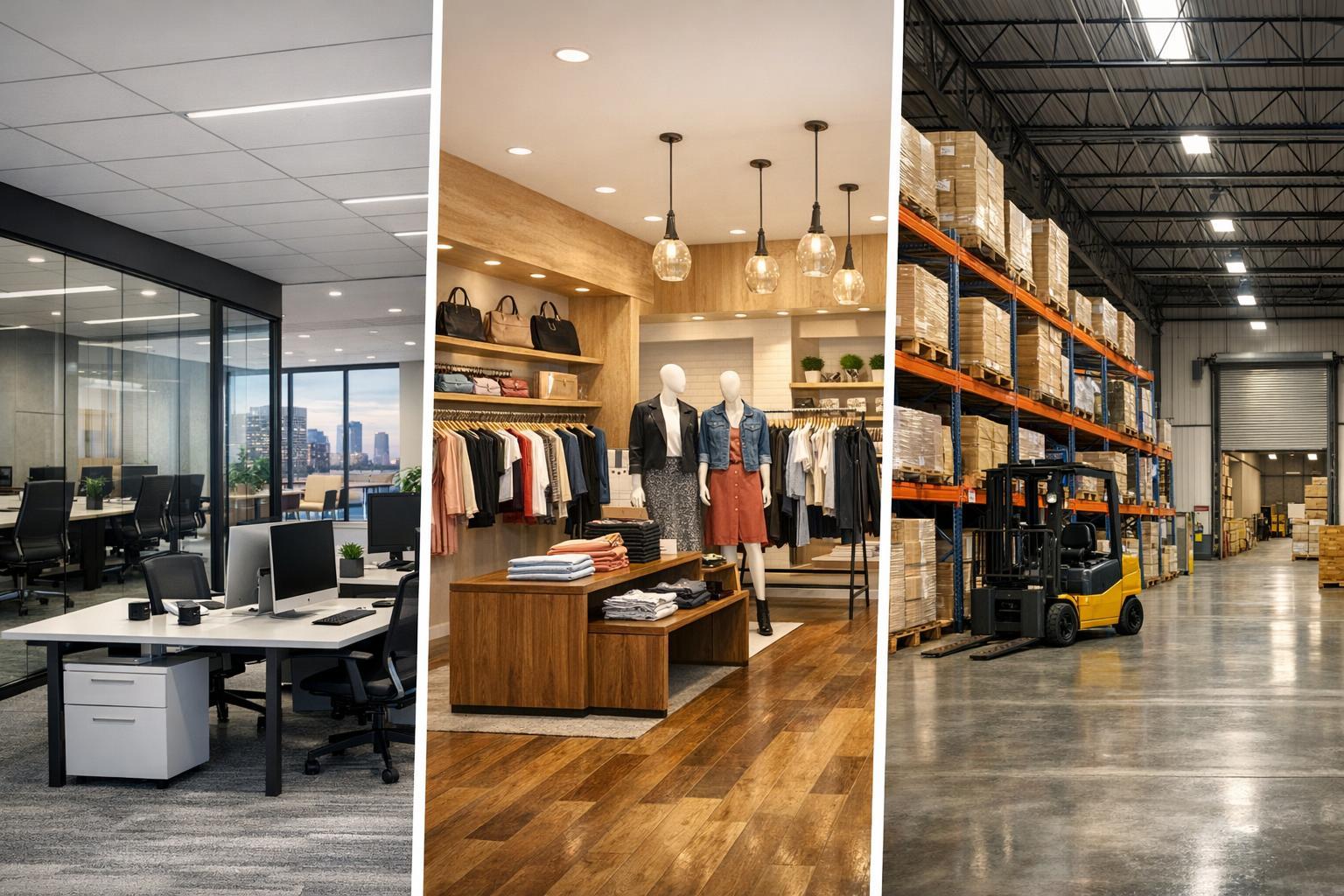
One of the particular challenges of covering North Jersey is the sheer variety of building types, ages, and layouts you’ll encounter. Media that works for a Jersey City condo might miss essential context in a suburban house, and commercial photography brings its own set of priorities.
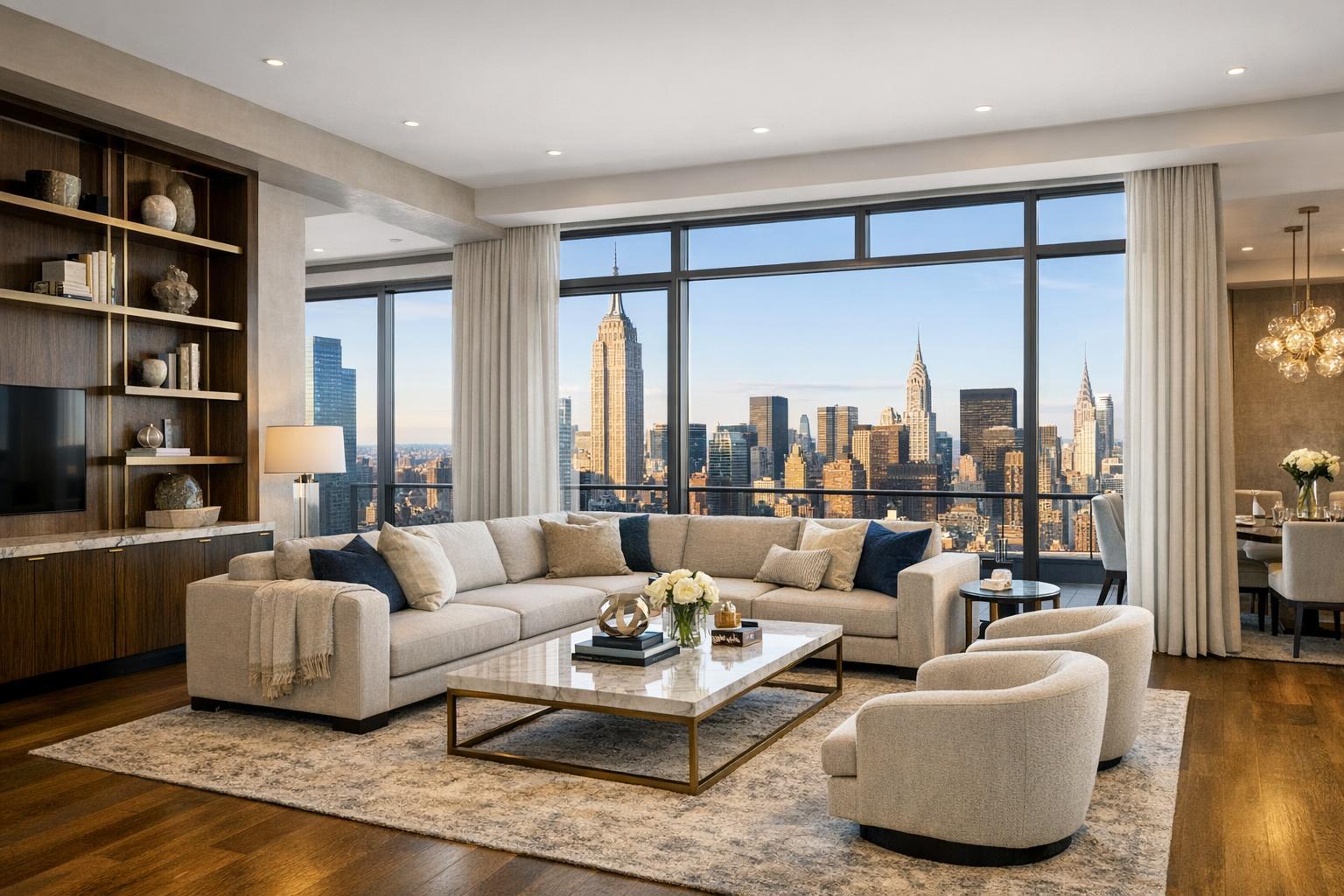
For Condos and City Apartments
These spaces often demand careful planning: tight layouts, access instructions, and an emphasis on features like outdoor terraces, modern kitchens, and amenities. Photographers who understand managed buildings (think: elevator reservations or amenity scheduling) can save time and reduce hassles.
For Suburban Homes
Larger properties may require coverage of yards, decks, basements, and flow between rooms. A well-sequenced gallery helps viewers intuitively “walk” through the home, from exterior to main living spaces, bedrooms, and backyard.
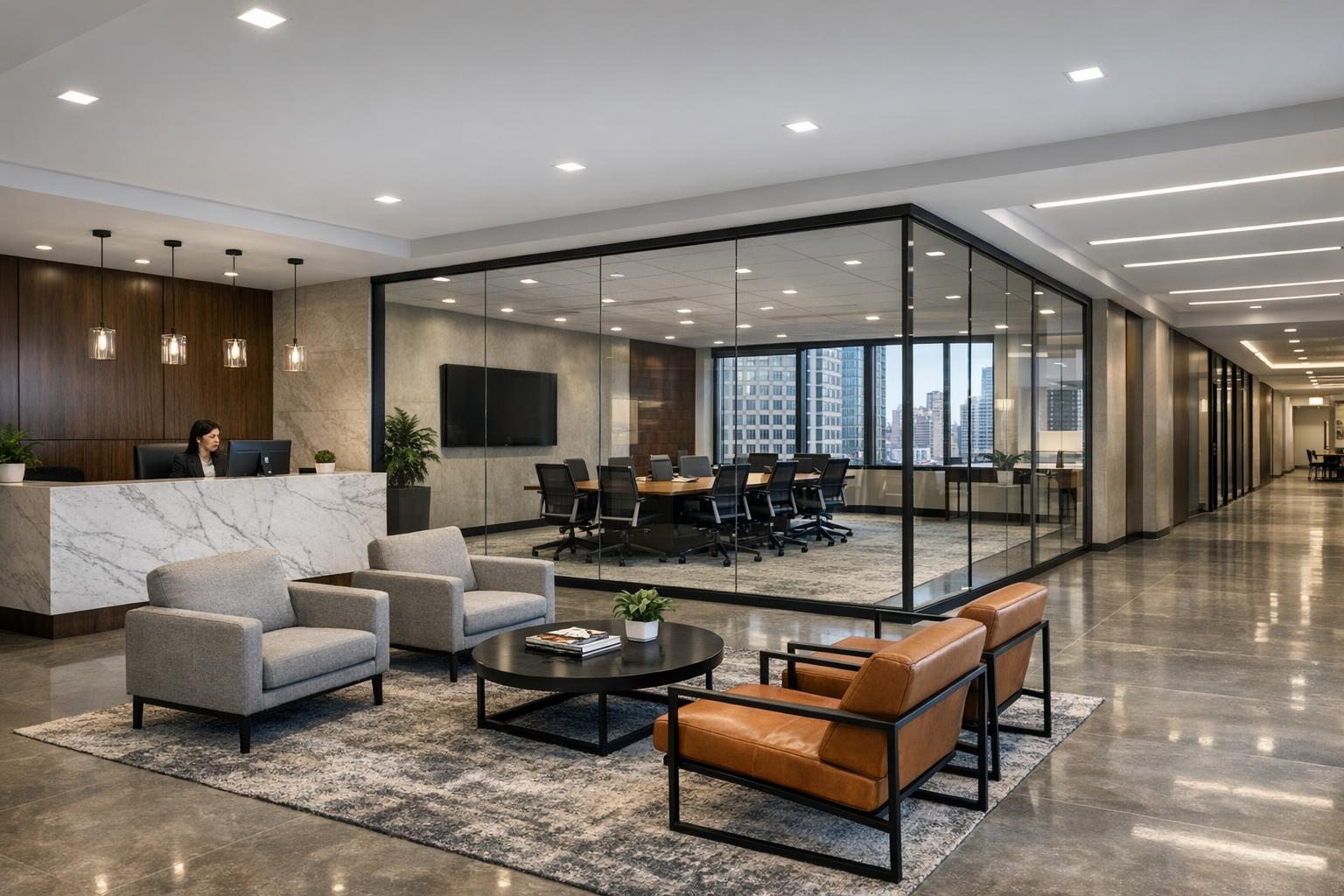
For Commercial Spaces
If you’re listing office, retail, or multifamily properties, imagery should answer questions about layout, access, finishes, and potential use—your media may wind up in marketing brochures, offering memorandums, or online platforms, each with their own requirements.
A photographer who asks about the marketing plan and intended audience will usually deliver more useful results than one who simply runs through a checklist.
Asking Process-Driven, Not Just Portfolio, Questions
A north jersey real estate photographer’s work is only part of the story. Their workflow, reliability, and communication can make the listing process easier—or leave you scrambling near launch. We recommend asking questions such as:
- What should I do to prepare the property before your arrival?
- How many images are typically included, and which areas will be covered?
- What is your typical turnaround time for photo delivery?
- How are the photos delivered, and in what format?
- Can you accommodate special building access or scheduling requests?
- What happens if weather impacts an exterior or drone shoot?
- Are retouching requests or edits available?
- Is it necessary to be present during the shoot?
A professional photographer should be easy to reach, clear on expectations, and organized on logistics. For occupied homes, clear pre-shoot communication also helps agents guide clients on decluttering and prepping spaces—simple steps such as putting away personal items, clearing counters, opening blinds, and replacing burnt bulbs can make or break the result.
Understanding Scope Versus Base Price
Many property professionals start with price—but a quote is only useful when you’re clear on what that price gets you. Packages may differ in the number of delivered images, coverage area, included edits, turnaround, or ability to add services like video or drone.
For context, RealtaSnap’s real estate photography in New Jersey starts at $149 for 10 HDR photos; larger sets and add-ons like AI virtual staging or virtual twilight are available as needed, all outlined in our NJ photography pricing. Booking is handled online with upfront payment and the ability to reserve appointments with as little as 24 hours’ notice.
Before comparing prices, compare what’s actually included:
- How many images? What rooms or amenity spaces?
- Are exterior shots, floor plans, or common areas part of the package?
- Is editing consistent with the property’s intended presentation?
- Are there clear options for additional media if needed?
Order the amount of coverage that fits the property and marketing plan—too few photos can leave out important context, while too many can be repetitive.
Deciding Which Extras Are Worthwhile (And When)
Photography anchors nearly all listing media in North Jersey. However, certain properties benefit from supplementary tools:
- Video: Useful for high-end homes, renovations, and listings where flow, movement, or unique outdoor features are central. Real estate video should be captured on site, not pieced together as a slideshow from stills. See more on NYC/NJ real estate video.
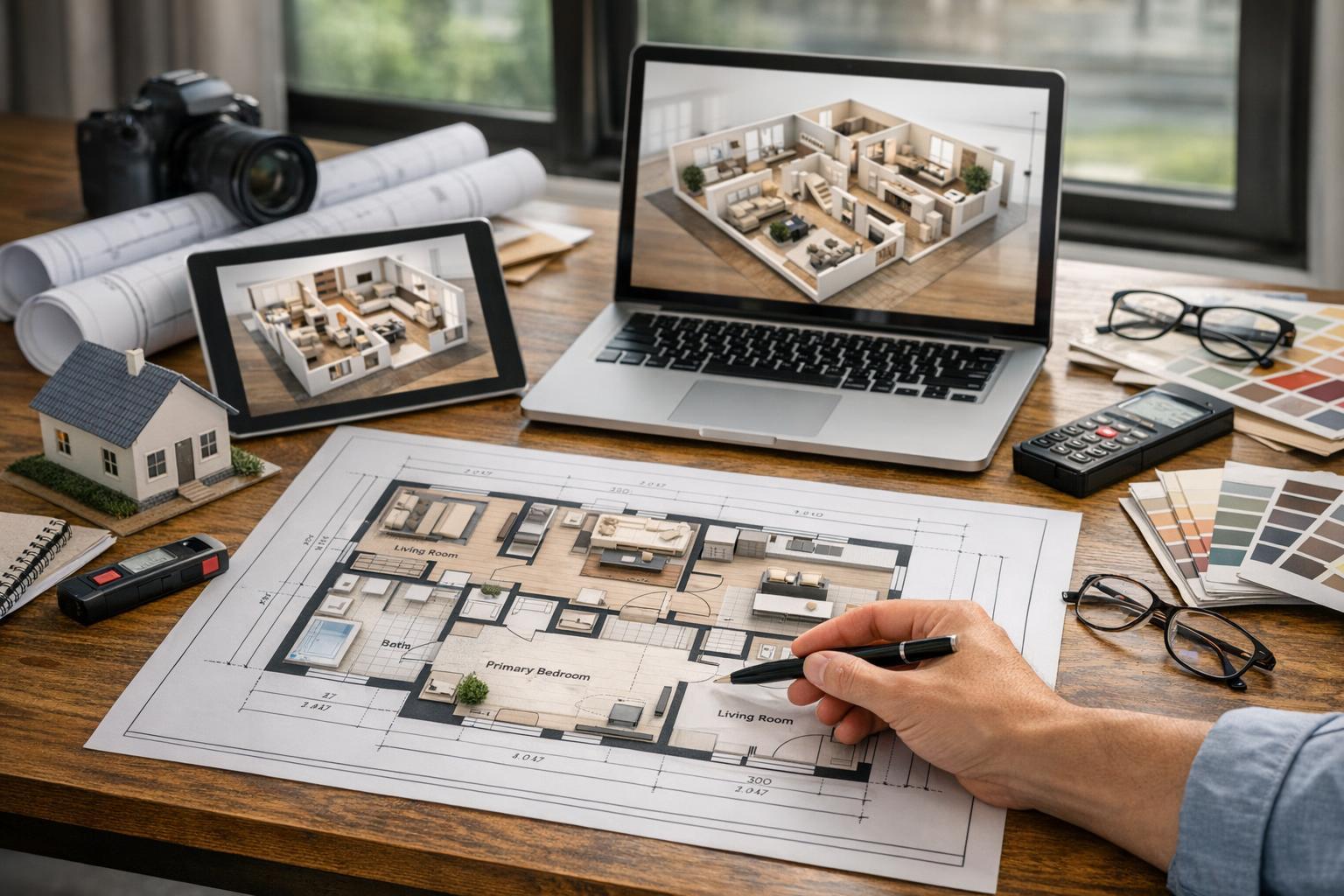
- Floor Plans: Help buyers understand layout, especially for homes with multiple levels, open concepts, or quirky configurations. Floor plans require physical access—schedule alongside photography for convenience.
- 3D Virtual Tours: Enable remote or out-of-area viewers to explore interactively; tours require on-site scanning and are not created from existing images.
- Drone: Provides crucial context for larger parcels, notable exteriors, or properties with significant land. Drone feasibility always depends on weather, local airspace, pilot discretion, and access rules.
- Virtual Staging: Best for empty properties or units where scale/use is otherwise unclear. Virtual staging should only be applied to fully vacant or properly decluttered spaces.
For more on these media options, visit the RealtaSnap blog.
Building Shortlists: What Actually Matters
The best way to compare North Jersey property photography service providers is to score them on:
- Portfolio quality across different property types
- Consistency and accuracy of editing (no misleading lines or drastic color shifts)
- Delivery and scheduling process that suits your launch timeline
- Ability to recommend and coordinate other media where appropriate
This approach keeps the focus on usable results, not just top-line pricing or a few standout images.
Planning a Smoother Listing Launch
Partnering with a professional who understands the full range of local property types and listing goals makes the process clearer and more efficient. RealtaSnap serves all of New Jersey and NYC, offering HDR photography, video, floor plans, 3D tours, aerials, and staging, with a focus on dependable scheduling, accurate presentation, and a straightforward booking experience.
If you’re preparing a North Jersey property for market, review your media needs before going live, make sure the space is ready for capture, and pick a team whose everyday workflow reflects your standards.
Learn more, view media options, or schedule a shoot at:
FAQ
Question: How much notice do I need to book a shoot with a North Jersey real estate photographer?
Answer: You can typically reserve an appointment with RealtaSnap as little as 24 hours in advance, pending availability. Booking is handled online, and the available calendar shows current slots for each area.
Question: When is it worth adding video, a floor plan, or a virtual tour to my listing?
Answer: Start with photography; add video if movement or atmosphere is an important selling point, a floor plan if layout clarity matters, and a 3D tour if the property will attract remote or relocation buyers. Choose the extras that will genuinely help prospective viewers understand the space.
Question: What should I do to prepare a property before the photographer arrives?
Answer: Prepare as though buyers are walking through for the first time: clear surfaces, put away personal items, make beds, turn on lights, open window coverings, and move vehicles if they clutter the view. For virtual staging, ensure rooms are completely vacant or properly decluttered before the shoot.