How to Choose a Manhattan Real Estate Photographer for Your Listing
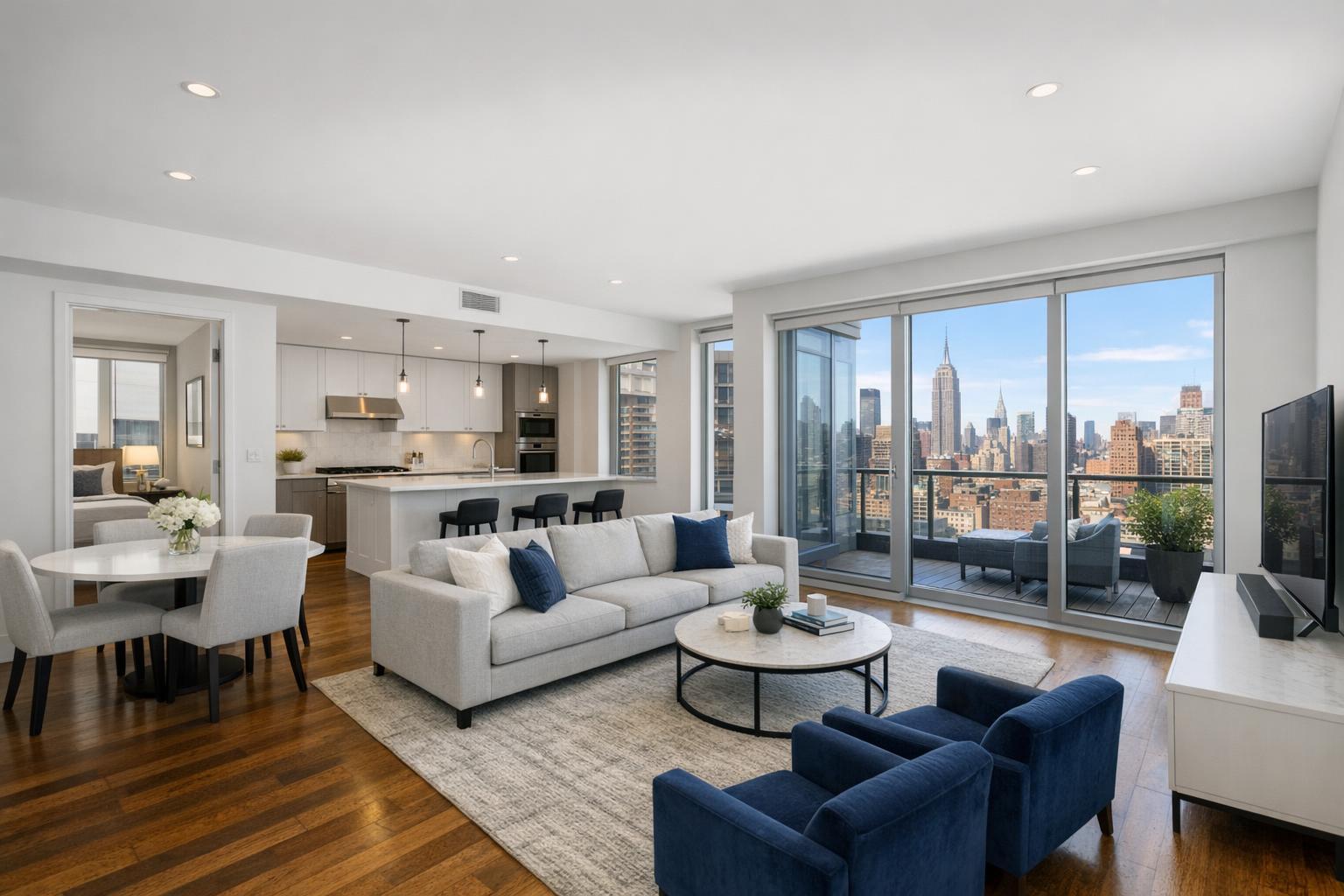
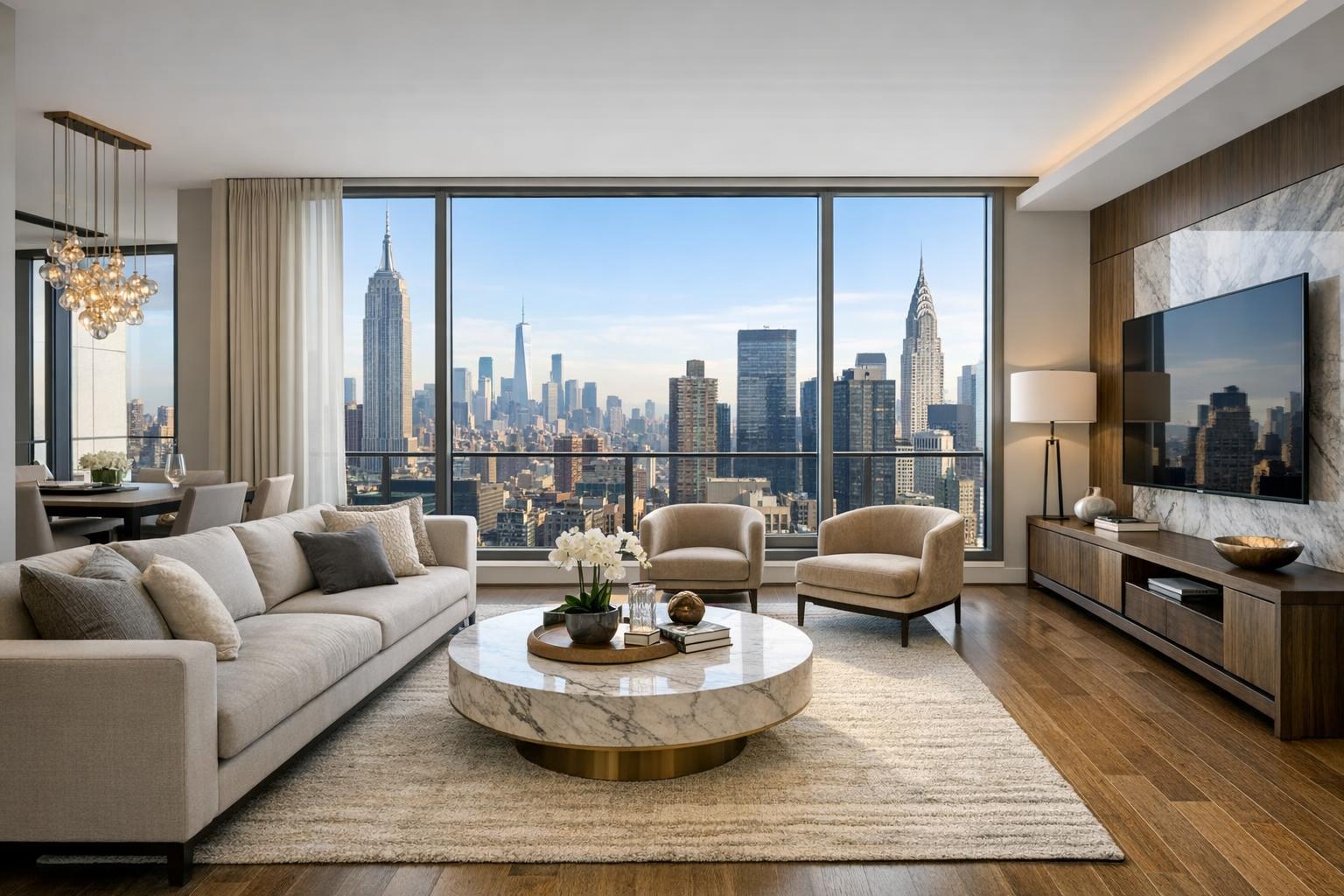
A Manhattan real estate photographer captures a luxurious modern living room with expansive windows offering a breathtaking view of the New York City skyline.
How to Choose a Manhattan Real Estate Photographer for Your Listing
A Manhattan real estate photographer is tasked with more than capturing a few attractive interiors—they need to understand the nuances of New York City buildings, navigate tight schedules, and deliver consistently market-ready images, often working with limited square footage or complex logistics. For agents, property managers, owners, and brokers considering real estate photography services in NYC, the challenge lies in finding a provider who excels not just in aesthetics, but in operational reliability, communication, and familiarity with a variety of property types.
What should you actually look for in a real estate media partner? Here’s a field guide to making an informed, practical choice—grounded in the reality of Manhattan’s fast-paced property market.
Experience Beyond the Portfolio
A strong portfolio is naturally important, but in NYC, the real test of a Manhattan property photographer is how well they adapt to the realities of city listings. One day might involve a narrow co-op with intricate woodwork; the next, a sun-flooded condo, a walk-up brownstone, or a busy commercial space.
Don’t just review the highlight reel. Ask for samples related to your specific listing type—not because you need an exact match, but because an experienced photographer should demonstrate fluency across different layouts and lighting conditions. Interiors in New York frequently present unique challenges: limited daylight, quirky layouts, and the need to showcase both compact spaces and sweeping city views.
Apartments and Condos
Photographing a Manhattan apartment is a balancing act. With tight rooms and abundant built-in elements, there’s a fine line between making an apartment feel inviting and distorting its proportions. Look for these strengths in sample work:
- Use of natural, believable vantage points
- Clear visual flow from one room to the next
- Controlled window exposures—preserving views without drowning interiors in light
- Consistently straight architectural lines (walls, cabinetry, doorframes)
- Useful detail images (without substituting for the big picture)
Good listing photography never attempts to hide a property’s true layout. Instead, it helps buyers see the potential and understand the spatial context.
Townhomes and Larger Properties
When capturing townhouses, multi-level homes, or substantial commercial suites, the ability to help viewers “move” through a property is essential. Staircases, distinct architectural details, roof decks, and multiple living zones each require thoughtful sequencing. Especially in properties with notable natural light or exterior features, planning the schedule around the sun’s angle can be critical.
Commercial Real Estate
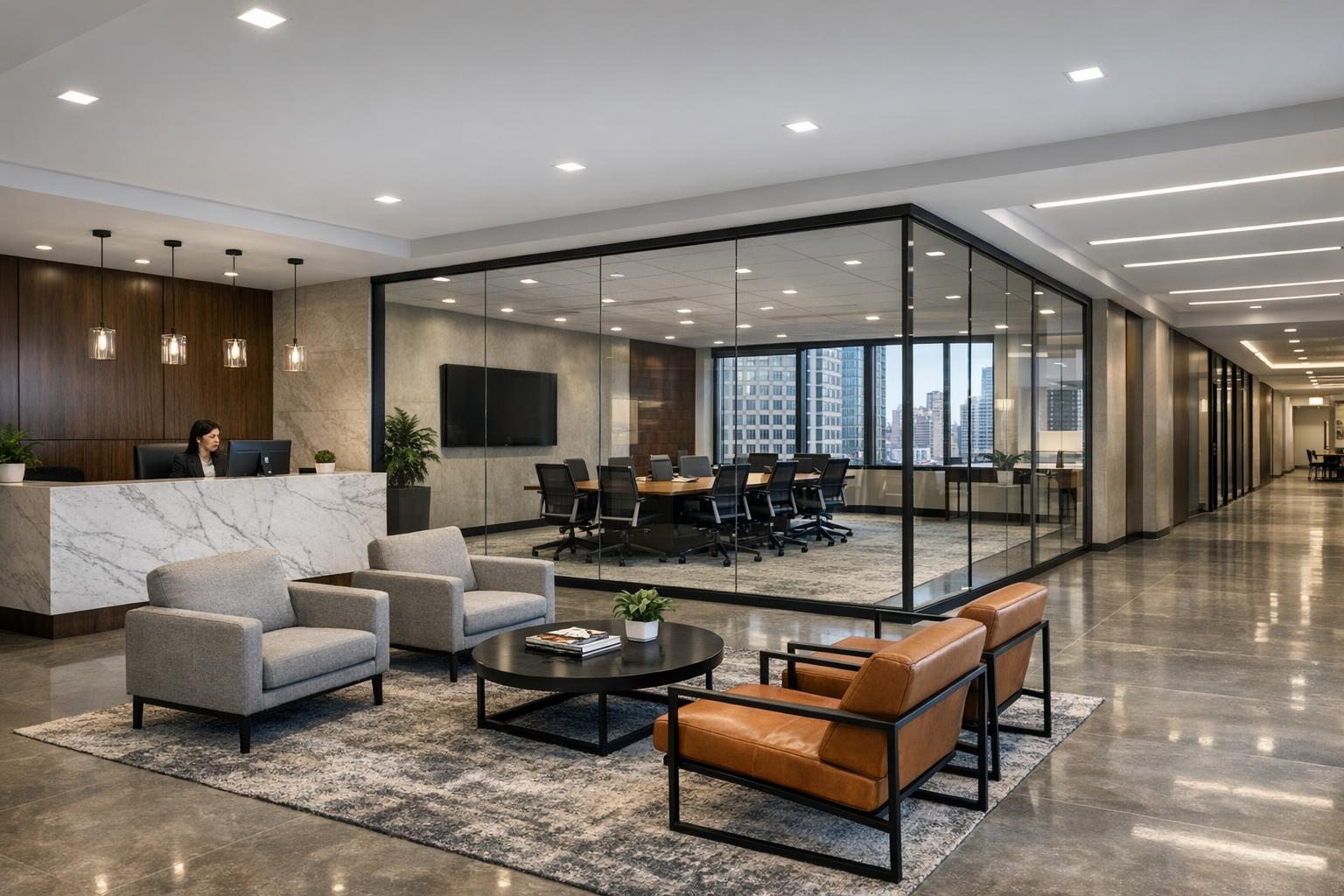
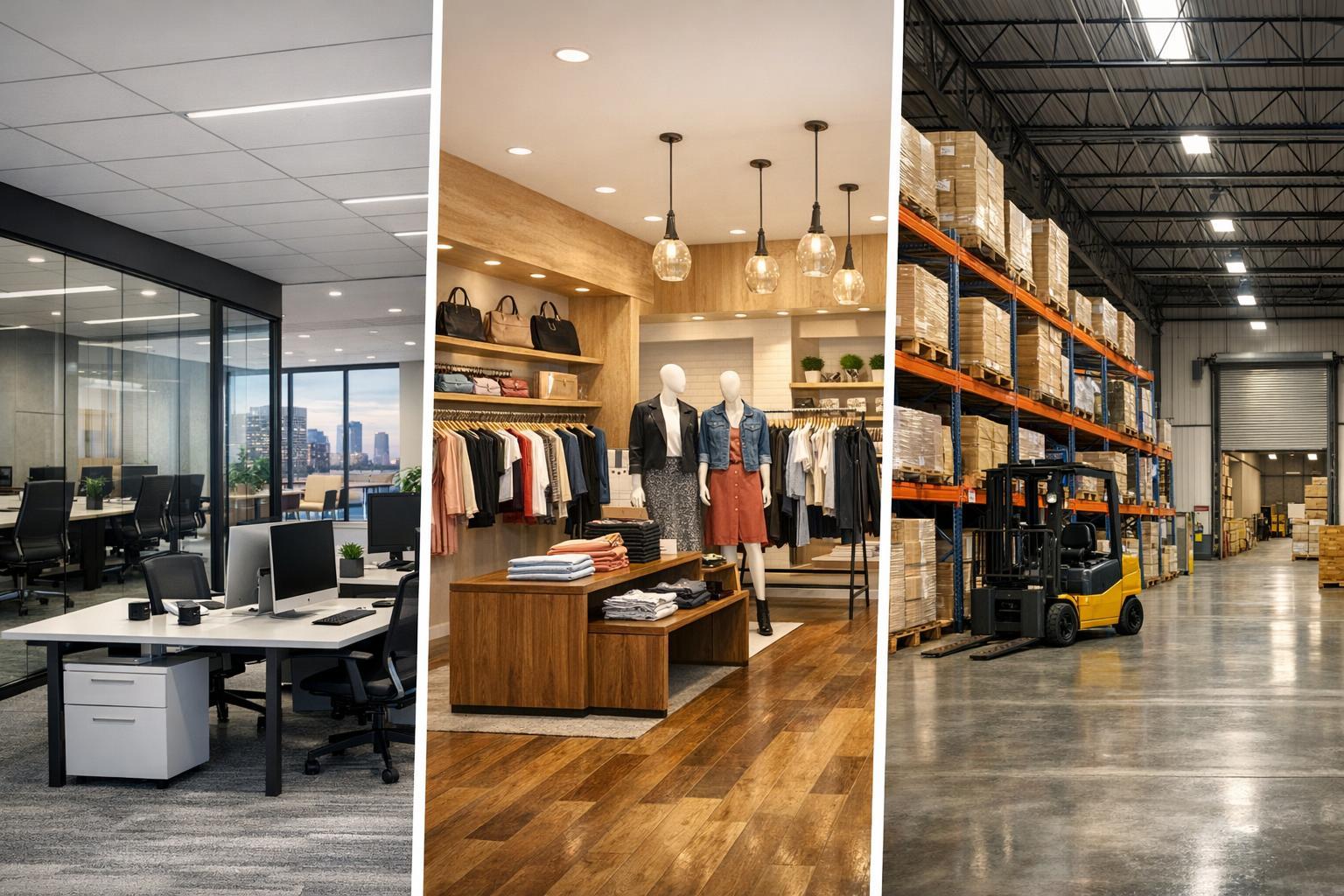
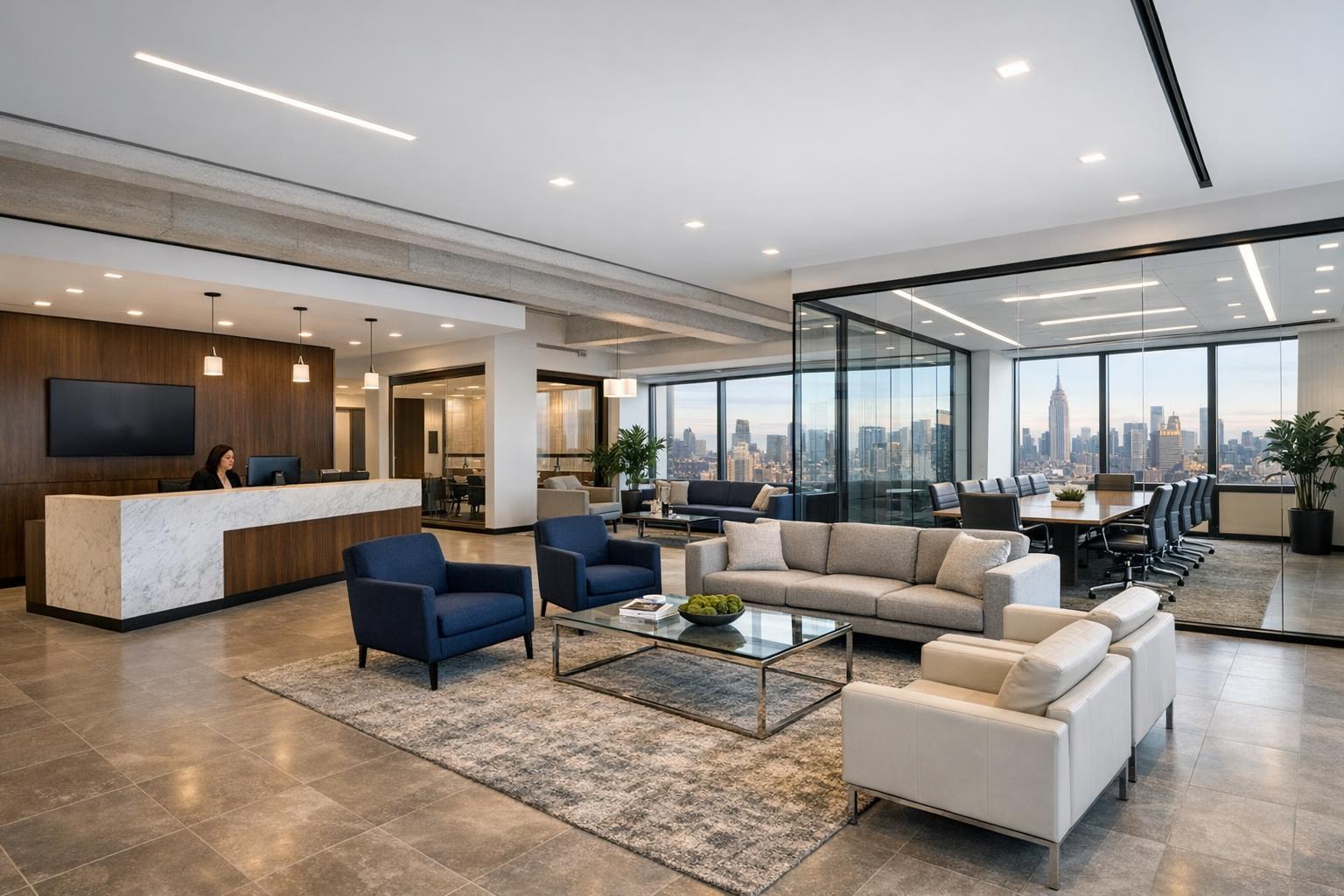
For offices, retail, or mixed-use spaces, priorities might shift. The right images should communicate not only the size, finishes, or light, but also street presence, layout flexibility, and the business functionality of each area. Experienced Manhattan real estate photographers will ask about your goals for the shoot, ensuring the result aligns with the specific type of commercial property being marketed.
Consistency Matters More Than a Single “Wow” Photo
In the world of real estate photography services NYC options, many photographers can create a handful of outstanding shots given perfect lighting and preparation. What’s actually valuable is the ability to achieve technical consistency from the first room to the last, across a variety of properties.
Manhattan homes are notorious for combining ultra-bright windows with shaded interiors or deep, layered spaces. Effective photographers know how to balance these competing light sources, preserving exterior views where possible and ensuring interiors feel clean and legible.
Architectural Lines and Perspective
Distorted lines—leaning doorways, bowed walls, or stretched furniture—are a sure sign of inattention or inexperience. While the use of wide-angle lenses is often necessary for smaller rooms, a seasoned pro manages perspective so that images remain credible and rooms look proportionate. When vetting providers, notice:
- Are vertical lines natural-looking throughout the gallery?
- Does the color and tone remain consistent, without shifting dramatically between rooms?
- Are mirrors, glass, and reflective materials addressed without distracting artifacts?
Editing Ethics: Enhancing, Not Inventing
Editing plays a vital role in real estate media, but the purpose is to support clarity and appeal—not to manufacture a fictional space. A reputable photography company will clarify their approach to retouching, outlining what’s standard and what might incur extra fees. If your property contains visible cables, signs, or clutter, discuss preparation before the shoot to prevent surprises or disappointment.
For those considering virtual staging, remember: AI staging is most effective in empty or truly decluttered rooms. Overlaying virtual furniture on top of existing items almost always detracts from professional standards. If decluttering is needed, it should happen in advance or through an approved add-on.
Manhattan Logistics Define the Client Experience
Logistical fluency is a distinguishing mark of an experienced Manhattan property photographer. It’s not just about photography—it’s about getting through building protocols, elevator reservations, access restrictions, and unpredictable occupant schedules smoothly.
Before you book, clarify details such as:
- Building entry, unit numbers, and preferred entrance points
- Concierge or management check-in procedures
- Required insurance or vendor documentation
- Elevator reservations or loading schedules
- Access to amenities (roof, gym, courtyard, etc.)
- Occupancy status and who will be on site
- Parking or loading nuances
Preparation and communication here can be the difference between a smooth appointment and a delayed listing launch—especially in doorman buildings, co-ops with strict rules, or operational commercial spaces.
Preparing Occupied Properties
Staging an occupied apartment or office takes coordination. It doesn’t mean stripping every lived-in sign, but rather removing visible distractions—cables, paperwork, pet items, outsize furniture—so that architecture and finishes can shine. Pro tip: open shades or blinds where privacy allows, double-check that lightbulbs are working, and clear the surfaces that will be visible from camera angles.
When tenants or owners are present, set clear expectations around timing and access. Even a simple preparation checklist can help prevent friction and create the best result for everyone.
Scheduling, Communication, and Turnaround: Know What to Expect
Listing timelines in Manhattan can be tight, and a delay in media delivery can impact a launch, open house, or marketing campaign. When considering real estate photography services NYC providers, practical details matter:
- How far in advance do you need to schedule?
- How are instructions and requests submitted?
- What if a shoot must be rescheduled?
- When are images delivered, and how will they be organized?
- Can the provider coordinate floor plans, video, or 3D tours on the same visit when needed?
At RealtaSnap, for example, you can easily book online by entering your address, selecting services, including property notes, and choosing an available time. The comments field is helpful for specifying building rules, elevator availability, and any unique property features you want documented.
Turnaround times and delivery methods should be clear before you confirm a shoot—especially when prepping for a fast-moving listing launch or coordinating with multiple stakeholders.
Add-On Media: Use What Fits, Skip What Doesn’t
While photography is the foundation of most property listings, agents and owners sometimes debate which other types of media genuinely move the needle. Not every space needs every service, and matching the media plan to the property yields the best result.
Video: Showcasing Flow and Atmosphere
Video works particularly well when a property benefits from illustrating movement, room-to-room connectivity, or atmosphere—for example, in large homes with dramatic entry sequences, homes with scenic views, or commercial spaces with high-profile locations. True listing videos are shot on site (not simply made from still photos), so plan accordingly if this is on your wish list.
Learn more about RealtaSnap’s approach to real estate videography.
Floor Plans: Enhancing Spatial Understanding
Floor plans can be invaluable, especially in properties with complex or unusual layouts. In Manhattan, this often means co-ops, combinations, or homes with both public and private zones. Just remember: professional floor plans require on-site capture—they cannot be generated from prior PDFs or old drawings.
For more information about adding floor plans, see real estate floor plans.
3D Virtual Tours: Facilitating Remote Access
Interactive 3D tours let buyers or tenants explore properties remotely—a practical add-on for listings that are difficult to schedule, attract out-of-town interest, or need deeper context than still images provide. These also require on-site scanning.
Visit Matterport virtual tours for more details if you’re considering this media type.
Drone Photography: Aerial Perspective Where Feasible
Drone photography or video adds context especially for properties with exterior spaces, notable architecture, or unique urban views. In Manhattan, airspace restrictions, weather, and building access mean drone flights are evaluated individually. If aerial media is a priority, discuss the building and timing with your provider early in the process. For more, see drone photography.
Comparing Service Proposals: More Than Just Price
Price should be considered alongside what you actually receive: coverage, consistency, editing standards, scheduling reliability, and communication. A bargain is no help if you miss out on crucial rooms, encounter delivery delays, or run into on-site complications.
Consider these factors when comparing providers:
- Property type experience
- Sample work for similar spaces
- Reliability in editing and delivery
- Preparation guidance and communication
- Ability to coordinate multiple services
- Transparent pricing and scope (see RealtaSnap’s service FAQ)
Bringing It All Together
A great Manhattan real estate photographer brings order and clarity to a complex process—not just through beautiful images, but by making it easy for you to prepare, schedule, and launch your listing effectively. Prioritize real-world experience with NYC properties, consistency from room to room, and a workflow that matches your property and your timeline.
If you’re planning an upcoming listing, learn more about RealtaSnap, or get started with the scheduling process at www.RealtaSnap.com.
FAQ
Question: How many photos are typical for a Manhattan apartment listing?
Answer: The right number depends on the apartment’s size, layout, and standout features. Smaller homes, like studios or one-bedrooms, usually benefit from focused coverage of principal spaces and views. Larger apartments or townhomes often require additional images to represent multiple rooms, layout changes, amenities, and outdoor access points.
Question: What about floor plans for co-op or condo listings—is it worth it?
Answer: Floor plans are particularly helpful in properties with multiple exposures, complex configurations, or added spaces like home offices. A floor plan supports potential buyers or tenants in understanding room relationships. Keep in mind that floor plans require on-site capture; existing PDFs or drawings aren’t sufficient for professional marketing.
Question: Is drone photography always possible in Manhattan?
Answer: Not always. Drone feasibility in Manhattan depends on airspace restrictions, weather, building access, safety, and current FAA regulations. Even with roof access, flights must be evaluated case by case. If aerial images are important for your campaign, bring it up well before the shoot so your provider can assess the address and discuss what’s possible.