How to Choose a Manhattan Real Estate Photographer for Your Listing
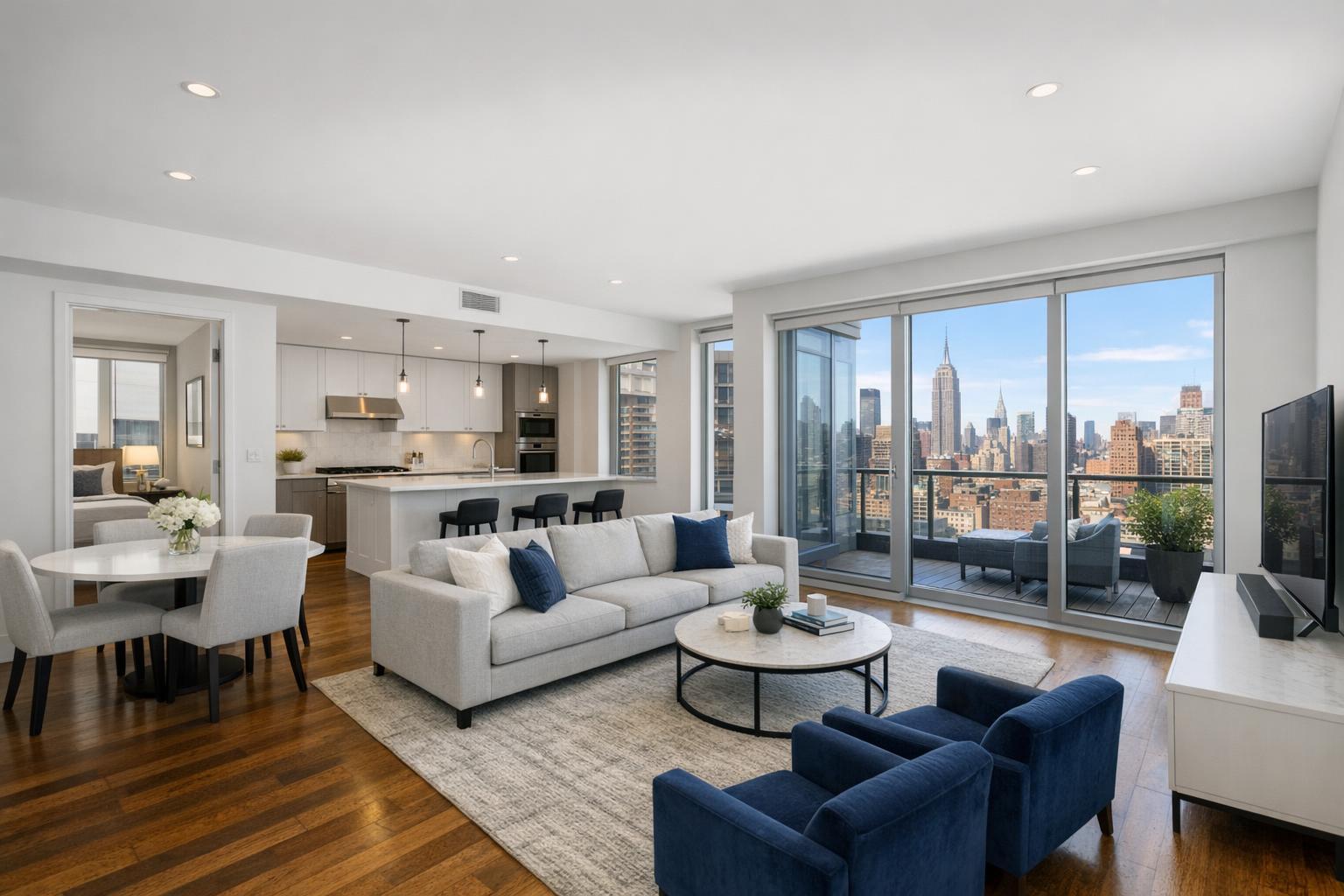
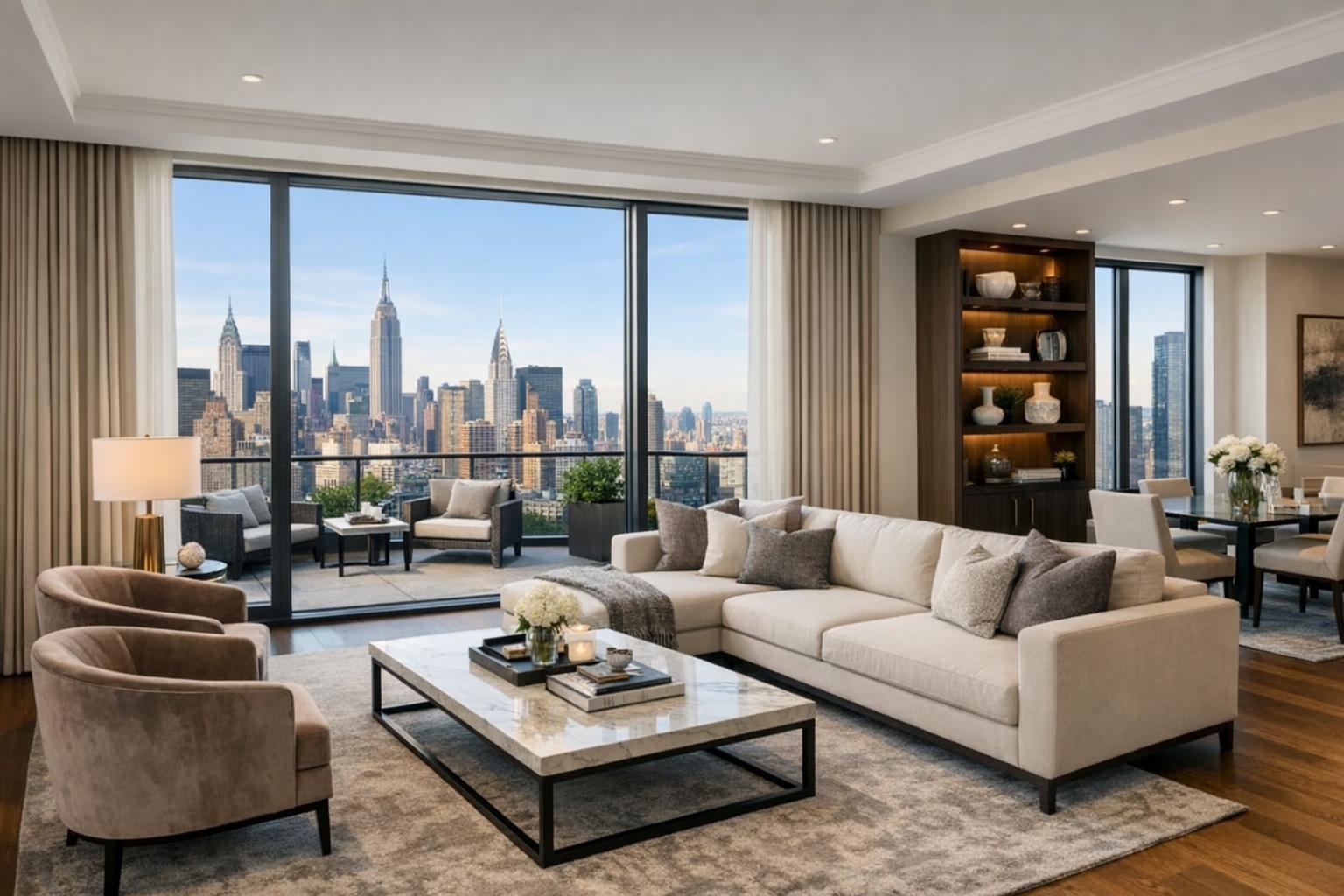
A Manhattan real estate photographer captures a luxurious living room with modern furnishings and a stunning skyline view through expansive windows.
How to Choose a Manhattan Real Estate Photographer for Your Listing
A manhattan real estate photographer should do far more than make interiors look appealing—they need to solve for the realities of marketing property in New York City, from tight room layouts to concierge protocols and demanding timelines. In a city where professionalism and results matter, agents, owners, and property managers should evaluate media partners with a sharper lens. Below, we draw on our field experience in NYC and New Jersey to outline what we’ve seen makes the difference when selecting the right photographer for a Manhattan listing.
Why NYC Demands Specialized Real Estate Photography
Working as an NYC property photographer means balancing visual clarity, building logistics, and the evolving expectations of buyers, renters, and brokers. The marketing needs of a Manhattan co-op, a West Side brownstone, or a new condo tower aren’t interchangeable. Here’s how we approach these distinctions:
Understand the Specific Property Type
Apartments, Condos, and Co-ops:
Most NYC listings are not sprawling spaces. Instead, they are studios, one-bedrooms, or reconfigured older units where light angles, layout, and storage can make or break a marketing campaign. A skilled photographer will:
- Frame small rooms to avoid cartoonish distortion while maximizing usable floor area.
- Show how living areas relate to kitchens or bedrooms.
- Keep architectural lines crisp and avoid leaning perspectives.
- Balance interior lighting with visible window views (not easy in buildings facing tall glass facades or busy streets).
- Navigate lived-in, sometimes cluttered, environments with respect and professionalism.
Instead of filling a gallery with every corner, experienced teams carefully sequence just enough angles to clarify the flow and atmosphere of the apartment.
Townhouses and Multi-level Residences:
Townhouses and larger homes require a different visual plan. Stairs, multiple floors, exterior spaces, and feature rooms—like roof decks or gardens—demand organized, story-driven sequences. Good photographers think in terms of narrative: start strong, transition smoothly, and avoid repetition, so prospective buyers genuinely understand how a home is laid out.
New Developments and Renovated Units:
Developers and sellers of new units want clarity on materials, design, lighting, and amenities. Here, a sharp eye for detail is key, but context is just as important. Showing off appliances or custom millwork should support, not distract from, the broader experience of the home. For shared amenities—lobbies, rooftops, or gyms—building access and rules must be discussed up front for a seamless shoot.
The Real Difference: Visual Clarity, Not Just Style
A “stylish” portfolio doesn't guarantee images that help an agent market or a buyer decide. When examining a provider’s gallery, go deeper:
Composition That Clarifies, Not Just Flatters
Clean, intentional composition helps viewers grasp each room. Look for:
- Clear main subjects with minimal clutter.
- Thoughtful arrangement of furniture and visual levels.
- Vertical lines that respect the architecture.
- Images that show how spaces connect, not just how wide a lens can go.
A crucial operational skill in the NYC market is selecting the right angle and camera height to show a room’s proportions without exaggeration. Intentionally wide photos may make a studio look larger, but too much can mislead and ultimately frustrate a buyer at the showing.
Window Exposure: A Practical Litmus Test
Manhattan apartments pose technical challenges: a dark interior plus a skyline-bright window is tougher to capture than it looks. Professionals balance this by lighting interiors when needed, editing carefully to preserve details outside, and choosing exposures that feel believable. Inconsistent window handling—especially in units with prized views—can make listings feel artificial or even uninviting.
Editing Consistency Across the Gallery
High-quality editing brings it all together. A good photographer delivers:
- Color consistency from room to room.
- Avoids yellow or blue color casts when moving from kitchen to bedroom.
- Naturally rendered walls, floors, and finishes (without turning everything “magazine white”).
- Perspective corrections so no room feels off-kilter.
A cohesive gallery helps buyers understand the space and agents present professional marketing—a set of jarring transitions between rooms can undercut both.
Manhattan Logistics: Preparing for the Realities of a Shoot
In Manhattan, building access and timing affect results as much as photography skills. We encourage real estate professionals to confirm the following early on:
- Building entry procedures, including service elevator rules, visitor lists, and certificate of insurance needs.
- Who will meet the photographer and who has decision authority for minor staging or furniture moves.
- Whether any pets, residents, or renovation work might impact the shoot.
- Access rules for amenities, rooftops, or common areas.
This groundwork is especially vital for quick-turn listings, where any delay has a domino effect on marketing timelines. For tips on preparing your property ahead of a shoot, visit the RealtaSnap prep guide.
Navigating Daylight Opportunities and Limitations
New York properties often leverage natural light as a selling point. Timing the shoot for prime exposures—meaning late-morning for east-facing rooms, or late-afternoon for west-facing living spaces—can make a real difference. Still, practical day-to-day realities (like tenant schedules or overcast weather) mean photographers must be adept at delivering high-quality images regardless of conditions.
Occupied Homes: Preparation with Realism
Occupied Manhattan apartments are the norm, not the exception. Professional photographers will always work around lived-in conditions, but agents can help by:
- Removing obviously personal or distracting items.
- Clearing off counters and bathroom surfaces.
- Tidy bedding, stashed clothing, and minimized visible cords.
- Opening shades and replacing any burnt-out bulbs.
- Ensuring pathways are clear for movement between rooms.
If the apartment won’t be fully ready, clear communication lets the photographer focus on the most marketable rooms and angles—ensuring you still get impactful results.
Service, Communication, and Delivery: What to Expect from a Real NYC Property Media Team
Photography is one piece of a larger marketing workflow. Reliable providers clearly outline:
- How booking and scheduling works (RealtaSnap clients can book directly online: www.RealtaSnap.com/schedule).
- What’s included in each photo package, and when you’ll receive your files.
- Coordination options if you’re booking floor plans, video, or add-ons alongside standard photos.
- Policies for requests, edits, or gallery reviews.
Clear communication upfront prevents confusion later—especially in fast-moving NYC and New Jersey markets where timing and access matter.
When to Consider Add-Ons: Matching Media to the Listing
Not every property needs video, drone, or virtual staging. Add-ons are most valuable when they solve a specific marketing need:
- Video helps with flow and atmosphere, making sense for larger or design-forward listings where movement is important. At RealtaSnap, property videos are captured on site—not assembled from stills—so you get a true-to-life presentation (learn more about real estate videography).
- Floor plans can simplify complex layouts, especially for larger homes, combinations, or apartments with unusual shapes. These require physical access for on-site scanning (see our floor plan service).
- 3D virtual tours such as Matterport offer interactive remote exploration but must be performed on site.
- Virtual staging works best for vacant or thoroughly decluttered rooms—not for digitally removing existing furniture.
- Drone media provides exterior context for select Manhattan or brownstone listings, but feasibility is assessed per property due to FAA regulations, pilot discretion, and access requirements (drone service details).
If your listing merits these tools, discuss options with your provider up front. For many NYC apartments, photo and floor plan coverage remain the core deliverables.
Comparing Providers: It’s About Alignment, Not Just Price or Portfolio
On paper, two real estate photography NYC services might look nearly identical. In practice, the right fit for your listing hinges on:
- Experience with your specific property type (studio, loft, co-op, townhouse, or new development).
- Operational knowledge of Manhattan/NJ logistics and access.
- Clarity on the number of photos, editing approach, and delivery timeline.
- Flexibility around building and scheduling requirements.
- Comfort communicating and troubleshooting unexpected issues.
- Realistic expectations about what can and cannot be captured or enhanced.
Selecting a photographer or media partner is rarely about the provider with the most dramatic single image, but the one who delivers a cohesive, accurate depiction of your property and navigates the process smoothly.
Build Your Media Plan for the Manhattan Market
Choosing a photographer in Manhattan—or anywhere in the NYC metro—means thinking strategically about the property, the market, and the timing. Whether you’re marketing a compact co-op, a sun-filled penthouse, or a multi-level brownstone, start with photo coverage that communicates the home’s layout and key features. Add floor plans, video, 3D tours, or other media when they add practical value rather than just visual flash.
For agents and property professionals ready to schedule in NYC or New Jersey, RealtaSnap makes booking easy, with clear options and transparent service information at www.RealtaSnap.com.
FAQ
Question: How many listing photos do I need for a typical Manhattan apartment?
Answer: It depends on the size, layout, and unique features of the space. Smaller studios or one-bedrooms often benefit from a focused sequence—main room, kitchen, bath, and any standout view. Larger apartments will need more images to communicate distinct rooms, outdoor areas, or amenities. Prioritize images that clarify layout and features, rather than aiming for a high photo count.
Question: Is it better to shoot before or after an occupied unit is vacated?
Answer: Both options work, with different trade-offs. If current furnishings show the true scale and use of each room, it’s often fine to shoot before vacancy, provided the space is tidy and surfaces are clear. For units with heavy clutter or where access is difficult, waiting until the apartment is empty or staged may deliver better results.
Question: Can I add drone or aerial shots to a Manhattan listing?
Answer: Drone imagery can enhance certain properties, but feasibility is determined case by case due to strict NYC airspace rules, safety, and building access. If your property qualifies, roof access is often needed, and flights must be scheduled with all regulations in mind. Consult your media provider for a specific evaluation.
For additional resources, visit RealtaSnap’s main site or review our listing preparation guide.