How to Choose a Luxury Real Estate Photographer for High-End Listings
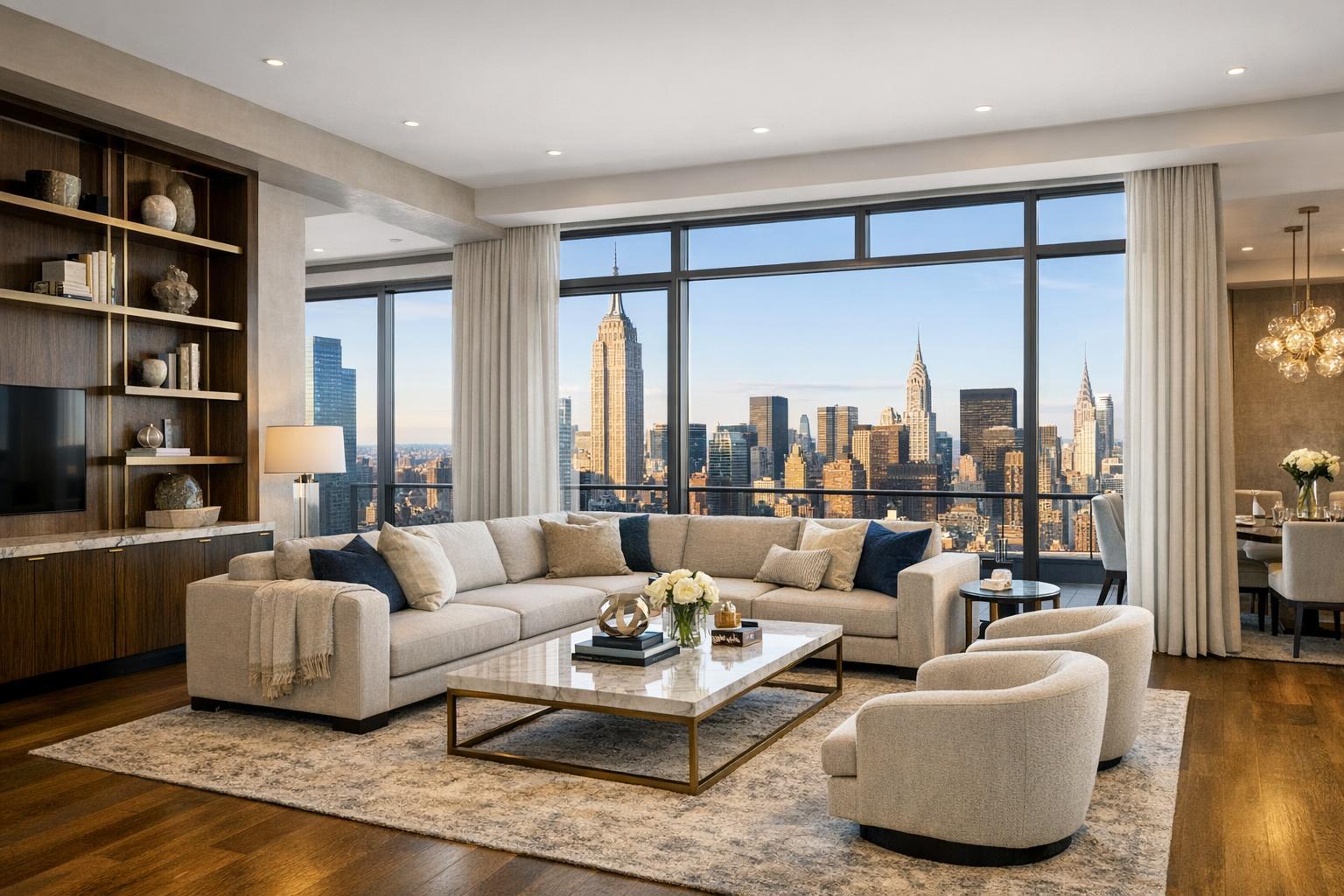
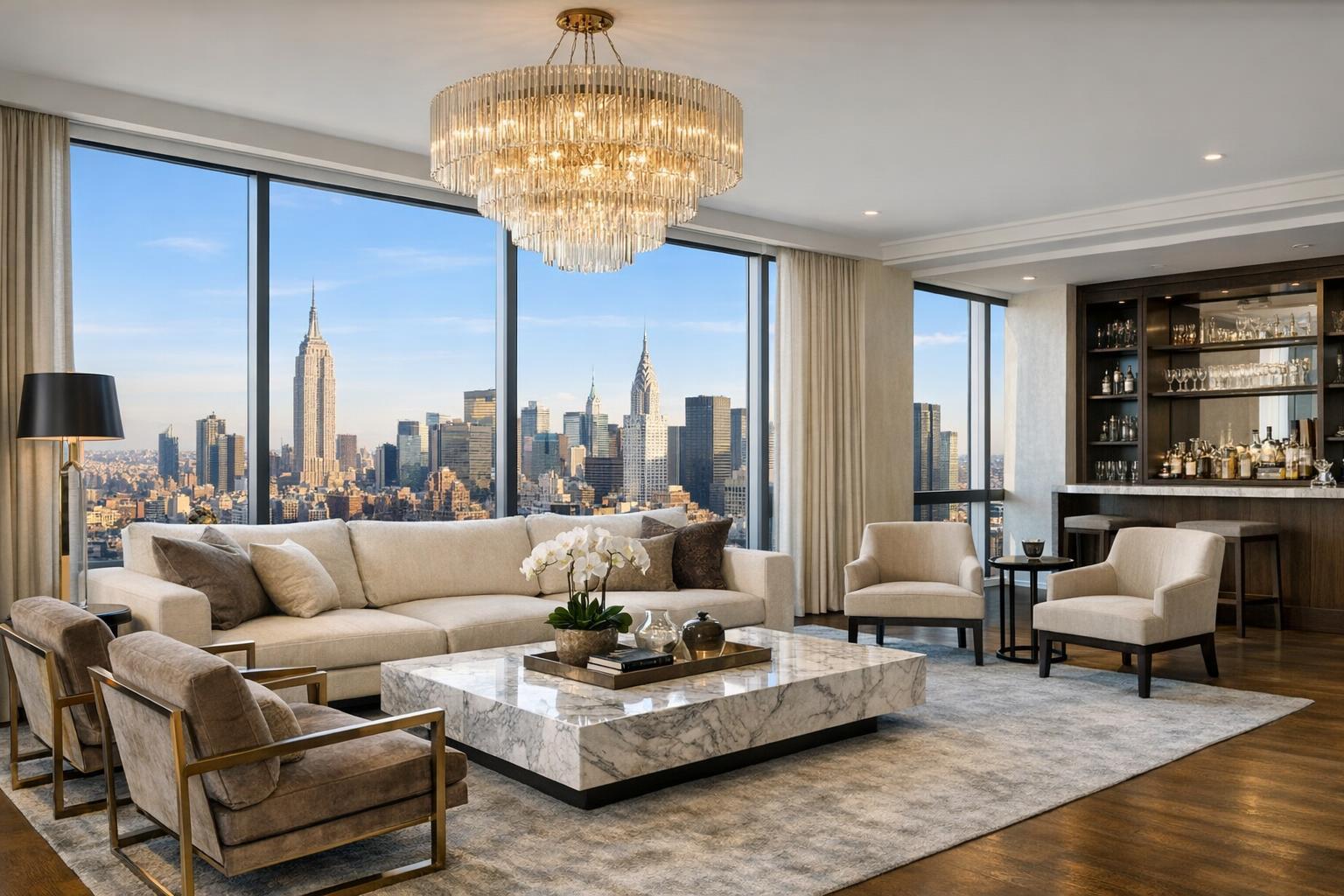
Luxury real estate photography showcases an opulent living room with elegant furnishings, a stunning chandelier, and panoramic city views through large windows.
How to Choose a Luxury Real Estate Photographer for High-End Listings
Luxury real estate photography is where the experience of both agent and photographer shapes not just the visuals, but the entire impression a listing makes from the first moment. For discerning property professionals working in NYC, New Jersey, or their close-in markets, the decision of who handles the camera isn’t just about finding someone “good with interiors.” It’s about selecting someone who knows how to translate real space, texture, scale, and light—so what viewers see online is both enticing and true to the property.
When a listing stands out for its architecture, finish level, or setting—whether it’s a Manhattan apartment, a Brooklyn brownstone, or a substantial New Jersey residence—ordinary real estate shots fall short. The right photographer, guided by a clear process and tuned to local property types, brings out the strengths without overselling or misrepresenting. Here’s what actually matters when evaluating photographers and photo sets for high-end listings.
Beyond Beautiful: Prioritizing Functional Listing Photography
It’s common to see portfolios filled with eye-catching details—a dramatic lamp, an artful corner, a sculptural stairway—but great luxury real estate photography does more than capture isolated moments. The real challenge is balance: every shot must be both aesthetically pleasing and practical for listing purposes.
A few hallmarks of thoughtful listing coverage:
- The layout and relationship of rooms is clear and believable.
- Standout features are documented, but so are transitions, corridors, and less dramatic parts of the home.
- Interiors and exteriors share a visual language—no wild swings in color or style from one room to the next.
- Images remain true to the space, rather than relying on tricks of angle or lens that make everything look wider but less real.
When evaluating photographers, look past isolated “hero shots.” Instead, ask to see full galleries from recent listings—especially from properties similar in size, layout, and finish to your own. You’ll quickly spot whether their work is consistent room to room, and whether every image enhances a buyer’s understanding without distortion.
The Essentials of Composition and Camera Work
Even with modern editing, no amount of retouching can rescue fundamentally weak composition. In premium markets—where buyers are measuring proportions and flow at a glance—composition basics matter:
- Wide-angle lenses are helpful, but when overused or positioned poorly, they stretch perspective and mislead about room size.
- Proper camera height and thoughtful positioning anchor the image: a sofa looks inviting, not dwarfed; a sequence of rooms feels connected.
- Vertical and horizontal lines (e.g., doorframes, columns, and cabinetry) need to be straight and steady unless a creative angle is justified.
Watch for subtle cues. If kitchen cabinets lean, mantels appear tilted, or windowslope oddly, the sense of luxury evaporates—buyers won’t trust what they’re seeing.
Every Image Should Earn Its Place
More isn’t always better. An effective gallery for a high-end listing usually combines:
- Wide “establishing” shots that articulate how a space is used.
- Secondary views showing flow or a design highlight.
- Details—distinctive stonework, crafted built-ins, hardware, or fixture finishes—when those support the identity of the home.
- Exterior and entry images that set the context.
Instead of duplicating the same angle of a living room or piling on similar images, a curated approach keeps viewers engaged and oriented as they move through the virtual version of the property.
Handling Light, Window Views, and Authentic Color
One thing that consistently separates routine real estate coverage from high-end property photography is control over lighting. In Manhattan towers, it’s often expansive windows and cityscape exposure; in New Jersey, it may be the transition from airy great rooms to shaded covered patios. Either way, capturing natural light—and reconciling interior with exterior exposures—matters.
Some practical considerations include:
- High Dynamic Range (HDR) photography, when executed thoughtfully, can preserve both bright window views and nuanced interior shadow. Overdone, it leads to an unnatural, gray, or heavily processed look; done right, rooms feel appropriately lit, and outdoor context (skyline, garden, water, etc.) stays believable.
- Accurate color is critical. Fine materials—white oak, marble, warm plaster, brass, and custom lighting—need to look true. Editing should refine but not alter; white walls shouldn’t turn icy blue, nor should wood floors glow orange under artificial light.
Review galleries for consistent, balanced color throughout. Ask about the photographer’s process for maintaining natural tones, even when multiple types of lighting are in play.
Preparation: Why It Impacts the Final Result
No photographer, however skilled, can overcome distractions that were never removed or rooms prepared at the last minute. In luxury listings, details stand out—sometimes literally. Operationally, RealtaSnap sees the best results when agents or property contacts:
- Remove personal items, countertop appliances, visible cords, mail, and extraneous decor.
- Tidy and neutralize surfaces—bathrooms especially benefit from clear counters.
- Open appropriate blinds and shades to highlight views and daylight.
- Ensure all light fixtures are operational, beds are crisply made, and any moveable clutter is relocated out of the camera’s reach.
- Confirm access to all areas that should be photographed, including amenities, terraces, and grounds.
Occupied properties often require a per-room plan so that one area isn’t just used for stashing overflow and left un-photographed. In new construction and vacant listings, cleanliness and lighting are the priority.
Styling can help, especially in large, undecorated, or architecturally ambiguous spaces, but less is more. The best styling choices let architecture speak for itself, without layers of visual noise.
Building an Intentional Shot List
Shot lists aren’t just for junior photographers—they’re a practical planning tool that allows the agent and photographer to align on what matters most for this particular property. In practice, for luxury listings, a strong shot list often includes:
- Must-capture rooms and features (primary suite, kitchen, key baths, great room, notable design elements).
- Views or aspects that need to be shot at a particular time of day due to sunlight or city lights.
- Any building rules or access complications.
- Requests for coverage beyond standard still photography: drone, video, floor plans, or virtual tours, decided case by case.
The best photographers adapt the plan as they move through the property—reacting to light, changing weather, and what feels important upon arrival—but having clear direction upfront ensures critical spaces receive attention.
The Role of Complementary Media
While still photography remains foundational, there are scenarios where additional visual media adds real clarity. Professional video can convey flow—especially for properties with multiple levels or a complex layout. Floor plans help translate space to screen and are particularly useful for out-of-town buyers. Drone stills or video, when feasible, give much-needed context to large lots, waterfronts, rooftops, or unusual settings.
It’s worth noting that not every listing needs every media type. The decision should be grounded in what actually enhances the property’s presentation, not simply what’s available.
You can learn more about what’s possible for your specific listing by visiting the RealtaSnap real estate photography page or our service guide.
Questions to Ask Before Booking
To avoid surprises and ensure that the final product aligns with your marketing goals, it’s wise to dig a little deeper before making your selection. Practical questions to discuss include:
- Can you provide full photo galleries from comparable luxury listings?
- What’s your approach to balancing natural and artificial lighting—especially with challenging windows and finishes?
- How do you control for perspective and ensure architectural lines are accurate?
- What should be prepared, moved, or styled prior to the shoot?
- How will you handle occupied rooms, building access, and exterior spaces?
- Is supplementary media (video, drone, floor plans, virtual staging) available for this property?
- How are edits, retouching, and post-production handled?
The best responses are clear and situation-specific. Promises to “make it look amazing” are less useful than details about process, communication, and actual workflow.
The RealtaSnap Approach to High-End Listings
RealtaSnap specializes in professional HDR photography for NYC and New Jersey listings, focusing on clean, natural images that accurately represent the home as it is. For every project—be it a Manhattan condo, Brooklyn brownstone, or North Jersey estate—the workflow is built around understanding the layout, identifying what buyers need to see, and producing a polished, consistent gallery.
Preparation guidance, a clear shot plan, and an eye for both detail and overall flow are standard. When video, drone, or related media makes sense, these are discussed during planning, always with the listing’s story and clarity in mind.
Interested in capturing your next listing with a listing-focused, experienced team? Visit www.RealtaSnap.com for service information, booking details, and a closer look at gallery examples.
FAQ
Question: What should I look for in a high-end real estate photography gallery before choosing a photographer?
Answer: Focus on full listing galleries from similar properties rather than just highlight shots. Look for consistent composition, accurate color, straight architectural lines, and clear depiction of layout and flow. This gives you a realistic sense of how your own property will be presented to buyers.
Question: Does every luxury property need drone or video coverage?
Answer: Not always. Drone and video are valuable for listings where aerial perspective or visual flow add real context—such as homes with large grounds, dramatic settings, or complex layouts. Still photography remains central for most listings, and other media should be added when it specifically helps buyers understand the property.
Question: How early should I start preparing a property for a luxury photo shoot?
Answer: For best results, begin decluttering, cleaning, and arranging access as early as possible—ideally a day or two before the scheduled shoot. Especially in occupied homes or buildings with access protocols, advanced preparation ensures everything runs smoothly, and that each space is truly ready when the photographer arrives.