How to Choose a Commercial Real Estate Photographer for Your Property
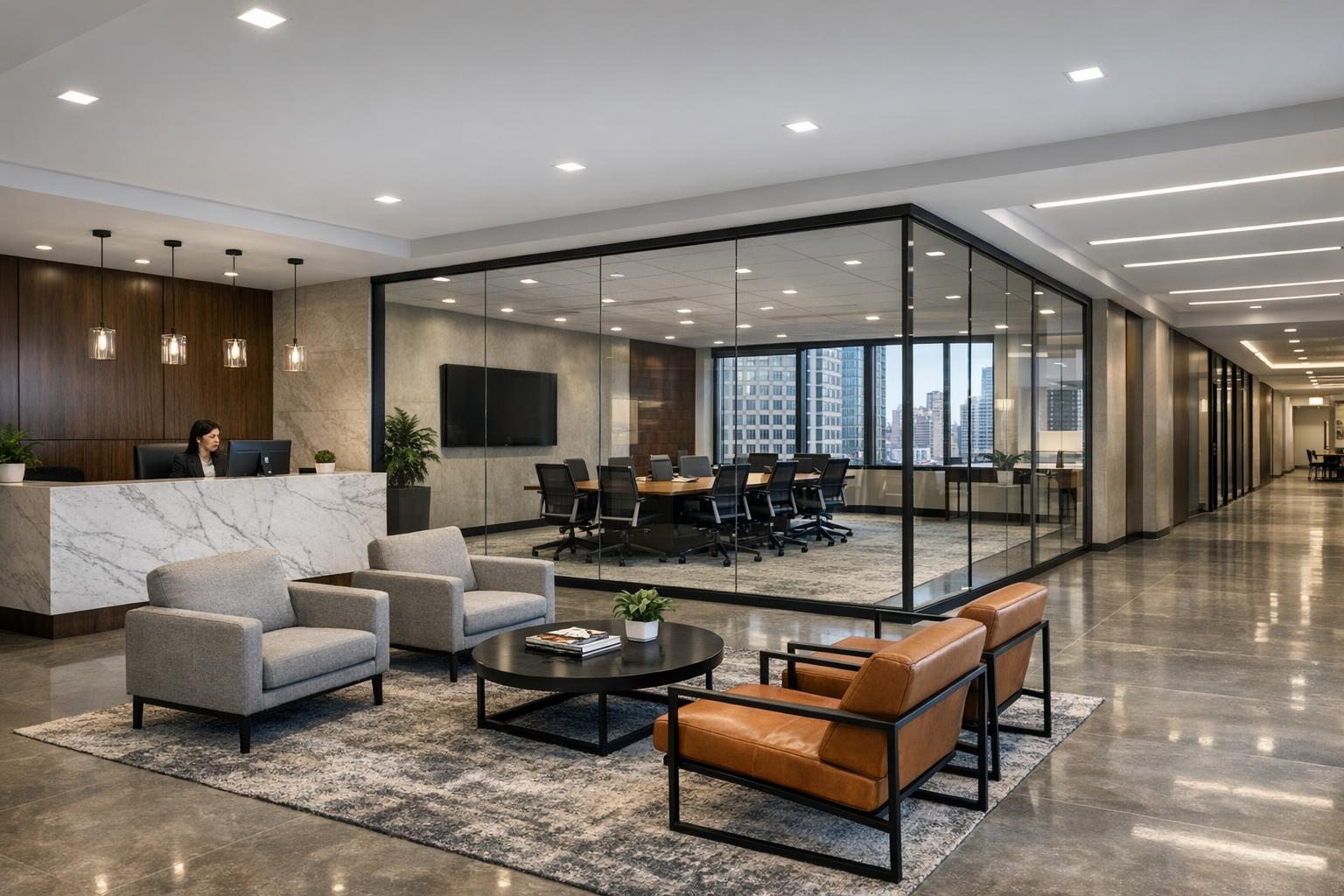
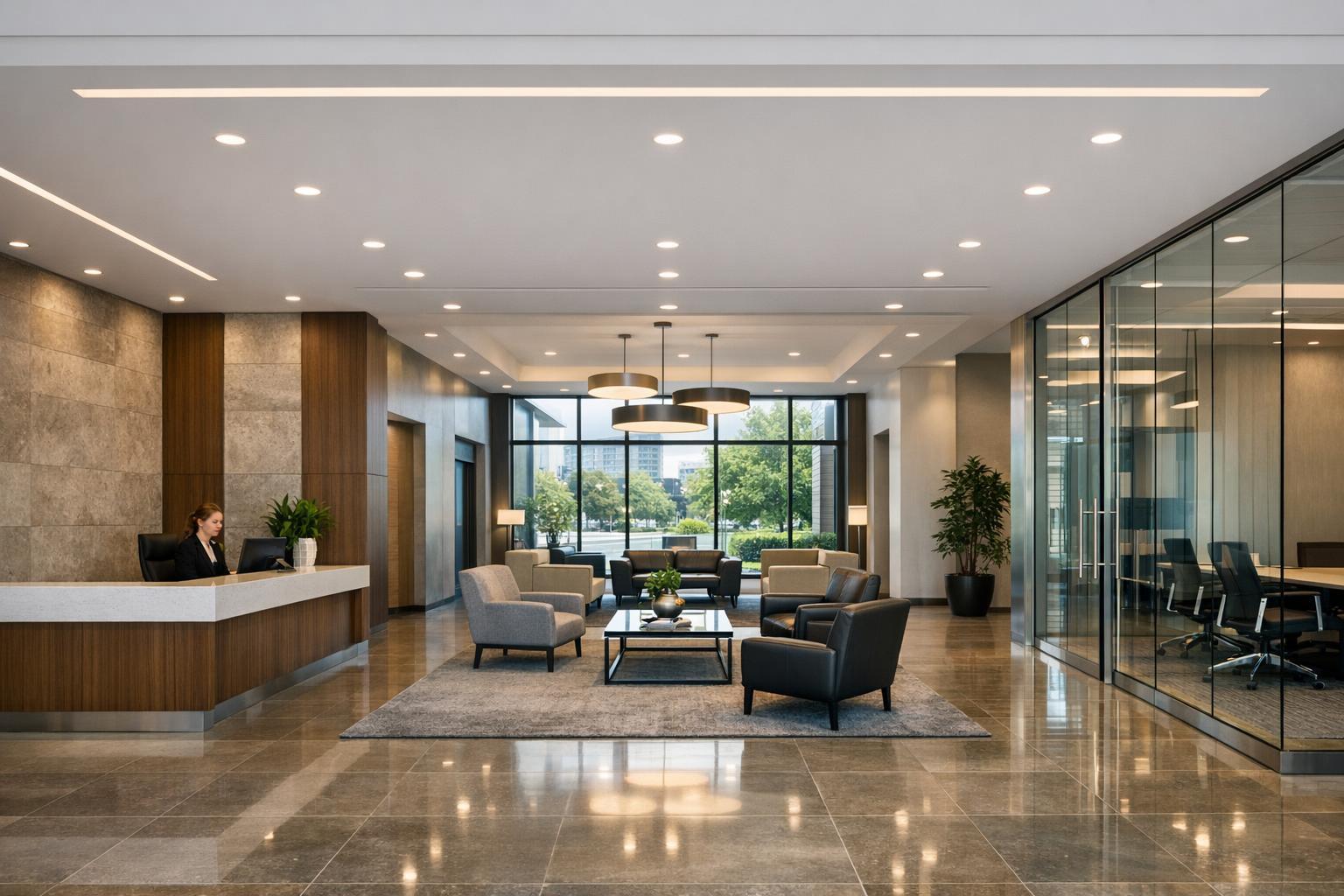
A commercial real estate photographer captures a sleek and modern office lobby with elegant furnishings, ample natural light, and reflective stone flooring.
How to Choose a Commercial Real Estate Photographer for Your Property
A commercial real estate photographer carries a unique responsibility: to make complex spaces visually accessible and commercially compelling for tenants, investors, or buyers. In the world of commercial real estate, a photograph isn’t just about presentation—it’s about providing clarity. Every image should help your audience see how a space truly functions: its dimensions, layout, finishes, points of access, and the role it plays within its surrounding environment.
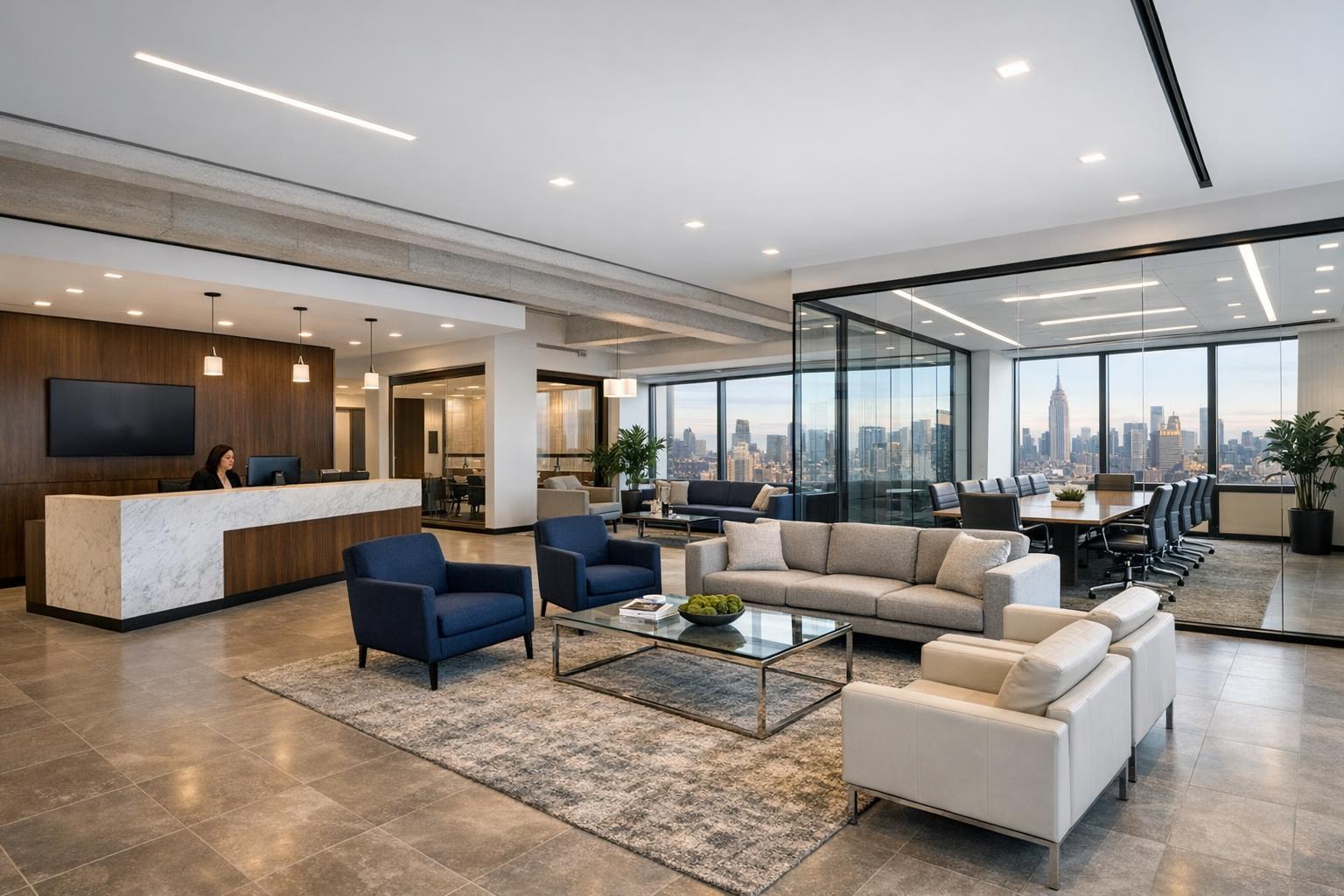
This difference in intent sets commercial real estate photography apart from residential work. While residential images may focus on lifestyle or comfort, commercial imagery must answer the practical questions. Can a business owner envision efficient operations in your warehouse? Does a multinational see the prestige of your Midtown Manhattan office from its lobby details and skyline views? For a property manager, these visual assets are more than marketing—they’re tools for transparent, effective communication with decision-makers.
Drawing from years of working across NYC, North Jersey, and the larger tri-state market, RealtaSnap has built a process around what matters most for commercial properties. Whether you’re a broker, asset manager, landlord, or developer, the right photographer should align with your marketing objectives, understand operational realities, and deliver images that help close the gap between a property’s potential and a prospect’s understanding.
Start with the Purpose: What Is the Media Meant to Achieve?
Before talking to any photographer, clarify the property’s marketing purpose. Every asset—whether an office, storefront, industrial site, or development project—has an audience with a distinct set of needs. The way you position your property guides the shot plan as much as the property’s physical details.
- Leasing an office? You’ll likely want bright, open images of reception areas, common spaces, workstations, private offices, and building amenities. Show prospective tenants the data cable ports, elevator proximity, and window orientation.
- Listing a retail storefront? Think about not just interiors, but also street-level visibility, signage, window frontage, and the immediate context—what will that traffic pattern look like for a new tenant?
- Marketing an industrial or flex facility? Prioritize elements like loading bays, drive-in access, ceiling heights, wide open storage space, parking, and how trucks can circulate through the site.
- Presenting a multifamily or mixed-use development? Blend wide exteriors, aerials (where feasible), amenity spaces, sample unit interiors, and the property’s relationship to the block or neighborhood.
Clarity, above all else, is the goal. Prospects should be able to orient themselves in the property and understand if it could work for their needs.
What Sets Commercial Real Estate Photography Apart?
Commercial real estate photography is grounded in clarity, precision, and practical value. Artistic polish is helpful, but the images must ultimately serve decision-makers who need to visualize use, scale, and accessibility.
Perspective control is essential—vertical lines in lobbies, stores, and exteriors should remain straight to maintain architectural credibility. Skewed walls or distorted windows can make a space feel awkward or misrepresented.
Accurate sense of scale is another differentiator from residential work. A photo needs to honestly communicate ceiling heights, room sizes, and the sense of openness (or lack thereof) so prospects don’t feel misled when they tour in person.
Lighting can be surprisingly complex in commercial spaces. Many interiors combine daylight, office fluorescents, spotlights, and shadowy areas. The photographer must know how to balance exposures to avoid blown-out windows or murky corners, especially in offices with glass partitioning or retail spaces under mixed lighting.
Finally, context matters: show the relationship between your property and nearby streetscapes, transit lines, neighboring businesses, loading docks, or pedestrian routes. For commercial assets, that context often drives leasing or purchase decisions just as much as interior condition.
Reviewing Portfolios with a Critical Eye
Don’t just ask for pretty pictures—ask to see relevant examples that match your property’s use and complexity.
- Does the portfolio include offices, retail, industrial, and mixed-use projects?
- Are lobby and entry shots clear, balanced, and inviting?
- Are storefronts photographed to communicate pedestrian visibility and signage potential?
- Can you tell how an industrial property is accessed and circulated?
- Do the images present a logical flow from curb to building entry, then through the main operational spaces?
A thoughtful commercial real estate photographer will anticipate these requirements and be able to explain the reasoning behind their shot selections. Visual consistency, proportionate rooms, natural lighting, and an easy-to-follow spatial sequence are all signs of professional intent, not just technical skill.
Planning and Production: The Value of Preparation
Commercial shoots benefit tremendously from a solid plan—and some upfront conversation. With many assignments taking place in active, partially occupied, or high-traffic properties, good preparation prevents surprises and ensures the shoot addresses what matters.
Share details on:
- Property type and target user (office, industrial, retail, development)
- Access logistics, security requirements, and scheduling constraints
- Highlights or features that need special attention (amenities, loading, tech infrastructure)
- Areas with tenant or building management restrictions
Coordinating schedules around tenants or business hours, ensuring common areas are accessible, confirming light sources, and pre-arranging for clutter removal all help the shoot go smoothly. In Manhattan, this might mean booking freight elevator time; in North Jersey, large lots and multiple buildings might require a different approach.
For reference, you can find a practical real estate photography prep guide at RealtaSnap's prep resource.
Navigating Occupied and Active Spaces
Many commercial properties aren’t empty photo studios—they’re actively in use. That means every shoot is part logistics, part choreography. It’s often wise to photograph shared common areas before peak activity, schedule suites around tenant availability, and check with facility managers about active loading zones or operational hazards.
Small steps make a difference, such as removing temporary signage and clutter, coordinating lighting, and confirming which items should remain visible to illustrate valuable features. Clean, uncluttered glass and floors help visuals “read” correctly, whether it’s a Brooklyn retail entry or an Elizabeth warehouse office.
Not every image needs to look vacant. Sometimes, a thoughtfully occupied scene—workstations in productive use, or customers flowing through a store—makes scale and use more apparent. The goal is to distinguish purposeful activity from distracting clutter.
Supporting Media: Elevate What Stills Can’t Cover
While photography remains the bedrock of commercial assets, other formats occasionally help answer marketing questions that stills can’t fully resolve:
- Video is powerful for conveying movement, flow, and atmosphere across large or intricately connected spaces. A well-crafted video can guide stakeholders from the exterior, through an entry sequence, and out into the property’s most important operational areas. For more on video, visit RealtaSnap's real estate videography page.
- Floor plans bring clarity to spatial relationships and circulation, especially useful in office suites and retail layouts. Floor plans are always captured on-site—not created from PDFs—to ensure accuracy. Learn more at RealtaSnap's floor plan service.
- Virtual tours offer interactive exploration, letting out-of-town stakeholders walk through a property on their own time. Like floor plans, virtual tours require onsite capture to accurately reflect the current state of the property. Find out more at RealtaSnap's Matterport tours page.
- Aerial imagery (when feasible) gives invaluable context, especially for large sites, proximity to highways, or showcasing a property’s location within a commercial corridor. Drone flight is always subject to FAA rules, weather, airspace, and pilot discretion, particularly in dense NYC or airport-adjacent areas.
Beyond Price: Comparing Photographers by Process and Deliverables
While price will always be part of any business decision, it’s just one piece of the equation when hiring a commercial property photographer. The true value lies in the photographer’s ability to plan the shoot, anticipate building requirements, and deliver media that supports your marketing objectives.
When evaluating providers, consider asking:
- What is included in the base coverage?
- How is the shot list determined?
- Is there experience working around occupied spaces or within building management protocols?
- What complementary services are available if you require video, floor plans, or aerials?
- How are deliverables edited, organized, and delivered?
- What operational or prep information should you provide beforehand?
- How are revisions, extended site time, or complex requests managed?
Providers should supply clear answers on their process. Vague promises rarely translate into successful assets for complex properties.
Scheduling with RealtaSnap, for example, is designed to be straightforward: Book online by entering your property address, selecting services, and adding brief notes on access or marketing priorities.
Translating Marketing Needs into Visual Solutions
Choosing a commercial property photographer is about more than image counts or gear lists. It’s about partnering with a team that listens to your goals, understands the realities of your buildings, and knows how to present your asset with clarity.
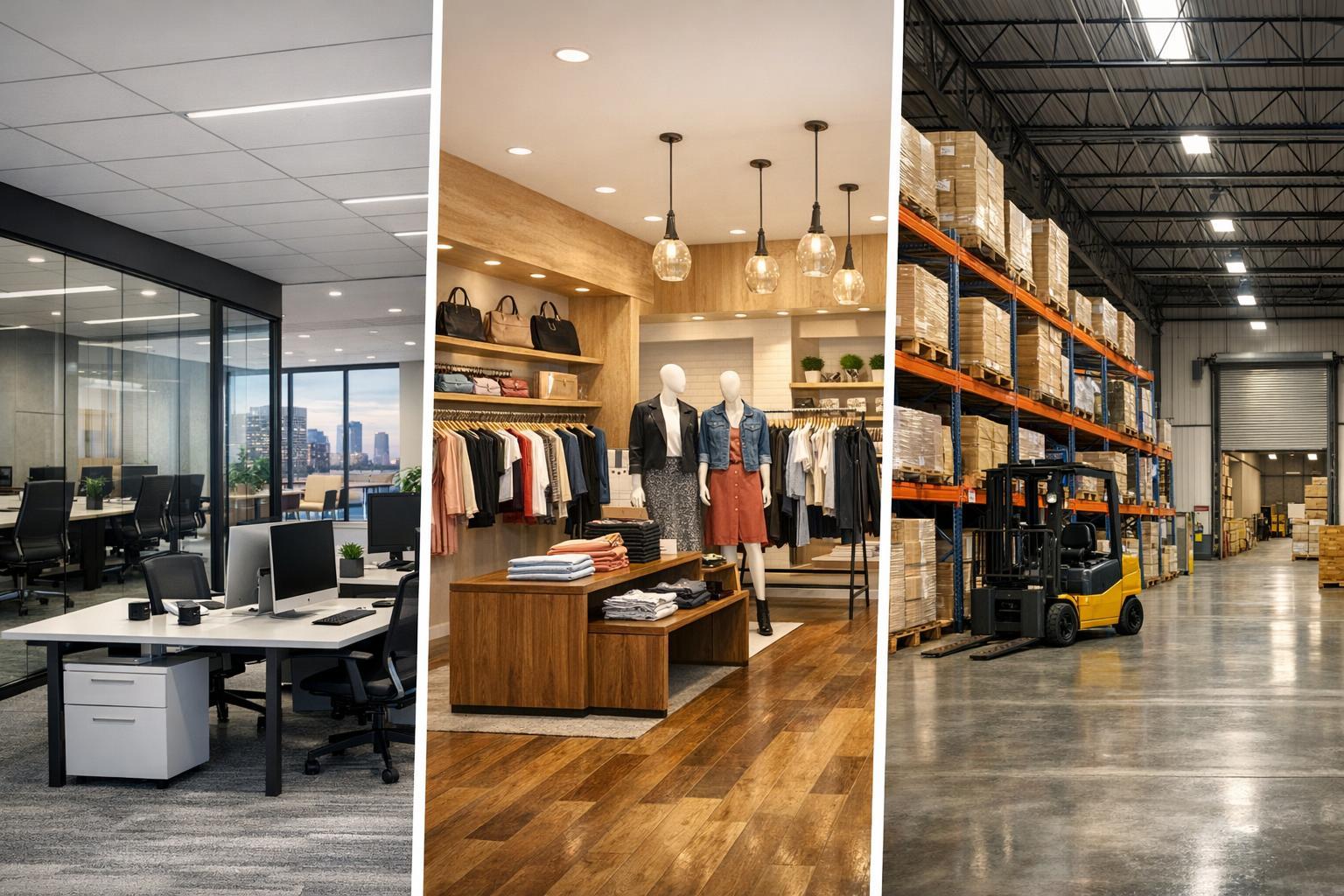
For an office, that may mean balancing panoramic window views with shots of amenity spaces and conference rooms. For retail, it often requires careful attention to street presence, signage, and incoming customer flow. For a warehouse, showing both massive open volumes and the details that drive a leasing decision—docks, offices, access—can be the difference between a prospect’s interest and a missed opportunity.
If you’re preparing to market a commercial property in NYC or New Jersey, RealtaSnap is equipped to help you plan and execute a shoot that makes your asset genuinely understandable to its next user. Get started at www.RealtaSnap.com.
FAQ
Question: What information should I give my commercial real estate photographer before a shoot?
Answer: Share the property address, property type, how you intend to use the media, detailed access instructions, any tenant or management restrictions, and a list of priority features or spaces. Existing marketing materials or floor plans can help, but on-site capture is always required for new floor plans.
Question: How many images are ideal for a commercial listing?
Answer: The number of photos depends on the property’s size, type, and complexity. For compact retail or small offices, focused coverage may suffice. Larger offices, industrial sites, or multi-building developments generally require broader image sets. The goal is to present the property clearly without redundant or repetitive imagery.
Question: Can virtual staging be used for a vacant commercial property?
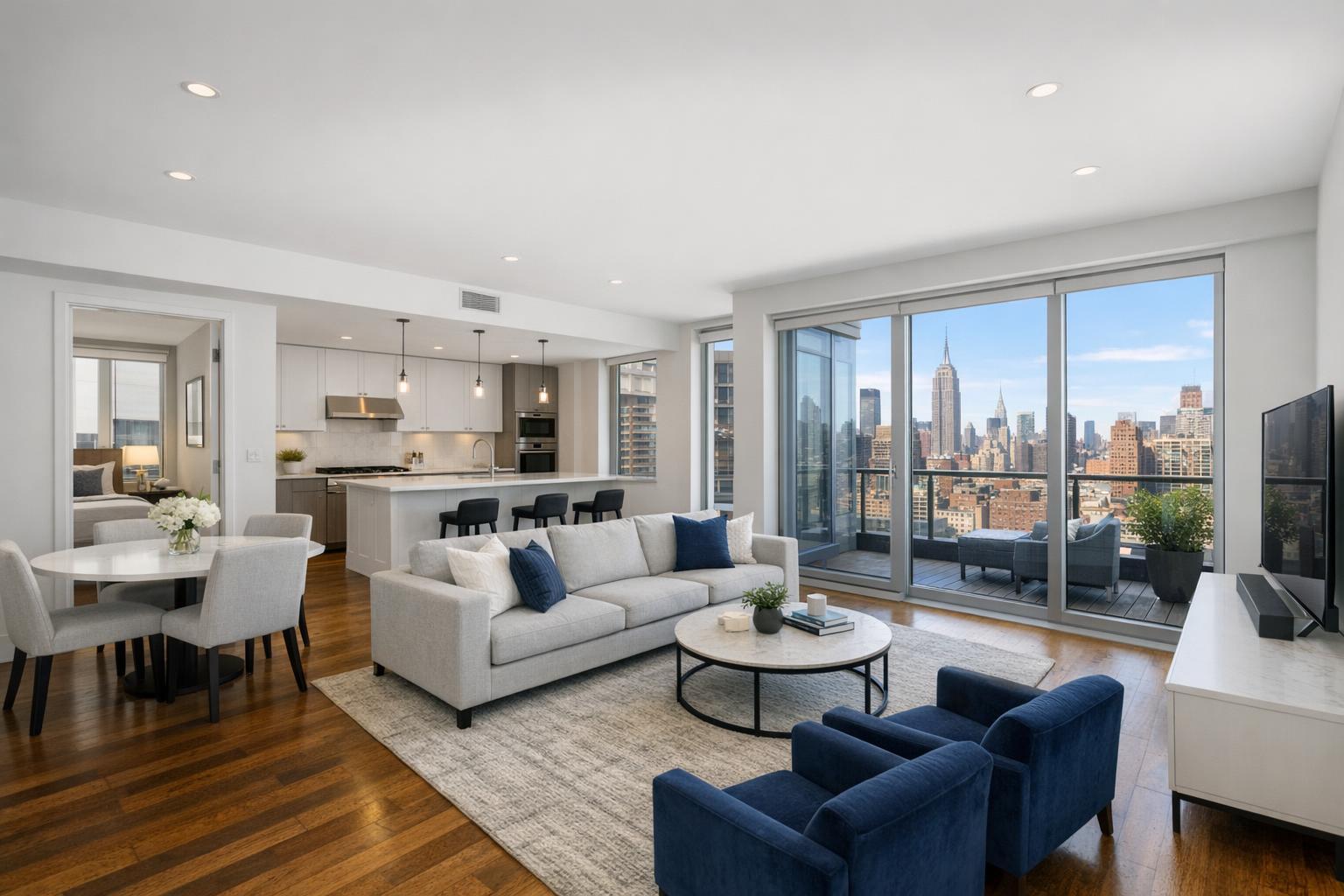
Answer: Virtual staging is available and can be effective for presenting empty offices, retail spaces, or model areas. For best results, the space should be empty or fully decluttered. If furniture remains, it must be removed before shooting or handled with a paid clutter-removal edit prior to applying virtual furnishings.
For thoughtful, experience-based commercial property photography and media, visit www.RealtaSnap.com.