How to Choose a Commercial Real Estate Photographer for Your Property
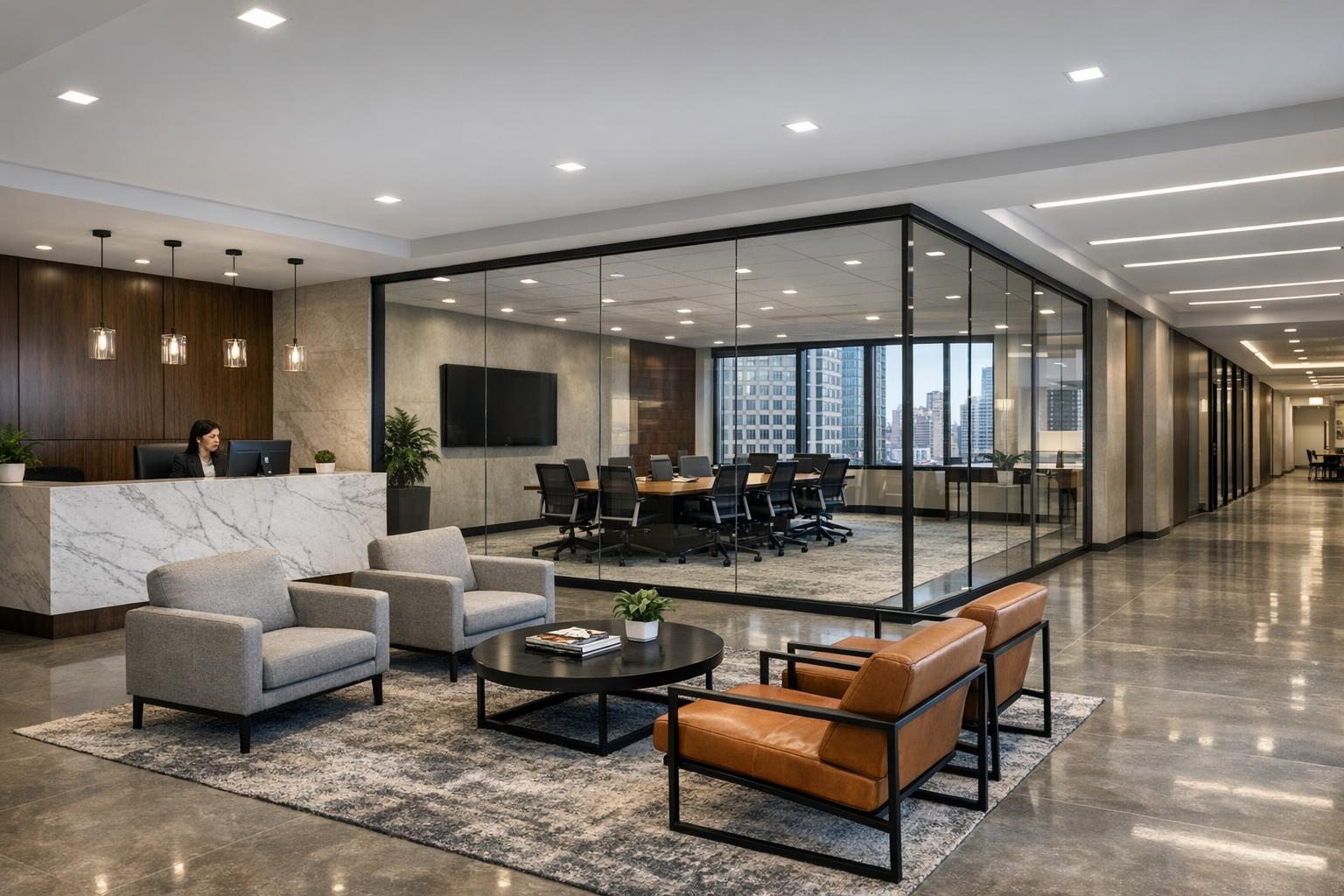
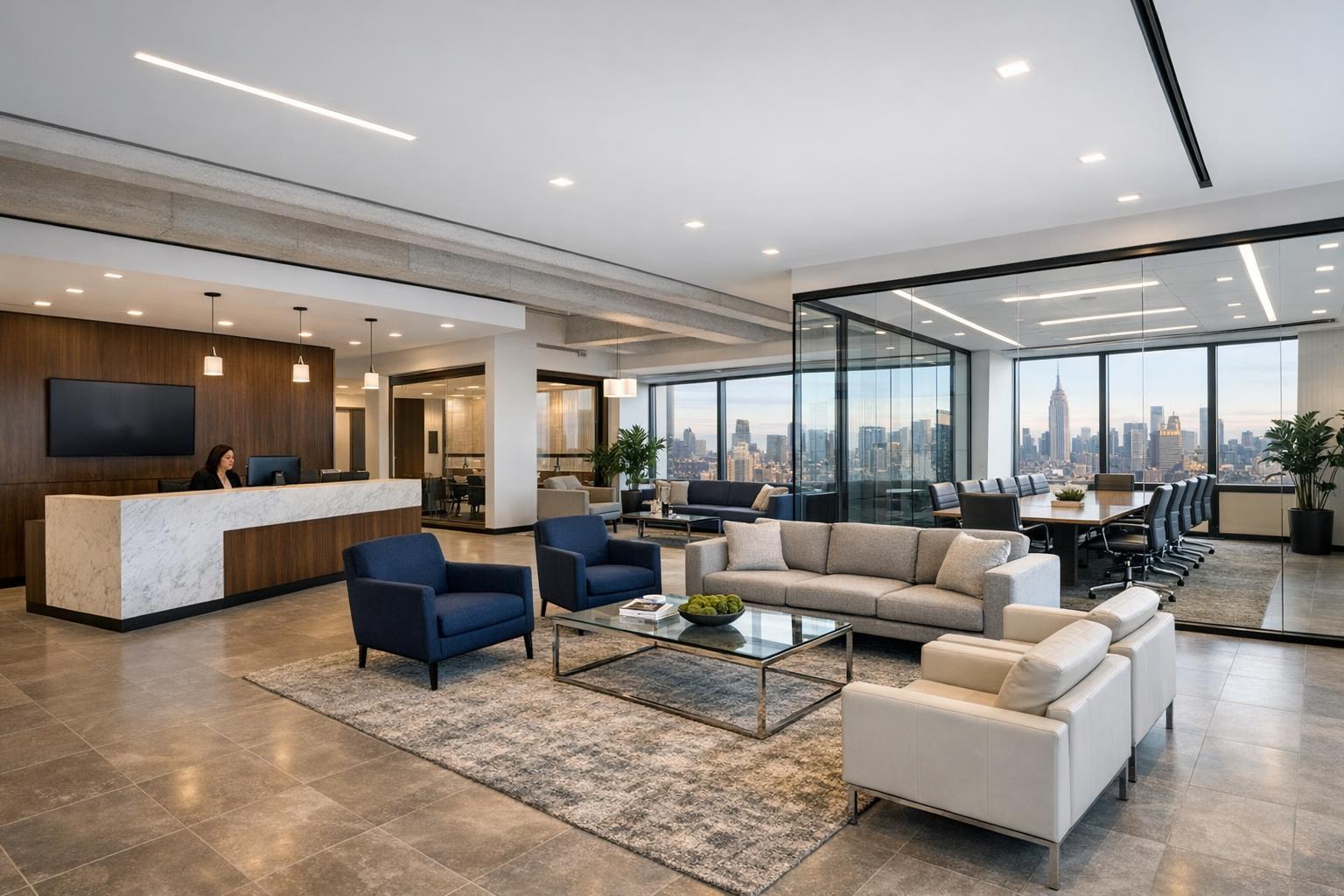
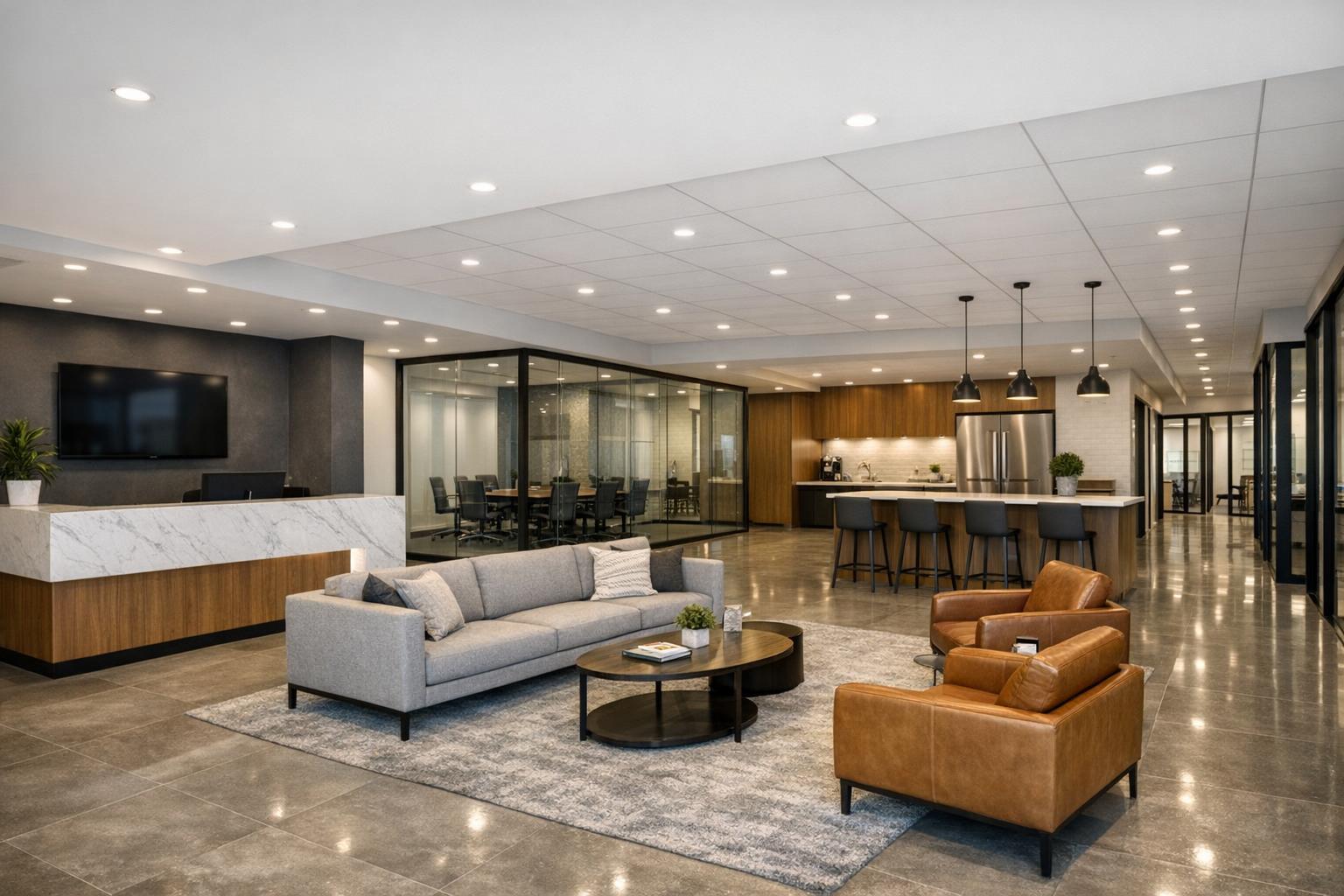
Captured by a commercial real estate photographer, the modern office lounge features sleek design elements, including a comfortable seating area, open kitchen, and a glass-walled conference room.
How to Choose a Commercial Real Estate Photographer for Your Property
Choosing a commercial real estate photographer is a pivotal decision for brokers, leasing teams, property managers, developers, and business owners who need to present a building or suite with clarity and intent. Commercial real estate photography isn’t just about making a space look appealing—it’s about communicating the practical features, layout, and context that matter to tenants, buyers, and investors.
This article takes a straightforward look at what really matters when selecting a photographer for any commercial property, whether you’re marketing an office, retail unit, warehouse, or development in New York City, New Jersey, or surrounding markets.
Commercial Photography Isn’t Residential Photography
A commercial real estate photographer approaches property differently than someone focused on homes. Residential listing photography tends to emphasize warmth and visual appeal—it’s often about selling a lifestyle. In commercial settings, the task is more technical: to document space, scale, access, finish quality, and operational details that support leasing or sales. The stakeholders viewing these images will be analyzing possibilities for how a property fits their needs or their client’s needs, not simply forming an emotional attachment.
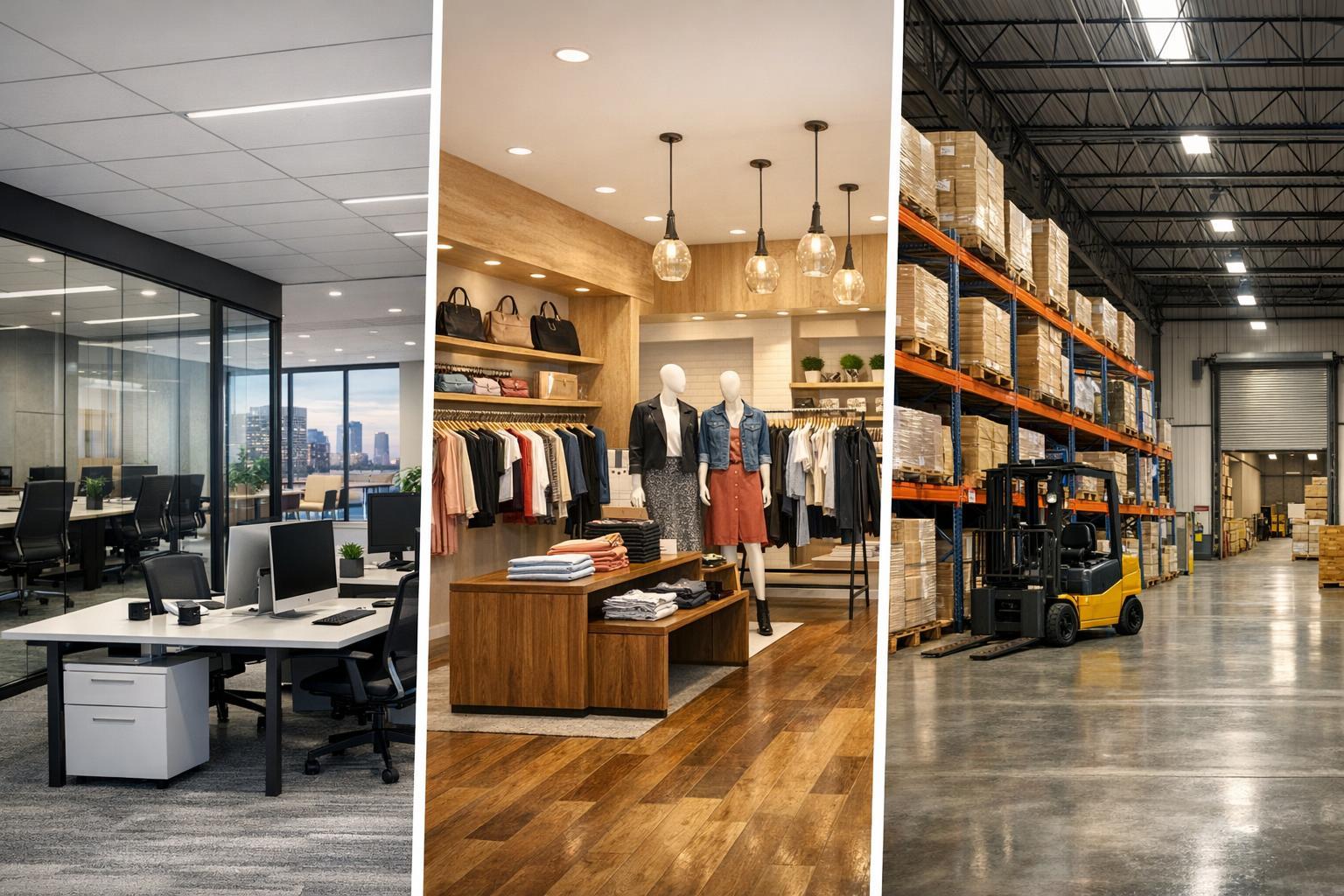
For example, showing the full span and ceiling height in a warehouse matters more than highlighting decorative details. Office property photos should make it easy to grasp workspace flow, circulation, and available amenities. Retail images need to capture storefront visibility, foot-traffic context, and merchandising potential. An effective gallery goes beyond beauty. It delivers information—without misrepresenting what’s actually there.
Start With How You’ll Use the Images
Before you compare commercial real estate photographers, clarify your goals. Where will the photos appear—leasing brochures, email campaigns, offering memoranda, websites, or social announcements? Is your primary audience tenants, buyers, investors, or project stakeholders? Will the property be shot furnished or vacant? Occupied or in transition?
These details shape the assignment. Retail and restaurant brokers may want clear shots of customer-facing areas, entry points, and signage locations. Office listings often need a broad set of images: lobby, reception, workspaces, meeting rooms, support areas, common amenities, and sometimes exterior context. Developers frequently need progress documentation as well as images for long-term marketing assets. If you know upfront what features are essential to communicate, the photographer can structure coverage accordingly—instead of delivering a generic, less useful collection.
Reviewing Portfolios With a Critical Eye
A commercial property photographer’s portfolio should reflect the type of property you’re advertising. Apartment images don’t substitute for proven experience with warehouses, offices, retail suites, or new developments. Does their office work make it easy to read layout and flow, with intentional use of natural light? Are their retail images realistic about exterior glass, vertical lines, and real-world foot traffic? Do their industrial galleries effectively show space, scale, and operational details?
Compare not just “showcase” photos, but the consistency and information captured in full projects. This reveals more about a photographer’s real approach and skill than a handful of hero shots.
Key Elements of Strong Commercial Photography
In commercial real estate photography, technical control is vital. Several fundamentals usually stand out when reviewing project galleries:
- Straight architectural lines: Images should preserve the accuracy of walls, doors, and windows—obvious leaning or distortion undermines trust and clarity.
- Balanced lighting: Window exposure, shadow, and interior light should be managed so details aren’t lost to glare or darkness. This is especially relevant in properties with significant natural light or large open spaces.
- Proportion and perspective: Wide angles can make rooms feel open but must be used purposefully to avoid misleading impressions of scale.
- Meaningful composition: Images should show how rooms or features connect, not just a series of isolated corners.
- Clean editing and presentation: Viewers notice inconsistent color or scattered clutter. Photos should feel ready for publication, yet not over-processed or altered to the point of misrepresentation.
Good editing can refine an image, but genuine preparation on site—straightening chairs, removing personal items, making sure lights are on—will always make the biggest difference.
Define Scope and Deliverables Before You Book
Commercial shoots benefit from a clear definition of what’s covered. Instead of just asking “How many photos?”, specify:
- Which rooms and features are mandatory
- Whether you need exteriors, details, or amenity coverage
- If coordination is required for occupied areas or special building access
- Orientation needs (vertical, horizontal, for web, print, or social)
- Timeline for delivery and review
For larger properties, a shot list helps ensure important features are captured, but it doesn’t have to dictate every frame. Explain goals: for example, “Please capture the secondary entrance to show delivery access.”
A well-designed scope leads to more useful results. It also makes it easier to communicate expectations and avoid confusion on shoot day.
Preparation Makes a Noticeable Difference
Unlike residential shoots where staging is often elaborate, commercial photography is about readiness and clarity. Property managers and staff can have a direct impact on how a space photographs:
- Remove boxes, signage, cleaning supplies, and personal items from major sightlines
- Turn on all available lights for a bright and inviting atmosphere
- Park vehicles away from key exterior angles, if possible
- Clean glass, especially in entry areas and along window lines
- Make sure shades and doors are set to preferred positions
- Identify areas that are restricted for privacy or security
If a property is occupied, try to schedule for a period of light activity. In offices or retail, a quieter time may allow for clean, distraction-free images. In warehouses, pick a window where operational activity can be managed around the shoot.
Good commercial real estate photographers will work with real conditions, but preparation always improves the final media.
Navigate Logistics in NYC and New Jersey
Commercial property shoots in NYC frequently require extra logistical planning—think access permissions, lobby check-ins, freight elevator reservations, and Certificates of Insurance. High-rise properties, tight schedules, and operational restrictions are common. In New Jersey, more time might be needed to cover larger lots, parking, and unique exterior features.
Sharing detailed property and contact information in advance is always useful:
- Address and suite number
- Entry instructions and access codes
- On-site contact for day-of questions
- Preferred windows for shooting
- Any rules for photography, security, or tenant privacy
If you’re hoping to add drone photos, feasibility depends on airspace, weather, safety, and pilot discretion. Roof access may also be a factor in urban environments.
When to Add Floor Plans, 3D Tours, or Video
Still photography is central to commercial marketing, but other media can provide complementary value if the property and campaign require it:
- Floor plans: Help viewers understand spatial layout and flow. RealtaSnap creates these through on-site capture, not from uploaded PDFs.
- 3D virtual tours: Allow remote stakeholders to explore spaces interactively. These must also be captured at the property.
- Listing video: Show movement and flow for larger or more complex spaces. RealtaSnap videos are always captured on site, not as a slideshow of existing images.
- Virtual staging: Useful for visualizing an empty space furnished, but works best when rooms are physically empty at the time of the shoot.
Add these media types only when they help your audience more easily understand the listing or provide value to your marketing approach.
For more information on these services, see RealtaSnap’s property media overview.
Questions Worth Asking Your Photographer
A productive conversation with any commercial property photographer should clarify both their process and their fit for your needs. Consider:
- Have you photographed properties similar in size and use?
- Can you share a complete gallery—not just samples—from a comparable job?
- Which features would you prioritize for this space and audience?
- How do you deal with exposure, natural light, wide spaces, or mixed-use settings?
- What’s your editing approach? What’s included—and what costs extra?
- What information or approvals do you need before arrival?
- Do you capture floor plans or video on site, or require additional appointments?
Direct, confident answers reveal both experience and suitability for the assignment.
A Practical Partner for Commercial Property Media
The right commercial real estate photographer does more than show up with a camera. They understand the property’s purpose, plan their coverage around both the marketing strategy and operational realities, and communicate expectations clearly.
RealtaSnap is an experienced media partner for commercial and residential properties throughout NYC and New Jersey. We provide professional on-site photography, video, drone media, floor plans, 3D virtual tours, and virtual staging when they fit the needs of the assignment. Our workflow is designed to be clear, efficient, and tailored to the realities of each property type and marketing campaign.
Get started, view available services, or schedule a shoot directly at RealtaSnap’s website.
A thoughtfully planned commercial shoot gives marketing teams a reliable, accurate set of assets to present listings thoroughly and professionally.
FAQ
Question: How many photos do I actually need for a commercial property shoot?
Answer: The number depends on the property’s size, features, and intended marketing use. A small retail or office suite may only require coverage of key areas, while a larger office, industrial space, or multi-unit development will benefit from more comprehensive documentation. Focus first on essential spaces for your listing or conversation, rather than choosing a number at random.
Question: Can I use an existing PDF or architectural plan to get a new floor plan?
Answer: Not for marketing purposes. Accurate, presentable floor plans are created with physical, on-site capture; uploading a PDF or old plan doesn't provide the detail or reliability required. If you need a floor plan, RealtaSnap will schedule a visit to measure and scan the current space.
Question: Are commercial shoots possible during business hours?
Answer: Yes, as long as it works for property management, tenants, and staff. In some cases, capturing the property during business hours provides useful context for how it operates. If privacy or operational concerns exist, scheduling during off-hours or lighter activity periods may be preferred. Advance coordination makes a smoother shoot.