How to Choose a Commercial Real Estate Photographer for Your Property
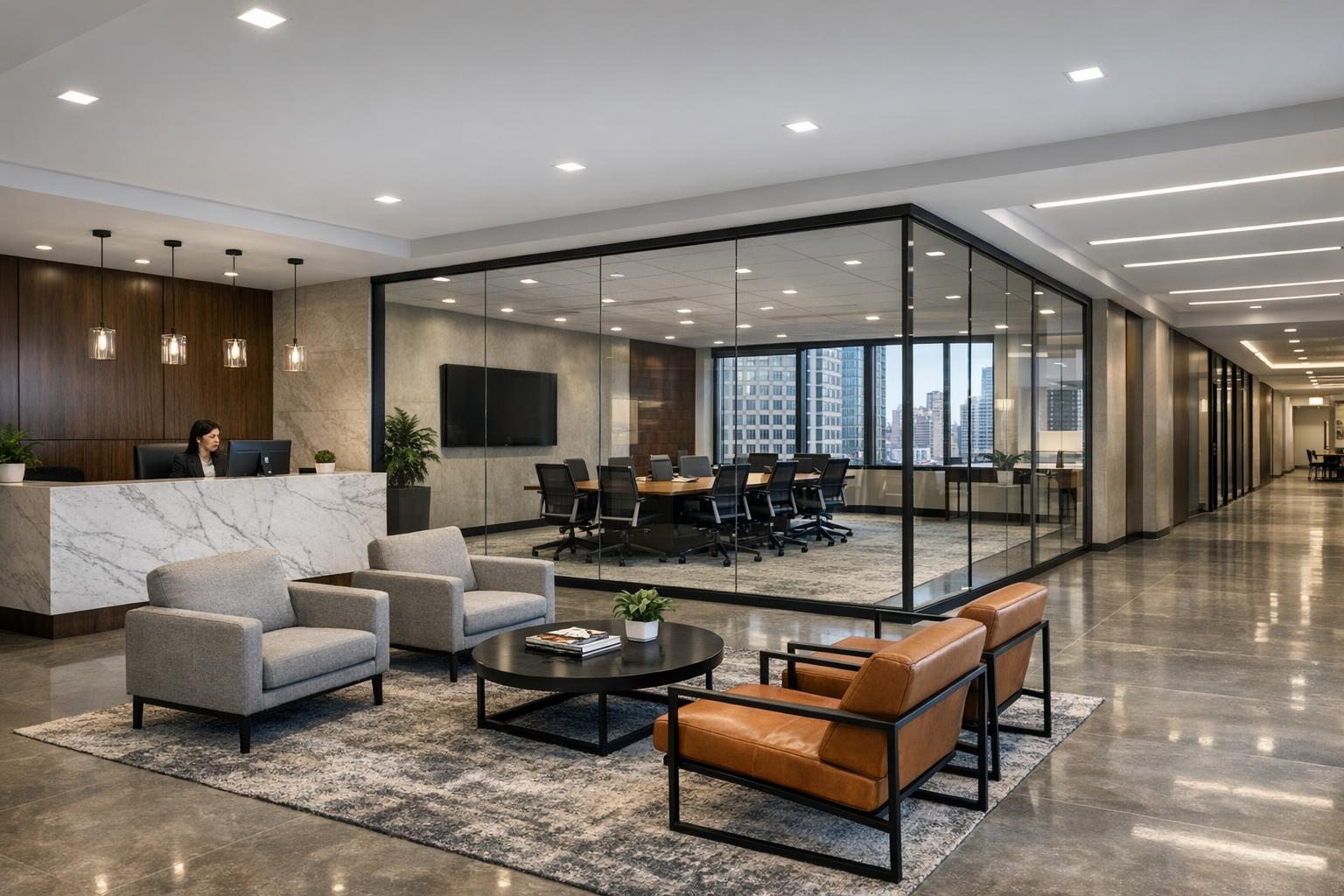
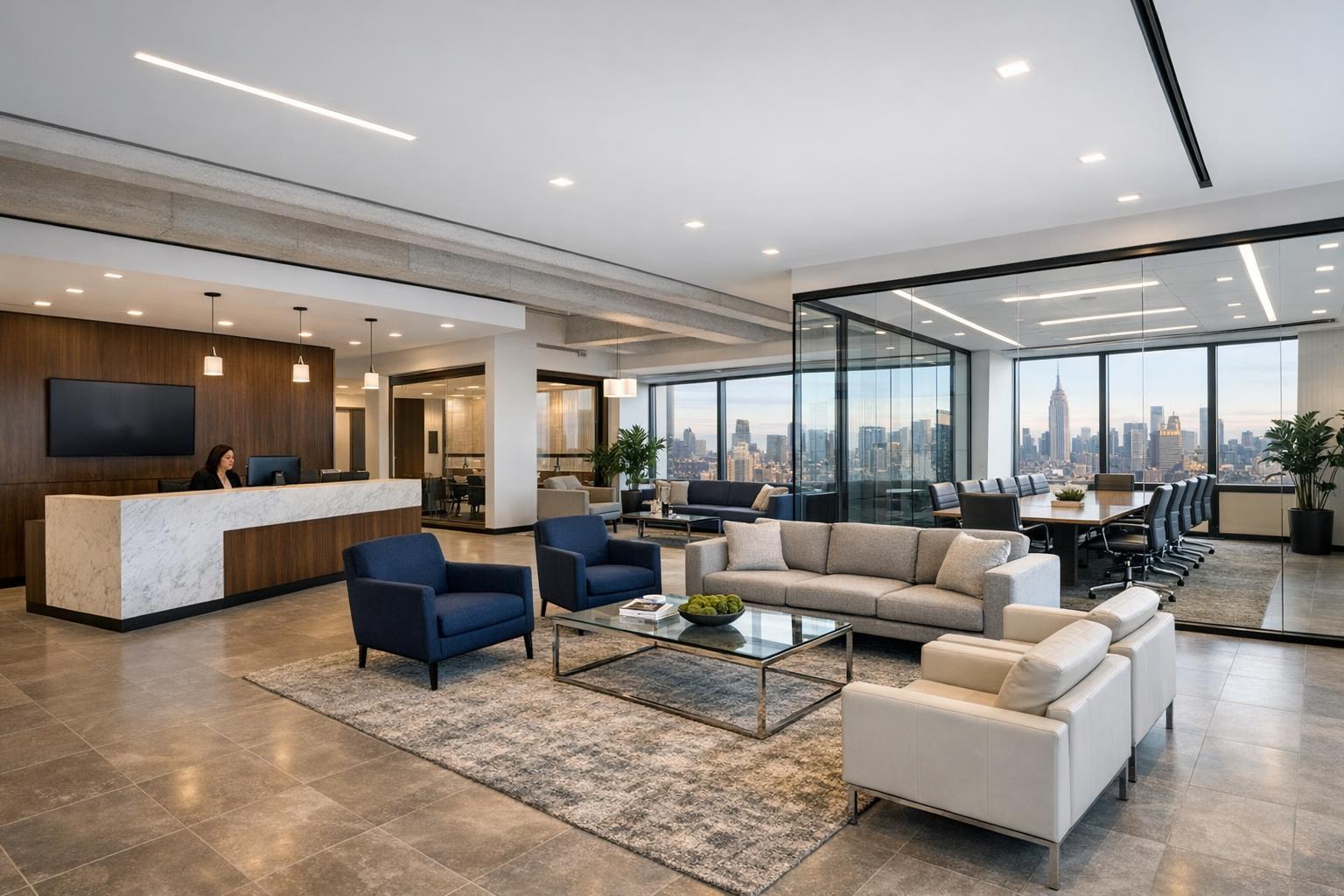
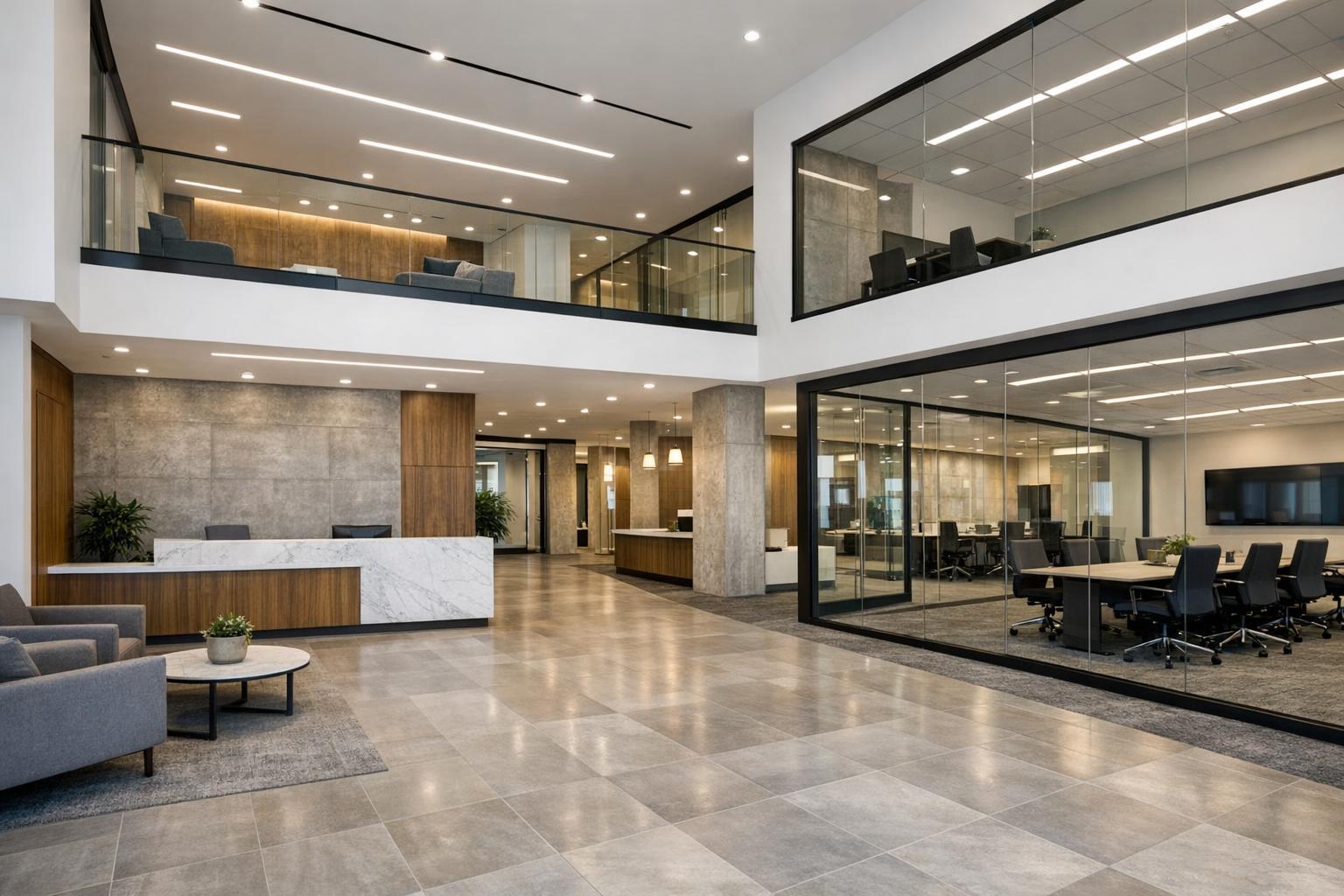
Capturing the sleek and modern design of a commercial office space, the real estate photographer highlights open meeting areas, polished marble surfaces, and sophisticated lighting.
How to Choose a Commercial Real Estate Photographer for Your Property
A commercial real estate photographer can influence far more than the visual appeal of a space—they play a central role in how a building’s layout, size, and commercial potential are communicated to brokers, property managers, and decision makers. Whether you’re preparing a Manhattan office suite for lease, repositioning a North Jersey industrial site, or launching a new retail concept, the selection of a media partner is about more than flattering pictures. It’s about providing your audience with the information required to take the next step—remotely and confidently.
In this issue, we’ll walk through what sets commercial real estate photography apart from residential approaches, how to evaluate professional portfolios, what operational questions signal genuine expertise, and how to ensure your property’s unique attributes are well documented for the right audience. The perspective here is built around the realities of property marketing in NYC, New Jersey, and the broader metro environment.
Commercial Photography: More than Residential at Scale
It’s a common misconception that commercial real estate photography is just residential listing photography on a larger canvas. In practice, the requirements are very different. Residential photos are often staged to create a lived-in, emotionally inviting feeling. In the commercial sector, accuracy and utility rise to the top. The photography needs to document not only aesthetics but also infrastructure, operational details, access points, and ways people or goods move through the space.
Some practical differences:
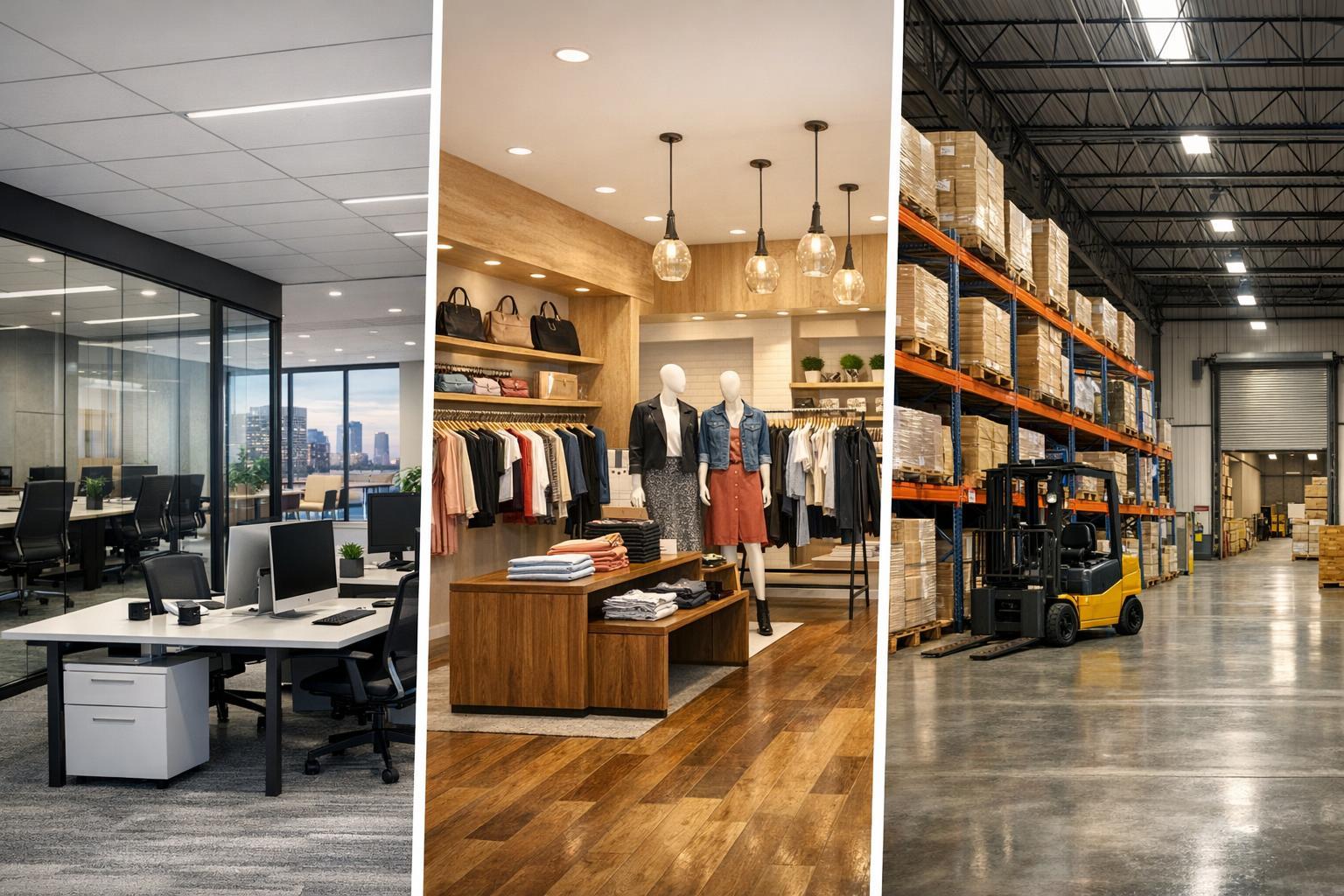
- Office suites might require images of open work areas, executive offices, conference rooms, reception, ceiling height, and window lines—presented in a way that makes the internal layout immediately clear to a remote viewer.
- Retail listings often benefit from both wide exterior shots showing signage and street presence, as well as interior shots highlighting sales areas, storage, and points of customer access.
- Industrial or warehouse photography must show dock doors, drive-in access, racking, utility capacity, and site circulation, focusing on features that affect logistics.
- Mixed-use or multi-tenant assets challenge the photographer to capture how different spaces—commercial, office, amenity, residential—interact and connect.
Experienced commercial property photographers don’t just choose attractive angles. They strategically design their shot list around what a broker, investor, or business owner would need to see to make an initial evaluation, long before an in-person tour.
Define the Audience and Purpose First
Every property media project should start with clarity about its intended purpose—what’s being marketed, who the primary audience is, and which attributes matter most for a deal to move forward.
Some guiding questions for property managers, landlords, and brokers:
- Is this for a lease, sale, investor update, brand launch, or tenant marketing campaign?
- Who are the decision makers: business owners, site selectors, facility managers, franchise executives, or investors?
- What physical characteristics (ceiling height, loading areas, storefront, amenity access, visibility, natural light) carry weight in your specific asset class?
- Are there operational constraints: hours of activity, areas that are occupied or restricted, sensitive materials, or ongoing business operations?
- Where will the images be published—online listings, OMs, brochures, internal presentations, or digital campaigns?
- Are you after dramatic hero shots only, or do you need a comprehensive, documentary-style visual inventory?
Without this foundational conversation, even a skilled photographer may overlook property characteristics central to your audience’s decision-making.
Reviewing Portfolios: Relevance Over Drama
A polished portfolio matters, but property-type relevance is even more important. A photographer who shines in residential settings may not instinctively know which elements to highlight in a warehouse or ground-floor retail asset.
Here’s what to actually look for in a commercial real estate photography portfolio:
- Architectural lines should be straight and intentional, limiting distortion that could mislead on scale or proportion.
- Lighting must be balanced, retaining detail in window views while handling shadowy interiors—crucial in high-rise offices with distant views or vast industrial sheds.
- Spaces should be rendered faithfully; wide lenses can open up tight rooms, but excessive stretching undermines credibility.
- Compositions should help viewers logically understand how one area connects to another—think of a sequence walking through reception, into a bullpen, and finally to a corner office.
- Exterior photos must make entry points, parking, landscaping, and street frontage evident.
- Operational spaces (loading, kitchenettes, mechanicals) should be included if important for your audience.
- Post-processing should be consistent across all images, avoiding jarring transitions or dramatic style shifts.
In the NYC metro, context matters: studios must navigate tight corridors, sometimes limited natural light, unique building security requirements, and an environment where parking for even a quick drop-off is challenging. Meanwhile, New Jersey’s larger properties present different—but equally real—coverage challenges, such as providing a sense of scale or visually documenting access, parking, and circulation around the site.
Asking the Right Operational Questions
It’s important to look beyond image quality and ask practical questions about process and on-site planning. Experienced providers are ready to discuss:
- How the photographer coordinates pre-shoot calls or planning discussions to define priorities
- Access arrangements for sensitive or restricted spaces, rooftops, or back-of-house areas
- Strategies for working around staff, tenants, or active operations
- Adaptation to building requirements: lobbies, elevators, loading, or hours of access
- Scheduling around client operations or customer traffic
- Handling of occupied spaces and confidential information visible on-site
- Contingency plans for weather when exterior or aerial media are required
- Whether your on-site presence is needed to facilitate access or shot selection
An informed commercial photographer will help you plan around live business hours, tenant schedules, and the quirks of commercial real estate, instead of treating the shoot like a quick residential walk-through.
Documenting Occupied and Operational Spaces
Most commercial properties aren’t vacant or staged like new residential listings. Offices have employees at desks. Retail spaces see active foot traffic. Industrial properties might be busy with deliveries or equipment in use.
Professional media teams balance the need to capture real, operational spaces with clear, distraction-free visuals:
- Where possible, arrange to tidy or temporarily declutter visible areas—clear loose paperwork, hide personal items, straighten chairs.
- Identify spaces containing sensitive information or restricted operations before the shoot, allowing the team to adapt coverage accordingly.
- For spaces that cannot be altered, the photographer should know how to compose shots to minimize distractions while focusing on the property’s key features.
Post-processing (such as object removal) can help with minor distractions, but intentional preparation always delivers the best visual results. At RealtaSnap, all property photos are captured on-site with genuine representation of the space, with editing options available for specific requests. Major structural edits or speculative “what-if” digital changes aren’t part of the offering.
Prioritizing Visual Accuracy
Functional accuracy is critical in commercial marketing. Where residential buyers may overlook a stretched living room, commercial tenants or investors are likely to spot an exaggerated image, which risks eroding confidence.
Expect your photographer to discuss:
- Methods for correcting vertical and horizontal lines in camera or during editing
- Use of appropriate lenses for tight offices or large industrial volumes (while avoiding misleading distortion)
- Balancing natural light with artificial sources, so that interior shots don’t lose context at windows—even in highly glazed spaces
- Managing reflections in glass partition walls, storefronts, and glossy finishes
- Sequencing the photo session for optimal lighting, both inside and out
- The process for ensuring consistent color and exposure across the entire set
A photograph should help a remote prospect visualize real layout and scale, not obscure physical realities or present a selectively edited view.
Making the Most of Complementary Media
While still photography is the foundation of most commercial property marketing, other media can add clarity and context when appropriate.
- Video: Professionally shot property video can guide a viewer through key areas, capture movement, or establish atmosphere—particularly useful for offices, hospitality, and mixed-use destinations. RealtaSnap captures videos on-site rather than assembling them from still photos, ensuring a sense of movement and flow.
- Drone Media: Aerial imagery offers context for building scale, site layout, parking, truck access, or unique surroundings. However, drone feasibility in dense NYC and parts of North Jersey depends on airspace, weather, and pilot discretion. Roof access may help, but no provider can guarantee a flight at every location.
- 3D Tours and Floor Plans: Interactive 3D tours support virtual exploration, especially helpful for complex suites where layout is difficult to convey in photos. Professional floor plans require on-site property capture. RealtaSnap does not generate floor plans from existing PDFs or speculative layouts—it’s always based on what can be physically scanned on location.
These offerings should be chosen because they communicate needed information for your campaign, rather than as add-ons with no clear use case.
Getting Clear on Deliverables and Usage
Before work begins, align on:
- How many final images are expected
- Which spaces are included in coverage (interior, exterior, amenities, operational areas)
- Specifics on finishes, branding, or architectural detail shots
- Editing included in standard pricing and which edits require extra service
- Delivery method, file type, and allowed usage (listing, print, web, advertising)
- Who holds the rights to use the photos: brokers, owners, tenants, developers
Commercial property marketing often extends across platforms and stakeholders, so clarify image usage requirements upfront to avoid confusion later.
Field-Tested Questions for Selecting a Commercial Photographer
A property-specific checklist can save time and ensure alignment:
- Have you photographed similar commercial properties or asset types?
- What photo coverage would you recommend based on our target audience and deal goals?
- What information do you need about building access or restrictions?
- How do you approach operational, occupied, or sensitive spaces?
- Are you prepared to handle tight or irregular layouts, challenging lighting, or reflective finishes?
- Can you document major operational features like circulation, loading, or parking?
- What complementary media (video, drone, 3D tour) would truly add value here?
- Is drone or aerial coverage practical for this site?
- How are image usage and editing requests handled?
- Are there any access or scheduling constraints to resolve before the shoot?
The best partners will provide clear, property-specific answers—and may ask their own follow-up questions to ensure the final product is tuned to your needs.
Working with a Trusted Commercial Property Media Partner
A high-quality visual record helps your intended audience accurately understand a property before setting foot inside. It’s as much about spatial clarity and truthful presentation as creating a professional first impression. In metropolitan markets like New York City and Northern New Jersey—where buildings, access, logistics, and asset classes vary widely—experienced providers make a distinct difference.
RealtaSnap offers commercial real estate photography, video, drone media, 3D tours, and floor plans for properties throughout NYC and New Jersey, with a process grounded in operational familiarity, consistent results, and clear expectations. If you’re considering media for a new listing, development, or marketing campaign, you can explore property photography for NYC, review NJ commercial real estate photo services, or browse commercial-specific genres like office space, warehouse, or retail.
To discuss your project or get started, visit www.RealtaSnap.com.
FAQ
Question: What should I do before a commercial real estate photography shoot?
Answer: Make sure access is ready for all spaces that require photography—this can include suites, lobbies, exteriors, loading docks, and rooftops. Remove temporary clutter, secure confidential materials, and coordinate with any tenants, staff, or security ahead of time. If the building will be active during the shoot, highlight quiet windows or priority areas that the media team should address first.
Question: Is drone imagery always possible for commercial properties?
Answer: Drone photography is valuable where aerial context—such as roof details, site layout, parking, or proximity to transit—adds meaningful information. In densely built areas like NYC, feasibility can depend on airspace, weather, building access, and the pilot’s discretion. Not every location can be flown; roof access sometimes helps, but isn’t a guarantee. Flights are always evaluated on a case-by-case basis.
Question: Can floor plans be made from PDFs or existing architectural drawings?
Answer: No, professional marketing floor plans require on-site capture at the property itself. RealtaSnap does not generate floor plans from existing PDFs or third-party plans—physical access is necessary for accurate scanning and delivery. This ensures that marketing materials reflect the property as it actually exists.