How to Choose a Commercial Real Estate Photographer for Your Property
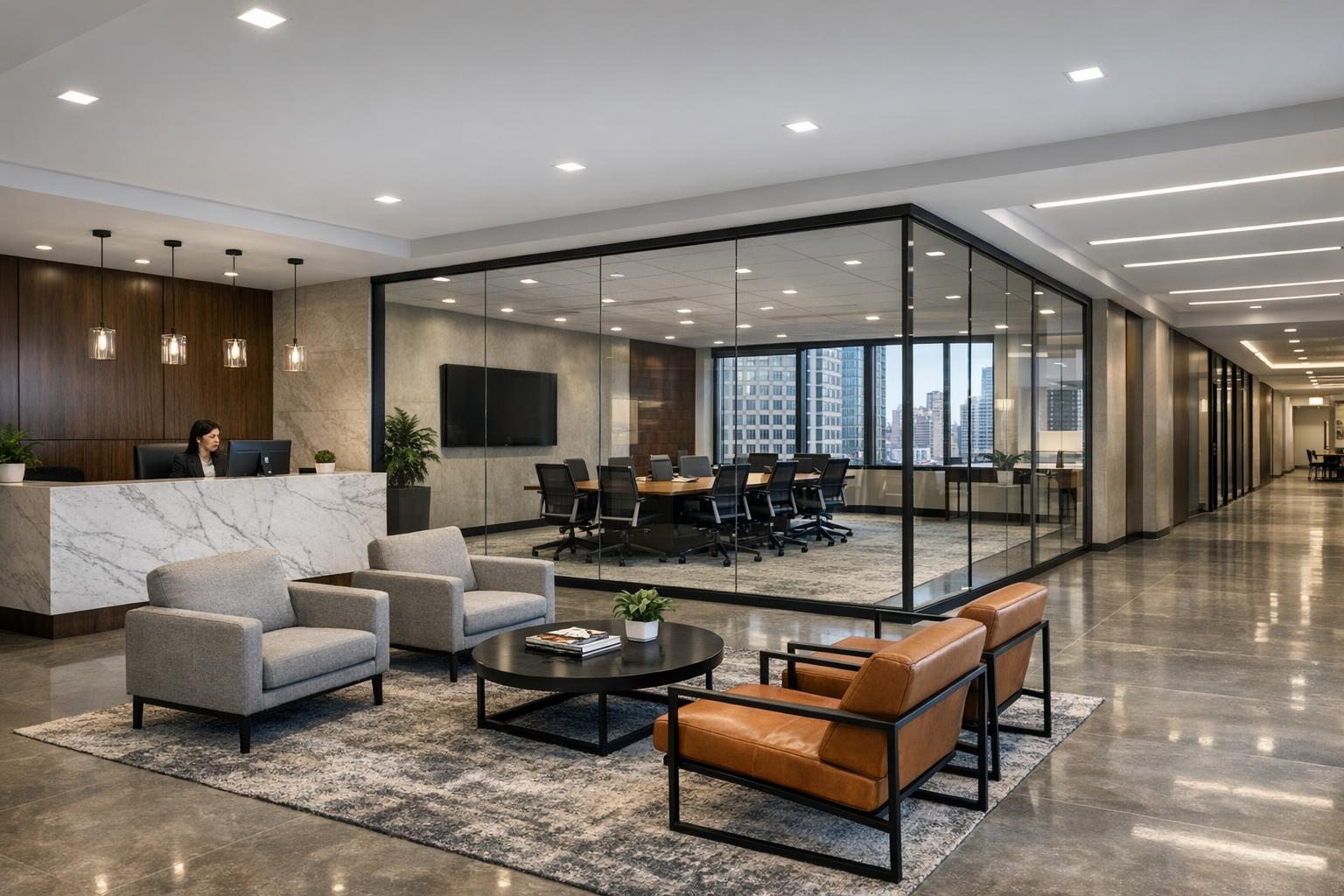
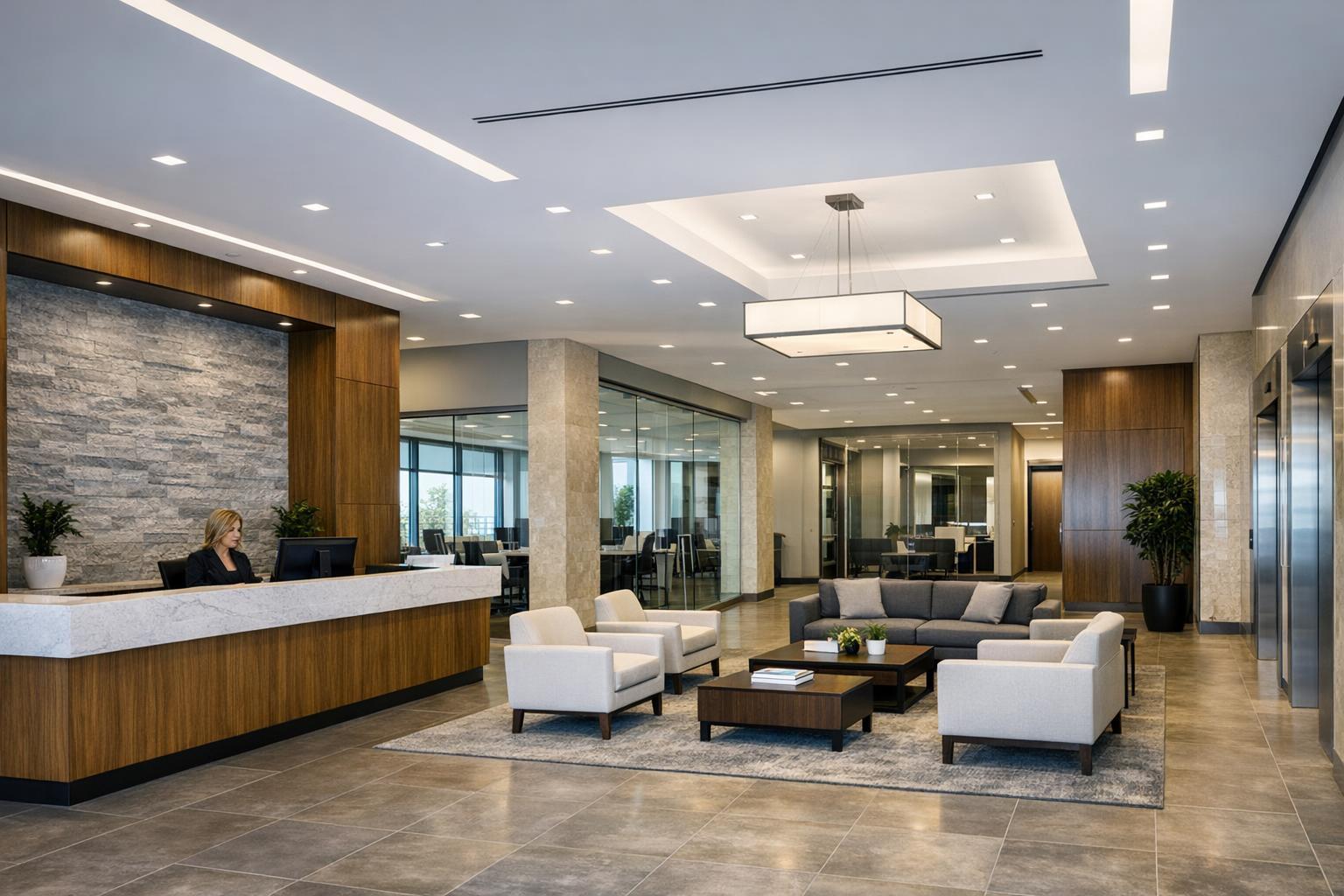
Captured by a commercial real estate photographer, the image showcases a sleek, modern office lobby featuring a spacious sitting area and a receptionist at the front desk.
How to Choose a Commercial Real Estate Photographer for Your Property
A commercial real estate photographer plays a critical role in how brokers, owners, property managers, and developers showcase their spaces. In markets like New York City and New Jersey, where property decisions often come down to nuanced features and market context, the right visuals can save time, clarify information, and even shape a buyer or tenant’s first impression. Selecting the right photographer isn’t just about technical ability with a camera—it’s about knowing what matters most in commercial property photography and how professionals approach the process.
Understanding Commercial vs. Residential Photography
A quality commercial real estate photograph does far more than make a space look attractive. While residential photos might focus on emotion, comfort, or lifestyle, commercial photography has to deliver clear, accurate information about a property’s usable features. Brokers and investors looking at a retail space or office want to understand not just the look, but the space itself: ceiling heights, loading dock access, street visibility, traffic flow, finishes, and how the property fits within the surrounding context.
This analytical approach means commercial real estate photography should:
- Show how suites connect to lobbies, entrances, or shared corridors.
- Make signage opportunities and street visibility clear.
- Capture the practical footprint—where people move, work, or interact.
- Clearly present access points, parking, and loading features.
- Place the property in relation to its neighbors, streetscape, or amenities.
- Accurately convey scale, natural daylight, and material finishes.
A skilled commercial architectural photographer understands these needs and can intentionally adapt their process to present each property type appropriately.
Matching Experience to Property Type
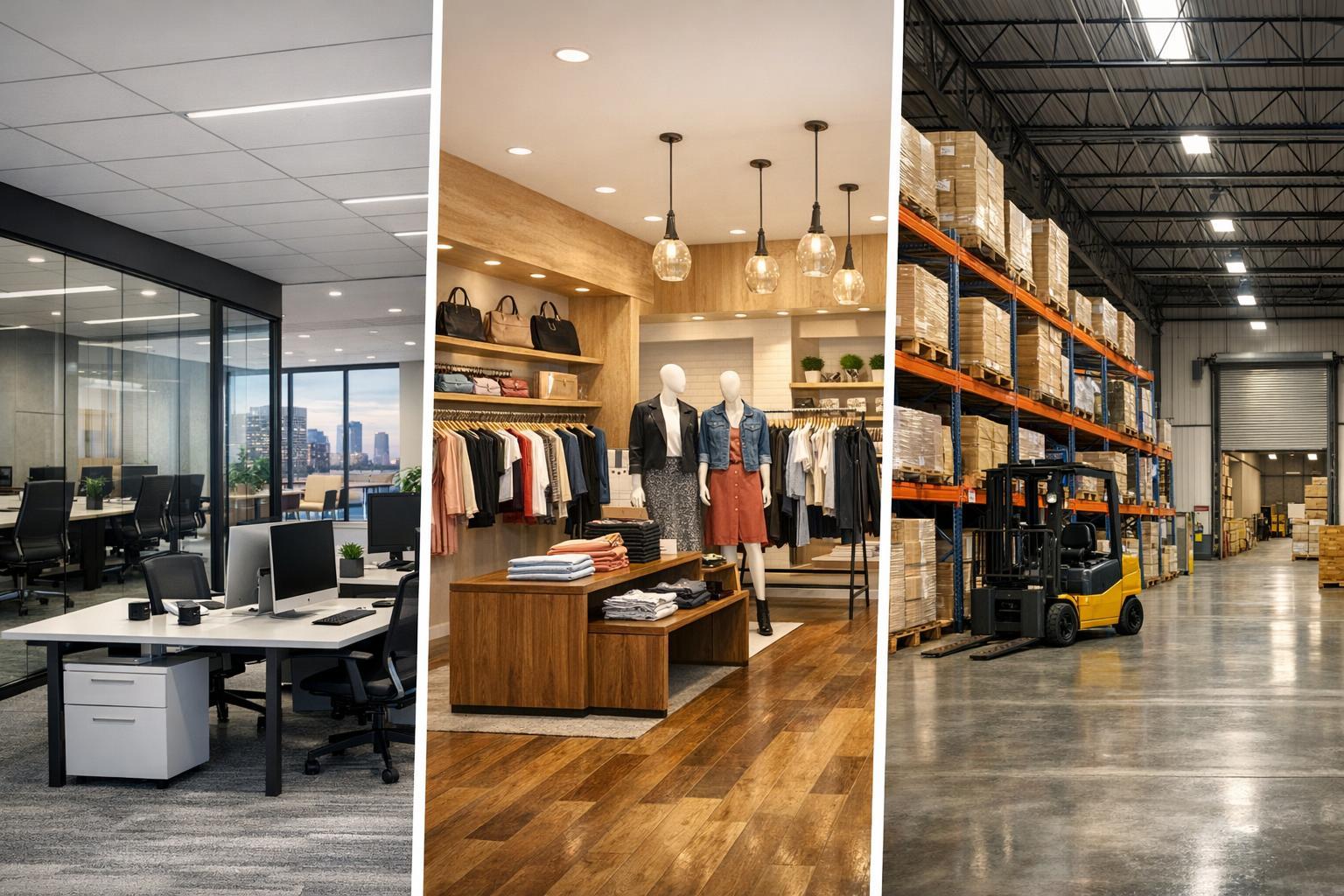
When reviewing potential photographers, a generic portfolio of “nice photos” isn’t enough. Real experience shows up in work that closely matches your specific assignment—whether it’s a downtown office, neighborhood retail, warehouse, or a new development project.
Offices and Professional Suites
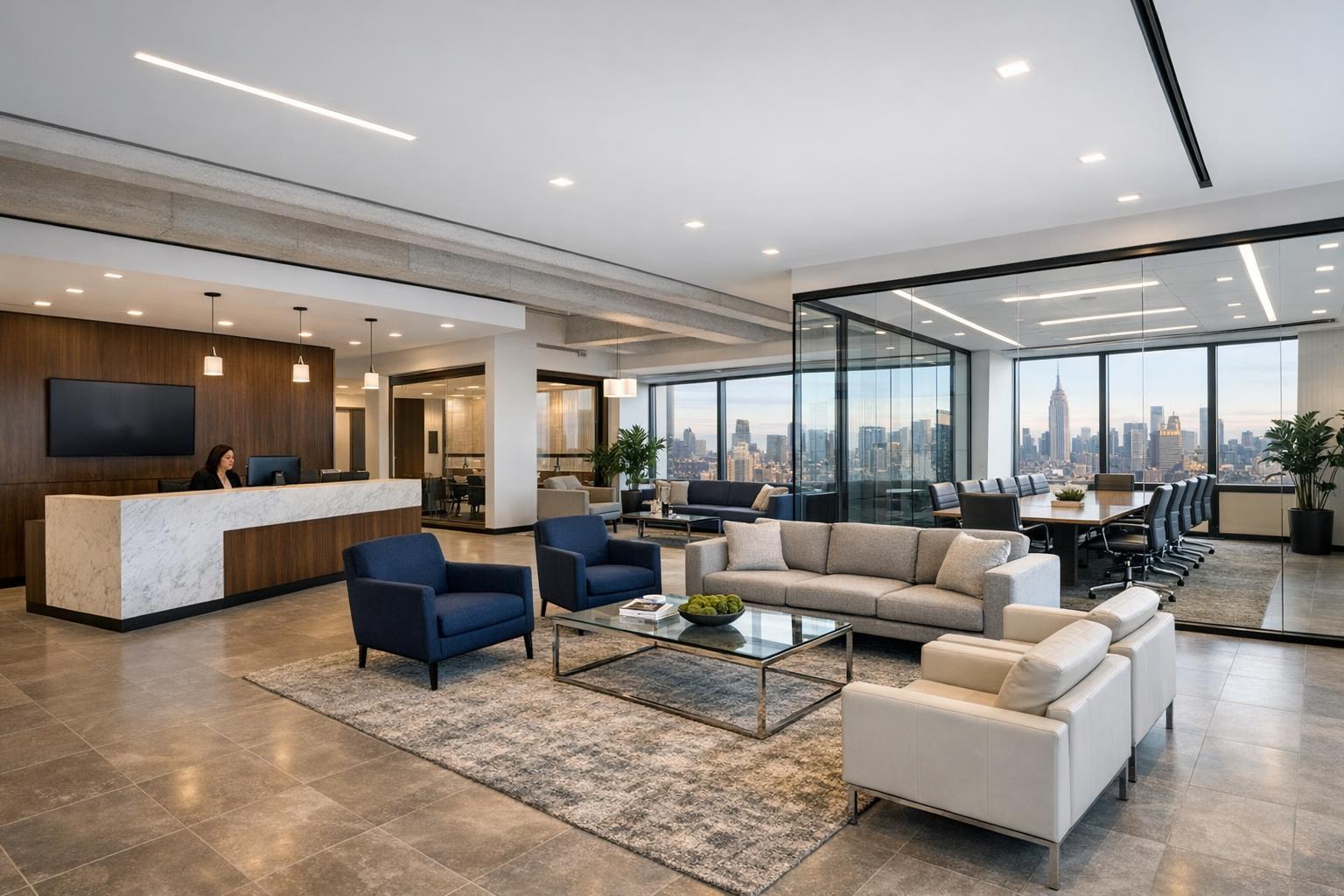
Office imaging requires more than wide shots of empty rooms. Look for examples with straight lines, natural proportions, and balanced window exposures. You’ll want to see that everything—from reception to conference rooms and work areas—is documented with clarity, even in occupied or partially-used suites. Photographers must also handle logistical realities like client privacy, meeting schedules, and visible personal items.
Retail and Restaurant Properties
Retail presentation benefits from a photographer who can properly capture storefront exposure, signage, pedestrian flow, and internal layout. It’s critical these images handle mixed lighting from windows, display fixtures, and street activity without making the space look flat, washed out, or surreal.
Industrial, Warehouse, and Flex Spaces
Industrial listings call for coverage that communicates the “nuts and bolts”: ceiling heights, dock access, racking and storage zones, vehicle flow, and operational elements. Wide angles should serve accurate scale—not exaggerate room size or distort access points. Practical features should always be easy to identify for clients making operational decisions.
New Development, Multifamily, and Mixed-Use Properties
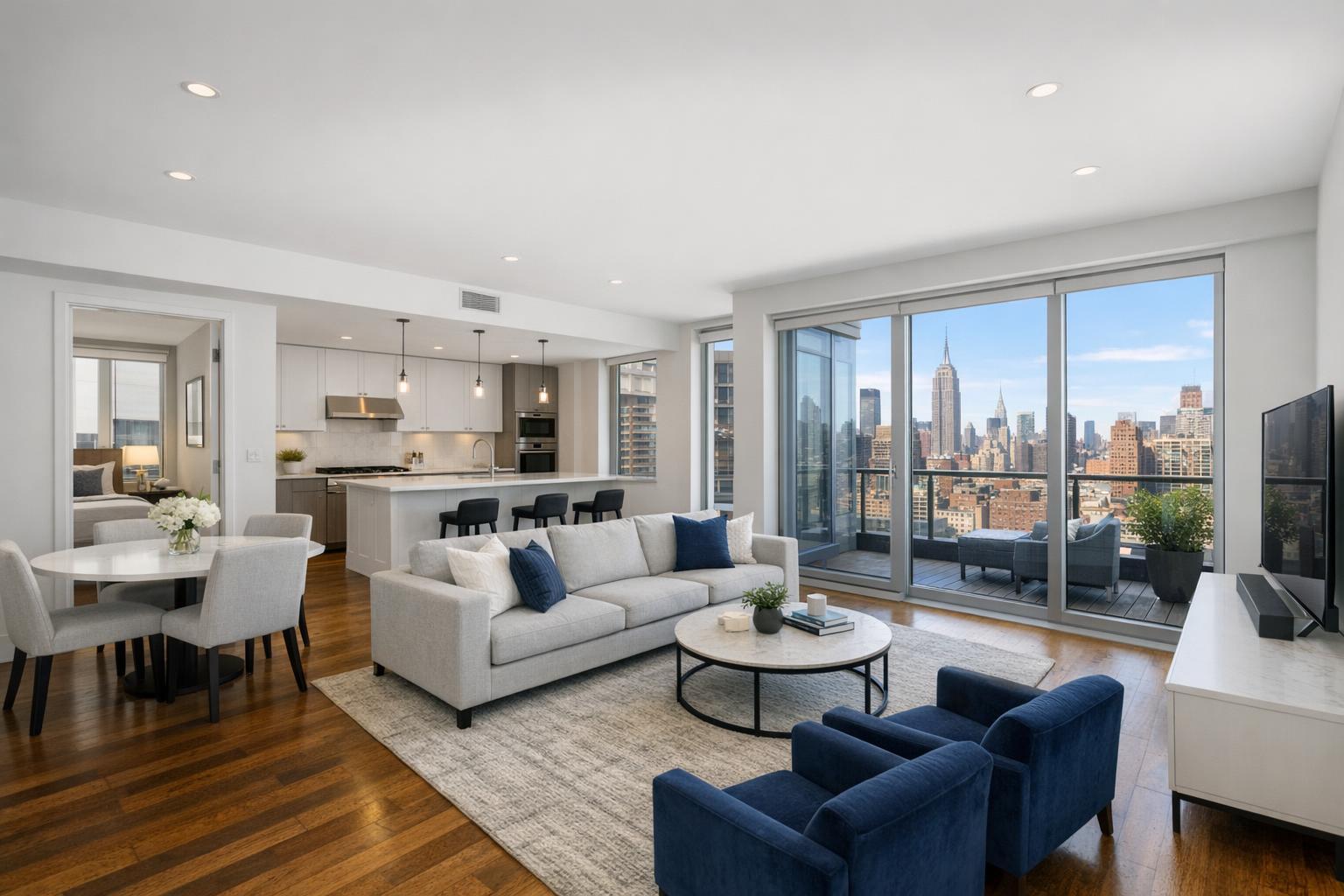
For developments in progress or large multifamily projects, quality imagery documents what exists: facades, common areas, sample units, amenities, and even construction stage (when relevant). Coverage must be clear and up to date—never speculative or reliant on retouched changes that don’t reflect current reality.
What to Look for in a Professional Portfolio
A strong commercial portfolio doesn’t just showcase pretty images. It demonstrates accuracy, consistency, and intentional decision-making in image composition.
As you review a photographer’s work, check for:
- Straight vertical architectural lines (avoid leaning walls or warped doorways).
- Natural room proportions that feel neither exaggerated nor compressed.
- Balancing of interior and exterior lighting (especially near bright windows).
- Meaningful composition—not just random wide-angle shots.
- Editing that’s consistent across different spaces.
- Visual cues making it easy to identify a space’s function, scale, and access.
- Exterior shots with enough context to understand entry, parking, and proximity features.
Of course, some wide-angle views are needed to show full suites or significant spaces. The key is to use them judiciously—a suite shouldn’t look twice its actual size if that could mislead a prospective tenant or buyer. Professional photographers balance clarity with honesty, preserving proportions and keeping the property’s real character at the forefront.
Defining and Scoping a Commercial Assignment
Before you can get a reliable quote or define your expectations, clarify exactly what you need the photos to accomplish. Commercial assignments vary widely, so laying out the essentials at the start avoids missed details later.
Consider sharing with your photographer:
- The property’s address and classification (office, retail, warehouse, development, etc.).
- The size and estimated number of rooms or areas needing coverage.
- Occupancy status: vacant, partially occupied, under construction, or fully operational.
- Required coverage: interior, exterior, neighborhood context, amenities, etc.
- Any must-have shots (load-in doors, rooftop, signage, nearby transit, special features).
- How the images will be used (leasing, marketing, investor packages, digital platforms, etc.).
- If you need only still photos or also video, drone, or floor plan work.
- Scheduling or operational constraints: access requirements, security, timing, business hours, etc.
- Shoot deadlines or non-negotiable delivery dates.
This kind of clear scope lets a property media company like RealtaSnap set expectations, build a workflow, and structure the shoot to fit your real needs. It avoids the all-too-common pitfall of expecting a multi-building complex to be captured in the same timeframe as a single office suite.
Scheduling Around Operations and Occupants
Commercial shoots can intersect with day-to-day business, active tenants, or ongoing work. In NYC buildings, property managers might coordinate elevator schedules or restrict lobby access. In busy retail or restaurant spaces, capturing the property before or after business hours is often necessary to avoid crowds and clutter. In active warehouses, safety processes, restricted areas, and operational scheduling all play a role.
Practical steps for smooth scheduling include:
- Confirming who will provide access, help with entry, or be onsite as needed.
- Addressing security check-ins or required insurance certificates early.
- Identifying private or restricted areas in advance.
- Organizing rooms for tidiness—screens, documents, and personal effects should be out of view where possible.
- Planning for exterior shots when daylight and pedestrian/vehicle flow is optimal for the facade.
Passing this information to your selected photographer before the appointment makes the process smoother and the results stronger.
Preparing the Space for Capture
A well-prepared commercial property needs only what is accurate to its operation—but temporary clutter, disorganized surfaces, or unsightly distractions can keep the camera from showing the real value. Before any shoot, take a walk through the space as if you’re seeing it for the first time. Dispose of items that don’t belong, address stacks of paperwork, and tidy up public areas. Conference rooms and front desks should be especially clear.
For vacant properties that feel too empty, virtual staging may be a solution—provided the base room is decluttered and ready. Furniture and objects can’t simply be erased digitally; a thoughtful prep always pays off in easier editing and a cleaner final presentation.
Navigating NYC and New Jersey Logistics
New York City and New Jersey have distinct field realities that can significantly affect a commercial photography shoot.
In Manhattan or Brooklyn, factors like busy lobbies, freight elevator schedules, crowded sidewalks, parking, and heavy foot traffic can make timing and access just as important as camera setup. For high-rises, planning for optimal daylight or managing exterior reflections matters greatly. Conversely, commercial properties in New Jersey might have more expansive lots, separate parking, and easier exterior access, but may introduce their own logistics—like gated entry or rules for business parks.
If you want aerial or drone coverage to add context, discuss feasibility well ahead of the shoot. Drone flights in dense urban areas depend on many factors, including airspace rules, weather, and physical site access. Roof access sometimes helps, but not every property can accommodate flight.
Should You Add Floor Plans, Video, or 3D Tours?
While clean, well-shot still images remain the foundation for most commercial property listings, some assignments genuinely benefit from additional media. A measured approach works best:
- Floor plans help viewers understand scale and spatial relationships, but require onsite capture for accuracy.
- Video is valuable when movement through a space is important—like guiding a prospective tenant from the lobby through to an office suite or retail floor.
- 3D virtual tours allow viewers to remotely explore spaces, especially useful for multifamily layouts or when visits are not immediately possible.
These formats should serve the property’s real needs—not just be added for the sake of technology.
Clear Workflows and Booking with RealtaSnap
An efficient commercial photography process should answer all practical questions up front. At RealtaSnap, clients can select photography and related services, provide property details, and choose appointment times directly online. Booking is easy at www.RealtaSnap.com/schedule, where you can enter your address, select your services, and add any needed entry instructions or order notes.
For complex or large-scale projects, providing a clear assignment brief—including the property’s purpose, priority areas, access instructions, and any scheduling constraints—helps ensure a straightforward, accurate result.
Making the Final Call
Finding the right commercial real estate photographer shouldn’t just be about one impressive photo. Instead, focus on those who show consistent, relevant work, offer clarity around deliverables and workflow, and can articulate how they’ll capture the specific features important to your property and audience.
RealtaSnap works with clients across NYC and New Jersey, balancing architectural presentation, technical accuracy, and practical considerations unique to each market. If you’re ready to organize commercial property photography in these areas, visit www.RealtaSnap.com to explore options and book when your property is ready.
FAQ
Question: What information should I provide before a commercial property shoot?
Answer: Share the property address, type, size, specific spaces to photograph, who will provide access, any restrictions, must-capture features, and how you plan to use the media. A simple shot list helps avoid surprises, especially if certain views or features are priorities.
Question: Can I get a floor plan from a PDF or architectural drawing?
Answer: Reliable marketing floor plans require on-site capture of the current space. While PDFs and architectural drawings can provide a reference, RealtaSnap creates floor plans by physically documenting the property to ensure accuracy.
Question: What’s the fastest way to book a commercial real estate photographer with RealtaSnap?
Answer: You can book online anytime at www.RealtaSnap.com/schedule. Simply enter your property address, select your services, add entry instructions or notes, pick an available slot, and complete payment to confirm your shoot.