How to Choose a Commercial Real Estate Photographer for Your Property
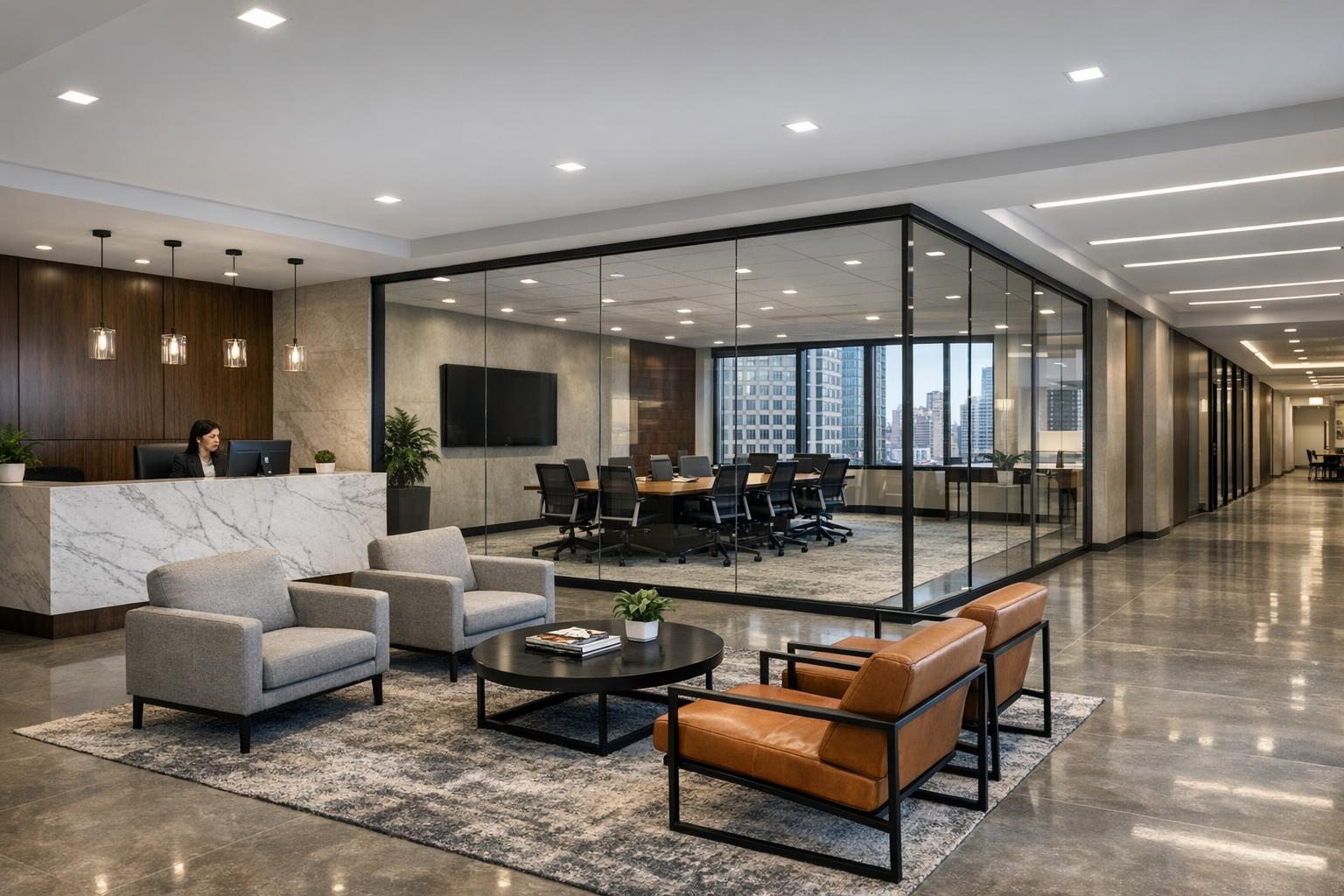
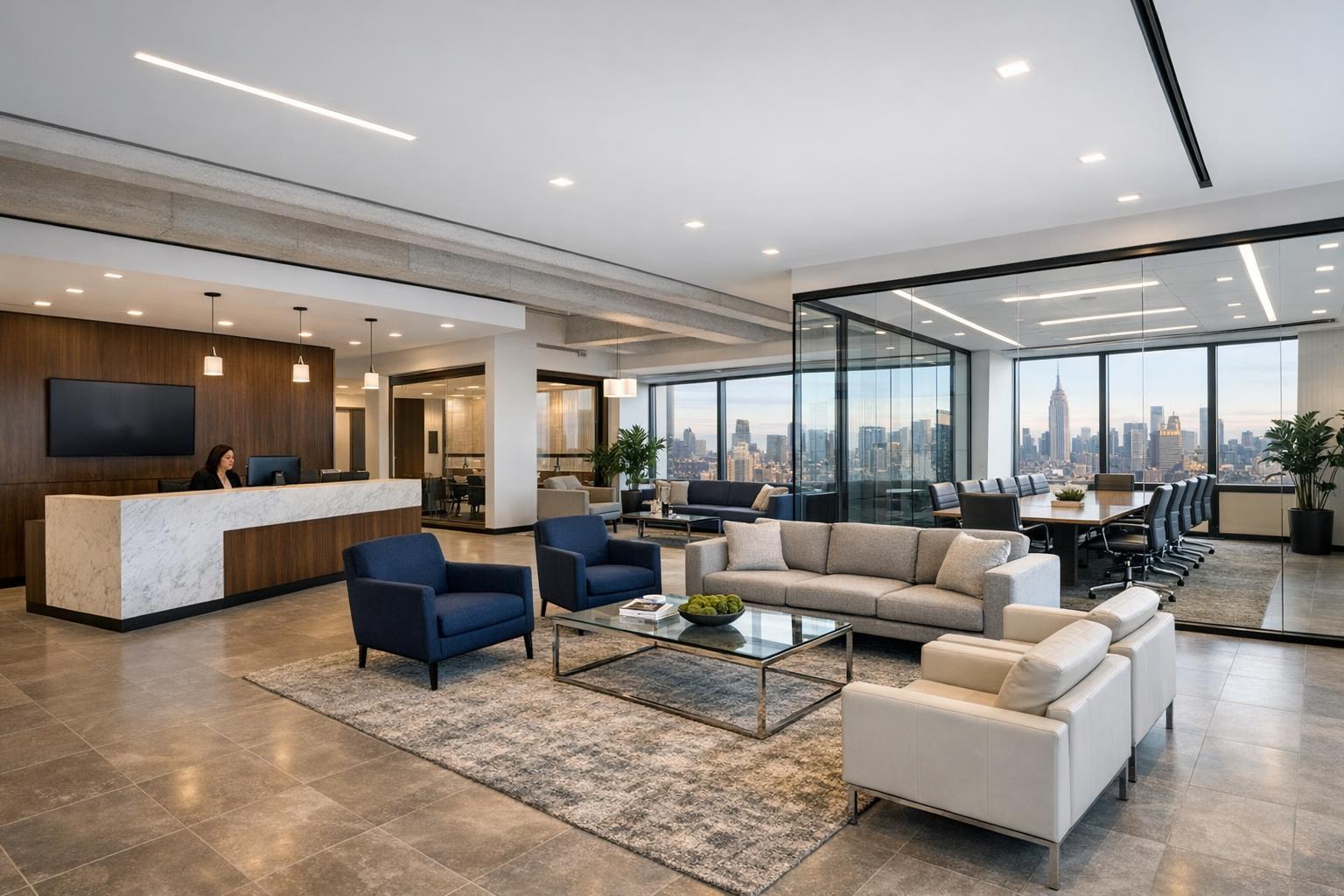
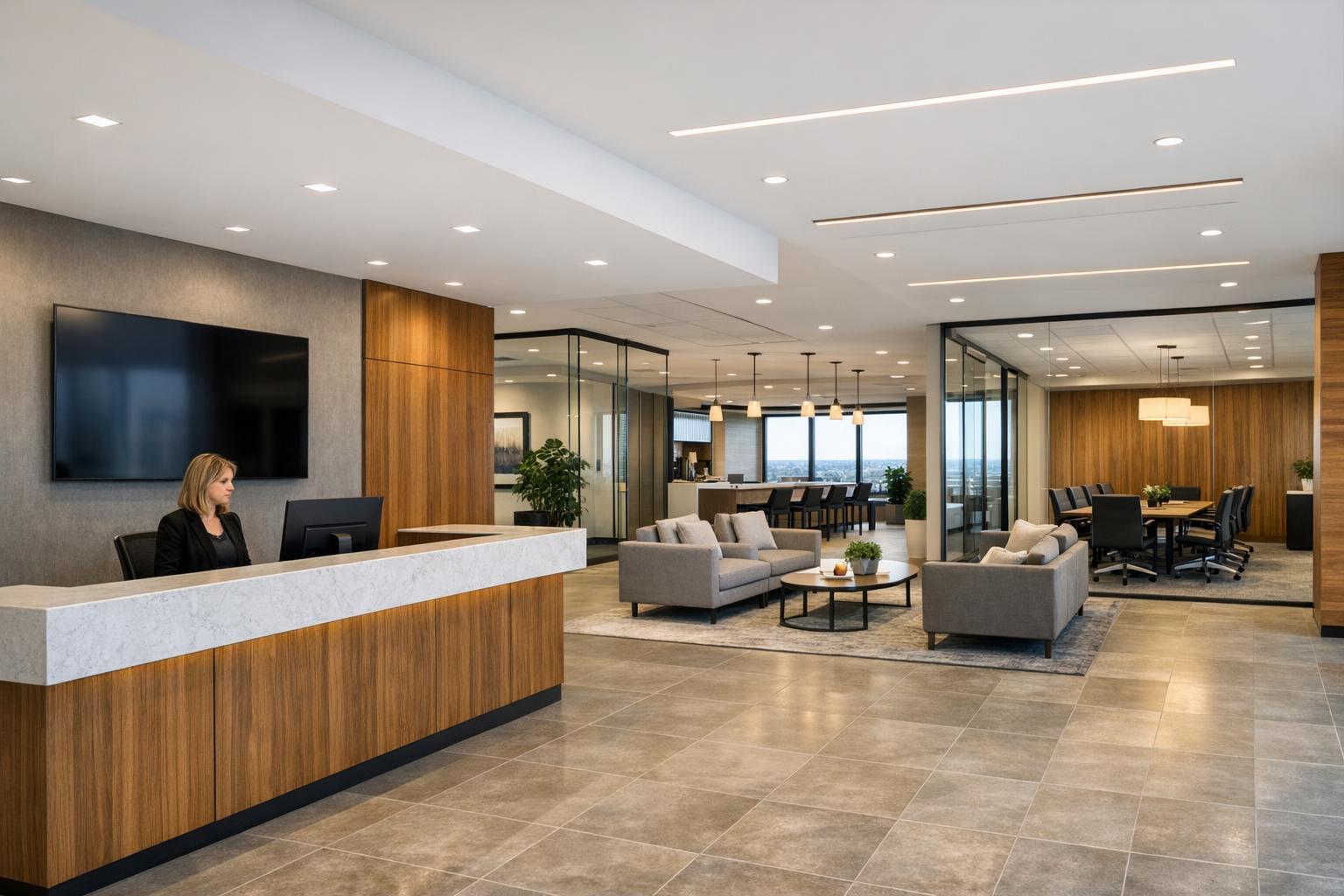
Captured by a commercial real estate photographer, the modern office lobby features a sleek reception desk, comfortable seating area, and a glass-enclosed conference room.
How to Choose a Commercial Real Estate Photographer for Your Property
A commercial real estate photographer plays a unique, essential role in helping brokers, landlords, developers, and business owners present a property professionally before anyone even steps inside. Unlike typical residential photography, commercial real estate photography services must communicate more than just curb appeal. The images may need to convey usable square footage, ceiling height, circulation, daylight, architectural features, or how the property fits into its neighborhood—often customized for audiences as different as investors, potential tenants, or retail brand teams.
Here’s a practical guide grounded in real-world production experience to help you choose the right commercial property photographer for your asset in NYC, New Jersey, or the surrounding markets.
The Marketing Purpose Comes First
Every property tells a different story—and every set of listing images needs to support its specific marketing objective. Before you even review a photographer’s work or request an estimate, define clearly how the images will be used. Will they appear on a leasing platform, in a sales brochure, on a developer’s website, or as part of a pitch to investors? Are tenants, buyers, or stakeholders the main audience?
For instance:
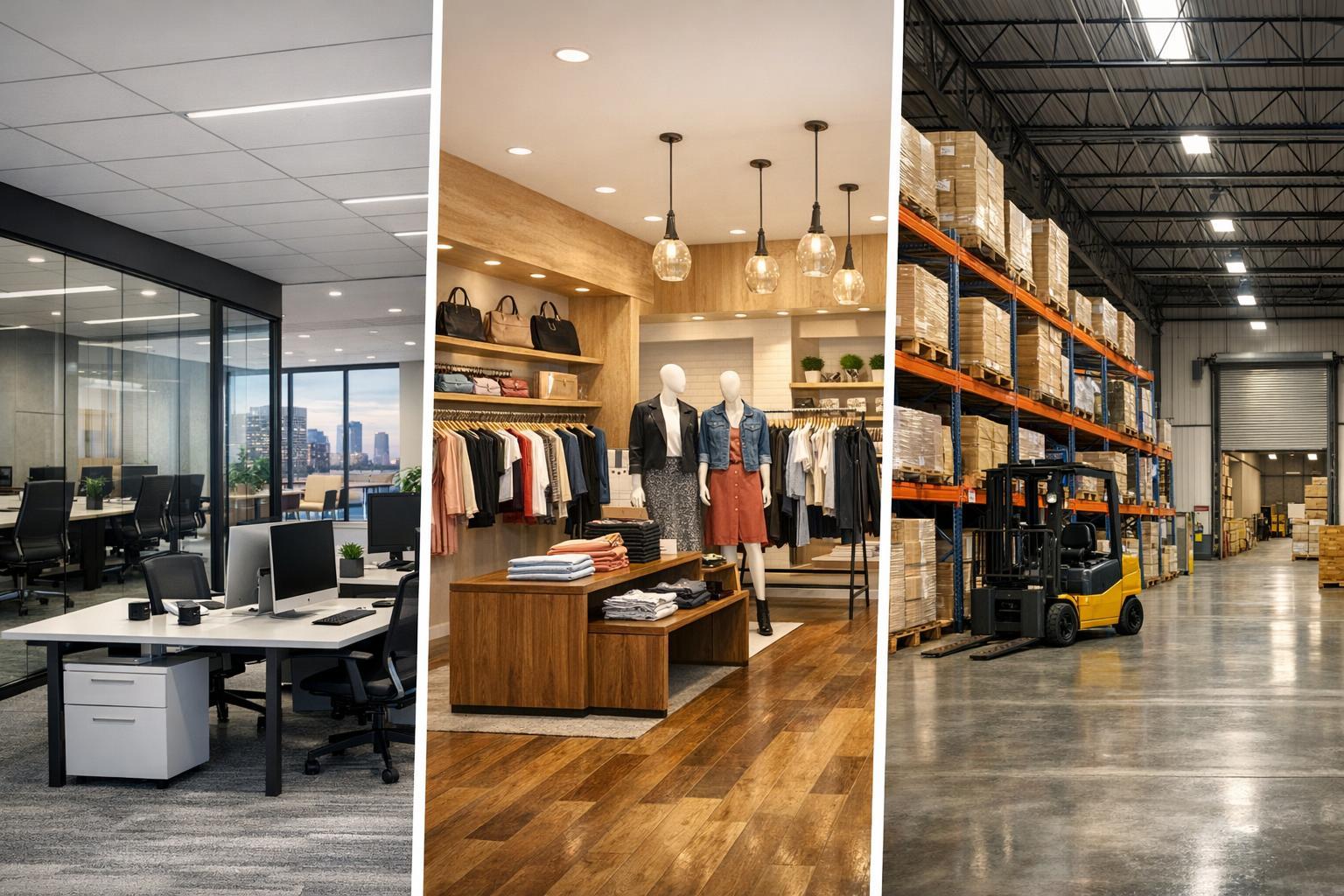
- An office suite in Manhattan may need shots of the reception, conference rooms, and open zones, paying close attention to daylight and views.
- A Brooklyn retail storefront benefits from clear documentation of its street presence, window exposure, foot-traffic context, and interior sales floor.
- A North Jersey warehouse might require images focused on loading access, storage, and proximity to highways.
Letting the photographer know the intended use and audience will lead to a more relevant shot list. It also helps prevent a very common frustration: receiving polished images that look nice but don’t answer the key questions your audience actually has.
Not All Portfolios Are Created Equal
A commercial real estate photography portfolio is only as valuable as its relevance to your needs. It’s easy to be drawn in by dramatic interiors or moody exteriors, but what matters most is experience with your property type. Ask to see projects similar to yours—offices, retail, hospitality, industrial, mixed-use.
Look for these operational strengths:
- Rooms photographed from perspectives that make the layout and circulation clear—not just from the widest possible corner.
- Balanced window exposures, preserving enough exterior context to show views without losing interior detail to overexposure.
- Consistent colors, vertical lines that stay straight, and image sets that feel cohesive rather than pieced together from different times or approaches.
- Key features shown without resorting to excessive wide-angle distortion, which can mislead or disorient viewers about scale.
Professional consistency across a photographer’s portfolio is often a better indicator of what you’ll receive than a few impressive hero shots.
Ask How They’d Tackle Your Space
A worthwhile commercial real estate photographer doesn’t rely on a one-size-fits-all process. Before booking, have a brief conversation about your space’s requirements, access logistics, and unique constraints. Useful discussion points might include:
- Which areas would be prioritized, and why?
- What image count makes sense, given the size and complexity of the property?
- What preparation would improve the final results?
- Are there access restrictions, established building rules, or security steps to consider?
- Can the session be scheduled to avoid peak tenant hours or specific business operations?
- How will they approach tricky lighting—like large window walls, reflective finishes, or interior light discrepancies?
- What deliverables are included, and how will you receive them?
For example, in busy New York City offices, you might need to discuss conference room schedules, the movement of staff, elevator availability, and staged removal of confidential information or branded materials. In retail or warehouse environments, real-world logistics can include shooting before or after business hours, or coordinating with building managers to maintain safety and minimize disruption.
Why Consistency Matters Across a Campaign
Commercial properties are often listed on multiple platforms or used in different marketing materials. When photos vary dramatically in tone, color, or editing style, the entire campaign can feel scattered or inconsistent.
When reviewing samples or discussing projects, pay attention to:
- Color balance, exposure, and brightness
- Perspective control across all images
- The way exterior views are handled through windows
- Whether the style feels unified from space to space
- How much post-production is performed, and whether advanced edits need to be discussed in advance
This consistency is especially valuable for new developments or multi-location portfolios, where future photos may be added later but the entire set should feel like a cohesive whole.
Preparing Commercial Spaces for Photography
Even the best commercial real estate photographer is limited by what’s present onsite. Effective preparation makes a visible difference. In practice, that means clearing away the unnecessary—trash, boxes, cords, temporary signs, and unrelated materials. Replace burned-out bulbs, clean surfaces and glass, and confirm that window shades can be positioned for a uniform appearance.
For occupied offices, remove confidential paperwork and clutter from desks, but keep practical and thoughtful arrangements (like a neat reception desk or staged conference table) that help depict the real use of the space. For retail, decide which product displays, branding, or marketing elements need to stay visible.
Consider letting staff, occupants, or tenants know the schedule in advance so the property is accessible and the photography doesn’t interfere with daily operations. More guidance is available in RealtaSnap’s preparation guide.
Deliverables: What Should You Ask for Beyond Photos?
While still photos remain the backbone of commercial real estate marketing, certain properties may benefit from additional media. The decision should start with the specific property and its marketing needs, not just what’s available.
- Floor Plans: Useful for showing room relationships in offices, multi-tenant spaces, or unusual layouts. Physical access is always required for on-site scanning.
- Video: Helpful to demonstrate movement, transitions, and spatial flow within a property, but always captured onsite rather than constructed from stills. This can make multi-functional spaces or amenity areas easier to understand.
- 3D Virtual Tours: Interactive tours allow prospects to explore remotely, at their own pace, and are particularly valuable for attracting out-of-market tenants or investors.
- Aerial (Drone) Imagery: Provides contextual information about a property’s surroundings, size, location, or relationship to nearby infrastructure. However, drone work depends on airspace, weather, safety, access, and the pilot’s discretion. In NYC, roof access helps but does not guarantee feasibility. For more on drone offerings, see RealtaSnap’s drone photography services.
Scope, Communication, and Comparing Proposals
While pricing always matters, single price comparisons rarely capture the whole picture. When comparing commercial real estate photography services, review the complete scope:
- Number and kind of images included
- What areas and features are covered
- Editing and final deliverables
- Delivery method, file type, and resolution
- Scheduling details and on-site time estimate
- Access coordination and advance requirements
- Availability of add-ons like floor plans, video, 3D tours, or drone media
Efficient, calm communication is often a meaningful differentiator. Commercial properties typically involve more stakeholders than a residential shoot—brokers, property managers, tenants, contractors, and even security or building ownership. A provider who confirms details ahead of time helps minimize surprises or disruptions.
RealtaSnap supports commercial property presentation throughout NYC and New Jersey, offering a straightforward scheduling process where you can enter address details, access notes, and service options online: book with RealtaSnap.
Telling the Property’s True Story
Professional imagery for commercial listings isn’t just about technical quality—it’s about clear communication. The right photo set or media package should make it easy for prospects to evaluate if a space fits their requirements. Office users want to see how teams might work and collaborate; retailers focus on street presence and display opportunities; warehouse tenants look for functional layouts and access.
Choose a commercial real estate photographer whose portfolio fits your asset type, whose process respects the building’s realities, and whose deliverables actually support your marketing goals. If you’re planning media for a commercial property in NYC or New Jersey, and want guidance on appropriate coverage, RealtaSnap is always ready to help.
For details or to get started, visit www.RealtaSnap.com.
FAQ
Question: How many photos are typical for a commercial property listing?
Answer: The right count depends on the property’s size, layout, amenities, and intended marketing use. Smaller offices may need focused coverage—such as entry, primary work zones, conference rooms, and relevant views—while larger buildings or portfolios need more extensive documentation of common areas, exteriors, and operational spaces. Each photo should help the viewer understand space and functionality, rather than simply filling a quota.
Question: Can commercial spaces be photographed while occupied?
Answer: Yes, occupied spaces photograph well when strategically prepared. It’s important to remove personal items, confidential material, unnecessary signage, and clutter. Workplaces, retail displays, or customer areas can remain active, but coordination with staff or tenants helps keep key spaces accessible and avoids disruptions during capture.
Question: Is drone photography always possible for NYC commercial buildings?
Answer: Drone photography in NYC is assessed case by case. Feasibility depends on factors such as airspace regulations, weather, building access, pilot discretion, and safety considerations. Having roof or private outdoor access improves your options, but does not guarantee approval. For more information, see RealtaSnap’s NYC drone services.