How to Choose a Brooklyn Real Estate Photographer for Your Listing
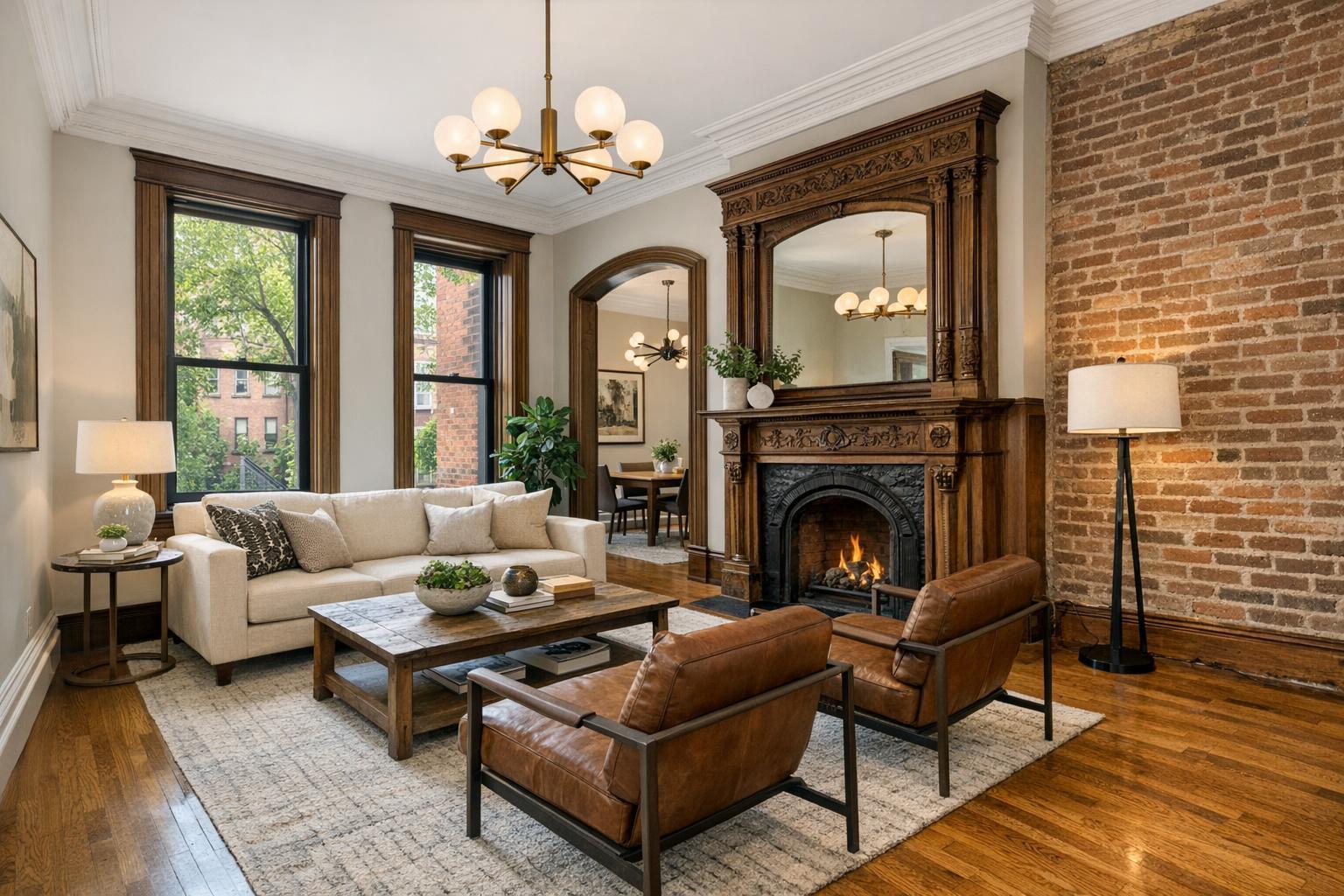
Captured by a Brooklyn real estate photographer, a stylish living room features a cozy fireplace, elegant woodwork, and exposed brick walls, creating a warm and inviting atmosphere.
How to Choose a Brooklyn Real Estate Photographer for Your Listing
A Brooklyn real estate photographer plays a more nuanced role than simply creating attractive photos. For agents, property managers, and developers dealing with the complexities of local buildings—from compact apartments to expansive brownstones—the difference often comes down to who can present a property clearly, realistically, and efficiently despite the unique logistical and visual challenges Brooklyn provides.
What Defines an Effective Brooklyn Real Estate Photographer?
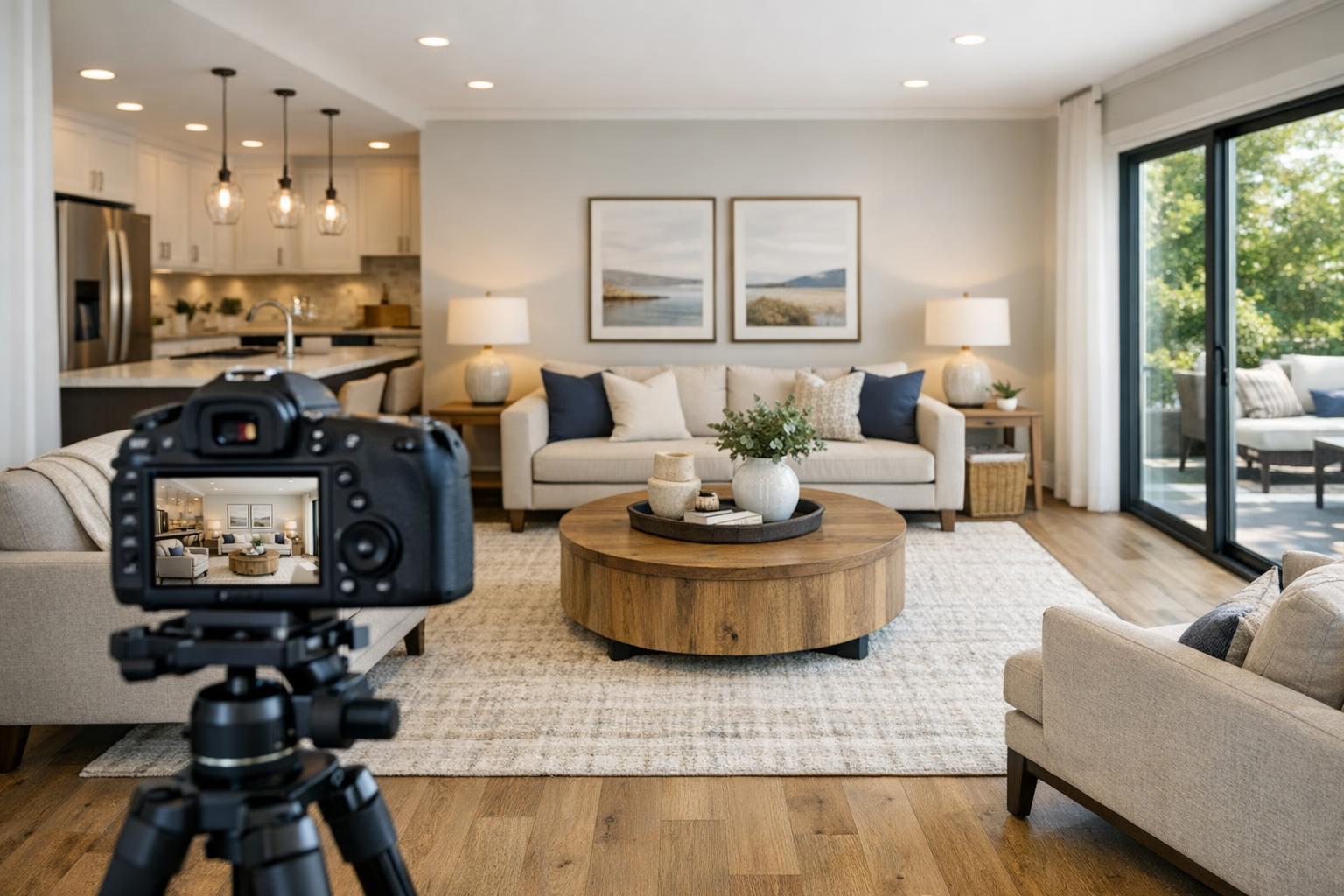
Hiring a photographer for a Brooklyn listing isn’t just about finding someone who takes appealing images. The core of great property photography is communication: not just showing the best features, but helping viewers understand layout, light, scale, and context. A professional property photographer in Brooklyn must work around tight spaces, varied architecture, occupied apartments, active neighborhoods, and co-op or condo restrictions. The process requires genuine expertise—both in visual storytelling and in navigating unpredictable city logistics.
Let’s look at what actually makes a photographer a fit for your listing, beyond the highlight shots in their portfolio.
Aligning Photographic Experience With Your Property Type
Brooklyn’s property landscape is exceptionally diverse. Each type—studio or loft, historic townhome, new-construction condo, or multi-family—presents distinctive visual and logistical challenges. Assessing whether a photographer’s experience matches your listing type can affect the entire process.
- Apartments & Condos: Expect challenges with tight layouts, furniture congestion, and windows that face close neighbors. Look for portfolio images that show rooms as they’re actually experienced, not just rooms made larger by exaggerated lens effects. In condos, get clarity on building photography rules—insurance, lead times, common-area access—well ahead of time.
- Brownstones & Townhomes: Many contain original millwork, details, fireplaces, or renovated kitchens folded into older spaces. Strong photographic coverage strikes a balance, giving appropriate attention to architectural features without losing sight of the overall room or home flow.
- Multifamily Buildings & Developments: Properties with multiple units, amenities, shared spaces, or street-facing retail may call for a shot list and coordination well beyond a single-residence shoot. Review your marketing priorities—are you highlighting a model unit, several residences, amenity spaces, or the exterior façade? Consistency across multiple captures can be as important as the impact of any single image.
Reviewing the Portfolio: What Actually Matters
Strong portfolios reveal more than natural light and wide angles. As you assess candidates:
- Color and Light Balance: True-to-life interiors often require blending daylight, overheads, and lamp light. Watch for photos that keep color realistic and balanced, avoiding blue/gray casts or excessive warmth.
- Architectural Lines: Sloping walls, tilted window frames, or misaligned cabinetry distract from an elegant design. Straight verticals—especially in properties with tall windows or detailed trim—keep rooms looking correct.
- Room Proportions: Wide-angle lenses have their place, but overuse can stretch kitchen islands or make bedrooms look misleadingly large. Photos should clarify, not confuse, the space.
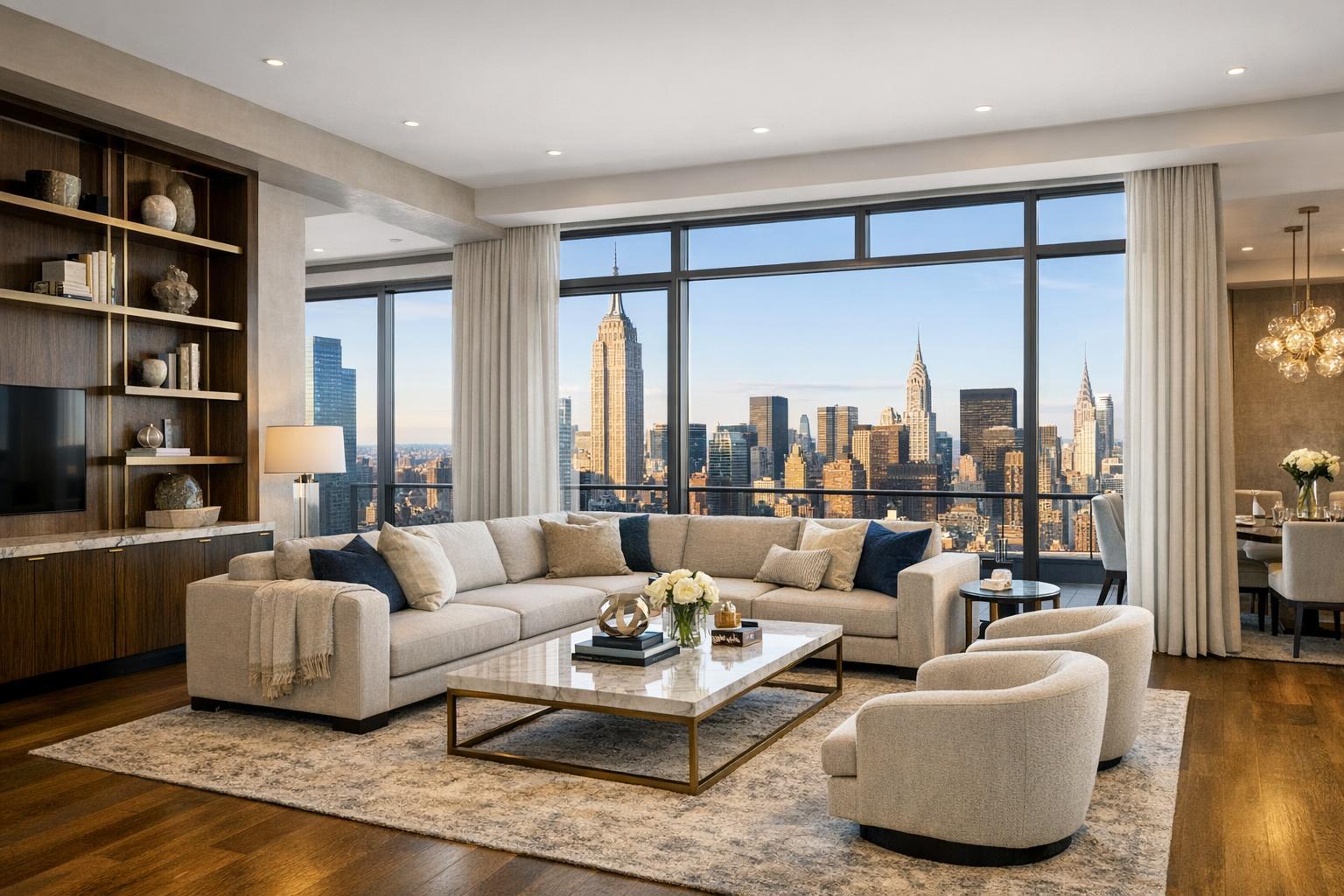
- Window Presentation: In city properties, windows can introduce too much brightness or wash out exterior detail. Strong photography balances interior warmth and exterior clarity, sometimes prioritizing a bright interior and other times the view outside. Discuss main visual priorities in advance.
Managing Brooklyn-Specific Logistics
A well-executed Brooklyn shoot requires careful operational planning. Consider:
- Occupant or tenant status (vacant, owner-occupied, tenant-occupied, or under renovation)
- Access details (elevator, walk-up, parking, specific entry instructions)
- Building and neighborhood requirements (insurance, check-in, scheduling, local construction activity)
- Pets, young children, or active crews on site
- Exterior capture (front, rear, roof, garden, terraces, street views)
- Lighting conditions and optimal time of day
Clear communication is fundamental. A photographer should provide specific requirements, confirm access, and advise what agents or owners need to prepare. Especially in occupied or staged units, basic preparation—tidy rooms, open shades, lights on, minimal visible clutter—can impact the result as much as the camera work itself.
Addressing Editing and Presentation Standards
Editing standards aren’t universal. Ask what’s included—and what’s considered extra.
Base editing typically involves corrections to exposure, color balance, lining verticals, and basic cleanup. More advanced edits—such as object removal, virtual twilight, or virtual staging—may be possible for an additional charge. Importantly, responsible editing will never misrepresent the structure or layout of a property.
Virtual staging works best in empty or fully decluttered rooms. Overlaying virtual furnishings onto real clutter almost always leads to confusing or unrealistic results. If you are considering this service, plan room prep or decluttering first.
Choosing the Right Media Mix
While professional photography remains the cornerstone for most Brooklyn real estate listings, there are scenarios where complementary media add real value:
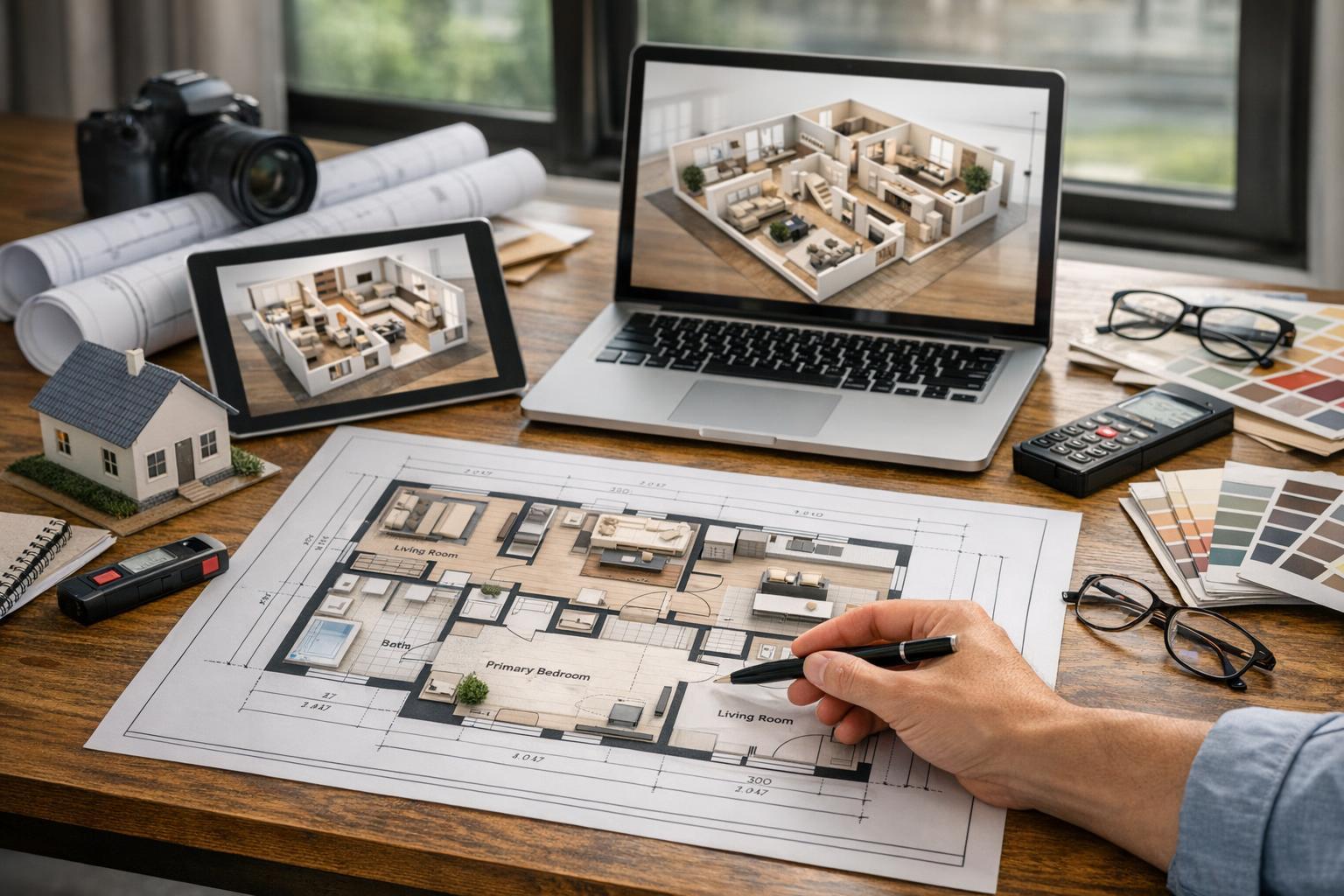
- Floor Plans: Particularly useful in buildings with unusual footprints, multiple levels, or flexible-use rooms. Floor plans must be captured in person, and require physical access to all areas being drawn.
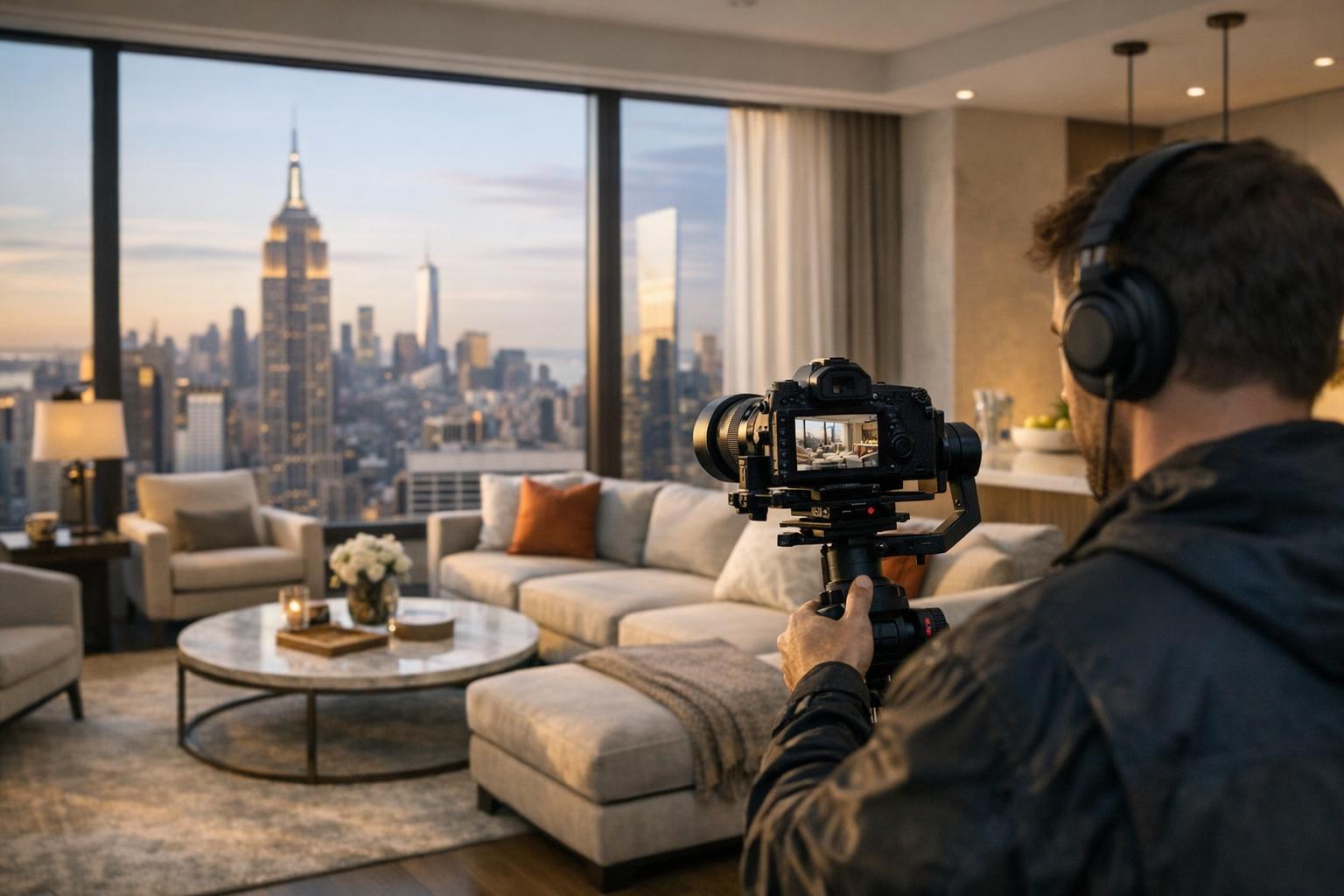
- Video: Movement-based media can help viewers visualize flow, particularly in properties where transitions between rooms or levels matter. Listing videos are captured on site, not created by animating still images.
- 3D Virtual Tours: Interactive tours let buyers, renters, or investors “walk” through a property remotely—a useful advantage for relocations or investment purchases. These require on-site scanning.
- Drone Media: Aerial imagery may shed light on building context, yards, rooftops, or nearby parks. Drone operations are subject to weather, airspace restrictions, pilot discretion, and must comply with regulations; roof access can help but isn’t a guarantee.
Selecting the right suite of real estate photography services for a NYC or Brooklyn property should depend directly on the specific scenario and marketing goals, not simply on what’s available.
Workflow: Communication, Scheduling, and Delivery
Smooth experiences often come down to what happens before and after the camera work.
You’ll want a provider that answers questions directly, clarifies what’s included, gathers access and preparation details, and sets realistic scheduling expectations. Confirm how photos and other deliverables will be provided (file types, size, hosting, etc), whether revision requests are possible, and what the expected turnaround looks like. For agents working with multiple listings, reliability and ease of coordination matter just as much as portfolio quality.
Key Questions to Ask Before You Book
Even a brief conversation can reveal whether a photographer is prepared for the demands of NYC and Brooklyn listings. Consider:
- Have they handled similar apartments, brownstones, or multi-unit properties?
- What’s their plan for challenging rooms (compact, occupied, cluttered)?
- How do they handle mixed lighting or window exposures?
- What’s included in their standard editing?
- What preparation do they recommend for owners, tenants, or managers?
- Can they provide additional media—floor plans, video, tours, drone, or staging—if needed?
- How are files delivered, and how are revisions managed?
- What do they need to know about access and logistics in your specific building or neighborhood?
Look for answers that are concrete and practical—overly vague or generic responses can indicate a less experienced provider.
RealtaSnap: Brooklyn and NYC Real Estate Photography Partner
RealtaSnap offers real estate photography, video, drone, floor plans, 3D virtual tours, and virtual staging for NYC, Brooklyn, New Jersey, and nearby areas. Every listing is different, and the aim is always to match the service package and scheduling to your actual needs—never to oversell.
If you have an upcoming Brooklyn or NYC listing and want advice or a quote, you can explore more about RealtaSnap's real estate photography services or schedule your shoot online. A soft conversation can clarify what’s most useful for your property and budget. Consistent, reliable, and honest service should make the listing process easier and the results clear.
We’d love the opportunity to help you with your next Brooklyn property. Learn more or get in touch at www.RealtaSnap.com.
FAQ
Question: How far in advance should I schedule a Brooklyn real estate photography appointment?
Answer: Scheduling earlier allows more flexibility for building approvals, owner or tenant coordination, and to reserve the time of day with the best natural light. If you’d like to include video, a floor plan, a 3D tour, or drone media, mention that when booking to allow adequate time for all services.
Question: Is a floor plan necessary for every Brooklyn listing?
Answer: Floor plans are particularly helpful for layouts with multiple levels, unusual footprints, or rooms whose relationships aren’t immediately clear from photos. For standard apartments or homes with simple layouts, professional photography may be sufficient.
Question: Can I use virtual staging for rooms that are already furnished?
Answer: Virtual staging is most effective for empty or fully decluttered spaces. If a room already contains furniture, it may need to be cleared or decluttered (either physically or with digital clutter removal) before virtual staging can be added in a way that looks realistic.