How to Choose a 3D Virtual Tour for a NYC or New Jersey Listing
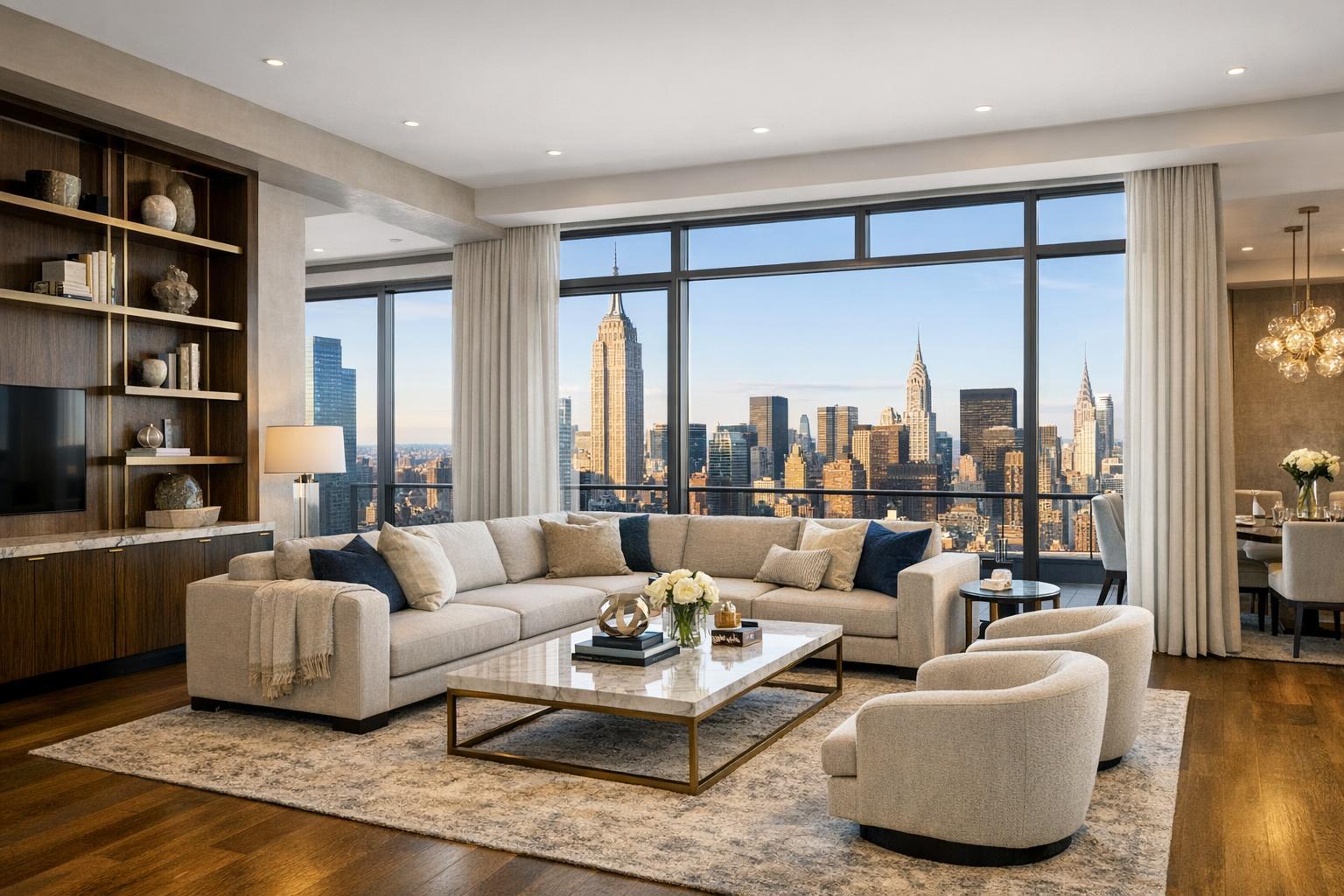
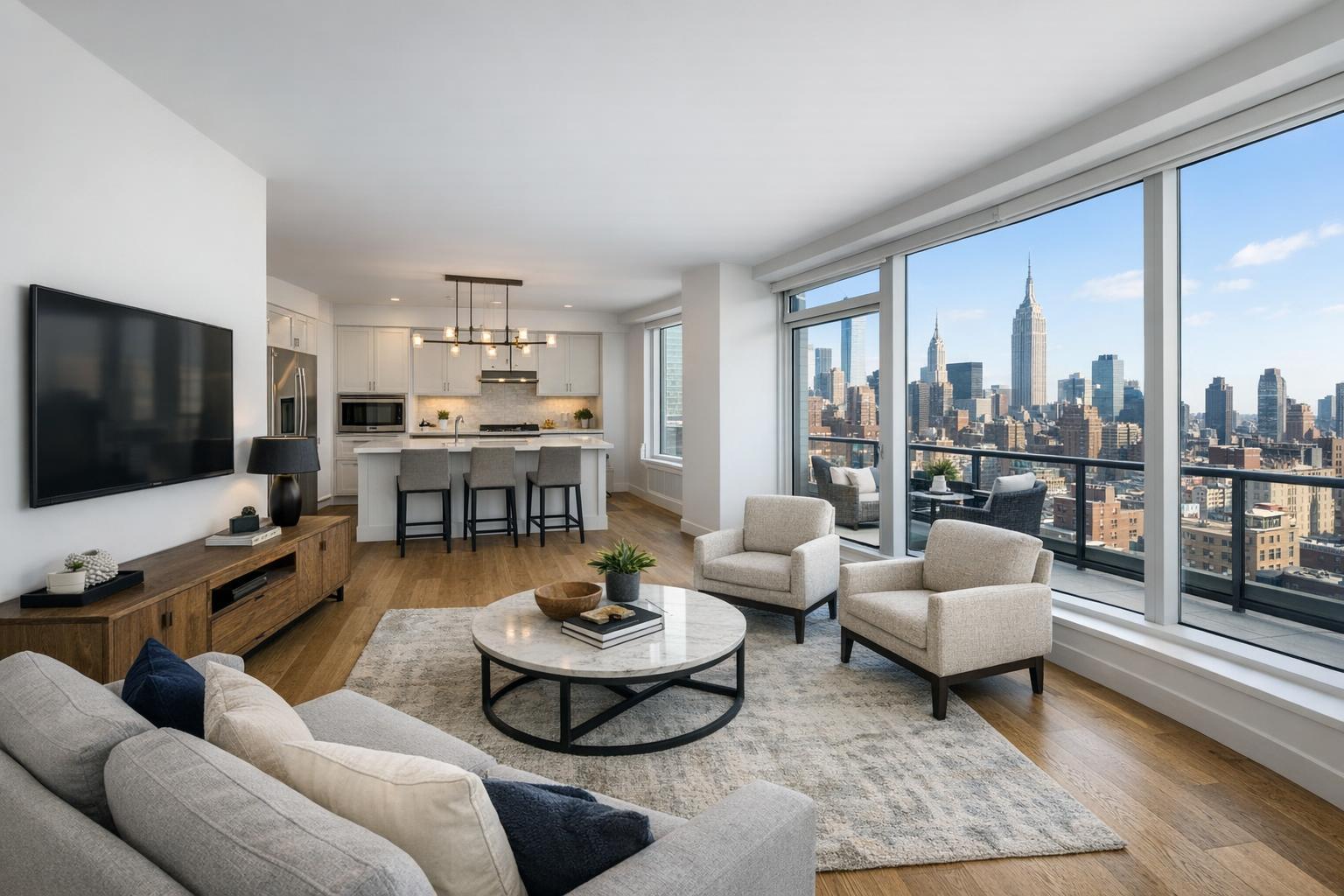
A modern living room with a city skyline view through large windows is ideal for a 3D virtual tour experience.
How to Choose a 3D Virtual Tour for a NYC or New Jersey Listing
A 3d virtual tour is often the missing piece when agents and marketers need to help prospective buyers or renters truly understand a property. There’s only so much you can communicate with photos, and even the best listing video or floor plan sometimes leaves questions unanswered about how rooms connect, especially if the layout is nuanced or the audience is remote. Here’s how we see the decision-making process around interactive walkthroughs for properties throughout New York City, New Jersey, and neighboring markets.
Understanding the Real Role of a 3D Virtual Tour
For many real estate professionals, the initial draw to a 3D tour—most frequently a Matterport tour—is about providing more than curated photography. Unlike stills, which highlight individual rooms and moments in their best light, or video, which leads viewers through a set experience, a 3D virtual tour hands over control to the viewer. They decide where to explore, when to pivot back to a hallway, or which adjacent spaces to compare.
From our operational experience, here’s why this matters:
- Listings with layered, involved layouts can actually become more transparent to buyers when they can self-navigate.
- Prospective remote buyers benefit from the ability to walk through the property virtually, addressing concerns or curiosities they’d otherwise need a second showing to resolve.
- Properties with multiple levels, flexible-use rooms, or significant outdoor connectivity are far easier to understand when viewers can see transitions in context.
A 3D tour doesn’t try to deliver a magazine-perfect look at every angle—instead, it provides valuable clarity and cuts through the confusion that sometimes comes with more sprawling properties.
A 3D Tour Isn’t a Standalone Solution
It’s worth acknowledging that a Matterport tour shouldn’t be treated as a substitute for professional photos, floor plans, or even listing video. Each format plays a distinct role when marketing real property:
- Photography: Sets the strongest first impression and is usually what draws in the initial inquiry. Good listing photography tells a visual story in a concise, digestible way, capturing light, unique finishes, and room highlights for use across MLS, social media, and print materials.
- Listing Video: Offers a guided, intentional narrative—especially useful for evoking atmosphere or movement through a home. Video is particularly helpful for platforms that reward motion-driven content, but by its nature, it follows a director’s sequence.
- Floor Plans: Provide a static, overhead reference to quickly show room placement, sizes, and flow. Many buyers check a floor plan to answer practical questions before visiting: Is that third bedroom off the kitchen or tucked down a separate hallway? Where exactly is the second bath?
- 3D Virtual Tour: Adds self-direction, addressing questions about spatial relationships and letting viewers revisit areas at their own pace.
The most complete listings use these tools in combination, offering a clear entry point, a reference map, and an interactive way to fill in gaps.
When Does a 3D Tour Make a Real Difference?
The need for an interactive property walkthrough comes down to context: not every listing needs one. In our field experience, a compact studio in Manhattan or a simple one-bedroom condo in Jersey City may be perfectly well-served by clean photography and a straightforward floor plan. But some property types repeatedly benefit from the added dimension:
Complex Manhattan Apartments
Pre-war classics with formal entry galleries, large combination units, or layouts with separate wings can be hard to explain with standard photos. A virtual tour lets buyers retrace the physical flow: maybe checking if a home office is actually private, or if those two bedrooms are actually connected or fully separate.
Brooklyn Brownstones & Multi-Level Homes
Multi-level homes often have a vertical logic—think parlor and garden levels, or third-floor bedroom suites—that really only becomes clear when you can virtually traverse a staircase or see how rooms relate floor to floor. Parlor rooms that look similar in stills might make more sense when a viewer clicks through and sees which is adjacent to the backyard or a main entry.
Larger Homes in New Jersey
A virtual tour in a substantial New Jersey home can help a remote buyer understand which areas are truly private, or whether the finished lower level is directly accessible from family spaces. When clients can’t always visit multiple properties in person, this level of access becomes an important screening tool.
Remote and Relocation-Focused Listings
Whether marketing to buyers relocating to the region or investors evaluating properties for purchase or rental, a true 3D virtual tour gives stakeholders more autonomy. They can share links, look over room adjacencies, and often identify eliminated or preferred options before arranging a showing.
Questions to Consider Before Adding a Matterport Tour
Before booking a virtual tour, we typically advise agents to consider a few specific points:
- Does the listing have a layout or flow that’s proving difficult to explain through photos alone?
- Will remote or time-constrained clients need more information before deciding to attend in person?
- Does the home’s scale or level of detail provide a richer experience if buyers guide themselves through the space?
- Are there logistical hurdles to in-person showings, such as building access restrictions or busy tenants?
- Does your current marketing plan already cover strong photography and a floor plan, or would those coverage gaps be better addressed first?
If several of these answers are “yes,” a 3D tour is often a practical addition. For busy or fully occupied apartments where clutter or access will significantly interfere, or for listings with extremely straightforward layouts, it can be more effective to focus on photos and floor plans.
How to Prepare for a 3D Virtual Tour Capture
3D virtual tours aren’t created from listing photographs or architectural drawings—they require a physical on-site scan by a technician with specialized camera equipment. That means preparation is not just useful—it’s essential for a clean and trouble-free experience.
Here’s what’s consistently important based on our day-to-day:
- Plan property access in advance: For apartments, confirm elevator access, any required building notifications, and logistics for letting the capture team in and out. For homes, make sure any spaces to be included are open and free of obstructions.
- Tidy for 360-degree capture: Virtual tours are comprehensive—a camera may capture angles that standard photographers would never attempt. Remove personal items, loose cords, items from kitchen counters, and anything that could distract from the property itself.
- Light the property intentionally: Open blinds for daylight where it flatters the room but consider privacy and glare. Replace any visibly burned-out bulbs, and leave interior doors open to spaces you want included.
- Decide what’s in and what’s out: If you don’t want a storage closet or utility area shown, make sure it’s closed off before the scan. Clarity is more important than pretending every inch is staged.
Preparing well means less time on site and a more consistent result—a disorganized or mid-cleaning property will read as such in a 3D walkthrough.
Working with a Local Provider: RealtaSnap’s Approach
A 3D virtual tour is a technical process, but the experience should feel straightforward for the agent or seller. RealtaSnap provides Matterport tours for listings throughout New York City and New Jersey. Our team walks clients through the capture expectations:
- We confirm access, square footage, spaces to be included, and any building procedures before scheduling.
- The actual scan is performed on site, never generated from photographs or architectural files.
- Standard orders cover residential properties up to 3,000 square feet, with additional options available for larger homes.
- Add-ons—like a 2D floor plan derived from the scan—can be included upon request, supporting the overall listing strategy.
- Hosting transfer options are explained as part of ordering, making future management simple for listing teams.
Full booking information and service details are available at Matterport virtual tours for NYC listings.
Making the Most of Your Listing’s Media Mix
A 3D tour delivers specific value when used to solve real-world viewing problems:
- Answer layout questions that still images leave unclear.
- Allow remote viewers or decision-makers to “walk” the home before setting a showing.
- Capture the true relationship between floors, wings, or exterior and interior spaces.
In summary, an interactive property walkthrough earns its place in your media plan when it helps a buyer, renter, or investor understand what it really feels like to move through the property. For a distinctive Manhattan apartment, a vertical Brooklyn townhouse, or a New Jersey home with multiple living zones—or any property where remote decision-makers are involved—a professionally captured Matterport tour can be more than just a marketing extra.
To learn more or book a tour, visit www.RealtaSnap.com.
FAQ
Question: Can a 3D virtual tour be made from existing photos or architectural plans?
Answer: No. A 3D tour, such as a Matterport tour, requires a full on-site scan with specialized equipment. Photos, PDFs, or prior plans won’t provide the necessary capture data for an interactive walkthrough.
Question: Do all NYC or New Jersey listings require a Matterport tour?
Answer: Not necessarily. 3D tours are most useful for homes with unique layouts, multi-level properties, or listings targeting remote viewers. For properties with simple, clear configurations, strong photography and a floor plan may be a better fit.
Question: What needs to be open or accessible for a virtual-tour appointment?
Answer: Ensure that all rooms, hallways, closets, basements, and outdoor areas you want included in the tour are open and ready for scanning. Clear pathways and arrange for smooth access—preparation up front leads to a smoother experience and a more complete virtual result.