How Real Estate Photography in NYC Elevates Your Property Listings
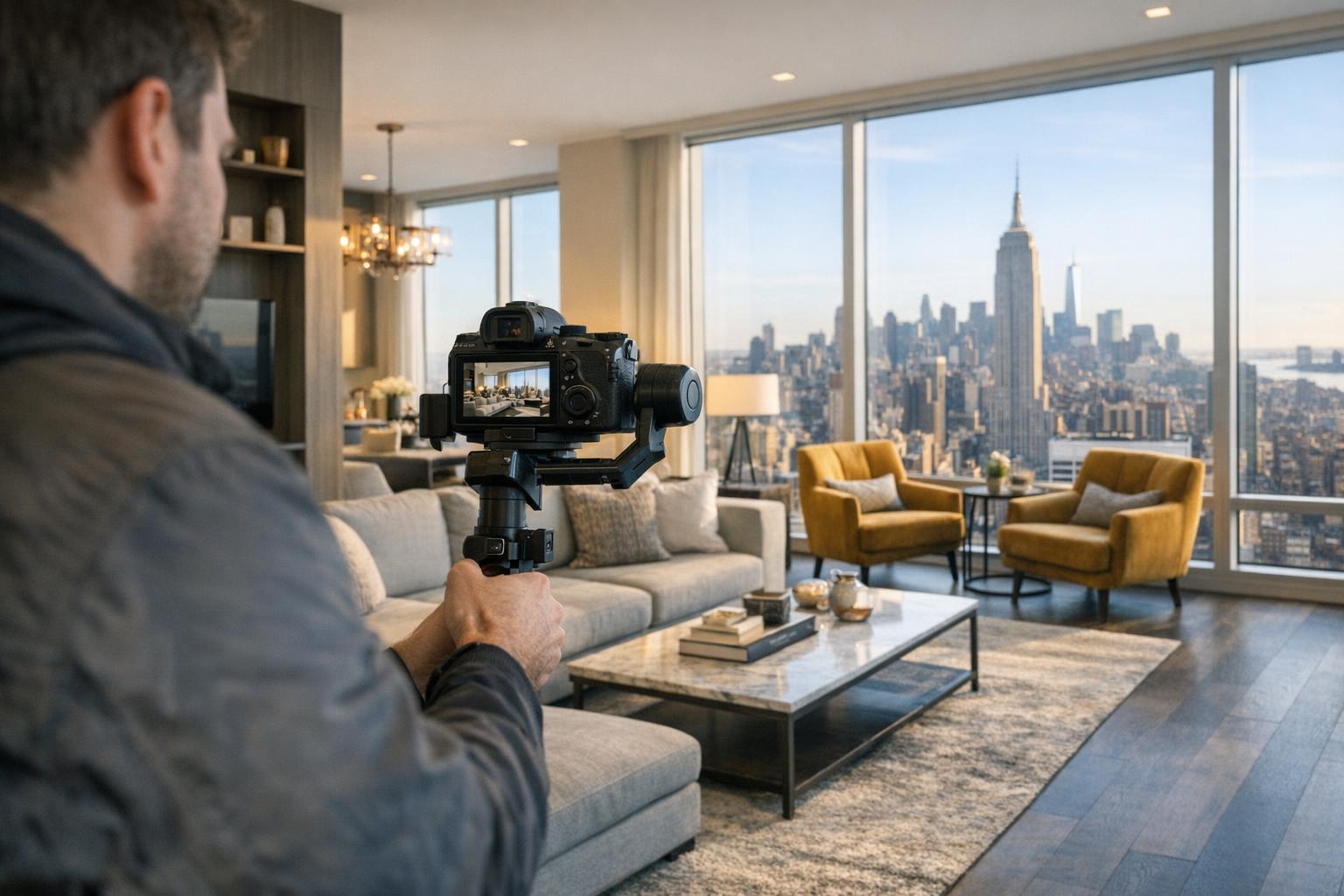
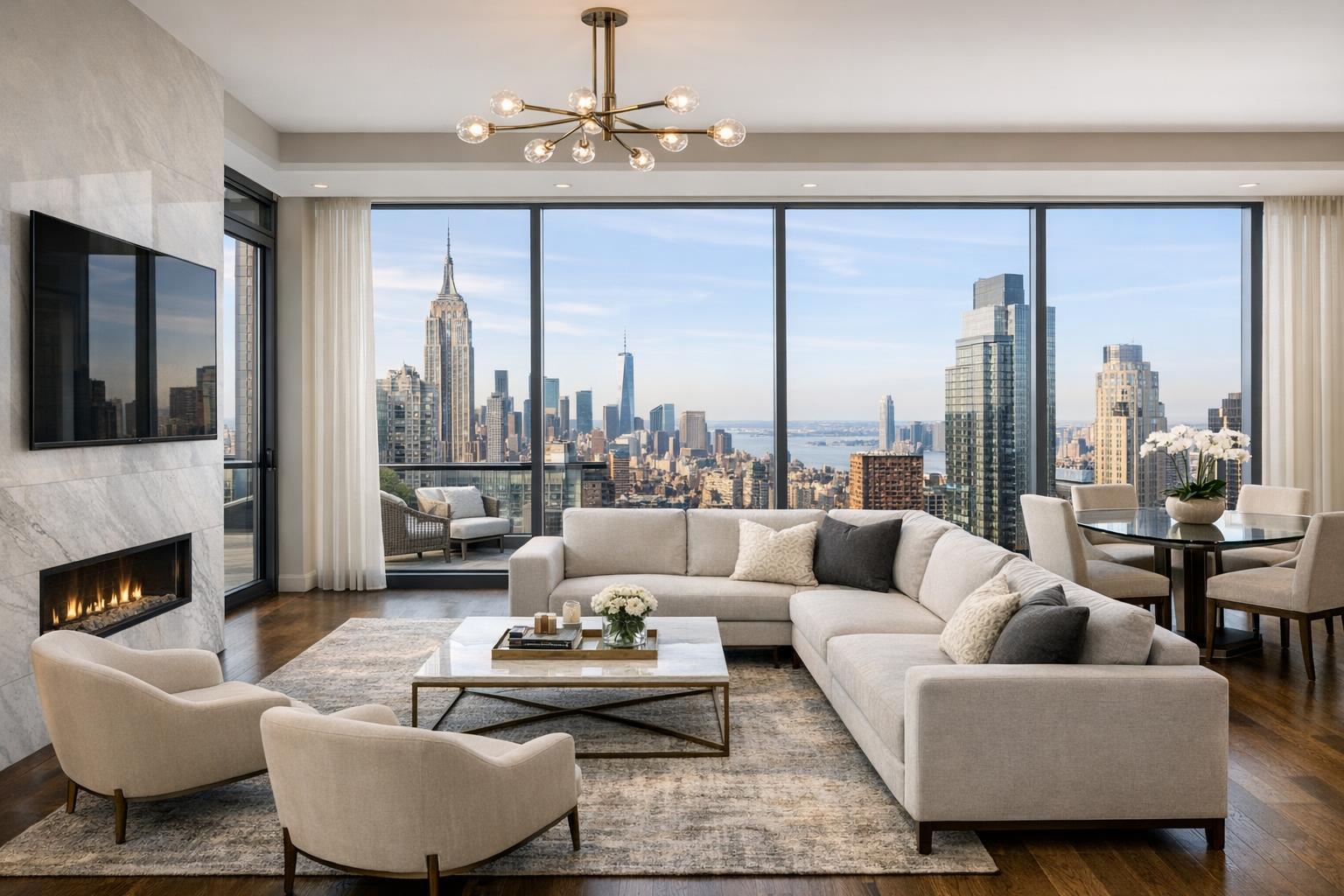
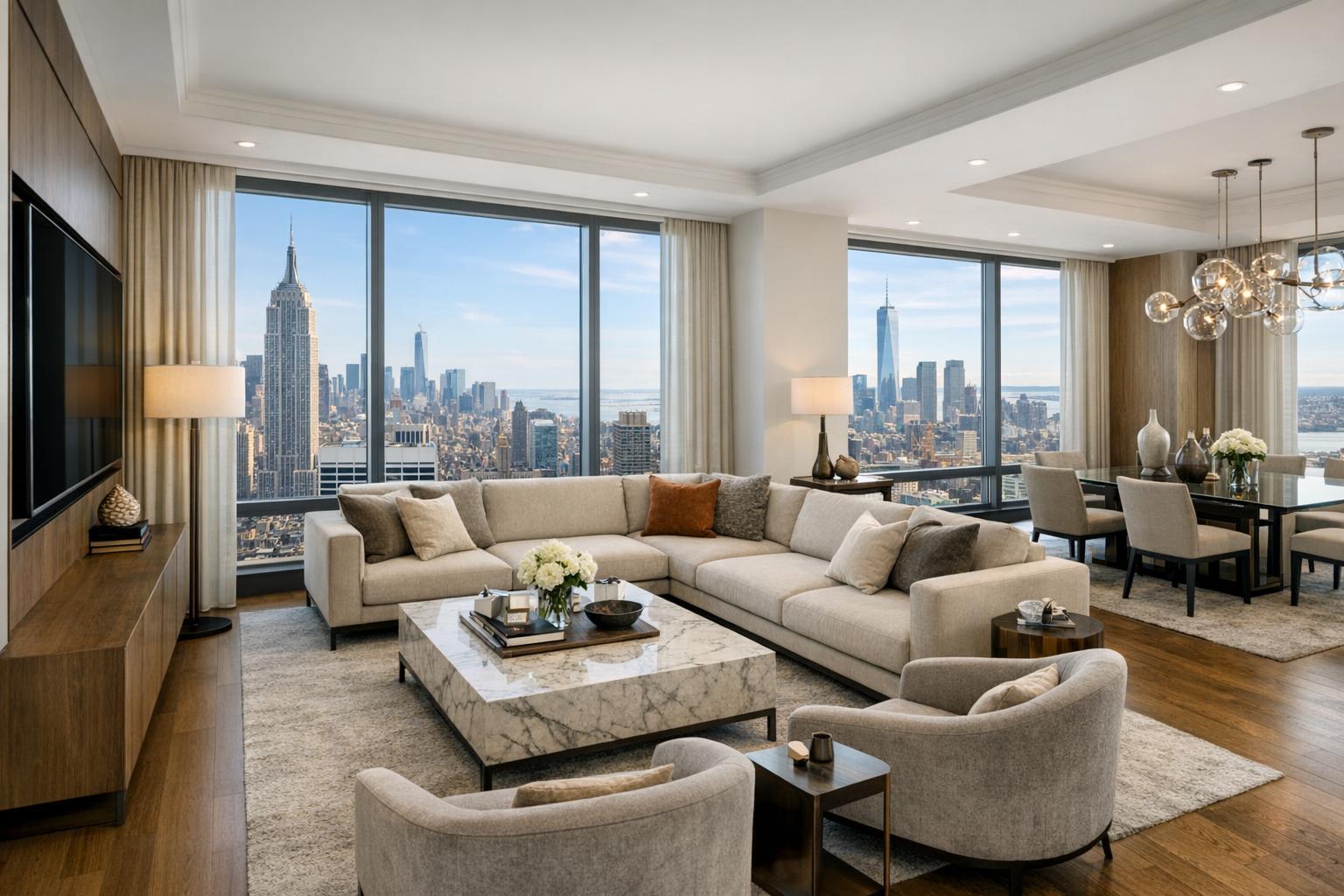
A luxurious NYC apartment interior with a stunning skyline view showcases the elegance of real estate photography.
How Real Estate Photography in NYC Elevates Your Property Listings
Real estate photography in NYC sets the stage for how a property is perceived before anyone sets foot inside. Whether you’re working with a compact Chelsea studio or a brownstone in Brooklyn, professional imagery is often the difference between a listing that gets skipped and one that gets scheduled for a showing. For agents, brokers, and property owners navigating New York City’s diverse housing inventory, understanding the real, tangible benefits of well-made property photography is key to making informed media decisions.
Why the First Impression Is Now Digital
When buyers or renters start their property search, almost everything begins online. The feature photo of a listing is usually the initial hook, followed by a virtual tour of the entire space through a gallery of images. In a city known for variety—loft apartments, pre-war co-ops, new condos, classic townhomes—the way a property is visually presented has a direct impact on how quickly a viewer grasps its layout, condition, and character.
Buyers and renters are making practical, sometimes split-second, decisions on whether a listing might fit their needs. Things like:
- Does the apartment get natural light?
- How are rooms connected?
- Is the layout workable?
- Are surfaces, cabinetry, and fixtures in good shape?
- Does the bathroom or kitchen show any red flags?
Good listing photography answers those questions without making the viewer work for it. The photos are not trying to exaggerate the space or create an illusion. The priority is clarity—helping prospective tenants, buyers, and even other agents see what actually exists, presented as clearly and thoughtfully as possible.
The Core Qualities of Effective Property Photography
Achieving visually compelling, realistic real estate photography in NYC goes beyond just snapping wide shots of every room. There are consistent challenges and best practices visible across almost every shoot, whether for a high-floor condo with city views or a ground-level studio.
Controlling Light and Exposure
NYC homes often have dramatic window light, which can create tricky contrasts between bright exteriors and darker interiors. A professional approach often requires balancing the natural light inside with what’s visible outside. Ideally, you want to see both the room and, when possible, the exterior view, instead of a blown-out window or a cave-like living area. Inconsistent lighting, heavy shadows, or uneven color casts distract from permanent features.
Showing Layout Honestly
Wide-angle lenses allow more of a room to be captured, but they’re easy to misuse. If taken from too high, too low, or with sloppy angles, verticals like door frames and cabinets start to tilt and morph, making rooms look strangely shaped or much larger (or smaller) than they are. Professional photographers aim for straight vertical lines and logical room proportions, preserving the layout’s honesty. Correct camera height and composition help communicate how spaces connect—something especially crucial when NYC rooms are often small, irregular, or loaded with built-ins.
Image Sequencing for Storytelling
Organizing a listing photo set is like creating a visual walkthrough. You want the order to make sense: the most attractive shot first, followed by a logical sequence that helps viewers mentally move through the apartment or house. Start in the entry, move to the main living area, proceed to the kitchen, bedroom, bathroom, and so on. If there are important extras—a balcony, roof deck, terrace, garden, or architectural detail—they deserve special attention but should support, not overshadow, the core spaces.
Selective Detail Shots
Not every small feature needs its own image, but when notable finishes, fixtures, or period details are a selling point, detail photos can enhance the listing’s story. Think original moldings in a pre-war co-op, a notable kitchen appliance suite, or unique beams and brickwork in a loft. These details should complement—not clutter—the viewer’s impression.
Matching the Visual Approach to the NYC and NJ Market
NYC properties are anything but uniform. Capturing a two-bedroom in a doorman building calls for different techniques than a duplex brownstone, especially when space is tight, windows face an airshaft, or the original floor plan has quirks. In New Jersey, larger lots and detached homes might demand broader coverage, exterior shots, or shots that highlight a multi-level layout.
A professional team weighs several factors:
- How rooms connect, especially in smaller units
- How to visually communicate ceiling height or openness
- If exterior context matters, such as a townhouse’s front garden or a condo’s skyline view
- Access, available daylight, and how to work efficiently without disrupting residents or staff
Real estate photography in NYC is often about maximizing clarity within physical and logistical constraints.
Property Preparation: Getting Ready for the Photographer
The best images come from spaces that are genuinely ready to be photographed—meaning they’re as clean, uncluttered, and welcoming as practical for a real living environment. Preparation shouldn’t require the property to look like an empty showroom, but certain basics matter:
- Clear countertops, desks, and bathroom vanities
- Put away personal items and visible cords
- Open blinds or curtains when privacy and view allow
- Turn on lights and replace any burned-out bulbs
- Make beds neatly; smooth bedding
- Move excess furniture that clutters or blocks walkways
- Tidy visible outdoor spaces—entry, balcony, terrace, garden
- Communicate any building access instructions before the photographer arrives
These are small investments of time that pay off by keeping the focus on the property itself rather than the day-to-day signs of life that can distract viewers.
Occupied homes benefit from a lived-in look—furnishings help to scale rooms and show intent—but editing out heavy clutter or removing unneeded furniture lets the essentials shine through. For vacant spaces, making them feel inviting sometimes means considering virtual staging (more on that below).
For a full reference, see RealtaSnap’s photo prep guide.
When to Consider Luxury Real Estate Photography
Luxury listings stand apart due to scale, finishes, location, or design pedigree, and the media strategy should reflect that. High-end property photography doesn’t mean every shot is heavily filtered or stylized. Instead, the emphasis is on refined compositions, careful light management, and accurate depiction of color and material. The aim is to showcase what truly makes a property distinct—whether it’s a panoramic city view, an elegant stairway, or an open-concept entertaining space—with clarity and restraint.
For these properties, it’s also common to supplement still images with other media: video walk-throughs to demonstrate room flow, floor plans for unusual layouts, or 3D tours for remote buyers.
Explore more about luxury real estate media services.
Complementary Media: When Photos Aren’t Enough
High-quality still images remain the heart of most listings, but complex or high-value properties sometimes require additional context:
- Video Walkthroughs: Capture movement and ambiance—how you transition from space to space, how light shifts, how an outdoor area feels off the living room. At RealtaSnap, listing videos are filmed on-site (as opposed to slideshow-style edits of existing photos).
- Floor Plans: Especially relevant for irregular or multi-level spaces, floor plans help viewers assess room sizes, spatial relationships, and overall layout. These are generated from on-site measurements and represent the actual current configuration—not a speculative re-design.
- 3D Tours: For remote or busy clients, 3D and Matterport tours provide interactive virtual access that goes beyond what photographs or floor plans alone can deliver. These require a separate on-site capture and are useful for both local and relocating buyers.
- Virtual Staging: Vacant homes can feel sterile or hard to mentally furnish; AI virtual staging offers a way to demonstrate how empty rooms might look as a living room, bedroom, or office. This is most effective in uncluttered, physically empty spaces, and RealtaSnap follows strict protocols to ensure results remain realistic.
Learn more about our property media services.
Smoother Shoots, Stronger Results: Working With a Professional Media Team
Choosing the right NYC real estate photography partner is about more than browsing sample galleries. Communication about access, priorities, and unique property characteristics helps drive a smoother workflow and better final product.
Helpful steps when planning a shoot:
- Review the photographer’s work for consistency in light, color, and perspective
- Ask whether they’ve captured similar property types (co-ops, condos, new developments, brownstones, etc.)
- Clarify what’s included—such as number of images, available add-ons, and on-site time
- Discuss which spaces or features are essential to highlight
- Coordinate building access, entry/lockbox rules, elevator reservations, or scheduling conflicts
At RealtaSnap, bookings can be made online with transparent options for photo count, add-on services, and flexible scheduling. Schedule your shoot.
Let the Property’s Strengths Do the Talking
Ultimately, the most effective listing photography is about presenting a property’s true advantages, not masking its weaknesses or over-selling drama. Visual media should showcase natural light, thoughtful finishes, space flow, outdoor access, and architectural personality—helping buyers or renters decide if the property might be the right fit. For NYC and New Jersey listings, clear, accurate images are a practical part of presenting inventory with care and professionalism.
To learn more about our approach—or to schedule your next media session—visit www.RealtaSnap.com.
FAQ
Question: How many professional photos should you use for a New York City listing?
Answer: The number of photos depends on the size and features of the property. Smaller spaces like studios often benefit from a clear collection focused on the primary living area, kitchen, bath, storage, and view. Larger apartments, townhouses, or homes with multiple levels and outdoor spaces need more comprehensive coverage. Focus on what’s useful, not redundant.
Question: What’s the best way to photograph an occupied apartment?
Answer: It’s usually best to leave essential furniture in place to help viewers understand a room’s purpose and scale. Before the shoot, clear away clutter, minimize personal items, and make beds or shared spaces look as neat as possible. If you want to try virtual staging, existing furniture needs to be removed in person—or addressed by clutter-removal editing if available.
Question: Does professional photography still add value for smaller or less expensive NYC properties?
Answer: Absolutely. Smaller apartments can be challenging to capture, but professional photography uses composition and balanced lighting to represent the space clearly—helping buyers or renters see storage options, natural light, and how the layout might work in practice. Every listing, regardless of price, benefits from a presentation that’s honest and thoughtfully planned.