How Real Estate Photography in NYC Elevates Your Listings
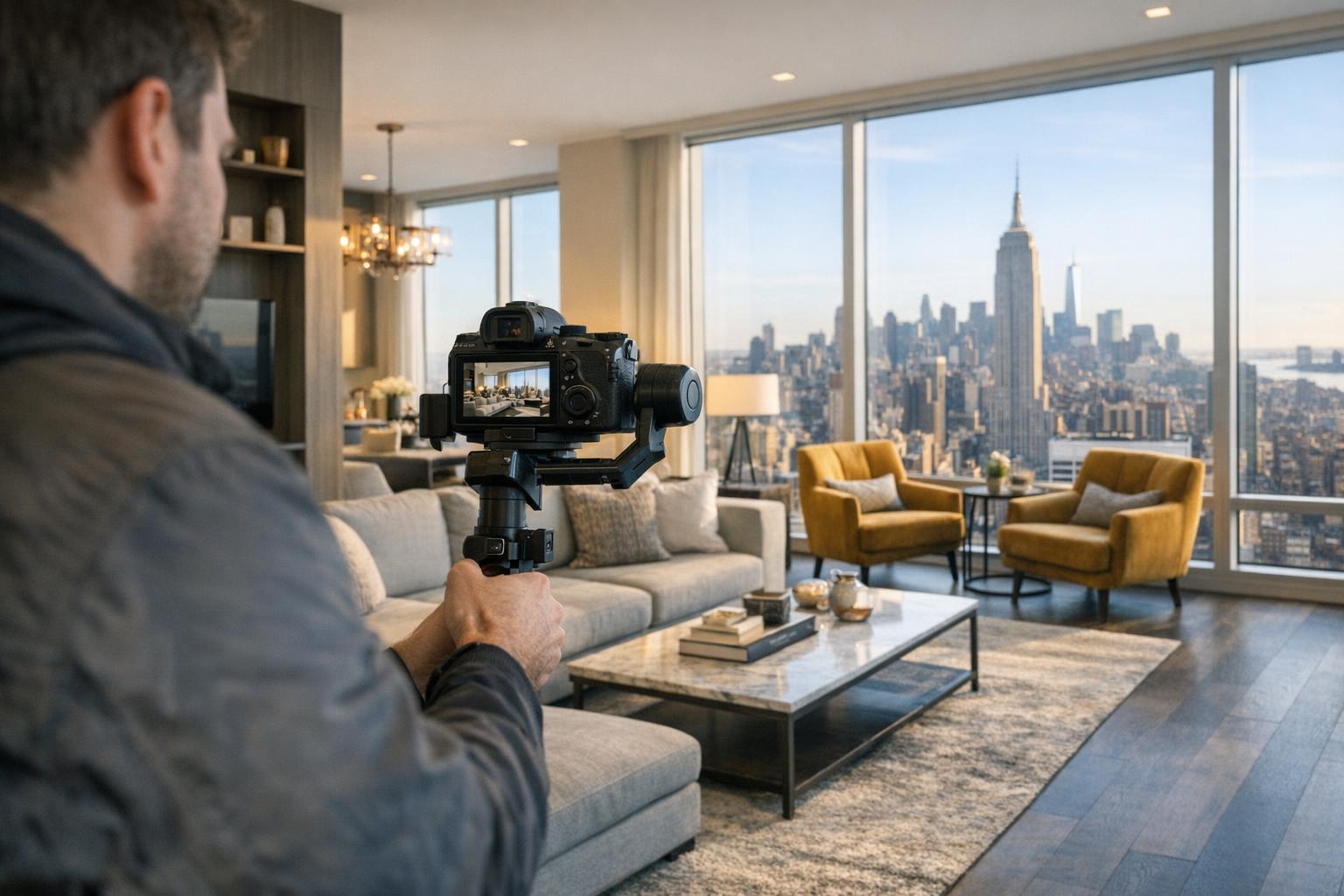
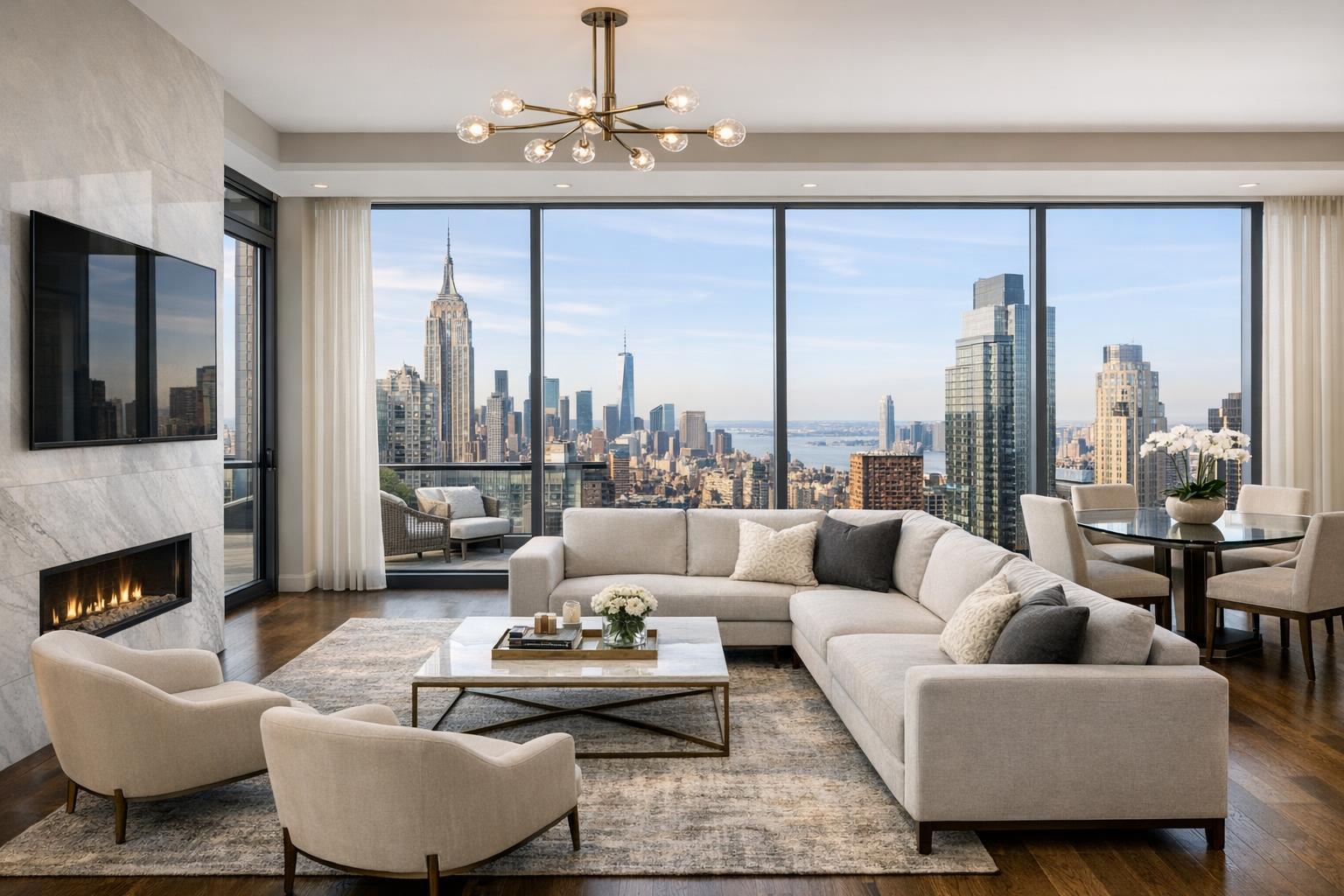
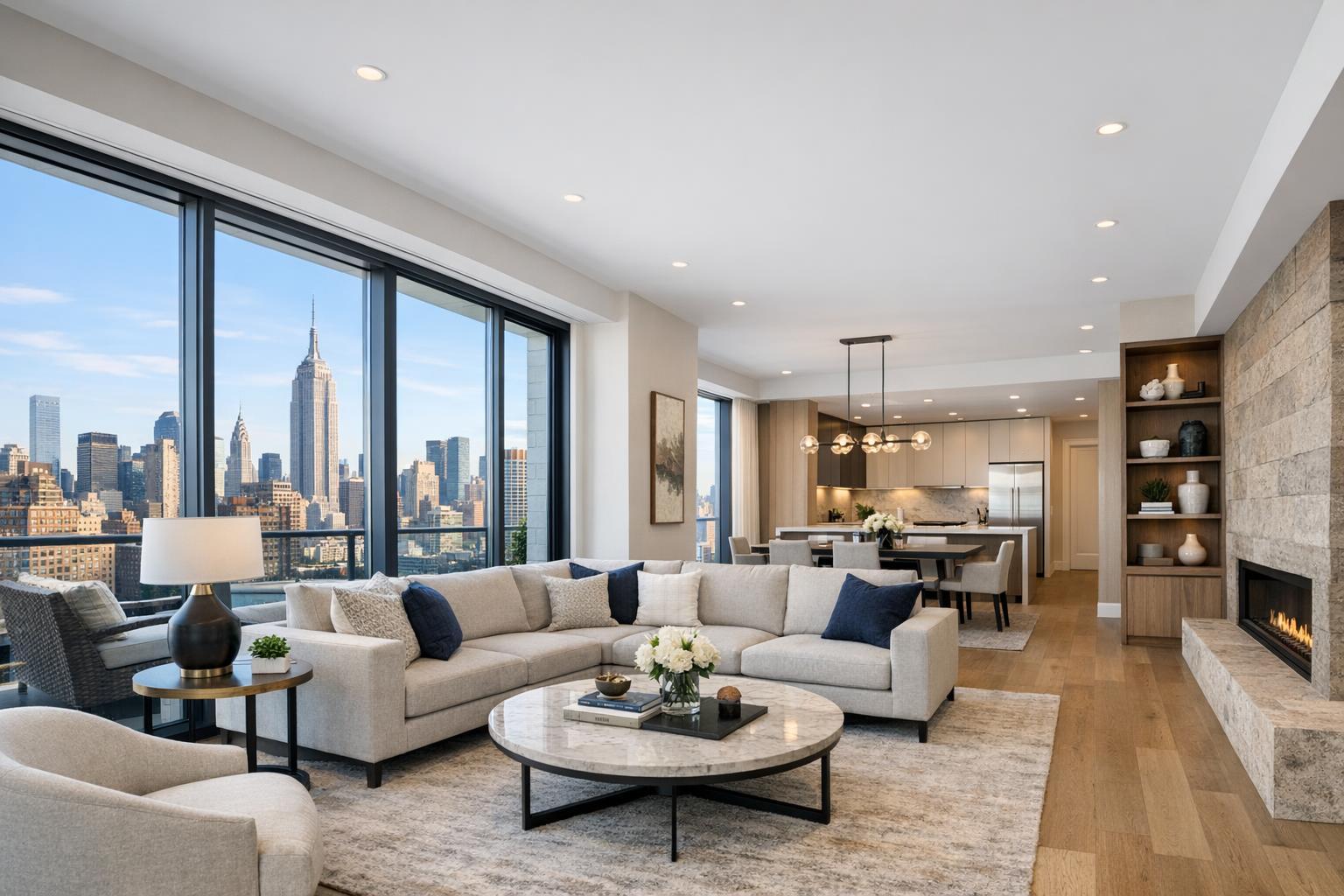
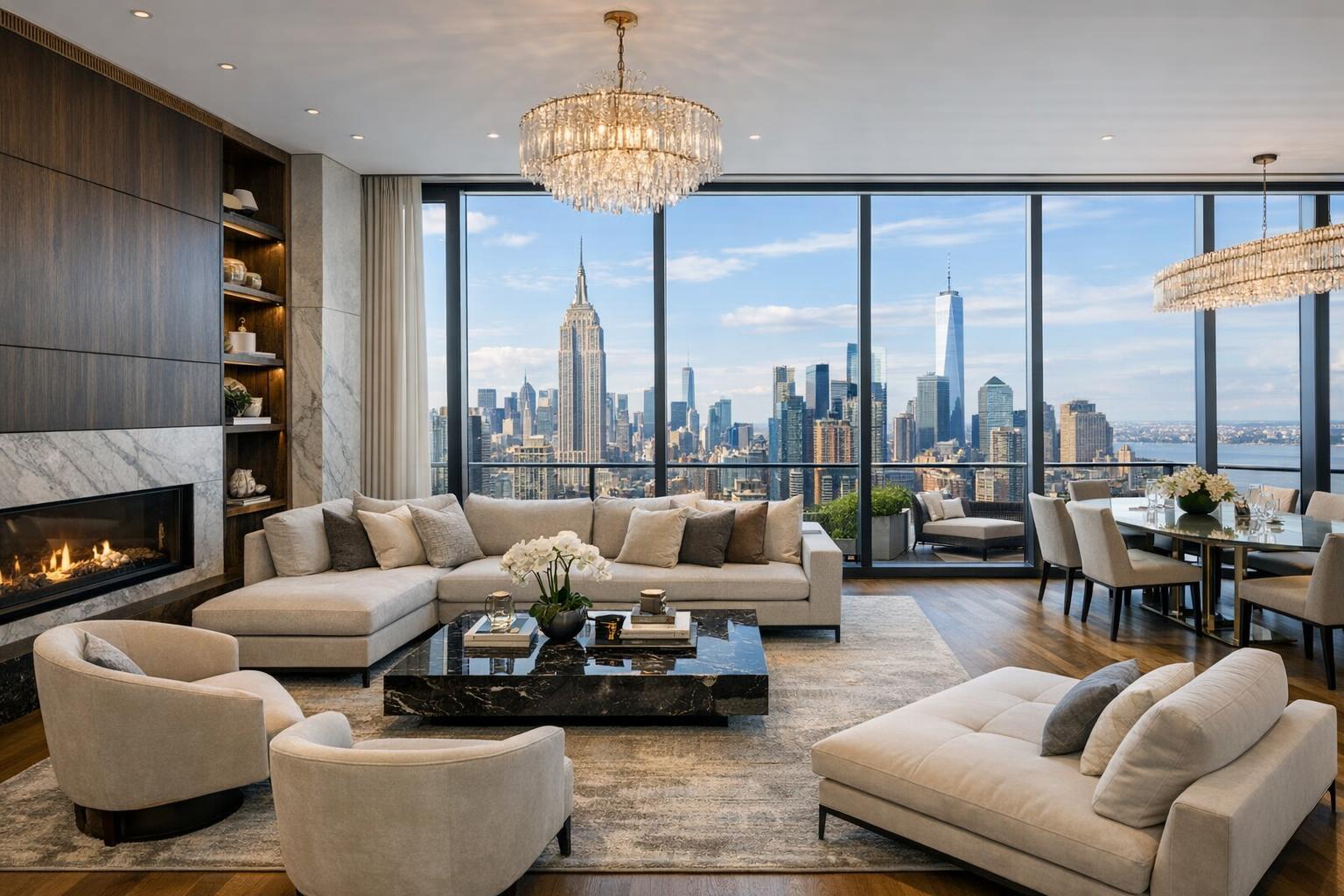
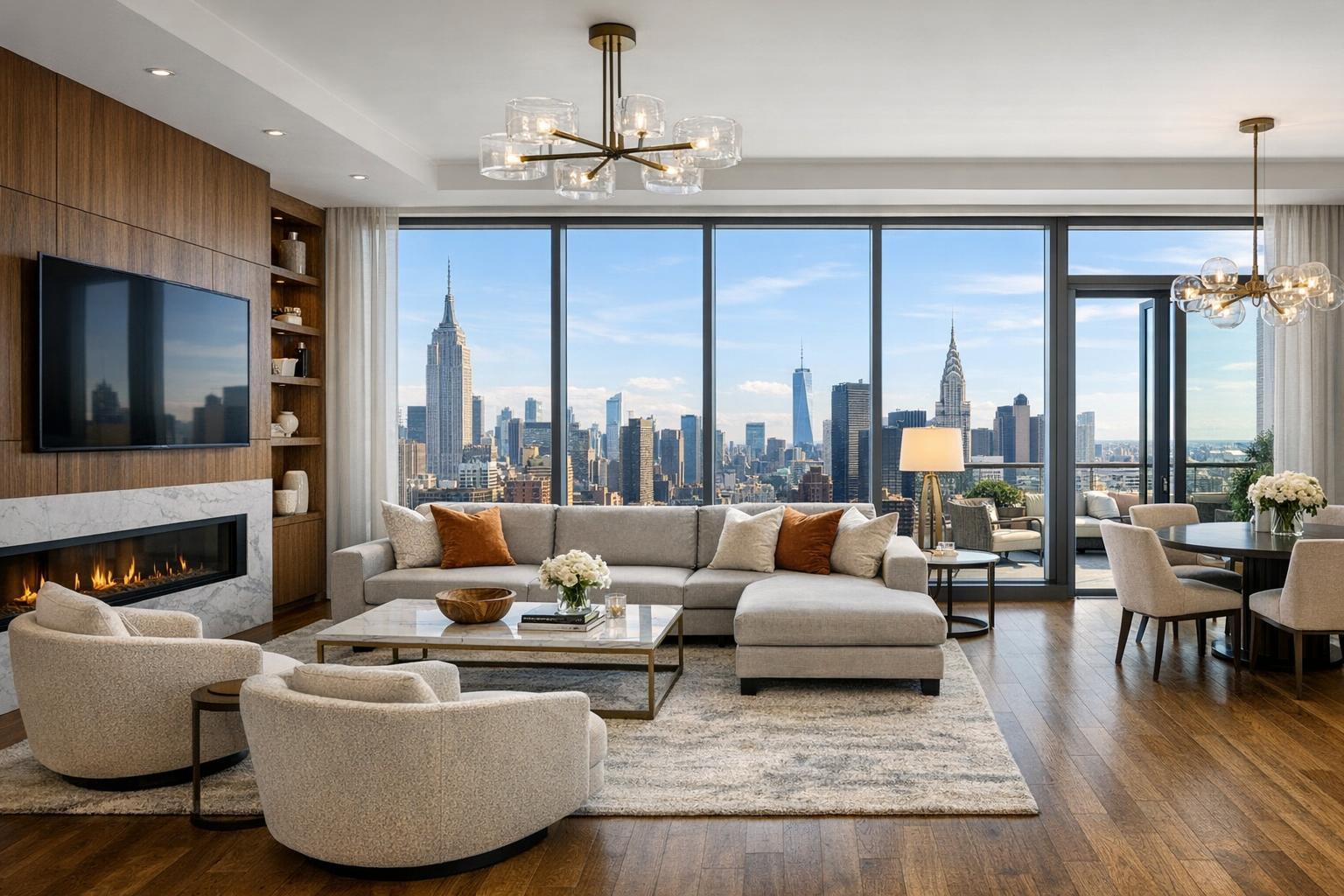
A luxurious NYC living room features stunning city skyline views through large windows, highlighting the elegance of real estate photography.
How Real Estate Photography in NYC Transforms Listings for Sellers and Agents
Real estate photography in NYC can make all the difference between a listing that gets overlooked and one that piques real buyer interest from the start. In a city where apartments compete for online attention, brownstones must show their authentic charm, and condos are measured against hundreds of alternatives, the right visuals become far more than a basic requirement—they are a strategic opportunity. Whether you’re representing a garden-level co-op, a high-floor condo, or a family townhouse, high-quality property photography is fundamental to creating a listing that stands out and helps guide buyers through their search with clarity.
Why Great Photos Matter in the NYC Market
Buyers in New York City often begin their search online, making quick comparisons across neighborhoods, building types, and price ranges. Professional estate photos don’t just record a room—they tell a story at a glance. Done well, they capture distinguishing traits: the scale of a living room, the natural light in a renovated kitchen, the flow between spaces, or the unique texture of original moldings. Every image should serve a purpose in shaping a buyer’s understanding of what a property truly offers.
In dense urban markets like NYC, property photography comes with its own set of challenges. Photographers must interpret and present compact layouts, unusual room proportions, building amenities, and sometimes, the reality of windowless baths or oddly-shaped kitchens. Each image needs to contribute to a complete and honest visual narrative—creating an experience that feels cohesive, inviting, and memorable, not just a random assortment of attractive shots.
The Real Work Behind Strong Property Photography
Professional real estate photography is about much more than owning a good camera. It’s a practiced balance of preparation, lighting, composition, perspective, and post-processing. Here are a few observations from our work in NYC and New Jersey:
- Lighting decisions matter: Most New York apartments feature a combination of natural and artificial lighting. Balancing daylight streaming through a single window with the warmth of overhead fixtures is key. Effective shooting and careful editing keep wall colors, wood tones, and stone surfaces accurate, avoiding muddy or overly warm results.
- Composition shapes perception: Room scale, connection between spaces, and the emphasis on signature features—these are driven by intentional camera placement, height, and thoughtful exclusion of distractions. For instance, framing that clarifies how a living room opens into the dining area helps a buyer understand layout and flow, which is often difficult to convey in urban floor plans.
- Visual consistency adds professionalism: In NYC’s tight layouts, it’s easy for a photo set to feel disjointed if sequence and coverage aren’t carefully planned. Photographing every major room with enough coverage demonstrates the relationship between spaces, rather than reducing a listing to disconnected highlights.
A side benefit? Well-composed, true-to-life photos streamline the online experience. Prospective buyers can browse through a gallery and come away with confidence in what a home genuinely offers, meaning showings are more likely to be productive—whether the property is a downtown loft or a family home in Jersey suburbs.
Tailoring Visuals to NYC and NJ Properties
NYC is defined by variety. Every property, from studio condos to multi-story brownstones, has distinct visual priorities and buyer questions.
Apartments and Condos
Here, buyers are often focused on natural light, room size, storage capacity, finishes, and unique assets like balconies, terraces, or skyline views. Photography for these properties should reveal:
- How primary living spaces connect
- The true proportions of each room
- Distinctive details (renovated kitchen, exposed brick, built-ins)
- Building amenities (lobby, fitness room, roof deck)
When space is limited, wider angles clarify usable layout, while detail shots should have a clear purpose—rather than filling the gallery with repetitive images.
Townhouses and Single-Family Homes
Capturing these often means telling a richer visual story: showing the exterior and street presence, then walking viewers through levels, gardens, basements, and private or shared outdoor spaces. Consistency matters; buyers want to see the journey from formal living spaces to private bedrooms and functional areas. Exterior images are especially critical, as the facade, landscaping, and main entry are part of the property’s identity before a single interior shot appears.
High-End Residences and New Developments
Luxury properties and design-forward new developments require a different approach. Here, photos should make material choices and architectural elements legible, not just attractive. A dramatic staircase or custom millwork can be spotlighted, but context is key—each featured asset should build a holistic picture of the home.
Suburban Homes in New Jersey
Larger interiors and multi-level properties call for a balance—showcasing spaciousness while making sure key features and the relationship between rooms are clear. When properties include extensive grounds or larger lots, aerial shots or extra exterior coverage may be appropriate.
Organizing a Photo Gallery buyers Can Actually Use
The order in which photos are presented isn’t arbitrary. Online listing platforms reward logic and visual flow. A well-curated gallery typically starts with a lead photo that grabs attention, follows with main living areas to establish context, then moves to kitchens, bedrooms, baths, special nooks, and finally, exterior spaces or amenities.
This prevents buyers from having to hunt for images that answer basic questions. Instead, they experience the property in a way that supports smart decision-making, which is especially helpful when competition for attention is fierce.
For a complete walkthrough of preparing a property for photography—including a detailed, room-by-room prep checklist—see the RealtaSnap real estate photography prep guide.
What’s Trending: Real Estate Media That Actually Helps Buyers
Some real estate media trends are more than just visual flourishes—they solve real problems for buyers and sellers alike.
- Clean, naturally-lit photography has become the New York standard. Editorial-style images look refined and believable; excessive filtering or distortion only distracts from actual features.
- Floor plans continue to be one of the most useful media types, clarifying room relationships and the overall layout, especially in split-bedroom or combination units. RealtaSnap’s floor plan options require on-site capture and physical access, ensuring accuracy and compliance with our service policy.
- Property video brings listings to life, showcasing room-to-room movement, the transition from interior to exterior, or including building amenities where they add real context. Video is meant as a complement, not a replacement for still photos—buyers still rely on images to study finishes and compare rooms closely. To see details about listing videos, visit RealtaSnap video tours.
- Virtual staging is especially effective for vacant spaces. RealtaSnap applies AI virtual staging only to empty or properly decluttered rooms, as staging over existing furniture can create confusing or unrealistic results.
- Aerial photography is a valuable tool for townhouses and properties where setting and neighborhood matter. Drone flights in NYC are always subject to airspace conditions, pilot discretion, and safety protocols.
Preparing for a Photo Shoot: What Makes a Difference
The best estate photos begin with a home that’s ready to be photographed. This doesn’t require extreme staging—just careful attention to what will appear in wide shots:
- Clear off counters and side tables.
- Remove magnets, personal items, and papers from kitchen appliances.
- Keep pet items, bins, and miscellaneous clutter out of sight.
- Open blinds and curtains to maximize daylight (where the view is an asset).
- Test light fixtures and replace any burnt-out bulbs.
- Straighten bedding, towels, and arrange furniture for clean sightlines.
- Make sure balconies and entryways are tidy and accessible.
- Confirm building access policies, check-in requirements, and entry logistics in advance.
A little preparation keeps the focus on the property’s assets and ensures that every shot works as intended.
Selecting the Right Media and Coverage
Not every property requires the same level of coverage. RealtaSnap offers photo packages from 10 images ($149) for efficient studios to 50 images ($299) for expansive, multi-level homes. The right package is based on practical needs: Which rooms must be included? Are there valuable amenities, outdoor areas, or views? Does the listing require a floor plan for context? Would video or virtual staging add genuine value? For a full breakdown of photography pricing and additions, see RealtaSnap’s real estate photography cost.
Selecting purposeful, non-duplicative coverage makes a stronger visual impact and avoids overwhelming or confusing buyers.
Final Thoughts and Next Steps
Quality real estate photography isn’t about making every listing look the same. It’s about helping buyers see what’s special about a particular home or apartment before they ever visit in person, guiding them to meaningful showings—and giving agents a solid foundation for marketing efforts across every platform.
To learn more about professional photography for your NYC or NJ listing, or to see service options and book an appointment, visit www.RealtaSnap.com.
FAQ
Question: How many photos should I request for my NYC property listing?
Answer: The optimal number depends on the size, layout, and distinctive features of your home. Every significant room should be documented, and extra images can highlight amenities, views, or flexible spaces. Avoid repeating similar angles just to extend the photo gallery.
Question: Can virtual staging be applied to occupied spaces?
Answer: AI virtual staging from RealtaSnap is intended for empty or fully decluttered rooms. Any existing furniture must be physically removed, or a paid clutter-removal service ordered, before virtual staging can be applied. This approach ensures the final results are visually realistic.
Question: How far in advance should I schedule photography with RealtaSnap?
Answer: RealtaSnap requires at least 24 hours’ notice. The online scheduling calendar displays up-to-date availability, letting you select your preferred appointment slot and add special instructions directly when booking.