How Real Estate Photography in NYC Elevates Property Listings and Sells Homes Faster
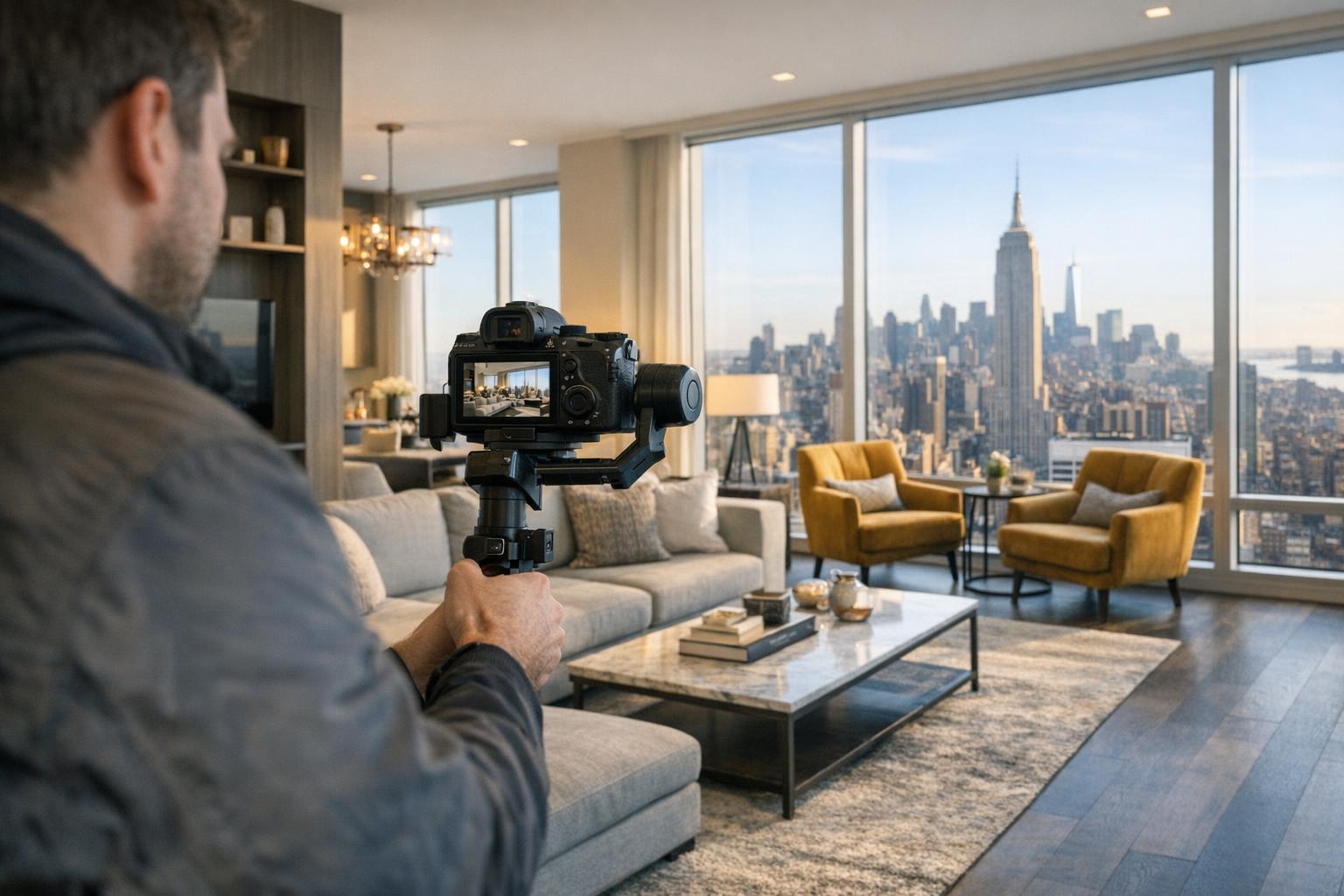
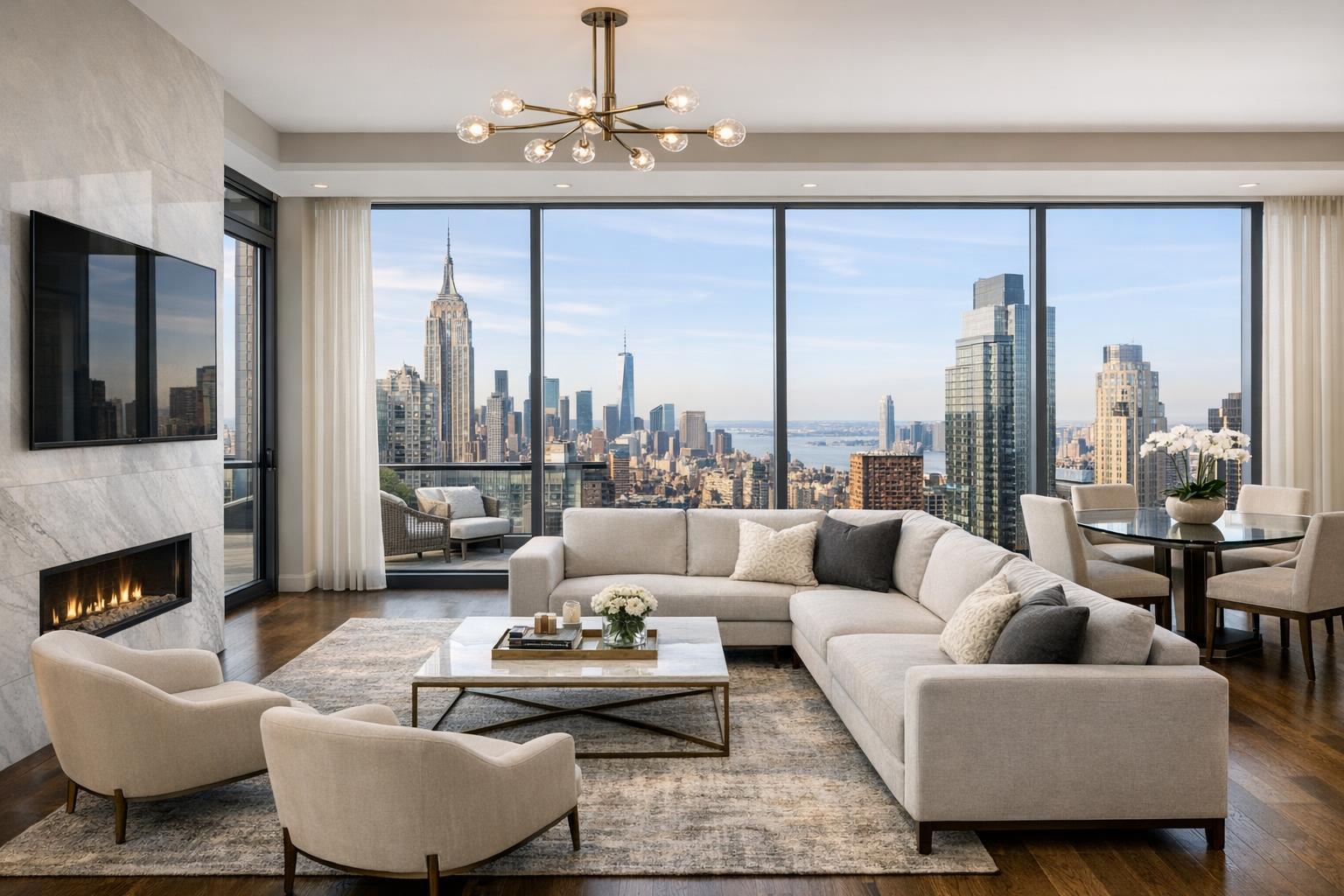
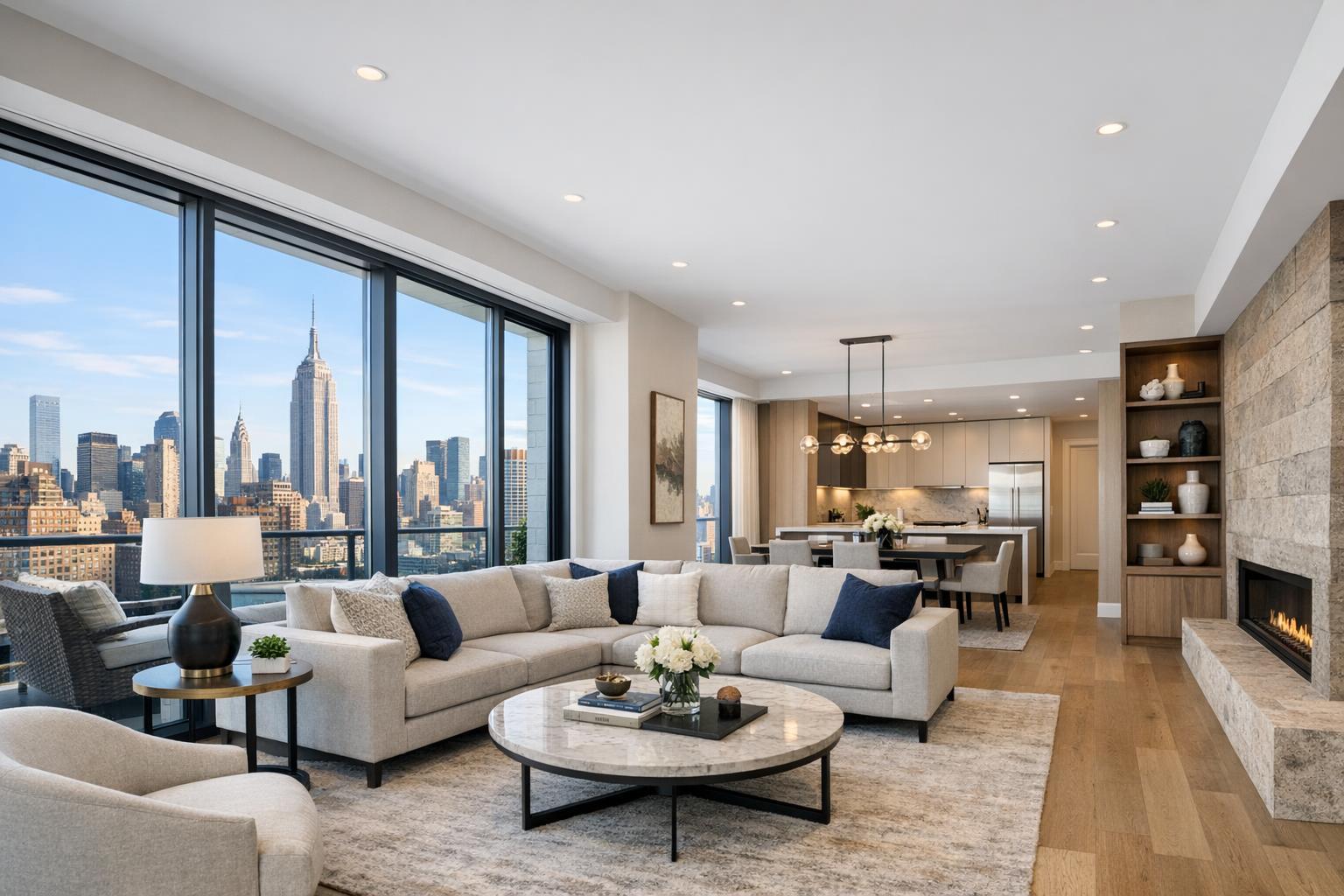
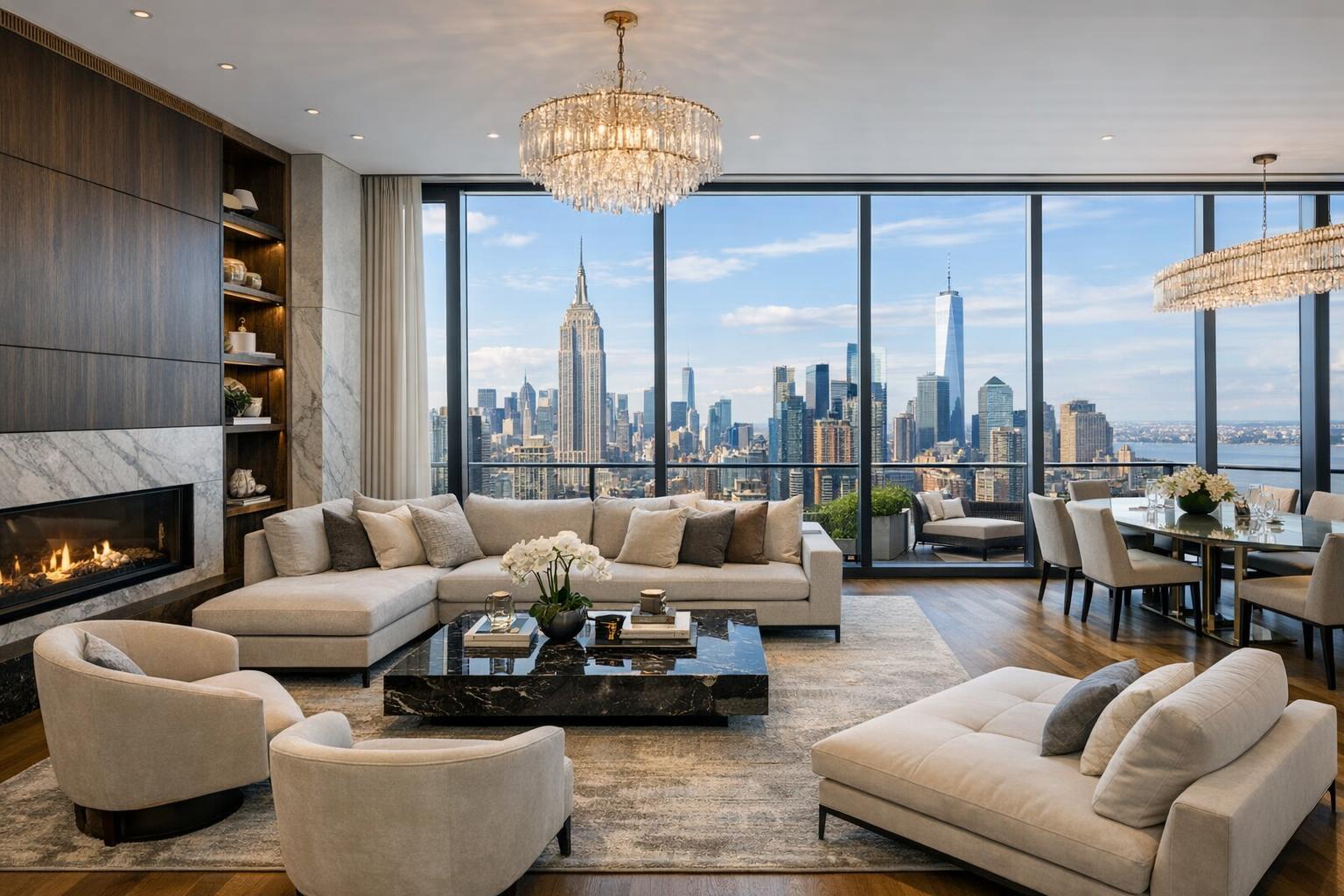
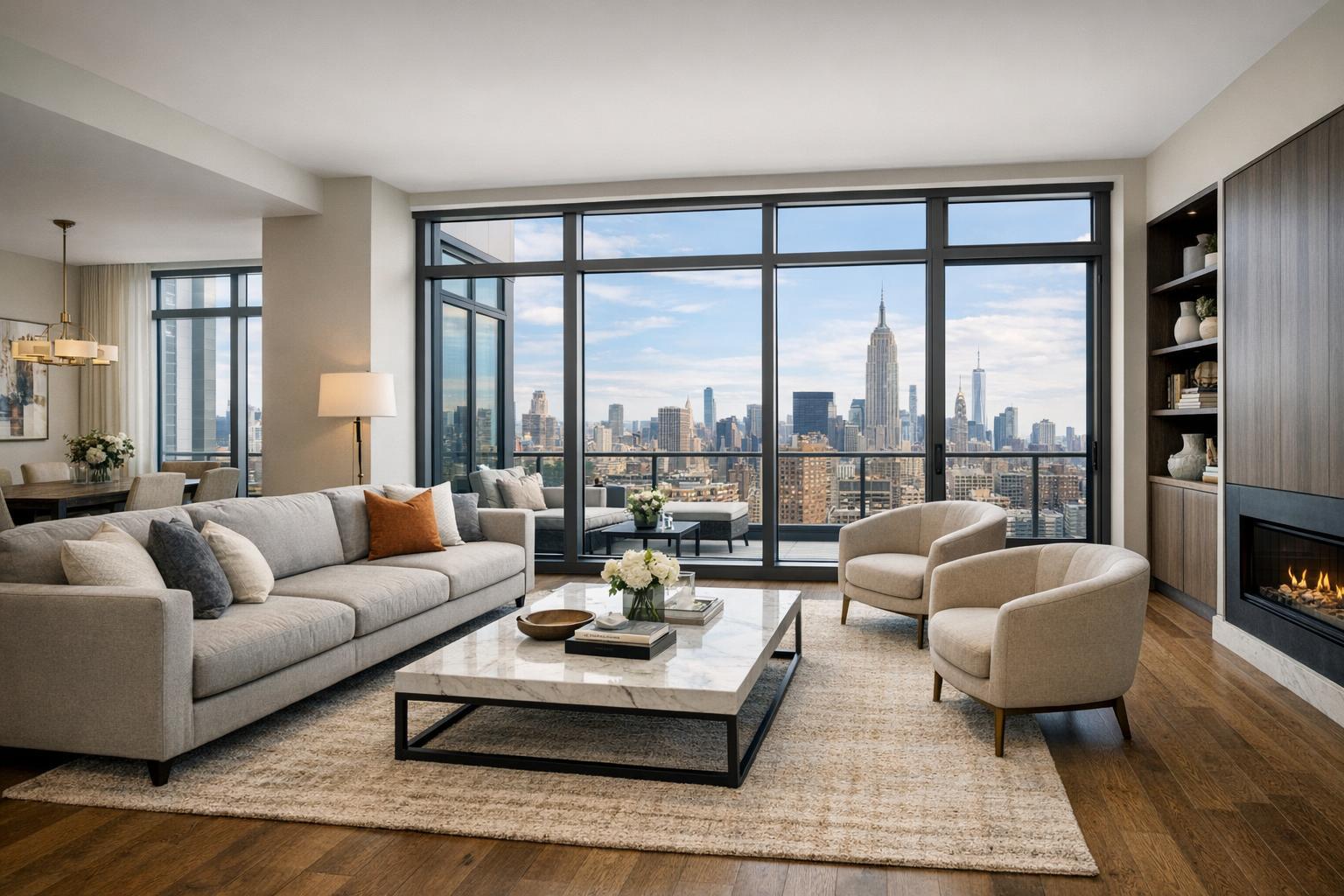
A luxurious and spacious living room features a stunning view of the New York City skyline, showcasing exemplary real estate photography NYC.
How Real Estate Photography in NYC Elevates Listings and Moves Properties Faster
Real estate photography in NYC plays a pivotal role long before a prospective buyer sets foot in a property. In a market defined by variety and fast digital decision-making, the way a home is photographed can mean the difference between being overlooked and making the shortlist for a showing. At RealtaSnap, we’ve learned first-hand that the right images make a listing easier to notice, understand, and remember—which helps everyone involved in the process.
The Stakes for NYC Listings: Communicating More in Less Time
A typical NYC property listing has mere seconds to spark interest. Buyers are busy, often scrolling through apartments, condos, co-ops, and brownstones on their phones between showings or during a quick coffee break. Each property tells a different story, and the images need to communicate that story efficiently.
What practical questions does good property photography answer? Here are a few that matter:
- What does the main living space feel like?
- How does natural light flow through the rooms?
- Are the kitchen, bedrooms, and bathrooms shown with enough context?
- Do the images make it easy to gauge scale, layout, and connection between rooms?
- Are unique features—such as architectural details, terraces, or skyline views—presented clearly?
Professional photography isn’t about artificially exaggerating a property’s appeal. It’s about showing each home in an organized, accurate, and inviting light—helping viewers make faster, more informed decisions.
Why Professional Media Matters: Making Spaces Readable and Honest
A strong photo set doesn’t just look pretty. It makes the space feel navigable and real—even from a phone screen. This is especially important in New York City, where variable lighting, compact dimensions, and interesting angles are the norm.
Here are a few practical factors in professional property photography:
- Balanced Lighting: NYC interiors often have intense sunlight from one direction and dim corners elsewhere. High Dynamic Range (HDR) photography can capture both, preserving details in windows, floors, and finishes without flattening the space or blowing out critical features.
- Vertical Lines and Composition: Tall windows, doors, built-ins, and moldings are features that define much of the city’s housing stock. Crooked lines or distorted angles can make spaces feel less intentional and harder to interpret. Professional editing, including perspective correction, ensures the architecture looks the way it feels in person.
- Intentional Framing: Smart composition builds visual flow that “walks” the viewer through the property naturally. A city apartment might open with a living room and city view, while a townhouse photo set could emphasize entryways, parlor floors, and private gardens. The goal is clear storytelling—without relying on misleading angles or heavy edits.
For agents and sellers, this approach builds confidence that the marketing reflects the property’s true value. For buyers, it means fewer surprises during tours and a smoother path from online search to in-person viewing.
The Fast-Forward Benefit: How Strong Visuals Streamline the Sales Process
While strong imagery can’t override factors like price, location, and broader market conditions, it can make every step in the sales journey more productive.
- First Impressions: Listings with polished, well-lit photography are more likely to stop a buyer from scrolling past—whether on real estate platforms, broker sites, or social media.
- Self-Qualification: Detailed photo coverage helps prospective buyers or renters quickly decide if a property fits their criteria. They can see room sizes, window views, and special features, leading to more focused inquiries and better-qualified showings.
- Reusable Assets: One professional photo shoot can fuel every aspect of a marketing campaign: online listing pages, emails, social posts, print materials, and more. That consistency saves time while maintaining a strong visual identity across platforms.
NYC and New Jersey: Local Challenges and Considerations
Capturing property in the city isn’t quite the same as in the suburbs. Some realities unique to NYC and New Jersey:
- Small and Complex Spaces: Many NYC apartments have tight kitchens, winding hallways, or odd-sized rooms. Effective photography finds vantage points that reveal real proportions and layout, rather than stretching rooms artificially.
- Light and View Management: Composing a shot toward a spectacular cityscape (or a leafy Brooklyn street) often means wrestling with contrasting light levels. The goal: retain view details and keep interiors welcoming.
- Occupied Listings: It’s common to shoot homes while still occupied. Small edits—like clearing counters, opening blinds, removing personal items, and turning on lighting—make a tangible difference in how clean and inviting the final images feel.
- Access and Scheduling: Logistics are shaped by building policies, elevator schedules, and neighborhood rules. Discussing access instructions ahead of time helps keep everything running smoothly.
In New Jersey, photographers may encounter more single-family listings, exterior shots with yards, or broader lot views—each requiring thoughtful coverage and, in some cases, aerial perspectives.
Building a Property Media Plan: When Images Alone Aren’t Enough
While photography is the foundation, some listings deserve more comprehensive media—especially if they’re unusually large, complex, or geared toward remote buyers.
- Floor Plans: A physical scan (not just a PDF) reveals spatial relationships that photos alone can’t convey. This is vital for buyers comparing layouts or verifying square footage.
- Video Walkthroughs: Movement matters when you want to show how rooms flow together, highlight multi-level living, or give a sense of scale. True listing videos are recorded on-site, not just slideshows of still photos.
- 3D Virtual Tours: Tools like Matterport enable remote viewers to explore properties interactively, at their own pace. Like floor plans, these require an on-site scan.
- Virtual Staging: For empty or partially furnished rooms, virtual staging can hint at layout options. However, it’s most appropriate when the space is cleared of existing furniture and clutter—it’s not intended to “clean up” occupied rooms.
- Drone Photography: Useful for showing building context, outdoor amenities, or larger lots. In the city, aerial imagery is subject to airspace, weather, safety considerations, and regulations.
Choosing the Right Property Photography Partner
Not all photography services are created equal. It’s worth vetting potential partners based on quality, service range, and operational fit for your property type—especially in an urban market.
Key questions to ask:
- Do their portfolios feature realistic lighting, color, and straight lines?
- Is their coverage of compact or complex rooms clear and complete?
- Can they photograph unique property features relevant to your listing?
- Is the actual service package clear before booking?
- Do they offer floor plans, video, 3D tours, or drone services if needed?
- Are property preparation guidelines available?
- How do they handle building access and scheduling notes?
At RealtaSnap, our packages are designed for flexibility and clear expectations. We offer photo options ranging from coverage for a compact studio to large properties needing 50+ images. Media like floor plans, video, drone, or 3D scans can be added as needed. Service availability spans NYC, New Jersey, and select nearby areas, with full package information and sample work transparent on our website.
For booking, you can schedule online at www.RealtaSnap.com, entering your service address, desired media options, and any specific requests or access details. Our rates, process, and preparation tips are always up to date for agents, brokers, sellers, and property managers across the metro area.
Give Your Listing a Cleared, Honest First Look
A well-crafted photo set is more than a pretty introduction. It acts as the first showing—presenting your property reliably, helping viewers imagine themselves in the space, and making marketing efforts easier from day one.
Whether you’re preparing a bright city condo, a historic brownstone in Brooklyn, a pre-war co-op, or a larger home in New Jersey, expert real estate photography remains the standard for informed property marketing.
If you want to plan professional media for an upcoming listing, you can get started or learn more at www.RealtaSnap.com.
FAQ
Question: How many images does a typical NYC property listing require?
Answer: The right photo count depends on the size and complexity of the space. A compact studio may only need 10 to 20 photos, while larger apartments, townhouses, or homes with multiple features benefit from fuller coverage—up to 50 images or more. Focus on showing every livable area and distinct feature, rather than repeating shots.
Question: Can floor plans or 3D tours be made from existing listing photos?
Answer: Accurate floor plans and 3D tours require a physical scan and on-site measurement. Photos and prior documents can offer reference but can’t replace the data collected during a professional site visit.
Question: Should properties be cleared of all furniture before a photography session?
Answer: It’s helpful to tidy, remove clutter, and open up pathways, but furniture can often remain as long as it’s arranged thoughtfully. If a room is vacant, virtual staging is available to present one possible layout—but rooms packed with furniture or personal items will photograph less clearly. Preparing ahead ensures the property looks its best for the shoot.