How Professional Real Estate Photography Services NYC Boost Property Sales
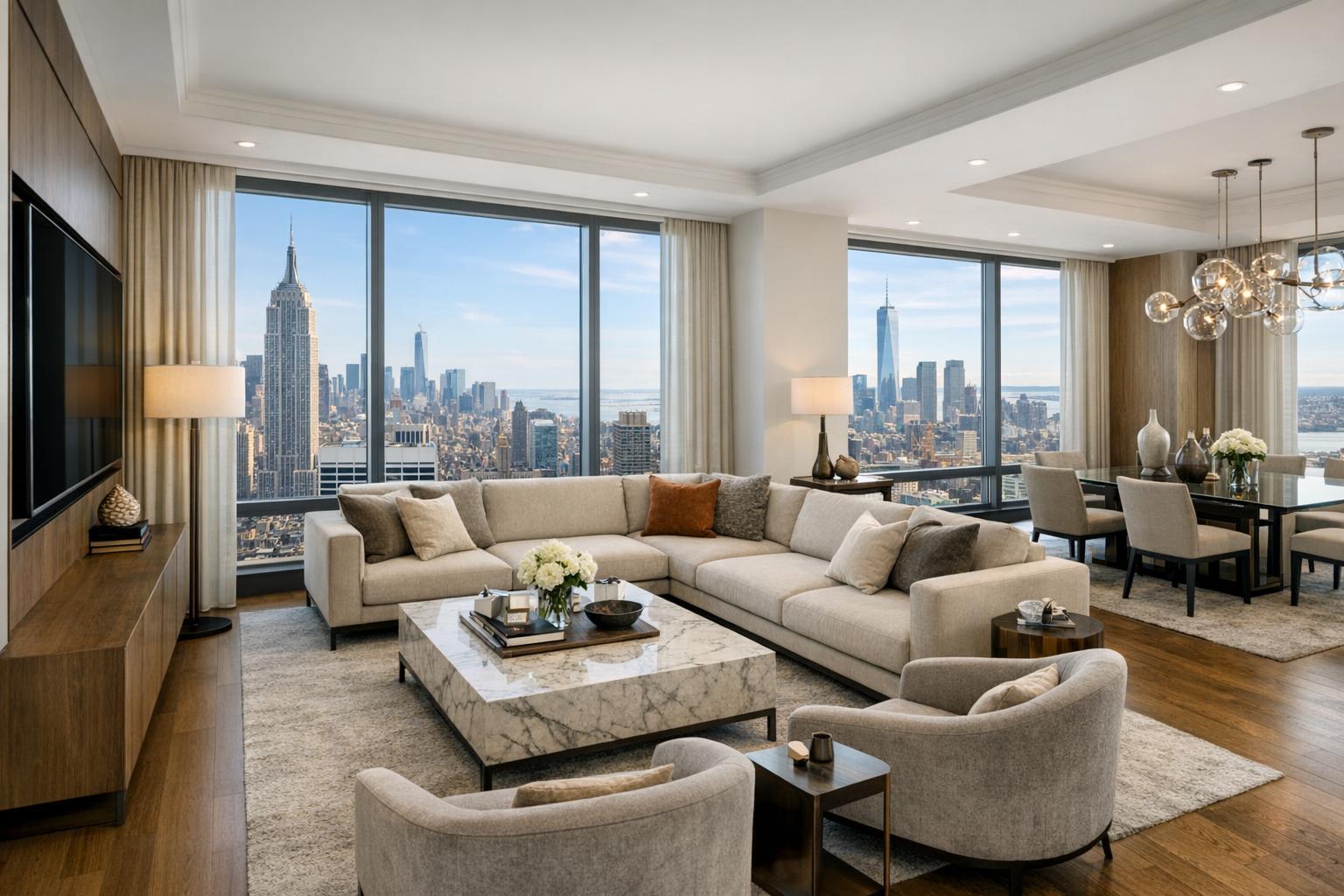
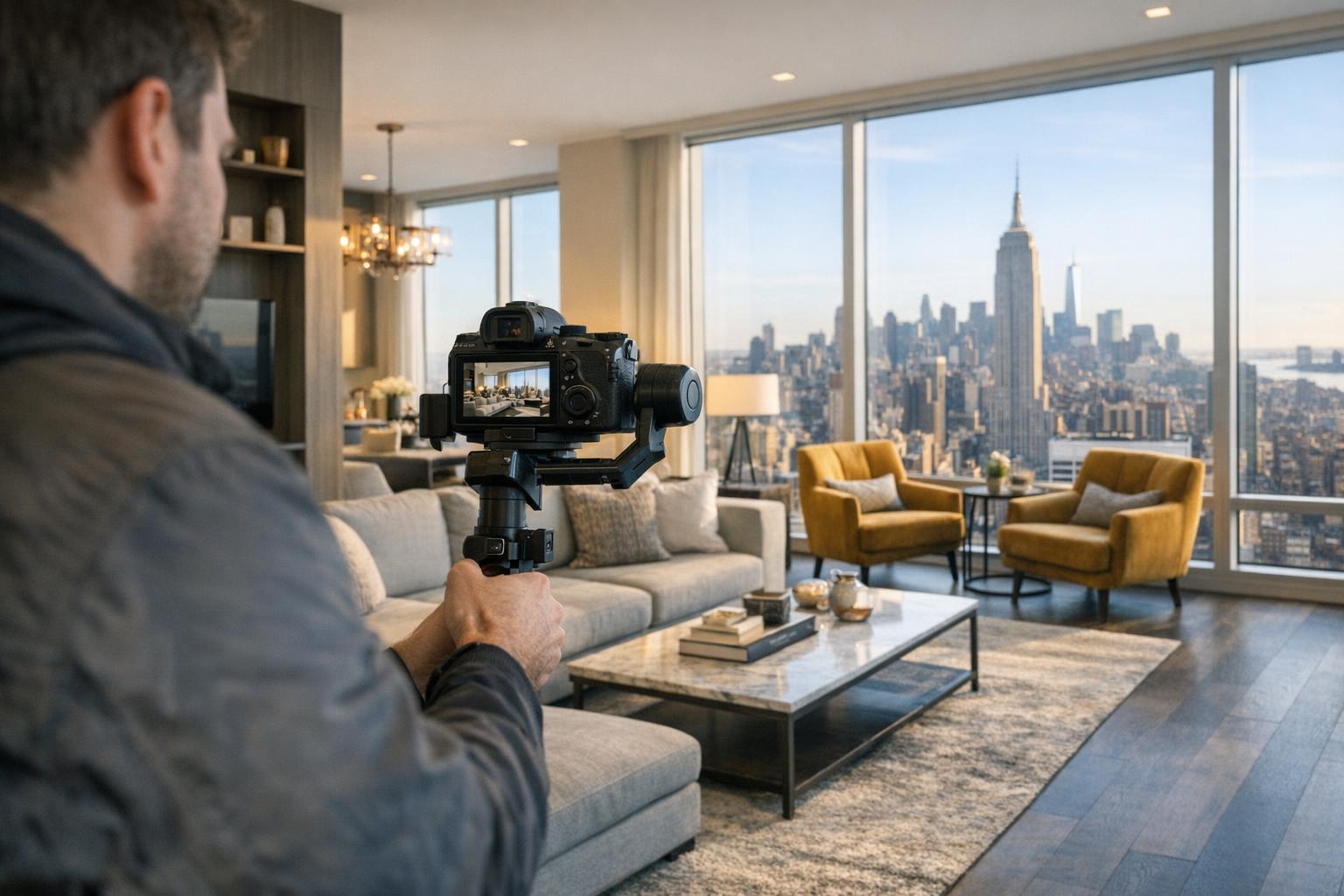
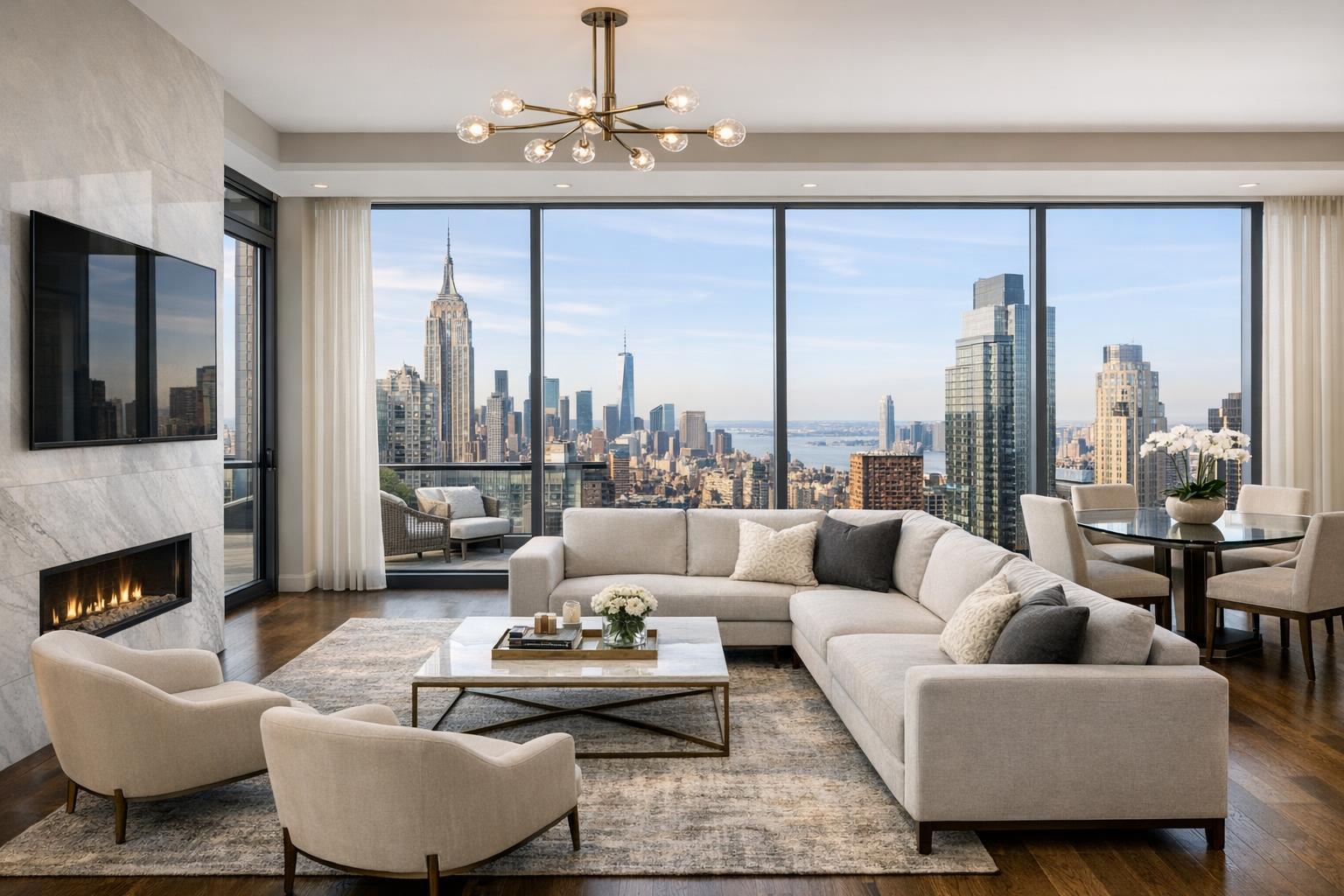
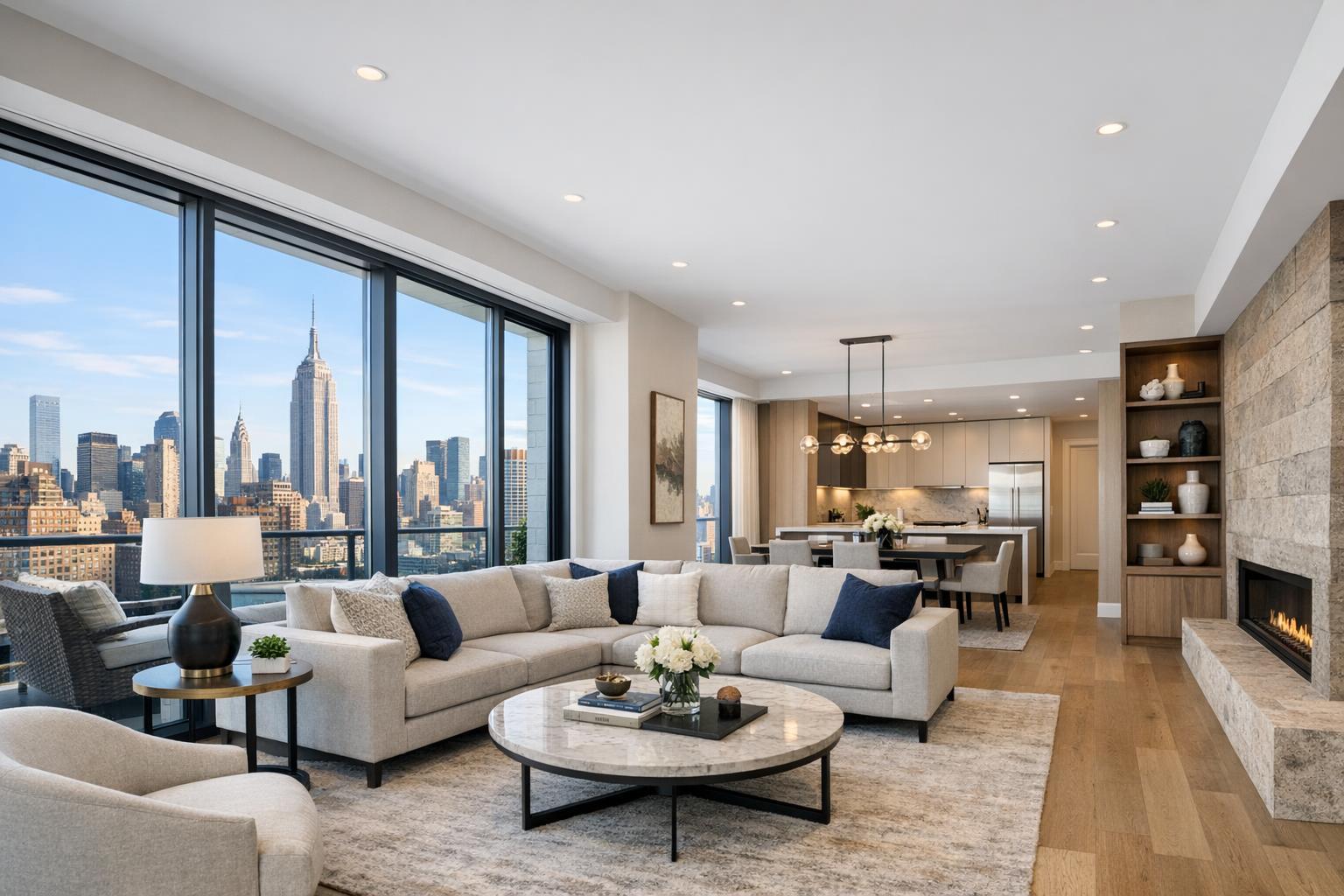
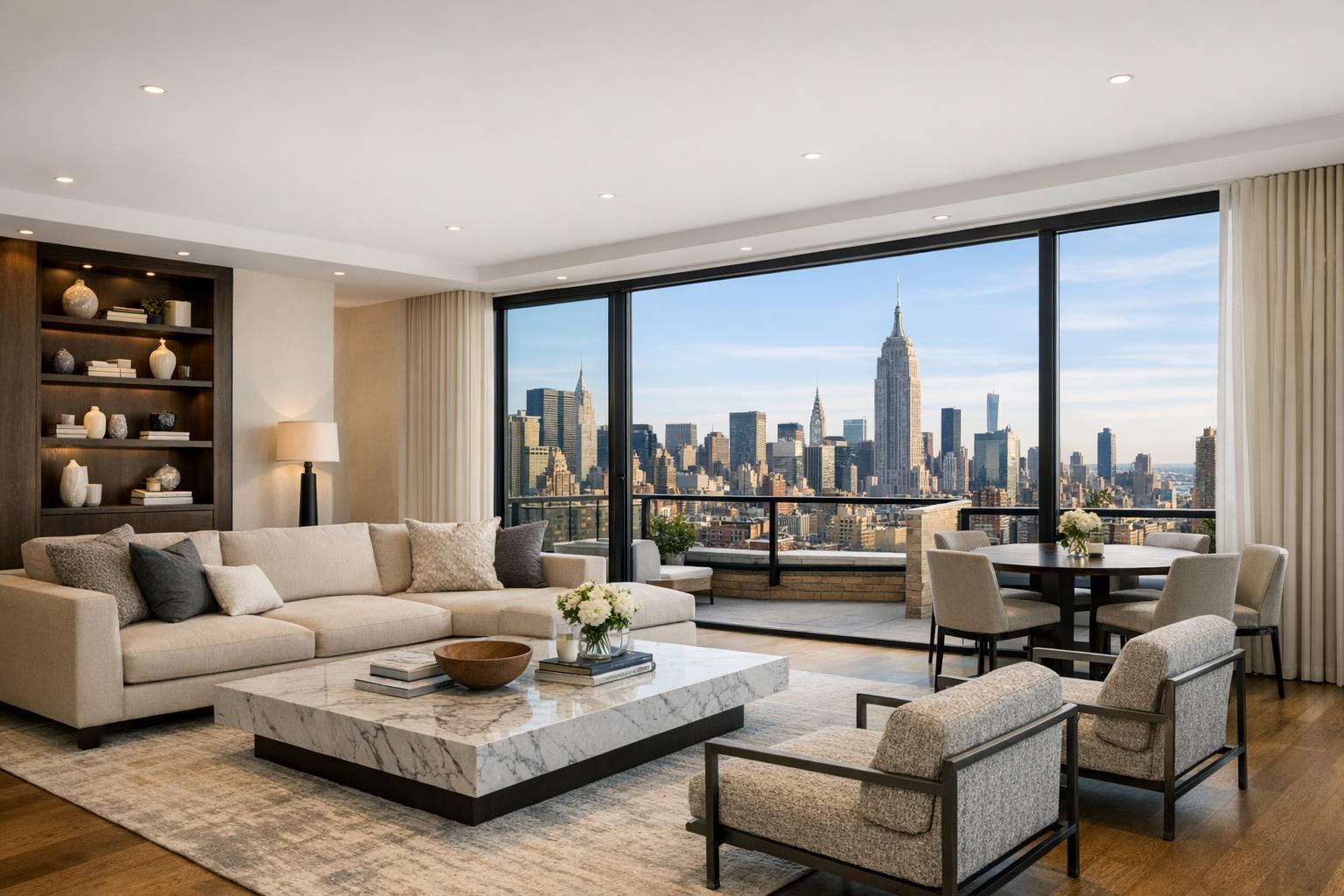
A beautifully staged luxury living room with a stunning view of the NYC skyline exemplifies the high-quality results achieved through professional real estate photography services in New York City.
How Professional Real Estate Photography Services NYC Boost Property Sales
Real estate photography services NYC hold a unique position in shaping first impressions. In a city where apartments, condos, brownstones, and single-family homes each compete for attention—often on nothing more than a scroll of thumbnails—the visuals assigned to a listing can make all the difference in whether a buyer stops, clicks, and considers further action.
In our work as a real estate media team serving New York City, New Jersey, and the surrounding region, we've seen the practical impact of intentional, high-quality property photography. This article explores how a professional approach to listing photography helps property sellers, agents, and managers maximize appeal and clarity while navigating the realities of Manhattan, Brooklyn, Queens, Staten Island, suburban New Jersey, and beyond.
The Weight of Listing Visuals in a Digital-First Market
Most NYC buyers begin their property search from a screen—sometimes from across the country or the world, sometimes just one borough away. The initial photo gallery, not the floor plan or the description, is often what determines if a home gets short-listed for a showing.
Strong listing photos equip buyers to quickly answer key questions such as:
- Does the property feel spacious, bright, and inviting?
- How do rooms connect, and where are the primary living areas?
- What condition are the finishes, cabinetry, and fixtures in?
- Are there stand-out features—outdoor space, amenities, a skyline view—that set the home apart?
The specific details buyers care about may differ (a West Village prewar’s ceiling height versus a Jersey City home’s backyard), but the underlying need for clarity and credibility is universal. Professional real estate photography gives shape to this information, presenting each space with appropriate exposure, composition, and sequencing.
What Sets Professional Coverage Apart
Phone snapshots, inconsistent angles, or poorly lit photos often leave viewers uncertain—or worse, suspicious—about the home’s true value. By contrast, a professional real estate photographer NYC will approach each room with purpose:
- Choosing camera height and direction to suit ceiling height and window placement
- Balancing window highlights with interior lighting to preserve both outside views and the feel of the space
- Carefully staging shots to minimize clutter and distractions, highlighting permanent features over personal items
Visual logic matters, especially in NYC’s range of layouts—from railroad apartments to open-plan lofts. The sequence of images should give buyers a sense of flow, proportion, and relationship, not just room-by-room snapshots.
Creating a Compelling Listing From the First Click
In the competitive spaces of StreetEasy, Zillow, and other real estate platforms, property photography in New York City needs to work on two levels: attracting initial interest, and holding a buyer’s attention long enough to inspire meaningful next steps.
The Impact of the Lead Photo
The cover image of a listing is not just about beauty—it sets the stage for all that follows. Ideally, it represents the property’s strongest selling point, whether that’s a flooded-with-light living room, a breathtaking terrace, or a meticulously renovated kitchen. An authentic, inviting lead photo increases the likelihood that buyers will engage with the full gallery.
Sequencing a Logical Tour
Effective real estate photography is more than a collection of flattering images—it’s a guided walkthrough. NYC’s vast housing inventory includes unconventional homes: duplexes, studios with sleeping lofts, combination apartments, and more. A good gallery explains the space, starting at the entry and guiding the viewer intuitively through the main living zones and out to unique highlights.
Mixing Broad Views and Details
While wide shots help establish scale and room relationships, selectively chosen detail photos offer buyers a sense of what makes the property unique: original moldings, custom shelving, integrated appliances, or cityscape views. The best galleries avoid redundancy while still delivering a comprehensive tour.
Operational Insights From Professional Practice
A professional real estate media team pays attention not just to composition, but to everything that affects the shoot and the final presentation:
- Property Preparation: Rooms look best when surfaces are clear, lighting is adjusted for balance, beds are made simply, and unnecessary items are tucked away. Editing tools are no substitute for basic cleanliness and thoughtful preparation.
- Managing Lighting Challenges: NYC apartments frequently have challenging lighting, such as bright windows against dim interiors or buildings that block daylight. A skilled photographer uses exposure bracketing and supplemental lighting to address these differences and deliver balanced images.
- Room Function and Flow: Particularly in compact city layouts, where square footage is precious, photos must communicate how spaces connect. A sequence that follows the logical flow—entry, public spaces, private rooms, and amenities—gives the most credibility.
- Handling Vacant Spaces: Empty rooms can confuse prospective buyers. Virtual staging is an option, but only for rooms that are fully vacant or properly decluttered, in line with professional standards. RealtaSnap offers AI virtual staging per photo for empty rooms, but will not overlay furniture on top of existing furnishings. For rooms with furniture, either physical removal or additional editing is necessary.
For property owners and agents, preparing a space before the shoot is fundamental. Start with primary lifestyle spaces first (living areas, kitchen, main bedroom), then remove distractions that can detract from the home's features. In smaller NYC apartments, reducing even a single bulky item can clarify the layout and make the photos more inviting. A prepared property will always photograph better than one that relies solely on editing afterward.
For specific preparation tips, RealtaSnap offers a photography prep guide.
Local Knowledge: Why NYC and NJ Properties Require Special Consideration
Real estate photography services NYC must navigate logistics rarely found elsewhere. Building access, elevator reservations, certificates of insurance, and amenity restrictions often affect scheduling and what can be photographed. Natural light varies dramatically depending on building orientation and surrounding architecture, sometimes requiring shoots to be timed precisely.
Knowing the differences between a high-rise condo, a prewar co-op, a brownstone, or a New Jersey single-family home is invaluable. Urban listings might prioritize maximizing perceived square footage and accentuating skyline views, while suburban properties benefit from broader exterior shots, portrayal of outdoor spaces, and clear depiction of multi-level interiors.
RealtaSnap’s service area covers all five NYC boroughs and extends throughout New Jersey, offering the local familiarity to coordinate access, anticipate lighting issues, and guide clients to the right level of coverage.
For more on local service coverage, visit RealtaSnap’s NYC real estate photography services or explore New Jersey real estate photography.
Matching Photo Coverage and Media to the Listing
Not every property needs the same volume of imagery. For most residential listings, RealtaSnap offers photo packages at 10, 20, 30, 40, or 50 images, starting at $149 for 10 photos. The right package depends on unique property features and the intended marketing platforms: a compact studio or co-op may only need concise essentials, while a townhouse with multiple floors and amenities should receive more comprehensive coverage.
Checklist to help determine photo needs:
- How many unique rooms or spaces should be shown?
- Are there compelling views or outdoor areas?
- Does the listing include renovated kitchens, baths, or other value-added upgrades?
- Does the layout require additional explanation?
- Will the images also be used for printed materials or digital campaigns?
Additional media—such as video, floor plans, or drone photos—can support listings with special needs. For instance, floor plans help explain complicated layouts, while video can showcase movement through space. RealtaSnap’s advanced floor plans are based on on-site capture, and drone aerials are available for eligible properties subject to airspace, safety, and access. Virtual staging, as noted, is always applied only to properly vacant or decluttered rooms with client consent and necessary edits.
For more about service options and booking, see RealtaSnap real estate photography cost and our scheduling page.
Practical Booking and Service Principles
RealtaSnap’s booking process is online and fully transparent, with real-time calendar availability. Clients can:
- Enter the property address and access details
- Select the desired services and add-ons (such as virtual staging or twilight photography)
- Pick an available appointment slot (with just 24 hours’ notice required)
- Add any special order instructions
- Pay securely to confirm the order and receive an email confirmation
All services are provided as real-world capture—no speculative design, remote floor plan drafting, or hypothetical modifications. Virtual staging and clutter removal must follow established preparation guidelines.
For property managers, agents, and sellers, reliable process and operational clarity help listings go live on the right timeline, with visuals that accurately reflect both the property and the standards of the market.
Presenting Reality: How Great Visuals Drive Better Results
The goal of professional real estate photography is not to artificially inflate a home’s appearance, but to present it as it truly is—at its best, with clarity, context, and consistency. Well-executed visuals let buyers absorb the property’s strongest features, connect emotionally, and make informed decisions about whether to schedule a showing.
Especially in New York City and New Jersey, where property types and buyer expectations vary dramatically, working with a professional means having access to accurate operational knowledge, a reliable workflow, and the visual discipline needed to compete in a saturated market.
To take the next step in planning property photography—whether for a single listing or portfolio—visit www.RealtaSnap.com.
FAQ
Question: How should I decide which photo package is right for my NYC listing?
Answer: Consider the number of rooms, special features, and intended marketing uses. Studios and smaller one-bedrooms can often be covered in 10–20 photos, while multi-bedroom or amenity-rich properties may need 30, 40, or more. Avoid both under- and over-photographing; focus on clearly presenting all meaningful spaces and features without unnecessary repetition.
Question: What preparation steps help a property photograph best?
Answer: Declutter all visible surfaces, make beds with simple linens, open blinds for natural light (while considering external views), and remove personal items or bulky furniture that can disrupt the flow. Pay special attention to primary living areas, kitchens, and baths. For vacant rooms, ensure they are clean for either standard photography or virtual staging.
Question: How does the RealtaSnap booking process work for new clients?
Answer: Booking is completed online at RealtaSnap’s scheduling page. Enter your property address, select services and add-ons, choose your preferred time, and complete payment to confirm. Appointments can often be booked with just 24 hours' notice, and all instructions and deliverables are handled through a streamlined client dashboard.