How Luxury Real Estate Photography Elevates NYC Listings for Top Dollar
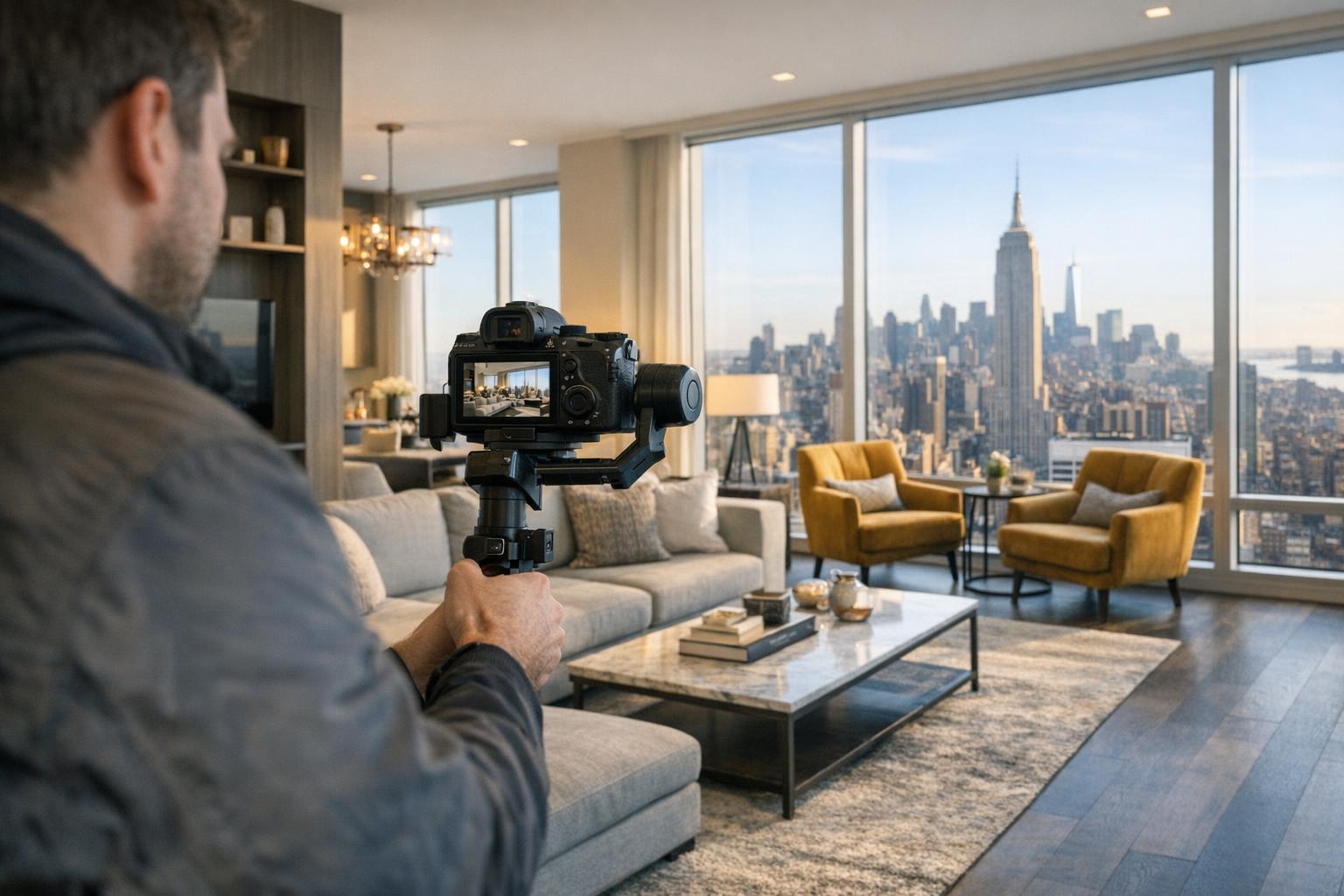
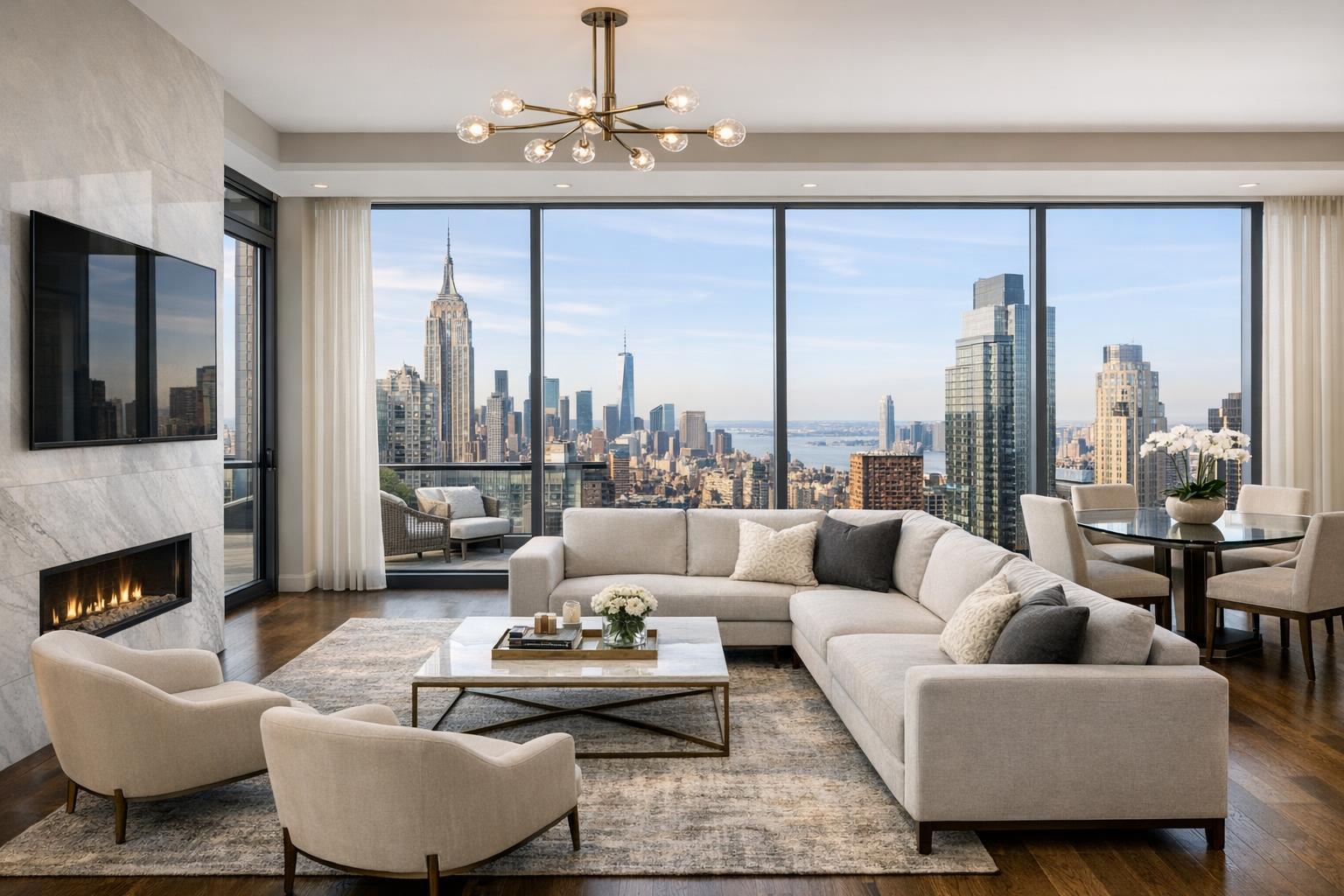
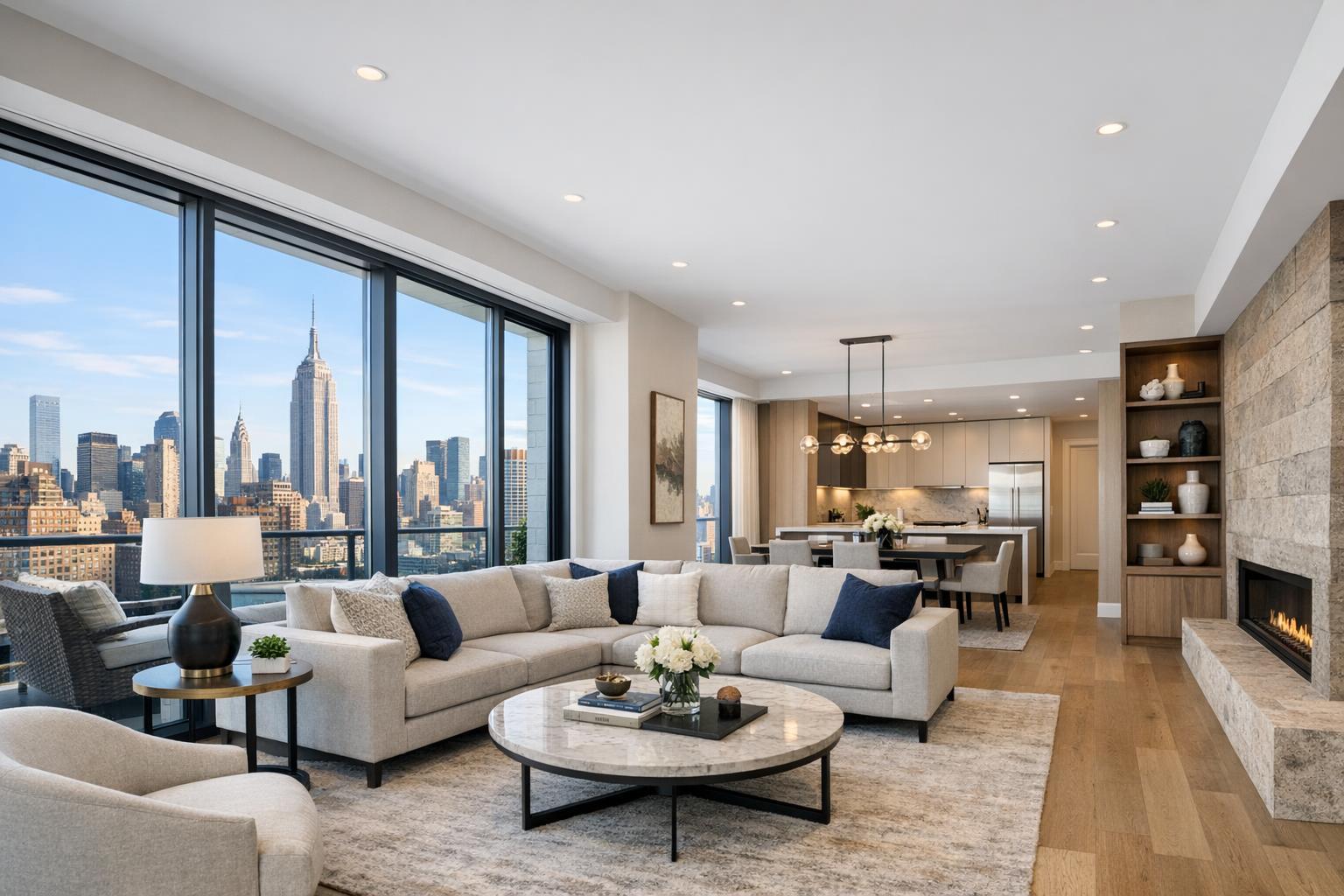
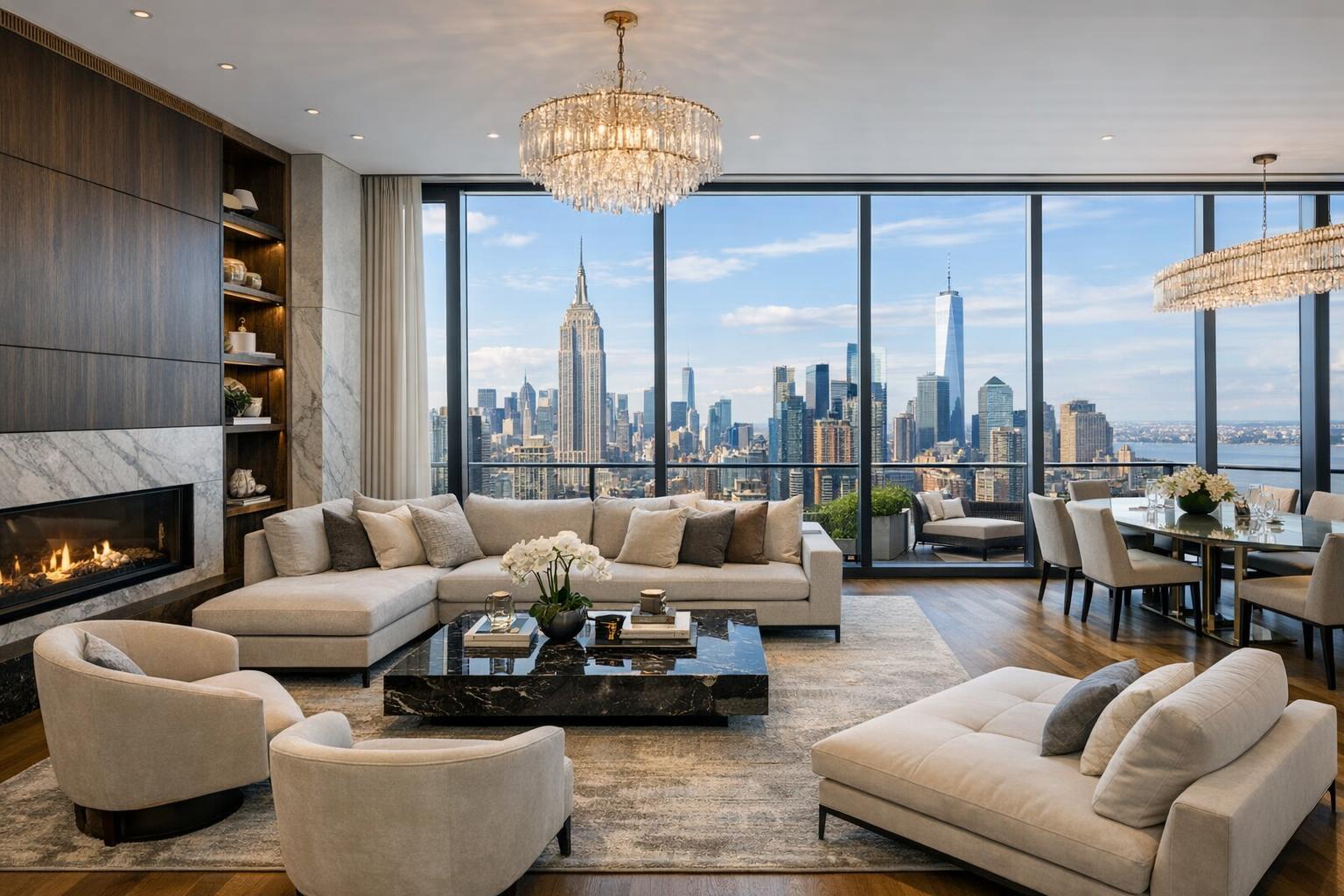
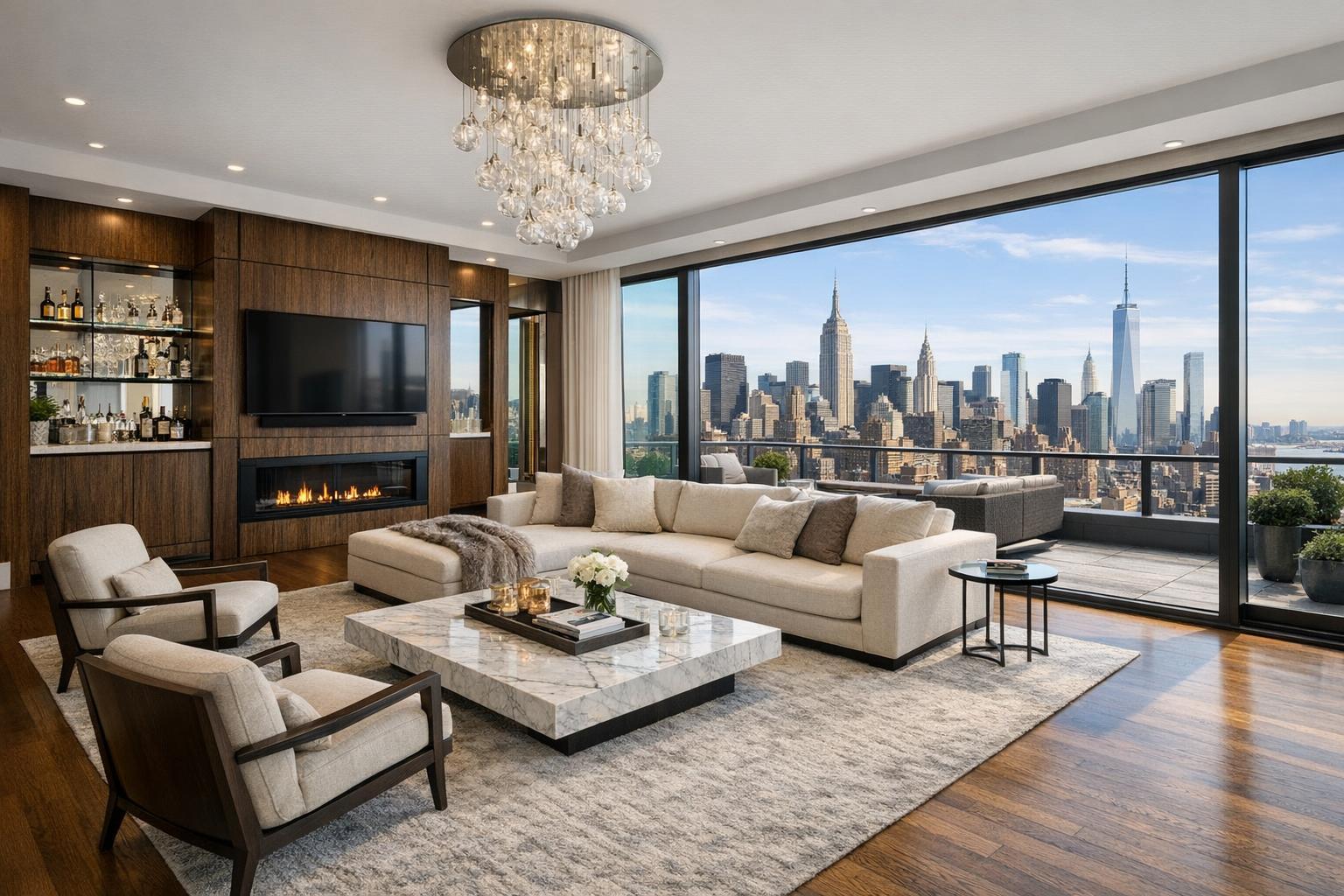
Luxury real estate photography captures an elegant living room with a stunning view of the city skyline, featuring a sophisticated interior with modern furnishings and a large chandelier.
How Luxury Real Estate Photography Elevates NYC Listings for Top Dollar
Luxury real estate photography stands apart as a vital tool for showcasing New York City properties at their best. In a city where every detail and angle can make a difference, polished visuals do more than catch the eye—they offer a first impression that can define the entire buyer experience. When property photos communicate both clarity and a true sense of place, they help agents and sellers highlight the real value of a listing in a highly competitive real estate market.
Why Visual Quality Is Non-Negotiable for NYC Properties
In NYC, real estate photography is rarely as simple as documenting square footage or snapping wide shots of every room. Properties here come in all shapes and sizes: from high-floor apartments with iconic views but compact interiors, to Brooklyn brownstones marrying historic charm with modern renovation. Many homes combine features like intricate moldings, custom kitchens, or dramatic cityscapes within tight layouts, making authentic visual storytelling essential.
The right approach to high-end property photography enables viewers to see beyond generic images. It shows how sunlight travels through a space, the relationship between rooms, and the actual scale—factors that generic phone photos or low-cost edits can miss or misrepresent. For agents and sellers, relying on cohesive, carefully managed visuals isn’t just about aesthetics; it’s about making sure buyers understand what sets one listing apart from another—before they ever set foot inside.
Setting Up for Success: Preparation Matters
Luxury real estate photography delivers its strongest results when properties are intentionally prepared. Even apartments with excellent renovations may appear cluttered or smaller if surfaces are crowded, furnishings interrupt key angles, or visual distractions pull focus from lasting features.
Among the most effective preparation steps:
- Declutter surfaces, especially in kitchens and baths, to allow finishes and layout to show.
- Remove or edit personal items, tangled cables, and pet gear so the space feels universally appealing.
- Straighten and arrange bedding, curtains, rugs, and towels for a clean and inviting look.
- Adjust curtains or blinds to optimize the natural light coming into each room.
- Ensure all lamps and fixtures are functioning for seamless lighting coverage.
- On terraces, balconies, or rooftops, clear away unnecessary items so the sense of outdoor space is obvious.
Vacant listings call for another layer of decision-making. Empty rooms with quality light or architecture can photograph well, but many buyers may struggle to imagine their function or scale. Here, virtual staging can offer a helpful solution by demonstrating one possible furnished layout. For this to look natural, the room must be empty in real life, or physical removal/clutter removal editing needs to occur before virtual staging is applied.
Navigating the Real-World Logistics of an NYC Shoot
Photography of luxury real estate in New York isn’t just a matter of aiming a camera. Access and timing shape every shoot. Coordinating with building staff, respecting doorman and elevator policies, scheduling around construction or resident logistics, and gaining access to shared amenities all matter, particularly in large multi-unit buildings.
If lobbies, amenities, gardens, or exteriors are part of the listing’s appeal, planning is essential. Agents and sellers who handle access in advance allow the photographer to work methodically, capturing both signature rooms and the connections between spaces. Rushing from room to room—often necessary in tightly scheduled buildings—can make it harder to capture a property in its best light.
Lighting and Exposure: Capturing What Makes a Space Special
Whether a listing features original woodwork in a brownstone or panoramic windows on a high floor, lighting choices shape credibility. Professional HDR (high dynamic range) techniques are often needed in NYC—for instance, balancing the brightness of a room with a clear, non-overexposed view out the window. But the right lighting is not about making everything look as bright as possible; it’s about reflecting the true character and mood of the home.
A few practical considerations:
- Open layouts with large windows often require special care to keep skyline or park views visible without darkening interiors.
- Historic properties may need supplemental lighting or scheduling the shoot for optimal daylight to highlight craftsmanship without making rooms look artificial.
- Compositional choices (such as slightly lower or higher camera heights) help capture both scale and unique details depending on the space.
For high-end property photography, local lighting conditions, material reflectivity, and the interplay of window and ambient light are integral to honest, engaging images.
Composing Images That Tell the Full Story
Strong photography for luxury listings is about more than wide shots. Compositional decisions guide the viewer through a property: showing clear lines, relating one room to another, and giving visual prominence to distinctive features (restored fireplace, custom cabinetry, outdoor terraces). In compact NYC apartments, it’s especially important to reveal how spaces connect or to clarify flexible-use areas (like a dining nook or home office).
A well-sequenced gallery builds a sense of arrival and progression, typically moving from impactful entry spaces or expansive views into private areas like bedrooms and baths. Detail shots complement larger frames by spotlighting craftsmanship and materials that may set the home apart.
Editing: Refinement, Not Reinvention
After the shoot, editing ensures a consistent and professional image set. Adjustments may include:
- Exposure and color correction to ensure visual unity.
- Perspective correction so walls and features appear as they do in person.
- Minor retouching to remove distractions but never to misrepresent the physical property.
- Approved object removal or virtual twilight images where appropriate.
Luxury real estate photography editing is about truthfully enhancing a property’s best features, not false promises or digital “renovations.” Buyers expect polish, but also accuracy.
Media Add-Ons That Enhance—Not Compete With—Photography
While images remain the cornerstone of premium listing marketing, additional media can add useful context when thoughtfully applied.
- Listing video offers room-to-room movement and can capture the energy of a building or neighborhood.
- Matterport or 3D virtual tours are particularly helpful for remote buyers or unique layouts and require on-site scanning of the property.
- Floor plans can solidify understanding of room sizes and the overall layout—again, prepared via on-site capture.
- Aerial/drone media is sometimes feasible in NYC and New Jersey, provided airspace, weather, access, and safety factors are met.
For all supplementary media, the guiding principle should be: support the photo set and add clarity, not unnecessary distraction. If you’re curious about complementary options, more information is available at www.RealtaSnap.com.
Setting the Stage: Preparing for a Smooth Shoot Day
A seamless shoot helps ensure a high-quality final presentation. On the day, we recommend the following:
- Make sure the home is ready and accessible, with clear instructions for entry.
- Decide on any priority spaces, features, or amenities that must be included.
- Remove personal clutter and minimize visual noise.
- Turn on all operable lights—consider replacing any burnt-out bulbs.
- Arrange window coverings, bedding, and towels before the photographer arrives.
- Plan for pets, residents, cleaners, and contractors to be out of the main areas during the shoot.
- Communicate any desired editing or virtual staging needs in advance so everything can be addressed during capture.
RealtaSnap always photographs the property as it exists on-site. This ensures that the final media reflects the actual space, while still presenting it at its most attractive and inviting.
Making a Lasting First Impression
Luxury real estate photography is not just about showing every detail. It’s about clarity, honesty, and putting a property’s true strengths forward with intention. For NYC and New Jersey listings, that could mean conveying the history of a pre-war apartment, the lifestyle of a penthouse condo, or the potential of a classic brownstone.
Staging, lighting, and composition should work together to unlock that story visually. When these essentials are handled thoughtfully, buyers can understand what sets a home apart—sometimes deciding to see it in person based on those first digital encounters alone.
If you are preparing to bring a property to market and want to explore what high-end photography and media can do for your listing, visit RealtaSnap’s main site for more information and helpful resources.
FAQ
Question: What sets luxury real estate photography apart from regular listing photos?
Answer: Luxury real estate photography emphasizes careful composition, balanced lighting, architectural context, and detailed storytelling. Rather than documenting each room, the approach highlights a property’s unique features, flow, and personality—helping serious buyers quickly understand its value.
Question: How much does professional real estate photography cost in NYC or New Jersey?
Answer: RealtaSnap’s standard 20-photo package is $189, including on-site professional capture and 24-hour turnaround. Add-ons such as virtual staging, twilight, clutter removal, and floor plans are available during booking. You can view full pricing details and schedule online at www.realtasnap.com/schedule.
Question: Can you create a virtual tour or floor plan from existing photos?
Answer: No. Floor plans and Matterport (or other 3D virtual tours) require on-site capture to ensure everything is measured and represented accurately. Existing photos can’t be used to generate these assets, as the technology relies on physically scanning the property during the visit.