How a Professional Real Estate Photographer Can Elevate Your NYC Listing
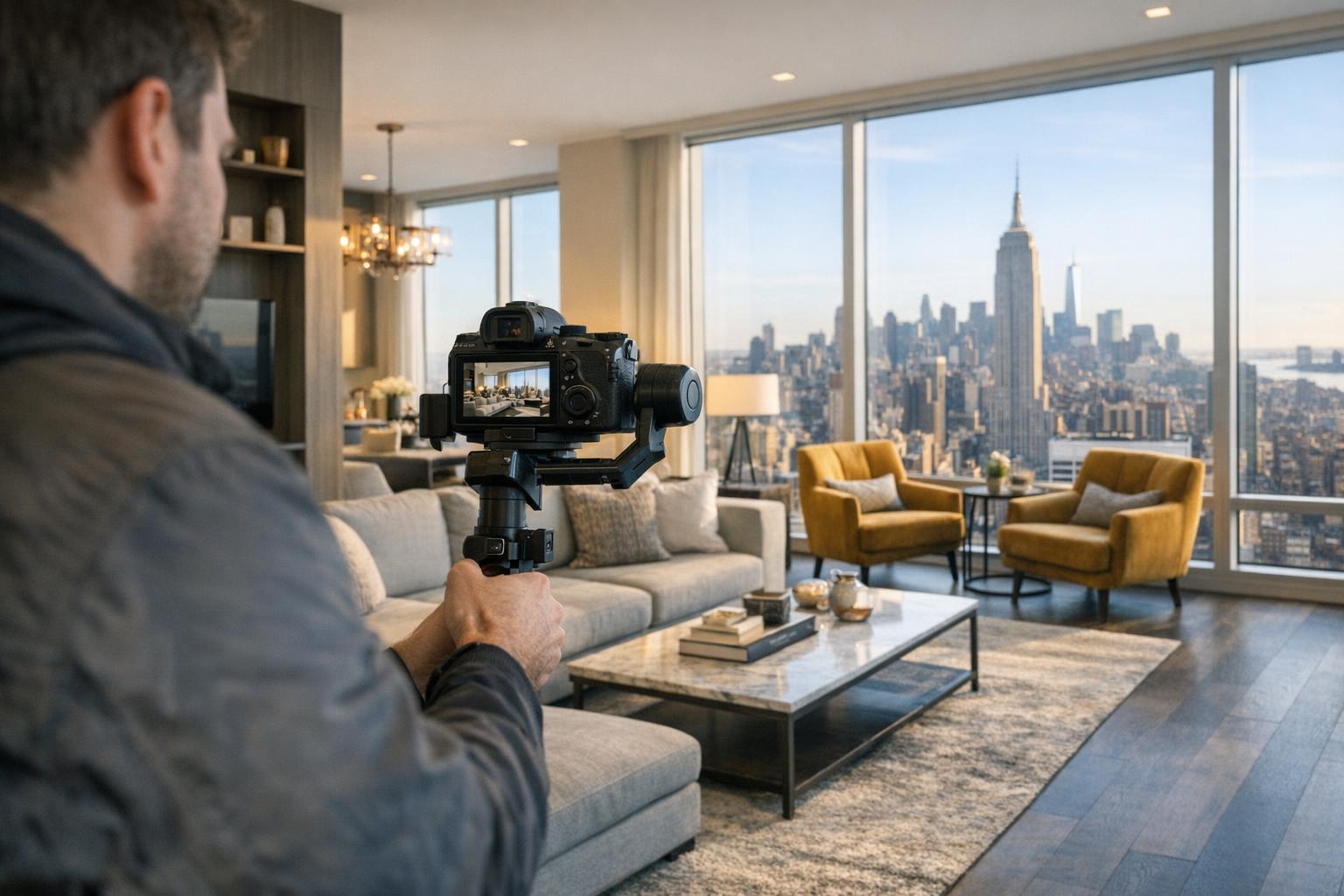
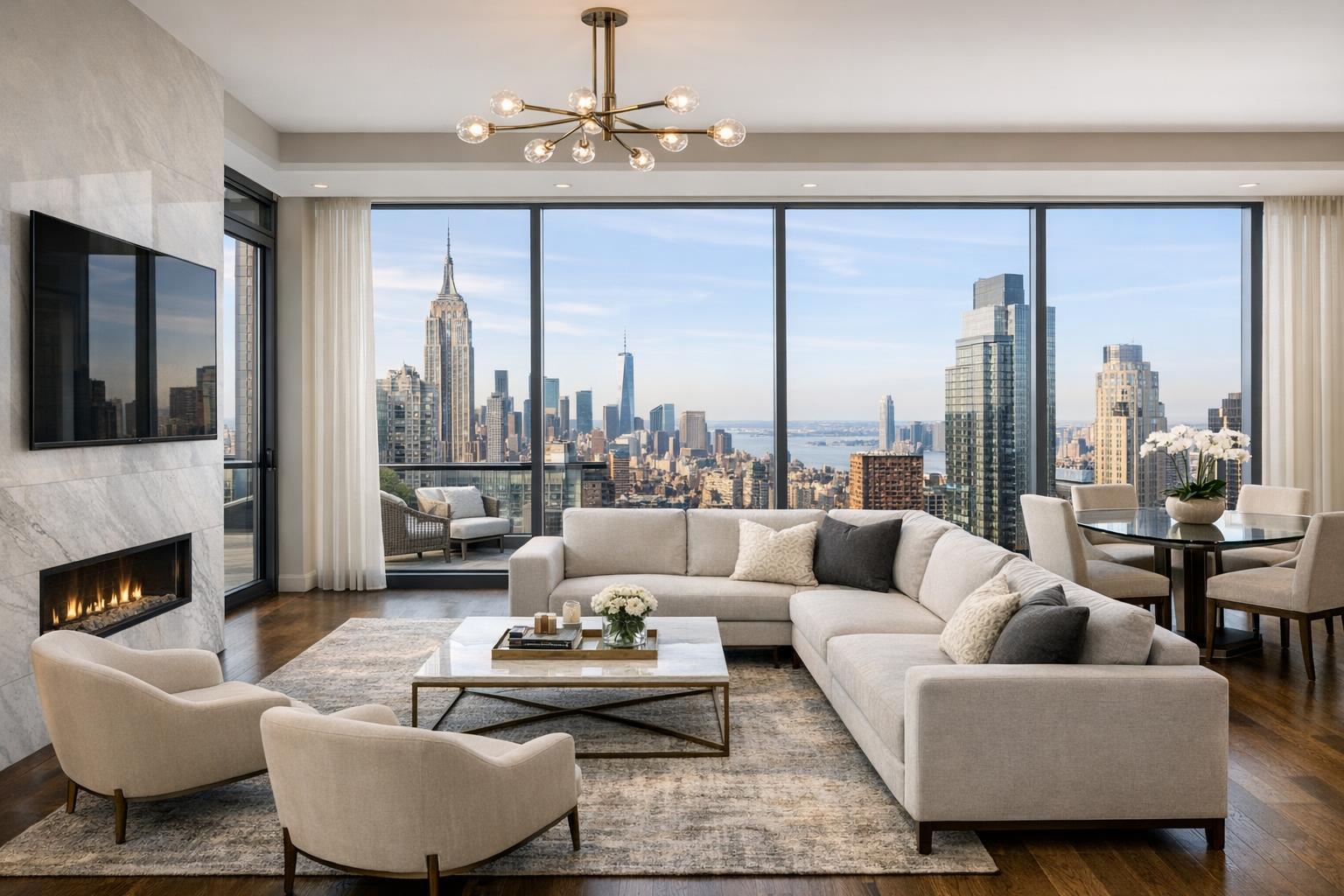
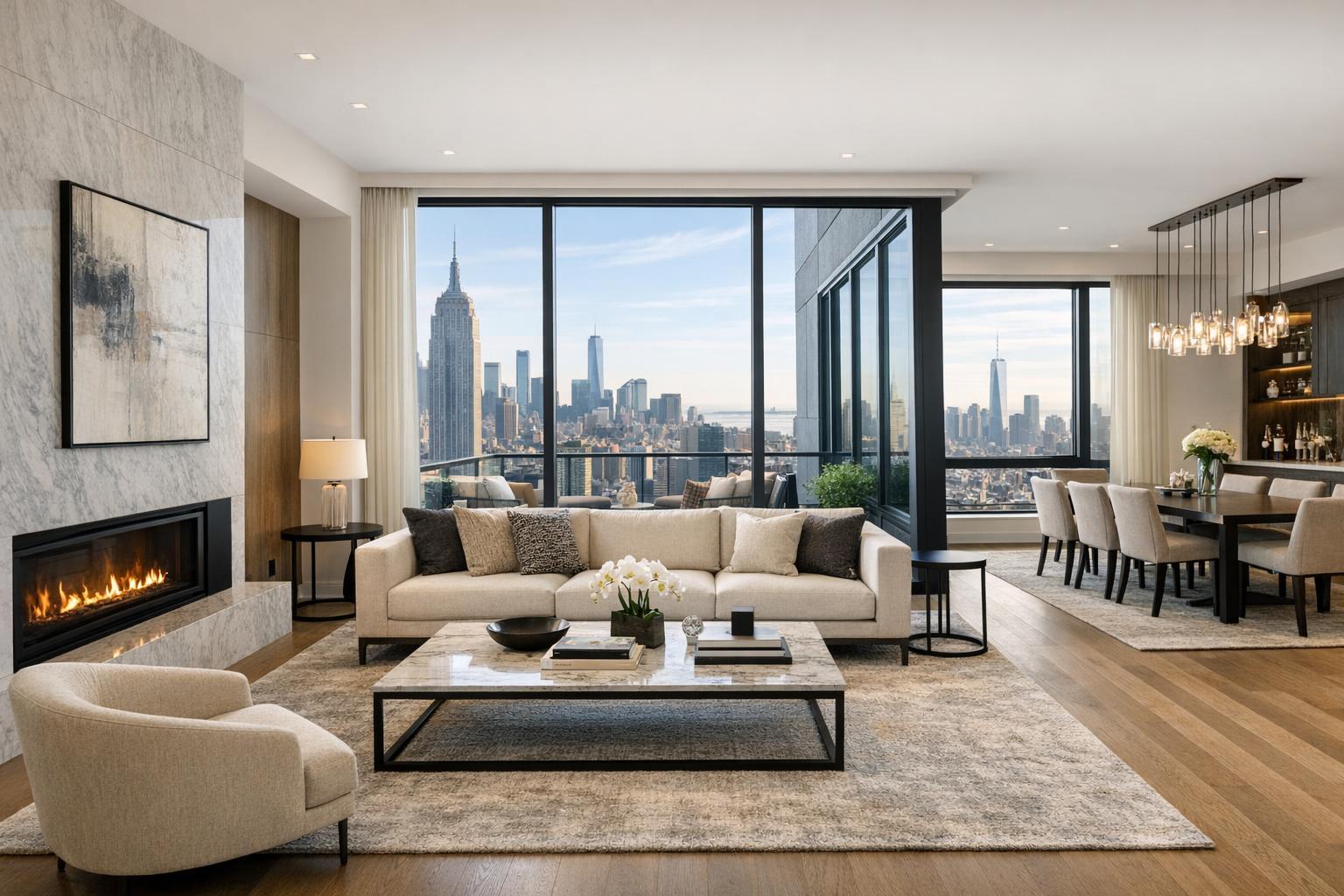
A real estate photographer in NYC captures a luxurious, modern living room with a stunning view of the city skyline, featuring elegant furniture and a sleek fireplace.
How a Professional Real Estate Photographer Can Elevate Your NYC Listing
A real estate photographer in NYC isn’t just there to snap pictures—they’re tasked with translating a property’s best qualities into images that resonate, inform, and inspire buyers who may never set foot in the space until decision time. As viewers browse through listings featuring everything from sun-drenched Brooklyn brownstones to compact Midtown studios, it’s the photography that either frames possibility or leaves potential overlooked.
Why Listing Photography Is More Than Documentation
Property photos are rarely passive. In NYC and New Jersey’s fast-moving markets, buyers typically make their first judgment on a listing before they ever set a showing, filtering homes in seconds based on their screens. If the imagery is too dark, poorly composed, or inconsistent, details that matter—like flexible layouts, historic charm, or a dramatic view—can be lost amid distractions.
Professional property photography is a deliberate process. Each image has a defined role: establishing spatial context, revealing the true scale of rooms, spotlighting important finishes, and pulling the viewer along through a coherent visual story. For agents and sellers, the goal is not just to show what’s there, but to do so accurately and invitingly.
Key Moments in the Photo Sequence
- In a Chelsea loft, the entry shot might include both the double-height living space and oversized windows, hinting at volume and natural light.
- In a prewar co-op, leading with an image that shows original moldings while grounding the perspective helps buyers place themselves within the history and the functionality.
- For a townhouse, the hero image could be an exterior that calls attention to unique brickwork, or a kitchen that flows effortlessly into a private garden.
Great real estate photographers consider how buyers experience properties as they browse. The photo arrangement often anticipates the questions a viewer has, such as, “How does one room connect to the next?” or “What’s the relationship between the living area and outdoor space?”
The Craft: Interpretation Over Equipment
Modern smartphones can produce sharp pictures, but this doesn’t mean DIY results compare to professional real estate photography in NYC. The critical differences appear in planning, composition, balancing light, and post-production.
Lighting: Balancing Brightness and Authenticity
Photographing New York-area homes often means navigating light extremes—think bright, sun-filled window walls with interiors that easily fall into shadow. A skilled photographer knows how to preserve both the vibrancy outside and the comfort within, avoiding the flat, overexposed look amateur photos can show.
Professional editing, like high-dynamic-range (HDR) processing, is valuable for enhancing details without straying into artificial territory. The best images remain believable, with authentic color and contrast, so buyers aren’t surprised during tours.
Composition and Proportion: Honesty That Informs
Property photography isn’t about tricking the viewer—it’s about clarity. Effective shots don’t just capture a corner of the room; they show function, proportion, and flow. In tight NYC kitchens, it’s about making storage and workspace visible without distorting actual size. In an open-plan New Jersey home, the composition can clarify how dining and living spaces interact.
Wide-angle lenses help open up smaller interiors, but experienced photographers are mindful to avoid excessive distortion that misrepresents proportions. The aim is a truthful visual introduction—a picture that gives buyers confidence in what to expect.
Editing: Supporting, Not Changing Reality
Quality editing polishes the image through exposure adjustments, minor retouching, and, when appropriate, clutter removal. But a professional approach stops short of manipulating features or suggesting structural changes that do not exist.
With RealtaSnap, photos are captured on-site as they are. For listings where spaces are empty, virtual staging can be added, but only after following policies that ensure realism—either the room must be vacant, or clutter removal is ordered first.
Evoking Emotion Through Believable Detail
It’s no secret that emotion drives buyer decision-making, even when transactions are grounded in practicality. What resonates aren’t just dimensions but the feeling evoked by an image: morning sunlight pouring onto a kitchen island, a nook for reading, or the anticipation of dining in a cozy alcove.
Professional photographers highlight these qualities not by rearranging reality, but by recognizing and capturing the best moments a property naturally offers.
A balanced set often includes:
- Orientation shots for establishing room relationships and spatial flow.
- Feature images that showcase renovations, built-ins, or special finishes.
- Lifestyle images that suggest atmosphere, views, or meaningful amenities.
An all-wide-shot gallery may feel generic; a detail-only sequence can confuse. Smart sequencing helps buyers tie features to a larger sense of place.
Visual Planning for NYC and New Jersey Listings
New York City and broader New Jersey markets present unique challenges. Small rooms, architectural quirks, and complex buildings all require a thoughtful approach.
Small Spaces: Honesty Over Exaggeration
Many NYC listings feature compact layouts. Photographers and agents need to clarify room function and sightlines—sometimes by decluttering, selecting practical shooting angles, or showing storage solutions. Exaggeration (like stretching perceived space) harms trust and may prompt disappointment at showings.
Windows and Views: Strategic Prioritization
Views are often a property’s selling point—city skylines, treelined streets, Hudson River vantages. The trick is balancing interior exposure so that the scenery doesn’t wash out, or the space inside isn’t lost to shadow. Planning for the best time of day (and understanding which views matter most) is more than just technical expertise—it’s a demonstration of knowing buyer psychology.
Building Logistics and Scheduling
From doormen to elevator reservations, building access impacts photography logistics. It’s key to communicate access instructions and check requirements ahead of time. In multifamily and amenity-rich properties, be clear which spaces need coverage—and ensure access for the shoot.
Larger Homes: Storytelling Through Sequence
For townhouses and spacious suburban residences, visual storytelling matters. Photographers develop a narrative through their sequence: from exterior and entry, through entertaining zones, to bedrooms and private areas, highlighting outdoor features and architectural elements along the way. The aim isn’t photo quantity—it’s coherence and context.
For those navigating both NYC and NJ listings, RealtaSnap provides unified service coverage, helping agents maintain a consistent visual standard across markets.
Preparing the Home: Practical Steps for Photo Day
No camera or editing can conceal poor preparation. Sellers, agents, and stagers each play a role. Before your session:
- Clear daily items and clutter from visible surfaces.
- Stow away personal effects, pet items, and trash bins.
- Make beds and smooth bedding.
- Remove magnets and papers from fridges.
- Straighten furniture, open shades, and turn on lights where privacy allows.
- Ensure all spaces—including amenities or outdoor rooms—are accessible.
For vacant spaces, consider AI virtual staging, available for clean or decluttered rooms. RealtaSnap performs virtual staging only when furniture is absent or after appropriate removal, ensuring the final image remains realistic and free of distractions. For step-by-step preparation, agents and sellers can reference the RealtaSnap Photography Prep Guide.
Choosing the Right Property Photographer: What to Ask
True collaboration between agent and photographer means communicating goals, not just picking the biggest package. When selecting your real estate photography partner, ask:
- Can you review a portfolio with similar property types?
- How are challenging spaces and lighting handled?
- How many images offer complete yet focused coverage?
- What are the boundaries and possibilities for editing?
- Are amenities and building features included if relevant?
- What are the prep and scheduling protocols?
- Are there other media services (like floor plans or video) that truly benefit this listing?
Remember, not every listing needs every format. Sometimes a detailed floor plan or a Matterport 3D tour will serve remote buyers. In other cases, targeted video or aerial photography can convey unique selling points. For most needs, start by focusing on images that answer a buyer’s real questions.
Emerging Trends in Listing Media
Photos will always ground a property listing, but additional media options can offer greater clarity or remote access for buyers.
Floor Plans: Laying Out the Facts
Floor plans verify a home’s layout and room relationships—especially valuable in NYC apartments with flexible uses or multi-level townhomes. RealtaSnap develops advanced floor plans based strictly on on-site capture, never from old PDFs, ensuring what’s shown matches physical reality. Learn more at RealtaSnap’s NYC Floor Plans.
3D Tours: Interactive, On-Demand Walkthroughs
Virtual tours are gaining traction with buyers relocating or narrowing their search virtually. Every RealtaSnap Matterport tour is captured on-site for exact spatial representation. This service is especially relevant for larger or unique properties that benefit from interactive exploration.
Short-Form Video and Virtual Twilight
Short, professionally edited video clips can establish flow, highlight building amenities, or set a mood with motion. Twilight imaging gives exteriors a warm, evening ambiance but works best as a finishing touch, not a substitute for quality daylight capture.
For more details on these options, visit RealtaSnap’s Real Estate Photography NYC Page.
Building the Right Package: Matching Coverage to the Home
A focused photo set may serve a cozy, single-room apartment, while a spacious home with features across multiple floors and outdoor areas requires broader documentation. RealtaSnap offers packages from 10 to 50 photos, along with add-ons for floor plans, 3D tours, and video when the property genuinely warrants them.
Selection should reflect what gives buyers confidence and insight—not just an arbitrary image count. For more information or to schedule professional media, visit www.RealtaSnap.com.
FAQ
Question: How do I determine the right number of listing photos for my NYC property?
Answer: The appropriate number varies by space and style. Minimalist studios may only need coverage of primary areas and any unique features, while multi-level homes benefit from additional images that document layout, flow, and amenities. The goal is to show essential rooms and key details without overwhelming buyers with repetition.
Question: When is virtual staging should be used for a listing?
Answer: Virtual staging is most effective for empty or decluttered rooms. If a space is furnished, those items should be removed or digitally cleared before staging is applied, helping to maintain a natural, believable result. RealtaSnap’s AI virtual staging is reserved for vacant rooms or those where proper clutter removal has taken place.
Question: Can all NYC properties be captured with drone photography?
Answer: Drone imagery depends on several factors, including airspace regulations, local restrictions, weather, safety, and building access. In Manhattan and other dense areas, roof access and formal authorizations play a major role, and not every location is guaranteed to be flyable. Each aerial shoot is approved on a case-by-case basis by the pilot.
For more real estate photography resources, visit RealtaSnap’s FAQ or schedule your session at www.RealtaSnap.com.