Elevate Your NYC Listings: The Importance of Luxury Real Estate Photography
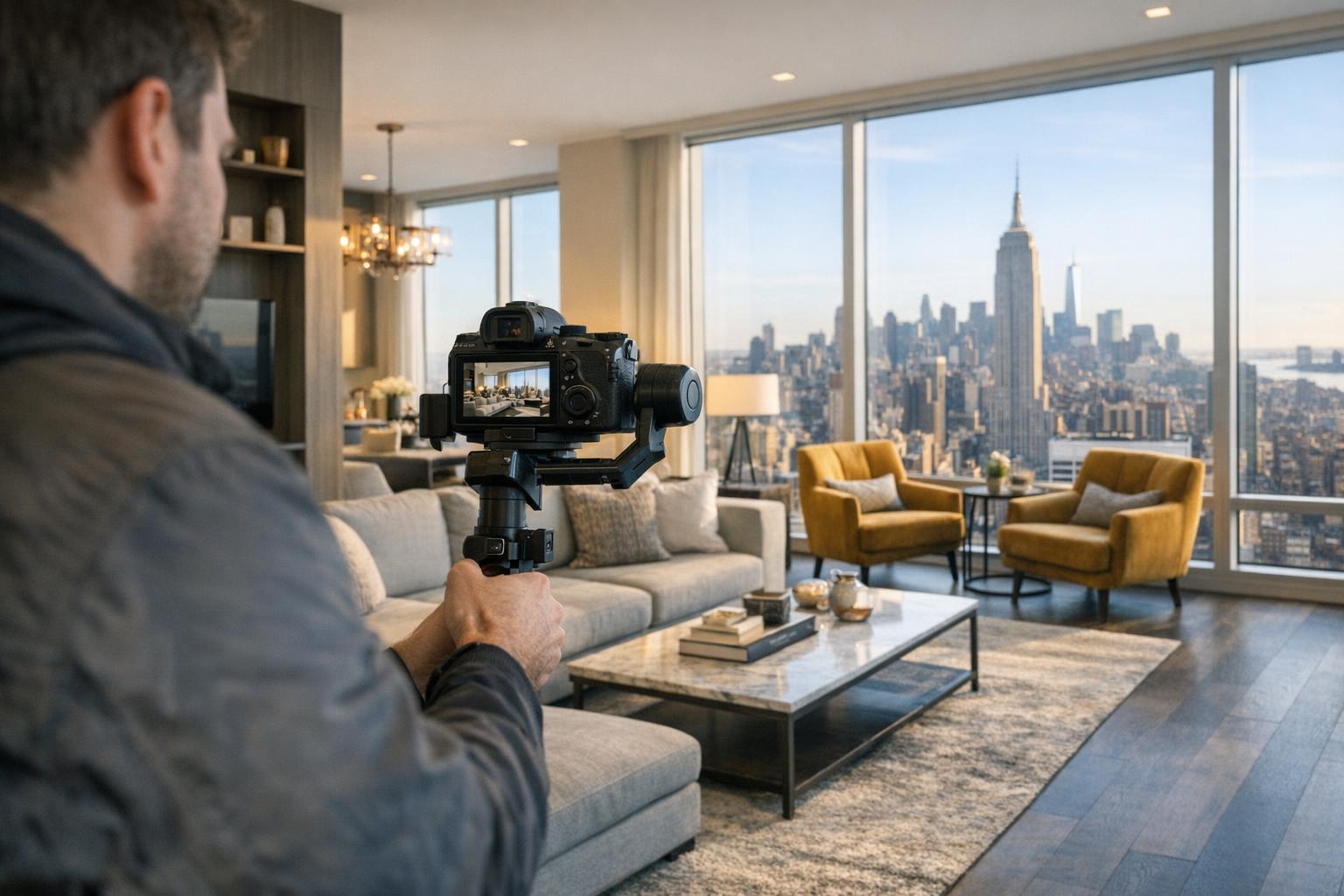
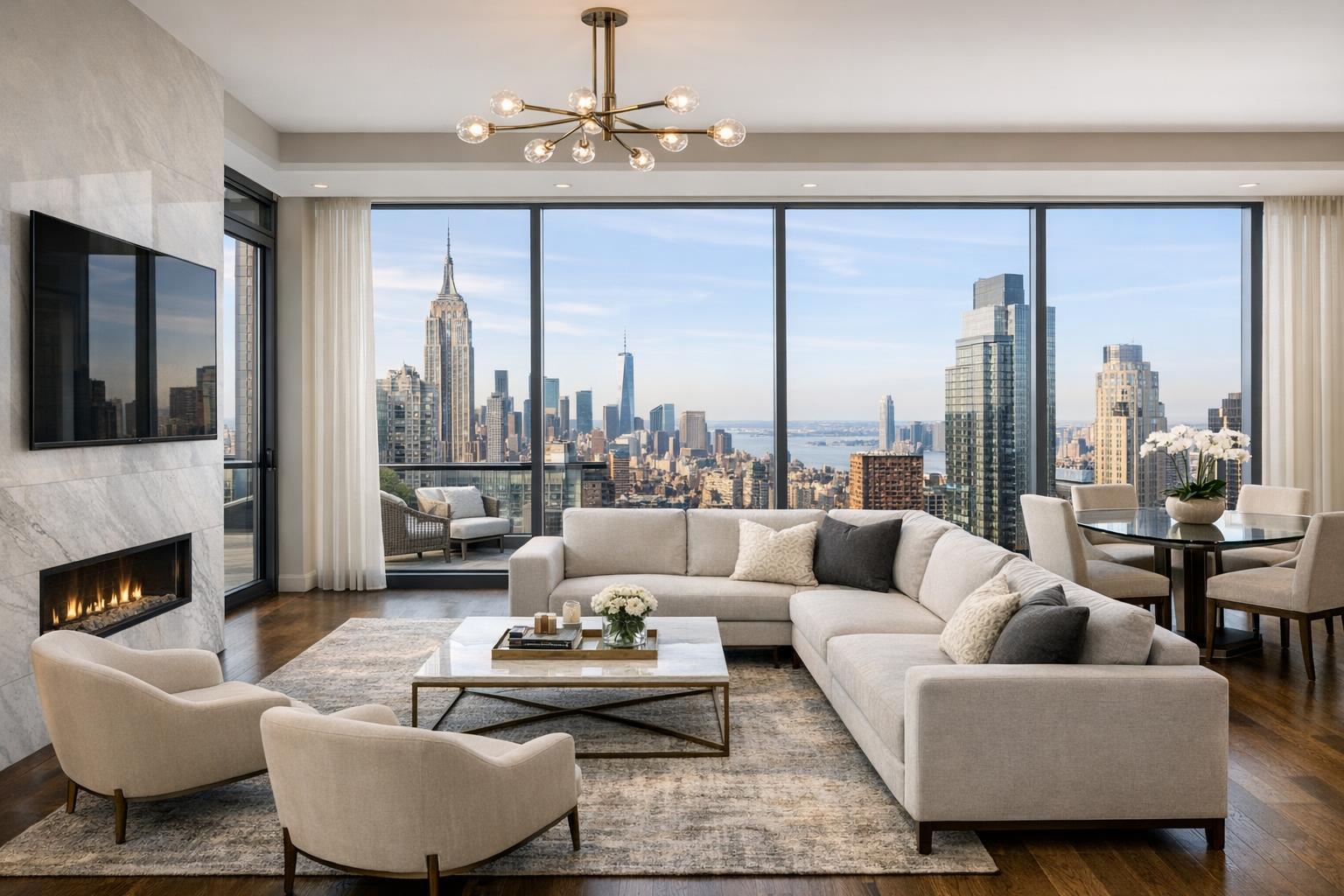
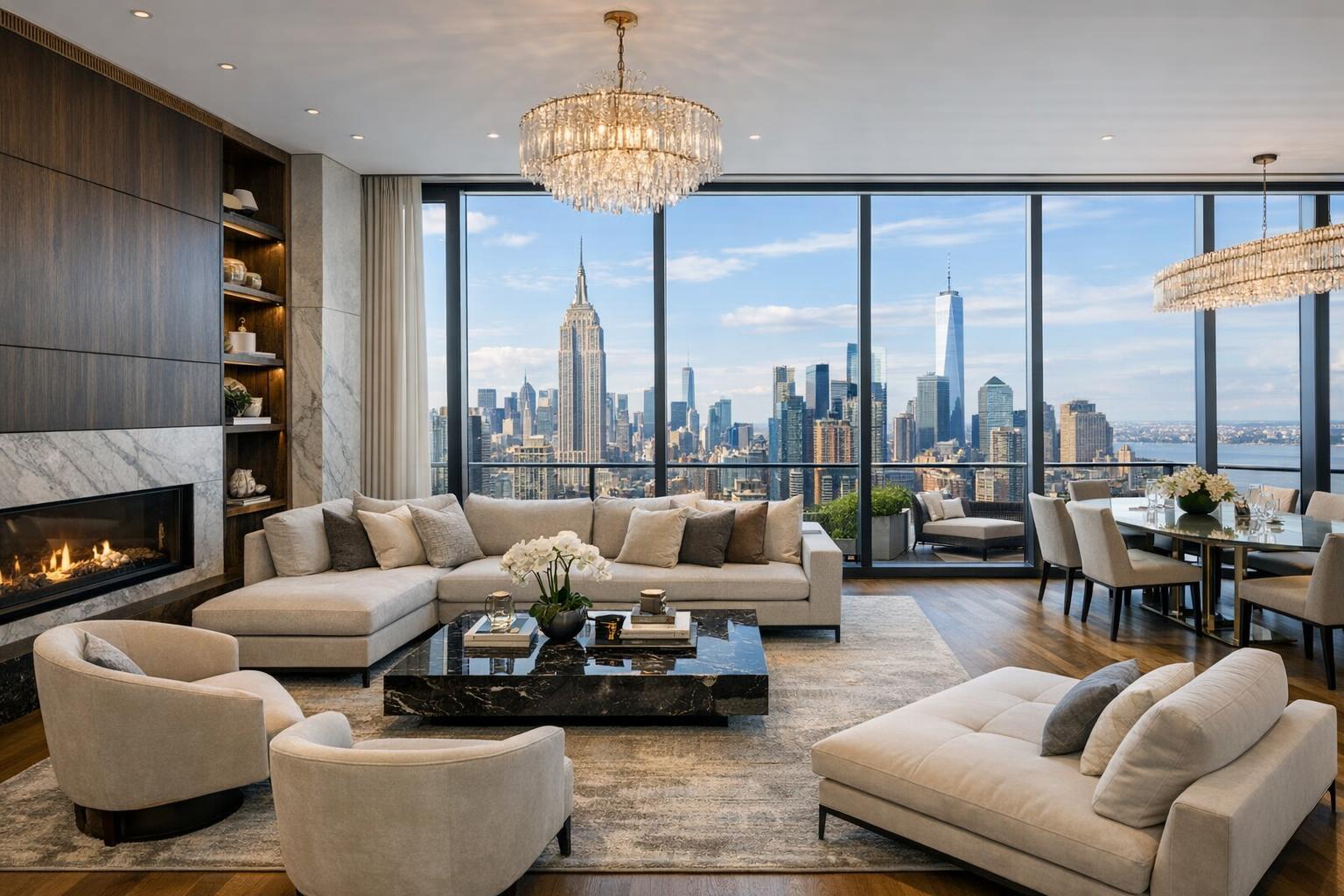
Luxurious real estate photography showcases a sophisticated living and dining area with stunning city skyline views.
Elevate Your NYC Listings: The Importance of Luxury Real Estate Photography
Luxury real estate photography sets the standard for how premium listings are experienced online, especially in markets like New York City and New Jersey where discerning buyers have countless choices. For real estate professionals, sellers, and property marketers, the difference between a swipe and a scheduled showing often comes down to the quality and clarity of the images. Modern buyers expect visuals that do more than showcase a space—they want images that communicate scale, light, architectural detail, and the feeling of being there in person.
What Sets Luxury Photography Apart in NYC and New Jersey?
Luxury isn’t just a price point—it’s a visual promise. In the context of real estate photography in NYC, high-end property photography is defined as much by thoughtful execution as it is by sophisticated subject matter. Premium listings benefit from a tailored photographic approach that considers not just what needs to be shown, but how it is shown.
Professional teams working in New York and New Jersey understand that:
- Lighting must be balanced. Urban properties often feature strong natural light, competing interior fixtures, or dramatic views. Images should retain both interior ambiance and exterior clarity, helping buyers appreciate the property’s light throughout the day.
- Architectural lines matter. Straight verticals and controlled perspectives help present rooms naturally, avoiding the visual distortion that can occur when wide lenses are used carelessly. This makes everything from custom cabinetry to ornate moldings look correct to the eye.
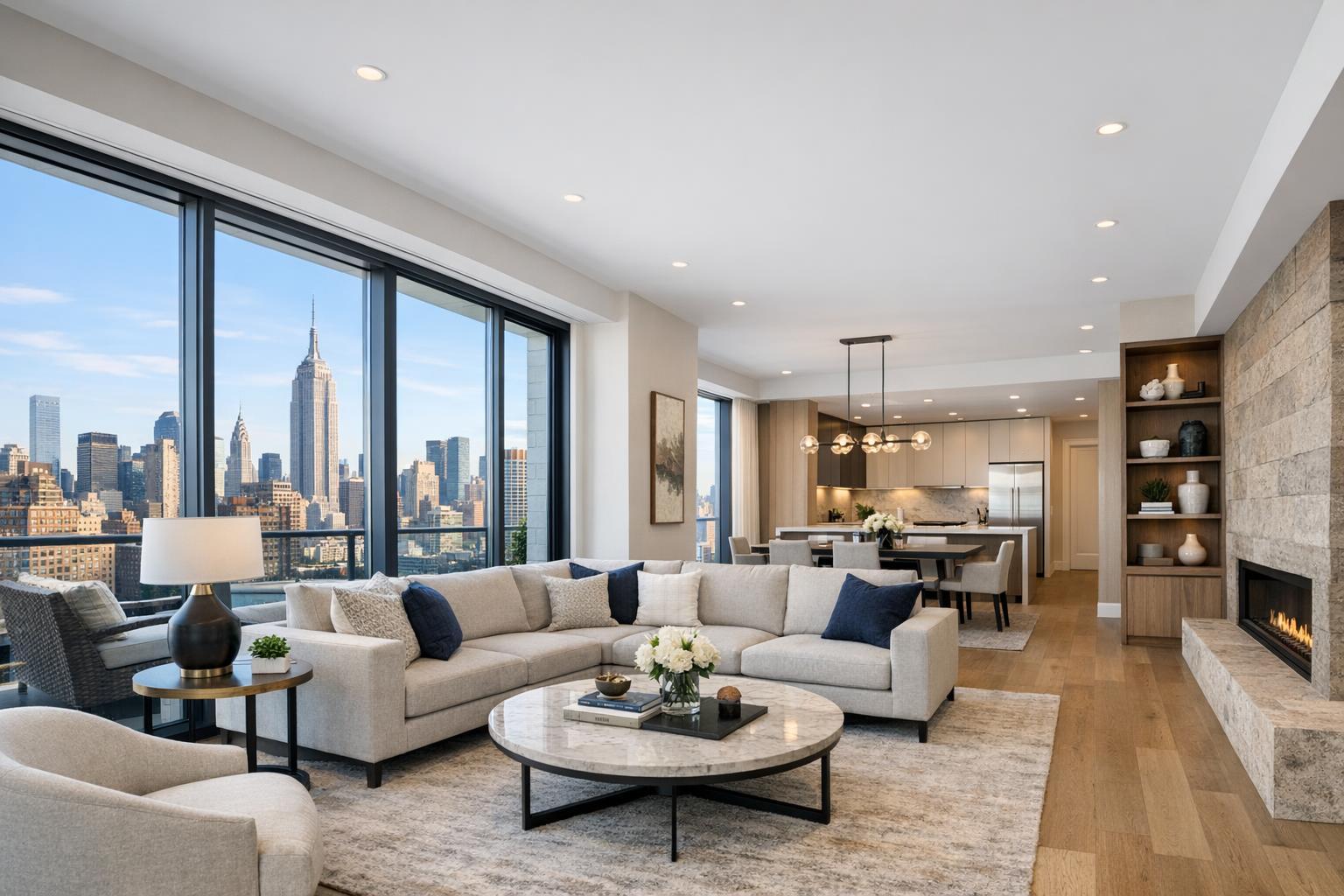
- Sequencing and story count. High-end property photography isn’t a checklist of rooms. Instead, galleries are structured to lead a viewer through the property as they might experience it—establishing a sense of arrival, flow, and spatial connection. In compact Manhattan apartments, for instance, the relationship between living, dining, and kitchen zones is usually clearer when documented from complementary perspectives, rather than a single wide shot.
- Purposeful detail shots. Not every faucet or fixture needs its own image, but select close-ups can call attention to craftsmanship, views, or special materials that elevate the property above generic alternatives.
This level of refinement is about honesty, not embellishment. The goal is always to highlight a home’s real strengths and atmosphere, without misleading through overediting or aggressive staging.
Visual Storytelling in Urban and Suburban Contexts
Every market poses unique photographic challenges. In New York City, agents must consider variable daylight in high-rises, the compactness of studio spaces, the historic charm (and quirks) of brownstones, or the often-coveted city views. In New Jersey, shoot planning might be guided by larger room dimensions, outdoor landscapes, or multi-level floor plans with distinct entertaining areas.
Key challenges and considerations include:
- Navigating building rules and access logistics: Many NYC and NJ properties are in managed buildings with strict access policies. Confirming entry details, elevator reservations, and availability of amenity spaces before your shoot date is not just courteous—it's practical.
- Occupied vs. vacant spaces: Capturing an occupied unit requires more preparation, especially to keep personal belongings and clutter from disrupting the composition. In empty properties, agents may consider virtual staging (for unfurnished rooms) or minimal prop arrangement, always with an emphasis on honest representation.
- Contextualizing luxury details: Features like custom millwork, stone surfaces, or skyline terraces resonate best when viewers understand their context. Photographers typically introduce the overall space before moving into detail shots, letting smaller moments reinforce—not distract from—the larger story.
Building Galleries That Make an Impression
A curated listing gallery shouldn’t treat every room as equally important. In practice, the strongest visual story usually follows a path something like this:
- Opening shot of the building facade, lobby, or a signature entry to set the scene
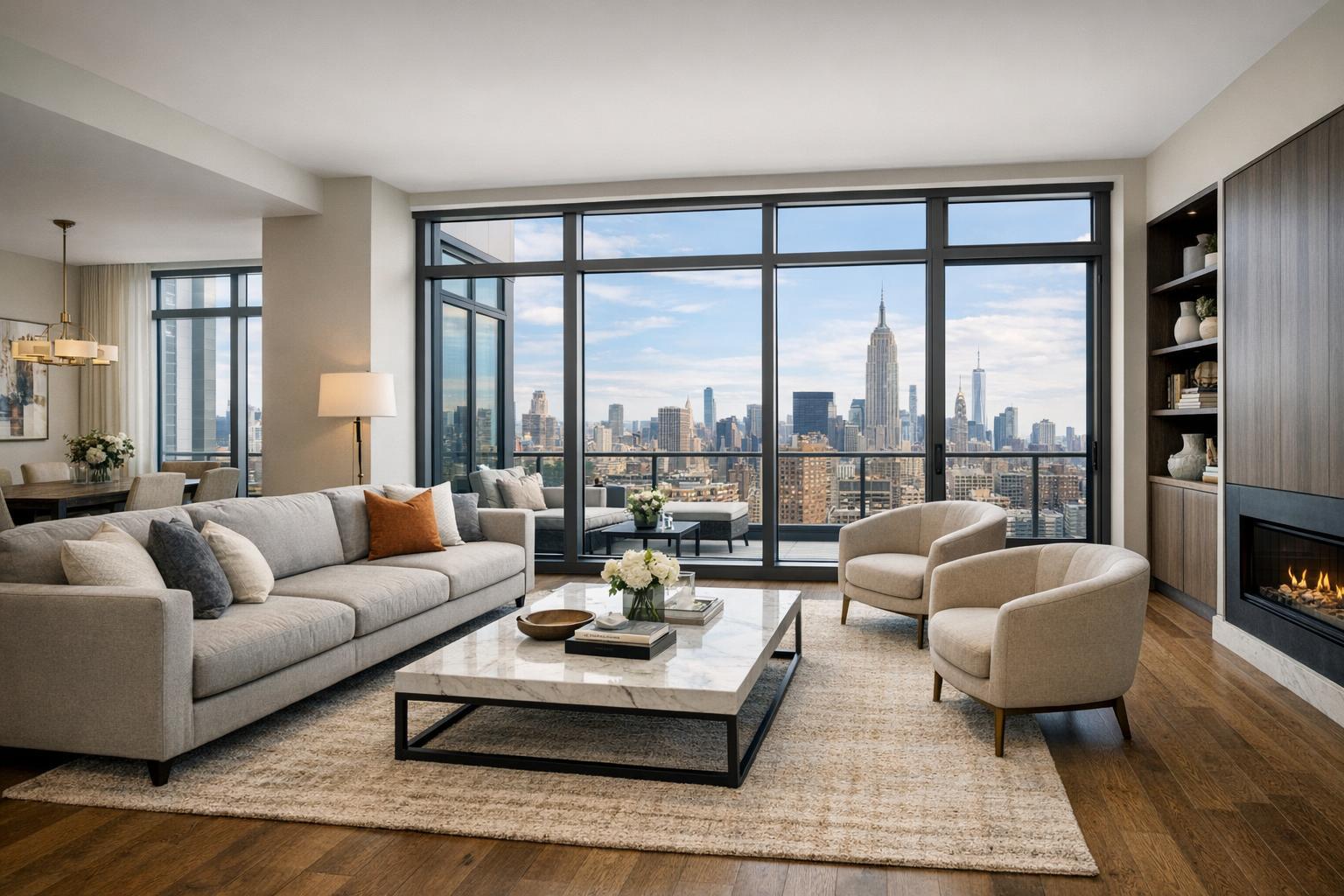
- Multiple views of the primary living area to show light, scale, and layout
- Kitchen shots, especially where design or upgrades are a selling point
- Bedroom and bathroom images demonstrating layout and finishes
- Standout features (terrace, fireplace, panoramic views, unique architectural elements)
- Amenity spaces (when access and relevance allow)
- Selective detail images to deepen the narrative
Not every listing requires every shot type. A newly renovated studio may look best with a focused, calmly edited gallery, while a multi-story home in Jersey City could benefit from expanded coverage showing room flow and exterior space. The gallery’s length and composition should always serve the property, rather than following a strict formula.
Preparing Properties for High-End Photography
A successful session begins with preparation. Agents and property owners are encouraged to:
- Remove clutter from countertops, shelves, sinks, and floors, focusing on subtracting rather than adding décor.
- Store away personal items, pet supplies, and loose remotes or cords.
- Ensure all light bulbs are working and that lighting temperatures are consistent throughout rooms.
- Open blinds or curtains to take advantage of valuable daylight (unless views call for selective closing).
- Tidy outdoor areas and balconies so they present as inviting extensions of living space.
- Hide bins, boxes, and disposable containers from shooting areas.
Preparation makes the difference between an image that feels busy and one that feels calm and intentional—a necessary distinction for luxury listings in highly competitive neighborhoods.
Trends Worth Considering—Without Gimmicks
High-end property presentations are evolving, but the fundamentals remain remarkably consistent: clarity, authenticity, and useful context remain priorities. Some trends worth considering:
- Editorial-inspired compositions: Lower angles, frames within frames, or selective depth of field can introduce sophistication—when balanced with enough straightforward coverage for buyers to evaluate the space.
- Intentional twilight imagery: Dusk shots work best for properties with active exterior lighting, unique outdoor spaces, or showcase views. Used selectively, they add atmosphere without veering into artifice.
- Complementary media: Video walkthroughs, floor plans, and immersive 3D tours like Matterport can each play a supporting role in communicating what static images cannot—flow, scale, and the unique ways spaces interact. These tools are most effective when used strategically rather than out of habit.
You can learn more about preparing for a successful shoot in the RealtaSnap Photography Prep Guide.
Selecting a Photographer for Premium Properties
Experience and consistency matter. When choosing a photographer or media provider for a luxury listing, examine:
- Consistency of image quality across various property styles and lighting conditions
- Ability to capture both room details and overall spatial relationships
- Control of lines, perspectives, and window exposures—even when conditions are difficult
- Familiarity with local market needs and typical property types, whether a compact co-op in Manhattan or a large single-family home in New Jersey
- Transparent process, including online scheduling, clear deliverables, and accommodation of practical onsite requirements
See more about our NYC luxury photography services.
Practical Insights from the Field
Real-world production is more nuanced than many realize. Even well-staged properties require quick onsite adjustments: moving a reflective item to avoid glare, blocking a distracting street view, or managing schedule changes due to weather or building policy. Good providers expect these variables and work efficiently within them, helping agents maximize their allotted shoot window without rushing or cutting corners.
Across NYC and New Jersey, operational proficiency is just as important as artistic vision—helping listings look their best while keeping the process professional, timely, and comfortable for all parties involved.
Make the First Exposure Count
First impressions in real estate now happen online. For high-value apartments, townhomes, brownstones, and single-family homes, strong listing images help set expectations before a buyer or renter decides to visit.
At RealtaSnap, our mission is to help you deliver clear, polished, and trustworthy visuals for every property—tailored to its unique strengths and ready for the standards of the NYC and NJ markets.
If you’re ready to prepare your next listing for the attention it deserves, learn more at www.RealtaSnap.com.
FAQ
Question: What are the essentials for a luxury real estate photography session in NYC?
Answer: A complete session will typically include an exterior or entry shot, multiple angles of the living area, kitchen, bedrooms, bathrooms, and any special features (like outdoor terraces or architectural details). For larger or more complex homes, additional images may be needed to convey flow and space. The exact scope should always fit the listing’s unique characteristics.
Question: How much time should I allow for a professional photography appointment?
Answer: Shoot duration depends on the number of images and the property’s complexity. For instance, RealtaSnap’s photo sessions range from about one hour for a small set of images to several hours for comprehensive coverage. Occupied properties, complex layouts, or buildings with tight access rules may require additional time—planning ahead helps ensure a smooth process.
Question: When does it make sense to add video, floor plans, or 3D tours to a listing?
Answer: Complementary media are most valuable when they answer specific buyer questions. Video is helpful for communicating flow and atmosphere, floor plans clarify relationships between rooms, and 3D tours allow remote viewers to explore interactively. The decision should depend on the property, its target audience, and the listing’s marketing goals.
Visit www.RealtaSnap.com to learn more or to schedule photography for your next NYC or NJ listing.