Elevate Your Listings: The Power of Professional Real Estate Photography in NYC
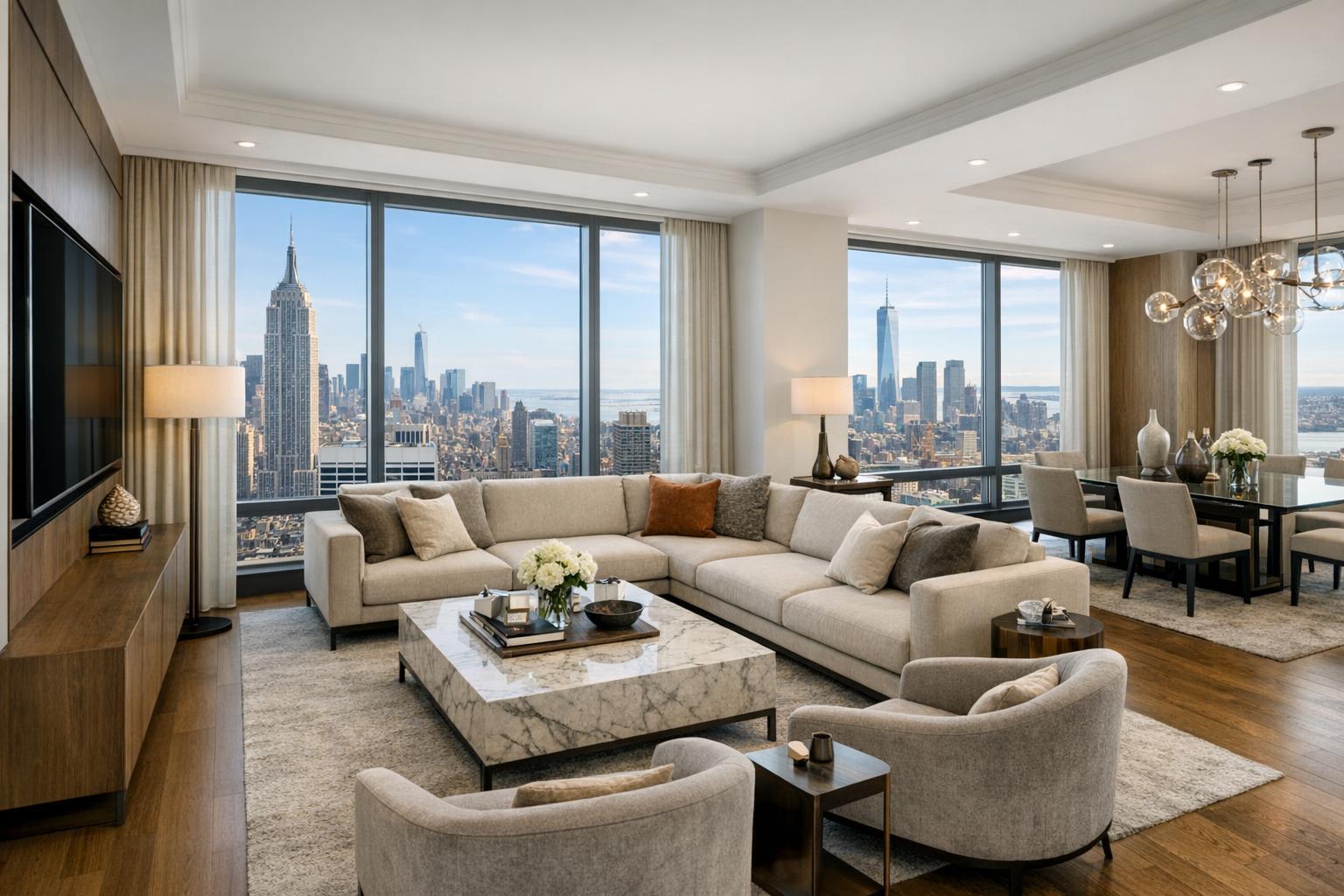
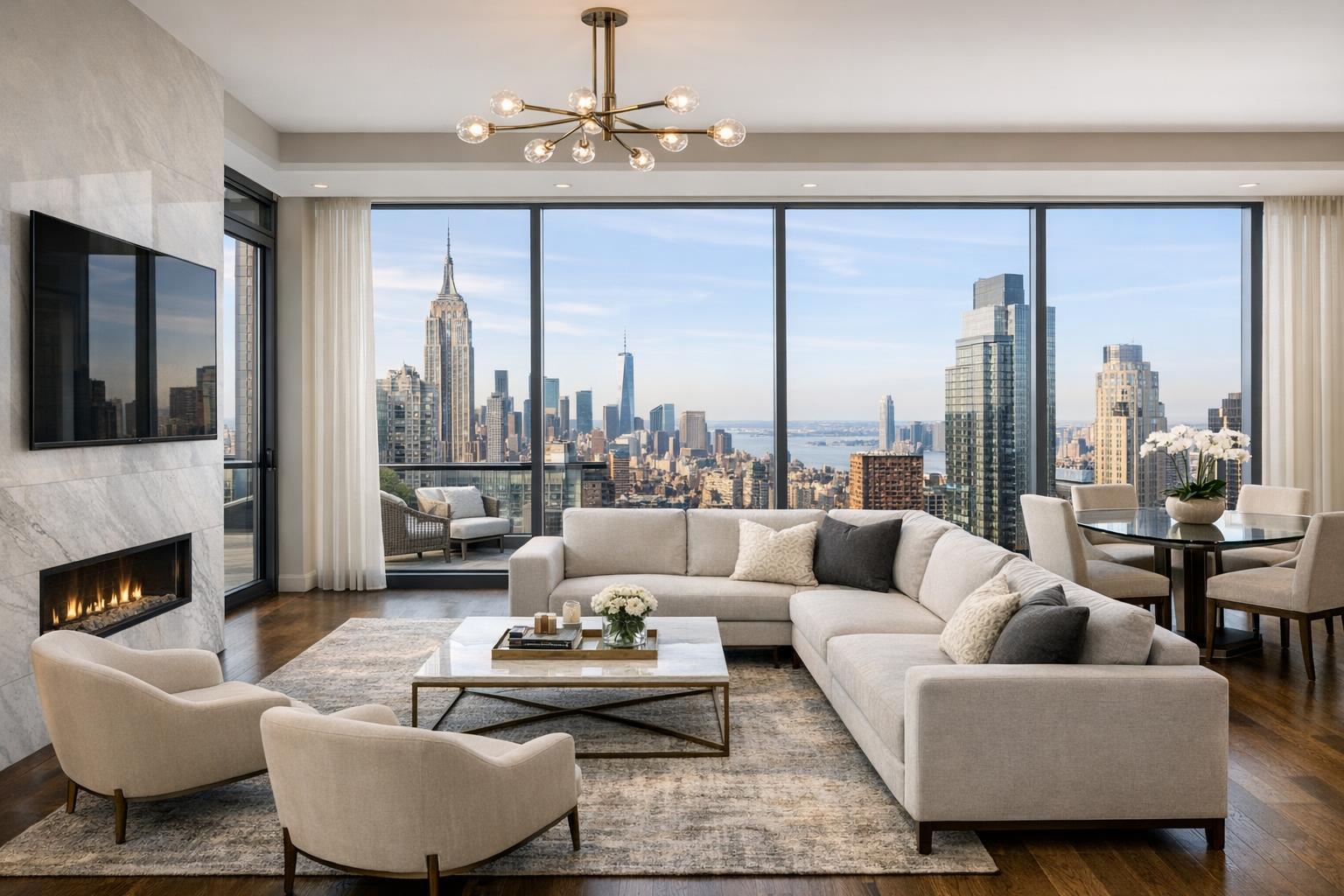
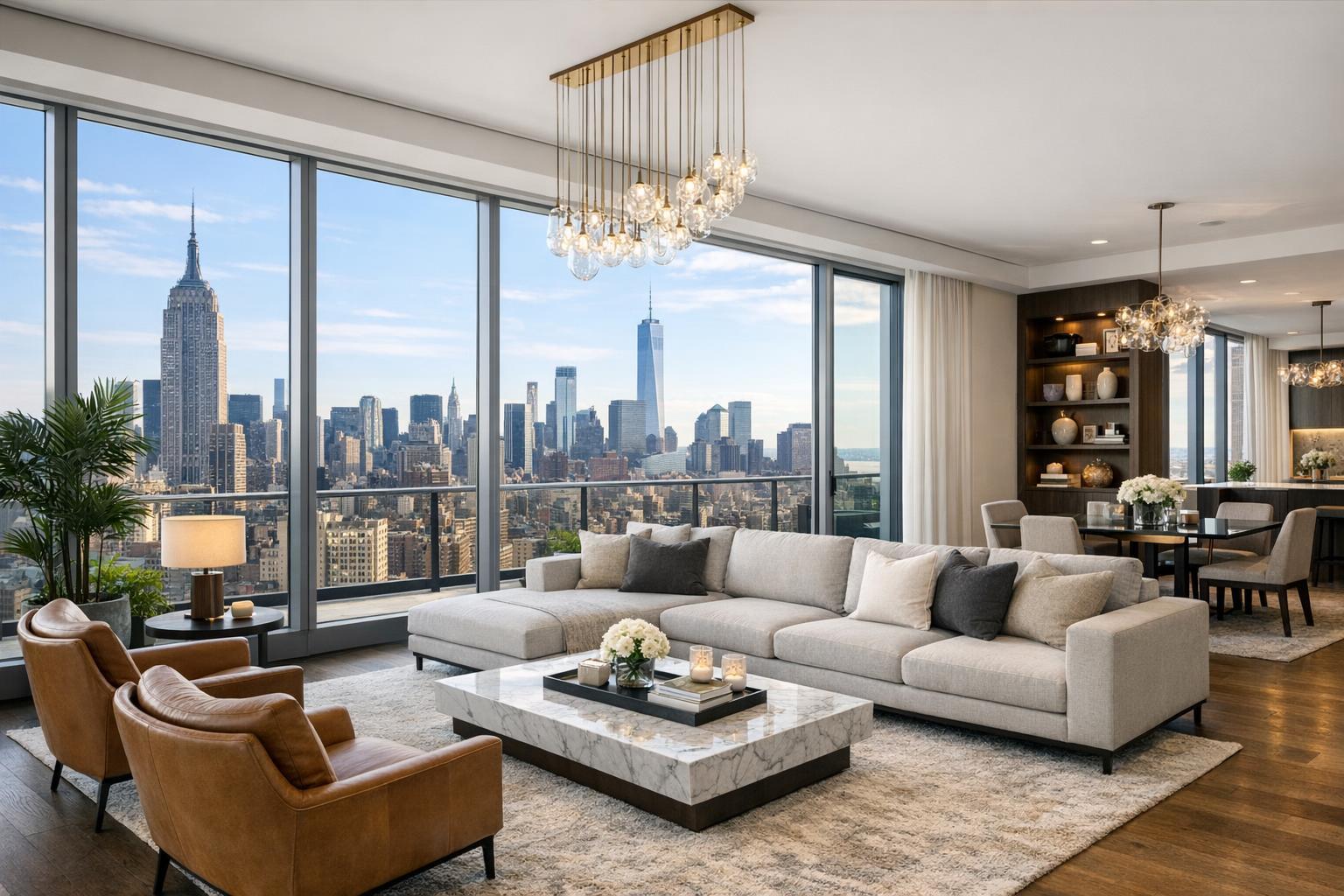
Real estate photography in NYC showcases a luxurious living space with expansive windows offering a stunning view of the iconic skyline.
Elevate Your Listings: The Power of Professional Real Estate Photography in NYC
Real estate photography in NYC is often the very first introduction a potential buyer has to a new property. In competitive urban markets like Manhattan, Brooklyn, and even bustling areas of New Jersey, the images attached to a listing do far more than record what's inside four walls—they set the narrative, clarify the property’s best qualities, and, crucially, decide whether someone takes the next step.
Why Visuals Matter More Than Ever
With buyers filtering through hundreds of online listings, those first images must stand apart. Unlike a suburban home on a sprawling lot, NYC properties are defined by compact layouts, multiple unit types—co-ops, condos, brownstones—and a mix of both historic and modern architecture. Before a prospect reads about closet space or amenities, they’re scanning for light, flow, and character.
Professional property photography helps bridge that gap by offering:
- Clarity on room size, arrangement, and natural light
- Honest, appealing presentation focused on actual selling points
- Immediate context for how spaces connect, from the living area to outdoor terraces
Without intentional composition, even the most inviting home can appear smaller, darker, or less interesting in photos. Rushed or poorly executed images tend to confuse buyers, while professional shots guide them—often prompting better-qualified showings.
Designing a Strong Visual Story—Before the First Showing
Nearly all buyers start online, scrolling past dozens of properties competing for their click. Strong photography answers key questions at a glance:
- Is the main living area welcoming and functional?
- How do kitchen, dining, and entertaining spaces relate to each other?
- Are there bonus features like a usable office nook, extra storage, or a quality view?
- Does the visual style of the home match its price and neighborhood?
Behind the scenes, experienced photographers make careful choices around camera angles, sightlines, window exposure, and vertical alignment. In a city where studios and one-bedrooms dominate, a photo that accurately communicates how a bed or couch fits makes a difference. For larger homes, a professional approach avoids making grand rooms feel cold or disconnected by sequencing shots for visual flow.
Operational Observation: One particularly useful technique is to maintain true vertical lines in photographs. This helps preserve the integrity of doorways, windows, and cabinetry—letting buyers realistically judge room proportions rather than being distracted by leaning architecture.
Tackling Urban Photography Challenges
NYC and dense New Jersey neighborhoods present unique visual puzzles. Small spaces are easily distorted with ultra-wide lenses, and views can shift radically with a small change in camera height. Professional photographers know how to avoid exaggerated perspectives while still capturing the full character of a space.
- In a compact apartment, the right lens and camera placement allow buyers to see not just isolated walls but a clear relationship between rooms.
- For bright windows competing with interiors, techniques like HDR imaging are used to balance the exposure. This keeps skyline or park views visible without turning living rooms into silhouettes.
Operational Insight: Sometimes, windows are the strongest feature of a space, but they can be challenging to showcase in a single shot. Balancing window light with the interior often requires bracketing exposures on site and careful editing. When done right, both the inside and outside feel real—never overblown, artificially bright, or cropped to hide obstructions.
Distinguishing Features Buyers Actually Notice
Every home has points of emphasis: a private terrace, original fireplace, renovated kitchen, or a lobby that sets a building apart. Professional real estate photography doesn’t treat all features equally. The sequence and detail chosen for each gallery are guided by what NYC or NJ buyers prioritize, not a formula.
Some features that merit particular attention include:
- Outdoor spaces (terraces, balconies, yards)
- Architectural details (archways, historic moldings)
- Modern renovations and statement lighting
- Custom storage or flexible spaces
- Notable amenities or building common areas
A well-run shoot makes decisions about which rooms deserve multiple perspectives and when a close-up detail helps reinforce a larger story. Not every surface or cabinet needs a dedicated image—but leading with a property’s true strengths builds both trust and interest.
How Professional Media Streamlines the Listing Process
While no set of photos can guarantee a sale or a higher price, investing in professional property photography supports a smoother, more efficient sales cycle. Agents and owners benefit from:
- High-quality assets for all platforms: listings, email blasts, and social media
- Faster sorting of genuinely interested buyers from the merely curious
- Visual consistency that matches the listing’s market position
For luxury real estate photography, expectations are even higher. Buyers in this segment are often attuned to design details, floor plan nuances, and rare views. Images need to authentically communicate the caliber of finishes and the unique feel of a space, without resorting to heavy editing or misleading perspectives.
Preparing for the Camera: Practical Steps
Preparation matters just as much as the photography itself. A cluttered or poorly lit room will undermine even the best camera work. Based on industry standards and first-hand production experience, here’s what makes the biggest difference:
- Clear kitchen counters and surfaces
- Remove magnets, notes, and personal items from refrigerators
- Make beds with clean, neutral linens and clear bedside surfaces
- Tidy away pet accessories and visible cords
- Open blinds and curtains for natural light, unless privacy dictates otherwise
- Replace any burnt-out bulbs and turn on all lights
- Remove excess bathroom items, rugs, and wastebaskets
- Check that furniture, rugs, and decor are neatly aligned and uncluttered
- Store away personal photos, valuables, and sensitive paperwork
Coordination with building management for access, elevator schedules, and common-area shoot permissions is a valuable operational detail for NYC agents. Advance planning minimizes delays and maximizes the quality of the session.
For a thorough preparation checklist, explore RealtaSnap’s detailed real estate photography prep guide.
When to Go Beyond Photos: Complementary Media
While photos remain the backbone of most listings, some properties benefit from additional media:
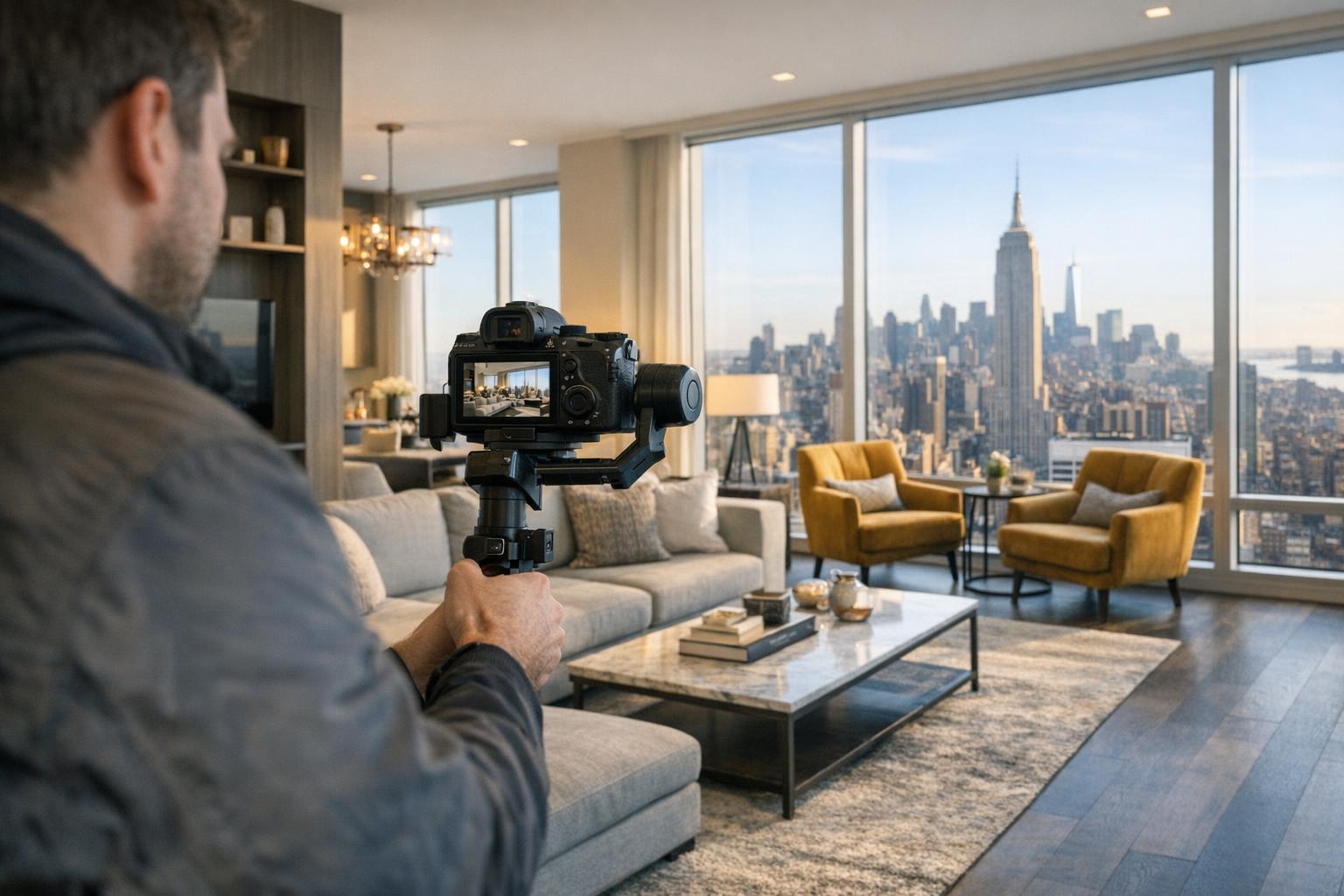
- Video tours capture how spaces connect and the rhythm of movement through a home. These are especially valuable for larger or luxury properties. At RealtaSnap, video options span standard video, premium video with amenity and neighborhood coverage, and premium video with agent or owner interviews. Social media cuts and 30-second trailers are also available to support broader campaigns.
- 3D virtual tours allow remote buyers to explore interactively. These provide more control than a simple photo or video gallery and are captured on site for accuracy. Learn more about Matterport virtual tours in NYC and when they make sense for a listing.
- Virtual staging helps vacant units appear more welcoming. RealtaSnap applies AI virtual staging only to fully empty or properly decluttered rooms, in line with policy standards.
- Floor plans offer layout clarity for unusual configurations, duplexes, or combined units, reinforcing what photos alone can’t always communicate. All floor plans are created from on-site capture, ensuring scale and accuracy. See NYC floor plan options.
Choosing a Real Estate Photography Partner
Selecting the right provider is about more than just the image count. Look for operational reliability, technical skill, and a clear workflow that fits the demands of NYC and NJ real estate.
Questions worth considering:
- Has the photographer worked with your type or size of property before?
- What level of image coverage is right for your listing’s marketing plan?
- Are video, floor plans, or 3D tours available through the same provider for consistency?
- What access, scheduling, or permission steps are required before the shoot?
- Are edit options such as clutter removal or virtual staging available for challenging spaces?
- How easy is the booking process?
With RealtaSnap, agents and sellers in NYC and New Jersey benefit from a streamlined, 24-hour online booking process and a range of coverage from 10 to 50 HDR photos, all selectable to match the property and marketing goals. Explore real estate photography packages in NYC or book an appointment directly.
Give Buyers a Clearer Reason to Engage
A property’s best asset—be it a skyline view, a thoughtfully renovated kitchen, or even just a sense of light and space—only matters if buyers can see and understand it. Professional real estate photography brings that clarity and discipline, providing both a polished visual introduction and a transparent view of what’s being offered.
Whether you’re preparing a new listing, repositioning an existing one, or simply seeking to improve your marketing material, consider the impact of focused, expertly-produced visuals. For comprehensive property media that matches the complexity of the NYC and New Jersey real estate markets, visit www.RealtaSnap.com.
FAQ
Question: How many real estate photos should I include in my NYC listing?
Answer: The ideal number depends on your property. Compact studios or one-bedrooms may only need a focused set to show each space without redundancy, while larger homes or townhouses require more coverage to document rooms, outdoor areas, and details. Balance completeness with quality—a gallery should be easy to navigate, not too sparse or overwhelming.
Question: Can I use virtual staging if my apartment is still furnished?
Answer: Virtual staging is designed for vacant or properly decluttered rooms. If there’s existing furniture, it must be removed before digital staging can be applied, or a paid clutter removal edit is needed. Doing this ensures the results look natural and professional.
Question: Should every listing have video or a 3D tour along with photos?
Answer: Not always. Video is great for listings where room-to-room flow, amenities, or lifestyle context are selling points. 3D virtual tours are especially useful for buyers who can’t easily attend showings in person, or for listings with complex layouts. In every case, high-quality photos create the essential first impression and should remain at the core of your media plan.