Drone Photography in NYC: When It Makes Sense for a Real Estate Listing
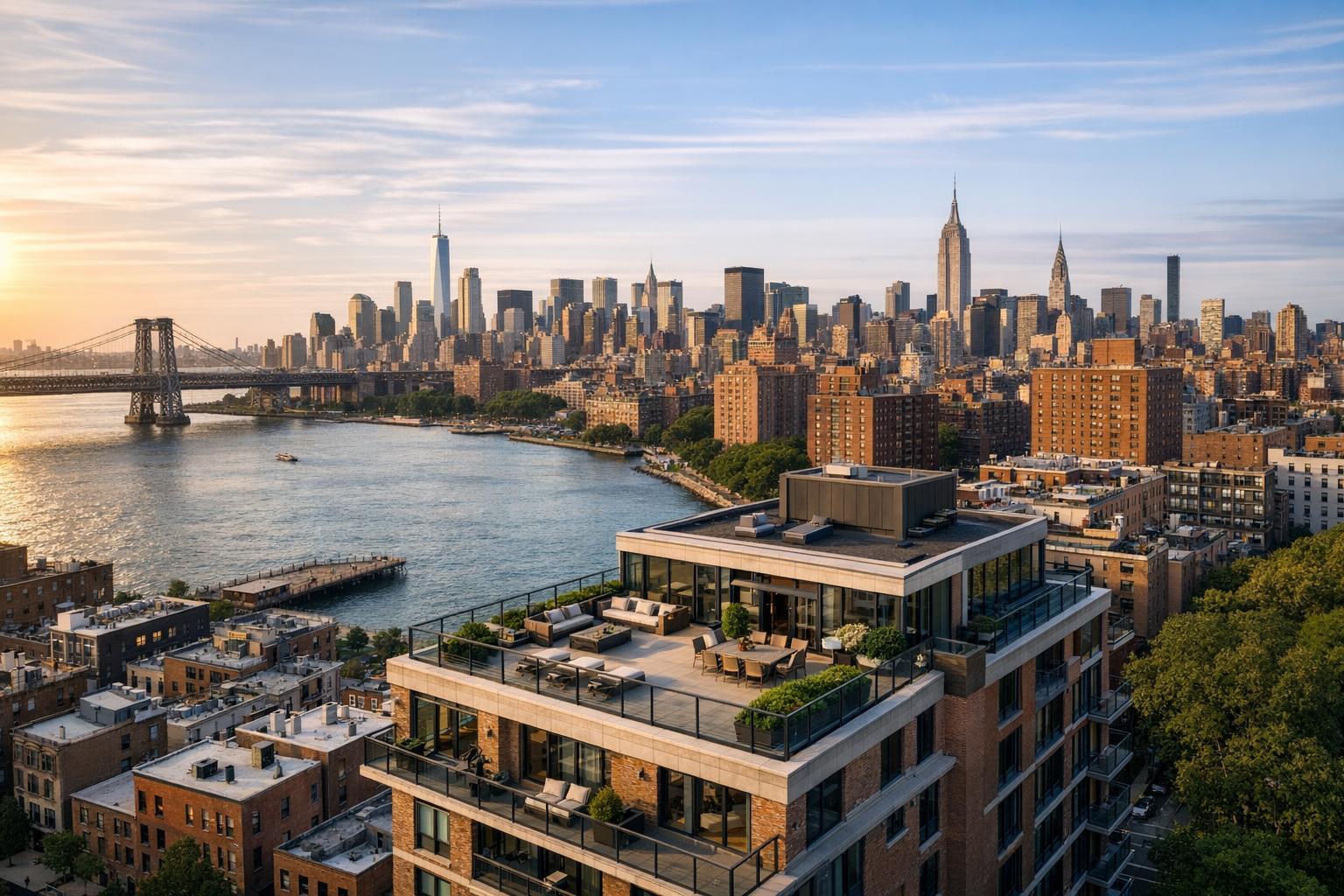
Drone photography captures the stunning New York City skyline at sunset, highlighting the iconic bridges and skyscrapers.
Drone Photography in NYC: When It Makes Sense for a Real Estate Listing
Drone photography in NYC real estate isn’t just about pressing “record” and launching a quadcopter skyward. In our experience providing aerial real estate media across New York City, New Jersey, and surrounding markets, one thing becomes clear: the case for drone coverage is property-specific. Here’s what actually matters as you weigh whether to add aerial photos or video to your next listing.
The Real Impact of Aerial Perspective
Adding drone media to a real estate listing in the city has real advantages—when the setting calls for it. In a vertical city full of mid-rises, high-rises, courtyards, roof decks, riverfronts, and vibrant blocks, a well-planned drone shoot can place the property in context in a way ground-level images simply can’t.
When it’s the right tool, aerial stills or video can help buyers and tenants visualize:
- The size and position of a roof deck or terrace
- A building’s relationship to the skyline or landmark views
- Where the property sits on the block or along the waterfront
- How outdoor space and gardens connect to the residence
- Unique architectural details not visible from street level
Done right, aerial perspective is about clarity, not just drama. It answers practical questions: Does the private terrace wrap the corner? How does the building relate to the skyline? Where exactly does the property meet the shore or the park?
But not every listing (not even every stunning listing) justifies a drone. For many apartments and homes—especially those without distinctive exteriors or outdoor spaces—interior photography, ground-level exteriors, and carefully framed window views may do a better job telling the property’s story.
Finding the Right Fit: When Drone Media Adds Value
Aerial real estate media shines when the exterior features or location are central to the listing’s appeal. Here’s when we see drone coverage make the clearest difference:
- Rooftop and Terrace Properties: In NYC, a private roof deck, landscaped terrace, or penthouse garden can be a deciding factor for buyers and renters. Elevated views can show the full layout, the context within the building, and how outdoor furniture or landscaping shapes the space.
- Waterfront and Open Settings: For condos or homes on the water—or properties set apart from the usual city grid—an aerial view situates the building against its surroundings. Drone photos can reveal proximity to marinas, parks, or open horizon lines that get lost at street level.
- Architecturally Distinct or Large-Scale Sites: Brownstones, free-standing homes, new developments, or commercial projects often benefit from an aerial shot that fully captures roof lines, courtyards, setbacks, or sprawling footprints.
- Listings with Broad Views or Context: When skyline angles or park adjacency are selling points, drone stills or a video sequence can establish the broader landscape. Still, if the view from the unit itself is part of the appeal, that perspective should always be captured directly as well.
For some listings, a single elevated image is enough. For others, a brief aerial video opener (before switching to standard interior video) helps pace the visual story. The key is intentionality: aerial coverage should answer a question a buyer would genuinely ask about the property.
Not All Air is Equal: Urban Feasibility and Flight Realities
One common misconception is that if a drone is available, it can be used anywhere. In New York City and Northern New Jersey, that’s rarely the case. Flight feasibility changes on a block-by-block basis due to:
- FAA airspace rules, including restricted zones near airports, heliports, and bridges
- Local (sometimes municipal or special event) restrictions and permitting requirements
- Physical limitations—limited rooftops, crowded sidewalks, or surrounding tall buildings
- Safety and privacy considerations (for both people and property)
- Weather: wind, rain, poor visibility, or unstable conditions can ground a drone, even moments before a shoot
- Required property and rooftop access (and building management procedures)
- Pilot discretion—sometimes the call comes down to whether a safe launch and recovery can be made on the day
For example, two addresses a block apart might look nearly identical but have completely different drone feasibility due to airspace overlays or lack of a safe takeoff zone. That’s why every project should be assessed individually, and why guaranteeing drone photos for a specific NYC or Hudson waterfront address isn’t realistic.
Roof Access: The Hidden Factor for Urban Drone Shoots
In the city, access to a stable roof space can make drone work feasible where street launch would be impossible. A private or managed roof can mean better camera angles, less risk of crowd interference, and a clearer approach for showing rooftop amenities or skyline context.
But not all roofs are created equal. Locked doors, elevator limitations, construction activity, or heavy rooftop use can affect what’s possible, even with owner permission. If you know roof or terrace access is available, let your media provider know early—this information shapes whether stills, video, or another approach is the best fit.
Photos, Video, or Both? Matching Format to Property Story
Not every property calls for the same drone coverage. In practical terms, here’s how we advise agents and owners to think it through:
- Aerial Stills: Best suited for listings where one or two overhead angles provide essential context—rooftop, terrace layout, building footprint, or waterfront proximity. Stills distribute easily in listing galleries and complement standard marketing photos.
- Aerial Video: Useful when movement clarifies the narrative. A gentle approach to a building, a rising shot showing how a roof deck sits in the skyline, or a transition from the street up to a penthouse terrace can all enhance a listing video. Aerial video shouldn’t dominate unless the exterior visuals are truly exceptional.
- Both Formats: On larger or architecturally rich sites—think a substantial private roof, striking exterior form, and sweeping views—stills and a short video clip together may build a complete exterior picture.
Occasionally, it makes more sense to invest the media budget elsewhere, such as in detailed interior video, floor plans, or even professional virtual staging for empty homes that lack unique exterior features.
Operational Details That Matter
A few practical tips we’ve learned from projects throughout NYC and New Jersey:
- Plan for Outdoor Prep: Rooftops, decks, and terraces photograph best when furniture, planters, umbrellas, and other items are arranged neatly and secured. Wind or clutter can ruin an otherwise valuable shot.
- Check Access Early: Share any access instructions, building management policies, or special requests up front. Drone teams need to plan for both equipment setup and safe retrieval, especially in managed buildings.
- Have a Backup Plan: If a location proves not flyable on the day (due to weather, unexpected construction, or last-minute access issues), consider what additional ground-based images or interior video will tell the strongest exterior story without an aerial.
- Coordinate Timing: In denser locations, exterior shoots sometimes need to work around building quiet hours, street activity, or lighting conditions for the best exterior presentation.
How to Decide: A Quick Drone Media Checklist
Before requesting drone coverage, it’s worth asking:
- What feature or story can only (or most clearly) be shown from the air?
- Is that feature visible from available ground, window, or roof access?
- Are there specific airspace, building, or safety challenges at this address?
- Would one or two aerial stills do the job, or does a short video clip add real context?
- Are there clear access instructions or management rules to share?
- If drone flight isn’t possible, what alternative media will best tell the exterior’s story?
Keeping these questions front of mind ties media coverage to the needs of the property, not just to the availability of equipment.
Planning Aerial Media with RealtaSnap
At RealtaSnap, we handle drone photo, video, and combination options as part of our listing media service suite for NYC, New Jersey, and select surrounding areas. Because drone feasibility depends so much on location, access, and changing conditions, we advise providing as much detail as possible at the booking stage. Noting roof or terrace access, outdoor feature priorities, and any entry details can help us assess the best media coverage for your property.
For standard projects, booking is simple: just visit www.RealtaSnap.com/schedule, enter the address, select your services, and add any important notes. If a shoot would require special permits (municipal, NYPD, or event-specific), clients handle permitting directly and should confirm that all requirements are in order before flight is scheduled.
For more information on our drone coverage—and other real estate media services—see our NYC drone photography and video page.
Let the Property Guide the Media Plan
Drone media, at its best, brings a listing’s story into focus by showing what makes a location special—whether it’s city views, a wraparound terrace, distinctive architecture, or the rare chance to live right on the water. In dense urban markets, however, aerial coverage is always location-specific and subject to feasibility.
If you’re considering drone coverage for a new or upcoming listing, start with the story you want to tell. From there, combine practical planning with up-to-date rules on airspace, access, and safety. You’ll get media coverage that supports—not overshadows—the unique value of your property.
Ready to discuss the right aerial approach for your listing? You can get started or book online at www.RealtaSnap.com.
FAQ
Question: Can drone photos or video be guaranteed for every property in NYC?
Answer: No—drone feasibility is reviewed for each location. Factors like airspace rules, local restrictions, building access, weather, and safety all play a role. We confirm what’s possible after reviewing the address and intended coverage.
Question: Is it worth using drone media for apartments that don’t have a roof, a terrace, or direct outdoor access?
Answer: Sometimes, but only if an aerial perspective reveals something valuable—like a distinctive facade, skyline context, or special location feature. Most apartment listings communicate best with professional interior and window-view photography.
Question: What information should I provide when booking a drone shoot?
Answer: Please share the full address, details about exterior or roof access, any important entry instructions, and which features you’d like highlighted. This lets us assess feasibility and recommend the best media mix for your property.