Commercial Real Estate Photography: Elevate Your NYC Listings with Professional Imagery
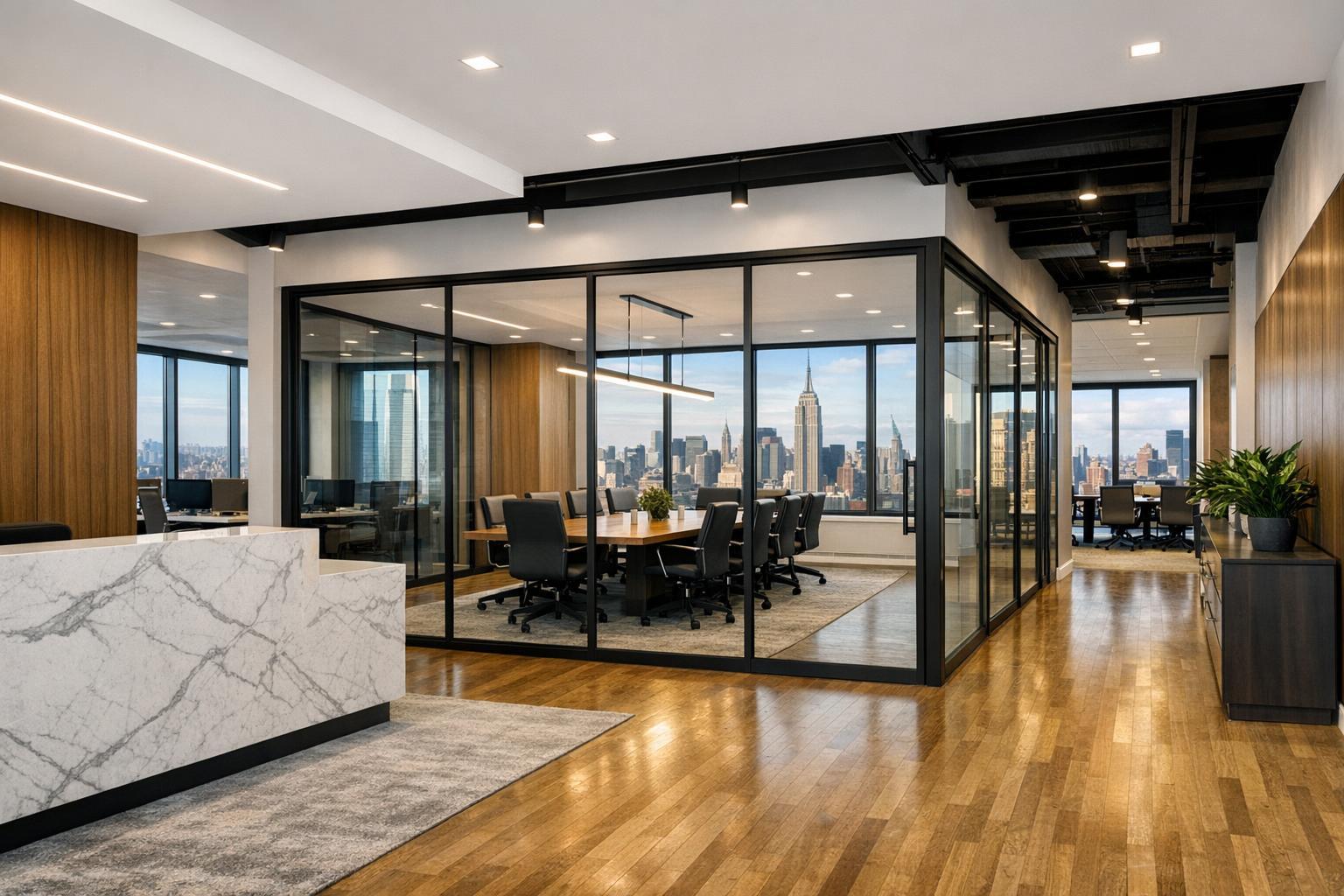
A modern commercial office space features glass-walled conference rooms with a stunning city skyline view in the background.
Commercial Real Estate Photography: Elevate Your NYC Listings with Professional Imagery
Commercial real estate photography is at the heart of effective property marketing—shaping the initial impression for buyers, tenants, and investors before they ever step foot inside. In an environment as visually demanding as New York City, a straightforward snapshot simply doesn’t cut it. The right images must do more than record what’s there; they reveal potential, communicate business function, and help viewers immediately envision how a space could work for their needs.
What Sets Commercial Property Photography Apart?
Unlike residential imagery, business property photography addresses key operational questions: Does the space suit this business? How do people move through it? Is there sufficient light, flexibility, or amenity value to justify a tour? A seasoned real estate photography team builds each session around those questions, capturing a gallery that is not just attractive but genuinely useful for marketing and evaluation.
The stakes are high for brokers, property owners, and managers—media from one professional shoot may end up across dozens of listings, pitch decks, offering memoranda, social posts, and email campaigns. Each finished image should be a re-usable asset that accurately represents both the property’s strengths and its fit for specific commercial uses.
Crafting Visual Stories for Commercial Listings
Business property marketing isn’t about making a space look good for anyone; it’s about making it clear, appealing, and relevant to specific commercial audiences. Take, for example, an NYC office suite: potential tenants need to see not just open desks but also conference rooms, private offices, entryways, break areas, and other amenities. For retail or ground-floor spaces, context becomes even more critical—storefront visibility, street access, and window exposure can make or break a listing.
A well-developed shot list typically includes:
- Exterior views and entrance details
- Street context or frontage, especially for retail and restaurant spaces
- Lobbies and common areas
- Work spaces and flexible suite arrangements
- Amenity areas: lounges, rooftops, fitness centers, or event spaces
- Architectural features, signage opportunities, and unique finishes
- Critical access or loading zones
The particular blend of wide shots for spatial relationships and detailed shots for finishes or features should always reflect the property’s commercial purpose. For multifamily investment, communal amenities and overall building condition might take priority. In flexible office or warehouse listings, circulation routes, loading docks, and the transition between work zones are often more important than fine materials.
Navigating the Visual Challenges of NYC Properties
Shooting commercial real estate in NYC brings its own set of constraints. Dense urban layouts, limited exterior vantage points, and varied architectural eras all influence how you plan and execute a shoot.
Exterior and Location Context
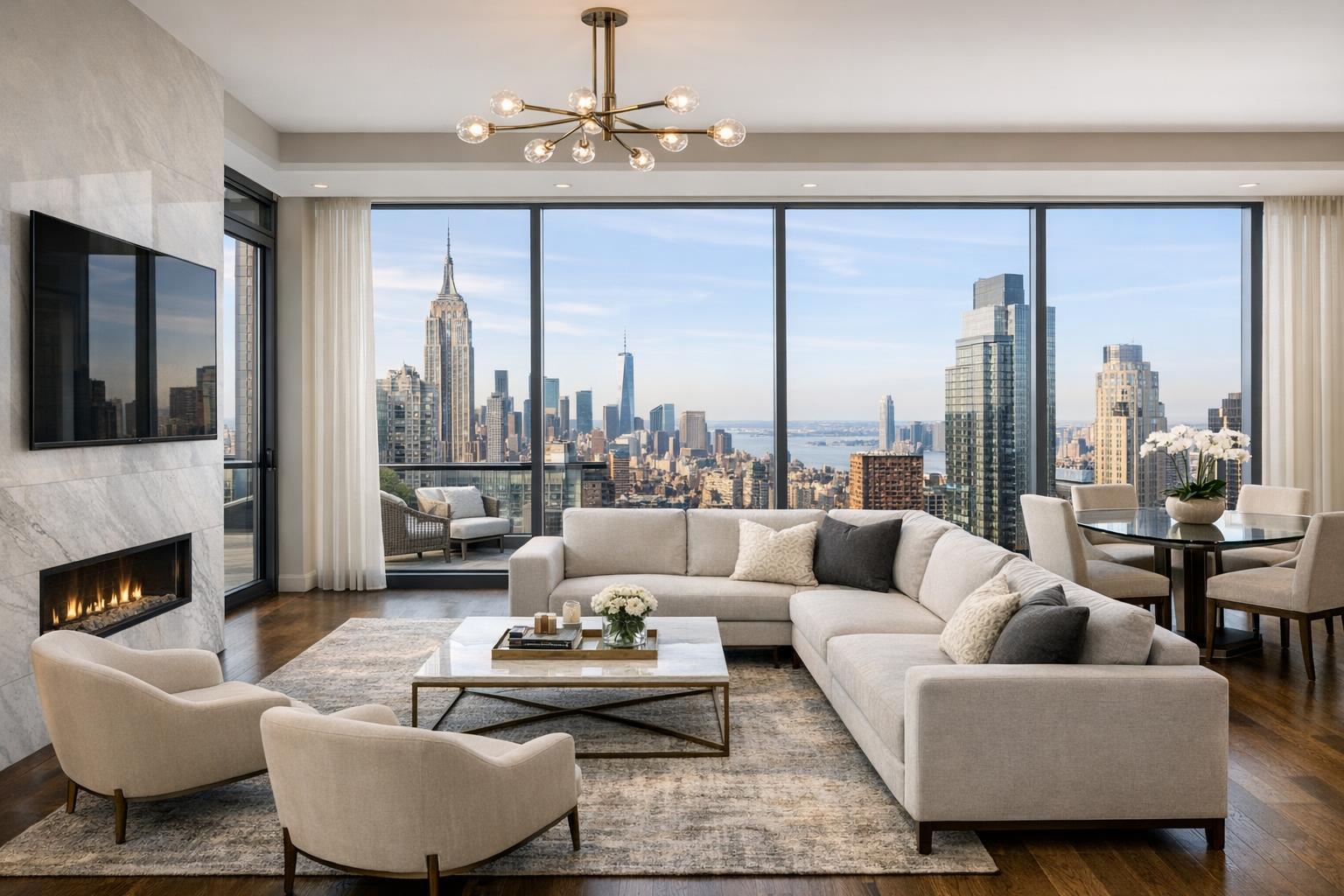
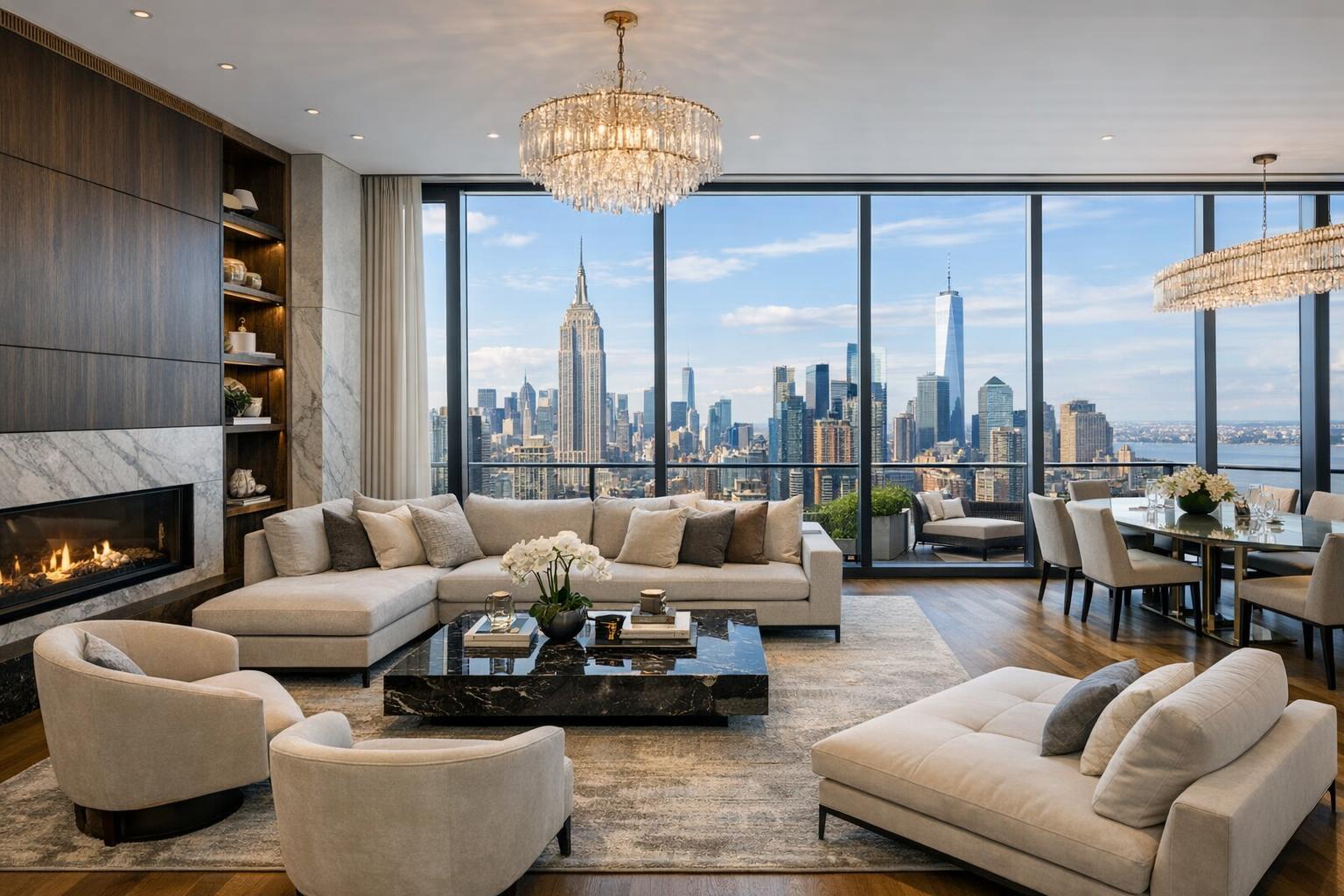
Urban properties can be sandwiched between busy sidewalks, vehicles, and neighboring structures. Exterior images need to clearly show building signage and street presence, while downplaying visual clutter and traffic that could distract. For upper-floor listings, highlighting window views can be a draw—but balancing interior and exterior exposure is a practical challenge for every photographer.
Layouts and Space Planning
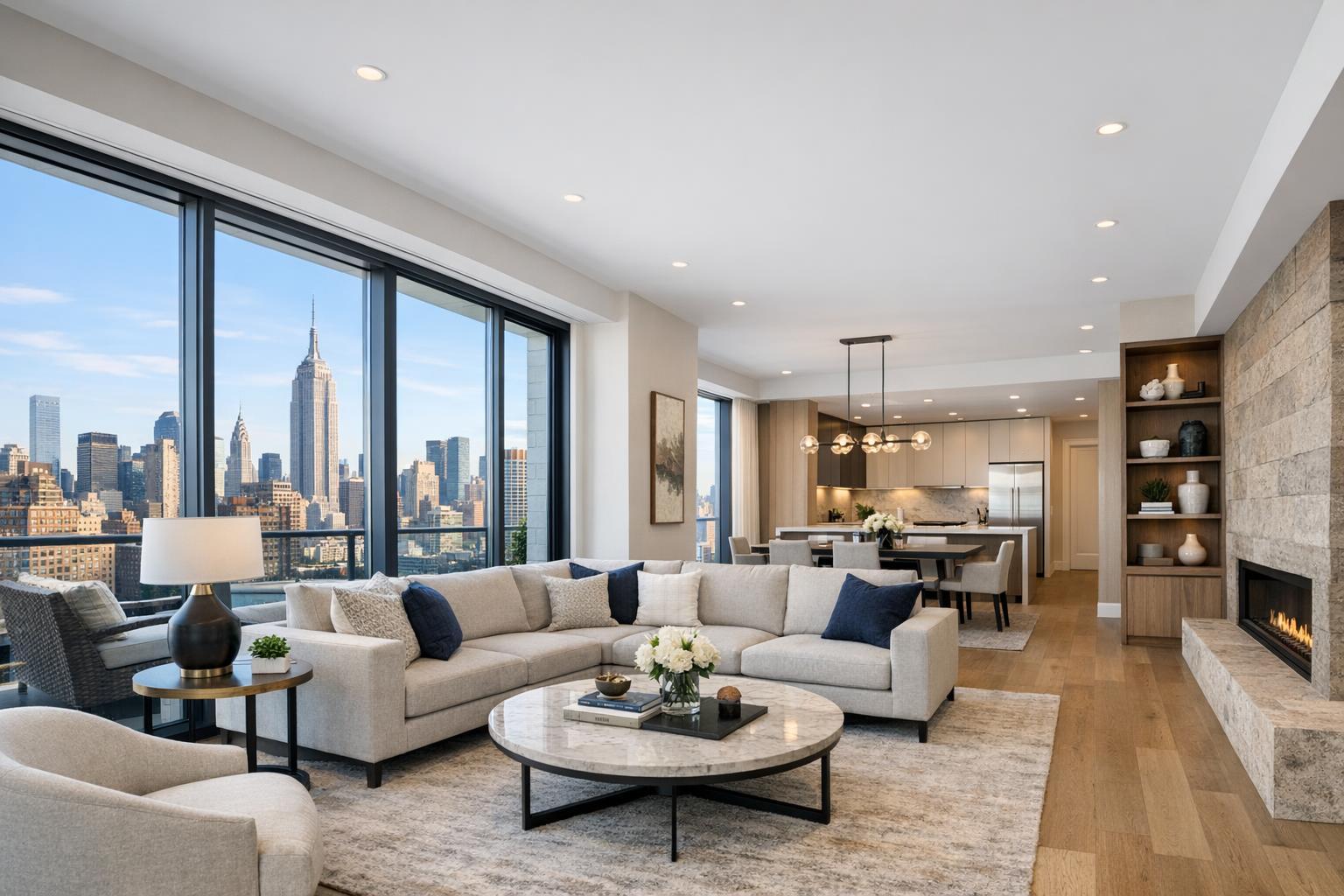
Many Manhattan commercial listings feature layouts that aren’t intuitive at a glance. Narrow corridors, prewar structural quirks, interior rooms without windows, or awkward transitions can leave viewers confused unless coverage is thoughtfully sequenced. Wide compositions should establish how spaces connect, while select detail shots reveal quality and finishes. Physical or virtual floor plans—when paired with photographs—can further clarify room relationships and suite flow for remote or busy decision-makers.
Access and Scheduling
Commercial sites often operate around business hours, building management protocols, busy lobbies, and security requirements. It’s not uncommon for property shoots to be scheduled before or after hours, or to require coordination with front desks and other tenants. Sharing operational details upfront—like preferred access points, timing restrictions, or off-limits areas—saves valuable time and helps keep both shoot and business operations running smoothly.
Lighting, Scale, and Honest Representation
Quality commercial real estate photos are the result of careful planning and technical skill, but above all, they must accurately show what exists. In urban interiors, light often comes from multiple sources: daylight, fluorescent strips, accent fixtures, and reflective surfaces from neighboring buildings. Properly balancing those sources in camera and editing helps preserve natural colors and visibility, but should never misrepresent the property.
When photographing compact spaces, experienced photographers resist the temptation to overuse wide lenses for the sake of making rooms look larger. Overly distorted images may draw clicks but can set unrealistic expectations. Instead, intentional framing—wide shots for context, mid-range for room function, detail for finishes—helps communicate honest scale and layout.
Consistency across the final image set is equally important for multi-use or multi-level properties. Whether the photos appear on listing platforms or in a branded pitch deck, they should feel unified and professional throughout.
Readying Your Commercial Property for Capture
Preparing a commercial space for photography isn’t about making it look unnatural. It’s about minimizing distractions and highlighting permanent features. Walking through before the shoot—notebook in hand as though seeing it “online” for the first time—will often reveal overlooked clutter, cleaning needs, or simple adjustments that make a real difference.
A practical preparation checklist includes:
- Clearing worktops, counters, and window sills of unnecessary items
- Removing boxes, tools, loose wires, and visible storage
- Confirming all lights function and replacing any burnt-out bulbs
- Cleaning windows, mirrored walls, and other reflective surfaces
- Arranging seating and resetting communal areas for visual order
- Deciding if any business or tenant signage should be left in or out of frame
- Securing advance access for amenities, rooftops, or loading areas
- Sharing highlights, upgrades, or restricted spaces with the photography team
For vacant spaces, don’t skip prep: a clean, well-lit suite gives the most accurate sense of scale and possible use. Where vacant rooms need help demonstrating potential, professional AI virtual staging can be applied—provided the space is free of existing furniture or clutter, in accordance with RealtaSnap photography policies.
When to Consider Media Beyond Still Photography
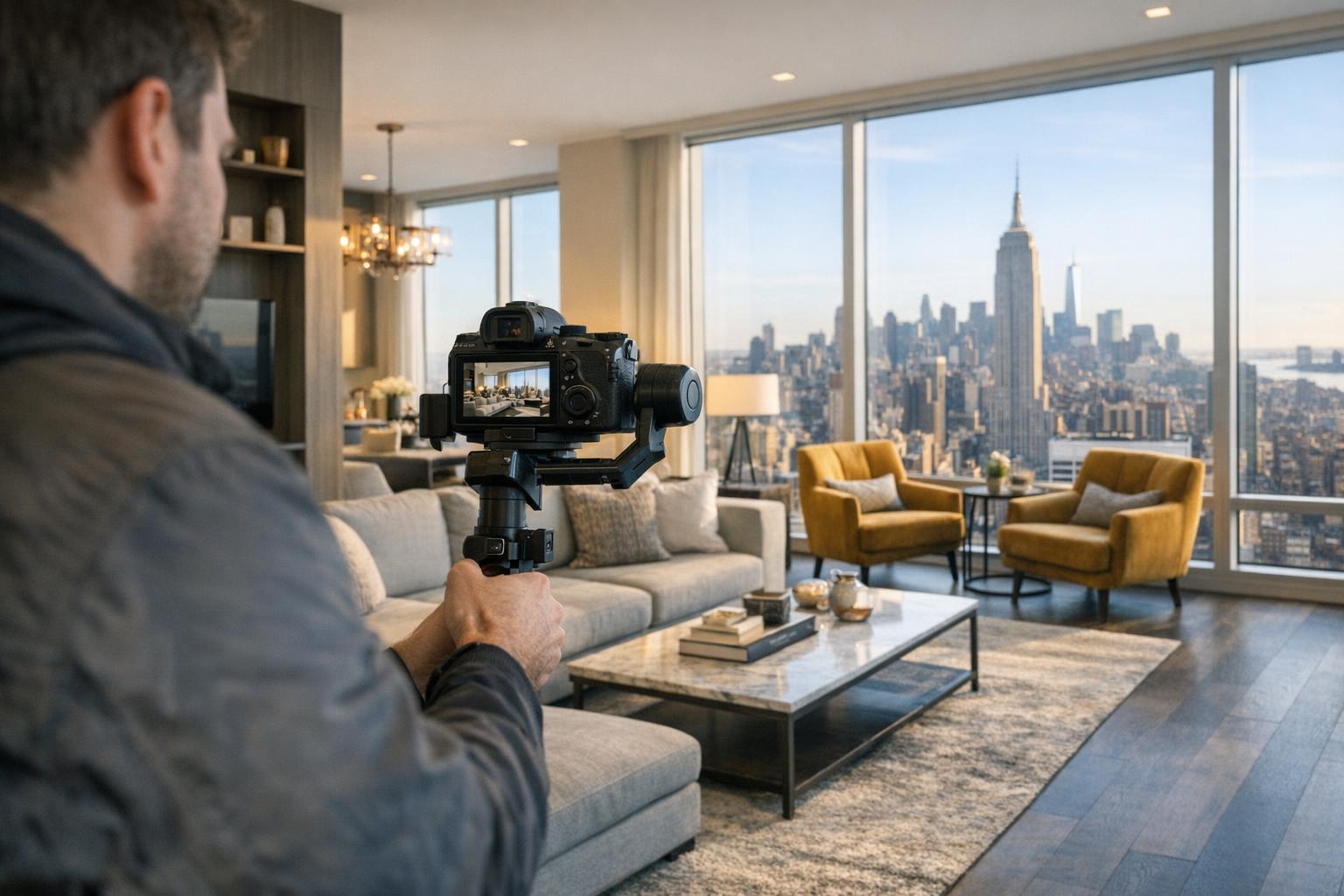
While photography typically forms the backbone of a successful listing, some commercial properties benefit from additional formats. A precise floor plan helps communicate suite layout and size, especially for offices or spaces with irregular footprints. Video can demonstrate transitions—walking from a lobby through workspaces, showing a retail flow, or touring amenity zones—that are hard to communicate in stills alone. Interactive 3D tours (such as Matterport) offer remote viewers comprehensive access, especially valuable for complex layouts or out-of-area stakeholders.
In select NYC and New Jersey locations, drone imagery can provide a sense of scale and location. However, aerial work in dense urban neighborhoods is highly dependent on FAA regulations, building access, weather, and pilot discretion; professional drone usage should always be evaluated on a site-by-site basis.
Choosing a Commercial Photography Partner
Finding a real estate photographer is easy; choosing a photography partner who understands commercial listings takes more diligence. As you evaluate potential providers, look for evidence of:
- Experience with commercial property types (office, retail, industrial, hospitality)
- Portfolio samples that demonstrate control over lighting, exteriors, window views, and spatial challenges
- Flexibility around building access and scheduling
- Willingness to create a shot list tailored to the marketing goals and property use
- Clarity around what is included in editing, deliverables, and supplemental media
Consider discussing these questions during your consultation:
- How will you prioritize the property’s key spaces in the shoot?
- What access or scheduling details do you require ahead of time?
- Are there deliverable options for floor plans, video, or virtual tours if needed?
- What level of image editing or retouching is included as standard?
A productive project starts with clear expectations and open communication—helping both the property team and the photographer deliver on the business objective within the site’s operational realities.
RealtaSnap: Local Expertise Across NYC and New Jersey
RealtaSnap serves all five boroughs of New York City and statewide New Jersey, providing commercial real estate photography that supports listing campaigns for properties of every scale—from focused retail spaces and office suites to larger multi-use and investment buildings. With flexible coverage options (packages ranging from 10 to 50 photos) and a suite of related offerings—including video, floor plans, 3D tours, and drone media where feasible—marketing options can be customized to fit the property and its intended audience.
Whether you’re launching a new listing in Manhattan, repositioning a Jersey corporate suite, or showcasing a unique commercial asset anywhere in the region, it’s worth investing in visual media designed around the realities of the local market. Explore more about real estate photography NYC and see how professional imagery can clarify and enhance your property’s next first impression.
Make the First Impression Count
For commercial properties, the initial image set is often the only shot at capturing interest in an overcrowded marketplace. Clear, accurate, and visually consistent photography gives buyers and tenants the information they need to decide whether the property moves to the top of their list.
If your next listing deserves to be seen at its best—on real estate platforms, in presentation decks, or across your social channels—consider what professional photography built for NYC and New Jersey can offer. Learn more at www.RealtaSnap.com.
FAQ
Question: How many photos should a commercial property listing include?
Answer: The right image count depends on the property’s size, layout, and the complexity of its features. Compact spaces might need only a tight, focused set, while larger offices or mixed-use buildings often warrant more extensive coverage to capture key areas, flow, and amenities. Prioritize photos that truly help the intended audience evaluate the property.
Question: What if my commercial space is occupied during normal business hours—can a shoot still be scheduled?
Answer: Yes, but good results rely on careful timing. Scheduling before or after peak hours, arranging for minimal staff or customers, and clearly communicating building procedures can help ensure the finished images present the property in its best light with minimal disruption to business.
Question: Are there limitations on what can be digitally staged or altered in commercial real estate photography?
Answer: Professional standards and RealtaSnap’s policies require that photography represents the actual physical space. Virtual staging can enhance empty rooms, but is best applied to clutter-free or vacant spaces. Permanent features should not be digitally removed or modified unless approved and ordered as a specific paid edit. This ensures media is both attractive and an honest representation of the property.