Commercial Real Estate Photography: Boosting Property Value in NYC
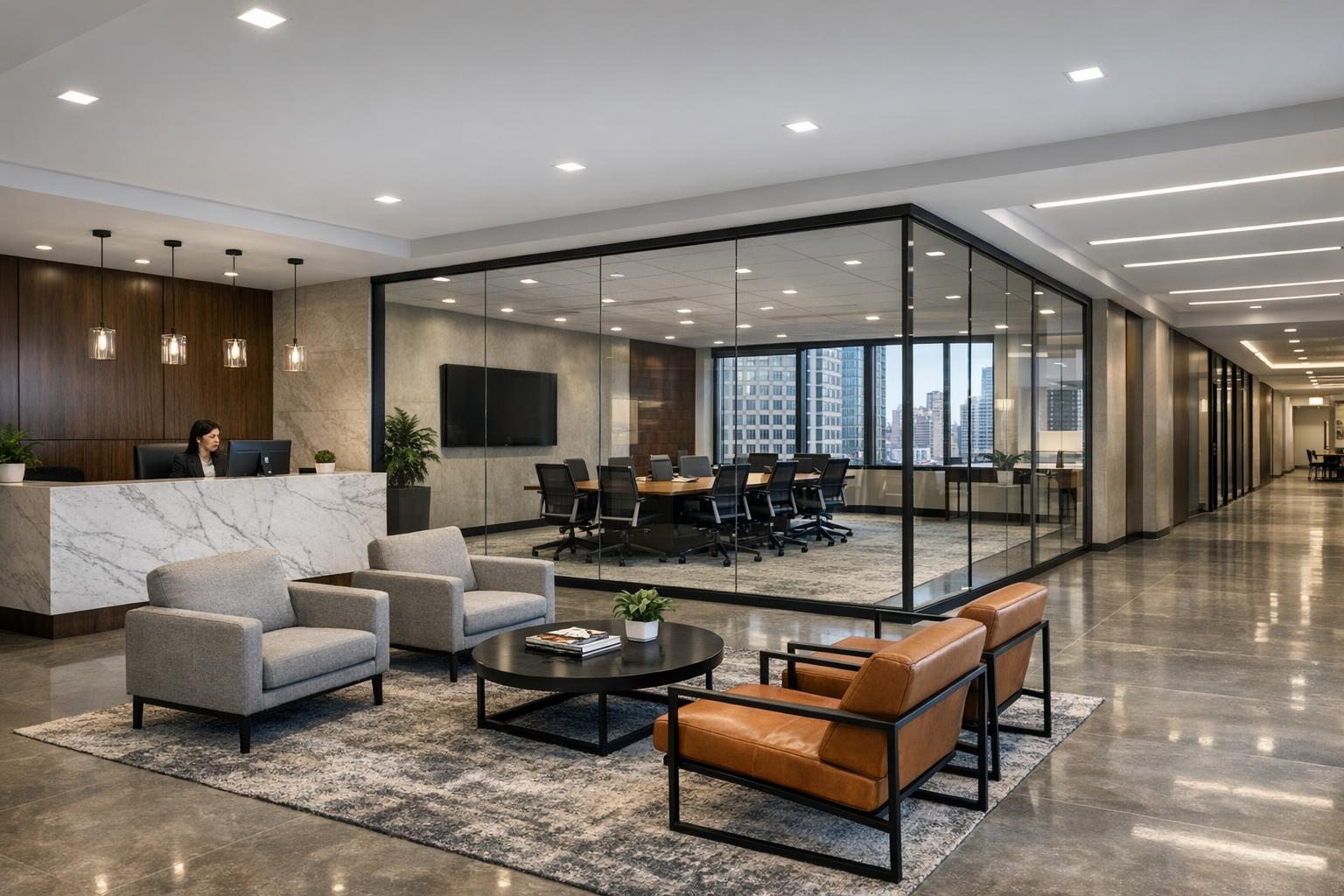
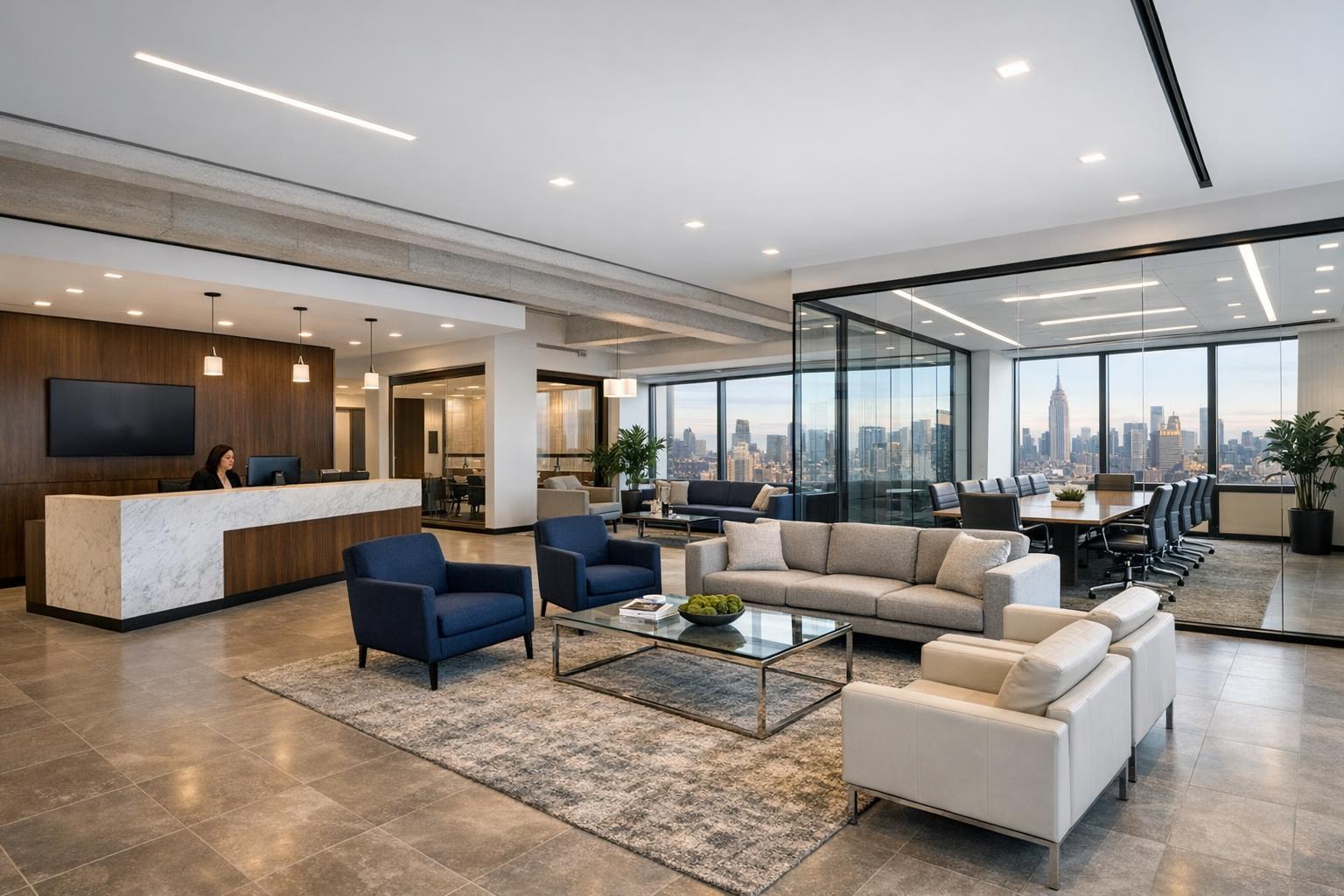
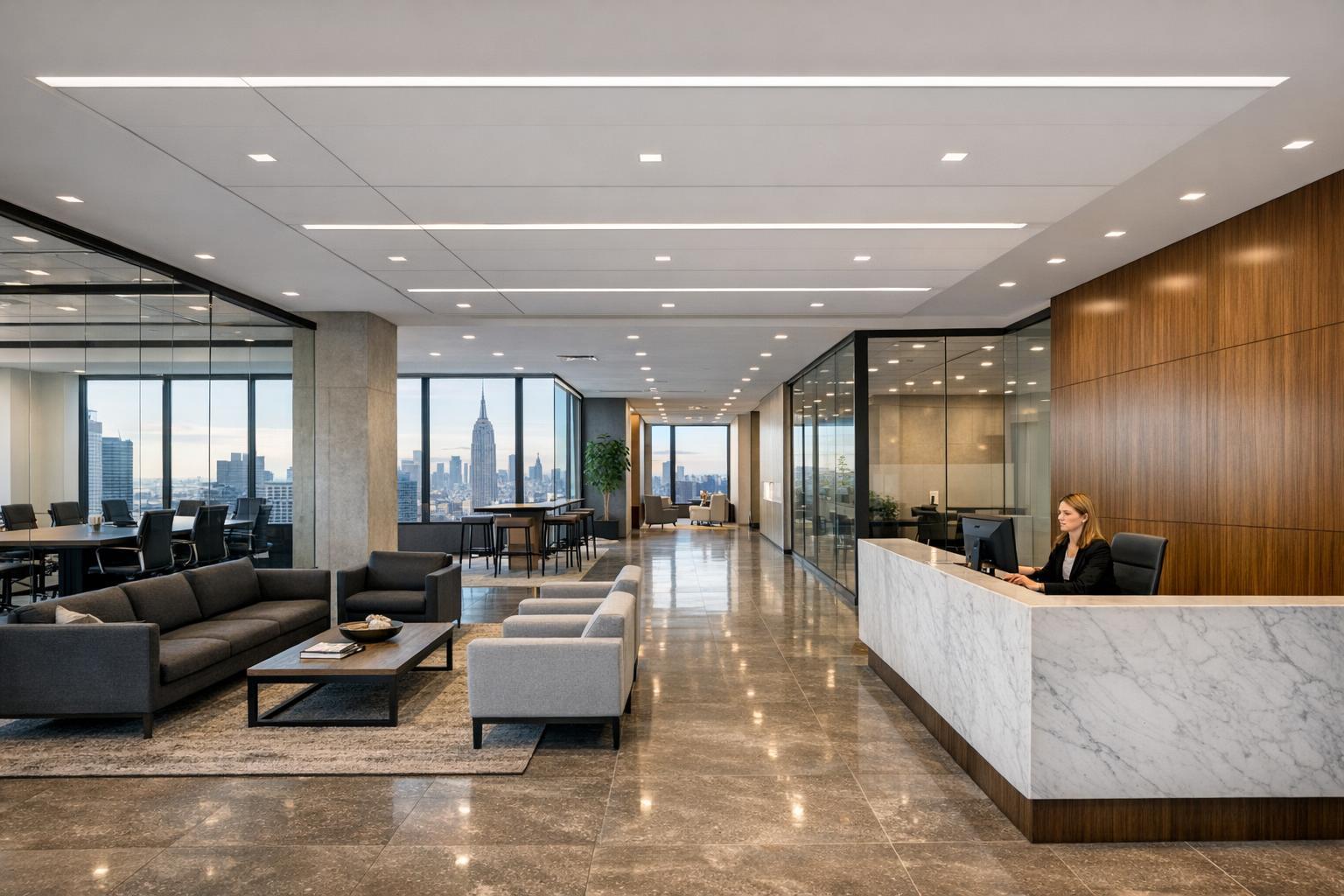
A modern, elegantly designed office lobby features a sleek reception desk, comfortable seating, glass conference rooms, and expansive city views captured through commercial real estate photography.
Commercial Real Estate Photography: Boosting Property Value in NYC
Commercial real estate photography is the visual backbone of how NYC properties are marketed and first perceived. In practice, compelling imagery sets the tone for every interaction with a listing—often shaping a prospect’s interest well before anyone walks through the entry. Whether you’re listing an office suite in Midtown, a street-level retail space in Brooklyn, or a multi-family building in North Jersey, effective property photography isn’t window dressing. It’s a practical tool for commercial real estate marketing in the city’s fast-moving, visual-first marketplace.
Why Clear Visuals Matter for Commercial Listings
At RealtaSnap, we see firsthand how visuals filter and attract the right audience. When a real estate professional uploads a gallery, those images have to compete against dozens—sometimes hundreds—of similar offerings the moment a listing goes live. Written descriptions have a place, but property photos cut through, showing scale, layout, amenities, light, and finishes in a single glance.
What separates commercial from residential photography is the complexity of the audience and the diversity of what needs to be communicated. Images need to quickly answer questions for tenants, buyers, investors, and other brokers:
- What’s the operational layout?
- Is the property maintained and up-to-date?
- Are key amenities visible?
- How does the space connect to the street or neighboring tenants?
- Are there unique differentiators worth a closer look?
Sharp, well-organized photography doesn’t replace a strong property or a competitive lease. But it does present those assets clearly—helping decision-makers visualize the potential and inviting further inquiry.
Making Value Recognizable in Commercial Spaces
Real estate marketing in New York City is rarely forgiving of vague, poorly lit, or visually confusing images. Properties here vary enormously, from pre-war office buildings to glass-wrapped new developments, industrial conversions, hospitality venues, and retail corridors. Photography has to translate these environments truthfully and attractively, without distorting size or overpromising.
A few real-world principles for commercial property photography:
- Accuracy over drama: Empty or under-furnished spaces can be easily misrepresented by aggressive wide-angle lenses or careless editing. Maintaining straight architectural lines and realistic room proportions gives viewers a sense of spatial truth.
- Balanced interior and exterior light: NYC buildings often have deep interiors and large windows—creating challenging exposure differences. Professional capture and editing keeps storefront glass transparent instead of white, shows skyline views when possible, and avoids making a sunlit office look gloomy.
- Intentional composition: Not all rooms are created equal. Photos should focus on what matters: the flexibility of an office floor, the features of a renovated lobby, the condition of back-of-house areas, and unique amenities like roof decks or courtyards.
In communities like Jersey City or Hoboken, this approach extends to larger residential layouts and mixed-use properties, where exterior context and living spaces must be shown in logical sequence.
Tailoring Photography to Property Type and Audience
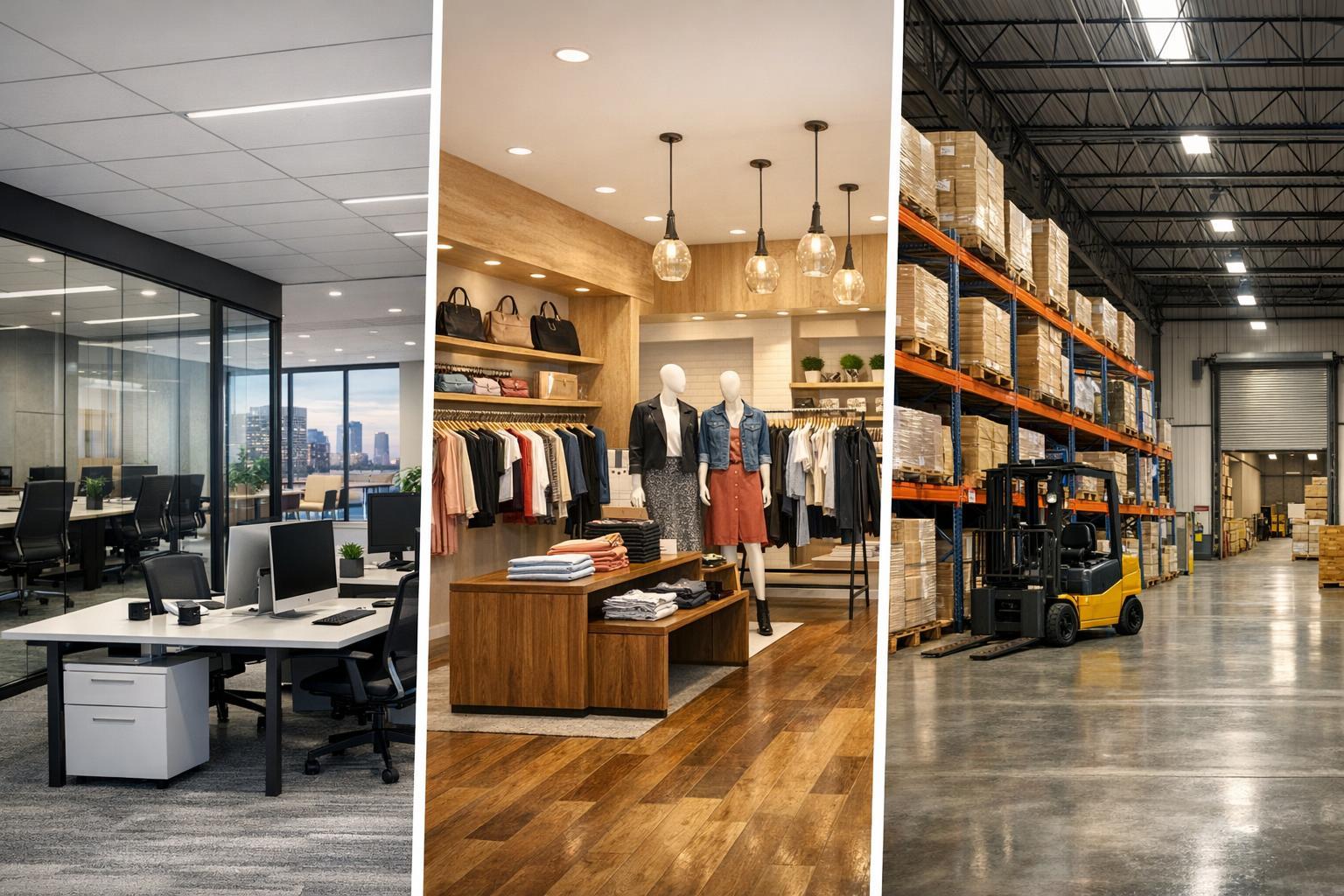
One of the great realities of commercial real estate marketing in both NYC and North Jersey is the variety of properties—each with distinct selling points. Effective photography for commercial properties means adapting not just to the building, but also thinking through the end use and marketing plan:
- Office Properties: Prospects look for clarity in layout, professional finishes, and daylight exposure. For occupied spaces, time spent preparing—removing loose cables, clearing desks, and adjusting furniture—makes the final set more versatile for marketing campaigns.
- Retail Storefronts: The story begins outside. Images showing visibility, signage, street activity, and adjacency to other businesses help explain opportunity at a glance. Capturing at the right time of day (or with a little coordination to minimize deliveries and sidewalk clutter) makes a difference.
- Multifamily or Mixed-Use: Both scale and livability matter. The right sequence includes the building exterior, key amenities, and representative units, focusing on any standout features like newly finished common areas or outdoor spaces.
- Industrial, Flex, and Warehouse: Scale, access, and function take center stage. High ceilings, loading bays, clear open areas, and support spaces highlight potential use and operational fit.
Not every corner requires coverage. A focused gallery tells a useful, organized visual story that steers interest to the attributes most likely to differentiate the property.
Building an Intentional Visual Strategy
Commercial listings demand more than a one-size-fits-all approach, especially in a city as layered as New York. We always recommend thinking ahead about how the photography will be used:
- Which marketing materials will these images appear in? (Listings, offering memoranda, presentations, websites, social posts?)
- What’s most likely to make a positive impression for this property type?
- Will decision-makers be evaluating remotely or on-site?
Sometimes, a compact property calls only for strong stills. Larger asset classes—multi-floor offices, mixed-use properties, new construction—may benefit from an expanded suite: video, floor plans, 3D tours, or aerial context, when practical.
At RealtaSnap, our photography is designed to be multi-purpose. Still images form the basis for listings, brochures, and digital campaigns, with the flexibility to adapt as marketing needs grow. For more on our full photography approach, you can review our NYC real estate photography services.
The Role of Complementary Media
While photography remains the foundation, a few additional media options can give context that stills can’t capture alone:
- Video: Used to show movement, arrival, and transitions between rooms—especially effective for large or highly amenitized properties.
- Floor Plans: Essential for remote stakeholders, these clarify spatial relationships and highlight flexibility.
- 3D Virtual Tours: Allow interactive, room-by-room viewing, useful for out-of-market or international clients.
- Drone Imagery: Adds value for properties with significant roof, land, or urban context—subject to feasibility requirements like airspace, access, and weather.
- Virtual Staging: For clean, vacant interior spaces, helps viewers imagine possible layouts or uses. (Furniture removal is needed first for rooms that aren’t empty.)
Media choice always starts with marketing goals, not fads. For many NYC and NJ commercial spaces, well-done photography with considered coverage brings the strongest return on time and effort.
Preparing Properties for Effective Capture
One of the simplest ways to improve the value of any photo set is thorough preparation ahead of the shoot. In the rush of commercial turnover, prep is often overlooked—but it has a meaningful impact on the imagery’s usefulness:
- Confirm access to all priority areas (including building amenities, roof, or mechanical spaces if needed).
- Remove clutter, signs, boxes, and unnecessary personal or business items.
- Clean glass and reflective surfaces for a polished look.
- Replace burnt bulbs and turn on all working lights.
- In offices, clear desks or reduce visual distractions.
- Notify staff or tenants as needed to minimize unanticipated activity.
- Walk through spaces before the shoot to decide what needs to be included or excluded visually.
For complex or occupied listings, a brief prep walk helps not only the photographer but often the client as well, making it easier to prioritize features for the final gallery. More preparation guidelines for NYC properties are available in our photo prep guide.
What Makes a Commercial Photographer a Good Fit?
Hiring commercial property photographers is about more than liking an image style. Experience with relevant property types—and an understanding of commercial real estate marketing—are critical:
- Ask about experience with your asset type (e.g., office, multi-family, retail, hospitality, industrial).
- Learn how they approach lighting, window exposure, and maintaining architectural accuracy.
- Clarify how occupied spaces and building access are managed.
- Understand service inclusions, timelines, and how additional media can be captured.
- Make sure the provider respects building access policies and delivers in a format that’s organized for your marketing workflow.
A professional portfolio should show consistent, believable light and natural layouts—not just dramatic shots, but galleries that let users imagine how they’d actually use the space. If you’re evaluating providers, it helps to review completed shoots that show entire properties, not just the visually exciting highlights.
The RealtaSnap Approach
For properties in NYC, New Jersey, and parts of the Greater New York area, RealtaSnap specializes in professional real estate photography and related media that matches the pace and character of the local market. We photograph every property as it exists on the date of the shoot, working with the available access and tailoring our plan to the asset’s unique features. RealtaSnap is built for commercial, multifamily, retail, and other property types across the city and state.
We offer online booking, transparent pricing, and a range of service bundles that can be adapted to fit your listing or marketing plan. You can explore all current options or get started at www.RealtaSnap.com.
Above all, great property media is about honesty, organization, and practical clarity. It gives your spaces a consistent visual foundation and helps stakeholders zero in on what matters. If a commercial property in NYC or NJ needs to be seen, a thoughtful photography plan is the best place to start.
FAQ
Question: What impact does commercial real estate photography actually have on marketing?
Answer: Well-planned commercial photography makes your property’s features easier to recognize by showcasing layout, condition, amenities, and natural light. It won’t change physical facts, but it does make the value and appeal more visible to busy prospects—giving your listing a better shot at starting the right conversation.
Question: Can an occupied office or retail space be photographed if people are present?
Answer: Yes, but some extra preparation is needed. Temporarily clearing workstations, removing visible personal or business materials, and coordinating shoot timing can help present an occupied space professionally while respecting privacy and minimizing on-camera distractions.
Question: Is drone photography available for NYC commercial buildings?
Answer: Drone work in NYC is always subject to airspace, weather, pilot discretion, and building access. While roof access can help in densely built areas, not every property is suitable for aerial capture. Each shoot is evaluated individually to determine what’s feasible.
For more information, scheduling, or to see our latest work, visit www.RealtaSnap.com.