How to Choose Real Estate Photography in NYC for Your Next Listing
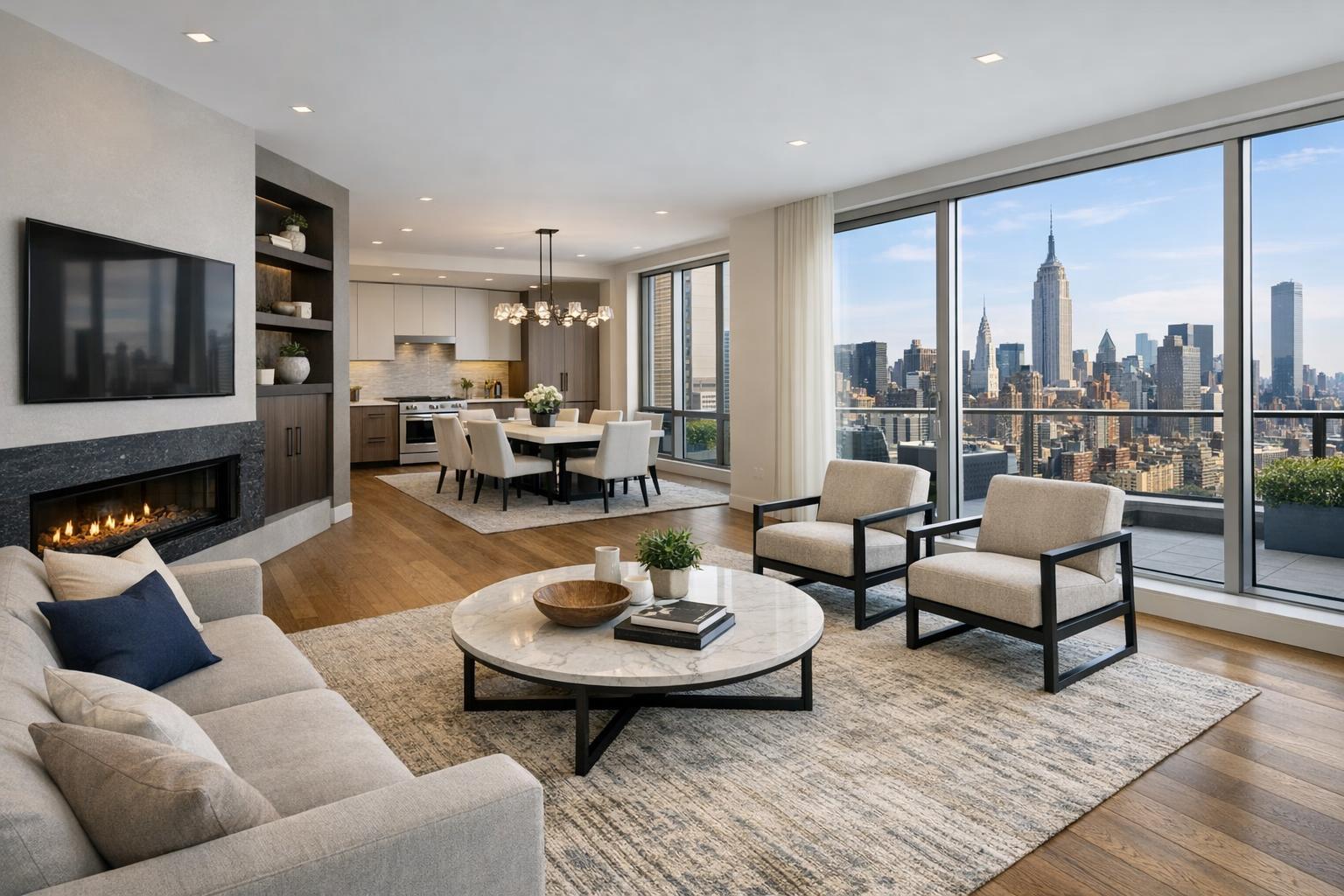
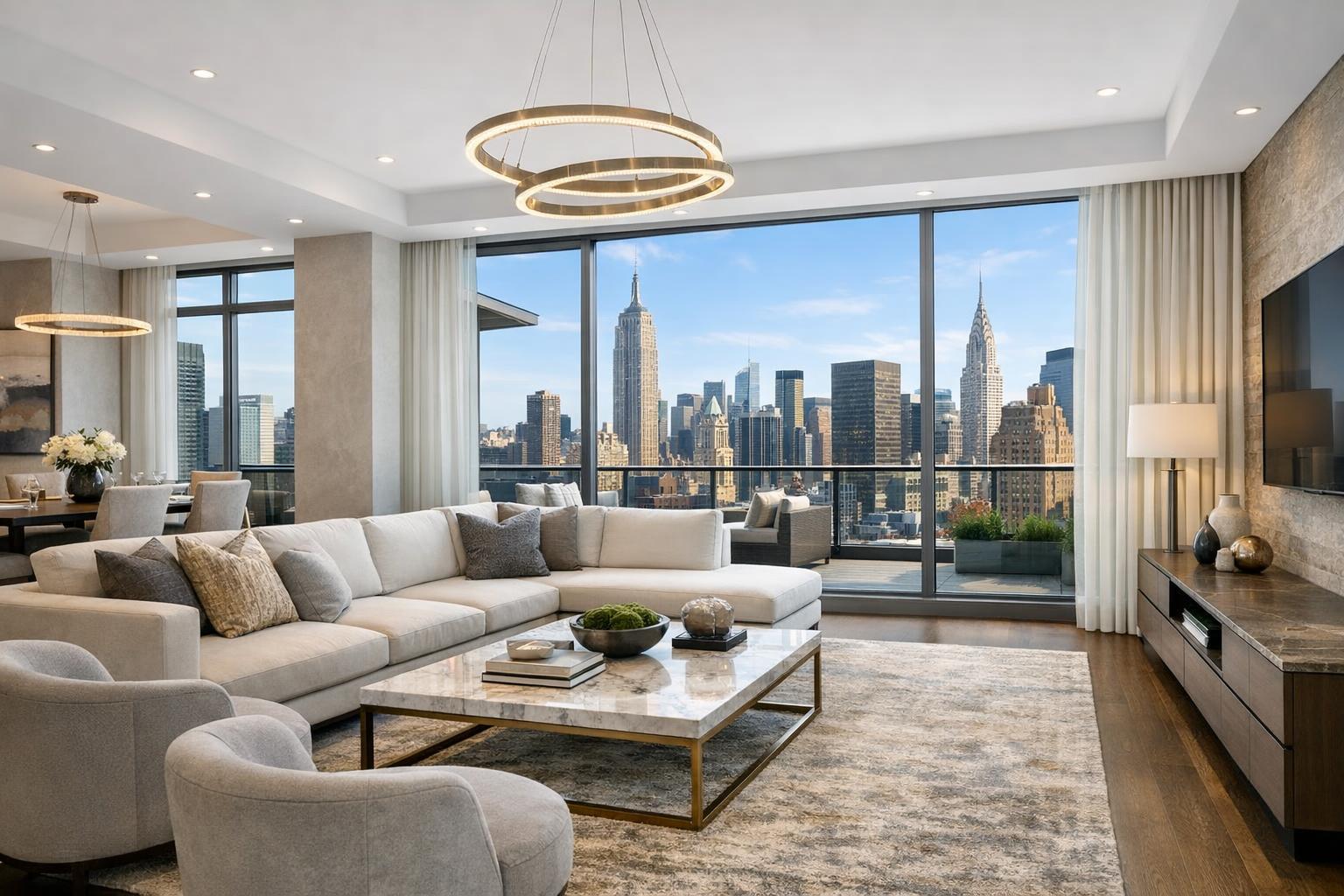
An elegant, modern living room in a high-rise NYC apartment showcases breathtaking cityscape views through expansive floor-to-ceiling windows, captured expertly in real estate photography.
How to Choose Real Estate Photography in NYC for Your Next Listing
Real estate photography in NYC is much more than a checkbox in the marketing plan. The right approach can dramatically shape how a property is understood online—by both experienced agents and first-round buyers—before anyone even schedules a showing. Whether you’re handling a classic Manhattan apartment, a Brooklyn brownstone, or a larger home in the outer boroughs or New Jersey, high-quality listing media starts with asking smart, practical questions.
As a real estate media team working daily in New York and New Jersey markets, RealtaSnap sees firsthand how visual presentation, logistical planning, and property-specific considerations shape the final images agents rely on. Here’s what matters most when you’re choosing professional property photography—and how to get the results your listing actually needs.
Why Listing-Focused Media Matters
The demands of the NYC real estate market are unique. Properties here can be compact, architecturally detailed, busy with tenants, or scheduled around building rules that leave very little room for error. Generic photo shoots rarely capture the true strengths—or honest limitations—of a space.
Professional real estate photography services in NYC will always go beyond taking attractive pictures. Agents and managers benefit from working with photographers who understand:
- How online viewers consume listings: One image should flow logically to the next, so a buyer can easily grasp the progression from entryway to living area, kitchen, bathroom, and beyond.
- Which angles and compositions actually reveal layout and space: In tight apartments, minor choices in camera height and position influence whether a room looks open and informative or confusingly distorted.
- How to convey daylight, window views, and architectural lines faithfully: Standard property marketing exaggerates with extreme wide angles or heavy editing. Smart listing photography balances bright exteriors with accurate interior exposures and keeps walls looking vertical, not “falling away.”
Essential Visual Standards for NYC Property Photography
A listing’s gallery is both a visual narrative and a set of practical details. The most effective images are those that help buyers and renters make decisions from a distance. Here are the standards any experienced photographer or media provider should follow:
- Balanced Interior/Window Exposure
Many NYC homes receive strong daylight from only one direction. Without careful capture, you end up with either dark rooms or “blown-out” windows. A professional makes sure important detail is retained both indoors and out. - Straight Architectural Lines
Tilted walls, leaning door frames, and stretched cabinets undermine confidence. Especially with pre-war or mid-century architecture common in the city, keeping lines natural is essential. - Accurate Room Proportions
Wide-angle lenses help communicate even compact spaces—but only if used with restraint. The photograph should stay true to how the property presents in person. - Thoughtful Composition
Good media isn’t about “shooting everything.” It’s about showing what’s unique about the property—built-ins, moldings, views, terraces, storage—with minimal distraction. - Consistent and Clean Editing
A listing gallery should be cohesive from start to finish, with true-to-life color, gentle contrast, and careful attention to natural flow. Heavy-handed, inconsistent editing can make the experience feel artificial.
Planning for this coverage starts before the photographer ever arrives. Smaller apartments may require a minimalist approach to avoid overwhelming the viewer with repetition, while larger homes in Queens, Staten Island, or New Jersey need extra attention to flow and layout.
NY Metro Properties Aren't One-Size-Fits-All
Every NYC borough and every property type brings a new checklist. Here’s how approaches should adjust in the city and surrounding suburbs:
Manhattan Condos and Co-ops
The challenge isn’t just tight rooms—it’s navigating building logistics. Elevator schedules, security check-ins, and required certificates all shape what’s possible. Inside, photographers need to address narrow foyers, sharp daylight differences, and the importance of city views, sometimes within a very limited shoot window.
Brooklyn Brownstones and Townhomes
Older row houses often feature deep layouts, original features (like fireplaces or woodwork), and daylight that shifts dramatically from one end of the house to the other. Here, more of a “storytelling” approach works, helping online viewers understand how rooms relate floor by floor.
Larger Homes in Outer Boroughs and New Jersey
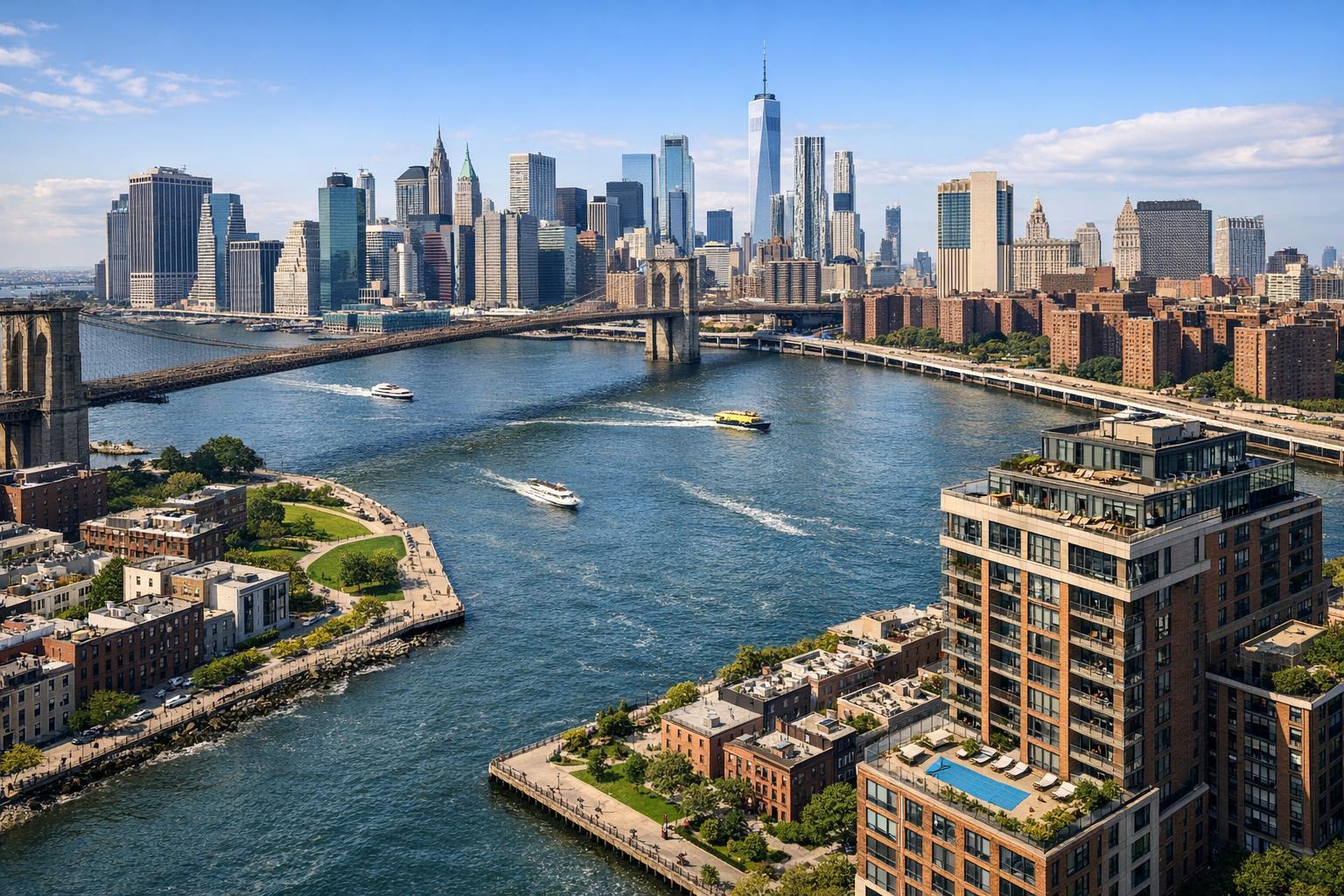
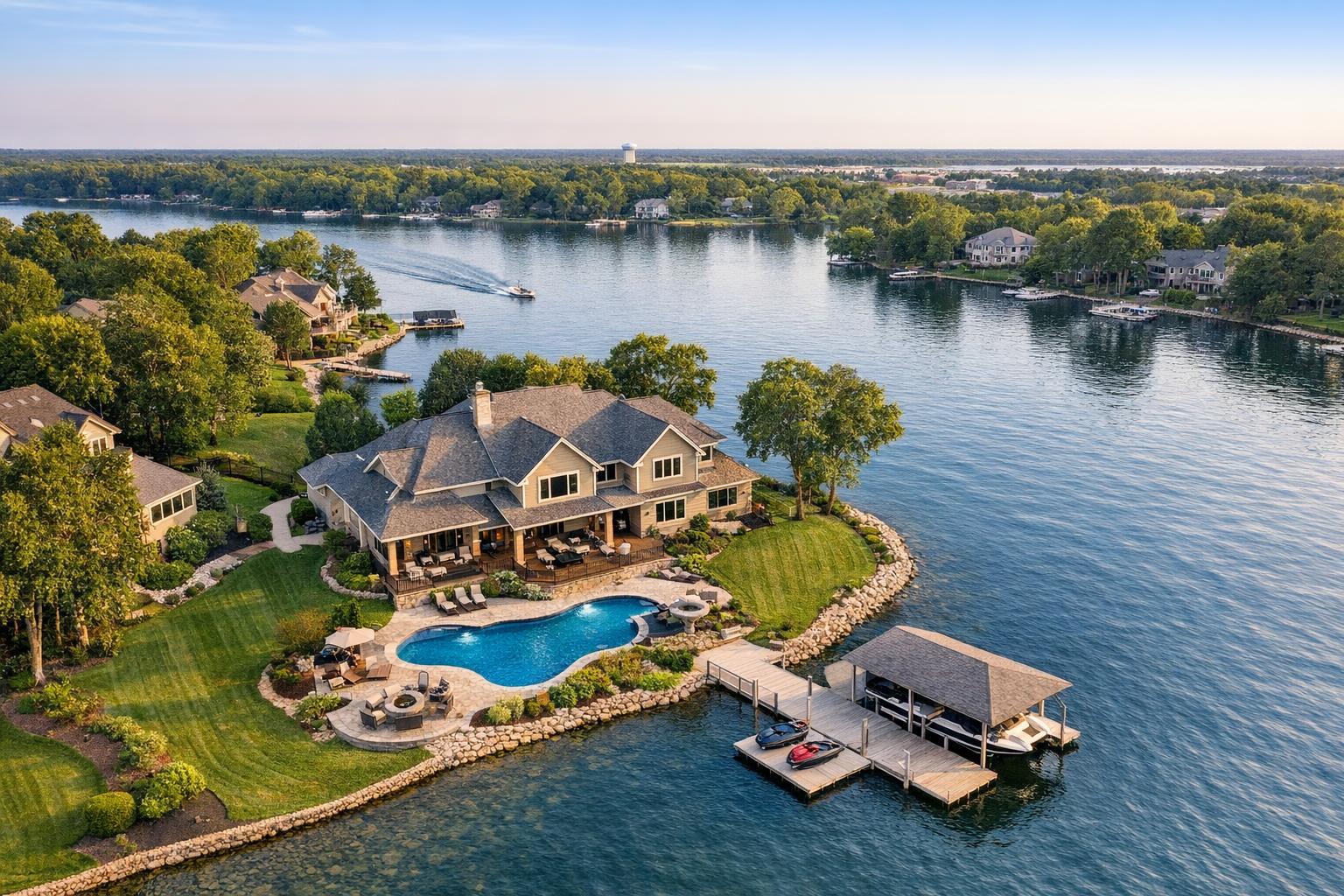
Properties outside Manhattan—especially single-family homes—demand broader coverage. Driveways, yards, garages, and decks are all relevant. In these cases, exterior and aerial images (when possible and permitted) can help round out the gallery and offer key context a city apartment would never need.
Handling Occupied Listings and Tenant Spaces
Occupied spaces are a staple of NYC listings. Even the best camera won’t hide clutter, crowded surfaces, or “visual noise” that distracts from the space’s actual value. The difference boils down to careful coordination and realistic preparation.
Before you book, ask providers for their approach to working in lived-in apartments or houses. Useful preparation steps include:
- Cleaning kitchen counters and bathroom surfaces
- Hiding pet items, cords, laundry, and personal products
- Turning off monitors, TVs, and other screens
- Opening shades but considering privacy
- Making sure lighting is intentional and consistent
- Decluttering and checking window treatments for presentation
Coordinating well with tenants before the shoot can make all the difference—especially in rental units with restricted access or unpredictable schedules. Respectful preparation doesn’t mean stripping a home of its character; it’s about making sure the space itself shines through the distractions.
Navigating NYC Access, Building Rules, and Logistics
A reliable real estate photographer for NYC listings should be proactive about building logistics, yet every shoot requires input and coordination from clients or listing agents.
Before any photography appointment:
- Confirm building contacts and entry instructions (doorman, super, or management)
- Check if the provider needs a certificate of insurance or extra registration
- Know which amenity spaces (roofs, gyms, lounges) are approved for photo access
- Ask about restrictions on equipment, use of elevators, or timing
- Arrange key handoff or agent escort if needed
- Make sure you know if movers, contractors, or residents will be present
Sorting these details in advance helps ensure that no must-have feature—like a rooftop terrace or stunning lobby—gets missed due to unforeseen restrictions.
Editing: Realism First, Not Fiction
Professional editing in real estate photography should always clarify, not mislead. A good provider will correct lines, enhance light, remove minor distractions, and ensure the gallery looks polished—but not reimagined.
For example, RealtaSnap always photographs real properties as they exist on the day of capture. Edits that cross the line into “virtual renovation” or major rearrangement are another story. Virtual staging and virtual twilight are available when appropriate, but should be used intentionally:
- Virtual Staging is most effective on empty rooms. If furniture or clutter is present, removal (physically or via advanced editing) needs to be handled first for a realistic look.
- Object Removal can solve small distractions but isn’t a replacement for property preparation.
Ask your provider how they handle edit requests and what is—and isn’t—possible under their current service policy.
Is Photography Enough, or Does This Listing Need More?
Most residential properties rely on strong photo coverage, but not every listing stops there. The decision to add a floor plan, video, 3D tour, or drone media should be driven by what buyers genuinely need, not just the latest trend.
- Floor Plans
Help buyers visualize layout, dimensions, and room relationships. Especially useful for multi-level homes or unconventional layouts. A reliable floor plan should be based on a fresh, on-site capture—never simply repurposed from an old or potentially outdated PDF. - Listing Video
Shows real movement through a space and provides context that stills can’t capture. For properties where the path from room to room matters, or where amenities deserve to be highlighted in sequence, video can round out the presentation. - 3D Virtual Tours
Let potential buyers or renters “walk through” the space remotely at their own pace. This is especially helpful for relocation buyers, decision-makers who can’t attend showings, or listings with complex layouts. - Drone/Aerial Media
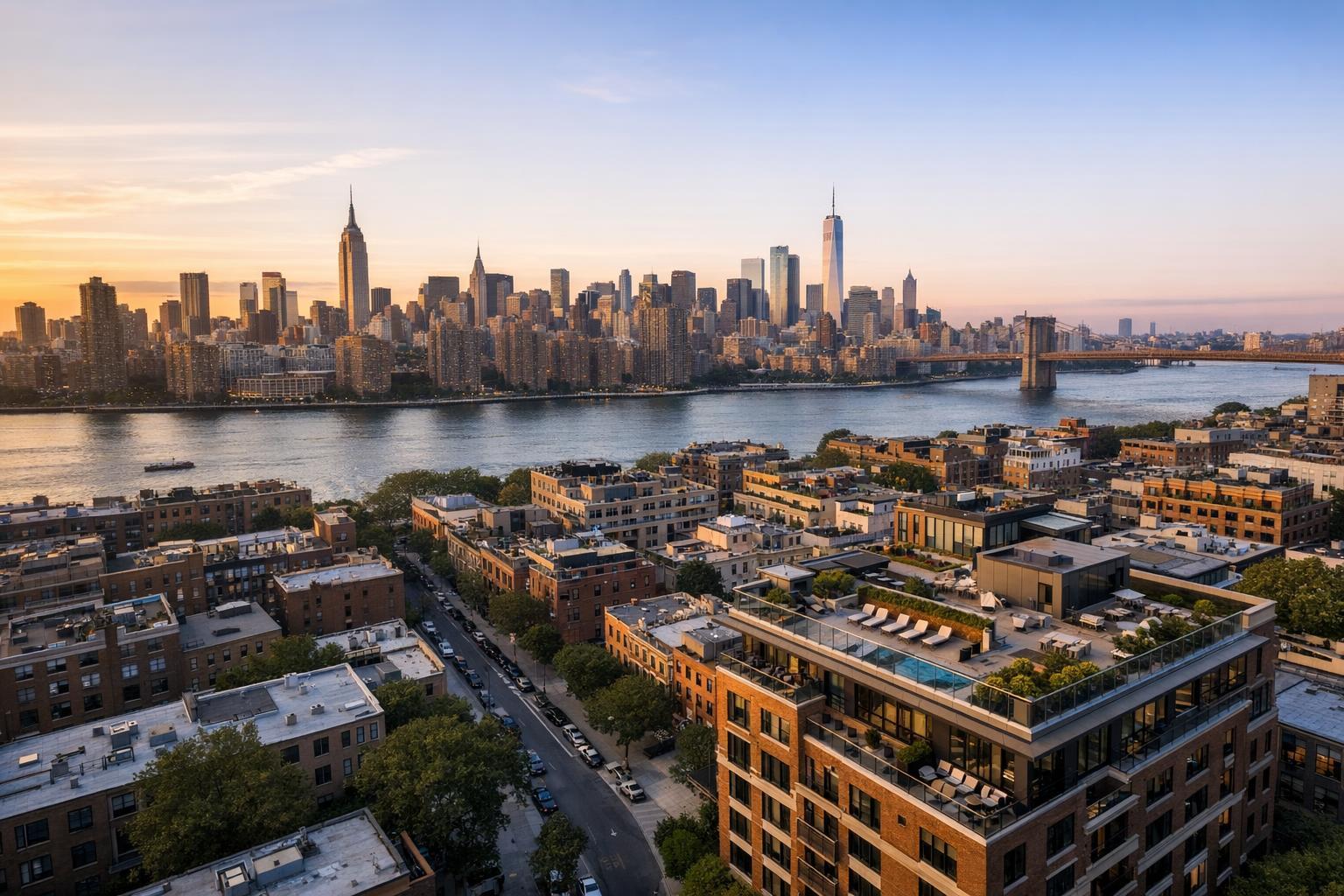
Can showcase setting, outdoor features, or context, especially for homes with large lots, roof decks, or water views. In Manhattan and other dense areas, drone flights are subject to airspace, safety, and access rules—never outright guaranteed.
For a property that needs more than just standard photography, look for a provider that can bundle services and schedule them efficiently, so nothing falls through the cracks.
Choosing the Right Provider: Questions Worth Asking
Not all real estate photography services in NYC offer the same depth of local experience, workflow knowledge, or visual discipline. Here are some focused questions to ask before you hire:
- What’s your process for planning coverage in small apartments versus large homes?
- How do you balance interior and window lighting?
- How do you maintain straight lines and honest proportions?
- What property preparation steps do you recommend for occupied listings?
- How do you handle building or amenity access?
- Can you combine photography with floor plans, video, virtual tours, or drone media if needed?
- Which services require an on-site visit?
- How are editing and staging requests handled according to your policies?
- What happens if weather or building restrictions affect the planned add-ons?
- How is scheduling and confirmation managed?
Direct, confident answers mean you’re dealing with a provider who has done this before—and can deliver what your listing needs, on time.
RealtaSnap: Listing-Focused Photography and Media for NYC & NJ
RealtaSnap offers real estate photography, video, 3D tours, floor plans, and aerial media throughout New York City and New Jersey. The team's approach combines thoughtful on-site capture with a streamlined booking and delivery process. Media is always tailored to each listing, whether it’s a compact city studio, a classic Brooklyn brownstone, or a spacious New Jersey home.
Photo shoot options include 10, 20, 30, 40, and 50-image packages, with the ability to add floor plans, video, 3D tours, drone media, and virtual staging as needed. You can review available services and book directly online at RealtaSnap’s NYC photography page, or browse real estate media services for New Jersey.
To keep things simple, you’ll enter the address, add access notes, select from a real-time calendar, and complete payment—all in one place.
Bringing Out the Best in Every Listing
Choosing the right real estate photography in NYC is about more than securing attractive pictures. It’s about finding a dependable partner who can present the property accurately, communicate its strengths, and make the process feel straightforward for everyone involved. Smart planning, careful capture, and honest visual storytelling help viewers—no matter where they’re looking from—imagine themselves in the space.
If your next listing demands clear, listing-focused property media in NYC or New Jersey, you can explore options and book online at www.RealtaSnap.com.
FAQ
Question: How many photos are ideal for a standard NYC apartment?
Answer: The right image count depends on the property’s size and features. A studio often needs fewer images than a multi-bedroom condo with amenities or views. Choose enough coverage to show every significant space and detail, while keeping the gallery focused and free of near-duplicate angles.
Question: Can RealtaSnap create a new floor plan from an existing PDF or previous listing plan?
Answer: For accuracy, a new floor plan requires on-site measurement and capture. Old plans, especially after renovations or unit combinations, may not reflect the current layout. RealtaSnap only creates floor plans based on what is actually present at the property.
Question: Is drone photography available for Manhattan listings?
Answer: Drone and aerial media may be possible on a case-by-case basis, depending on airspace, address, access, weather, and safety. Approved roof access can help, but every property must be evaluated individually, and flights are never guaranteed due to city regulations and FAA requirements.