Drone Photography in NYC: What Real Estate Listings Need to Know
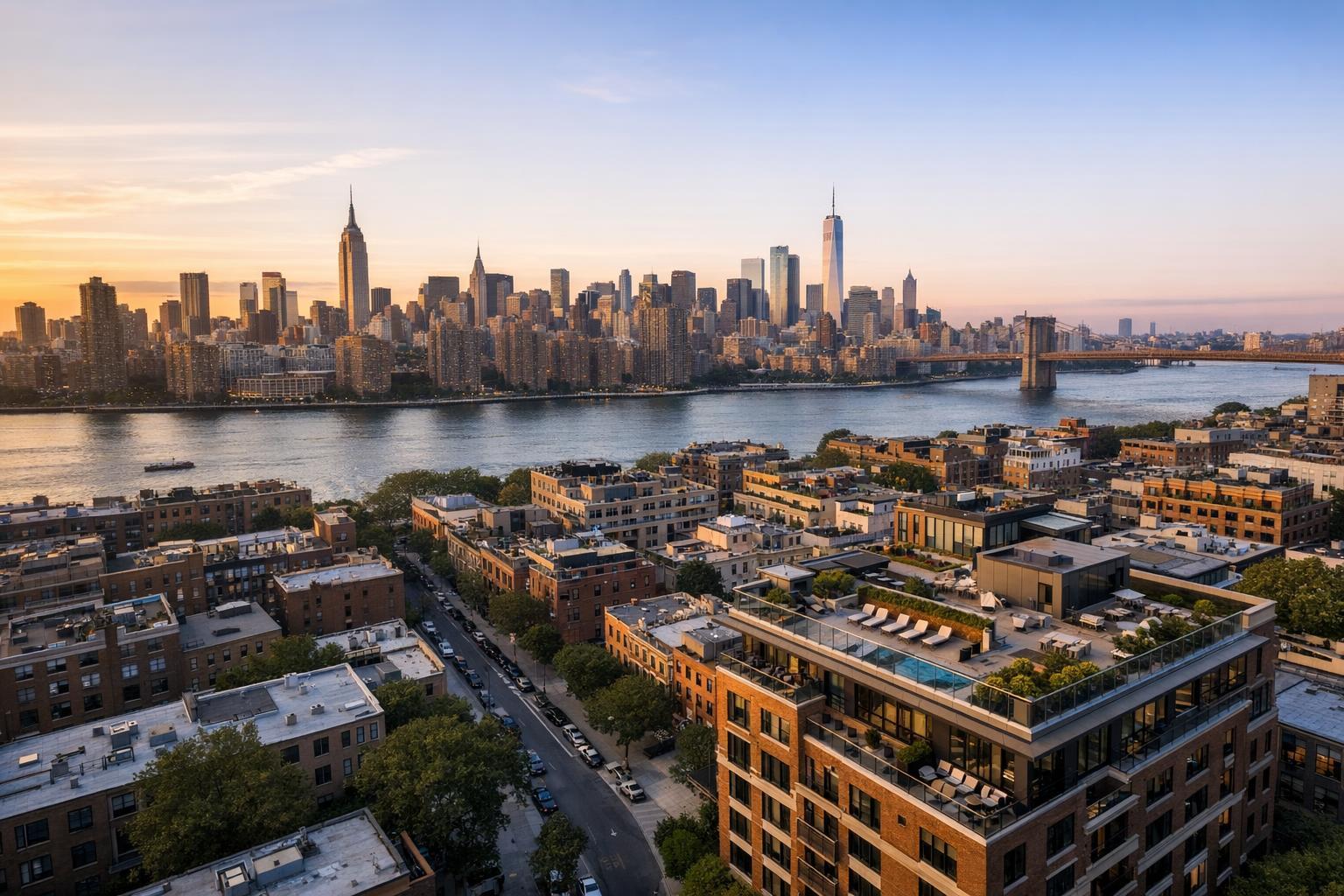
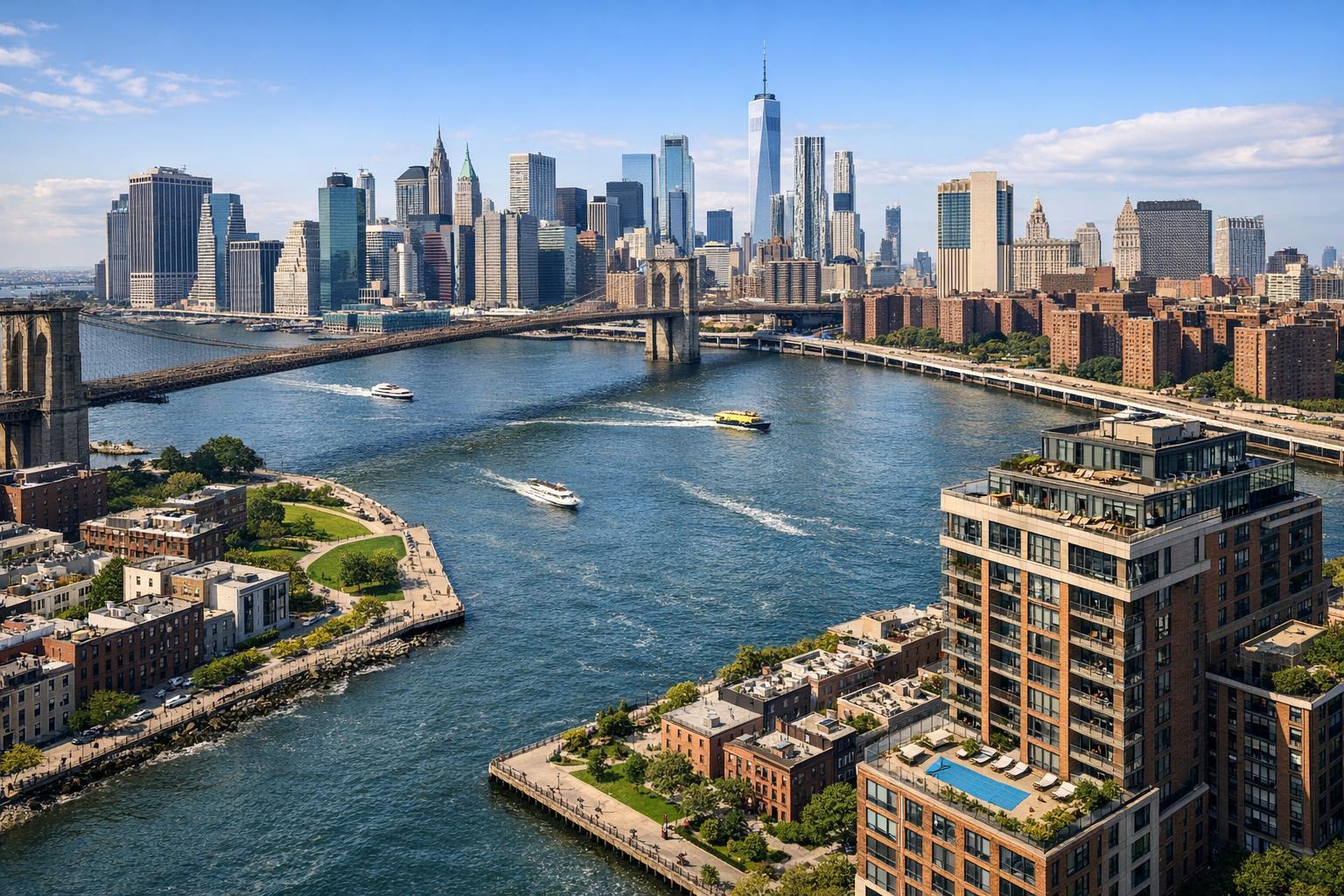
Drone photography captures the spectacular view of NYC's skyline, featuring the iconic Brooklyn Bridge and bustling waterways.
Drone Photography in NYC: What Real Estate Listings Need to Know
Drone photography in NYC has become a compelling tool for real estate professionals who want to showcase their listings from new vantage points, especially in a market as visually complex as New York City. Aerial imagery can capture the true relationship between a property and its surroundings, but practical decision-making is essential before adding drone media to your listing plan.
When Aerial Perspective Offers Real Value
While professional ground-level photography remains the foundation of most real estate listings, aerial real estate photography serves a different purpose. Instead of replacing traditional images, drone photos and videos add critical information—context that is otherwise impossible to communicate visually.
A well-planned drone shoot can show:
- The entire footprint of townhouses, brownstones, or multi-building properties
- Outdoor amenities such as roof decks, landscaped gardens, courtyards, pools, or backyard structures
- The proximity to waterfronts, parks, or major neighborhood landmarks
- Architectural features that are hidden from street view
- The way a building connects to its block, streetscape, or landscape
- Rooftop views or other vantage points buyers would otherwise not see
- The full scale of larger homes, development sites, or commercial properties
The key to maximizing the value of drone photography is to use it only when it answers a real question about the property—how private is the backyard, what does the rooftop setup include, where is the home in relation to the park or waterfront? If the location, building, or outdoor spaces contribute meaningfully to a listing’s story, aerial imagery can make that story clearer and more complete.
Which Listings Benefit Most from Real Estate Drone Photography in NYC?
Drone media is not a default add-on for every property. In our experience, the best results come from evaluating whether the aerial perspective will provide buyers with genuinely new information that complements ground-level media.
Here are property types and scenarios where drone capture tends to help:
- Brooklyn brownstones and townhouses: Overhead views reveal landscaped yards, roof terraces, lot depth, or the arrangement of main and accessory buildings—details not visible from the sidewalk.
- Manhattan properties with rooftop access: Aerial media can highlight the draw of a private rooftop terrace or the specific outdoor layout that sets a penthouse or townhouse apart, provided airspace, building access, and weather conditions allow for safe flight.
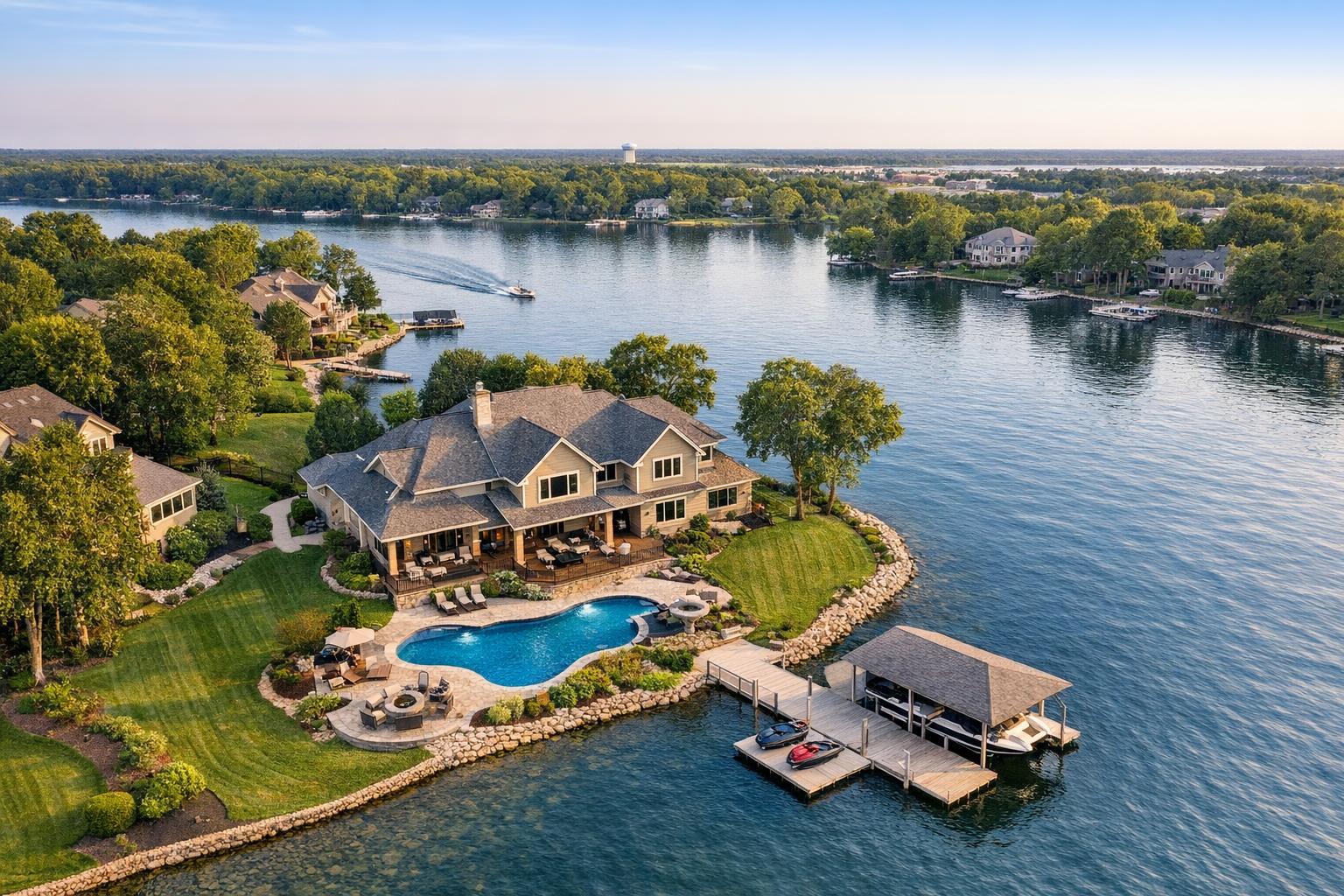
- Waterfront properties or listings near notable views: For homes on or near the Hudson River, Jersey shore, marinas, parks, or green space, drone photography can illustrate the property’s physical relationship to these desirable surroundings.
- Larger residential, commercial, or development sites: In New Jersey and parts of outer NYC, drone imagery often clarifies lot size, access, parking, landscape features, and the configuration of multiple buildings.
Aerial imagery is most impactful for properties with substantial exterior features, sweeping views, or layouts that are difficult to communicate from the ground. Routine apartments with no unique external features or constrained by surrounding buildings may not see material benefit from drone media.
Real-World Factors That Affect Feasibility
The unique density and regulation of the NYC market require both the agent and the media provider to think through feasibility before a drone appointment can be booked. Just because a drone perspective would be visually impressive does not mean it’s possible or compliant. Here’s what affects viability:
- Airspace and local restrictions: NYC is subject to layered FAA and local rules. Controlled or restricted airspace, event-based flight prohibitions, and proximity to sensitive sites can limit or prevent flight.
- Building and rooftop access: Especially in Manhattan and Brooklyn, roof access can improve safety and practicality, but requires explicit advance coordination with building management, including understanding any filming or commercial use policies.
- Weather and on-site conditions: Good weather is necessary but not sufficient. Wind, visibility, rain, and even city-specific events (nearby cranes, street closures, or temporary construction) can all affect a planned flight.
- Pilot discretion and safety assessment: Ultimately, the drone pilot must make a real-time call based on the property’s exact environment. Safety and compliance always take precedence over convenience or aesthetics. Two listings just blocks apart can have very different constraints.
Advance sharing of the exact property address, along with details about access and the intended coverage, helps the media team assess feasibility. Agents are encouraged to involve property managers, superintendents, or concierges as soon as drone media is being considered.
What to Check Before Scheduling an Aerial Shoot
A little preparation smooths the process and reduces both surprises and cancellations. Before requesting drone photography or video, consider these checkpoints:
- Gather the complete property address for feasibility review
- Identify the main exterior feature or context you hope to capture
- Confirm the type of listing (townhouse, brownstone, condo, commercial, detached home, etc.)
- Reach out early to clarify roof, terrace, yard, waterfront, or exterior access
- Ask about access procedures, building-specific rules, or potential restrictions
- Note any construction, events, street closures, or other temporary limitations
- Decide which combination of photos and/or video is appropriate for your story
It’s also useful to consider how aerial content will fit within the rest of your listing’s visual plan. Standard interior photos communicate layout and finishes. Ground-level exteriors establish curb appeal and entry. Aerial media exists to provide exterior context, big-picture scale, or highlight features otherwise invisible to the viewer.
How RealtaSnap Approaches Drone Media for NYC and New Jersey
RealtaSnap offers drone photo, drone video, and bundled packages designed specifically for real estate marketing. Each drone request undergoes an address-specific feasibility check, evaluating airspace, safety, weather, local rules, site access, and on-site conditions before a flight commitment is made.
Typical booking options include:
- 10 high-dynamic-range (HDR) drone photos (including blue sky replacement if needed)
- A one-minute 4K drone video
- A combined package with both 10 HDR photos and a one-minute 4K video
To begin, clients can use the online booking process to provide an address, access details, and notes about exterior features and intended coverage. Booking availability appears in real time, and at least 24 hours’ notice is typically required for aerial services.
Because New York City’s drone feasibility is truly “address by address,” providing as much detail as possible at the outset—especially roof or outdoor access and the story you want told—greatly improves the odds of a successful aerial shoot.
Operational Insights for Agents and Brokers
- Exterior access can unlock new perspectives: For many NYC listings, especially in high-density areas, practical roof or outdoor space access will determine whether safe, legal flights are possible.
- Aerial media should answer a meaningful buyer question: Avoid requesting drone coverage as a default. Focus on listings where aerial imagery provides context—highlighting a garden, rooftop, proximity to amenities, or the broader neighborhood environment.
- Visual consistency matters: Aerial photos should reinforce, not contradict, the story told by ground-level photos. Work with your media provider to create a unified presentation that supports the listing’s unique value.
- Be prepared for weather and schedule flexibility: Even with careful planning, flights may need to be rescheduled due to conditions outside your control. Maintaining a flexible mindset helps avoid disappointment if plans change day-of.
Making the Decision Clear
Drone photography is a strategic tool—not a one-size-fits-all solution. For listings that offer unique exterior features, notable context, or special scale, aerial media can be invaluable in helping buyers see the full picture. For smaller or tightly enclosed city properties, standard professional photography and video may better serve your goals.
Ultimately, the question is not “Can a drone make this listing look more impressive?” but “Will an aerial perspective communicate something important about this property that ground-level photography cannot?” When the answer is yes, RealtaSnap is equipped to evaluate and deliver high-quality, compliant aerial media throughout NYC, New Jersey, and surrounding areas.
If you have an upcoming listing and are wondering whether drone coverage makes sense, or you’d like to book a feasibility review, visit www.RealtaSnap.com for more information and to get started.
FAQ
Question: Is drone photography always possible in NYC?
Answer: No. Drone flights in NYC are reviewed case by case, considering FAA regulations, local restrictions, weather, building access, and safety. Selecting drone media during booking starts the process, but it does not guarantee a flight at any specific address.
Question: Do I need roof access for drone media in Manhattan or Brooklyn?
Answer: Roof access is not always mandatory, but it can make a big difference in dense neighborhoods by providing a usable, safe takeoff and landing spot. It’s important to verify access rules and coordinate with any building staff ahead of time.
Question: Should I choose drone photos, drone video, or both?
Answer: That depends on what you want to show. Photos work well for capturing a property’s placement, outdoor features, or architectural details. Video is helpful when movement, approach, or a connection to the environment needs to be illustrated. For many listings, a combo package is an efficient way to get both formats when the content will serve a specific marketing purpose.