How to Choose Real Estate Photography in NYC for Your Next Listing
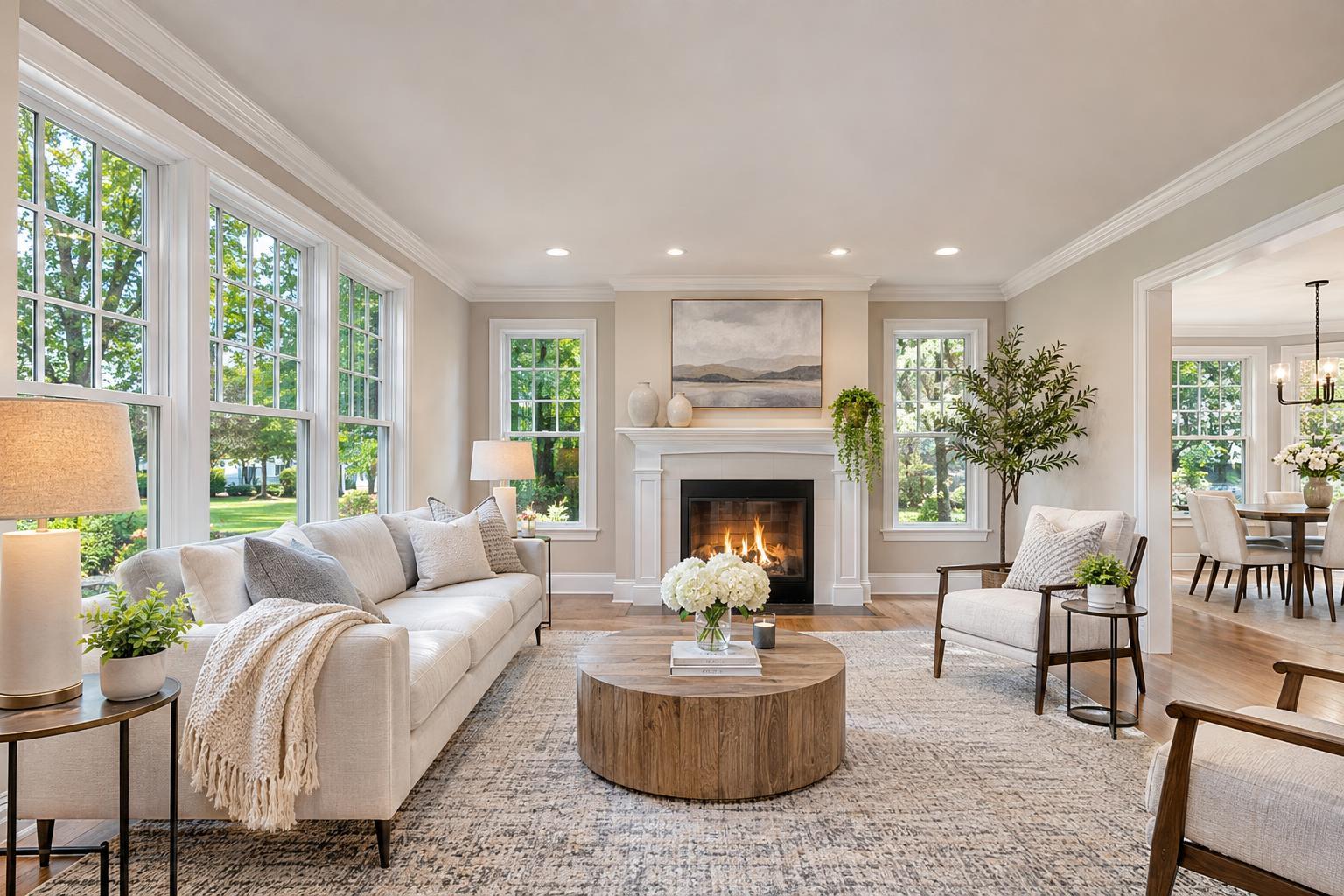
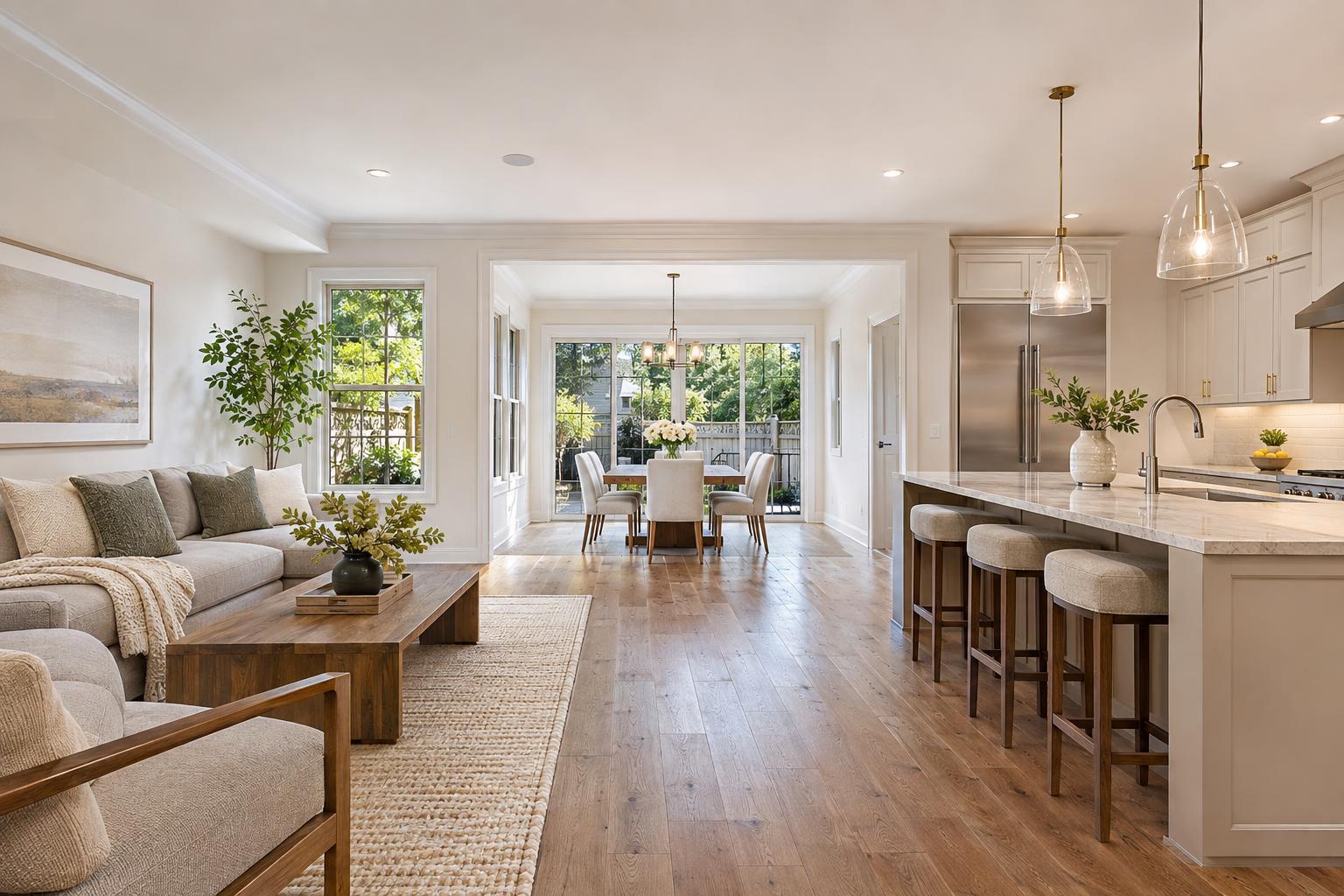
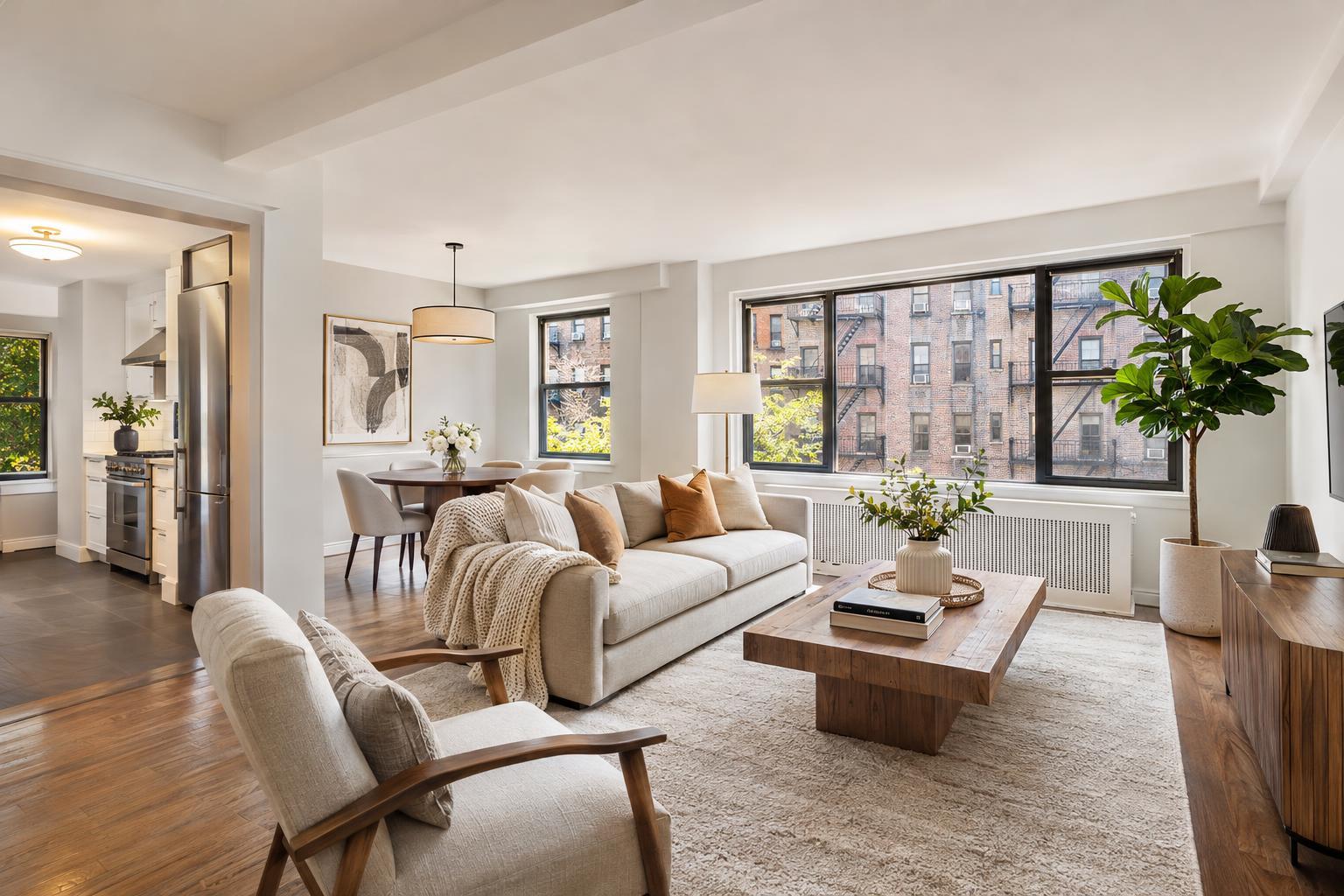
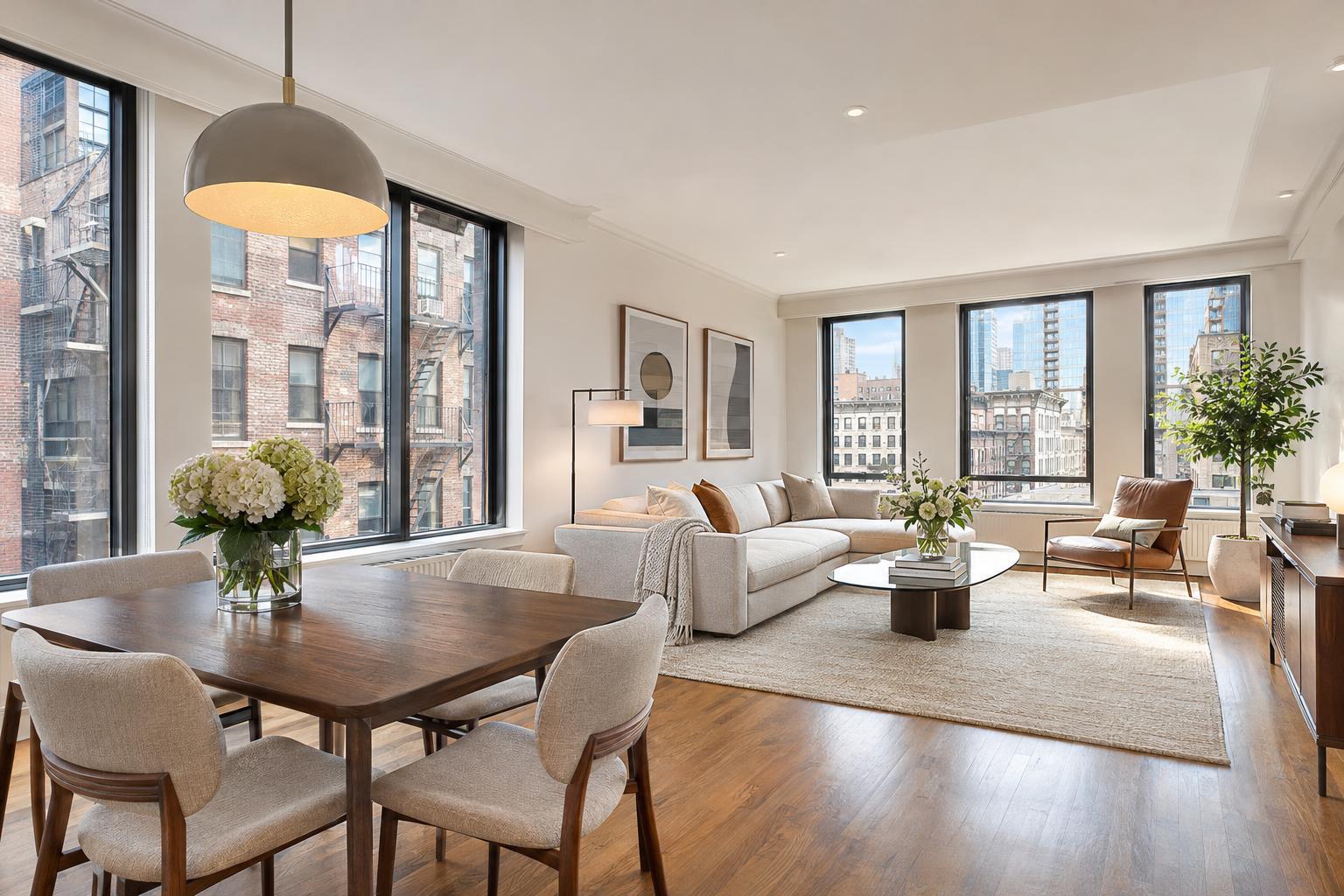
A bright and spacious modern living area showcases stunning real estate photography NYC with large windows offering city views and elegant interior design.
How to Choose Real Estate Photography in NYC for Your Next Listing
Real estate photography in NYC does more than simply show a property—it shapes a viewer’s first impression, communicates details that words cannot, and, most importantly, helps clarify what makes one space different from another in a saturated, varied marketplace. On platforms where a buyer might be scrolling through a compact Manhattan studio, a spacious Brooklyn brownstone, and a detached home in Queens all within minutes, photos serve as both invitation and filter. But not all real estate photography is equally useful, especially in a city known for its architectural diversity and logistical complexities.
Here’s how to approach hiring a real estate photographer in New York City with confidence and perspective, rooted in what actually matters for NYC and New Jersey listings.
What Sets Practical Real Estate Photography Apart in NYC
Professional property photography in New York City isn’t just about making a listing look beautiful. It’s about presenting a home accurately, so a viewer’s expectations match what they’ll experience when they arrive in person. Dramatic portfolio shots are easy to find, but the best real estate photographer in NYC will demonstrate practical skill—showing true room proportions, consistent lighting, straight lines, and thoughtful editing throughout the gallery.
Why Portfolio Highlights Aren’t Enough
A few exceptional images might be enticing, but a full listing gallery tells the real story. Ask for links to completed shoots from similar property types, not just the best-edited hero shots. Evaluate how the work holds up when capturing the everyday spaces—bedrooms, bathrooms, hallways, kitchens, even storage. Consistency across the entire set is a reliable indicator of professionalism.
Common Issues to Watch For
- Unnatural room proportions: Overly wide angles can make rooms look far larger than reality. A professional photographer conveys the actual feel of a tight NYC space while still making it inviting.
- Blown-out or artificial-looking windows: Balancing bright exteriors and darker interiors is critical, particularly where views are a selling point.
- Slanted architectural lines: Crooked walls and distorted thresholds can undermine confidence in the listing, whether it’s a pre-war co-op or a sleek new condo.
- Inconsistent editing: If a property gallery feels patched together, with colors, brightness, and style changing from photo to photo, it can confuse and distract viewers.
Nuances of NYC and New Jersey Properties
Property media decisions in NYC and New Jersey are shaped not just by aesthetic preferences, but by real logistics and local context.
Manhattan Apartments: Clarity in Compact Spaces
Space is at a premium in Manhattan. Real estate photography for these apartments often has to work around tight rooms, mixed lighting, limited shooting angles, and strict access windows enforced by co-op or condo rules. Key priorities usually include:
- Showcasing living areas, kitchen, bedroom, and main bath
- Highlighting built-ins, renovations, closets, and views where relevant
- Creating a clean sequence that helps buyers understand flow—even in just a dozen photos
Small design changes—like clearing counters, removing personal items, and hiding cords—can greatly affect how the space reads in photos.
Brooklyn Brownstones: Flow and Character
Brownstones often require a broader visual story. Buyers want to see how levels connect, appreciate original woodwork, and understand the home’s vertical layout. Photographs should capture transitions between parlor, garden, upper rooms, and outdoor space. In many cases, a video or floor plan provides valuable supplemental context for these more complex homes.
Suburban and Outer-Borough Homes: The Value of Context
Listings in Queens, Staten Island, or suburban New Jersey frequently have unique features—yards, garages, larger lots, and exterior structures—that are hard to convey with interiors alone. Aerial images, wider exterior sequences, or context shots can help buyers grasp how a property sits on its lot, where the driveway leads, or what’s visible from upper windows. Drone work can be a great fit, depending on FAA rules, weather, and airspace.
What to Ask Before Hiring Your Photographer
Choosing a real estate photographer in NYC (or NJ) is mostly about understanding how they handle the challenges that matter most. Here are practical questions to consider:
- Can you show finished galleries from homes similar to mine?
- How do you photograph rooms with both bright windows and dark corners?
- What steps do you recommend to prepare an occupied property?
- How do you capture a small room without distortion?
- What’s your approach to co-op, doorman, or building access issues?
- How many images make sense for a home of this size?
- How do you coordinate photo delivery and review?
- What’s your workflow around building notes, lockboxes, and special instructions?
Clear, methodical answers signal experience with the realities of New York and New Jersey listings.
Matching The Media Plan to The Listing
Not every property needs every kind of visual asset. The smartest strategy is to choose the coverage that clarifies the property’s value, not simply to check boxes.
- Photography alone is often enough for smaller or straightforward spaces—think well-renovated condos, single-bedroom apartments, or homes with a logical layout and clear flow.
- Floor plans become indispensable when the layout is complex, the home covers multiple levels, or buyers need help visualizing where rooms connect. Plans should always be based on on-site measurements; imported PDFs or old photos are not substitutes.
- Video is best suited to listings where movement is integral: a garden entrance, a second-level terrace, or a dramatic stairway. RealtaSnap captures video on-site, not as a slide-show from photos.
- 3D tours (like Matterport) serve remote buyers and make sense in larger, more intricate properties—these must also be captured in person.
- Drone/Aerial media can be game-changing for larger lots, waterfront properties, and homes where the setting is an essential part of the story. However, drone operations in NYC are highly regulated, so feasibility is confirmed per property.
How Preparation Changes Results
Even the most skilled real estate photographer can only capture what’s present at the property. Preparation matters, but doesn’t have to mean perfection. Focus on removing distractions:
- Clear kitchen and bathroom counters
- Put away trash cans, pet bowls, excess paperwork, and small appliances
- Replace burned bulbs and straighten linens, towels, and throw pillows
- Remove personal photos and valuables from visible areas
- Communicate shoot times clearly to anyone who needs to provide access
For vacant properties, virtual staging can be an efficient way to help buyers picture the space furnished. This service works best in empty, decluttered rooms, and existing furniture generally needs to be removed (physical or via a clutter-removal add-on) before digital staging.
RealtaSnap’s Approach for NYC and NJ
At RealtaSnap, we provide professional, listing-focused photography and related media for properties of all kinds—from compact Manhattan studios to multi-story homes in New Jersey. Our online booking process is built for real estate professionals: enter the address, specify entry instructions, select services and add-ons, pick your window, and confirm—all from one platform. Explore photography service options and supplement as needed with floor plans, video, 3D tours, or aerials when those assets contribute meaningful context for the listing.
Every property shoot is tailored around what physically exists, the specific logistics of the building or home, and your timeline for listing prep. For floor plans or 3D scans, on-site access is always required. Your photos will be delivered consistently edited and organized for immediate listing use.
For information about all RealtaSnap services or to book your next listing, visit www.RealtaSnap.com.
FAQ
Question: How many photos should I order for my NYC apartment listing?
Answer: It depends on your unit’s size, layout, and features. A simple studio or one-bedroom may only need 10–12 high-quality images to fully communicate the space, while a larger or unique property (with multiple bedrooms, amenities, or outdoor areas) might need 20–30. The aim is useful coverage, not redundant angles.
Question: Can a floor plan be made from my current listing photos or an old PDF?
Answer: No. Accurate floor plans require physical access and on-site capture to reflect the actual dimensions and layout. PDFs or older listing photos aren’t sufficient for creating a new or verified plan.
Question: What happens if my apartment or home is still occupied when the photographer arrives?
Answer: Preparation is key. Remove as much clutter as possible, tidy all surfaces, and make sure personal items and valuables are out of view. If you’re ordering virtual staging, ensure the room is empty or at least decluttered so the staging can be applied correctly. Clear, early communication helps the shoot go smoothly.