How to Choose a Real Estate Photographer for Your Next Listing
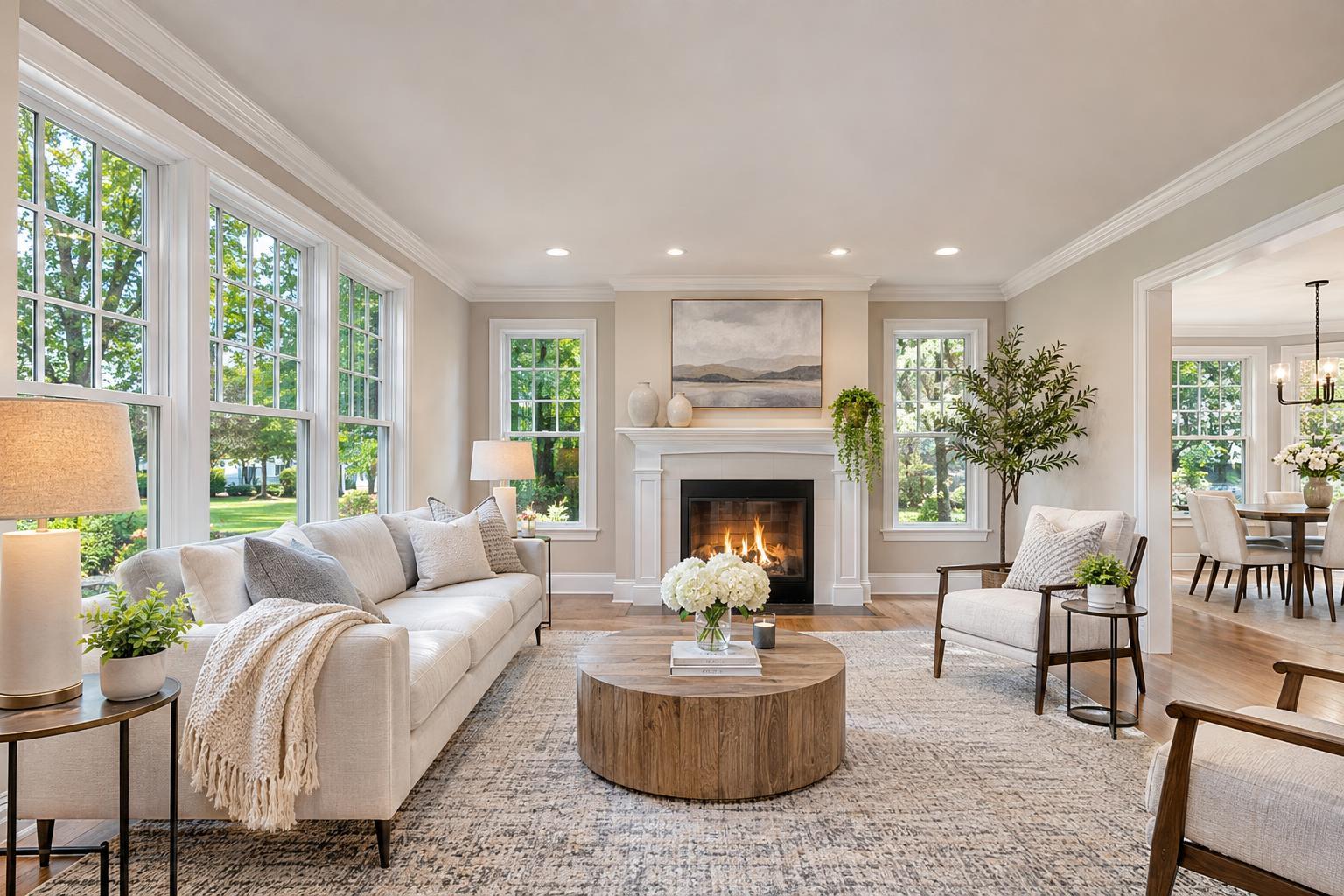
Captured by the real estate photographer, this elegant living room features a cozy fireplace, large windows, and tasteful decor with a view into a dining area.
How to Choose a Real Estate Photographer for Your Next Listing
A real estate photographer plays a critical role in shaping how properties are understood online, far beyond simply making spaces look appealing. For agents, managers, and owners navigating the New York City and New Jersey markets, selecting the right media partner isn’t just a matter of flipping through a portfolio. The actual challenge is finding a provider who translates physical properties into honest, credible visuals that serve the listing’s real business needs.
There’s a difference between an attractive photo and an effective presentation. The first might catch someone’s eye. The second helps set reliable expectations about a property’s size, layout, light, and flow—which matters just as much when an agent or buyer is comparing options, booking a tour, or making an offer.
What Property Type Are You Really Marketing?
Professional real estate photography services are not one-size-fits-all. While nearly every photographer can show off a few standout images, most listings require specific experience based on the property’s quirks, constraints, and highlights.
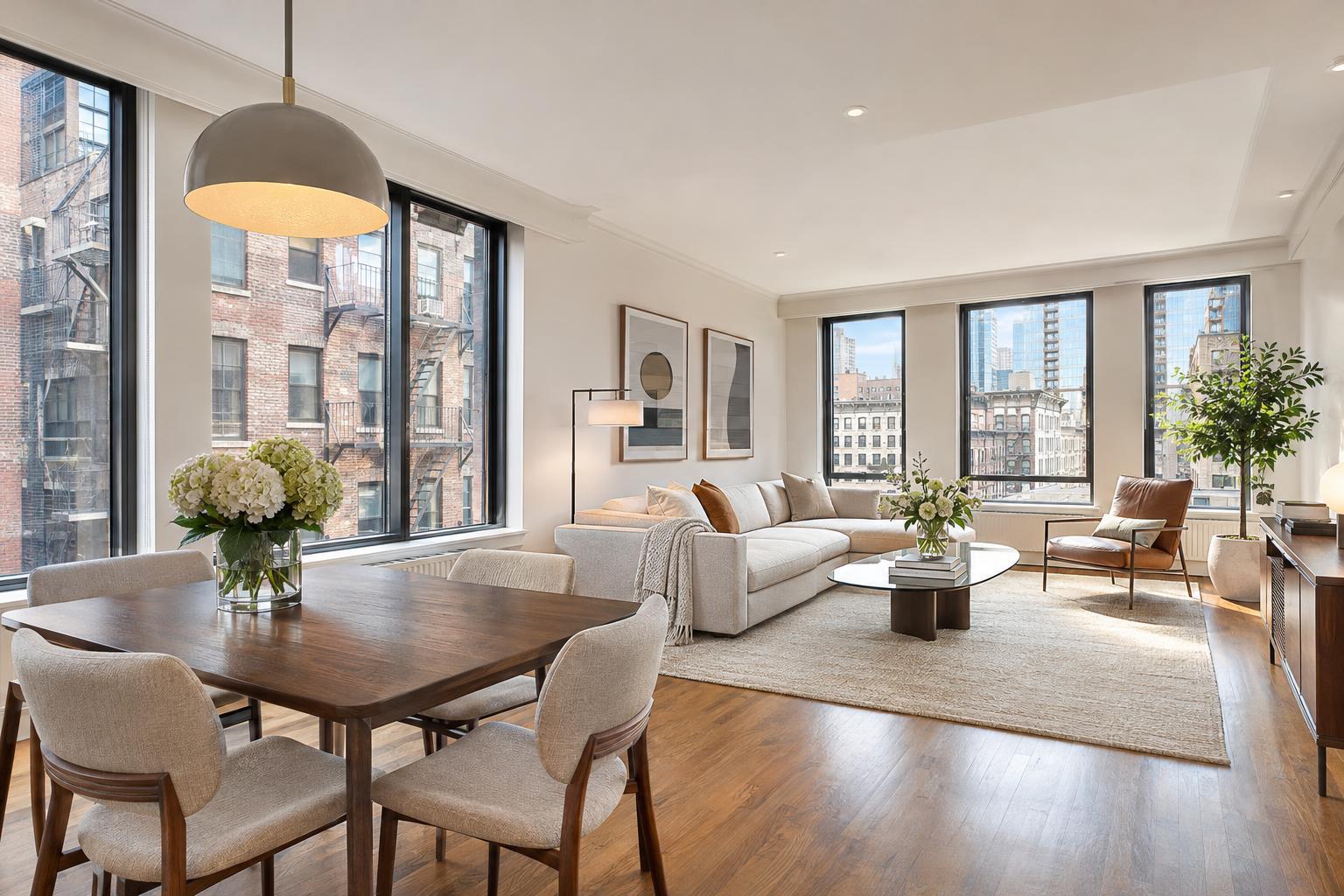
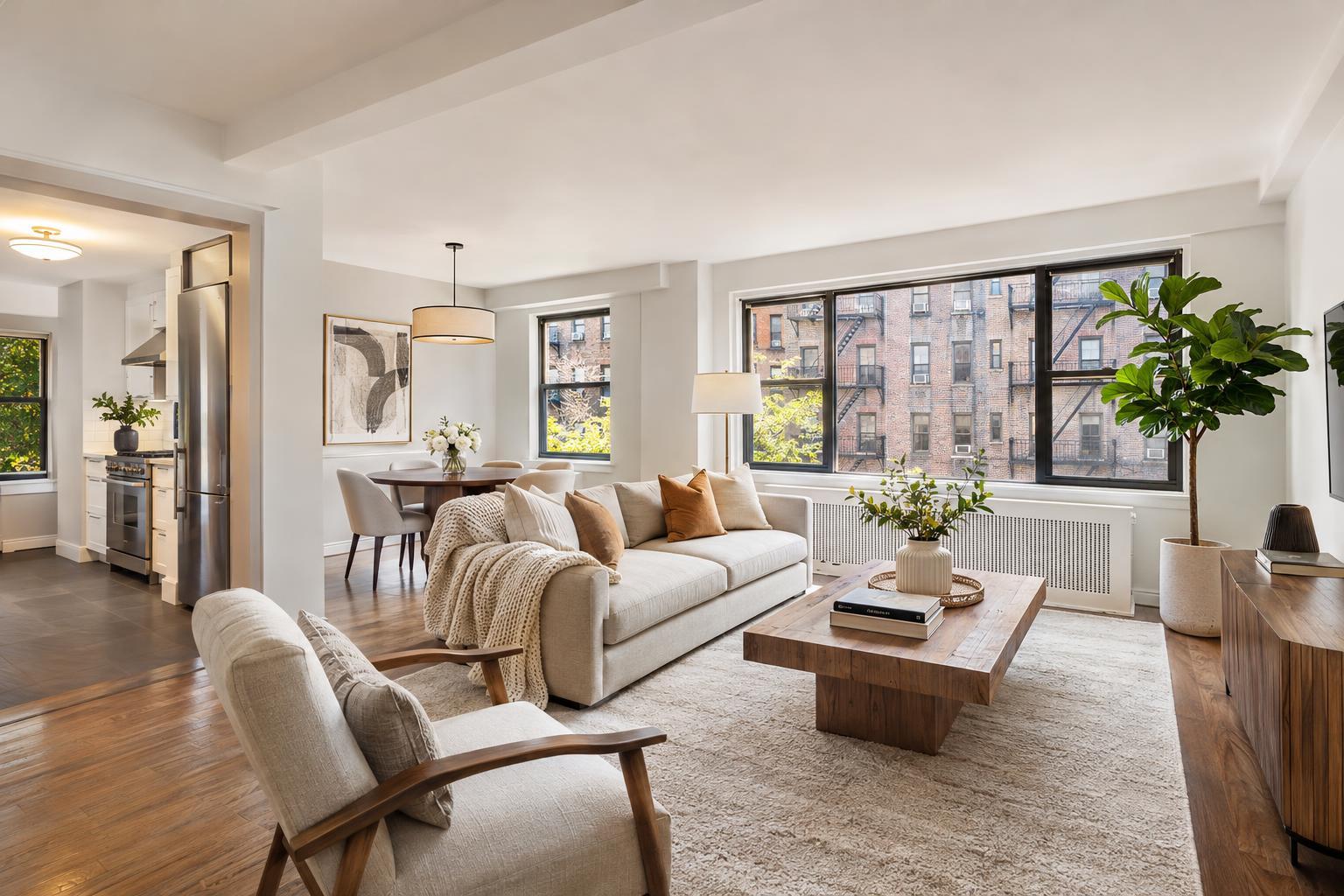
- NYC apartments: City listings come with some of the most challenging conditions—compact layouts, tight bedrooms, and lighting that moves from dazzling to dim within a few feet. The photographer should be comfortable working within small footprints, representing window exposures accurately, and using composition to make rooms feel clear rather than simply bigger. For pre-war units or studios, exact proportions are especially important: wide-angle tricks might look good online, but can disappoint at showings.
- Brooklyn brownstones and townhouses: Multiple levels, original woodwork, intricate staircases, and garden access add visual interest but require a photographer who synchronizes flow. Good coverage establishes how spaces relate across floors, how daylight changes, and how historic elements contribute to the home’s feel as a continuous whole.
- Jersey City and Hoboken condos: Many condos rely on maximizing limited square footage, featuring shared amenities, or showcasing skyline views from private balconies. Here, capturing context is critical—images might need to go beyond the unit and include entryways, elevators, rooftop decks, or floor plans for clarity.
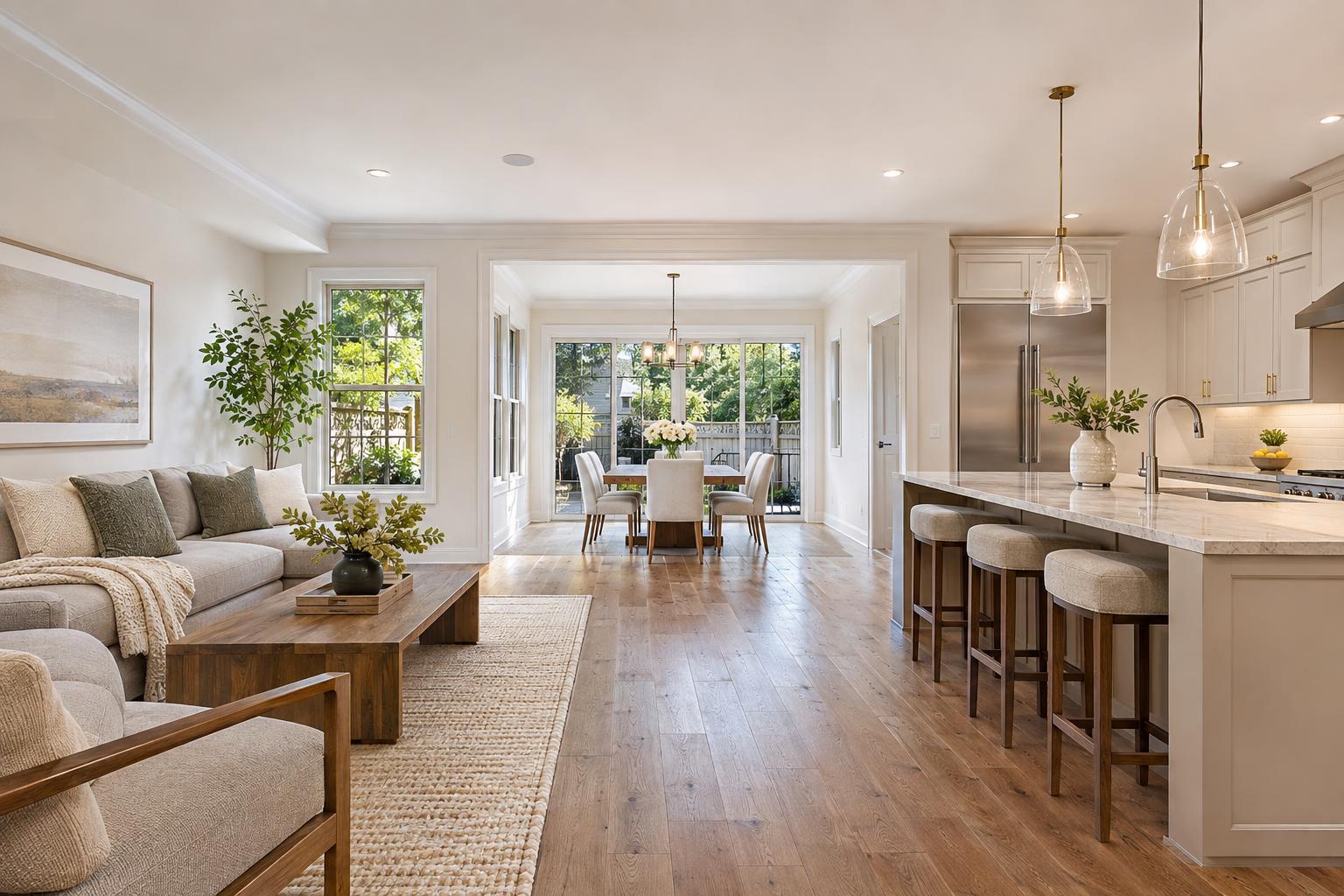
- Suburban New Jersey homes: Larger homes, yards, and outbuildings increase the need for coverage without redundancy. Instead of overshooting, an experienced property photographer delivers a tight, navigable gallery that hits the right scenes and features without repetition.
The best way to evaluate a real estate photographer’s fit? Ask to see full galleries—not just a highlight reel from the last newly renovated kitchen.
What Distinguishes Reliable Real Estate Photography?
Not every image tells the story a listing actually needs. When examining a photographer’s sample work, look beyond dramatic views and magazine-ready spaces. The real measure is how they handle ordinary, lived-in, or technically difficult areas.
Some practical qualities to review:
- Composition and visual sequencing: Each photo should clearly contribute to a sense of the home’s layout. Logical progression from the exterior to entry, then through major rooms and out to any outdoor areas, allows viewers to form a mental map.
- Vertical lines and geometry: Architectural lines should generally remain vertical. Slanted cabinets, window frames, or leaning walls make listings feel rushed or misleading. Professional editing should always include perspective correction, especially in urban settings.
- Balanced brightness and windows: Exposure balance between interiors and windows is a technical indicator of skill. When a space is either too washed out or heavy with digital shadow correction, viewers might suspect the photos are less than accurate.
- Accurate proportions: Lenses and vantage points should make rooms understandable, not confusing. Overly wide or tall perspectives can make a broom closet look like a master suite, which won’t build trust when prospects visit in person.
A property photographer’s consistency matters more than a few well-chosen portfolio shots. Anyone can cherry-pick their favorites; the best providers give you good, usable coverage across all types of spaces.
Handling Properties That Are Occupied
Vacant homes aren’t always available. More often, real estate photographers are asked to work in occupied spaces—sometimes with children, pets, or ongoing daily routines, along with furniture, personal items, and everything else that comes from real-world living.
A professional will ask how much decluttering or staging is practical given the situation. Preparation checklists often include:
- Clearing kitchen and bathroom surfaces
- Removing visible trash, laundry, pet items, and extra cables
- Opening window treatments where privacy permits
- Ensuring beds are made and cushions straightened
- Putting away personal photos or highly sensitive possessions
- Defining which rooms or areas should be out of frame
Advance communication takes stress out of these sessions. When property access, occupant schedules, or building protocols could affect timing, clear preparation and honest expectations help prevent surprises.
Evaluating the Photography Process
Before choosing a real estate photographer or media provider, it’s smart to get a sense of how their process will impact your workflow. Photography is never just about the day of the shoot; it’s about everything leading up to and following the appointment.
Questions worth asking include:
- Can they share galleries from properties of similar type or size?
- How do they typically handle challenging layouts or lighting?
- What’s included in the standard rate or package?
- What are the expected turnaround times for images and other add-ons?
- How will files be delivered and organized?
- Is licensing for use on listing platforms or in marketing materials clear?
- Are they comfortable coordinating with building staff, owners, or property managers?
- What’s the plan for bad-weather days, especially for exterior or drone work?
- Can you add floor plans, video, 3D tours, or other services if the property requires?
Agreeing on practical details at the outset saves time and avoids confusion—not just about delivery timelines, but also about building access, special features, or additional coverage that might need to be scheduled separately.
When Is Photography Enough—and When Is It Not?
For many listings, clear and honest photographs are sufficient. That’s often true for straightforward apartments or single-family homes where each room is self-explanatory. However, properties with unconventional layouts, multiple floors, or exterior features may require additional media for a complete presentation.
Adding Value with Floor Plans
If room-to-room relationships, flow, or layout can’t be captured through stills alone, a measured floor plan provides essential clarity. For complex apartments, multi-story townhouses, or combination units, an on-site floor plan—never just a redraw from old documents—can help agents answer questions before buyers have to ask.
Leveraging Video and Virtual Tours
Videos bring a sense of motion and pacing. They’re useful for showing how spaces connect or how light changes from room to room—especially effective for townhomes, larger houses, or apartments with remarkable transitions between interior and outdoor areas. True walkthrough videos always require on-site capture; slideshows made from stills can’t substitute for this experience.
Virtual tours, typically delivered as interactive 3D models, are helpful for remote or relocation buyers, or any property with a particularly nuanced layout. These require physical access and scanning, and are best used when photos and video alone can’t communicate the property clearly.
Considering Aerial or Drone Media
Drone photography and video add exterior context where it’s meaningful—such as with homes on larger plots, waterfront properties, or listings with prominent outdoor features. Not every NYC or dense-suburban property is right for drone work; airspace, weather, access, and safety (as well as pilot discretion and FAA rules) determine feasibility on a case-by-case basis.
Matching Media to the Listing’s Strategy
Instead of ordering every service out of habit, choose the media that corresponds with what buyers or renters genuinely need to know. For example:
- A Manhattan studio might need crisp interior images and a floor plan.
- A Brooklyn brownstone benefits from stills, a detailed floor plan, and perhaps a short video tour to trace room-to-room flow.
- A Jersey City condo with a compelling view deserves photography that manages window exposure along with images of key amenities.
- A larger New Jersey home with land or a pool might add drone coverage if flight is practical.
Choosing the right bundle avoids overwhelming viewers with redundant or irrelevant images.
A Local Media Team for NYC and New Jersey Listings
RealtaSnap specializes in real estate photography and complementary media services throughout New York City and New Jersey. Whether you’re looking for classic photography, video, floor plans, virtual tours, or drone imagery (where available), you’ll find options for almost any property type—from compact urban apartments to sprawling suburban homes.
We believe a clear preparation process, good communication, and actual understanding of local property types can make the whole experience easier, not just for agents but for property owners and residents too.
To compare media options, view examples, or schedule a session, visit www.RealtaSnap.com. Our online scheduling makes it simple to select your services, enter your property address, and choose a time that works for your listing.
Choosing a real estate photographer is about making your property easy to understand and worth seeing in person. Take the time to review full galleries, ask practical questions, and match your media selection with your listing’s true needs.
FAQ
Question: How far ahead should I schedule my real estate photography appointment?
Answer: It’s best to book in advance when possible, especially if you need coordinated access with a building, owner, or tenant, or if your listing requires extras like floor plans, video, or drone work. Advance booking increases the chances you’ll get the preferred date and allows more time for property prep.
Question: Is pricing the main consideration when hiring a real estate photographer?
Answer: Pricing is important, but a low rate doesn’t guarantee helpful coverage or usable images. What matters most is whether the provider can deliver consistent quality, manage rooms of all sizes, balance exposures, and communicate effectively about delivery, licensing, or special situations.
Question: Can I request virtual staging for rooms that already have furniture or clutter?
Answer: Virtual staging is designed for empty rooms. If rooms are furnished or have clutter, you’ll either need to clear them physically or arrange for clutter-removal editing first. This ensures any virtual furnishings appear realistic and don’t overlap with existing items.
For scheduling or more details, visit www.RealtaSnap.com.