How to Choose a Commercial Real Estate Photography Service
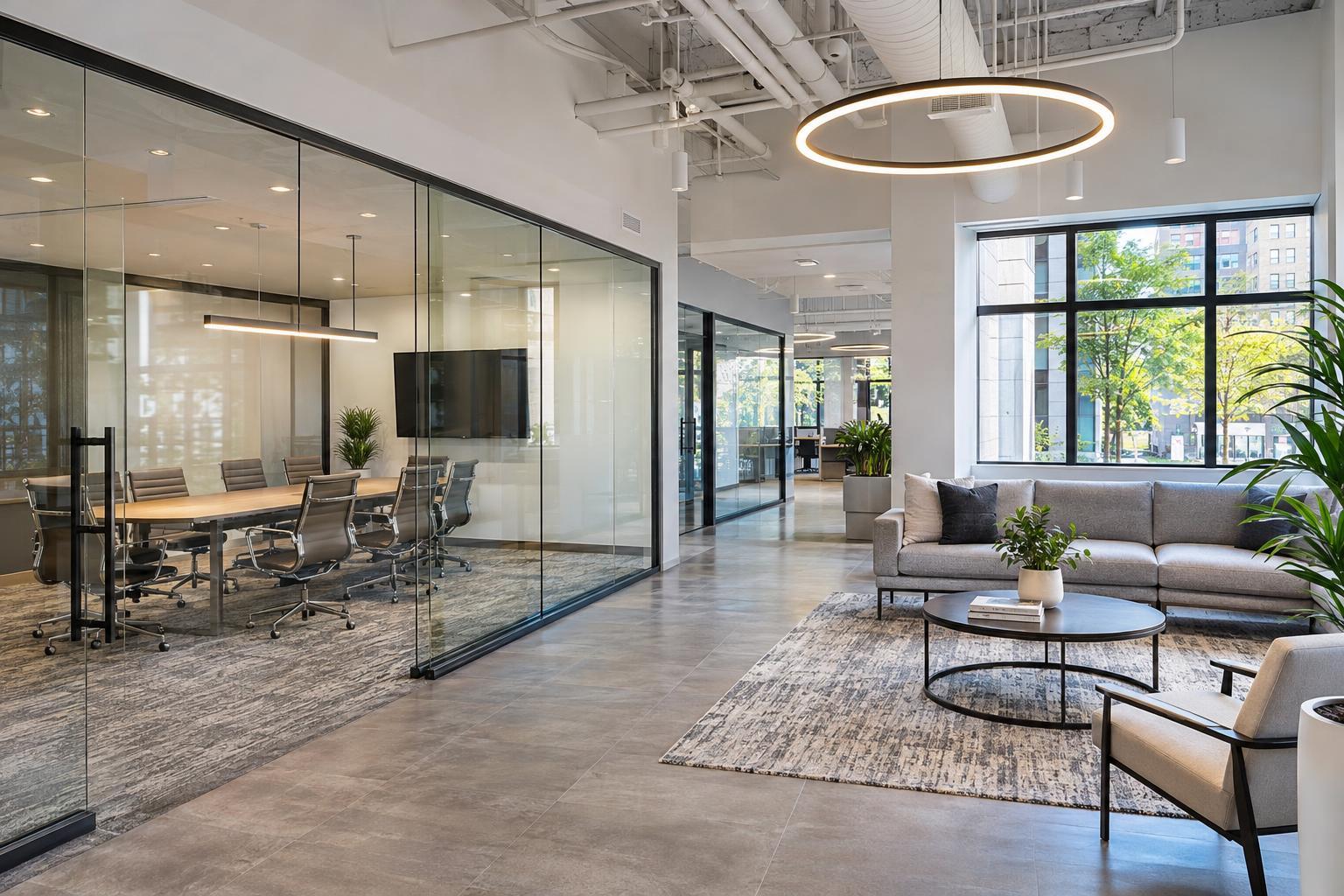
A modern commercial office space features a stylish conference room with glass walls, comfortable lounge area, and ample natural light.
How to Choose a Commercial Real Estate Photography Service
Commercial real estate photography is one of the few investments that can shape a prospect’s first impression before they ever step on site. For brokers, property managers, and developers working in NYC, New Jersey, and active surrounding markets, the stakes are simple: capture the space clearly, highlight what matters for leasing or sales decisions, and provide accurate visual information—without misrepresenting the property or complicating day-to-day operations.
Below, we’ll walk through what actually goes into choosing a commercial property photography service, how the best teams approach various property types, and the practical things to consider before you book. Whether you’re listing an office suite in Manhattan, a retail storefront in Brooklyn, a warehouse in North Jersey, or a multi-use site, understanding these differences will help you get the results you actually need.
Clear Visuals, Not Just Attractive Photos
Quality commercial real estate photography is about more than wide images and polished edits. While eye-catching visuals can help attract attention, what actually helps buyers, tenants, or investors is the ability to understand the space—its layout, condition, features, and context—before they plan a visit.
Professional commercial property photography services build their process around these practical needs:
- Complete documentation of scale, layout, and room relationships—not just wide shots.
- Consistent presentation of architectural features, ceiling heights, finishes, and natural light.
- Clear coverage of amenities, entrances, lobbies, and exterior context.
- Careful planning for occupied spaces, building access, and staging—or decluttering—on the day of the shoot.
What works for a residential listing won’t always translate to a corporate suite, industrial flex space, active warehouse, or mixed-use development. Each of these property types calls for a distinct, audience-driven approach.
Establish the Property’s Marketing Objective
The most successful media projects start with a clear goal: what does the photography need to communicate? Most commercial properties are marketed to a defined audience—tenants, buyers, investors, or project stakeholders—with different priorities.
Before booking a shoot, clarify:
- Will the images be used for listings, brochures, email campaigns, offering memorandums, or property websites?
- Who needs to be persuaded: tenants, business owners, investment committees, or customers?
- Are there particular features or amenities—such as loading docks, conference rooms, storefront exposure, or nearby transit—that drive the transaction?
- Is the goal to cover a single suite, multiple floors, or an entire building or site?
- Does the marketing package require supporting visuals, such as video, floor plans, 3D tours, or aerial media?
It’s always best to share a targeted brief with your media provider. The more clearly you can define the marketing and operational context, the more efficiently the right images can be captured.
Matching Visual Coverage to Property Type
Offices
Available office suites often benefit from a combination of wide and focused images showing floorplates, conference rooms, kitchens, reception, and window lines. In dense NYC and Manhattan settings, access considerations—freight elevators, insurance paperwork, lobby hours, and occupied versus vacant conditions—can impact both timing and practical coverage.
If a space is occupied, decide beforehand whether desks and personal items will appear, and ensure sensitive information is out of view. Sometimes the most effective images are captured before or after the workday, when common areas are quietest.
Retail Storefronts
Retail and street-level commercial units need interior and exterior coverage, with emphasis on the relationship between the storefront and the street. Key shots may include:
- Storefront width, corner exposure, and signage zones
- Pedestrian flow and foot traffic context
- Entrance, main sales areas, and high-visibility display windows
When conditions allow, it can help to photograph facades early or late in the day, minimizing harsh light and heavy shadows on glass or signage.
Industrial / Warehouses
Warehouses and industrial properties require practical, unembellished coverage:
- Loading docks and overhead doors
- Warehouse volume and clear height
- Circulation routes, racking, staging, and access points
- Exterior parking and vehicle movement areas
Because these spaces may remain active during a shoot, a brief walk-through beforehand helps identify permanent features to document, high-traffic work areas, and any zones where photography is not permitted.
Mixed-Use and Multifamily
Mixed-use buildings require a balance: capture the overall property, commercial ground floors, and applicable residential or amenity spaces. In areas like Jersey City or Brooklyn, where properties combine retail with upper-level apartments or offices, be sure that the shoot plan covers all relevant sections—avoiding an image library that leans too heavily on one side.
Development Projects
For new construction or active renovations, consistency matters. Establishing standard vantage points allows for progress comparisons over time. Early sessions may focus on massing, context, and site access; later sessions document interiors, finishes, roofdecks, or amenities as they come online. When media will be used for both investor reports and public marketing, clarify the core priorities up front.
Assess the Approach, Not Just the Portfolio
Excellent image quality is only part of the process. In complex commercial assignments, communication, planning, and logistical experience are just as important as technical skill.
A strong commercial property photography provider will ask ahead:
- Which areas are included or off-limits during the session?
- What are the must-have views and features for this assignment?
- Who will provide building access and, if required, accompany the team?
- Are there schedule restrictions, renovation activity, or building rules that affect the shoot?
- Is there a preferred time for exteriors based on sunlight and street activity?
- Should privacy measures be followed for sensitive areas, documents, or technology?
This advance work cuts down on missed spaces and prevents misalignment between stakeholders, such as leasing agents and property managers.
It’s also wise to review property-type-specific samples, ensuring the provider is equally comfortable handling offices, retail, industrial, and large-scale exteriors.
When to Consider Video, Floor Plans, Virtual Tours, or Aerials
While photography forms the backbone of most commercial listings, some properties benefit from additional media to answer layout, flow, or context questions that still images alone can’t fully address.
- Video offers dynamic movement, capturing entry sequences, circulation, and spatial relationships in a way that static images cannot. For offices with unique layouts, retail suites that prioritize customer flow, or expansive industrial units, video can provide additional clarity.
- Floor Plans clarify spatial relationships, room dimensions, and suite configuration. They require on-site capture; floor plans cannot be created remotely from PDFs or previous photos, and each accessed space must be physically scanned at the time of the shoot.
- 3D Virtual Tours allow remote decision-makers to explore the property interactively. As with floor plans, physical on-site scanning is a must—these can’t be created from existing photos or plans.
- Aerial Media is helpful for large suburban sites, campuses, or high-rise exteriors, showing context, access, parking, or nearby developments. In dense Manhattan or North Jersey, drone feasibility depends on FAA rules, pilot discretion, weather, and local access—but when approved, it can add valued perspective.
For a breakdown of all available services, refer to RealtaSnap’s real estate media services.
Preparation for a Smooth Session
Good commercial media isn’t about making a property look artificially perfect—it’s about removing distractions that don’t belong in the marketing story. Before the appointment:
- Remove paperwork, boxes, and cleaning supplies
- Ensure lights work in showable areas
- Tidy common spaces, reception, and meeting rooms
- Take down temporary signs, unsightly cords, or obstacles where possible
- Clean visible glass, prominent surfaces, and windows
- Set window treatments and shades consistently
- Inform staff or tenants about photography timing
- Identify sensitive or restricted zones in advance
In busy spaces, it may be easier to schedule early or late sessions to avoid daily activity. Virtual staging is sometimes useful for empty rooms that require a furnished look, but this works best when the space is fully vacant or properly decluttered according to prep guidelines.
Practical Advice Before Booking Your Provider
When comparing commercial property photography services, focus on more than just the base rate:
- How is the coverage scoped for your type of space?
- Can you supply a shot list and instructions in advance?
- What prep or access does the team need; who handles entry and coordination?
- Are add-ons like video, 3D tour, drone, or virtual staging applicable to your property?
- What policies are in place for privacy or occupied spaces?
- How are weather or building restrictions managed for exterior or drone media?
- Is there a clear plan for image turnaround and approval process?
Providers should give realistic, direct answers based on your building’s specific circumstances, without overpromising or making unsupported claims. For an overview of the online scheduling and service process, visit RealtaSnap’s booking page.
Service Coverage for NYC and New Jersey
RealtaSnap works across NYC, Manhattan, Brooklyn, and throughout North Jersey, covering everything from office suites to retail, warehouses, mixed-use, and developments. To get started, describe your property, required visuals, access needs, and any must-have features. The booking platform allows selection of bundled services, appointment times, and detailed instructions.
Most importantly, the right commercial visuals don’t just “look nice”—they translate your space into a clear, market-ready opportunity for the next stakeholder. When you need reliable, professional media for an office, warehouse, storefront, or multi-use property, visit www.RealtaSnap.com to plan your next project.
FAQ
Question: What’s the best way to prep an occupied commercial space for photography?
Answer: Remove temporary items, secure confidential information, and tidy shared areas. Notify staff in advance and determine whether people should appear in the images or not. For sensitive workstations, clear desks and turn off screens where possible.
Question: Is drone photography always possible for commercial buildings in NYC or New Jersey?
Answer: Not always. Drone operations must comply with FAA rules, and pilots will evaluate local airspace, weather, access, and building logistics. Roof access helps but does not guarantee flight approval; every location is reviewed individually.
Question: Can I get a floor plan made from an old PDF or another agent’s photos?
Answer: No. Floor plans require on-site physical capture of the actual spaces that need to be shown. This ensures the result reflects the property as it currently exists, not just an older document or previous condition.