How to Choose an Architectural Photographer in NYC for Property Marketing
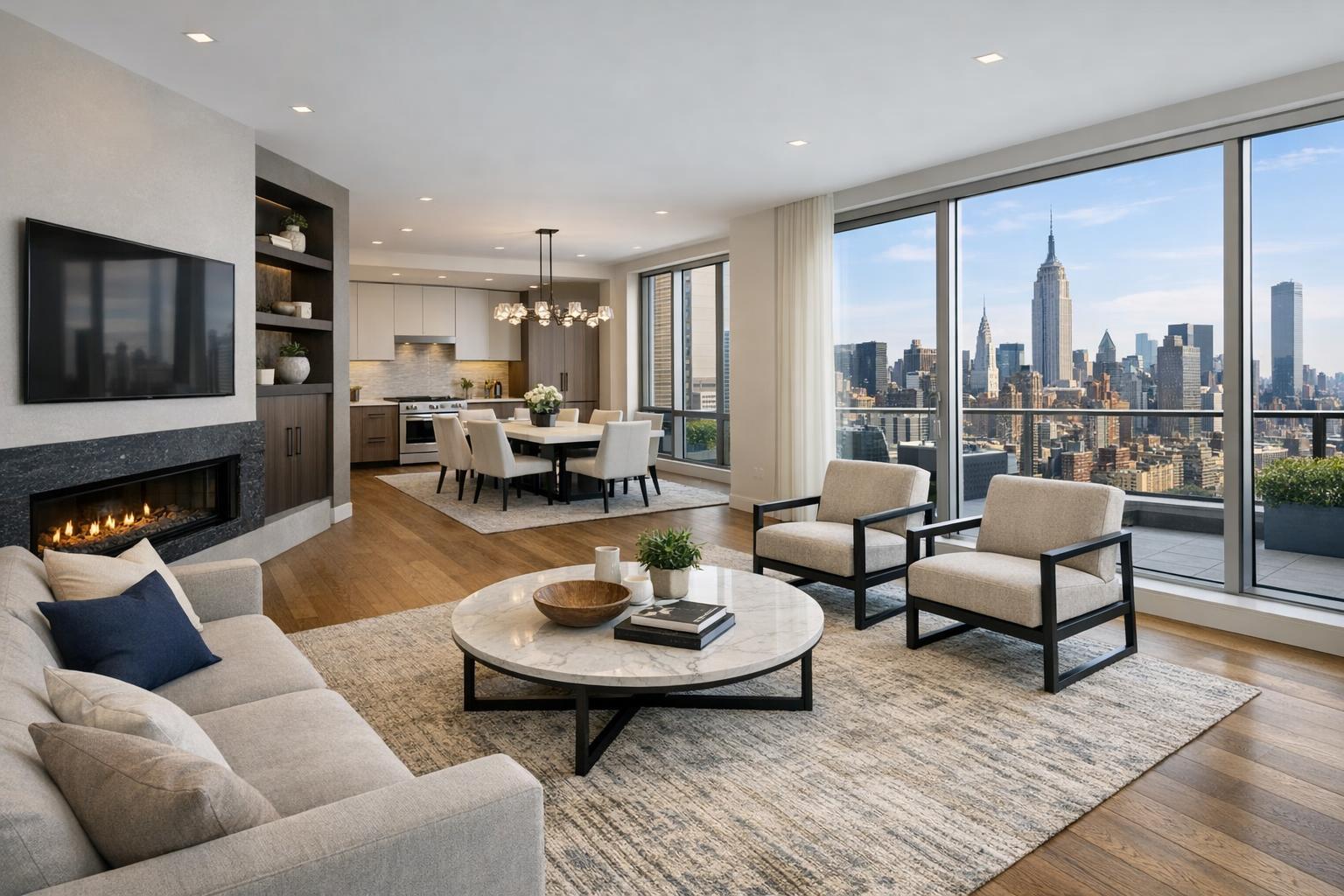
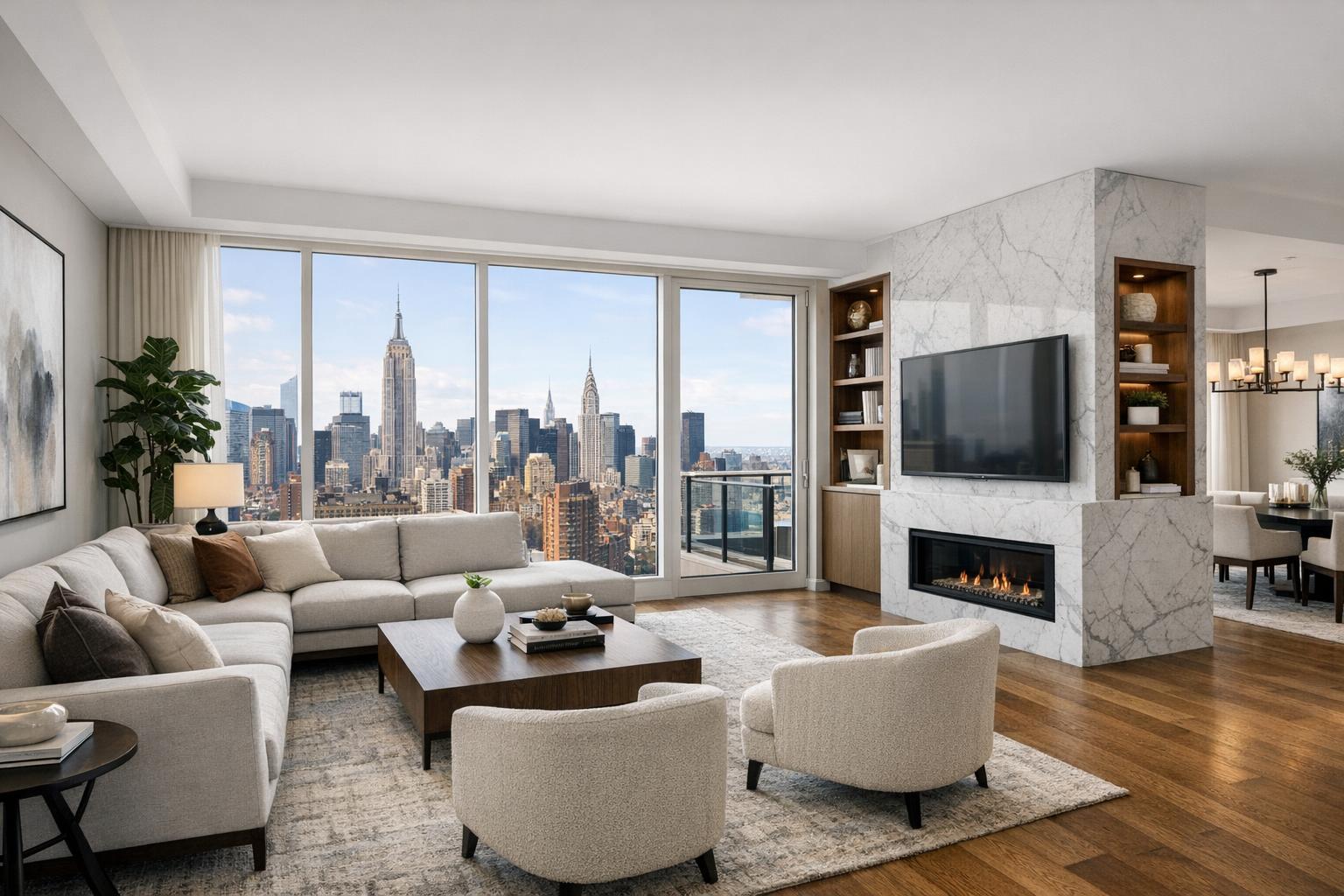
In a stunning depiction of modern luxury, an open-concept living room with a panoramic New York City skyline view showcases the work of an architectural photographer in NYC.
How to Choose an Architectural Photographer in NYC for Property Marketing
An architectural photographer in NYC plays a very different role from someone simply “taking pictures” of a property. In crowded and architecturally varied markets like New York City and northern New Jersey, the right photographer helps brokers, developers, architects, managers, and owners clarify how a space should be seen—capturing proportion, character, and intention. Choosing the right partner is about more than portfolio aesthetics; it’s about fitting the vision and use of each specific project.
Below, our team at RealtaSnap shares a practical, experience-first approach to choosing the right architectural photographer, with observations drawn from working with a wide range of properties across NYC, Brooklyn, and New Jersey.
Rethink the Question: What Do the Images Need to Accomplish?
Before you start reviewing portfolios or getting quotes, it pays to step back and ask: “What will these images communicate, and where will they appear?”
The answer informs every decision, from planning the shot list to coordinating access. Media for a residential listing, a leasing brochure, an architect’s site, or an investor pitch may overlap, but each comes with slightly different priorities.
- Is the audience buying, renting, endorsing, previewing, or analyzing the property?
- Will images serve only a listing, or also appear in press, websites, or branded marketing?
- Are you emphasizing residential lifestyle, commercial function, or architectural concept?
- Are amenity spaces, exteriors, or neighborhood context important to include?
Clear answers at the beginning reduce the risk of ending up with attractive images that don’t meet your actual marketing needs.
Architectural Photography vs. Listing Photography: Two Mindsets
Not all real estate photography is created equal. In NYC, this difference becomes even more pronounced:
- Routine listing photography is built for speed and scale. Its purpose is to check boxes for platforms like StreetEasy and Zillow: clean images, clear views of all rooms, and consistent quality. These are generally quick shoots focused on coverage and baseline appeal.
- Architectural photography for NYC properties is more invested in visual storytelling, careful composition, and controlling perspective. Here, straight vertical lines, balanced exposures, and sequences that communicate spatial flow all matter. You might see:
- Careful control of verticals (walls don’t tilt, windows stay true)
- Honest use of wide angles (without making rooms look implausibly large)
- Window views balanced so the skyline or courtyard reads clearly alongside the interior
- Composed transitions between major spaces to show movement and connection
- Close-up details (stone, wood, fixtures) supporting larger images
Not every space warrants a multi-hour, editorial-style shoot, but the core principle remains: match the care and craft to the value and purpose of the property.
Reviewing Portfolios: Look for Experience With Your Property Type
It’s easy to be drawn to “hero shots,” but look deeper for evidence that a photographer can handle spaces similar to yours—by layout, lighting, size, or operational condition.
- Manhattan condos/co-ops: Success here depends on disciplined composition—connecting compact spaces, showcasing exterior views without washing out the interior, and preserving original architectural detail in pre-war units.
- Brooklyn brownstones/townhomes: These homes are sequences, not sets. Pay attention to how portfolios handle vertical transitions, hallways, staircases, and blends of historic detail with modern renovation.
- New developments: It’s not just about the unit. Lobbies, amenities, corridors, and façade shots must be visually consistent, often viewed together in sales materials.
- Commercial, retail, hospitality: Offices, retail, and hotels pose unique challenges (active spaces, reflective surfaces, public access). Does the portfolio cover both vacant and operational scenes?
Ask to see full galleries, not just selected highlights, of similar property types.
How Shoot Planning Makes (or Breaks) the Result
A consistent result starts with clear communication and planning before anyone arrives at the property. This doesn’t mean every shoot needs an elaborate production call—often, a short, focused check-in goes a long way.
Useful details shared before the shoot include:
- Property address and access instructions
- Occupancy status (vacant, staged, in use, under construction)
- Specific areas to capture or avoid
- Time-sensitive features (sunlight on a terrace, lobby during quiet hours, retail with or without customers present)
- Any insurance or building requirements (common in NYC high-rises)
- The eventual use of the media (listing, print, web, etc.)
For multifamily buildings, the plan might include exterior, lobby, amenities, a model unit, and context shots. For single-family homes, it may focus more on sequential storytelling. Consistently, clear planning gets everyone on the same page and reduces last-minute issues.
Preparing the Space: What the Camera Really Sees
The camera will notice—and focus attention on—details that clients or tenants routinely overlook. Clutter, visible cords, trash bins, streaked windows, crowded counters: all become more obvious in a carefully composed image.
The level of preparation should fit the intended use:
- For a standard listing, decluttering visible surfaces and cleaning the main rooms may be sufficient.
- For high-end architectural photography or commercial real estate photography in NYC, additional attention to alignment, styling, bulb replacement, and window treatments pays off.
Practical steps often include:
- Removing temporary signs, cleaners, packages, bins, and visible wires
- Clearing and styling kitchen and bathroom surfaces
- Straightening all furniture, rugs, and window treatments
- Cleaning glass, mirrors, metal, and any reflective finishes
- Identifying off-limits rooms or private areas
- Coordinating with building management and staff if needed
For occupied listings, designate someone who can quickly approve moving items or arranging access during the session—this prevents wasted time and missed shots, especially in buildings with tight schedules.
Timing, Access, and Logistics: NYC Reality
Getting great real estate images is about more than skill with a camera. Especially in New York and northern New Jersey, building access, elevator locks, tenant schedules, light at certain times of day, and even weather can impact whether that perfect perspective is possible.
For example:
- South-facing apartments might look completely different in morning versus afternoon—scheduling accordingly can dramatically change the result.
- Drone photography for building exteriors is sometimes feasible, but depends on weather, airspace, rooftop access, and safety. Even in prime locations, it’s subject to pilot discretion and local rules.
- Amenity spaces and lobbies might require advance registration, insurance paperwork, or coordination with management. Factor this in early.
Early awareness of logistics saves time, frustration, and cost.
Editing and Visual Consistency: The Invisible Work
Editing is not “fixing it later”—it’s an essential part of the architectural photographer’s craft. Reviewers often focus on single images, but in practice, consistent color, light, and scale across a gallery is what makes marketing media feel believable.
Strong editing principles include:
- Preserving natural wall colors and window detail
- Keeping straight lines straight throughout every shot
- Handling screen reflections, glare, and small distractions judiciously
- Not “inventing” new features or changing layouts digitally
When needed, virtual staging can demonstrate how a vacant space might look furnished—just remember that clean, empty rooms photograph best for this.
If you want to review editing quality, always look at completed galleries of similar properties to yours, not just best-of selections.
Do You Need More Than Photos? When to Add Supporting Media
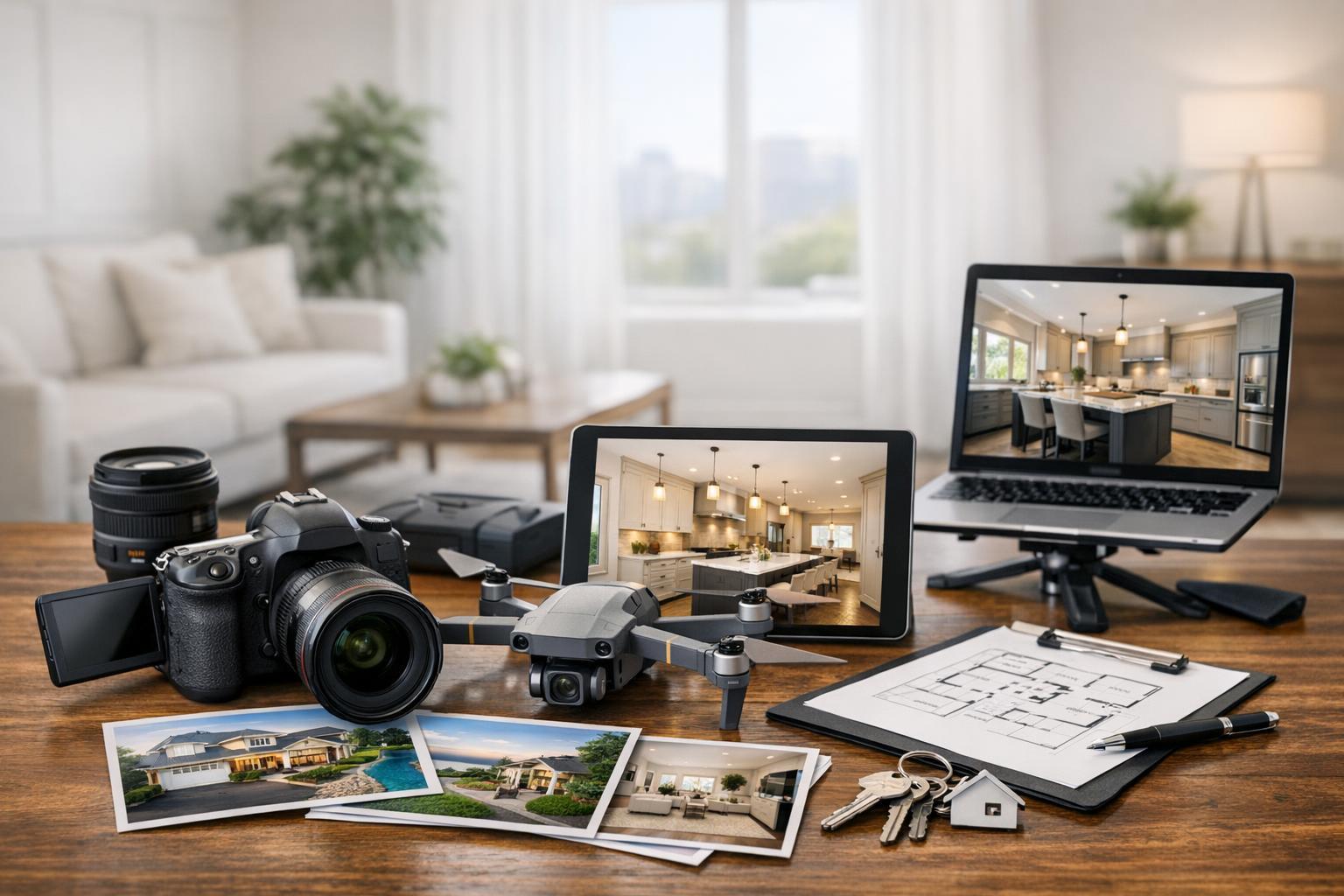
Photography is central to most property presentations, but sometimes supporting media—like floor plans, video, or 3D tours—enhances communication.
- Floor plans are especially helpful for remote buyers or tenants who need to understand spatial flow. These must be captured on-site for accuracy.
- 3D virtual tours allow viewers to explore interactively, but require careful on-site scanning.
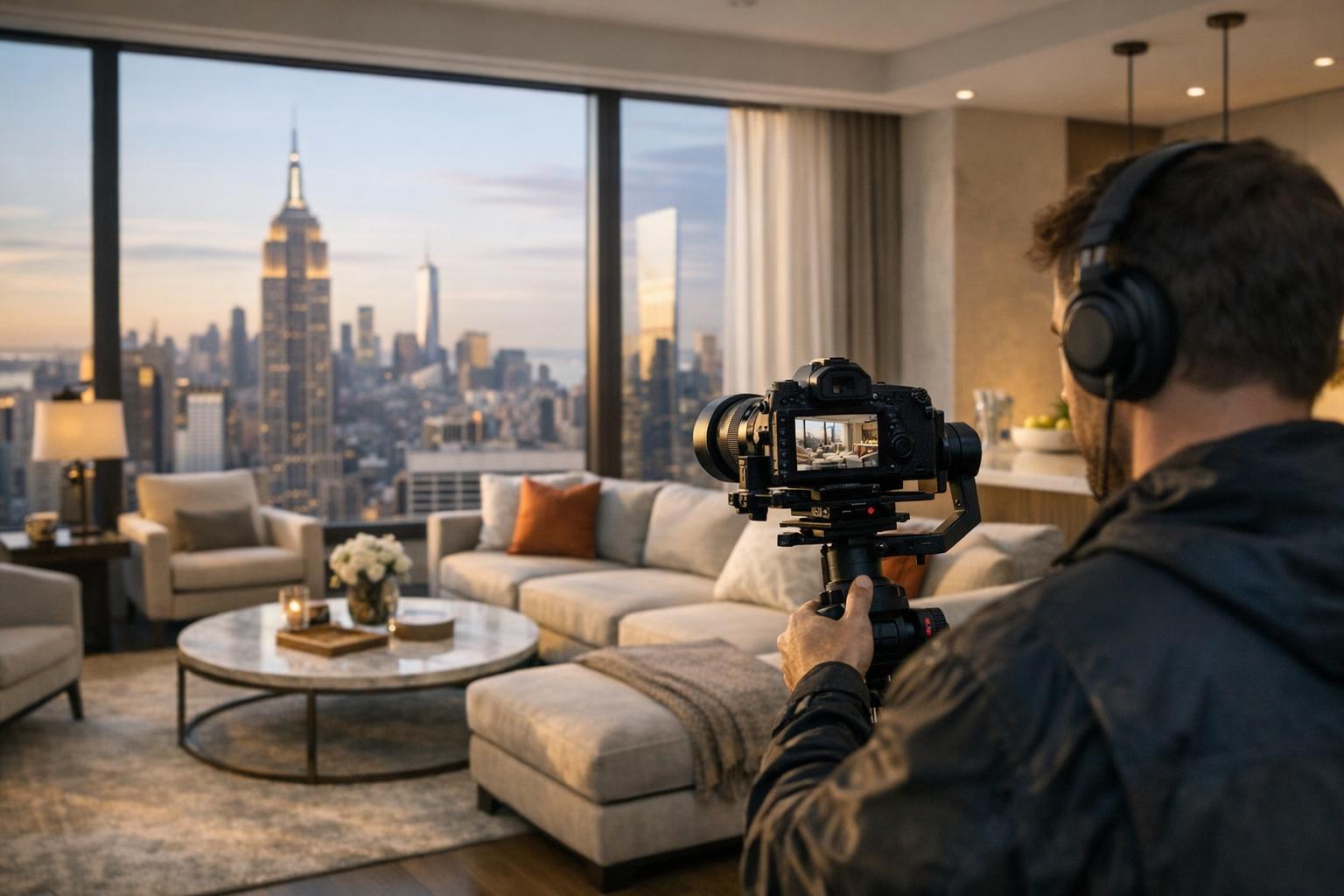
- Video brings out movement, lifestyle, or commercial activity, best planned and shot alongside principal photography.
At RealtaSnap, all of these services are available as needed, not bundled by default—see details.
Ask the Right Questions: Vetting an Architectural Photographer
To make sure you’re working with a pro who fits your goals:
- Can you show examples of full projects that resemble ours in style, size, or use?
- How do you approach challenging features—like reflective surfaces, window views, tight layouts, or occupied spaces?
- What do you need from us before the shoot?
- How does your planning process work?
- How do you ensure editing quality and consistency?
- What’s included in your standard deliverables, and what’s a paid add-on (e.g., virtual staging, advanced retouching, floor plans)?
- Which building, access, or scheduling details should we handle in advance?
If the answers are specific and property-focused, you’re likely talking with someone who really understands the process.
Fit Matters More Than Availability
Photographers aren’t interchangeable. The right architectural photographer is the one whose work matches your property type, whose planning process fits your schedule and building, and whose images reinforce the intended marketing story.
Thoughtful planning, clear communication, and preparation make as much difference as technical ability. If you’re ready to market a property, start early, set your goals, review portfolios carefully, coordinate access, and choose a partner who can help you present your space with precision and clarity.
For expert property photography, video, 3D tours, and floor plans delivered consistently and simply across NYC and New Jersey, visit www.RealtaSnap.com.
FAQ
Question: What’s the main difference between an architectural photographer and a typical real estate photographer?
Answer: An architectural photographer goes beyond showing rooms—they pay close attention to lines, proportions, materials, light, and the relationships between spaces. Listing photographers typically focus on fast, efficient coverage for platform-driven sales and rentals, which works well for some purposes. If your marketing or design goals depend on nuanced presentation, architectural photography is a better fit.
Question: How should we prepare an occupied property or commercial space for a photography session?
Answer: Start with thorough decluttering—remove temporary items, clean all reflective surfaces, and check that all lighting works. Communication is key: notify tenants, employees, or staff in advance and assign someone who can help move items or unlock spaces quickly during the session, especially for active offices, retail, or hospitality settings.
Question: Should we invest in floor plans or 3D tours in addition to professional photography?
Answer: Consider these add-ons when they help clarify the property for your audience—for example, when layout is complex or buyers are remote. Floor plans and 3D tours both require on-site capture for accuracy. Photography remains critical, but these tools can build confidence or interest when used strategically for the right property and audience.