How to Choose an Architectural Photographer in NYC for Property Marketing
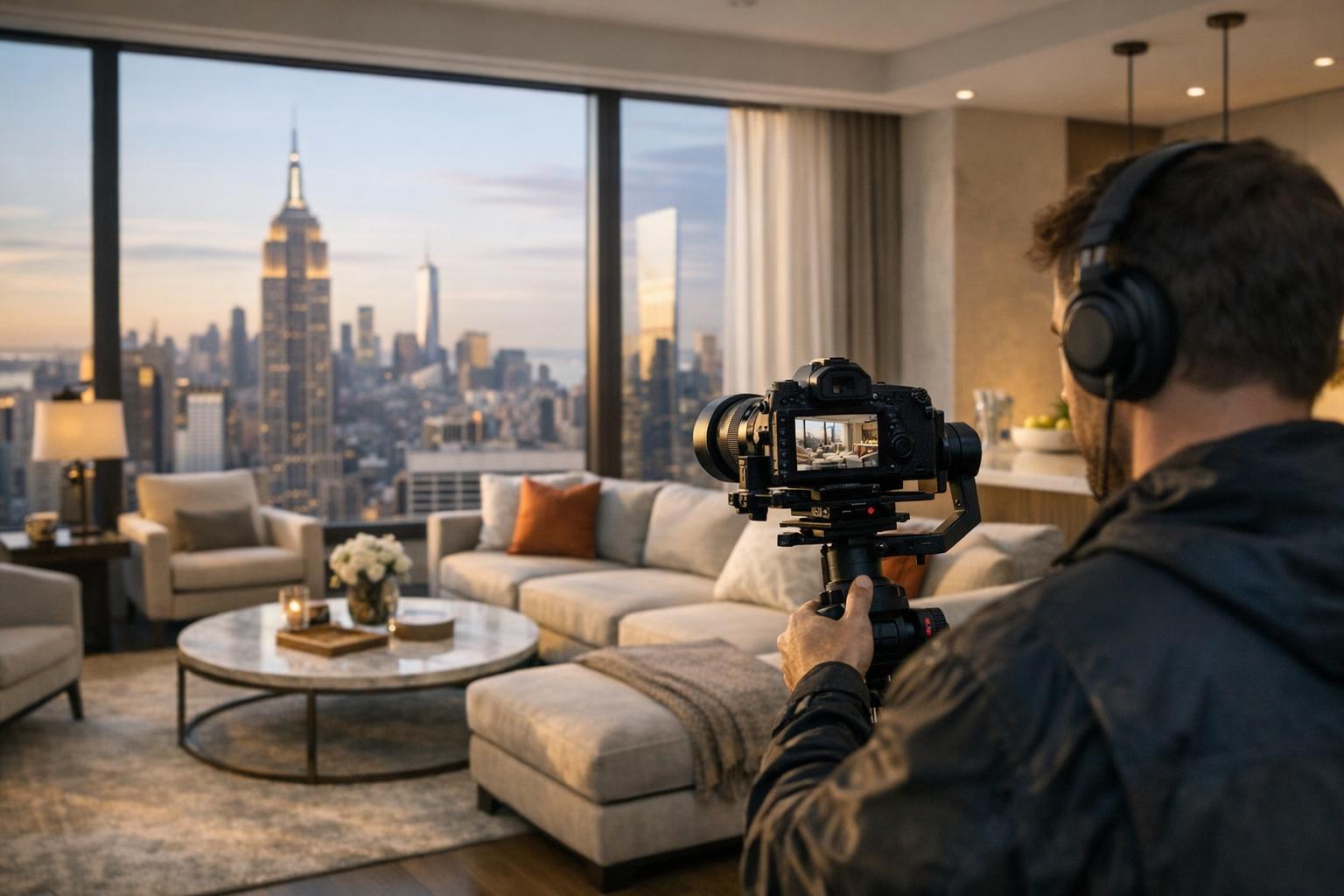
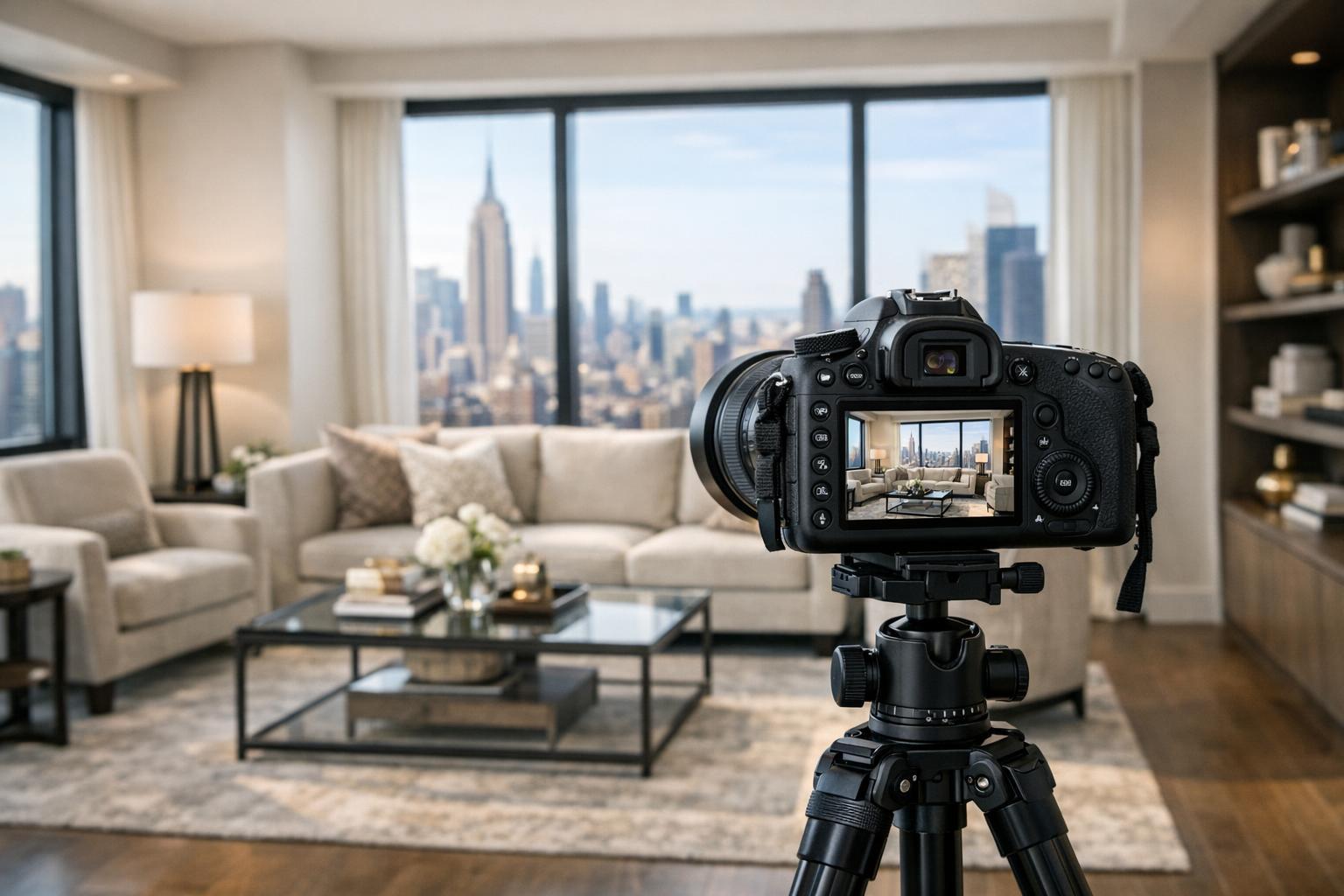
An architectural photographer in NYC captures a luxurious apartment interior with the iconic skyline visible through large windows, framed by a professional camera on a tripod.
How to Choose an Architectural Photographer in NYC for Property Marketing
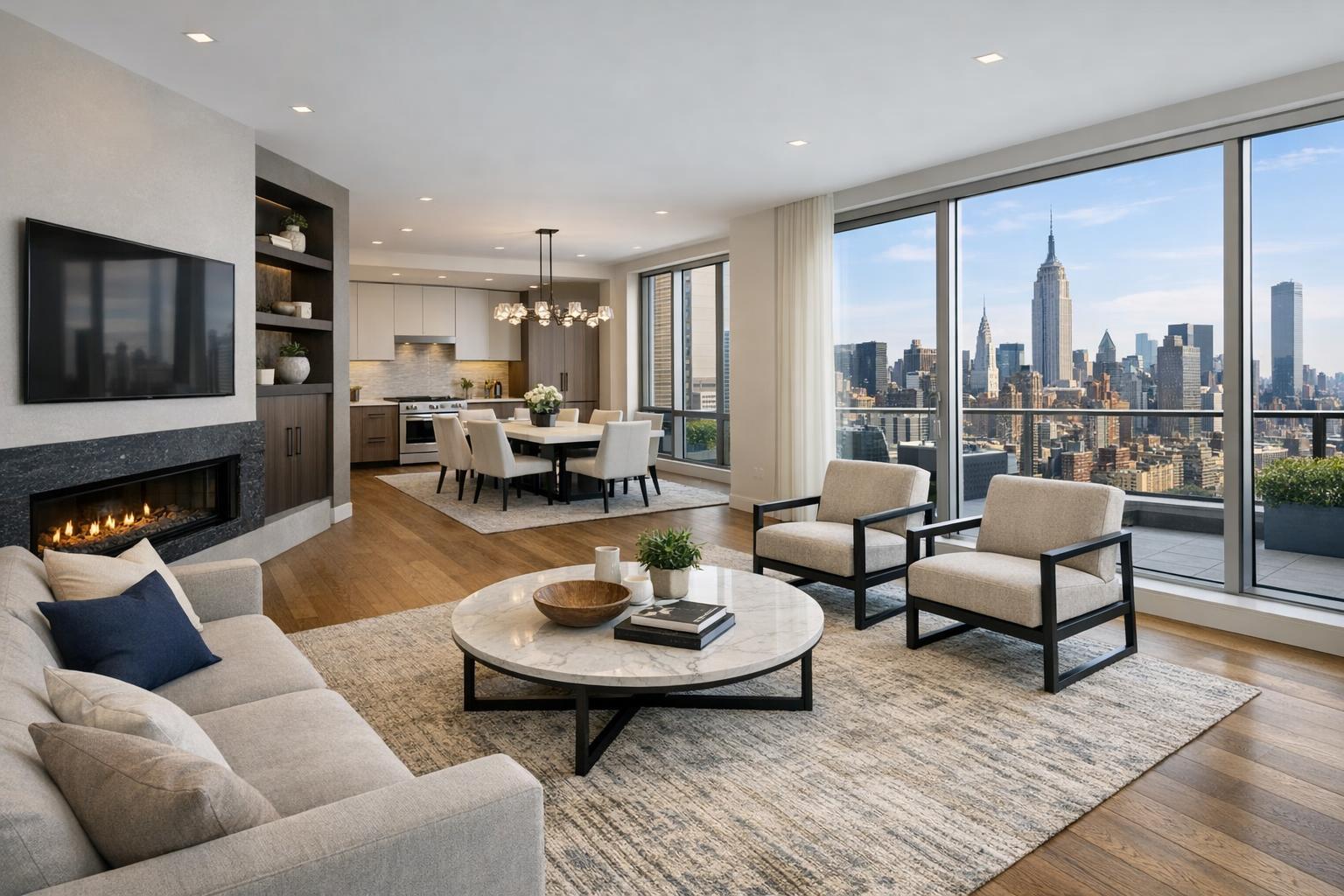
An architectural photographer in NYC holds a unique role in the real estate industry: making properties not just look appealing, but truly understandable to prospective buyers, tenants, or stakeholders. In a market where every angle and detail can influence a decision, the distinction between ordinary listing photography and architectural photography becomes sharply evident. If you’re a broker, developer, architect, property manager, or owner trying to select the right photographer for your next project, it helps to start with a few practical insights.
Architectural Photography: More Than Documentation
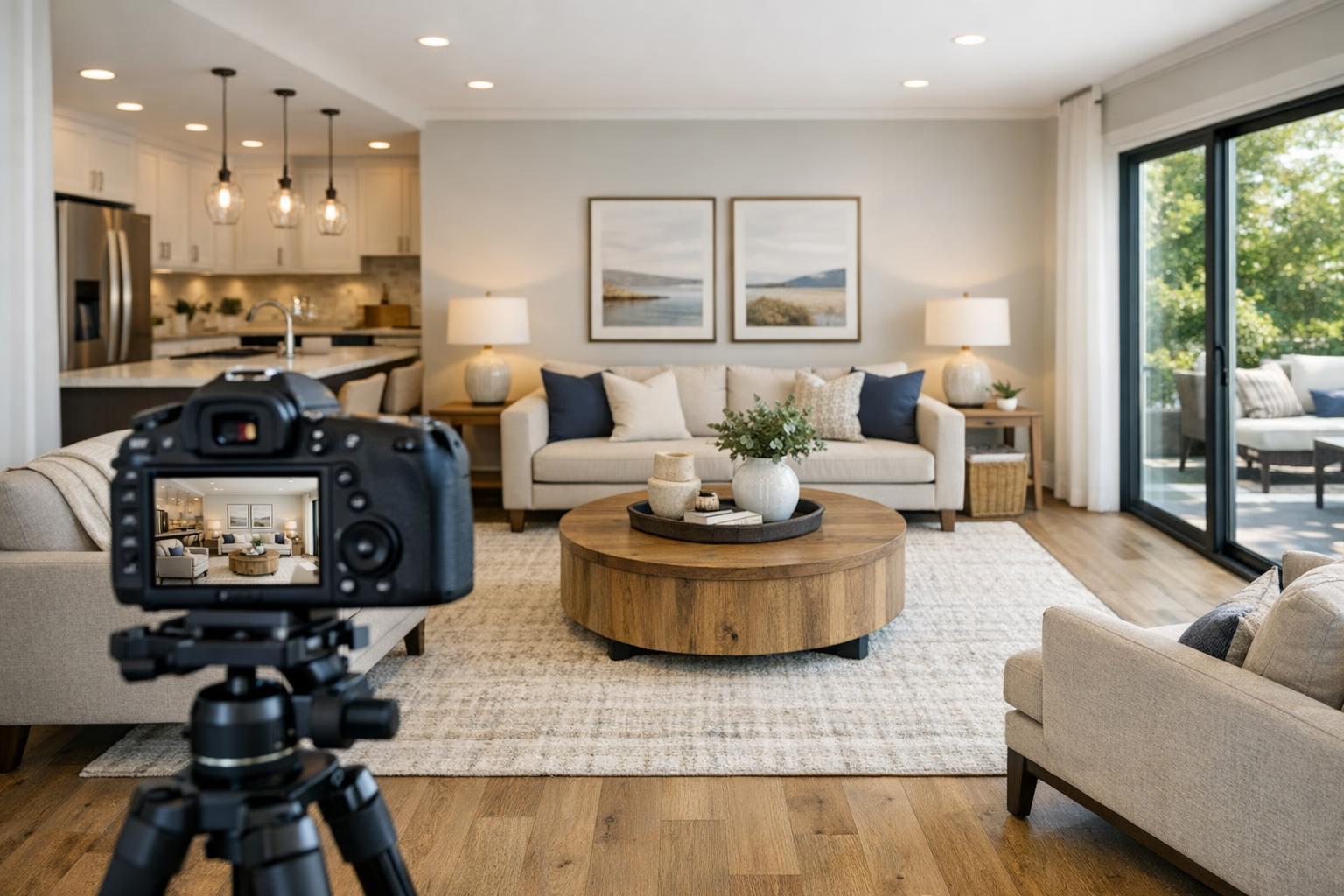
Architectural photography for NYC properties isn’t just about documenting spaces—it’s about intentional visual communication. While typical listing photos prioritize speed and a standard checklist of rooms, a professional architectural photographer adapts to the flow, spatial character, and design features unique to every property type.
A Brooklyn brownstone with original details, a Manhattan condo with expansive views, or a newly-built office with open collaboration zones each demand different priorities. A seasoned architectural photographer considers:
- Maintaining straight vertical lines and clean perspective, particularly in tight or detailed spaces
- Balancing window exposure with interior lighting to avoid blown-out views or dark corners
- Showing real room proportions without stretching the space artificially
- Creating visual order—so the layout makes sense at first glance
- Including detail shots that highlight finishes, craftsmanship, and design intent
- Keeping a coherent editing style so a gallery feels unified
Clear, well-composed architectural images help viewers quickly grasp what makes a property appealing and functional—without veering into distortion or over-editing.
Defining the End Use: Where Will Your Images Work?
Before you start shopping for photographers, take a moment to clarify your primary need. Are you launching a new listing, supporting a marketing campaign, updating a developer’s website, building an architect’s portfolio, or refreshing ongoing property management materials? Each scenario can affect both the shooting approach and the final image set.
Residential listings typically focus on layout, key views, and the subtle transitions between living spaces. Commercial real estate photography in NYC can mean anything from highlighting open-plan work areas to making sure amenities, façade elements, or circulation patterns are covered for office leasing packages, retail marketing, or hospitality brand materials.
Share these requirements with your photographer in advance. Simple decisions—like leaving space in a composition for web banners or print headlines, emphasizing a particular custom material detail, or prioritizing certain exterior angles—are easier to make before the shoot begins.
Evaluating Portfolios: Does the Photographer Suit Your Property?
A polished portfolio isn’t enough if it isn’t relevant. When you’re reviewing candidates:
- For residential work (condos, co-ops, brownstones), study how the photographer handles compact rooms, complex layouts, and signature architectural details. Do rooms feel open but honest in scale? Are moldings, staircases, or fireplaces respected in the composition?
- For commercial, retail, or hospitality spaces, check if the images help orient the viewer within the space and show its functional flow. Does the gallery demonstrate an understanding of things like storefront presence, natural lighting, ceiling heights, and how people might move or interact?
What you want is a sense that the photographer has worked with properties that resemble yours—not just visually attractive rooms, but full projects that tell a coherent story.
Questions Worth Asking a Photographer
Real-world experience comes through in how a photographer answers practical questions:
- How do you approach lighting and perspective correction, especially in rooms with challenging windows or tight spaces?
- Can you share full galleries—not just selected highlights—from projects similar to mine?
- What’s your process for capturing detail shots or amenity spaces?
- How will you tailor the shot plan to fit my specific property, audience, and marketing context?
A credible photographer should be specific and focused on your intended use. Good answers show a clear, workable plan—not generic promises.
Shot Planning: Matching Images to Real Space
No two properties need exactly the same shot list. A reliable architectural photographer should guide you through a shot plan that’s shaped around your unique space. For instance:
- A Manhattan condo might prioritize living/dining zones, kitchen layout, window exposures, bathroom finishes, and balcony views—possibly with amenity spaces or lobby areas if access is available.
- A Brooklyn brownstone may call for attention to original details, multi-floor layouts, parlor and garden connections, and façade shots.
- Commercial properties, by contrast, often need coverage showing arrival sequences, reception, work or retail areas, meeting rooms, and critical exterior views.
It’s generally wise to focus detail shots around permanent features that add value—millwork, stone, tile, custom lighting, or hardware—rather than transient furnishings.
Preparing for the Shoot: Access, Timing, and Site Readiness
In NYC and surrounding markets, logistical issues can be as important as the media itself. Key planning steps include:
- Confirming building access, elevator use, and loading rules ahead of time
- Making sure the property is cleaned, staged, and clear of non-essential items—this includes removing personal items in residences and temporary signage or boxes in commercial settings
- Checking lights, shades, and access to all the spaces on your shot list
- Scheduling around light conditions (for example, east-facing rooms usually look best in the morning)
- Deciding if residents, staff, or customers will appear in the images for active properties
In practice, the better a property is prepared, the more useable coverage you’ll receive. Photographers can only capture and enhance what’s physically present. If virtual staging is on your list, it’s best to start with empty or decluttered rooms.
Architectural Photography vs. Routine Listing Photography
It’s worth repeating: architectural photography is purpose-driven. While listing photography can document the major areas quickly for MLS platforms, architectural work calls for slower, more considered decisions about camera position, exposure blending, and showing the relationship between rooms and architectural features.
This is especially significant in markets like New York City, where space is at a premium and property types vary so widely. Photography for a pre-war co-op on the Upper West Side will differ substantially from photography for a modern, open-plan condo or a hospitality property in downtown Brooklyn.
Editing Consistency and Visual Standards
Strong architectural photography isn’t just about the hero shots—it’s about consistency across an entire project. This is particularly crucial for property managers, landlords, or developers presenting multiple units or amenity spaces. The entire gallery should be cohesive, with balanced color, natural light, and editing choices that respect how the property actually looks.
Ask to see complete project galleries rather than single images to get a feel for a photographer’s editing reliability.
When Additional Media Makes Sense
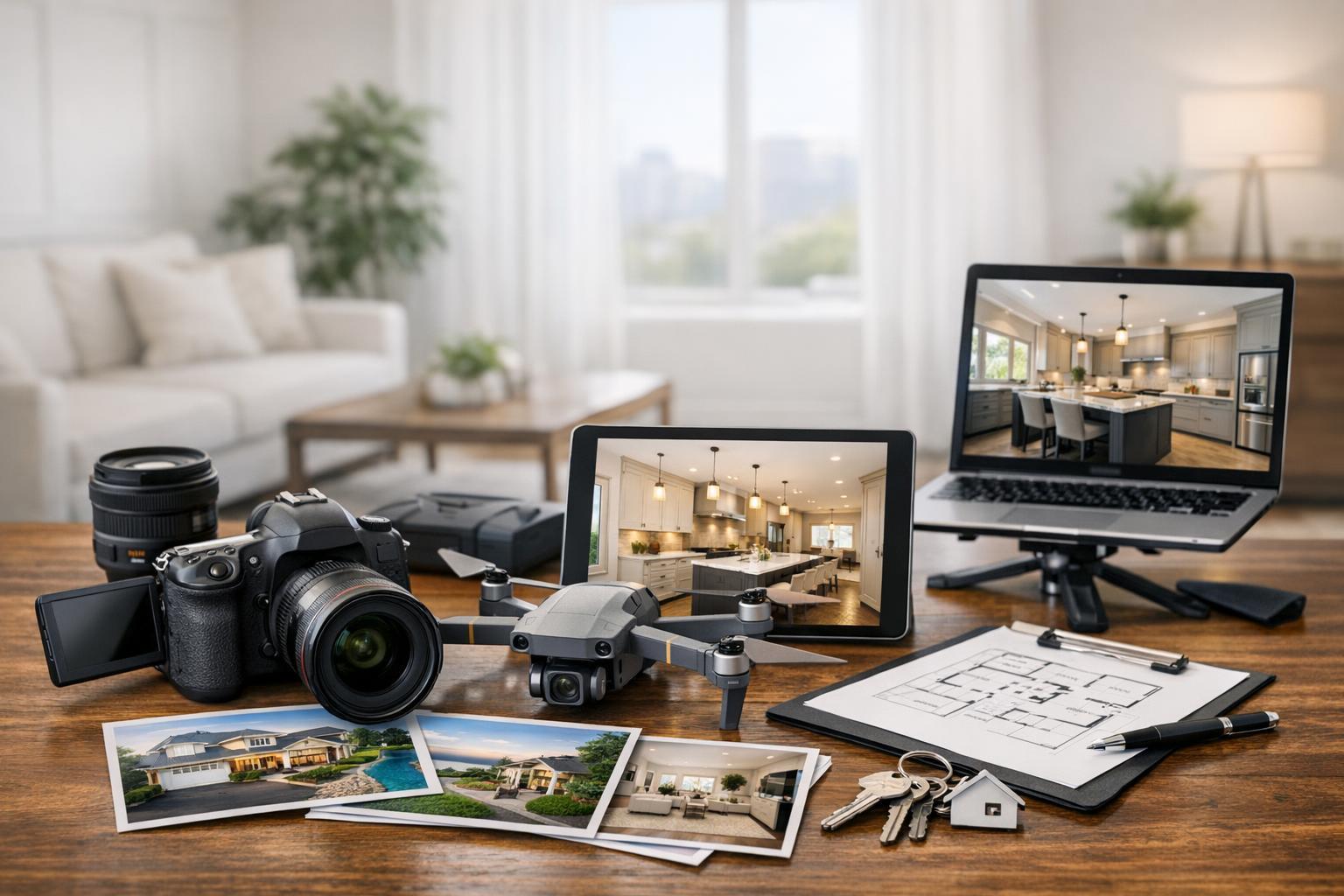
While architectural photos are the core tool for marketing most NYC and New Jersey properties, some situations benefit from supplemental media:
- Floor plans help viewers grasp room relationships and overall flow, especially in multi-level or unusually configured spaces. These require on-site capture.
- Video can convey a sense of movement, entry sequence, or narrative that photos can’t. As with stills, video is captured on site—not assembled from existing images.
- 3D virtual tours add value for remote viewers who want to explore interactively.
- Drone photos and video work well for exterior context—subject to flight feasibility, airspace, and weather.
Choose these add-ons based on genuine marketing needs rather than by default.
RealtaSnap: Clarity, Flexibility, and Professional Support
RealtaSnap provides professional real estate imaging in NYC, New Jersey, and select neighboring regions, serving both standard listings and custom project needs. Our process centers around clarity, accurate visual presentation, and making it easy for clients to select the right bundle of services—without forcing unnecessary upgrades.
Clients can schedule and book shoots directly online by entering a property address, choosing services, adding notes or instructions, and picking an available slot.
If your property calls for a specialized approach, it’s helpful to outline the space, intended media use, site conditions, and must-have shots in advance. We’re ready to help you determine an appropriate, property-specific plan that fits your goals.
For more about our approach or to book a session, visit www.RealtaSnap.com.
FAQ
Question: What sets an architectural photographer apart from a standard real estate listing photographer?
Answer: An architectural photographer takes a more intentional approach to composition, lighting, and editing, focusing on accurate proportions, details, and the relationship between spaces. Routine listing photography emphasizes speed and general documentation. Many property marketing projects gain from having aspects of both approaches, depending on their needs.
Question: How important is property preparation before an architectural shoot in NYC?
Answer: Preparation is crucial. Decluttering, cleaning surfaces, removing visible cords, and ensuring all lights and shades work makes a significant difference in the number and quality of usable images. Occupied properties may also require coordinating room access and scheduling with residents or staff to keep the day moving smoothly.
Question: Should I consider video, floor plans, or 3D tours alongside professional photography?
Answer: Supplementary media can be valuable, especially for larger, multi-level, or commercial properties where photo galleries alone may not convey everything. Floor plans, video, and tours are particularly useful when clarity about layout, flow, or context is important to your marketing goals. RealtaSnap can help you evaluate which additional services are genuinely helpful for your specific property.