How to Choose an Architectural Photographer in NYC for a Property Project
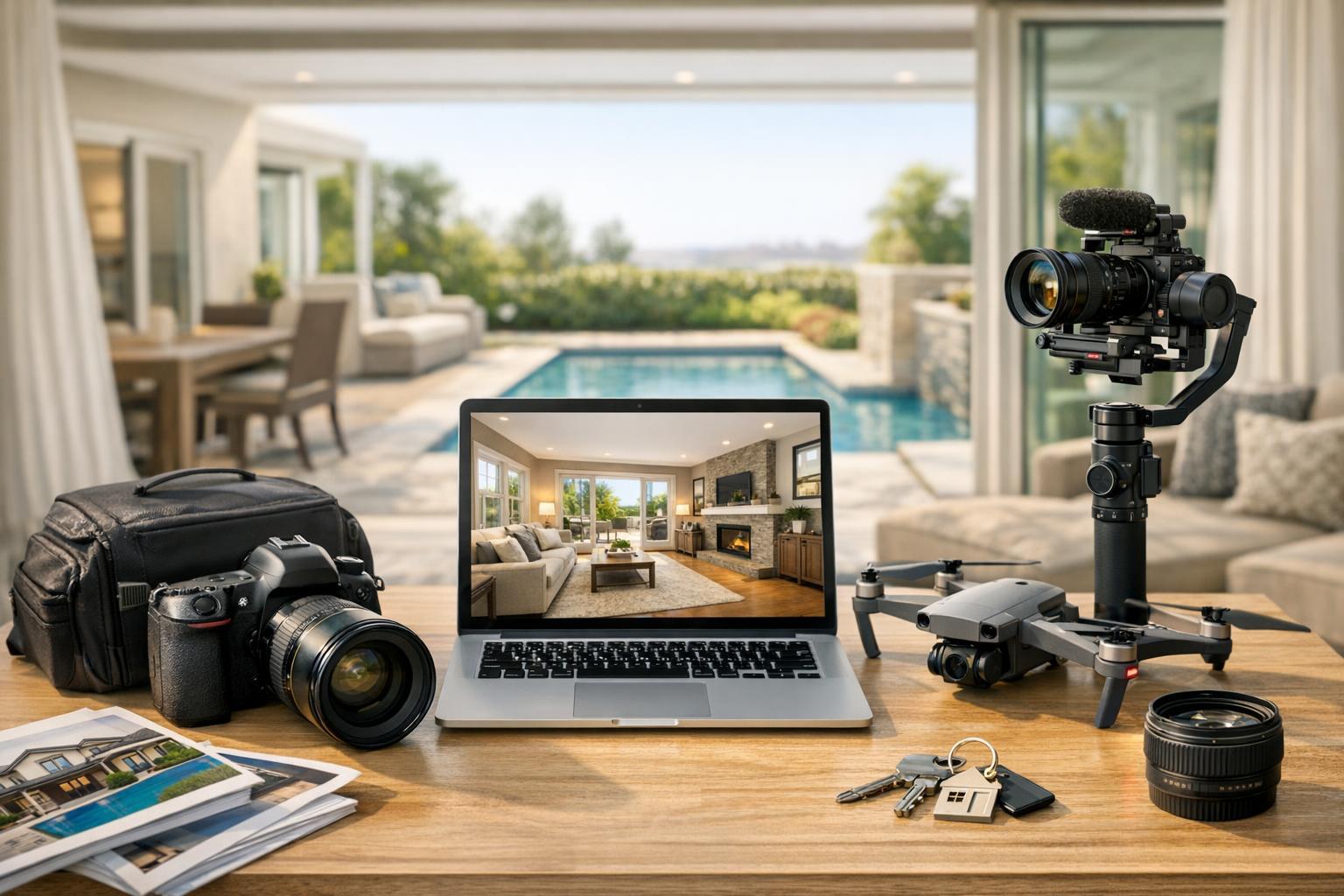
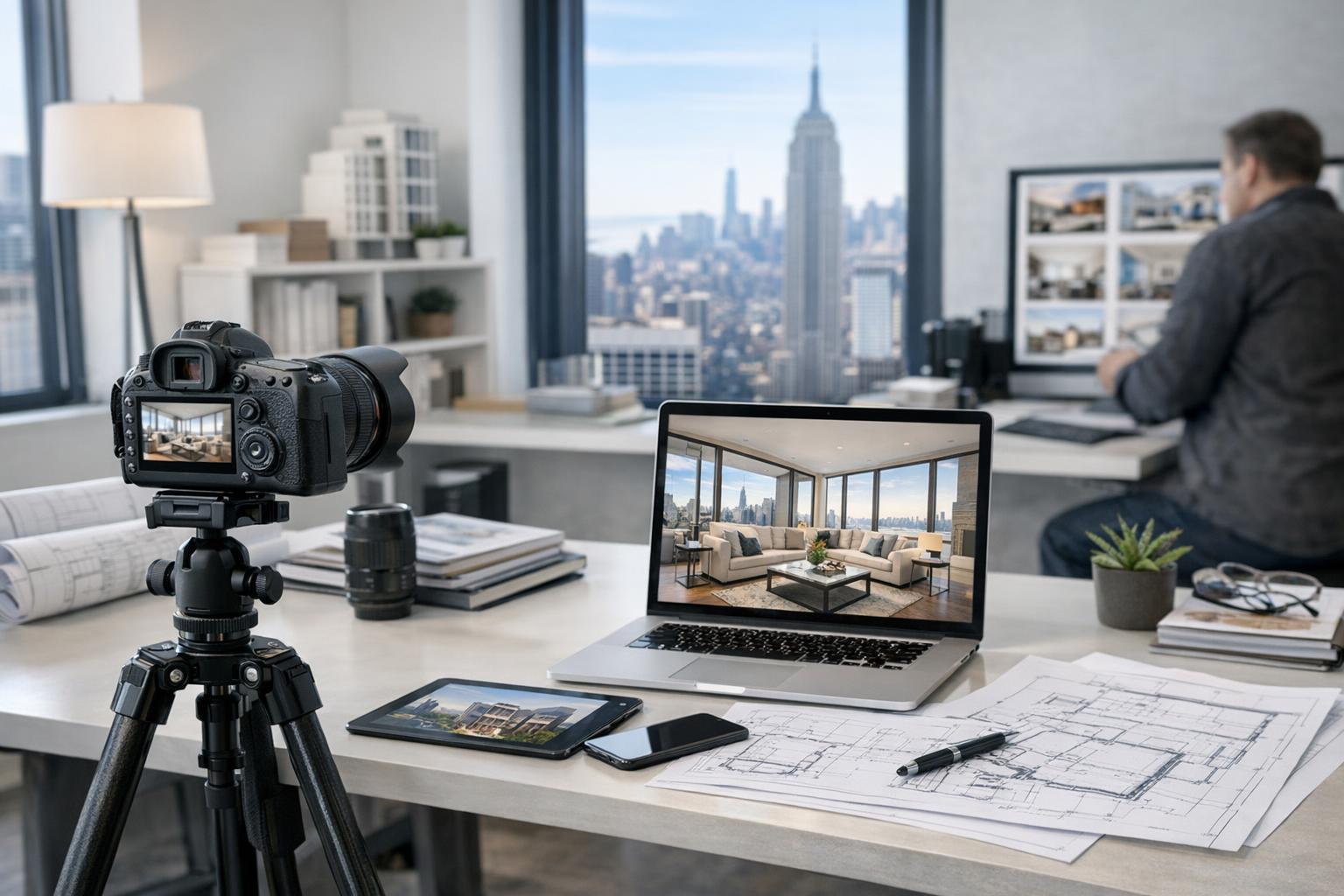
An architectural photographer in NYC arranges his workspace with a camera, design plans, and digital devices, with the Empire State Building visible in the background.
How to Choose an Architectural Photographer in NYC for Your Property Project
Choosing an architectural photographer in NYC is rarely a straightforward task. In a region shaped as much by historic brownstones as by glass-and-steel high-rises, deciding who documents your space is about more than just finding someone to make a room look inviting. You need a specialist who understands how to reveal the design, the light, the materials, and the way spaces relate—all while creating images that clearly serve the project’s purpose, whether for a listing, a marketing rollout, or a design portfolio.
In this editorial guide, the RealtaSnap team shares practical insights for selecting a photographer that fits your property, project, and goals. We cover what differentiates architectural photography from routine listing coverage, explore operational challenges in NYC and New Jersey, and break down key questions to ask so your images tell the clearest story possible.
Why the Intent of Your Photos Drives Every Decision
Every successful property shoot starts by answering a simple question: Why do you need these images in the first place? Intended use shapes everything from the shot list to the way the images are composed and edited. Are you a broker looking for photos that clarify layout and finishes for a Manhattan apartment listing? A developer launching a new building? An architect documenting finished work? A commercial property team showcasing office, retail, or mixed-use space for potential tenants?
Defining the end users of your images helps your photographer make practical decisions—what needs to be covered, how much time to spend on each room, and what style of photography best matches your project. For example:
- Residential and commercial listings focus on layout, key rooms, and selling features.
- Development marketing may require a broader set: model units, exteriors, amenity spaces, and neighborhood context.
- Design portfolios often prioritize detail shots of finishes, sightlines between rooms, and natural light at specific times of day.
The best results come when you specify how and where the images will appear—websites, print, press, social media, presentations—and whether you’ll need versions for different stakeholders or platforms. Upfront clarity here keeps your shoot on track and ensures you’re not missing essential coverage.
Architectural Photography vs. Standard Listings: What’s the Difference?
Although architectural and listing photography sometimes overlap, they’re driven by different goals and technical priorities.
Routine listing shoots often focus on speed and comprehensive room coverage, sometimes at the expense of nuanced composition or lighting. The emphasis can be on making spaces look as bright and open as possible, with wide shots to maximize perceived square footage for prospective buyers scrolling through dozens of listings.
Architectural photography, on the other hand, is as much about storytelling as it is about documentation. Property photographers who understand this discipline prioritize:
- Thoughtful composition: Images are built around room geometry, traffic flow, focal points, and how key architectural lines align within the frame.
- Line control and proportions: Maintaining true verticals and minimizing lens distortion is essential, especially in NYC, where elements like tall windows or original millwork can be visually defining.
- Exposure balance: High-rise Manhattan apartments and long, narrow Brooklyn brownstones create lighting challenges—bright windows and shadowy interiors sometimes exist just feet apart. Managing natural light, window exposure, and interior brightness takes patience and care.
- Detail and context: Alongside broad room shots, including focused details—original moldings, tilework, custom finishes—creates a narrative and highlights quality.
- Visual sequencing: Instead of a collection of disconnected images, architectural photo sets move logically through space, helping viewers imagine walking from entry to living space, from office reception to conference room, or from stoop to garden.
Well-produced architectural photos feel intentional and honest—presenting the space as it exists while highlighting its strongest features.
Local Property Types: Matching Photographer to Your NYC or NJ Project
Not every portfolio translates to every property. NYC’s spectrum of residential and commercial spaces demands an eye for the specifics.
Manhattan Apartments and Condos
Capturing a Manhattan apartment means handling compact layouts, limited staging options, bright city-facing windows, and sometimes building coordination for elevators or doormen. For pre-war spaces, attention to classic details (moldings, fireplaces, arches) is a must, while new condos may demand crisp presentation of clean lines and amenity spaces. Review sample images to see if the photographer manages these realities effectively.
Brooklyn Brownstones and Townhomes
Brownstones often require a photographer who can capture both the grand entry sequence (stoop, parlor, staircase) and the changing light from the front to the garden-facing rear. Narrow and vertical layouts benefit from careful visual pacing and the ability to adjust for rooms that change character dramatically over short distances.
New Developments
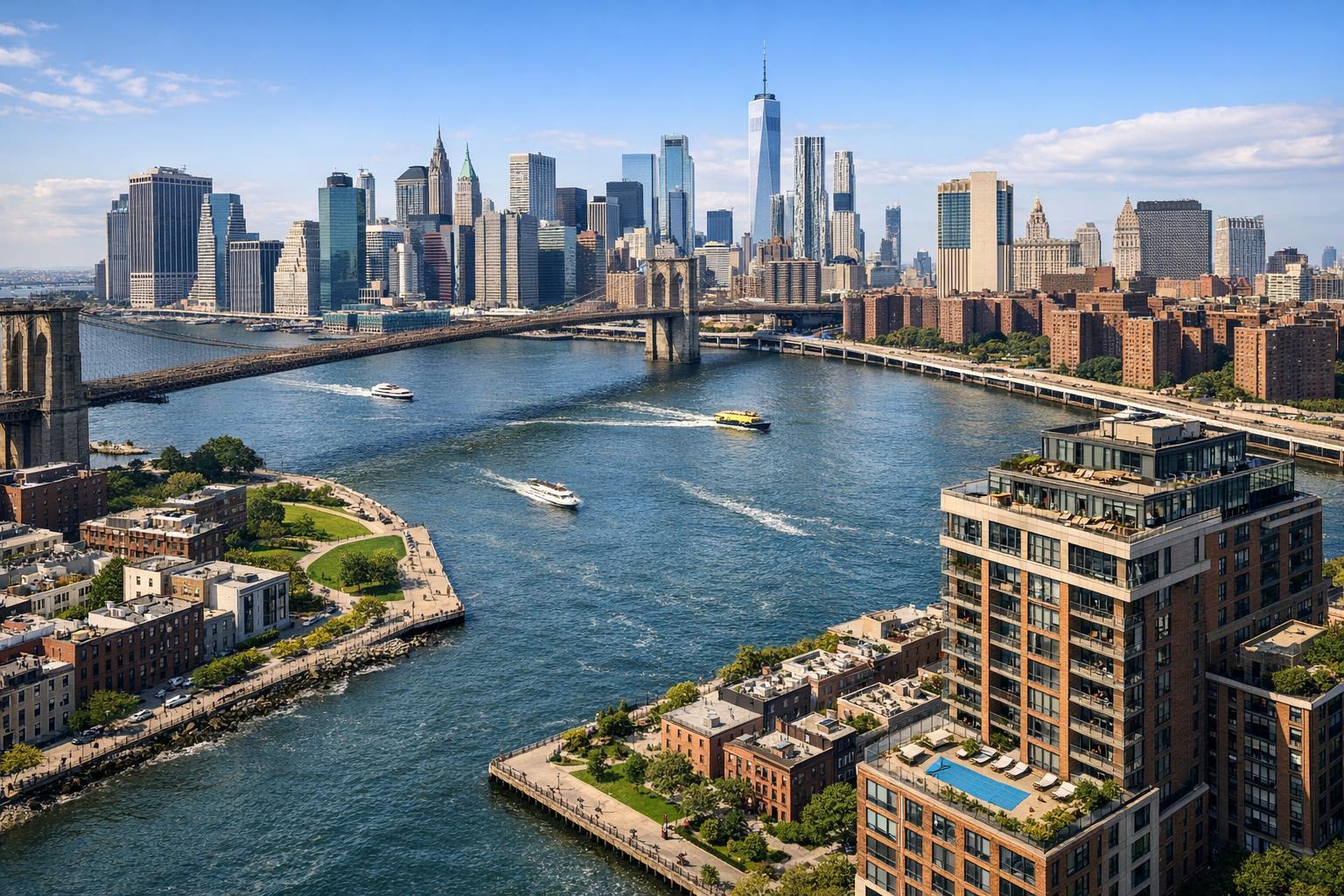
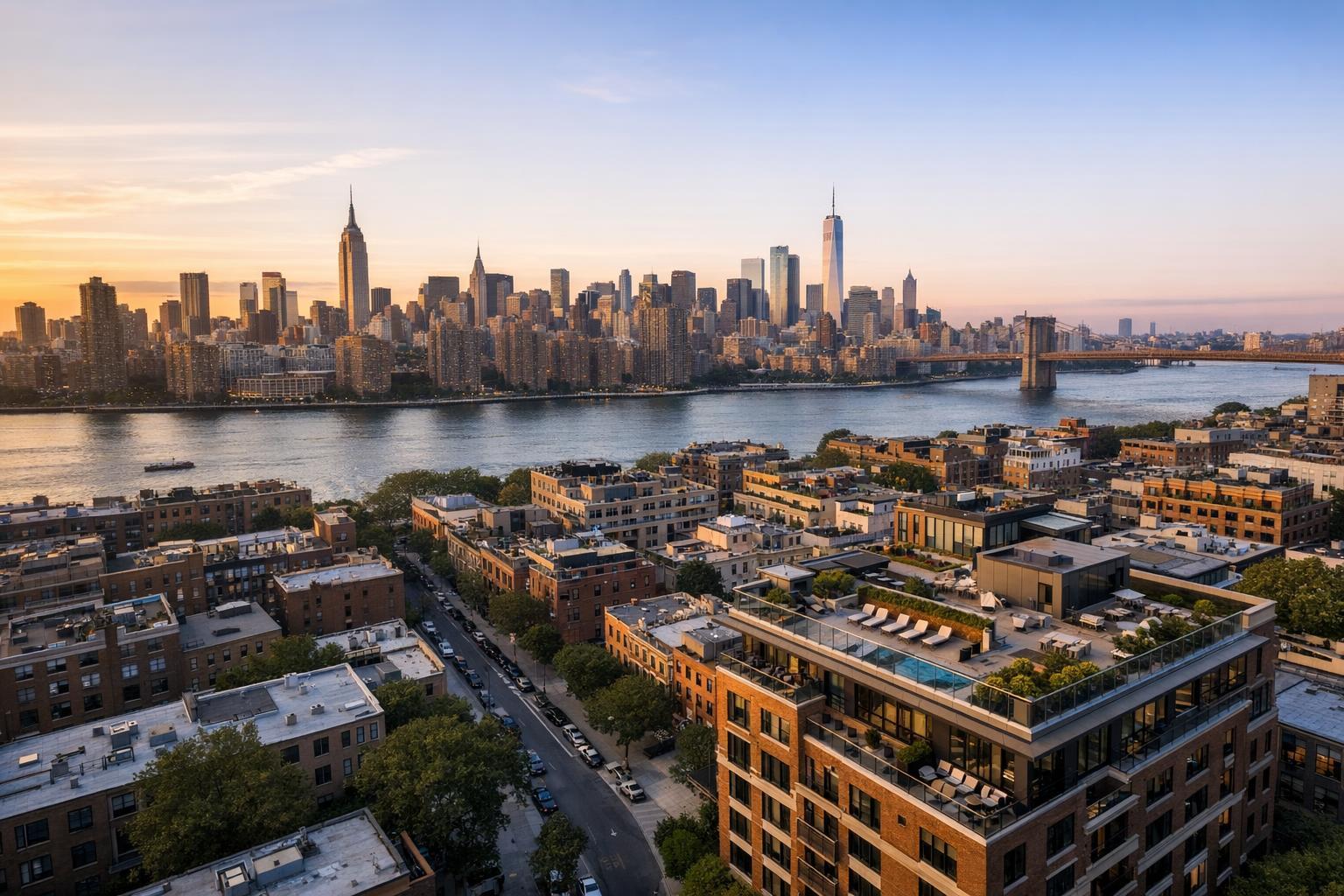
For new buildings, the scope usually extends beyond a single unit. You may need the lobby, amenities, outdoor spaces, rooftop shots, and even the surrounding block. Consistency becomes paramount if the images will represent the project on a website or across various marketing channels. Have a clear direction—editorial, design-oriented, sales-driven—to help your photographer organize the shoot.
Offices, Retail, and Commercial Properties
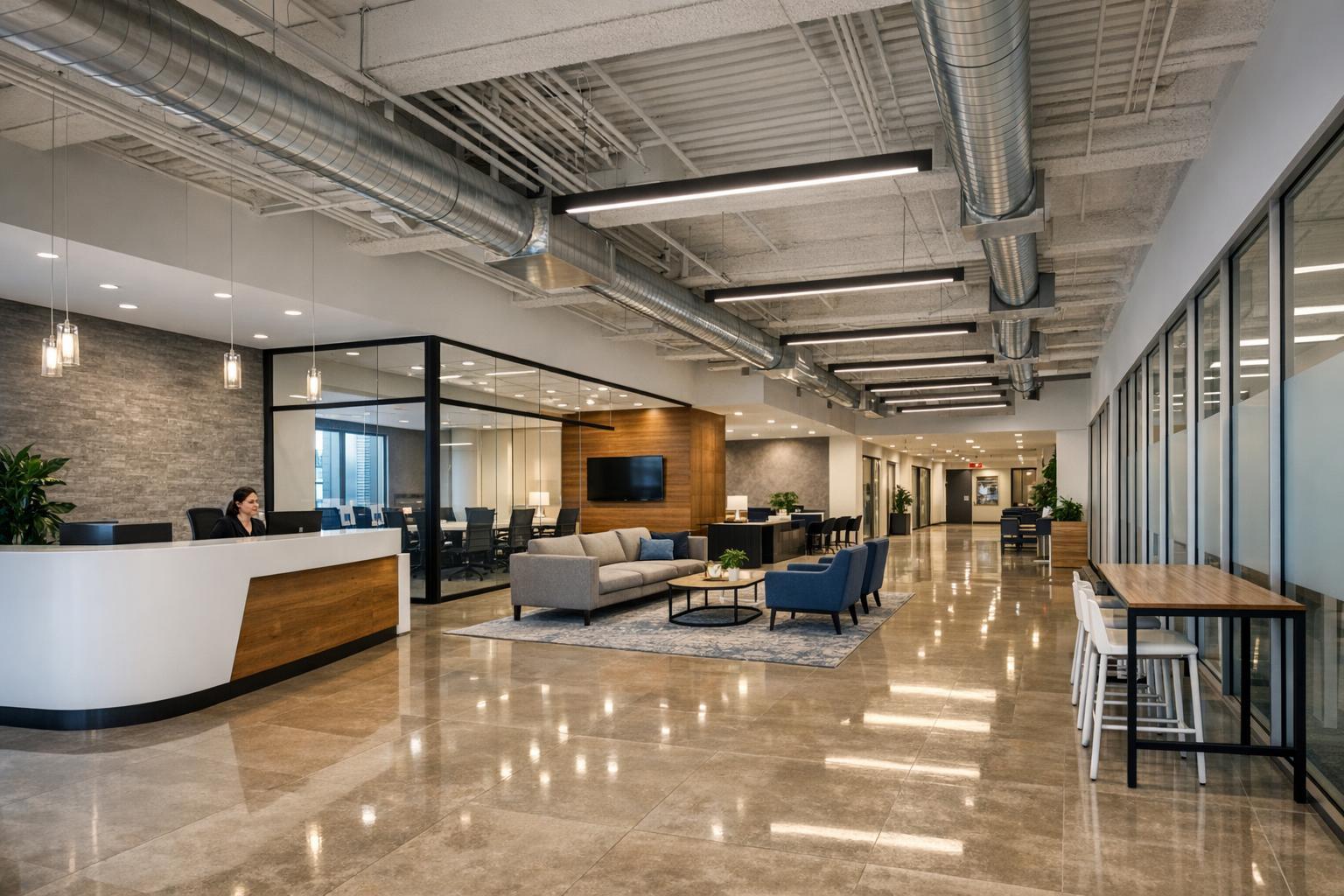
Commercial real estate photography in NYC and New Jersey means balancing the “feel” of a workspace with practical detail: ceiling heights, workstation configuration, amenities, entrance visibility, and sometimes the flow of foot traffic. Each property type calls for different coverage—a creative office, a polished restaurant, and a vacant storefront each warrant their own approach.
Operational Considerations: Questions to Ask Before You Book
Navigating a property shoot in NYC or NJ means dealing with more than just creative choices. Address practical concerns upfront to avoid hiccups later:
- Can the photographer show samples of projects with a similar use or scale?
- How will the story of this particular property be told visually?
- What areas are included (interiors, amenities, exteriors, neighborhood context)?
- How are technical challenges—window exposure, mixed lighting, vertical lines—handled in post-production?
- How much time is needed on site, and who handles preparation?
- What file types and delivery process can you expect?
- Who needs to access the building (doorman, super, tenants), and are there any required certificates or rules?
- Will detail images, amenities, and seasonal or time-of-day lighting be included?
Quality architectural photographers will answer these questions directly and spot potential snags before the day of the shoot.
Preparation Matters as Much as Photography
Even the most experienced NYC property photographer can’t work around a space that’s hidden by clutter or inaccessible at the scheduled time. Here are a few key tips that make a real difference:
- Declutter: Remove visible personal items, clear surfaces, and hide cords where feasible.
- Lighting: Replace burnt-out bulbs, adjust window treatments, and pre-set lighting schemes if possible.
- Staging: If the property is empty, consider whether to show it as-is or opt for virtual staging (which works best when the room is fully vacant).
- Access: Ensure all spaces (amenities, exteriors, rooftop areas) are accessible and occupants are notified of the schedule as needed.
When working with RealtaSnap, capture is always based on what physically exists at the property at the scheduled shoot time. For virtual staging, the room should be empty or properly decluttered before images are taken to keep results natural and clean.
Will You Need More Than Photos?
Still photography is usually the heart of any marketing package, but for some projects, it’s worth considering complementary media:
- Video: Helps to communicate the way rooms connect and lets viewers experience movement through a space.
- Floor plans: Useful for clarifying layout, especially in homes with unusual or multi-level formats.
- 3D tours: Enable remote exploration and are particularly helpful for distant or international buyers and renters.
- Aerials: For exterior-driven listings (such as townhomes or properties near parks and waterfronts), aerial photos or video add valuable context—subject to applicable drone regulations, pilot discretion, and local conditions.
The goal should always be clarity of communication, not simply checking every box on an a la carte list.
Working with RealtaSnap
RealtaSnap provides professional property photography and media services throughout New York City—covering all five boroughs—as well as New Jersey. The process starts with understanding what the client needs and the particulars of the property.
You can explore RealtaSnap’s service options when planning images for listings, portfolios, or development launches. For standard photo sessions, booking is handled through a streamlined online system where you enter the property address, select your preferred services (including add-ons such as video, floor plans, drone, or virtual staging), add project notes, and reserve an appointment time that works for your schedule.
For property marketing that requires a more tailored scope or creative direction, include specifics about required coverage, access restrictions, and feature priorities. That way, your photographer can prepare thoroughly and deliver a final image set that directly supports your goals.
Make Every Image Count
In the NYC and New Jersey markets, professional property images are often the first point of contact for buyers, tenants, or other stakeholders. The difference between routine listing coverage and true architectural photography can be the difference between confusion and understanding—or between a forgettable and standout first impression.
Prioritize a photographer with the right experience for your region and property type, take time to clarify your goals, and prepare the space carefully. When you’re ready to schedule polished architectural or commercial real estate photography—or want to discuss options for your next listing—visit www.RealtaSnap.com.
FAQ
Question: What makes architectural photography distinct from standard real estate photography?
Answer: Architectural photography gives extra attention to design features, materials, composition, perspective correction, and the relationship between spaces. Standard real estate photography often focuses on quick, comprehensive coverage for listings, while architectural work may require fewer images but with more planning, intention, and attention to lighting and detail.
Question: How many photos are typically needed for an architectural property shoot?
Answer: It depends on the property size, how many unique spaces need to be highlighted, and how the images will be used. Smaller apartments or listings may only need coverage of primary rooms and details, while larger developments or commercial spaces often require a complete set including exteriors, amenities, and contextual shots. Align your shot list with the story you want the images to tell.
Question: Should a vacant property be staged before scheduling photography?
Answer: Staging helps certain spaces feel more inviting and can clarify scale and intended use, but it's not mandatory for every property. Empty rooms can also be photographed as they are, especially if the goal is to emphasize architecture and finishes. If you’re considering virtual staging, the rooms should be completely empty or decluttered before photography to ensure the edited results look natural.