How to Choose a Real Estate Videographer for Your Next Listing
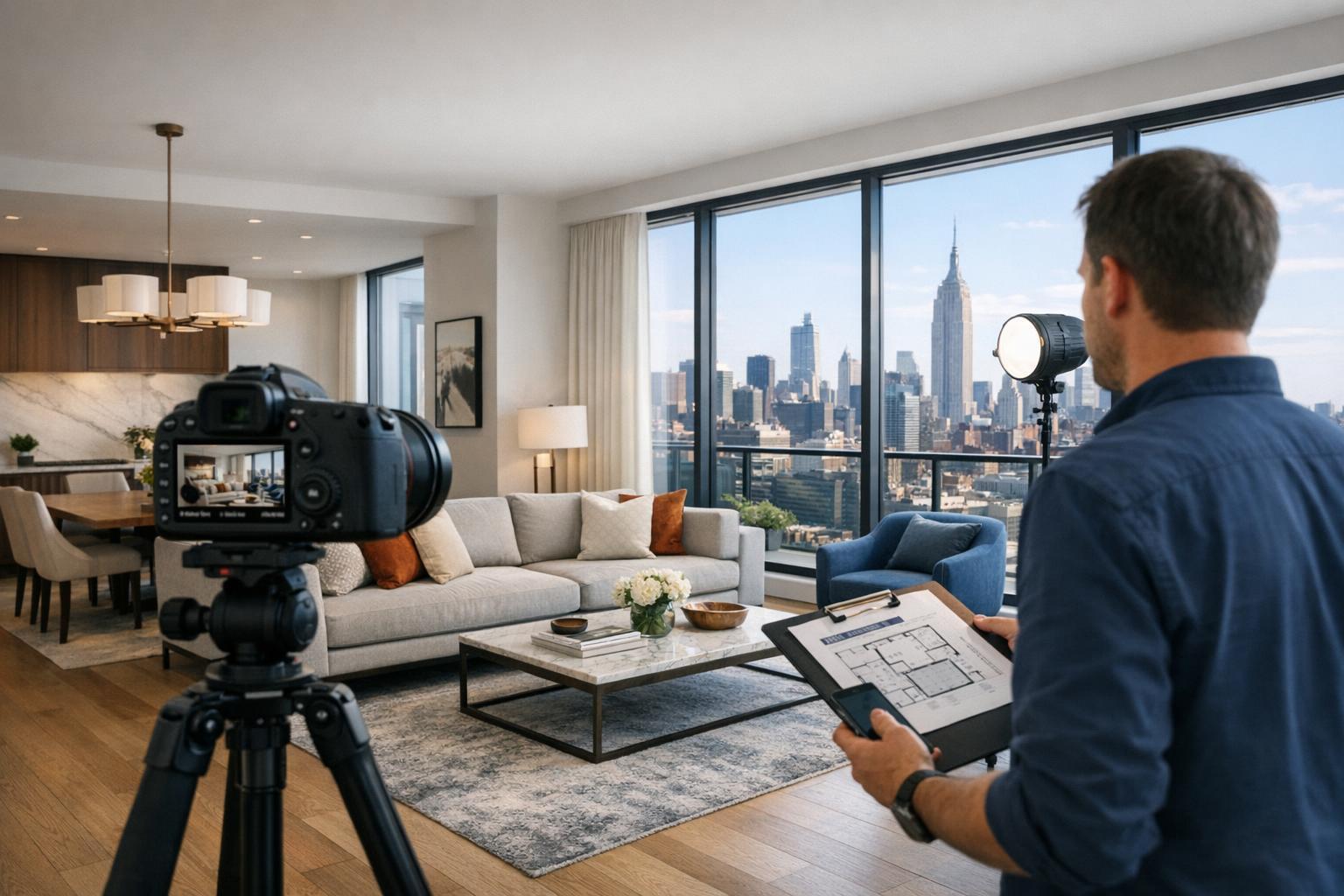
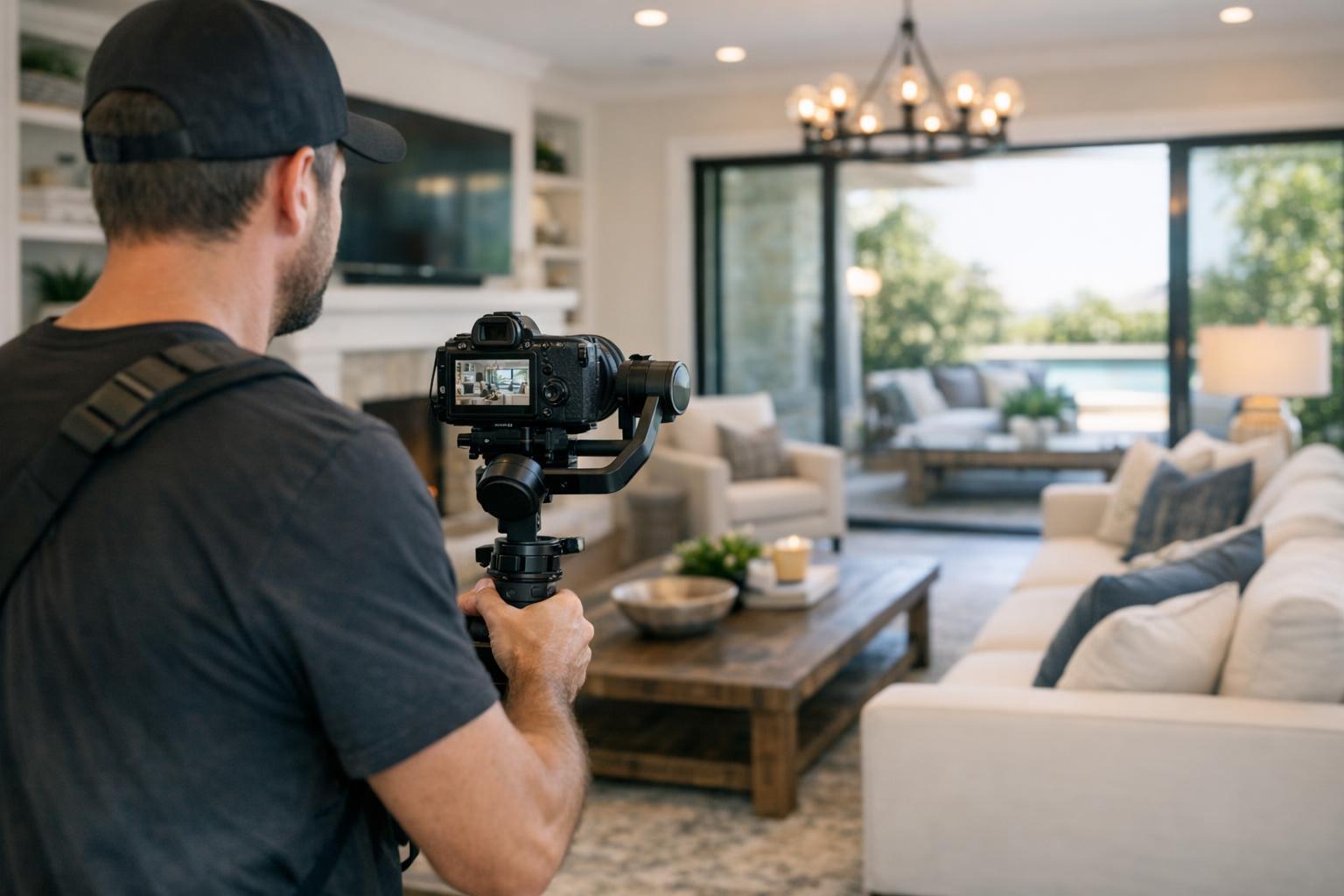
A real estate videographer captures footage of a luxurious living room with modern decor and a view of the outdoor patio.
How to Choose a Real Estate Videographer for Your Next Listing
A real estate videographer plays a practical role in the modern property market. With the right approach, video can help turn a static roster of listing details into a clear, immersive visual experience for buyers and renters. From compact Manhattan apartments to expansive New Jersey homes, choosing the right provider—one who understands real estate video tours, not just video as a medium—has real impact on how a space is perceived before a showing ever happens.
Defining the Property’s Visual Story
Every property has unique selling points, and not all listings call for the same video style or structure. A studio condo might need a brisk, logical walkthrough to clarify layout, while a multi-level brownstone benefits from lingering on period details and unique transitions between floors. In New Jersey, agents often need exterior context or neighborhood amenities worked in to communicate value the way a single photo never could.
Start by identifying what needs to be communicated. Consider these when briefing any property videographer:
- How rooms connect and how the home flows as a living space
- The real scale of main areas, kitchens, bedrooms, and outdoor spots
- Where windows are placed, what kind of daylight is present, and what the actual views look like
- Special features or details that may be subtle in still photos
- Which indoor and outdoor spaces relate to each other
- Building amenities or context when it’s relevant in denser settings
When that vision is clear, the resulting video tour can be focused, helpful, and true to the property’s strengths.
What Video Delivers Beyond Stills
While still photography is essential for capturing details and finishes, video adds something unique: physical movement, rhythm, and spatial understanding. Video can smoothly reveal how an entry opens into a living area, how rooms relate, or how natural light travels over the course of a day.
Some common functions of a real estate video tour:
- Illustrating flow — making it easy for viewers to mentally map how rooms connect
- Showing true scale — communicating ceiling heights, hallway widths, or how open a living/dining setup feels in real life
- Capturing light — documenting window orientation and how sunlight enriches a space, not just relying on interior lights
- Setting context — from an urban stoop to a sprawling yard, video covers what surrounds the interior
- Highlighting character — lingering on details like trimwork, staircases, or built-ins that matter to your buyer pool
- Setting pace — conveying an appropriate mood, from tranquil to energetic, based on the space and the listing strategy
A carefully planned video shouldn’t replace well-done photos or a floor plan, but it does provide another layer of understanding. Especially in urban settings, where layout confusion can lose a buyer’s interest fast, these tours bring essential clarity.
Evaluating Portfolios: Beyond the Flash
A polished highlight reel is common on any videographer’s site, but when selecting a real estate specialist, dig deeper. Watch full listing videos—not just 15-second snippets—to see if the work tells a logical, helpful property story from start to finish.
What distinguishes reliable professional work?
- Consistency across different property types (condos, townhomes, multi-family)
- Camera movement that feels steady and purposeful, not flashy for its own sake
- Shots that let viewers understand room relationships and important features
- Editing that maintains clarity without letting effects distract from the space
When reviewing, ask yourself:
- Does the pacing help a buyer truly “walk through” the home?
- Can you keep track of where you are in each moment?
- Are the most valuable features shown clearly, or do they flash by?
For NYC listings, tight layouts and limited time windows make clear, directed movement even more important. For sprawling suburban homes or houses with large grounds, the challenge may shift to covering more territory without disorienting the viewer.
Practical Considerations for On-Site Video Capture
Good real estate video starts with real, on-site capture. Unlike slide-shows built from stills, professional providers capture movement, daylight, and room connections on the day of the shoot. Property preparation also plays a central role in the final results.
To keep everything running smoothly:
- Discuss which spaces will get the most attention—don’t try to document every corner equally
- Decide if a person (agent or owner) is needed on-camera for introductions or context
- Confirm the property’s status: vacant, staged, actively lived-in, or in transition
- Clarify access logistics, such as building management rules, elevator reservations, or scheduling constraints in doorman or attended buildings
- Talk through the intended use of the finished video—MLS, website, email, or social media cuts, since each has different technical specs
A well-prepared home makes a real difference. Agents and owners should clear surfaces, secure valuables, hide cords, and make sure nothing distracts from the features meant to sell the property. In occupied homes, coordinating so people and pets aren’t visible is another practical detail that helps prevent reshoots and confusion.
Choosing the Right Video Format
Not every property needs, or benefits from, an extended or high-production video. For many NYC apartments, a brisk, one-minute video is more appropriate than a four-minute film. For major listings—think brownstones with extensive detail, or New Jersey homes where outdoor context tells half the story—a longer and more narrative video makes sense.
At RealtaSnap, offerings range from concise one-minute standard videos to longer premium options with custom branding, agent interviews, and coverage of features like amenities or neighborhood settings. Social-media versions (vertical edits, trailers) are available for agents focusing on Instagram, TikTok, or Facebook audience engagement. These video types are all captured on site and tailored in post-production to the actual strengths of the property and the agent’s marketing plan.
To learn more about RealtaSnap’s real estate video services and see current offerings, visit real estate videography in NYC.
Social Media Cuts and Add-Ons
Shorter, platform-specific video edits can be effective—for properties with memorable views, dramatic exteriors, or attention-grabbing kitchens, these quick cuts are designed for viewers scrolling on a phone. Adding a 30-second trailer, or a social cut focused on key features, may boost awareness and drive more clicks to the primary listing.
But they’re most useful when there’s a plan for using them consistently in marketing outreach, not simply ordered “just in case.” Tailoring these quick formats to the property’s actual strengths and the platforms that matter to the seller is what drives real value.
Aerial and Drone Considerations
Use drone video when it adds meaningful context—large lots, waterfronts, unique rooflines, proximity to parks, or striking neighborhood views are places where aerial work stands out. But drone shoots can’t be guaranteed for every property. Factors like restricted airspace, weather, roof access, and building rules all determine feasibility. Licensed, knowledgeable drone pilots will always assess safety and regulatory compliance before confirming flight plans.
Share the address early and be clear about goals for aerial media. Professional providers like RealtaSnap handle drone work case by case. For more information, see drone photography and videography options.
Making a Real-World Comparison
Rates and deliverables for real estate video can vary widely by region and provider. The practical points to clarify aren’t just about price, but about what’s actually included:
- What length will the finished video be?
- Are branding elements, music, or graphics included—or are those extra?
- How are revision requests handled?
- Are social media or alternate formats available in the base price?
- What is the expected turnaround on edits and delivery?
Good communication from the provider, clear portfolio examples for similar properties, and well-defined production and delivery details help ensure agents and owners know what they’re receiving, and when.
Video in Local Context: NYC and New Jersey
There’s no one-size-fits-all solution. NYC videography often means navigating elevator reservations, concise storytelling within compact layouts, and shooting windows dictated by building policy or daylight in urban canyons. New Jersey work often involves more exteriors, longer drive-ups, pools, or more dramatic landscaping. Local experience means knowing how to capture properties efficiently and communicate their true value to buyers and renters accustomed to different regional housing norms.
RealtaSnap is experienced with both sides of the Hudson, capturing video for listings throughout New York City, New Jersey, and surrounding areas. Our approach reflects the realities of property listing, not just the trends in real estate marketing.
Ready to Schedule?
Thoughtful video tours can help listings stand out by bridging the gap between photos and floor plans, especially when physical tours aren’t always practical for buyers. For agents, property managers, and brokers working in NYC or New Jersey, well-produced video is a strategic asset—when designed and executed well, it helps buyers truly imagine themselves in a space before they ever set foot inside.
To see RealtaSnap’s current video options or book a shoot, visit www.RealtaSnap.com.
FAQ
Question: How do I know what video format is best for my listing?
Answer: Start by thinking about the story you need to tell—are you clarifying a tricky layout, showing off outdoor living, or supporting a major renovation with an agent interview? Shorter is often better for apartments and straightforward properties, while properties with unique features or lots of extras may benefit from more involved, longer-form content. A real estate videographer familiar with your market can talk through options based on your needs and intended marketing channels.
Question: Do I need to clean or stage before a video shoot?
Answer: Yes, property preparation influences the final result. Clear clutter, secure valuables, make sure surfaces are tidy, turn on all working lights, and plan for a quiet space during the shoot. This is especially helpful in lived-in spaces or NYC apartments where every detail shows on camera. RealtaSnap captures what’s at the property on the day—so plan ahead for the best presentation.
Question: Can you provide drone video for any property?
Answer: Not always. Drone videography depends on airspace regulations, weather, local access, and safety. In dense parts of NYC, for example, drone flights may be restricted or require special access. For suburban or rural properties, feasibility is usually higher, but confirmation is always needed case by case. Provide the listing address up front, and your provider will assess and confirm what’s possible for your property.