How to Choose a Real Estate Video Tour for Your NYC or New Jersey Listing
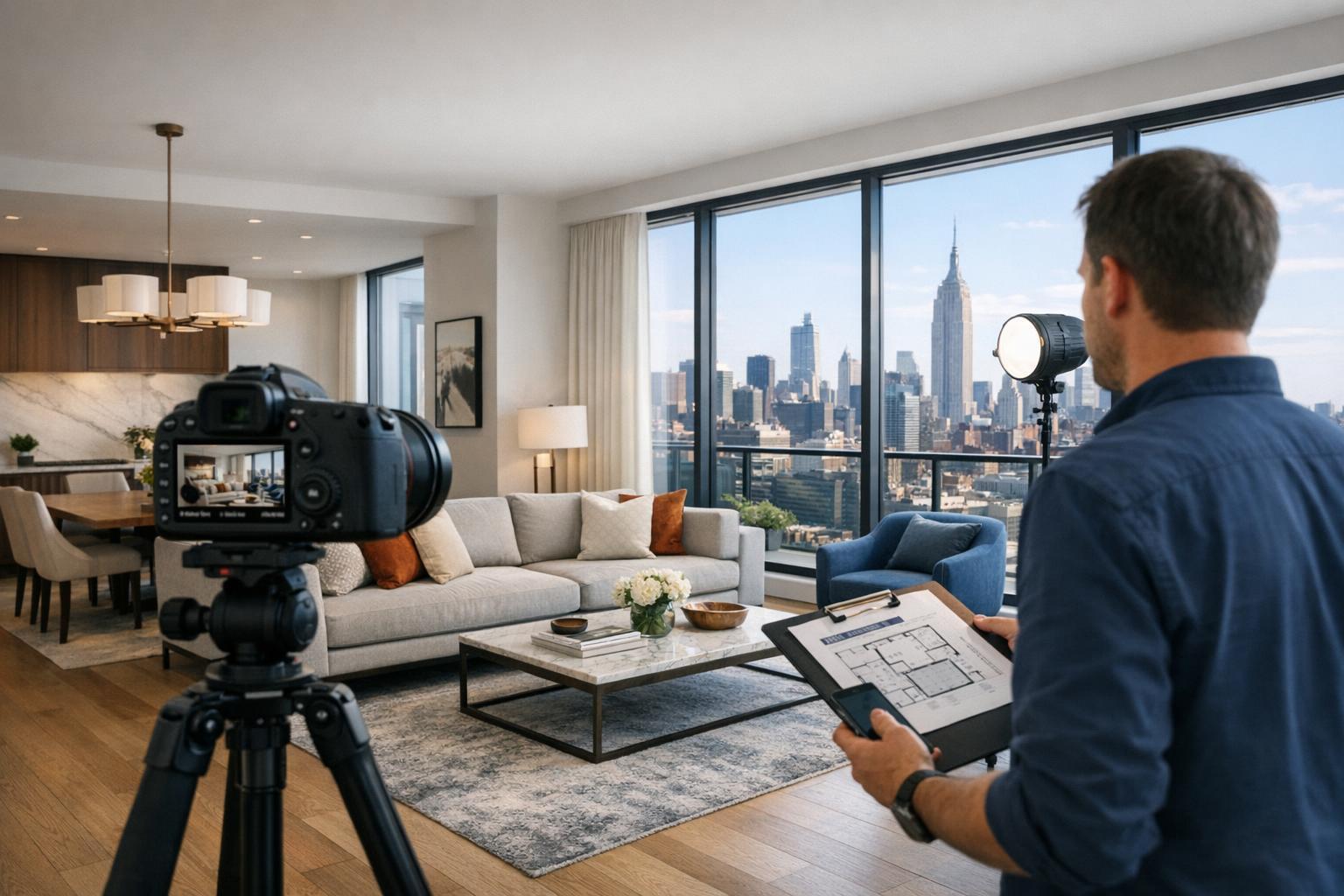
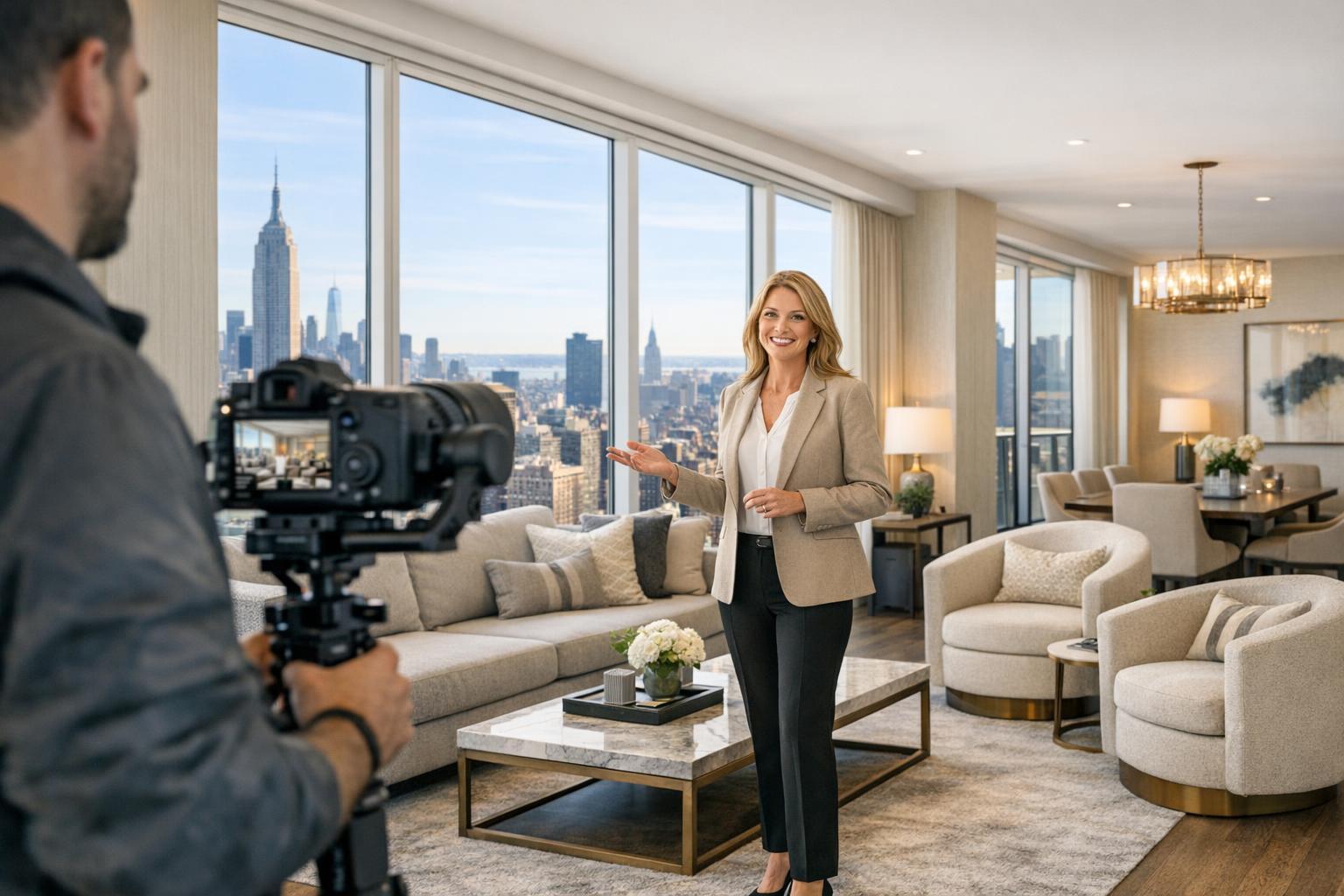
A real estate agent is featured in a video tour of a luxurious apartment with stunning city views, captured on camera by a videographer.
How to Choose a Real Estate Video Tour for Your NYC or New Jersey Listing
A real estate video tour has become an essential tool for showcasing properties, especially in diverse markets like NYC and New Jersey. While high-quality photos set the foundation for any real estate listing, video brings a crucial sense of movement, sequence, and atmosphere that still images simply don’t capture. For agents, brokers, and property marketers, the real question isn’t whether to use video, but what kind of property video walkthrough makes sense for a specific listing—and how to ensure it provides genuine value to prospective buyers or tenants.
What Real Estate Video Adds That Photos Can’t
Good real estate photography allows viewers to scan details: finishes, fixtures, views, or proportions. But the true experience of moving through a property—how rooms connect, how daylight transitions from space to space, where interior flows out to a deck or garden—can only be communicated by video. In markets with so much variety, like compact Manhattan apartments, Brooklyn brownstones, or suburban New Jersey homes, this sense of layout and connection is vital.
Video helps illustrate:
- How you enter the home and where that leads next
- The relationship between kitchen, dining, and living spaces
- How bedrooms, offices, and storage fit into the broader plan
- The direction and quality of natural light throughout the day
- Outdoor integration—a rooftop, deck, balcony, garden, or terrace
- The cumulative rhythm of the home, from arrival to memorable feature
Certain layouts, like multi-story townhouses, duplexes, or homes with unique flows, benefit more from video than a series of images. Video not only paints a more accurate picture of the home, but also gives you control over the story’s sequence—introducing the property in a cohesive, engaging order.
Photos, Videos, and 3D Tours: When Does Each Make Sense?
Each format has its own strengths when marketing a property.
- Photography is all about sharp details and visual impact. Still photos capture the polished angles of each room, highlight signature materials, and work well across listings, print, and digital marketing. Photos are efficient for review and sharing, but they freeze each space in time—they don’t reveal the journey from one area to the next.
- Video is key for showing flow and atmosphere. A slow pan from a foyer into the living room, passing through French doors to the garden, or sweeping across a city skyline at sunset, helps viewers feel what it’s like to actually be there. This format excels at demonstrating how a space lives, not just how it looks.
- 3D Tours (like Matterport) are interactive, allowing remote prospects to explore the property at their own pace. These tours, created via on-site scanning (never from static photos), are especially valuable when the buyer is out of state or needs to revisit details after an initial viewing. They complement video, but don’t tell the story for you.
Combining video with photography and 3D tours provides the most complete picture—it’s a toolbox, not a competition.
How to Identify the Right Story for Your Listing
Before planning a property video walkthrough, agents and marketers should clarify what matters most for the viewer to understand in one or two minutes. Each property’s narrative is different:
- Manhattan studios or one-bedrooms: focus on efficient layouts, built-in storage, windows, and light.
- Brooklyn brownstones: highlight parlor level, historic details, staircases, garden corridors, and upper floors.
- New development condos: showcase amenities, new finishes, high ceilings, and the path from unit to building features.
- Suburban New Jersey homes: emphasize arrival, main floor flow, kitchen-to-yard visibility, and outdoor areas.
Planning prevents the common trap of treating every room as equally important. The best real estate video tours are selective, emphasizing areas that define how the property lives or functions for its next owner or user.
When to Consider a Video Tour
Real estate videography isn’t just for sprawling estates or luxury listings. Video can dramatically improve understanding whenever layout, movement, or context are selling points. Consider video when:
- The property has an open layout that’s hard to capture in one photo
- It spans multiple levels (duplex, multi-story, townhouse)
- There is strong indoor-outdoor connection: decks, yards, terraces
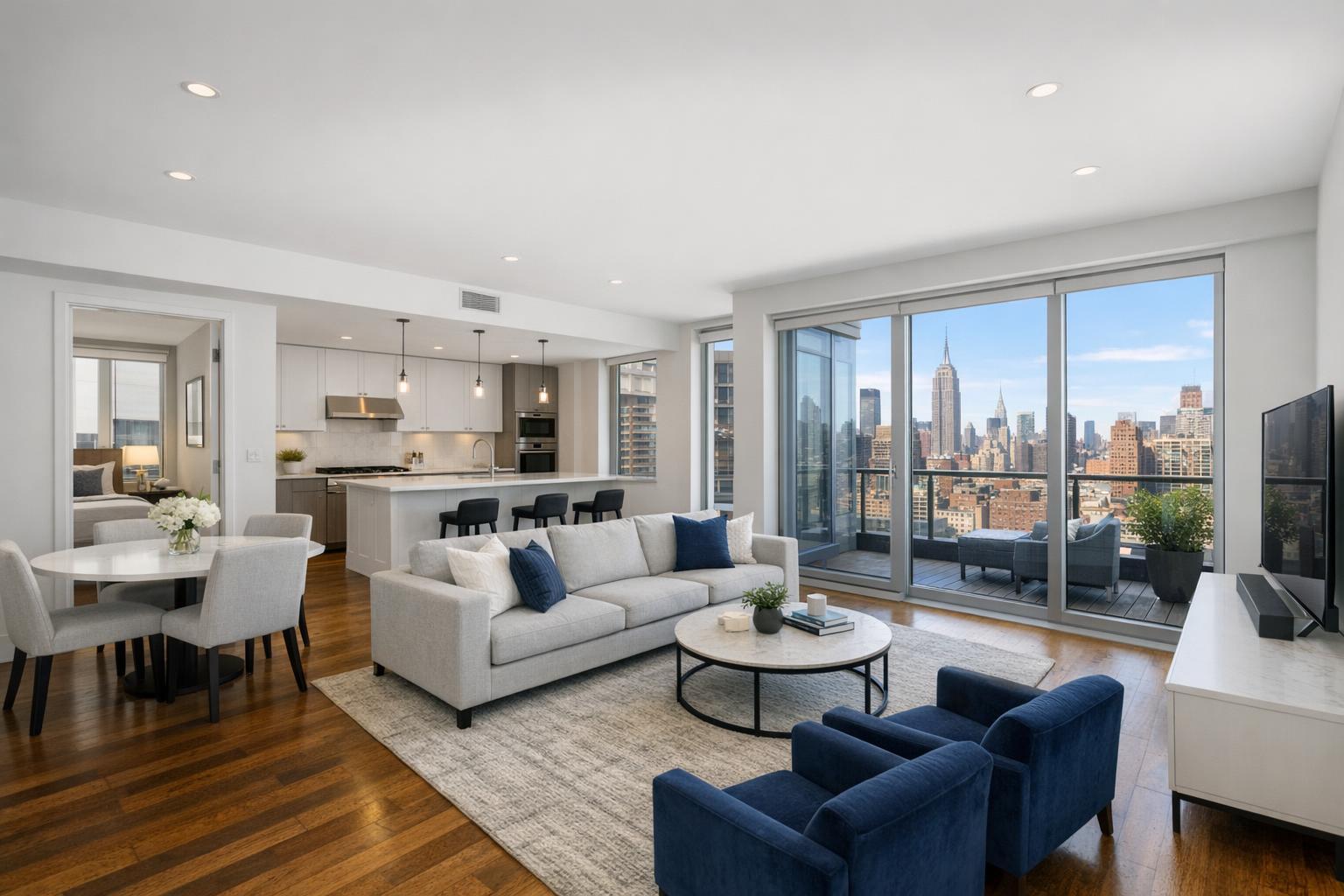
- There’s a dramatic view worth revealing in motion
- Architectural features or finishes create a mood or sense of place
- Large/flexible rooms that need to be understood in scale
- The listing is likely to be shopped by remote or time-constrained buyers
Video may be less critical for compact, straightforward apartments with little visual variety—but even then, a short, tightly edited video can call attention to features like natural light, renovated kitchens, or an impressive view.
Matching Video Style to the Property
Just as no two listings are identical, the style and approach of a property video walkthrough should be tailored:
- Cinematic Walkthroughs: Stabilized movement, careful shot selection, and seamless post-production give a polished look. These are well-suited to homes with visual depth, natural light, and defined architectural stories. They can move logically from exterior arrival to the property’s highlights.
- Concise Social Media Edits: Shorter, more focused cuts work best for eye-catching features—panoramic views, chef’s kitchens, modern amenities, or striking exteriors. These need thoughtful shot selection and disciplined editing so they don’t feel generic or rushed.
- Agent-Led Tours: Some agents excel on camera, providing useful context on renovation, amenities, or layout nuances that visuals alone might miss. Careful preparation is key; a focused conversational approach works better than unscripted, repetitive commentary.
- Music and Pacing: Soundtracks should complement the property—not overpower it. Energetic tracks can suit modern city listings, while subtle backgrounds may better serve classic, tranquil homes.
Operational Insights for Video Production
A real estate video tour requires on-site capture. Unlike slideshow “videos” made from photos, true property videography depends on moving through the spaces with intent.
A few practical production considerations:
- Preparation matters. Just as with photography, clutter can distract, and small details—like lighting, window treatments, and staged surfaces—are often more noticeable when the camera moves. For occupied NYC apartments, tight spaces and visible storage require strategic decluttering. In New Jersey homes, exterior readiness (furniture, landscaping, pool areas) can affect the entire sequence.
- Camera movement should be purposeful. Professional videographers plan each move: a slow reveal for a dramatic kitchen, a direct approach to a living room, or a lateral glide across a large deck. Overly fast or sweeping movements can blur features, distort scale, or disorient potential buyers.
- Access and logistics. Especially in NYC, plan ahead for building access, elevator use, and any needed approvals. In suburban or multi-acre NJ properties, be sure exterior zones are ready, safe, and accessible for the video crew.
Local Experience: NYC and New Jersey Listings
Each market presents unique challenges—and opportunities. Manhattan and Brooklyn properties may require creative navigation of small spaces, building protocols, or showing lifestyle features like skyline views, shared amenities, or building entrances. Brownstones and townhouses benefit from video that clarifies where each floor begins and ends, while New Jersey properties may need broader exterior coverage and clear demonstration of how main living spaces relate to outdoor environments.
RealtaSnap specializes in these local distinctions. Every video is captured on-site, using local expertise to inform shot selection and narrative framing. You can see more about our approach and offerings at our real estate videography page.
Questions to Ask When Booking a Video Tour
A useful checklist for agents, brokers, and marketers evaluating whether to order video for a listing:
- What critical information about this property may be unclear in photos?
- Which areas should be emphasized or minimized in a guided walkthrough?
- Is the priority to show layout, capture views, highlight finishes, or explain unique features?
- Will the video be used primarily for listing websites, social promotion, digital marketing, or private sharing?
- Would a highlight reel be more effective than a comprehensive walk-through?
- Is an agent-led voiceover or interview useful—or is the narrative best left visual?
- What building access, scheduling, or prep considerations might affect on-site production?
Clarity around these questions leads to a better, more effective result.
Professional Media That Reflects the Real Property
A real estate video tour isn’t about showing everything—it’s about putting the most relevant features in context. Working with an experienced local provider means you’re getting a professionally captured product, produced on-site, crafted to tell the right story for that particular property and audience.
If you’re considering a video tour for an upcoming listing in NYC, New Jersey, or surrounding areas, you can learn more about RealtaSnap’s services or explore our full service offerings.
A thoughtfully executed video will help your viewers understand what makes each property unique—and why it deserves their attention.
To discuss professional video capture for your next listing, visit www.RealtaSnap.com.
FAQ
Question: How long should a real estate video tour typically be?
Answer: The length should be driven by the property and how you intend to use the footage. A quick highlight reel focusing on a few stand-out features might be under a minute, while a walkthrough covering layout, atmosphere, and room-to-room flow could run between one and three minutes. The most important principle is that every second feels purposeful—no filler or unnecessary repetition.
Question: Can you make a real estate video tour from just photos I already have?
Answer: No; a true property video tour requires on-site video capture. While still photos are great for listings and marketing, they can’t recreate the natural movement, transitions, or changing perspectives of a professionally shot video walkthrough.
Question: Is it worth ordering both a video and a 3D virtual tour?
Answer: It depends on your goals. Video gives a polished, guided introduction to the property and highlights its strongest features. A 3D tour allows viewers to independently explore and revisit spaces at their own pace. For listings where both storytelling and detailed remote exploration matter, combining formats makes sense—they each serve different viewing styles.